
American strength has historically come from a shared sense of identity: Americans believed deeply in their country, and Christians grounded their lives in faith. That combination of national pride and religious conviction created a cultural cohesion that helped the nation thrive. Today, however, America is showing signs of strain. Religious affiliation is declining, patriotism is weakening, and many people no longer feel connected to a common set of values. At the same time, global population pressures and economic instability have changed the way people migrate. Increasingly, individuals come to America seeking material opportunity rather than embracing its culture, traditions, or civic spirit. As a result, the shared beliefs that once unified the nation are becoming fragmented, leaving America less stable and less confident in its identity. Many people in the government have also become more interested in money than in the love of America and being American. They are taking money from foreign interest groups to pass laws that are harmful to American culture. A growing concern is that segments of the political class have become more invested in wealth, influence, and personal advancement than in the responsibilities of public service. When elected officials prioritize financial gain over national loyalty, they become vulnerable to pressure from foreign interest groups seeking to shape American policy for their own benefit. This dynamic has led to laws and decisions that do not strengthen American culture but instead dilute the values that once defined the nation. The result is a government less anchored in patriotism and more entangled in global financial interests. #RandolphHarris 1 of 19

The moment prayer was taken out of schools and Christian scripture and symbols were pushed out of public life, a profound cultural shift began. For generations, Christianity provided a moral compass that shaped American identity. Removing those anchors created a vacuum — one that allowed moral uncertainty, cultural fragmentation, and spiritual disconnection to grow. To many, it felt like the doorway to hell had been opened. Starting in 1962, with Engel v. Vitale, the Supreme Court ruled that state‑written or state‑led prayer in public schools is unconstitutionalbecause it violates the Establishment Clause of the First Amendment. Then, in 1963, with Abington School District v. Schempp, the Court ruled that mandatory Bible readings or recitations of the Lord’s Prayer in public schools are unconstitutional. This ended school-mandated religious scripture readings. These movements are symbolic turning points because they removed Christianity from the center of public institutions, shifted America to a more secular civic identity, and created tension between traditional religious values and modern constitutional interpretation. Many people view 1962-63 as the moment when America began separating public life from its Christian heritage with disastrous results. The assassination of President John F. Kennedy occurred on November 22, 1963, in Dallas, Texas, USA. This was one of the most consequential crimes in American history. It really shook the nation. Before 1963, most Americans felt their country was secure, orderly, and morally grounded. Political assassinations were associated with unstable nations, not the United States. When Kennedy was killed in broad daylight, in front of cameras, it destroyed the illusion that America was immune to chaos. The Mississippi civil-rights murders occurred in 1964 when three civil rights workers—James Chaney, Andrew Goodman, Michael Schwerner—were murdered by the Ku Klux Klan (KKK) in June. The case exposed deep collusion between local law enforcement and the Klan. Also in 1963-64, there was an expansion of organized crime. Italian-American crime families dominated major cities. Key figures were Carlo Gambino and Sam Giancana. Their activities included gambling, extortion, labor racketeering, and heroin smuggling. From 1963–64, FBI crime reports show rising homicide, robbery, and property crime. States such as California, Arizona, and Florida had high property-crime rates per 100,000 residents, including burglary and auto theft. #RandolphHarris 2 of 19
Other notable criminal or violent events in1963-64 were the civil rights era violence. There were numerous attacks, bombings, and murders targeting civil rights activists and Black communities, especially in the Deep South. In 1964, the KKK burned Black churches during Freedom Summer. The 1965 Selma marches exposed the deep national divisions tearing at America’s social fabric. These demonstrations — three separate attempts to march from Selma to Montgomery — were organized to confront the systemic denial of voting rights to African Americans in the South. The first march on March 7, later known as Bloody Sunday, became a national trauma: peaceful citizens were brutally attacked by Alabama state troopers, local law enforcement, and a mounted posse on the Edmund Pettus Bridge. Fifty‑eight people were injured, and seventeen were hospitalized with severe wounds. Dr. Martin Luther King Jr. (1929-1968), an American Christian minister and civil rights leader, became the central figure in the movement to end racial segregation and discrimination in the United States of America. He was known for leading nonviolent protests inspired by Christian theology. Under his leadership, the marchers eventually completed their journey, leading to the passage of the Civil Rights Act of 1964 and the Voting Rights Act of 1965. These laws dismantled legal segregation and protected voting rights for Black Americans. However, cultural division exploded in the summer of 1967, when 158 riots erupted across urban communities nationwide. The most devastating unrest struck Watts, Detroit, and Newark. Over those violent months, 83 people were killed, 17,000 arrested, and 600 buildings destroyed. #RandolphHarris 3 of 19

Another 2,500 buildings were looted, damaged, or burned. American cities were literally erupting — more than 150 outbreaks of violent unrest shook the country, signaling a nation in crisis. By this point, crime rates were continuing to rise, and trust in institutions was steadily eroding. America’s cultural cohesion was weakening; the shared identity that once anchored the nation was beginning to fracture. Dr. Martin Luther King Jr. believed that injustice anywhere threatened justice everywhere, and that America could only fulfil its promise through equality and compassion. He believed that injustice anywhere threatened justice everywhere, and that America could only fulfill its promise through equality and compassion. However, tragically, on April 4th 1968, what was seen as one of the most destabilizing events of the late 1960s—a moment when hope, unity, and moral leadership were violently interrupted. Dr. Martin Luther King, Jr. was violently assassinated. America’s cultural foundation was built on faith in God and the moral clarity of Christianity. When those forces are dismissed or ignored, the nation drifts. Without a shared spiritual anchor, disorder grows, unity fades, and the culture begins to unravel. #RandolphHarris 4 of 19

The late 1960s- 1970s were a time of political violence, destabilization, and serial killers. The country had been rocked by political assassinations, mass murder, terrorism, serial killers, organized‑crime violence, and massive financial fraud. These crimes forced changes in national policy and security, but they also signaled something deeper: a nation losing its religion, cultural cohesion, and moral clarity that keep society stable. The Vietnam War became one of the most divisive and destabilizing events in modern American history. Beginning in the early 1960s and escalating dramatically throughout the decade, the conflict eroded national unity, strained public trust in government, and exposed deep cultural fractures. As casualties mounted and televised images of combat reached American living rooms, support for the war collapsed. The draft fueled widespread anger among young Americans, while protests, campus demonstrations, and violent clashes with police revealed a nation at war with itself as much as with a foreign enemy. Compounding the human toll was the use of Agent Orange, a powerful herbicide manufactured by companies including Dole Chemical Company (later acquired by Dow Chemical). Intended to destroy jungle cover and enemy crops, Agent Orange contained dioxin, one of the most toxic chemicals known. Exposure caused devastating long‑term health effects for both Vietnamese civilians and American service members — including cancers, birth defects such as Spina Bifida, organ damage, cancer and chronic illnesses that continue to affect families generations later. The suffering caused by Agent Orange became one of the most painful legacies of the war, deepening public outrage and further eroding trust in government institutions. By the time the United States withdrew in 1973, more than 58,000 American service members had been killed, countless others had been sickened by chemical exposure, and the country’s confidence in its institutions had been profoundly shaken. Vietnam marked a turning point — a moment when many Americans felt the nation’s moral clarity, political stability, and cultural cohesion slipping away. #RandolphHarris 5 of 19

A growing distrust set the stage for the next major rupture: Watergate. Only months after the United States of America withdrew from Vietnam in 1973, Americans learned that President Richard Nixon’s re‑election campaign had orchestrated illegal surveillance, political sabotage, and a sweeping cover‑up. The scandal confirmed what many already feared during the Vietnam era — that the government was willing to lie, manipulate, and abuse its power. Nixon’s resignation in 1974 became a symbolic culmination of the cynicism born during Vietnam, reinforcing the sense that America’s political and moral foundation was cracking. The erosion of family stability in Black communities during the mid‑20th century was not happening in isolation. It was unfolding at the same time the entire nation was experiencing deep social and political fractures. In 1890, about 80 percent of Black households were led by married couples, reflecting a strong foundation built despite enormous historical hardship. But by the 1960s, systemic racism, limited economic opportunity, and exclusion from higher‑paying industries pushed many African Americans into low‑wage jobs that made supporting a family extremely difficult. Today’s rising cost of living — soaring rents, expensive groceries, and stagnant wages — makes it easy to understand the pressure families faced then, because many people are living through similar struggles now. Low-paying jobs caused many Black families to rely on government benefits to help get through the tough times. By 1970, welfare agencies were enforcing the man‑in‑the‑house rule, which was associated with President Lyndon B. Johnson. If a man lived in the home or even visited, this rule cut off benefits to women. This policy destabilized families across the country, especially Black households that had once been overwhelmingly led by married couples — 80 percent in 1890. As the rule took effect, married‑couple Black households dropped to 64 percent by 1970, and by the 1990s, only 38 percent remained. The policy helped accelerate the breakdown of family stability in many communities. #RandolphHarris 6 of 19

But family instability was only one sign of a deeper cultural shift. The nation was also confronting a new kind of violence — crimes that felt senseless, symbolic, and spiritually unsettling. The Charles Manson murders in 1969 marked a turning point. The Tate–LaBianca killings shocked the country, not just because of their brutality, but because they revealed how far America had drifted from the optimism and moral clarity of earlier decades. It was a moment when the nation realized that the cultural unraveling was happening on multiple fronts at once: in homes, in institutions, and in the very soul of the country. Charles Manson was eventually convicted of orchestrating and ordering the murders of nine people, but the murders were so gruesome that they were deeply disturbing. According to the U.S. Drug Enforcement Administration, by the late 1970s a massive glut of cocaine powder was being shipped into the United States. The oversupply drove prices down and created the conditions for a new, cheaper form of the drug. During this period, illicit drug manufacturers discovered that mixing powder cocaine with water and baking soda (or ammonia) produced a hardened, smokable substance that became known as crack cocaine. This inexpensive “rock” form delivered an intense, rapid high and could be sold in small quantities, making it far more accessible than powder cocaine. Crack distribution expanded quickly in major U.S. cities—including Miami, Los Angeles, and New York—throughout the early to mid‑1980s. Around the same time, some newspapers published explosive allegations suggesting that the CIA had indirectly contributed to the spread of crack by failing to stop Contra‑linked traffickers who were moving cocaine into the country. Although official investigations later found no evidence that the CIA intentionally created or directed the crack epidemic, they did acknowledge that certain Contra supporters were involved in trafficking and that U.S. agencies did not act aggressively enough to disrupt those networks. #RandolphHarris 7 of 19

Regardless of the controversy surrounding its origins, the impact of crack cocaine in the 1980s was undeniable. The drug devastated many Black communities and other marginalized groups across the nation, fueling addiction, violence, aggressive policing, and sentencing policies that disproportionately harmed Black Americans. The social and economic damage was long‑lasting, and many communities are still working to recover from its effects. At the same time, the 1970s saw the rise of serial killers as a major national phenomenon. Cases like Ted Bundy, John Wayne Gacy, and David Berkowitz (“Son of Sam”) dominated headlines and terrified the public. Bundy killed 30 people, Gacy murdered 33, and Berkowitz killed 6 and wounded several others. Their crimes were shocking not only for their brutality but for what they revealed about America’s vulnerabilities. These killers moved freely, exploited gaps in law enforcement, and terrorized entire cities. Their rise forced sweeping changes in policing and confirmed what many already feared: the country was becoming more violent, more unpredictable, and less anchored to the moral stability of earlier decades. During this same era, many Americans felt that traditional religious values were being pushed aside, and some interpreted the growing hostility toward Christians as part of a broader cultural shift. While the details of those incidents are too numerous to explore here, the overall pattern contributed to a sense that society was becoming more fractured and more violent. #RandolphHarris 8 of 19

From 1966 to 2022, the United States experienced 2,260 school‑shooting incidents, a number unimaginable in earlier generations and a stark indicator of rising social instability. Economic turmoil added to the strain. The Savings and Loan Crisis of the 1980s — driven in part by widespread financial fraud — led to the collapse of roughly one‑third of all savings and loan associations between 1986 and 1995, costing the federal government billions and deepening public distrust in institutions. By the early 1990s, America was already grappling with rising violence, fractured institutions, and growing distrust in government. That tension erupted dramatically during the Waco Siege in 1993. The crisis began when federal agents attempted to raid a compound in Axtell, Texas, occupied by the Branch Davidians, a millennial Christian sect led by David Koresh. What followed was a 51‑day standoff that transfixed the nation and deepened existing fears about government overreach, religious extremism, and the fragility of social order. The siege ended on April 19, 1993, when fires engulfed the compound, killing around 75 people, including 25 children. The tragedy became one of the most controversial law‑enforcement operations in modern American history. For many, Waco symbolized a country losing its ability to resolve conflict peacefully — a nation where mistrust, violence, and institutional breakdown were becoming disturbingly common. Just weeks earlier, on February 26, 1993, the first attack on the World Trade Center had already shaken the country. A truck bomb detonated beneath the North Tower, killing six people and injuring more than a thousand. Ramzi Yousef was the leader of the group. This was one of the earliest major acts of international terrorism on U.S. soil, and it revealed that America was facing threats not only from internal conflict and social breakdown, but from global extremist networks willing to target civilians. #RandolphHarris 9 of 19
The Oklahoma City bombing on April 19, 1995, became one of the deadliest acts of domestic terrorism in U.S.A. history. A massive homemade bomb — built from more than two tons of ammonium nitrate fertilizer and fuel oil and hidden inside a rented Ryder truck — exploded outside the Alfred P. Murrah Federal Building in downtown Oklahoma City. The blast destroyed large portions of the building, killing 168 people, including 19 children, and injuring more than 500 others. The attack was carried out by an anti‑government extremist, former Army Soldier and security guard Timothy McVeigh. Within moments, the surrounding area looked like a warzone. Dozens of cars were incinerated, and more than 300 nearby buildings were damaged or destroyed. The Oklahoma City bombing in 1995 underscored just how deeply instability and extremism had taken root within the country. It was no longer only foreign threats or isolated criminal acts shaking the nation — now, devastating violence was emerging from within. The attack revealed a level of radicalization, mistrust, and anger that had been building for decades, fueled by political disillusionment, economic strain, and a growing belief among some that the government itself was the enemy. Since then, America has been steadily moving toward a more volatile and unpredictable era. The bombing marked a grim milestone — a moment when the consequences of that long decline became impossible to ignore. #RandolphHarris 10 of 19

The 2000s became a time of corruption, terrorism, corporate crime, and mass violence. The 21st century starts with the shocking death of Aaliyah Haughton. Aaliyah Dana Haughton was one of the most gifted and influential artists of her generation, a singer and actress whose smooth vocals, innovative style, and quiet confidence reshaped R&B and pop culture in the 1990s and early 2000s. By 22, she was a multi‑platinum star, a rising film actress, and a fashion icon. Her life was tragically cut short on August 25, 2001, when she and eight members of her team were killed in a plane crash shortly after takeoff in the Bahamas. Investigations later revealed that the pilot, Luis Morales III, had a troubling criminal history: he had been charged with possession of crack cocaine, selling stolen airplane parts, and multiple aviation‑related violations, and just twelve days before the crash he had been sentenced to probation after pleading no contest. Although adjudication of guilt was withheld, meaning he avoided a formal conviction, FAA records showed he was not authorized to fly the aircraft involved in the crash. While no reputable source has ever documented corruption or misconduct by the sentencing judge, the fact remains that a pilot with drug charges, stolen‑parts charges, and aviation violations was allowed to operate a commercial flight carrying one of the world’s most beloved performers. Aaliyah’s death remains a heartbreaking reminder of how negligence, poor oversight, and a deeply flawed chain of decisions can converge to produce a tragedy that should never have happened. #RandolphHarris 11 of 19
Aaliyah’s death in 2001 was a heartbreaking example of how negligence and poor oversight can lead to unimaginable loss, but the nation would soon face an even greater tragedy. Only weeks later, on September 11, 2001, the United States experienced one of the deadliest terrorist attacks in its history. Violent extremist operatives affiliated with al‑Qaeda—the same network responsible for the earlier World Trade Center bombing carried out by Ramzi Yousef, and a group responsible for severe harm, loss of life, and human rights violations—hijacked four commercial airplanes and launched coordinated assaults against civilian and government targets. Two planes struck the World Trade Center towers in New York City, another hit the Pentagon, and a fourth crashed in Pennsylvania after passengers bravely fought back. More than 3,000 people were killed, and thousands more were injured. The attacks shattered America’s sense of security, exposed deep vulnerabilities in national defense and intelligence, and marked a turning point that reshaped global politics, domestic policy, and everyday life. In the same year, the world mourned the loss of a rising star like Aaliyah; the country was thrust into a new era defined by fear, conflict, and the sobering realization that threats could come from both negligence at home and violent extremism abroad. Twenty‑five years after the attacks of 9/11, New York is still navigating the emotional weight of that tragedy. #RandolphHarris 12 of 19

In 2026, a public controversy emerged when some New Yorkers protested Mayor Zohran Mamdani’s planned attendance at the annual memorial, arguing—based on their own political views—that his associations and statements did not align with the solemn nature of the event. Mr. Mamdani is controversial because of his personal and demographic factors. He is a Muslim. His immigrant background and his status as a Democratic Socialist in New York City politics contribute to the controversy. The public’s objections to Mr. Mamdani attending the 911 annual memorial reflect a broader climate of tension and mistrust that has been growing in parts of the country. In several communities, demographic changes have sparked fear, misinformation, and rising hostility. Frankly, Americans fear a Muslim uprising in a Christian nation, and people fear it could lead to terrorist incidents like “Bloody Sunday,” political assassinations, domestic and international terrorism, mass shootings, organized crime, large‑scale financial fraud, and civil unrest and riots. Dearborn, Michigan— with a majority (55 percent) reporting Middle Eastern or North African ancestry–has seen periods of intense protest and heated political debate, often fueled by online rhetoric rather than fact. Texas has also experienced friction as its Muslim population has grown, with some residents expressing anxiety and others responding with discriminatory behavior. These situations do not reflect the beliefs or actions of all Muslims, but they do illustrate how fear, polarization, and misunderstanding can escalate into conflict. The lingering trauma of 9/11, combined with today’s political divisions, continues to shape how many Americans interpret social change, often amplifying tensions that might otherwise be resolved through dialogue and community engagement. #RandolphHarris 13 of 19

Some historians argue that today’s conflicts between the Western and Muslim worlds have roots stretching back to the Crusades. These campaigns, led by kings, emperors, and powerful nobles across Europe, were far more than military expeditions—they were a centuries‑long collision of faith, politics, and cultural identity that reshaped both Christian and Muslim societies. Beginning in the late 11th century, Western European Christians launched the Crusades in response to centuries of territorial expansion by various Muslim empires. Their stated objectives were to halt further Islamic advances, reclaim the Holy Land in the eastern Mediterranean, recover formerly Christian territories, and, for many participants, seek spiritual redemption. Between 1095, when the First Crusade was initiated under leaders like Raymond of Saint‑Gilles and Godfrey of Bouillon. An estimated 90,000 men, women, and children of all classes were persuaded by political and religious leaders to participate in the First Crusade. In 1291, when Latin Christians were expelled from their final stronghold in Syria, numerous expeditions were carried out across the Holy Land, Spain, and the Baltic. By the end of the 11th century, roughly two‑thirds of the ancient Christian world—including Palestine, Syria, Egypt, and Anatolia—had come under Muslim rule. Although the Crusaders initially achieved significant victories and established Christian states in Palestine and Syria, the continued rise and consolidation of Islamic powers ultimately reversed those gains. By the 14th century, the Ottoman Turks had established themselves in the Balkans and continued pushing into Europe despite repeated efforts to stop their advance. #RandolphHarris 14 of 19
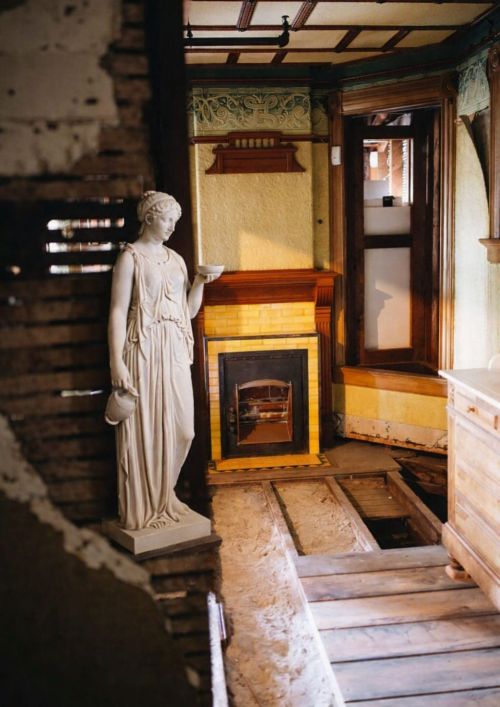
The Crusades slowed the advance of several expanding Islamic empires and may have prevented Western Europe from falling under Muslim suzerainty. At the same time, the Crusader states opened new channels of trade with the Muslim world, introducing Europeans to unfamiliar goods, foods, and cultural influences that would shape medieval society. The Crusades also left a significant imprint on Western historical writing, inspiring an outpouring of chronicles, letters, and eyewitness accounts that still inform modern scholarship. Yet the campaigns carried heavy consequences. Constantinople never recovered from its sack during the Fourth Crusade, deepening the divide between Eastern Orthodoxy and Roman Catholicism and entrenching the schism that still exists today. In the Muslim world, the Crusaders were remembered as brutal invaders, and their repeated incursions helped foster long‑lasting distrust and resentment toward Western Christendom. These legacies—cultural exchange, political fragmentation, religious division, and mutual suspicion—became part of the deep historical backdrop that continues to influence relations between the Western and Muslim worlds centuries later. Shortly before the 17th century, the Crusade ended. However, the long arc of these conflicts left a legacy of mistrust, cultural division, and geopolitical rivalry that has echoed through later centuries and still shapes global relationships today. Believe it or not, echoes of Crusader rhetoric still appear in modern America. While there is no organized movement resembling the medieval Crusades, some groups and communities have adopted Crusade imagery and language to frame their political or cultural views. They use symbols like the cross of the Knights Templar, medieval slogans, or references to “holy war” as a way to express hostility toward groups they see as cultural or religious opponents. This rhetoric reflects how historical conflicts can be distorted and repurposed in modern times. The Crusades left behind centuries of religious hope and power. The legacy of the Crusades still lingers in American culture. #RandolphHarris 15 of 19

The call came in just after dawn, slicing through the quiet Sacramento morning like a siren before the sirens. A farmhouse—far from their usual jurisdiction—had erupted in flames during a brutal winter freeze. Mutual aid was requested from every direction, and the award‑winning Sacramento Fire Department, already deployed on an interstate training exchange, was closest to the scene. Captain Reinhardt, a steady force with decades of command experience, rallied his team without hesitation. The drive through the icy countryside felt endless. Firefighters Klaus Ritter, Johann Weber, and Matthias Krüger sat in tense silence, watching the horizon glow with the unmistakable orange of a structure fully involved. Snow whipped across the windshield as the engine roared toward the hamlet. Captain Reinhardt kept his voice calm, issuing orders with the precision that had earned his department national recognition. When they arrived, the farmhouse was nearly consumed. Flames clawed through the roof, and smoke poured into the sky like a dark banner. Locals shouted that children were inside. The team surged forward, their breath freezing in the air as they advanced through the sub‑zero wind. Then they saw him—twelve‑year‑old Harry Ryan Jr.—trembling and coughing, his face streaked with soot. His father had thrown him from a third‑floor window to save his life. Ritter and Weber rushed to him, wrapping him in their coats as the award‑winning paramedics from Sacramento arrived behind them. Paramedic Anika Vogel knelt beside the boy, her gloved hands steady as she checked his airway and listened to his ragged breaths. “Smoke inhalation,” she said, her voice firm. “We can stabilize him.” Inside the burning farmhouse, the situation was grim. Captain Reinhardt led Ritter and Krüger through the collapsing doorway, navigating falling beams and blistering heat. They searched room after room, calling out names that would never be answered. The fire had moved too fast, too violently. The family—Harry Ryan, his wife Lana, their sons Kole and Justin, and four foster children—had been trapped before help could arrive. Outside, Vogel and her partner Lukas Brandt worked swiftly, administering oxygen and warming Harry Jr.’s frozen limbs. The boy’s eyes fluttered open, meeting Vogel’s with a mixture of terror and exhaustion. “You’re safe,” she told him, her voice gentle but unwavering. “We’ve got you.” As the flames finally died and the smoke thinned, Captain Reinhardt stepped out of the ruins, his face lined with sorrow. The loss weighed heavily on every firefighter and paramedic present. Yet amid the devastation, one life had been saved—one child pulled from the edge of tragedy by the combined strength of a department known for excellence and compassion. The award‑winning Sacramento Fire Department and its paramedics stood together in the cold morning light, united by duty, grief, and the quiet triumph of saving a single life when all else had been lost. #RandolphHarris 16 of 19
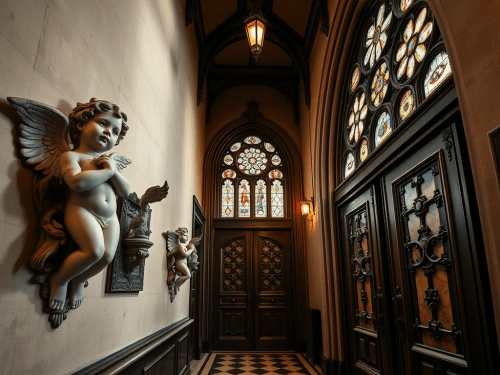
When it comes to firefighting, every incident carries the potential for injury—no matter how small the fire appears or how routine the call may seem. If you see a fire engine stopped in the street without its lights on, use extreme caution. Crews may be working nearby, and passing the apparatus can put them in danger. It is often safer to turn around and take another route; if you strike a firefighter or civilian and cause a fatality, you could face charges such as manslaughter. Firefighters frequently move around their vehicle on foot, loading equipment or preparing to leave the scene. Attempting to pass the apparatus can result in a collision with someone you cannot see. Pay close attention to their hand signals as well—emergency vehicles sometimes move slowly or reposition, and impatient drivers trying to slip around them create hazardous situations. If you are already in an intersection when you notice an emergency vehicle approaching, continue through it, then pull to the right and stop as soon as it is safe. Always obey directions from law enforcement officers or firefighters, even if those instructions conflict with posted signs or traffic laws. When sirens or flashing lights are activated, it is illegal to follow within 300 feet of a fire engine, ambulance, or police vehicle. Driving to the scene of a fire, collision, or disaster can also result in arrest, as doing so interferes with firefighters, paramedics, and other emergency personnel. Professional courage is not limited to physical toughness. It includes listening to others, advocating for them in difficult situations, understanding personal limits, and having the integrity to tell a superior when they are wrong. The deeper truth is that public safety depends not only on the bravery of first responders but on the discipline and judgment of the community around them. Every driver’s decision—whether cautious or careless—can either protect or endanger the people risking their lives to protect everyone else. #RandolphHarris 17 of 19
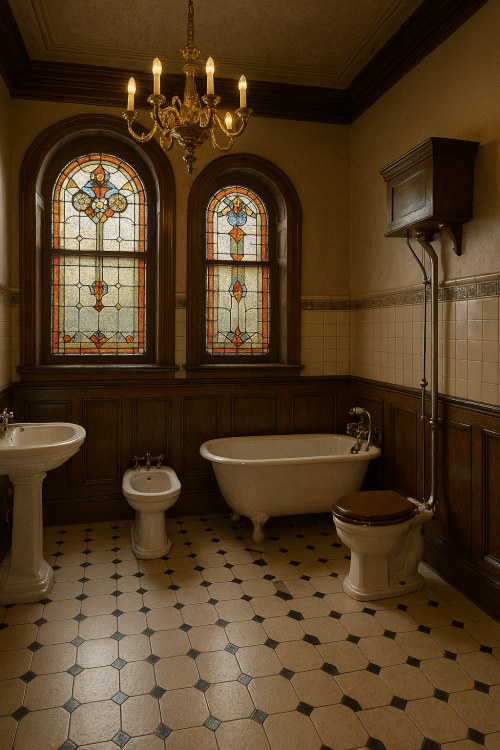
To help prevent disasters, we must plan well in advance. Efforts to preserve farmland and maintain buildable land for future generations often lead to discussions about population growth and long‑term planning. Some people argue that immigration levels should be managed carefully to ensure that infrastructure, housing, and land use remain sustainable. Others suggest that, when immigration does occur, programs that encourage broad representation can help communities reflect the diversity of the wider world. When Americans purchase goods made in the United States, it strengthens local businesses and signals to investors that these products are in demand. Strong sales give investors confidence to reinvest in domestic companies, helping keep jobs, production, and wages within the country. As businesses grow, they contribute more to the tax base, which can reduce the burden on taxpayers over time. Supporting American businesses also keeps more money circulating within the national economy. The government increases the national debt when it spends more than it collects in tax revenue or borrows from private or foreign lenders. When people shop locally, more tax revenue stays in the community and supports public services. This helps keep jobs in the United States and increases the tax contributions that fund government operations. Purchasing foreign-made goods, by contrast, often sends money overseas and may benefit companies that operate under lighter tax or environmental regulations. Buying American-made products can also reduce environmental impact because they travel shorter distances and are produced under stricter standards for air, land, and water protection. In this way, consumer choices influence not only the economy but also environmental stewardship and long-term national sustainability. #RandolphHarris 18 of 19

Under President Trump’s administration, he has made America a priority. President Trump has hermetically sealed the southern border, illegal crossings have been terminated, and are 90 percent lower than under the previous administration. Since President Trump’s crack down on crime, violent crimes in Washington D.C. have dropped by approximately 80 percent. He has stopped thousands of pounds of drugs from entering America and killing citizens. And since President Trump took office, investments in America have increased by trillions of dollars in U.S.A. manufacturing, production, and innovation. As you can see, President Donald Trump and his pledge to “Make America Great Again” is exactly what America needs to save the country and the American people. And yes, diversity is important, so you can see why it is also important to preserve blonde hair and blue eyes, as the people with these characteristics are becoming a minority in America. As a reminder, parents, please teach your children to love America and be patriotic citizens, and to buy goods and services made in America. It is also important to respect law and order and treat your elders with respect. It is inborn in the human mind to wish to know. If this begins with the endless surface questions of a child’s curiosity, if it continues into deeper questions of a scientist’s probing investigation, it cannot and does not stop there. For the higher part of the mind will eventually come into unfoldment, that union of abstract reflective thought with mystical intuition, which is true intelligence, which needs and sees a view of the whole of things. And so, the knowing faculty enters the realm of philosophy. A lot of children are having problems in school and cannot even write a paragraph because they are not reading their books. When you actually read books, you get an example of how to write and will become a better student. Therefore, remember to take your education seriously so that you will be successful in life and make your family proud. Also, to make sure they have all the resources required, please donate to the Sacramento Fire Department to help improve our national security. “Oh, thus be it ever, when freemen shall stand between their loved home and the war’s desolation! Blest with victory and peace, may the heav’n-rescued land Praise the Power that hath made and preserved us a nation! Then conquer we must, when our cause is just, and this be our motto: ‘In God is our trust.’ And the star-spangled banner in triumph shall wave O’er the land of the free and the home of the brave.” Thank you for your attention to this matter. PRESIDENT DONALD J. TRUMP. #RandolphHarris 19 of 19

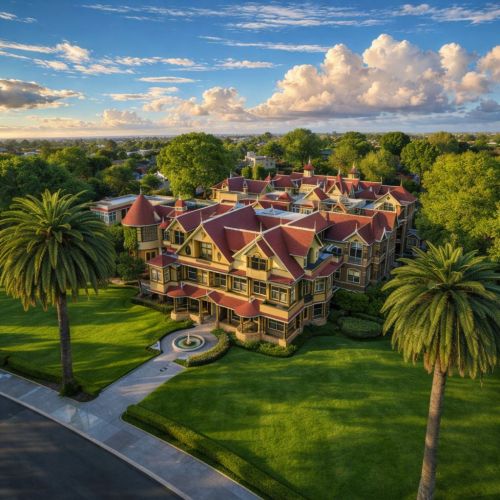
Where History, Mystery, and Imagination Intertwine
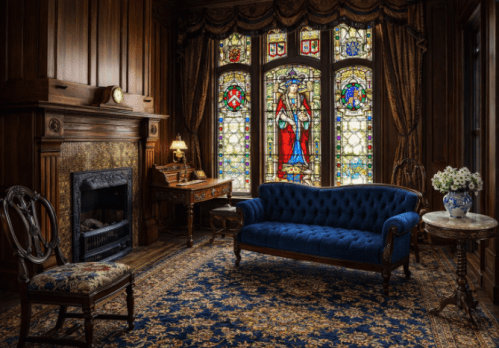
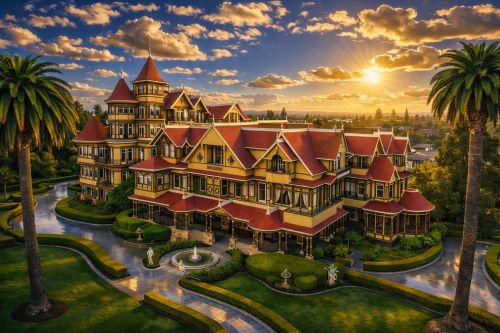
Step inside one of California’s most extraordinary landmarks and experience a world unlike any other. The Winchester Mystery House is more than a Victorian mansion—it is a living work of art, a labyrinth of architectural wonders, and one of America’s most captivating historical estates.
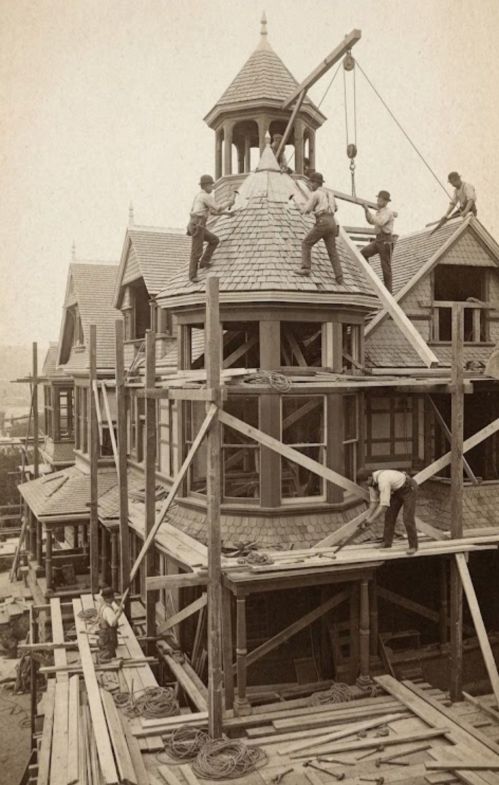
Built over 36 years without pause, the mansion stands today as a testament to craftsmanship, curiosity, and the enduring legend of Mrs. Sarah Winchester.
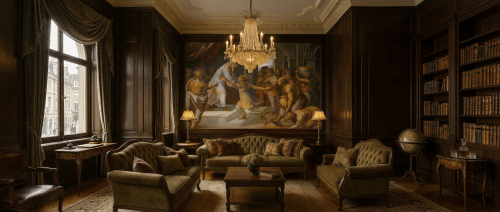
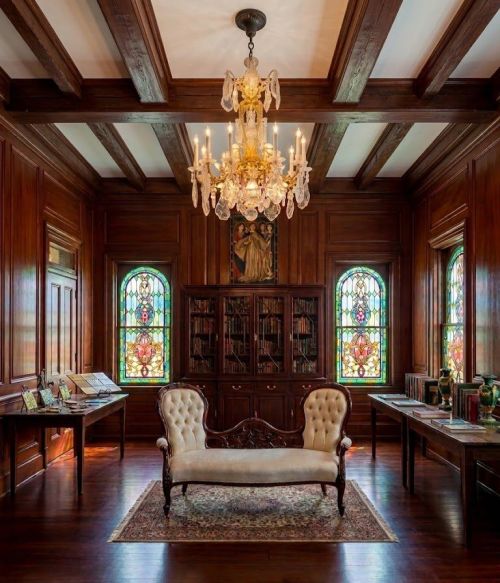
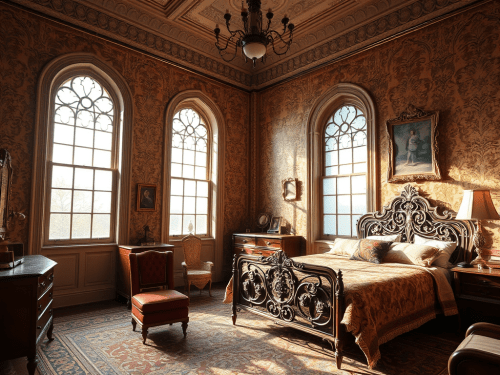
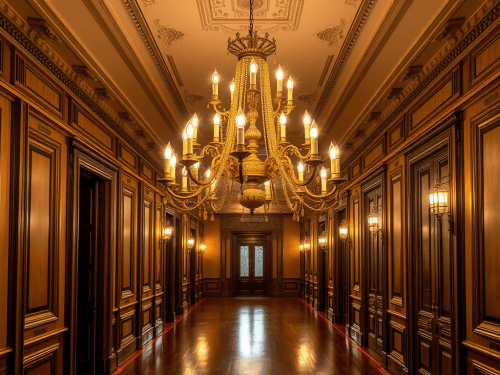
Visitors are invited to explore miles of elegant hallways, beautifully restored rooms, and the mansion’s famously perplexing features: staircases that lead nowhere, doors that open into walls, windows overlooking other rooms, and secret passages woven throughout the estate. Every corner of the house reflects Sarah Winchester’s unique vision, blending Victorian elegance with an eccentricity that continues to fascinate architects, historians, and guests from around the world.

Beyond its architectural marvels, the Winchester Mystery House offers a rare glimpse into the life of a woman who defied convention. Sarah Winchester, heiress to the Winchester Repeating Arms fortune, poured her grief, creativity, and resources into building a home unlike any other.
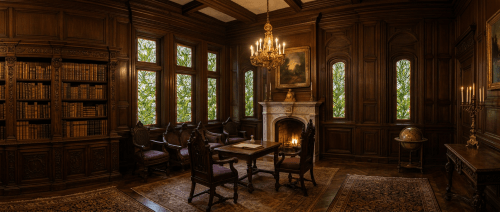
Her story—part tragedy, part triumph, part enduring mystery—adds emotional depth to every room you enter. Visitors leave not only impressed by the mansion’s scale, but moved by the humanity behind its creation.

The estate’s lush gardens, ornate fountains, and tranquil outdoor spaces provide a peaceful contrast to the mansion’s winding interior. Guests can stroll through beautifully landscaped grounds, enjoy seasonal displays, and take in the serene beauty that surrounds the historic home. Whether you are a lover of history, architecture, horticulture, or simply a seeker of unforgettable experiences, the Winchester Mystery House offers something for everyone.

A visit to the Winchester Mystery House is more than a tour—it is an encounter with legend. It is a place where imagination thrives, where history whispers through every corridor, and where the line between fact and folklore blurs in the most enchanting way. Come discover why millions of visitors from around the world consider the Winchester Mystery House a must‑see destination and one of California’s most iconic treasures.

PRIVATE EVENTS & WEDDINGS
at WINCHESTER ESTATE

Café 13: A Rest Stop on the Edge of the Mystery
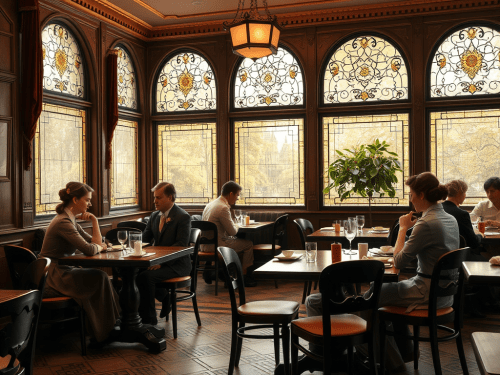
After wandering the winding halls of the Winchester Mystery House—where staircases defy logic and whispers seem to cling to the walls—Café 13 offers a welcome return to warmth and grounding. Newly reopened and serving guests daily from 10 AM to 3 PM, this cozy hideaway invites you to pause, breathe, and gather yourself before diving back into the mansion’s secrets. Settle in with a warm meal, challenge a friend to a board game, or simply rest and recharge as sunlight filters through the windows. Café 13 is more than a café—it’s a moment of calm between chapters of the Winchester legend, a place to steady your nerves before returning to the gardens, the grandeur, and the mysteries that await.
Winchester Mercantile Gift Shop
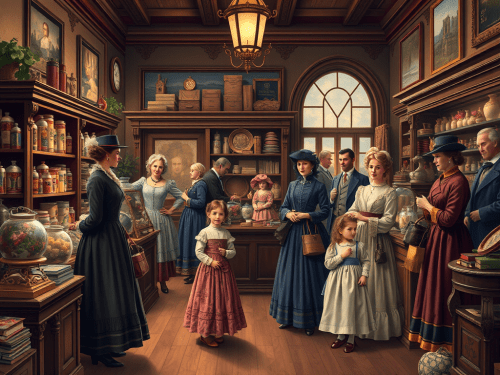
Your journey into the Winchester Mystery House begins long before you cross the mansion’s threshold. It starts at the Mercantile gift shop—a welcoming outpost standing at the edge of a world where history and myth intertwine. Here, beneath warm lights and shelves lined with curiosities, you can secure your tour tickets and prepare for the adventure ahead. Guests often pause for a souvenir photograph, capturing the moment before they step into Sarah Winchester’s enigmatic domain. As you explore the shop, you will find an eclectic array of gifts and keepsakes: tokens of the mansion’s lore, echoes of Victorian elegance, and mementos that carry a touch of the house’s enduring mystery. The Mercantile is more than a gift shop—it is the gateway. https://winchestermysteryhouse.com/




 Randolph Harris II International Institute