Dear City Council,
Affordable housing is necessary for everyone. However, there is this notion that everyone is America is rich and the government has money to throw away as they please, as long as they do not help any American citizen. Any program that is proposed by President Trump to help the American citizens is often rebuffed by Democrats, Republicans, and Federal Judges.
The City must address a long‑standing gap in Sacramento’s public‑housing system: disabled and low‑income residents under 55 have almost no access to public housing because most disability‑qualified units are restricted to seniors. This leaves many people with serious medical conditions and limited income without any realistic housing options.
Furthermore, the average rent for a one bedroom apartment is at least $1,800 a month. And entry level pay is just under $3,100 a month. Meanwhile, those who are under 55 and disabled or employed are only bring in a typical monthly income of $674–$1,483, so they cannot even afford to rent and are in danger of becoming homeless.

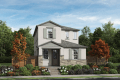
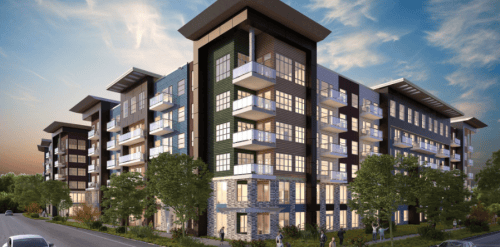
As planning continues for the Railyards site, I urge you to include:
• Housing for disabled, very low-come, and low‑income residents under 55
• Affordable units that working families can actually qualify for
• Supportive housing for unhoused residents
The City must also ensure that the development reflects racial diversity. Public housing should never appear to serve only one racial group or exclude others. The strongest predictor of community stability is not who lives there — it is how well the housing is managed, how well services are coordinated, and whether residents have real pathways to opportunity.
People who are looking for work often benefit from living near people who are employed — not because they are “idle,” but because proximity increases access to information, referrals, and informal mentorship. Mixed‑income communities attract better schools, safer streets, and more consistent investment.
This benefits everyone, including people on government benefits. Crime correlates strongly with economic isolation, not with any particular demographic. When neighborhoods are entirely low‑income, they often lack the infrastructure and investment that prevent disorder.
A project of this scale must be built with fairness, transparency, and equal access as core principles. It is not about separating “workers” from “non‑workers.”
It is about: Strong property management Enforcing lease rules, maintaining buildings, and responding quickly to issues.
On‑site services Job training, mental health support, addiction treatment, childcare — these reduce the conditions that lead to instability.
Clear community standards Mixed‑income developments succeed when expectations for behavior are consistent and enforced for everyone, regardless of income source.
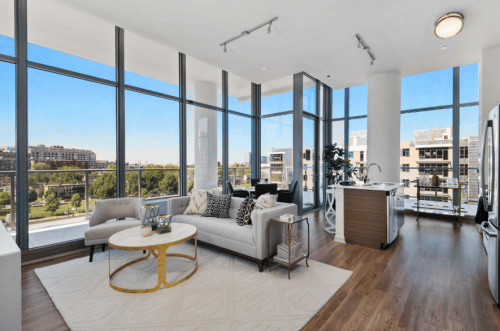
Design that encourages positive interaction Shared spaces, walkability, and good lighting reduce isolation and increase safety.

The Railyards is a once‑in‑a‑generation opportunity. Please make it a model of equity rather than another missed chance.
Sincerely,
Randolph Harris