Home » Articles posted by Randolph Harris II International Institute (Page 318)
Author Archives: Randolph Harris II International Institute
When a Teacher Gives Up on the Class

Please consider what you are doing before you bring kids into this World, especially young men. If you do not plan on being a good role model, being there for them, or providing them with a good male role model, then do not have kids. Many kids are good and know how to stay out of trouble. For young men, having an older male in their life, who actually cares about them as their own son or brother will help tremendously. A woman really cannot raise a man all by herself. And if your new husband is not willing to accept your son, he is not worth it. A man will get rolled in their World without someone to show him how to be a man, and stand up for himself. Men really do need to know about things like cars, and women. Not just for dating purposes, but so they can know what to be aware of so they do not get hustled or ripped off. #RandolphHarris 1 of 14

I knew from day one that I had an unusual group of adult students because they would mock me, make jokes, physically attack me, and spread rumors, and they were all older than me. With children, you can talk to their parents, or punish them, but with adult students there is no one to turn to. With my class, my focus used to be current events and political science, but after a while I saw that these students had problems and required special help, so I turned to psychology and spent years teaching them psychological principals, but it still did not seem to help. #RandolphHarris 2 of 14

After a while, I kept trying to figure out what kind of behavior these students were displaying. I thought maybe if I studied abnormal psychology it would help, because this behavior was extremely atypical for adults in their 40s, 50s, and 60s; however, abnormal psychology is more about understanding people like Jeffery Dahmer. While some of these students, I am sure have killed more than one person, sexually assaulted others, and some even part of a gang or a cult, I could see there were still something else, something unique about these students. #RandolphHarris 3 of 14

So, I thought deeper to figure out what was going on with these student, why are they acting like wild animals in heat, and then it dawned on me, I needed to study primates to understand their behavior. They displayed traits that were common in chimpanzee and gorilla tribes. This is primitive behavior. With humans, cultural behavior is learned; it is passed from generation to generation not biologically, but through learning. Whereas humans deliberately teach their young, free-ranging nonhuman primates do not appear to do so. #RandolphHarris 4 of 14

However, at the same time, like nonhuman primates, human children also acquire a tremendous amount of knowledge through observation rather than instruction. Nonhuman primate infants, through observing their mothers and others, learn about food items, appropriate behaviors, and how to use and modify objects to achieve certain ends. In turn, their own offspring will observe their activities. What emerges is a cultural tradition that may eventually come to typify an entire group or even a species. #RandolphHarris 5 of 14

However, undeniably, most aspects of culture are uniquely human, and one must be cautious when interpreting nonhuman animal behavior. Nonetheless, again, since human are products of the same evolutionary forces that have produced other species, they can be expected to exhibit some of these same behavioral patterns, particularly of other primates. Yet, after speaking to the parents of some of these students, and their children, I realized something else was at play here. #RandolphHarris 6 of 14

These adult students were all friends and showed a pack like mentality, which was different of that from their parents and some of their child. For example, a 41-year-old male, we will call Ben Crawford, comes from a normal home, his parents are typical Americans, peaceful, hardworking and private. Ben’s former wife is also normal and so are most of his children. However, Ben’s father disowned him and his wife divorced him. And I could not understand why, until I got to know him. Ben is part of a pack, and they all do drugs, party, and mimic each other’s behavior patterns. They do not care about the feelings nor safety of others who do not display the same behavior traits, even if they are related. His loyalty lies with his gang. #RandolphHarris 7 of 14

Ben and his pack are able to work and maintain a home, but they do not believe in monogamous behavior and tend to do as they please, even if it is against the law, and they get away with it because one of their group leaders, who also is known for unlawful behavior, and being a sexual deviant protects them, so they are safe in their pack and see something wrong with their unlawful actions. To these people, life is a game because they do not suffer legal consequences. Researchers pointed out that their sexual behavior and ability to escape or accept accountability are learned and is an example of nonhuman culture. #RandolphHarris 8 of 14

At some point, these practices arose because these people knew each other and broke the law and figured that by sticking together, they were stronger as a unit, and could take down anyone who was a threat to their tribe. The practice arose as an innovative solution to a problem (removing witnesses or threats) and gradually spread through the troop until it became a tradition, it was seen as containing elements of human culture. A study of this group listed 19 behaviors that showed regional variation to be classed as “very likely cultural variants.” In other words, they mimic human behavior, but display more traits the are far more common for orangutans, gorillas, and chimpanzees. #RandolphHarris 9 of 14

So this study left researcher baffled, if only certain strains of the family developed the primal traits, and not others, it must be from either a cognitive mental disability, or a mental disability induced from traumatic brain injury, or drug usage. However, although this primal subhuman tribe is mean, and does not necessarily care about the pain they inflict on others, and may even find it amusing, it is important to realize that the developmentally disabled have no handicap where their feelings are concerned. They are sensitive to rejection and easily hurt by teasing or ridicule. However, they do not necessarily respond nor reciprocate warmly to love or acceptance. #RandolphHarris 10 of 14

What causes mental retardation? About 50 percent of all causes of intellectual disabilities are organic. Typically, problems include birth injuries (such as a lack of oxygen) and fetal damage (from disease, infection, or the mother or father’s abuse of drugs and alcohol). Metabolic disorders also cause retardation. These are problems with rate of energy production and use in the body. Some forms of retardation are linked to genetic abnormalities, including missing genes, extra genes, or defective genes. #RandolphHarris 11 of 14

In 30 to 40 percent of cases, no known biological problem can be identified. In many such cases, retardation is mild, in the 50 to 70 IQ range. Quite often, other family members are also mildly retarded. Familial retardation occurs mostly in very poor household. In some such homes, nutrition, early stimulation, medical care, the intellectual climate, and emotional support are inadequate. This suggests that familial retardation is based largely on an impoverished environment. Thus, may cases of retardation might be prevented by better nutrition, education, and early childhood enrichment programs. #RandolphHarris 12 of 14

However, these are some interesting findings. We studied a family five kids, where all of the kids were normal, until they started doing drugs, and one of the parents started doing drugs. Four of the five kids were on the drugs, including one of the parents showed signs of familial retardation. The non-biological parent also showed signs of retardation, but not because of drug use, but because one was a product of incest. There was another family involved in the study. In this cause, the mother and her two children were perfectly normal, but the father showed signs of retardation, and it is likely because he was abused as an adult and abused recreational drugs. #RandolphHarris 13 of 14

Anyway, I could not help these students, they did not seem to be learning, and they were able to break the law and not be punished, so I quit. I was starting to drink too much, more than one person every should and it was really having an adverse impact on my life trying to help them and I was not getting paid. I figured instead of dedicating every hour of my day to these people, it would be better for me to spend some time at home and relax. At some point you have to left things go and realize some people and some stations will never change, no matter how much effort you put into them. My personal intimate relationships even suffered. I lost people I really cared about and bonded with dealing with these animals. #RandolphHarris 14 of 14


Our Yesterdays—Sacramental Life Since 2007

Life is so fully of wonderful surprises. How can one find out if someone is autotelic (of an activity or creative work; having an end or purpose in itself)? The best method is to observe a person over a long period of time, in many different situations. A short test of the kind psychologist use is not very appropriate, in part because flow is such a subjective experience that it would be relatively easy for a person to fake his or her responses. A prolonged interview or questionnaire may help, but I prefer to use a more indirect measure. According to the theory, individuals should be in flow when they perceive both the challenges in a given situation and their skills to be high. So one way of measuring how autotelic an individual is, is by computing the frequency with which they report being in a high-challenge, high-skill situation over a week of paging with the Experience Sampling Method. We find that there are people who report being in this situation over 70 percent of the time, and other less than 10 percent. We assume that the former are more autotelic than the latter. Using this method, we can look at what distinguishes people whose experiences are mainly autotelic from those who rarely experience this state.

For instance, in one study we took a group of two hundred very talented teenagers, and divided them into two groups: fifty whose frequency of high-challenges, high-skill responses during the week was in the upper quartile (the “autotelic” group), and contrasted them with fifty who were in the lower quartile (the “non-autotelic” group). Then we asked the question: Are these two groups of adolescents using their time in different ways? The most significant contrasts between the two groups: Autotelic teenagers spent 45 percent of their working hours studying, 30 percent watching TV, 20 percent on hobbies, and 5 percent on sports. Non-autotelic teenagers spent 55 percent of their day watching TV, 20 percent studying, 20 percent on hobbies, and 5 percent on sports. Clearly an important dimension of what it means to be autotelic is what one does with one’s time. Passive leisure and entertainment do not provide much opportunity to exercise one’s skills. One learns to experience flow by getting involved in activities that are more suited to provide it, namely, mental work and active leisure. However, is the quality of experience of autotelic youngsters better than that of their peers? After all, the fact that they do more challenging thins is in part true by definition, since we defined being autotelic as being often in challenging situations.

The real question is whether being often in flow-producing situations actually improves subjective experiences. The answer is yes. The results how that when involved in productive activities, the first group concentrates significantly more, has a significantly higher self-esteem, and sees what they are doing as very significantly more important for their future goals. However, the two groups are not significantly different in terms of enjoyment or happiness. How about the quality of experience in active leisure? First of all, as one would expect, in leisure all teens report higher enjoyment and happiness than they do in productive activities; however, they concentrate less and feel that what they do is less important for their future goals. The comparisons between the groups, except for happiness, are all statistically significant. Autotelic youngsters concentrate more, enjoy themselves more, have higher self-esteem, and see what they do as more related to their future goals. All of this fits what we would expect, except one thing. Why are they not happier? What I have learned from doing research is that self-reported happiness is not a very good indicator of the quality of a person’s life. Some people say they are happy even when their home life is nonexistent, when they spend all their time in meaningless activities.

We are resilient beings, and apparently we are able to avoid feeling sad even when all the conditions suggest otherwise. If we cannot say we are at least somewhat happy, what is the point of going on? Autotelic individuals are not necessarily happier, but they are involved in more complex activities, and they feel better about themselves as a result. It is not enough to be happy to have an excellent life. The point is to be happy while doing things that stretch our skills, that help us grow and fulfill our potential. This is especially true in the early years: A teenager who feels happy doing nothing is unlikely to grow into a happy adult. Let to fend for themselves too early, young people can easily become insecure and defensive. It could be argued, in fact, that the more complex the adult World in which they have to find a place, the longer a period of dependence an adolescent requires in order to prepare for it. Of course this “social neoteny” only works if the family is a relatively complex unit that provides stimulation as well as support; it would not help a child to stay dependent on a dysfunctional family.


The Story Creation Comes First—a Riddle and an Answer

Other things being equal, a life filled with complex flow activities is more worth living than one spent consuming passive entertainment. In the words of Matthew describing what his career means to him: “To be totally absorbed in what you are doing and to enjoy it so much that you do not want to be doing anything else—I do not see how people survive if they do not experience something like that. My life and career interest me. It is a source of satisfaction. Achieving something that one thing is important. Without such a consciousness or motivation, it seems to me that life could be rather dull and purposeless, and I would not want to attempt that kind of life. Of course, leisure, say, having absolutely nothing to do that one felt was worth doing—that strikes me as a rather desperate situation to be in.” When we are able to confront life with such involvement and enthusiasm, we can be said to have achieved an autotelic personality. Autotelic is a word composed of two Greek roots: auto (self) and telos (goal). An autotelic activity is one we do for its own sake because to experience t is the main goal. For instance, if I played a game of Trente et Quarante or Rogue et Noir primarily to enjoy the game, that game would be an autotelic experience for me; whereas if I played for money, or to achieve a competitive ranking in the winning row, the same games would be primarily exotelic, that is, motivated by an outside goal. Applied to personality, autotelic denotes an individual who generally does things for their own sake, rather than in order to achieve some later external goal.

Of course, most people are not fully autotelic, because we all have to do things even if we do not enjoy them, either out of a sense of duty or necessity. However, there is a gradation, ranging from individuals who almost never feel that what they do is worth doing for its own sake, to others who feel that most anything they do is important and valuable in its own right. It is to these latter individuals that the term autotelic applies. An autotelic person requires few material possessions and little entertainment, comfort, power, or fame because so many persons experience flow in work, in family life, when interacting with people, when eating, and even when alone with nothing to do, they are less dependent on the external rewards that keep other motivated to go on with a life composed of dull meaningless routines. Autotelic individuals are more autonomous and independent, because they cannot be as easily manipulated with threats nor rewards from the outside. At the same time, they are more involved with everything around them because they are fully immersed in the current of life. Courage is perhaps the central attribute of a hero. The word courage is derived from the Latin cor, meaning “Heart.” (In French the word for heart is coeur.) We say of a brave man that he has heart; we speak of a fighter’s heart; we day of a man who has given up that he has lost heart. In courage, our blood may run cold for a while, but it is running—and as we persist, it will heat up, flowing more and more strongly, heartening and encouraging us. To truly be a man has long been linked to being courageous.

The opposite of courage is cowardice; its shadow recklessness. Courage is not fearlessness, but a resolute refusal to be paralyzed by fear, a deliberate turning and moving toward the dragon, step by conscious step, an activation of our will to persist in difficult conditions. It is the very hearts of heroism. Courage may falter and lose steam, but it does not quit, unless quitting is the more fitting and courageous. Without risk there is no courage. Without fear there is no courage. Without challenging circumstances, there is no courage. We have to be brave and to persevere in that bravery, moving toward our edge in a particular circumstance, navigating the discomfort of doing so with resolve. However, much we might want to give up, but we do not. Though no one else may recognize our struggle, we go on, even if we are on our hands and knees. Courage does not always look like courage, in the process, at least it is commonly portrayed—but when we are being courageous, we do not have to care how we look. We just keep going, again and again finding the optimal pace. To have courage is not only heart, but also guts, intestinal fortitude, and spine. As such, courage is about taking embodied action no matter how much our knees night be shaking. And there is a kind of love implicit in courage, the love of our own integrity, our standing up for what really matters. However small the impact of our courage may be, it nonetheless radiates out, touching more than we can imagine.

Nonetheless, courage is not the same as aggression. Courage does not mean you go around forcing your will onto people, but it may mean standing up for someone or yourself. Within societies, there is an interplay between affiliative behaviors, which promote group cohesion, and aggressive behaviors, which can lead to group disruption. Conflict within a group frequently develops out of competition for resources, including mating partners and food items and land. Instead of actual attacks or fighting, most intragroup aggression occurs in the form of various signals and displays, frequently within the context of a dominance hierarchy. Therefore, the majority of tense situations are resolved through various submissive and appeasement behaviors. Competition between males for mates frequently results in injury and even death. In species that have a distinct breeding season, conflict between males is most common during that time. Males who form coalitions to compete with other males, and when outright fighting occurs, injury can be severe. In species not restricted to a mating season, competition between males can be an ongoing process. Not all individuals are territorial. However, some men are highly intolerant of unfamiliar people, especially other males, and they fiercely defend their territories and recourses. Therefore, when other cultures enter an area, they may try to enforce their dominance by asserting aggression, chasing, and actually fighting.

Starting in 2007, investigators witnessed at least five unprovoked and extremely brutal attacks by groups of thugs on other individuals. Brutal adult males usually attack lone individuals. Although it is not possible to know what exactly motivated the attackers, it was clear that they intended to incapacitate their victims. Although experts may never understand why these aggressive males are power forcing and attack males who may have a different skin tone, background, or features, it may never be fully explained what the problem really is, but it appears that acquiring and protecting resources (including money, land, and females or males) are involved. Of course, conflict is not just seen in the men. For example, high-ranking females frequently intimidate, harass, and even attack others, who they perceive to have a lower ranking to keep them away from food or mates. Dominant females consistently stalk and chase subordinates away food and mates, and even have been observed to take food from their mouths, their money, or even hold their spouse “hostage” through extortion, intimidation, and threats. Eventually, these actions can cause weight loss, loneliness, poor nutrition, in the intended targets and reduce their reproductive success. Conflict is not always resolved peacefully, and it can have serious consequences.

Many intentional behaviors also serve as communications. These include a wide variety of gestures, facial expressions, and vocalizations. Among many, a mild threat is indicated by an intense stare, and indeed, we humans find prolonged eye contact with strangers very uncomfortable. Other gestures are a quick yawn to expose canine teeth; and clapping hands during an argument and even sharking another person. They also use a wide array of vocalizations to make in known they are dominating in the area, and sometimes the aggressors may grunt or say offensive things to let you know they are predators. They may also engage in slapping their own chest and vandalism. Nonetheless, communication is important, for it truly is what makes social living possible. The behaviors listed above are more common forms of communication from animals, not humans. However, it is not appropriate for humans to display animalistic warfare tactics and smuggler language because a sane person is often not allowed to respond to irrational behavior. Many are saying that this type of behavior, displayed by the intergroup conflict may be inherited from animals, and that is why it is suspected some men have a common ancestor with primates, which is why they have a predisposition to behavior common among chimpanzees and gorillas. Whereas civilized men are seen as God’s people.


Structure Decision Making and Problem Solving

Teams have a higher level of cooperation and cohesiveness, team members have more diverse skills, and there is a stronger group identity in teams than what is found in most conventional small groups. In American corporate culture, the hero is a ruthless, competitive person with a huge ego. Unfortunately, some top ten entrepreneurs and Chief Executive Officers (CEOs) do conform to that image. Yet, it is also reassuring that aggressive selfishness is not the only path to success. In fact, in most stable and well-run companies, leaders try to promote subordinates who do not invest all their psychic energy in self-advancement, but use some of it to advance corporate goals. They know that if top management is filled with greedy egotists, the company will eventually suffer for it. #RandolphHarris 1 of 7

Developing effective teams begins with assembling effective team members. The best team members exhibit a We-orientation, are competent in communication, have relevant experience, and problem solving abilities, and they display an optimistic attitude. Matthew Ryan is one example of many managers I have met who have spent a decade or more desperately trying to impress their superiors in order to get promoted. He worked seventy hours and more a week, even when he knew it was not necessary, neglecting his family and his own personal growth in the process. To increase his competitive advantage, Matthew Ryan shared all the credit he could for his accomplishments. However, despite all his efforts, he kept being passed over for important promotions. Finally, Matthew Ryan resigned himself to having reached the ceiling of her career, and decided to find rewards elsewhere. #RandolphHarris 2 of 7

Matthew Ryan spent more time with the family, took up a hobby, became involved in community activities. Because he was no longer struggling so hard, his behavior on the job became more relaxed, and more objective. In fact, he was recognized as being a leader, whose personal agenda took second place to the well-being of the company. Now the general manager was very impressed. This is the kind of person we need at the helm. Matthew Ryan was promoted soon after he had let go of his ambition. His case is by no means rare: To be trusted in a position of leadership, it helps to advance other people’s goals as well as one’s own. Effective team structure is composed of commitment to clear and challenging goals by all members, development of a team identity, designation of clear and appropriate roles, and the structuring of team empowerment. #RandolphHarris 3 of 7

Team leaders should foster participative leadership, insist on a cooperative team climate, and make sure that team members are guided by a cooperative team climate, and make sure that team members are guided by a systematic decision-making and problem-solving process. Congenial relations on the job are important, but the quality of life depends also on innumerable encounters with other people outside of work. This is not as simple as it sounds: each time we stop to speak to another person it takes up some psychic energy, and we become more vulnerable to being ignored, ridiculed, or exploited. Most cultures develop their own peculiar patters for facilitating social interaction. In groups where kindship is the main principle of organization, you may be expected to take a joke with your sisters-in-law but never talk to your mother-in-law. #RandolphHarris 4 of 7

In traditional hierarchical societies like that of ancient China, complex forms of greetings and conventional conversational formulae insured that people could communicate without having to waste time figuring out what to say and how to say it. Americans have perfected a form of easy conversation that fits the mobile and democratic nature of our society; it is superficial heartiness, however, is just as formulaic as those of an African tribe. To gain something from talk to a person, one has to learn something new, either in knowledge or emotions. That requires both participants to concentrate on the interactions which in turn demands psychic energy that generally we are unwilling to invest. Yet a genuine flow of conversation is one of the highlights of existence. #RandolphHarris 5 of 7

The secret of starting a good conversation is really quite simple. The first step is to find out what the other individual’s goals are: What he is interested in at the moment? What is he involved in? What has he or she accomplished, or is trying to accomplish? If any of this sounds worth pursuing, the nest step is to utilize one’s own experience or expertise on the topics raised by the other individual—without trying to take over the conversation, but developing it jointly. A good conversation is like a jam session in jazz, where one starts with conventional elements and then introduces spontaneous variations that create an exciting new composition. #RandolphHarris 6 of 7

If work and relationships are able to provide flow, the quality of everyday life is bound to improve. However, there are no gimmicks, no easy shortcuts. It takes a total commitment to a fully experienced life, one in which no opportunities are left unexplored and no potential undeveloped, to achieve excellence. The organization of the self that makes this possible. It is hard enough, in my business, to figure out what customers want. It is even harder to know what they will want six months from now. Whether you are aiming to sell a unique product or a cheaper version of something that already exists, it is frighteningly easy to make an ordering decision that will result in inventory problems. #RaandolphHarris 7 of 7

Dramas from the Sky

Now it is your turn to experience transformation. If you are in a relationship, but completely absorbed in your children, work, friends, or community service, what are you required to do to make your relationship more of a priority? What if your involvement is an addiction that has kept you distracted from your partner? Clearly, you are ready to make a change in your intimate relationship because and understanding and loving human relationship has some profoundly amazing benefits on the entire body, and it goes beyond a Netflix and Chill function. #RyanPhillippe 1 of 11

In spite of the large number of environmental stimuli bombarding each individual, the common types of human contact seem to produce dramatic changes in an individual’s heart rate. For example, a 31-year-old-male was critically injured in an automobile accident. When a nurse quietly took the patient’s pulse, his heart rate slowed almost 20 beats per minute. The episode was recorded and the patient had been in a coma for two days because he suffered chest paint injuries in an accident. The power of human contact on the patient’s heart rate was seen later in the day, quite by chance. #RyanPhillippe 2 of 11

A physician came in to the room to perform a tracheal suction on the patient. This was an uncomfortable procedure and made it necessary for the physician to periodically turn off the patient’s respirator during a one-minute period—at which point the patient could no longer breathe. It is difficult to imagine a more psychologically frightening or physically distressing sensation, and we may assume that the resulting heart increase was as great as it could be elicited under these extremely traumatic conditions. It is therefore of great interest to note that the heart rate increase was almost as great (although nowhere near as sustained) as when the seven doctors chatted about this patient. #RyanPhillippe 3 of 11

So evidence shows that a physical presence and human contact, by someone who wishes you well, will actually make a person have the will to live, even if they are in a coma. It is also interesting to note that the presence of seven doctors, was almost equivalent to one doctor actually having physical contact with the patient. The shock-trauma heart rate data did show that the cardiac changes seen in the coronary care unit were not unique to human beings with cardiac pathology. They also convinced us that the effect of holding a patient’s hand could be seen even in the most intense of clinical environments. #RyanPhillippe 4 of 11

Human contact seemed to be all the more important to patients the more traumatic the environment because. If anything, the reaction of the heart rate to human contact seemed to increase in magnitude under these extreme conditions. The fact that the effects of something as routine as human touch or quiet comforting could still be observed to have a beneficial impact on the patient, despite all the factors that could potentially mask its influence, serves to underscores the vital importance it has for our hearts. We may one day be able to isolate the types of patients and kinds of social interactions that produce therapeutic benefits for the heart. #RyanPhillippe 5 of 11

Now that you see that good human interactions have such a benefit on the health, and could produce healing and prevent aliments, decide which activities you can cut back on or give up completely in order to prioritize your relationship. Be realistic. Do not choose to give up on something completely that you cannot possibly eliminate entirely. When you make the choice to cut back or give up something, that is, giving up your requirement to do whatever, work at it gradually. #RyanPhillippe 6 of 11

Take into account that letting go of anything, whether it is an addiction, stepping away from center stage in relation to your friend’s lives, or being less consumed by the details of your neighbor’s problems, will take a lot of your time initially. You will not become an available partner overnight. Talk to your partner about the changes that may be necessary to make in the life you have been sharing up until now. Maybe your partner will have to take on more family-based tasks. Maybe you will have to change aspects of your work life, and spend more time with your spouse. #RyanPhillippe 7 of 11

Maybe your withdrawal from activities outside your life and commitments as a couple will create some entirely new issues for you to deal with. In one case, we saw a man who was being manipulated by his friends start dating someone new. His new partner thought that his friends were good people. However, months into the relationship, his friends waged an all-out war and tried to rip the couple apart by lying, making innuendos, calling around to get his spouse fired from work, and spreading rumors that literally almost got his new partner killed. And his friends thought it was all funny and even made jokes about the situations they created. #RyanPhillippe 8 of 11

Schedule some regular one-on-one time with your partner, and stick to that commitment. To do this successfully, you will be required to be realistic about when this takes place and how much times you can commit to spending with your partner. Do not start by planning to spend the whole twenty-four hours together every Saturday. That would be a setup for failure. Choose activities and settings for your couple time that will be mutually appealing and not too stressful. Find something you both feel comfortable doing. You could make a plan to spend Saturday nights together, but leave the activity options open, thus allowing for enough variety to give the two of you varied opportunities to feel more connected. #RyanPhillippe 9 of 11

Take some risks engaging with your partner in quieter, more inward time together. This could mean talking about what is going on with your over a quiet meal or during a walk. It could involve some quiet time outdoors just enjoying the view, or spending some time together in prayer. Notice whether you are still trying to escape your emotions, fears, and memories. Check in to see how your partner is doing with the new you. How does your mate feel about you in this new stage of intimacy? How does your partner feel about themselves? Do not be surprised or discourages if your partner becomes uncomfortable for a while. #RyanPhillippe 10 of 11

You may want to take a trip, travel to places you two have always dreamed of seeing, go fishing, hunting or camping. This is not any better or more worthwhile than staying at home to relax. It is just different. Or perhaps you prefer to stay home and do things you have been wanting to get at for months, but could not do because of the pressures of work, study, fatigue, lack of time. You paint the house, overhaul your car, build a doghouse or barbecue pit, write something you have been mulling about in your head for a year, or take a short class in something totally unrelated to your work. All of these choices are great. Whatever you like to do. Whatever relaxes, unwinds, and recharges you, that is all that matters. #RyanPhillippe 11 of 11


Down in the City—Total War on Loneliness

One of the best ways to turn on to living is to develop meaningful friendships. Friendships are sought by each of us because we are gregarious, or social beings. We have a requirement to be accepted by, to associate with, and to pursue life with other individuals. We have a desire to share our identities and humanness with other humans. The types of friendships that an individual develops depends mostly on the number and variety of interest he has. Thus, an individual having a wide range of interests will, while pursuing each of these interests, meet other individuals who share at least that particular hobby, goal, dream, or objective. In this manner, then, people meet and, if their personalities are harmonious, they become friends and pursue their goals together.

While this health mosaic has pieces still missing, the outlines of the picture are clear enough and the data consistent enough for even the most skeptical to sense that the correlation between deficient human relationships and premature death is worth exploring further. No nation spends more money on biomedical research than the United States of America, “Total war” has been declared on heart disease and on cancer, and billions of dollars have been spent by taxpayers and the United States government to eradicate these ailments. Loneliness seems to be a serious problem in our society, and for many the task of easing this affliction seems to be an overwhelming burden. Yet, while the relationship between maladies and loneliness seems both empirically and intuitively obvious, our government has never declared “war” on loneliness.

Our nation may very well have reached a point where it is working feverishly to control aliments that we ourselves are causing. What is it that allows us to wage “war” against heart disease while at the same time ignoring the correlation between divorce and premature coronary death? Why do we so readily tolerate social situations that seem to lead to inexorably to our own physical destruction? Why do we build elaborate and expensive hospital coronary care units to save peoples’ lives, only to discharge some of them back into homes of such acute social isolation that their lives will be quickly terminated? A similar suggestion was made about child(ren) who suffer from parental loss or abandonment. The individual clinical cases we described also indicate that unpleasant human interactions or the recall of traumatic events could also precipitate life threatening cardiac changes in individuals already predisposed to show such changes.

Apart from these medical dilemmas, there is an even larger social paradox. Very few people want to be lonely. Most try to find love. Very few individuals marry with the intention of getting divorced or rejoice over the loss of their child(ren) through divorce. No one really wishes to live in constant interpersonal chaos or to be the cause of frequent disruptions of human relationships. Loneliness, the lack of love, divorce, and the loss of one’s child(ren) or loved ones—these are not situations enthusiastically embraced by the vast majority of people. Few physicians would deny the reality of a broken heart. However, at the same time, most feel they can do precious little to influence psychosocial factors that case the disease or to alleviate the physical impact of divorce or bereavement. Loneliness seems to complicated and overwhelming when compared with other, more precise aspects of modern scientific medicine—a specific antibiotic for a specific infection—that many clinicians see the whole problem as unmanageable.

Friendships and loving relationships, then, are important, rewarding experiences for each of us. They satisfy our requirement to express our identities and humanness. They also help us to turn on to life and live fuller, richer, and more joyful lives. You cannot learn about fun by reading about it. Or can you? In your quest for self-acceptance and enjoyment of life, you may get help from books, articles, and pamphlets that come from people who are fully alive. Like association with such people, in the flesh, the attitudes in such writings may rub off on you after a while. Certainly, they can be lifesavers during those times (which happen to all of us) when you and everyone you know may be bored or turned off about life. The bravest thing a human being can do is dare to love another individual. May my floating thoughts turn to colorful stars and knock at your beautiful dreams every night.


The Country Up Stairs

When you are a child, adults allow you to play because it has at least two functions. The first is simply enjoyment for its own sake. Secondly, play enables us to learn patterns of enjoyment that continue through life, changing only in the forms or rules of the game. Of course, being able to play is an indication that you are relatively free of inhibitions, restraints, hang-ups, or fears. If you see this freedom as beneficial, as an indicator of liking yourself, it can have all sorts of wonderful carry-overs into your attitudes about yourself as an adult. Liking yourself tends to have a snowballing effect: it builds on itself, just as disliking or hating yourself can do. From eternity to eternity, my life flows along its way of peace and harmony. Time brings but more glory to crown me with its pleasures. My life is forever. Perhaps you read the last paragraph and smiled, saying grimly, “Yeah, I remember the fun I has as a kid. However, I had to grow up!” Emphasis on that “had to” quality is important here. It means “growing up” was not just a natural process of maturing and developing. Somehow, the idea was communicated to you that childhood is one thing, and adulthood something entirely different. The difficulties many of us have in letting go and relaxing, playing and enjoying, often come from that very fact. As a child, I thought, felt, played, and did as a child. However, now I am at a different stage, in a different segment of life, a different World. I have to give up immature behaviors and so things as adults do. #RandolphHarris 1 of 3
I see no evil; I behold only the good. I have seen the drunkard lying in the gutter, and the saint kneeling in ecstasy before the high altar of his faith; but I have found no difference. I see no evil; I behold only the good. I have seen the drunkard lying in the gutter, and the saint kneeling in ecstasy before the high altar of his faith; but I have found no difference. I have perceived that each, in his own tongue, is seeking to express the one life. I will not separate and divide; I cannot condemn nor censure, for I know that there is but one in all. I know and love all. When there is reason to think that we are appreciated, job satisfaction is usually high; whereas the greatest sources of stress in the workplace is the feeling that no one is interested in supporting our goals. Infighting among coworkers, inability to communicate with superiors and subordinates are the bane of most jobs. The core of interpersonal conflicts is the often the excessive concern for oneself, and an inability to pay attention to the requirements of others. It is sad to see how often individuals ruin a relationship because they refuse to recognize that they could serve their own interest best by helping others achieve their goals. Cutting through this bind begins with developing compassion for our weaknesses, viewing them not as liabilities, but as gold that just requires a little polishing. Consider emotional literacy, an essential part of authentic relational intimacy. #RandolphHarris 2 of 3

We may know that we lack in it—being far from at home with our emotions—but once we stop shaming ourselves for this lack, and view it with some compassion, we can begin working with it, honoring ourselves for being beginners, rather than shaming ourselves for not already being competent in this area. As part of our learning here, we can take a fresh look at our history with emotional know-how, seeing how it very likely was given no significant priority at home or school. We probably were preoccupied with other seemingly more relevant hurdles than knowing our emotions, such as getting better grades or toughening up or impressing our social circle. It is very helpful to realize that the things we are required to do to have better relationships are the very things we are required to do to further our own growth and evolution. There are such riches in genuinely caring for other people and in doing things to facilitate mutual respect. When individuals feel as if they belong, they are able to provide support and help to other members of society. It matters to the young man who is isolated at home, but finds camaraderie at a park. It matters to the father who is trying to the father who is trying to find a way to bond with his growing son, and one of the few things they agree on is to watch 2 Broke Girls together. We are so fortunate as a society to have outstanding people who care about the goals and feelings of others. Strength and drive beneficially coexist with transparency, vulnerability, and emotional literacy. #RandolphHarris 3 of 3


Something Was Missing–Wake Up in Europe!

It is true, that, in the supposed interest of the child, the idea has been put forward is that that infant should be removed from its natural parents and placed in the hands of nurses skillfully trained in all the science and art of modern hygiene in general and puericulture in particular. Certainly it is possible to find innumerable parents who are completely and lamentably ignorant of this science and this art. This may be especially so in those lands like Russia, where the Platonic ideal is most commended. However, to be content to leave the mothers in ignorance and to train up in the knowledge of the duties of maternity a body of women who are not intended to be mothers, except for other women’s children, seems a perverted attempt to escape the difficulty. It is not calculated to benefit, and still less to render happy, the real mothers, the artificial mothers, or the children. An institution on so unreal a foundation cannot possibly compete with one on a sound biological basis which is just as susceptible to any necessary cultivation and development as the other. As Matthew R. Phillippe says, “social and cultural influences always endorse and emphasize the original individuality of the biological fact.” It is scarcely surprising that we find little indication that this artificial method is likely to be followed on any large scale, if at all. It seems only in place when we are concerned with motherless waifs and stays. The legitimate method of approaching the problem—as is constantly becoming more pervasively recognized—lies in training the real mothers, and, so far as possible, before they have begun to be mothers.

In our World, motherhood ceased to be inevitable fate of every woman who enters marriage and many who remain outside it. It may be said to have become a vocation. It is true that nearly every woman, at some period in her life, desires to become a mother, and that most men desire to become fathers, sometimes indeed without clearly realizing that fatherhood implies motherhood and that it is vastly more difficult task to be a mother than to be a father. However, it is a vocation which not all who are fitted by nature, and also by training, should attempt to follow it. In various countries now, and on an ever larger scale, efforts are being made to provide this training. The establishment of Schools for Mothers, in some countries facilitated by law, constitutes a notable step along this path. There are said to be some of these school still active in Europe and America. In England, Nursery schools for the pre-school child are slowly increasing, and with most of them are formed Clubs for Mothers, which are readily attended and furnish advice and instruction to mothers in the care of children. By such measures it is found that the sense of parental responsibility is not diminished, but increased. Businessmen know that even the most successful company needs constant attention, because external and internal conditions are always changing, and are required to be adjusted.

Entropy is a constant factor, and if it is not attended to, the company will dissolve. Yet many of them assume that families are somehow different—entropy cannot touch them and so they are immune to change. There were some grounds for such a belief when families were kept together by external bonds of social control, and by internal bonds of religious or ethical commitment. Contractual obligations have the advantage of making relationships predictable and saving energy by excluding options and the requirement for constant negotiation. When marriage was supposed to be forever, it did not require constant effort to maintain. Now that the integrity of the family has become a matter of personal choice, it cannot survive except through the regular infusion of psychic energy. The new kind of family is very vulnerable unless it can provide intrinsic rewards to its members. When family interaction provides flow, it is in the self-interest of everyone to continue the relationship. Yet because families are taken so much for granted, few people have learned to transform the old ties that bound because of external obligations into ones that hold because of the enjoyment they provide. When parents come home exhausted from their jobs they hope that being with the family will be an effortless, relaxing, invigorating experience. However, to find flow in family relations requires as much skill as in other complex activity.

Matthew R. Phillippe says, “Shakespeare has played an extraordinary role in my family as a source of quotations and jokes and references which are fathomless. I feel that I am uncommonly lucky because we have had such a terribly good time together. It is always been an adventure and we have not come to the end yet. We have not finished talking, and I swear that conversation is more important than Netflix and Chill. The skill that made joint flow possible, in my family, is a common love and knowledge of literature. However, others may substitute television shows like 2 Broke Girls, Blackish, Empire, Supernatural, The View, or Grandfathered in the place of Shakespeare for more modern families.” Matthew R. Phillippe goes on to say, “My parents revived their relationship by starting to travel together and work on projects around the house. Others have given a rebirth to their relationship by gardening, breeding children, or starting book clubs. When people pay attention to each other, or to the same activity together, the chances of flow binding the family increases. Parenting is supposed to be one of the most rewarding experiences in life; but it is not, unless one approaches it with the same attention as one would a sport or an artistic performance. The psychic energy invested in a child’s growth can produce enjoyment in parenting. I work with my kids, and they seem to always discover something new.”

Recently Ava Phillippe got a role in Legally Blonde the play, following in her Oscar Award winning mother, Mrs. Reese Witherspoon’s footsteps. Matthew R. Phillippe responded by saying, “I am so proud of what Ava has accomplished, she did this herself, and I love the artistic work she has done, and she is also very proud of it. Her reading is another thing that she is really into, and we read together. She reads to me, and I read to her, and that is a time when I sort of lose touch with the rest of the World, I am totally absorbed in what I am doing. My son, Deacon, loves soccer, and I used to help coach his team and take him to all of his games. I am so proud of his athletic ability. We sometimes, also play catch with a football, but it is not a sport I want him to be involved in, there can be some serious bone fractures and concussion issues with football programs. I love my babies and want to keep them safe.” It sounds like Matthew R. Phillippe really loves his family, career, and life, in closing he tells us, “To experience such simple pleasures of parenting, one has to pay attention to what the child is proud of, what they are into; then one has to devote more attention to share those activities with them. Only when there is harmony between the goals of the participants, when everyone is investing psychic energy into a joint foal, does being together become enjoyable. I do not like to see things on purpose. I like them to soak in. A friend asked me to go to the top of the Empire State Building once, and I told him that he should not treat New York as a sight—it is a feeling, an emotional experience. And the same with every place else.”

An adult who knows how to play as a child does, without a sense of duty or compulsiveness interfering with his play, may be a better worker—whether employer or employee. He will know that work is only one part of living. He will be able to relax, pace his work so that stress and responsibility are balanced by rest and non-responsibility. If you play, but are not really used to it, or do not feel good about it, many difficulties await you. Most adults who have forgotten how to play (if they every learned), or what have put play down as OK but only for kids, will sneeringly think, “Who need it?” We all do! Since playing does not have to involve a lot of money or fancy equipment, we can recommend it with no fear of being labeled exploiters or opportunists. The most valuable secret about play is startlingly simple, and it is free. No coupon to clip and send in with $6.9 million to cover handling. You have to like yourself and enjoy being alive. Simple. It is fact, it is so simple and un-esoteric, we seem to hear the sound the spine of books snapping back all over the land! However, the fact is, many people do not like themselves and so not really enjoy being alive. Nonetheless, it is important to incorporate “Like yourself!” into your life, not only in order to be able to play, but also as a clue as to how to live with yourself and with other people. Just because your body grows up, it does not mean that you have to stop enjoying pleasure in life. If the external environment changed, a human’s activity patterns would also change to accommodate the new circumstances.


Power without Glory the Hard Way

What interesting pictures of the robust modern humans is that of city dwellers in endless lines of cars moving towards the beaches in search of reasonably clean water, while in a modern World one would expect that we would have a mass transit system to relieve the overcrowded streets of so many vehicles, with people stuck in them, wasting precious time. Humans are social beings, and can provide for their wants much more easily by mutual help, and only by uniting their forces can they escape from the dangers that beset them. #RandolphHarris 1 of 8

Abuse of human and natural resources is a by-product of real achievement, and it is a problem that still must be solved. However, the success of campaigns against disease, maternal and infant mortality, birth defects, threats from natural phenomena, and so on, cannot be minimized. We want no debate with those who insist that man would be better off returning to nature and retreating from the paths of technology. They may be right. Yet, we do feel that the comprehensive picture of the human condition has improved compared to what it was like for the majority six thousand years ago. #RandolphHarris 2 of 8

It is also due to the complexity of man’s nature that the species has been able to develop interpersonal relations. Our relations with other humans are often cruel. Nonetheless, man is capable of greater affection, devotion, love, sacrifice than any other species, at least as far as we can tell. In spite of skyrocketing divorce statistics, the majority of human beings seem to have developed some ability to work on and improve their abilities to love and live together. Man knows more today about communicating and loving than ever before. Still, the fact is that there remain gigantic problems in the World that, but that does not mean that we are not closer to realistic answers. #RandolphHarris 3 of 8

The usual assumption we make is that to achieve career success requires a great deal of continuous investment of thought and energy. Just as every part of your body is interrelated with every other part, so each of us is interrelated and integrated into the larger human system, the society which we are part of. And, by extensions, each society is directly related to every other one, as nation is to nation, continent to continent. The entire planet can be seen officially as a gigantic network or web of interwoven parts. One things you can learn when you study your first spider web is that a slight pressure on any single strand of that web is felt everywhere on it. #RandolphHarris 4 of 8

That is how the spider uses its web: when a bit of food lands there and becomes stuck in the sticky coatings, vibrations travel all along the network, and wherever the spider is sitting in watchful waiting, it picks up these vibrations and gets the message. So it is in the network of the human experiences: pressure on any part of it affect the rest of the web. An Earthquake in San Francisco affects individuals the World over, as does the political-religious conflict going on in Sacramento, the Martian explorations of any nation, the race conflicts in the media are felt all over the World. #RandolphHarris 5 of 8

The network that ties each particle of humankind to every other particle. There are virtually no dark or hidden groups of life on the globe. For there is nothing hidden that will not be disclosed, and nothing concealed that will not be known or brought out into the open. Therefore, consider carefully how you listen. So listen to the word of God, and more understanding will be given to you. However, for those who are not listening, even what they think they understand will be taken away from them. When stone age tribes are discovered in the Germany, it is only a matter of time until the entire World knows about them, and the information gleaned from studying their lives provides insight to every culture and nation in the World. #RandolphHarris 6 of 8

This sort of interrelatedness has its disadvantages. Communications media have literally shrunk the distances between individuals and peoples. A decreasing amount of privacy is available to each of us. Is this lack of privacy important? We think so. People derive enormous pleasure from involvement with each other, but each of us also requires time apart, time alone. Our own personal lives are in need of development just as much as our social lives. If privacy is eliminated, what happens to the interior World of each of us? What happens to our peace of mind? These must not be lost in the patterns of growth and ever-increasing interinvolvement. #RRandolphHarris 7 of 8

To me, one of the most baffling aspects of the behavior of men and women in highly-responsible positions in some segments of our society, is their comparative lack of concern for—perhaps it is lack of awareness of—the factor of communication, as such, in the problems and situations in which they have to deal. It is communication that makes human society possible. Children use work to express how they feel, but many adults use words to hide how they feel. I feel completely integrated. My interest in literature arose from my experiences in life and from my political experience and beliefs. I can say that the theory of love and conflict within people and between people made this all possible. #RandolphHarris 8 of 8

CRESLEIGH HAVENWOOD
Lincoln, CA | from the high $600s
Now Selling!

No appointment needed! Cresleigh Havenwood features four distinct floor plans ranging from 2,293 – 3,377 square feet and offering up to five bedrooms.

Each plan has been thoughtfully designed and includes great features such as single story homes, guest suites, optional offices, garage workshops, and more!

Get the most out of your new home with Cresleigh’s All Ready smart home featuring all the connectivity needed to keep your house running. Best of all, each Cresleigh home comes with owned solar included!

Located off of Virginiatown Road and McCourtney Road, residents of the 83 homesites of Cresleigh Havenwood will benefit from a brand new neighborhood in the charming City of Lincoln. Palo Verde Park, is just down the street and there’s plenty of recreation to take part in all around town.


Better Homes and Coffee
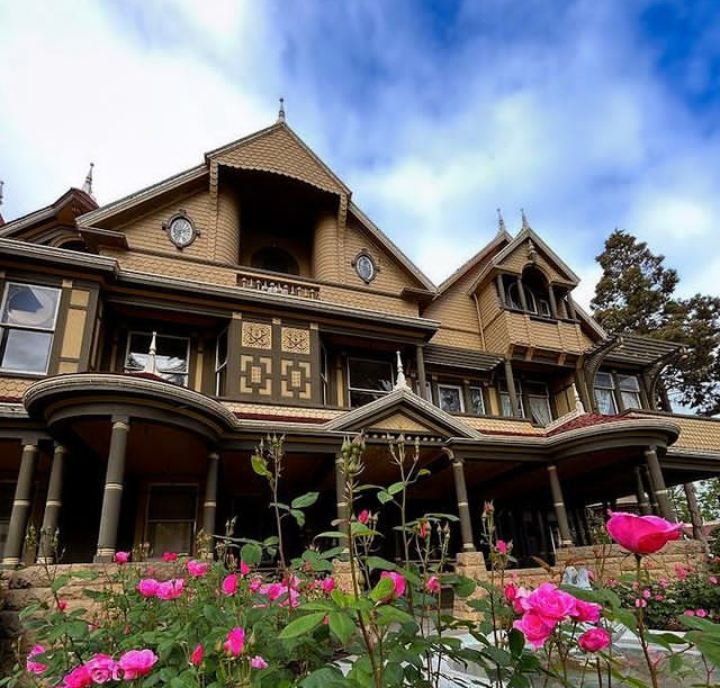
Expressing gratitude may be the first purpose of the day, one of the best ways to be romantic is bringing your spouse a cup of coffee, while they are in bed, to wake them up in the morning. Liveliness is a pleasant thing. Such a kind gesture will make anyone feel loved. Coffee in the morning gets the gold medal, it is the perfect way to warm up the body and provide you with a source of energy. It helps me feel loved, cherished, and I see the day with fresh eyes. Happy are they who are blessed with the power of making happy. Good fortune opens the hands as well as the heart wonderfully; and to give somewhat when we have largely received, is but to afford a vent to the unusual ebullition of the sensations. Colorful spring is the most charming season. I have so many words to say, but I do not know how to start. May deep blessing be around you day after day, year after year. In the feelings of the heart there can be no dissimulation. There is a beauty in the simplicity of nature which the most accomplished works of art can but faintly imitate. Beauty comes from love. Love is not a passion that degrades but exalts our nature.
From your words, I can hear a good heart beating strongly and see your ideal is glittering. You are steady and dependable like a monument craved of marble; your love is a master-key that opens the gates of happiness and gives knowledge to your lover’s heart. The measure of love is to have no mean, the end to be everlasting. Perfection does not exist; to understand it is the triumph of human intelligence. Let us learn to have the strength of confidence, the strength that will enable us to live forever in the aspiration for the better, and to return in act from the virtual World, but still, we require that aspiration of perfection. Love: an absorbing concentration on someone object, an intense movement to a single point, a gravitation of your whole being around a solitary centre. Formed by nature for love, the human heart sympathizes instinctively in the stars in Heaven. Virtue is God’s empire. If I had a fortune as large as my heart, there should not be one distressed person in the World. I am standing at the window quietly recalling past years in the distance. I find time is solidifying, nut you are the spotlight in the scenery. I write my blessing on the pictures with my heart. The poems are the words I want to speak to you. I am missing you silently. Keep the best things in memory and I give you my blessing.
I pray that pleasant songs are always around you and bring you endless happiness. Genius and virtue are independent of rank and fortune. Poetry is not dead, nor genius lost, it takes people a long time to learn the difference between talent and genius, especially ambitious young men and women. However, no change of condition can alter the sentiments of a generous heart. Memories bring us the past years with warmth. Year by year, trails and hardships; day by day sunrise and sunset. How happy is the little stone that rambles in the road alone, and does not care about careers, and exigencies never fears, whose coat of elemental blue, and independent as the Sun. The people who render the World prosperous are those who are courageous in life and try to solve the new problems in life. My darling, may you be one of them. The World likes a tender little boat, carries love, truth, kindness, youth, and beauty forever. Like the most beautiful flower in the World, love blooms in your heart and mine; may it never wither! Love is in our hearts, let us toast with a fresh cup of D’Amico coffee and wish you a healthy and happy life at Spring Festival.