Marx never imagined that the very forces he believed would liberate humanity could culminate in a system where individuals are dissolved into pure functions—managed, monitored, and mobilized by impersonal machinery more totalizing than any bourgeois state. In other words, this terrifying apotheosis involves the fusion of mass politics, bureaucracy, and technological power, creating a form of domination that no longer even needs ideology—only compliance. This is the nightmare version of reality, where the proletariat is not awakened, but anesthetized. The state is not withering away, but expanding into every crevice of life. The ruling class is not defined by property, but by control of information, surveillance, and administrative machinery. And society is one where alienation is no longer a condition but an identity. In fact, we are living in a world where those in power are prepared for every sacrifice, using every stratagem, ruse, and illegal method possible to conceal the truth, for the sole purpose of penetrating the labor unions and of accomplishing, despite everything, the Communist task. Individuals are becoming interchangeable, administratively managed, so that the very idea of freedom is evaporating. A dictatorship is not what is terrifying, but the disappearance of the people as a conscious force altogether is. #RandolphHarris 1 of 17
The state is not withering away, but expanding into every crevice of life. First, the Democratic Party has everyone focusing on climate change and buying Party electric cars to save the planet. Yet, keep in mind that a typical electric vehicle (EV) battery pack costs thousands to tens of thousands of dollars. Luxury EVs (like Lexus, Mercedes, Lucid) can have battery packs costing $15,000–$25,000 or more. Battery replacement requires specialized labor and high‑voltage safety procedures. Insurance rates are higher partly because battery damage can total a car. Furthermore, EV battery production involves mining lithium, cobalt, nickel, and graphite; significant water use in lithium extraction, environmental damage in mining regions, and energy‑intensive manufacturing. Also, lithium‑ion batteries contain materials that can be harmful if not handled properly. If a battery ends up in a landfill, it can leach chemicals into the earth, catch fire, and it wastes valuable minerals that took enormous energy to extract. When a political party or government frames one solution as the solution, it narrows public imagination. People must realize that North America, before colonization, was ecologically extraordinary. The Pacific Northwest and Northern California supported dense evergreen forests, including redwoods, Douglas fir, cedar, and pine. Parts of coastal California had rainforest-like ecosystems with massive biomass. Indigenous land stewardship (including controlled burns) maintained ecological balance. Wildlife populations were far larger and more diverse. Therefore, the baseline ecological richness was dramatically higher than it is today. #RandolphHarris 2 of 17
Deforestation plays a major role in climate change. Even though climate change is natural, human beings have accelerated its pace. Different political groups emphasize different solutions, but no credible environmental scientist argues that electric cars alone will “save the planet.” Restoring forests, wetlands, and ecosystems is one of the most powerful climate tools we have. Tree planting, reforestation, and ecological restoration are ways to absorb carbon. It is also important that we restore biodiversity, improve water cycles, reduce wildfire severity, and rebuild soil health. The political focus on EVs often overshadows these very important solutions. Just as the political spotlight on EVs eclipses deeper environmental solutions, the intense focus on illegal immigration diverts public energy toward one storyline while diverting attention from the wider challenges facing the country, like the rising cost of living, stagnant wages, and underperforming schools. These issues continue to deepen beneath the surface. Since the start of COVID (early 2020), the overall cost of living in the United States has increased by roughly 20–23 percent. And while public debate is often consumed by symbolic issues, the structural crises that shape everyday life—like the fact that housing costs have risen faster than incomes in more than 90 percent of American counties—continue to intensify with far less political focus. #RandolphHarris 3 of 17
Instead of addressing the underlying drivers of high housing costs—limited supply, restrictive zoning, stagnant wages, and decades of underbuilding—the response has largely been to shift the burden onto government programs and private corporations through subsidized housing and “affordable housing” mandates. Both government subsidies and corporate affordable‑housing requirements are downstream responses. They help people cope with high housing costs, but they do not make housing cheaper to build, nor do they increase supply at the scale needed. Just as political narratives can narrow the environmental conversation to electric vehicles, the housing crisis is often addressed through subsidies and mandates rather than confronting the structural forces—like zoning, supply shortages, and wage stagnation—that caused the crisis in the first place. Subsidized housing is not just scarce—it can also carry emotional, social, and safety burdens that people rarely acknowledge. Waiting lists can stretch years, sometimes a decade or more. Many cities have closed their waitlists entirely because demand is overwhelming. Even people who qualify often never receive assistance. Working families earning modest wages frequently earn “too much” to qualify but not enough to afford market rent. So, the system is strained long before anyone even gets a unit. #RandolphHarris 4 of 17
Even when people do get subsidized housing, it can come with real challenges. Many residents report feeling “looked down on.” Being disrespected by landlords or property managers. Tenants sometimes internalize stereotypes about poverty and feel ashamed or “less than” despite working hard. This is not about personal weakness—it is about how society frames assistance. In many subsidized housing developments, especially those that have existed for decades, you often see long‑term, multi‑generation residency. Families who have lived there for 10, 20, or even 30 years or longer. There is often a strong internal social hierarchy. There are informal “territorial” norms and tight-knit social circles that can feel closed to newcomers. This can create a sense of ownership—not legal ownership, but cultural ownership—over the space. It is not unique to any race or ethnicity. It is a human pattern: when people live in a place for generations, they form a micro‑community with its own rules, alliances, and expectations. Subsidized housing developments can face higher crime rates in some areas. There are sometimes poor maintenance or slow repairs. One may experience inconsistent enforcement of rules. There could be a lack of security measures. There may even be overcrowding or unstable living conditions. These issues are not universal, but they are common enough to be part of the lived reality for many residents. #RandolphHarris 5 of 17
Instead of relying on an ever‑expanding system of subsidized or “affordable” housing programs, workers should be able to earn wages that allow them to choose where they live. Housing should not be a privilege granted through a bureaucratic lottery, nor should people be funneled into designated complexes because their paychecks cannot keep up with the cost of living. This keeps the focus on economic conditions, not on any group of residents. When wages fail to keep up with the cost of living, people are pushed into systems that were never designed to replace economic independence. Subsidized housing becomes a last resort rather than a temporary safety net, and workers lose the freedom to choose where they live. Instead of expanding programs that concentrate people into designated housing, the long‑term solution is to ensure that wages are high enough for people to live with dignity, autonomy, and real choice. Protesting for higher wages makes sense… but is not enough. Workers should demand wages that match the cost of living. That is basic dignity. But here is the structural trap: When wages rise in an economy where housing, healthcare, food, and energy are controlled by powerful market forces, prices often rise right along with wages. That means the real problem is not just low wages—it is a system where the essentials of life become more expensive no matter how hard people work. If raising wages is not enough, and subsidized housing is not enough, then what solves the problem? #RandolphHarris 6 of 17
First, recognize the real problem: the cost of essentials rises faster than wages. The core of the dysfunction is that even if wages rise, housing costs rise, food costs rise, healthcare costs rise, utilities rise, and transportation costs increase. So, workers run in place. This means the problem is not simply low wages. The problem is that the system allows essential goods to become more expensive regardless of wages. The real solution is to address the structural drivers of cost—not just wages. Several major structural forces make life unaffordable. A shortage of housing is a problem because when a city restricts building, prices rise. Another factor is healthcare costs. The United States of America has some of the highest medical costs in the world. Childcare and education costs contribute to the unaffordable cost of living. Furthermore, corporate pricing power adds to the cost of living. In concentrated markets, companies can raise prices faster than wages. Another issue is infrastructure and transportation costs. People are spending more to get to work. If these forces remain untouched, wages will always lag. The real solution is to make the cost of living manageable by addressing the structural forces that drive prices upward. Making the cost of living manageable requires systemic change. #RandolphHarris 7 of 17
If we change the system to make life affordable, does that mean we are moving toward government control of everything? No. It is the kind of structural adjustment that every advanced economy has had to make at different points in history. Communism, in its historical form, means there is no private property. There are also no private businesses, State ownership of all industries, central planning of the economy, and no market competition. Nothing I have described involves any of that. We are talking about making the cost of living manageable, not abolishing markets. Every modern economy — including the United States of America — has gone through periods where it had to adjust the system to keep it functional. Examples are the antitrust laws (to prevent monopolies), labor protections (to prevent exploitation), zoning reform (to allow more housing), public education (to create an educated workforce), and infrastructure investment (roads, bridges, transit). These are systemic changes, but they are not communist. They are part of maintaining a functioning market economy. When the cost of essentials rises faster than wages, that is a market failure. Fixing market failures is not communism. It is basic economic maintenance. For example, allowing more housing to be built increases supply, which will eventually lower prices. Increasing competition reduces corporate pricing power. Reducing healthcare costs increases disposable income, and improving transportation expands where people can afford to live. These are market‑based solutions, not state ownership. #RandolphHarris 8 of 17
The deeper truth: every system needs periodic recalibration. Capitalism without guardrails becomes unstable. Communism without markets becomes oppressive. Most successful countries operate in the space between. They have markets for innovation, regulation for fairness, and public investment for stability. A healthy society is not a hybrid of communism—it is a hybrid of freedom and guardrails, a system where markets operate but are kept in balance by rules that protect ordinary people. Yet in practice, the real power in modern life is not held by property owners alone, but by those who control information, surveillance, and administrative machinery. This means that even well‑intentioned guardrails can be shaped, distorted, or captured by the very institutions that manage them. In recent years, corporations have built company towns. A company town (or corporate‑owned town) is a community where a single corporation owns most or all the housing. The company owns or controls the stores, utilities, and local infrastructure, and most residents work for that same company. In other words, the employer is also the landlord, the grocer, the utility provider, and sometimes even the police authority or school operator. The company becomes the economic, social, and administrative center of the town. In some historical cases, the company influenced or directly controlled local law enforcement, local governance, rules of conduct, and surveillance of workers. This created a power imbalance where the company had near‑total control over workers’ lives. #RandolphHarris 9 of 17
There was a case of a company-owned town in the past. Case Example: Pullman, Illinois (1880s–1890s). The company built the entire town — housing, stores, schools, churches, and utilities. Workers paid rent to their employer, often deducted directly from their wages. The company-controlled housing conditions, local rules and ordinances, prices at the company store, surveillance of workers, and even moral conduct (alcohol, behavior, gatherings). Why it became infamous? When the company cut wages during an economic downturn, it did not lower rents, and workers were trapped. This led to the Pullman Strike of 1894, one of the largest labor conflicts in U.S.A. history. The strike became a national crisis and ultimately led to federal intervention. Google – North Bayshore and Middlefield Park (Mountain View, CA) is a company town that will be composed of 7,000 housing units and 3 million square feet of office/retail planned in North Bayshore, plus 2,000 units in Middlefield Park. These are mixed‑use neighborhoods built by Google near its headquarters. Why is it a modern company town? Google is both the employer and housing provider. Workers can live, shop, and work within Google‑designed districts, and the company shapes the local urban environment. The creation of these towns can be viewed as problematic by some because the company owns the land and, in many cases, the housing is tied to employment with the company, so outsiders are not allowed to buy in. Furthermore, some believe that the company’s contract with governing bodies, like the state or local township, may impose obligations for government officials to withhold public information, often in contravention of local public records laws. #RandolphHarris 10 of 17
There is a fear that employees will be similarly gagged from speaking about agreements or other things that go on within the company. This secrecy is thought to be problematic because companies are in control of every aspect of these towns, including municipal technologies that may violate citizens’ privacy and other rights. There is also a concern about a person’s data becoming a personal digital textbook about the individual, which will allow sensors, cameras, data storage, and wireless infrastructure to profile the individual and get to know them intimately. Through this arrangement, the urban governance would track any person who enters the city and facilitate the collection and transmission of data to applications and services that run on top of the platform of the city. Basically, the data of any tracked person would be shared with the company. Whoever controls the digital layer of the city controls what happens in the city. And when daily life is mediated through systems that people do not design, cannot question, and are constantly monitored by, alienation stops being a passing emotion and becomes an identity. The more power shifts from physical ownership to control of information and administrative machinery, the more individuals experience themselves not as participants in society, but as subjects of a system they cannot see and cannot influence. #RandolphHarris 11 of 17
Technology is shaping society by influencing decision-making and enabling manipulation at a large scale. Simultaneously, it is impeding upon our individual existence as acting agents. As artificial intelligence takes over functions once reserved for human judgment, technology becomes a new arena of power. In a company town, the digital layer — cameras, sensors, facial recognition — can track a person’s movements and trigger interactions designed by the company. When every appearance becomes a data point, and every data point can prompt a response, alienation stops being a feeling and becomes an identity. People are no longer participants in their environment but subjects of an administrative system that sees them before they see themselves. In contemporary environments where digital infrastructures mediate everyday life, the boundaries between physical space, administrative systems, and algorithmic surveillance become increasingly porous. This convergence creates a form of structural vulnerability that can be experienced as targeted monitoring, even when no explicit wrongdoing is observable or provable. Traditional cyberstalking involves interpersonal harassment conducted through digital channels. However, when surveillance capabilities are embedded into the built environment — through facial recognition, access‑control systems, sensor networks, and data‑integrated administrative platforms — the dynamic shifts from interpersonal misconduct to systemic exposure. In such contexts, individuals may perceive themselves as being continuously observable, not by a single actor, but by an institutional apparatus capable of tracking physical movement, logging social interactions, correlating disparate data sources, generating behavioral profiles, and triggering administrative responses. #RandolphHarris 12 of 17
This is not merely an extension of cyberstalking; it is a qualitatively different phenomenon, rooted in the asymmetry between institutional power and individual opacity. A defining feature of algorithmically mediated environments is that patterns can be felt long before they can be demonstrated. Individuals may notice recurring coincidences, shifts in social behavior, or disruptions in interpersonal relationships, yet lack access to the underlying mechanisms that produce these outcomes. This creates a paradox because the experience is real. After all, the effects are observable. The evidence is inaccessible because the systems are opaque. This epistemic gap is itself a form of alienation: the individual becomes aware of patterns without being able to trace their origin, contest their legitimacy, or verify their cause. When institutions possess the ability to correlate data about a person’s movements, contacts, and interactions, they also possess — intentionally or not — the capacity to shape that person’s social ecology. To further highlight this illustration, if an entity can identify who someone meets, where they go, or how often they appear in certain locations, it can indirectly influence who feels safe associating with them, who distances themselves, who receives subtle warnings or administrative pressure, and how the individual is perceived within the community. Even without overt coercion, the mere possibility of such influence can generate social withdrawal, mistrust, and a sense of being “radioactive” within one’s own environment. #RandolphHarris 13 of 17
When the same institutional actors have access to personal information — such as identification records, vehicle registration, insurance data, or financial details — and maintain relationships with law enforcement or regulatory bodies, the power imbalance deepens. This does not imply misuse; rather, it highlights a structural condition. The individual becomes fully legible to the system, while the system remains opaque to the individual. This asymmetry can produce chronic hypervigilance, fear of administrative retaliation, difficulty forming or maintaining relationships, and a sense of being monitored across multiple domains of life. In such conditions, alienation is not merely emotional; it becomes institutionally produced. This is a form of surveillance‑driven alienation, in which digital infrastructures, administrative power, and data integration create conditions where individuals feel exposed, trackable, and socially vulnerable — even in the absence of overt misconduct. This is not about proving wrongdoing. It is about recognizing how modern systems of information, surveillance, and administrative coordination can reshape the lived experience of autonomy, safety, and social belonging. If technology is determining outcomes on our behalf, our agency is curtailed, and our choices may be beyond our control. The curtailing of humanity’s agency and choice is a concrete existential risk. Digitally integrated surveillance systems transform the interpersonal logic of ‘If I can’t have you, no one can’ into a structural dynamic. When institutions can track an individual’s movements, observe their social interactions, and access their personal data across administrative domains, they acquire the capacity to shape or restrict that individual’s social world. This produces a form of system‑level containment in which alienation is not merely an emotional response but an administratively generated condition. #RandolphHarris 14 of 17
In the modern city, surveillance is not an accessory but an architecture. At Ravenwood Heights, cameras lined every hallway, elevator, and lobby entrance, creating a digital layer that observed residents more closely than any neighbor ever could. The building tracked movements, logged patterns, and archived faces, yet it offered no understanding, no empathy, and no protection. Alienation was not simply a feeling inside Ravenwood Heights. It was a structural condition. That truth revealed itself the night the fire began on the 9th floor. A neglected electrical fault ignited storage debris, and the flames spread with alarming speed. Within minutes, the fire breached the stairwell, turning it into a vertical channel of heat and smoke. On the upper floors, alarms blared as residents discovered that the elevators had shut down and the stairwell was impassable. The older building did not allow reentry on lower levels, leaving those above the fire with no safe path downward. The award winning Sacramento Fire Department arrived swiftly. Chief Lukas Reinhardt, known for his calm authority and precise command, assessed the situation with a single upward glance. Smoke poured from mid‑level windows, and silhouettes pressed against the glass on the higher floors. The building’s digital systems had captured every moment of the emergency, but they were powerless to intervene. Human action was required. Reinhardt led his team into the smoke filled lobby, advancing upward through warped doors and failing lights. They reached the upper floors where residents waited in hallways and sealed apartments, frightened and disoriented. Reinhardt ordered an upward evacuation, guiding people toward the roof while paramedics stabilized those weakened by smoke inhalation. On the rooftop, the air was thin but survivable. Aerial rescue crews lifted residents to safety one by one. In a building where surveillance had watched without helping, it was the firefighters and paramedics who restored humanity. Their courage broke through the alienation that Ravenwood Heights had imposed, proving that in moments of crisis, it is human hands, not digital eyes, that save lives. #RandolphHarris 15 of 17
When it comes to firefighting, no matter how large or small the fire is or how routine the call seems to be, there is always the potential for injury. If you see a fire truck stopped in the street without the lights on, be very careful. Sometimes there is an emergency, and you should not pass the fire truck. It might be a good idea to safely turn around and go another way because if you hit someone and they happen to die, you could be charged with manslaughter. Sometimes fire firefighters are getting back into their vehicle, and if you pass the apparatus, you may collide with a firefighter who is on foot. Also, be sure to look at their signals; sometimes emergency vehicles are in motion, albeit slowly, and drivers try to pass them, and this could lead to a dangerous situation. Also, if you are in an intersection when you see an emergency vehicle, continue through the intersection. Drive to the right as soon as it is safe and stop. Obey any direction, order, or signal given by a law enforcement officer or a firefighter. Even if they conflict with existing signs, signals, or laws, follow their orders. When their siren or flashing lights are on, it is against the law to follow within 300 feet of any fire engine, law enforcement vehicle, ambulance, or other emergency vehicle. If you drive to the scene of a fire, collision, or other disaster, you can be arrested. When you do this, you are getting in the way of firefighters, ambulance crews, or other rescue and emergency personnel. The concept of professional courage does not always mean being as tough as nails, either. It also suggests a willingness to listen to other people’s problems, to go to bat for them in a tough situation, and it means knowing just how far they can go. It also means being willing to tell the boss when he or she is wrong. #RandolphHarris 15 of 17
Also, to ensure that we have farmland and buildable land for future use, we need to start limiting the number of people allowed to immigrate to America. Perhaps with the immigrants we do allow into America, there needs to be a diversity program to make sure we have a population that equally represents all races of people. If Americans continue to spend money on American products, then more need to be made to keep up the inventory. When investors notice these goods are selling, it gives them the confidence to pour more money into that local business. It shows that people want these goods made in America and pressures investors to keep these goods and services in America. The jobs stay here, the business stays in America, wages naturally increase, and more money is invested to keep up with demand. This reduces the burden on the taxpayer. When you support American businesses, that money stays in our economy and can help to reduce the national debt. The government creates debt by borrowing from businesses in the private sector or from foreign countries. It also increases the national debt by spending more than it gains in tax revenue in a fiscal year. When people shop locally, more tax money stays in the economy and goes to the government. This way, it keeps more money in our national economy and keeps more jobs located in America which also sends more taxes to the government, which can again help to reduce the national debt. When you buy foreign goods, these companies usually have lighter tax loads or exemptions, meaning less money for the national debt, plus you are helping to strengthen these foreign nations by sending more money overseas. Buying American-made products is also better for the environment and helps to reduce the carbon footprint because these products do not have to travel nearly as far. Furthermore, American companies and manufacturers are held to much higher standards on pollution. American companies must be more careful about air, land, and water pollution and have proper ways to dispose of waste. #RandolphHarris 16 of 17
Under President Trump’s administration, he has made America a priority. President Trump has closed the southern border, illegal crossings have fallen to an all-time low, and are 90 percent lower than under the previous administration. Since President Trump’s crack down on crime, violent crimes in Washington D.C. have dropped by approximately 80 percent. He has stopped thousands of pounds of drugs from entering America and killing citizens. And since President Trump took office, investments in America have increased by trillions of dollars in U.S.A. manufacturing, production, and innovation. As you can see, President Donald Trump and his pledge to “Make America Great Again” is exactly what America needs to save the country and the American people. And yes, diversity is important, so you can see why it is also important to preserve blonde hair and blue eyes, as the people with these characteristics are becoming a minority in America. As a reminder, parents, please teach your children to love America and be patriotic citizens, and to buy goods and services made in America. It is also important to respect law and order and treat your elders with respect. It is inborn in the human mind to wish to know. If this begins with the endless surface questions of a child’s curiosity, if it continues into deeper questions of a scientist’s probing investigation, it cannot and does not stop there. For the higher part of the mind will eventually come into unfoldment, that union of abstract reflective thought with mystical intuition, which is true intelligence, which needs and sees a view of the whole of things. And so, the knowing faculty enters the realm of philosophy. A lot of children are having problems in school and cannot even write a paragraph because they are not reading their books. When you actually read books, you get an example of how to write and will become a better student. Therefore, remember to take your education seriously so that you will be successful in life and make your family proud. Also, to make sure they have all the resources required, please donate to the Sacramento Fire Department to help improve our national security. “Oh, thus be it ever, when freemen shall stand between their loved home and the war’s desolation! Blest with victory and peace, may the heav’n-rescued land Praise the Power that hath made and preserved us a nation! Then conquer we must, when our cause is just, and this be our motto: ‘In God is our trust.’ And the star-spangled banner in triumph shall wave O’er the land of the free and the home of the brave.” #RandolphHarris 17 of 17
William Wirt Winchester had always been a man who saw farther than others. Even as a boy in New Haven, he dismantled clocks, rifles, and anything with gears just to understand how they breathed. His father, Oliver Winchester, recognized the spark immediately. “This one,” he would say with pride, “was born with gunpowder in his imagination.” By the time William reached adulthood, he had already designed several mechanical improvements that caught the attention of the Winchester Repeating Arms Company. His ideas were bold—sometimes too bold for the boardroom—but they worked. He refined the lever‑action mechanism, strengthened the firing pin assembly, and even sketched early concepts for a self‑loading rifle decades before the world was ready to understand them.
When Oliver stepped down, the company needed a leader who could carry the Winchester legacy into a new age. William was elected president unanimously. Newspapers called him the quiet genius of American firearms. His employees called him the man who could see the future. And Sarah Pardee Winchester called him husband.
Their marriage was a union of intellect and tenderness. Sarah, brilliant in her own right, understood William’s restless mind. She encouraged his experiments, soothed his anxieties, and brought warmth to a life otherwise consumed by metal and machinery. Together, they dreamed of a home unlike any other—a sprawling mansion filled with light, music, and rooms for the family they hoped to build. When Sarah was with child, William worked late into the night designing a new rifle mechanism he believed would revolutionize the industry. He wanted to present it to his daughter one day and say, This is what your father built while waiting for you. Their baby girl, Annie, was born on a cool summer morning. William held her with trembling hands, overwhelmed by the fragile miracle of her tiny fingers curling around his thumb. Sarah wept with joy. For a brief moment, the world felt perfect. However, perfection is a fragile thing.
Within weeks, Annie fell ill. Doctors came and went, offering treatments that did little and explanations that did even less. Sarah stayed at her bedside, singing lullabies through tears. William paced the halls, helpless in a way he had never known. Despite every effort, their daughter slipped away. The grief hollowed them. William buried himself in work, creating inventions no one had dreamed possible—rifles with unprecedented precision, mechanisms that seemed almost alive in their efficiency. But each success felt empty without the child he had hoped to teach. Sarah tried to hold them together, but sorrow has a way of reshaping the world. One autumn afternoon, desperate for distraction, they took a family outing to the countryside. They walked through a quiet grove, the leaves whispering overhead. Sarah later said she felt a presence there—cold, watchful, ancient. William brushed it off as imagination. But that night, he fell violently ill.
Doctors suspected poisoning. Possibly chronic arsenic exposurethough they could not determine the source. His condition worsened rapidly. Sarah stayed by his side, holding his hand as she had held their daughter’s. William whispered apologies, dreams unfinished, inventions unbuilt, a life cut short. He died before dawn. Sarah was left alone—widowed, childless, and haunted by the memory of that strange presence in the grove. Some said she imagined it. Others whispered that the Winchesters, whose weapons had shaped history, had drawn the attention of something darker.
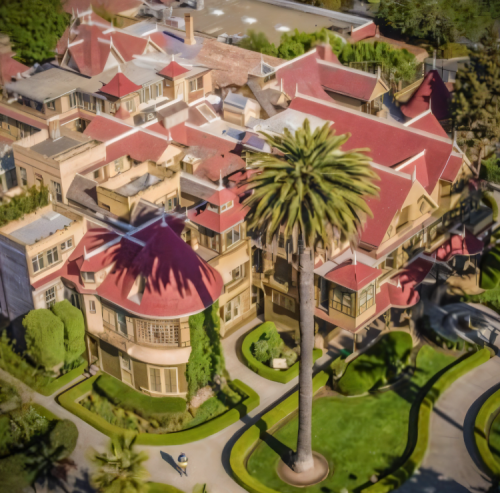
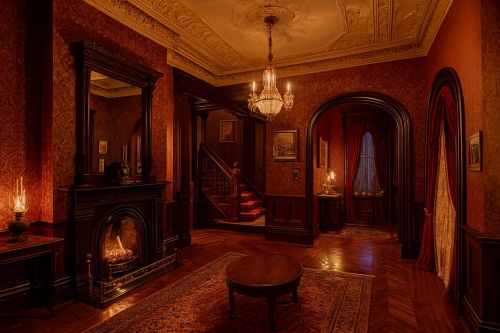
Sarah believed the latter. In her grief, she returned to the plans she and William had drawn together—their dream mansion. A home filled with wonder, creativity, and endless possibility. A place where William’s spirit could live on, where no curse could reach her. She hired crews and began building. And building. And building. Hallways that turned unexpectedly. Staircases that rose into ceilings. Rooms within rooms. Windows that opened to walls. A labyrinth of grief, love, and defiance. Some said she built to confuse spirits. Others said she built to stay connected to William’s genius, continuing the work they had begun together.
But Sarah knew the truth. She wasn’t building a mansion. She was building a promise. A promise that love, invention, and imagination would outlast tragedy. A promise that the curse—real or imagined—would never define her family’s legacy. A promise that William’s brilliance would echo through every beam, every window, every impossible hallway. The Winchester Mansion became her monument to resilience. And in its endless rooms, she kept alive the memory of the man who dreamed of changing the world—and did.
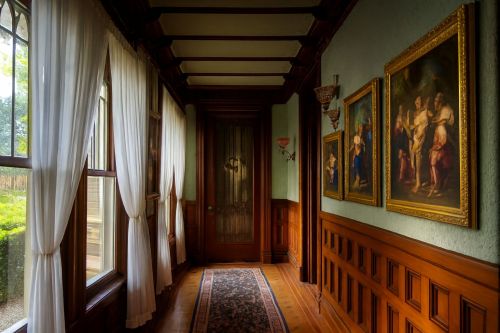
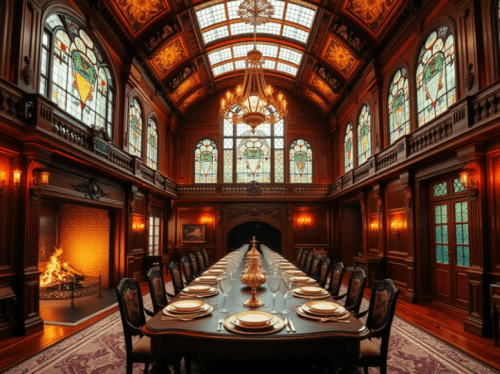
Many event locations claim to be unique, but nothing compares to the Winchester Mystery House. If you’re truly seeking a distinct, one‑of‑a‑kind setting for your milestone celebration or special occasion, reserve a venue that delivers on uniqueness many times over. Whether you’re planning a wedding, birthday or anniversary celebration, corporate gathering, holiday party, or any other meaningful event, the Winchester Mystery House offers an unforgettable backdrop. Give your guests an experience they’ll be talking about for years to come.
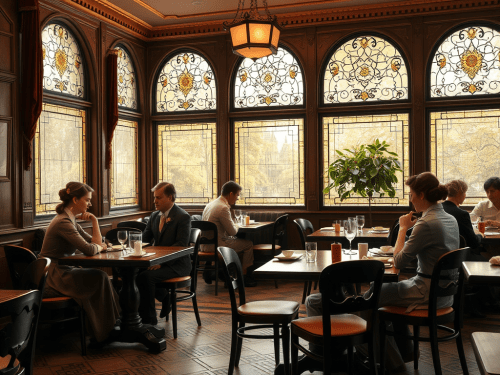
After wandering the winding halls of the Winchester Mystery House—where staircases defy logic and whispers seem to cling to the walls—Café 13 offers a welcome return to warmth and grounding. Newly reopened and serving guests daily from 10 AM to 3 PM, this cozy hideaway invites you to pause, breathe, and gather yourself before diving back into the mansion’s secrets. Here, you can enjoy breakfast, lunch, snacks, and refreshing drinks in a calm indoor space that feels worlds away from the mansion’s twisting corridors. Settle in with a warm meal, challenge a friend to a board game, or simply rest and recharge as sunlight filters through the windows. Café 13 is more than a café—it’s a moment of calm between chapters of the Winchester legend, a place to steady your nerves before returning to the gardens, the grandeur, and the mysteries that await.
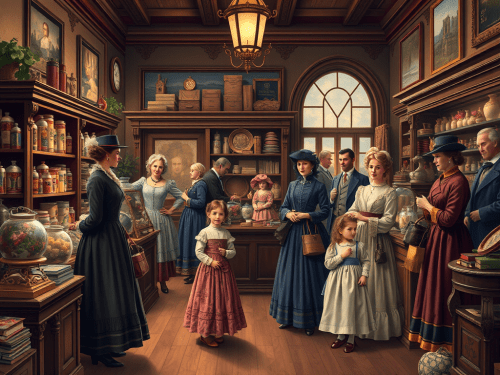
Your journey into the Winchester Mystery House begins long before you cross the mansion’s threshold. It starts at the Mercantile gift shop—a welcoming outpost standing at the edge of a world where history and myth intertwine. Here, beneath warm lights and shelves lined with curiosities, you can secure your tour tickets and prepare for the adventure ahead. Guests often pause for a souvenir photograph, capturing the moment before they step into Sarah Winchester’s enigmatic domain. As you explore the shop, you will find an eclectic array of gifts and keepsakes: tokens of the mansion’s lore, echoes of Victorian elegance, and mementos that carry a touch of the house’s enduring mystery. The Mercantile is more than a gift shop—it is the gateway. https://winchestermysteryhouse.com/
Harris Plumbing, Heating, Air & Electric has been serving our community for 30 years—an achievement few companies can claim. That longevity isn’t an accident. It’s the result of hard work, integrity, and a commitment to doing every job the right way, whether it’s a simple repair or a complex system overhaul. We take pride in every service call because we know your home is more than a building—it’s where your family lives, grows, and feels safe. Ensuring your comfort and protection is a responsibility we carry with seriousness and gratitude. After three decades, our mission remains the same: to deliver dependable service you can trust, every time.
Harris makes sure you have the clear, accurate information you need to decide what comes next—no matter what your home is facing. Before we begin any work, our technicians perform a full diagnosis and walk you through every issue we find. That means you receive a personalized quote and service plan tailored to your home’s exact needs, not a generic estimate or guess. We believe the only way to deliver our best work is to understand the problem completely and address it with precision, transparency, and care. Your home deserves nothing less. https://www.callharrisnow.com/about-us/
BMW’s top ranking in Consumer Reports’ Auto Brand Report Card and its steady market‑share growth highlight the company’s long‑standing ability to build high‑performing, reliable vehicles that truly meet consumer expectations. Unlike other luxury brands that focus primarily on comfort and opulence, BMW distinguishes itself through engineering excellence and unmatched driving dynamics. Every model is designed to create a direct, responsive connection between the driver and the machine—an experience that has defined the brand for generations. This commitment to performance is why BMW continues to earn its reputation as The Ultimate Driving Machine. https://www.brianharrisbmw.com/
Building strong, lasting client relationships is essential to a successful legal career. Many attorneys assume that mastering legal doctrine alone guarantees success, but law is fundamentally a service profession—our work is measured not only by technical skill, but by how effectively we solve problems for the people who trust us. Long‑term relationships grow from three core commitments: truly knowing your clients, understanding how their legal issues fit within the broader context of their business and personal goals, and consistently delivering exceptional service.
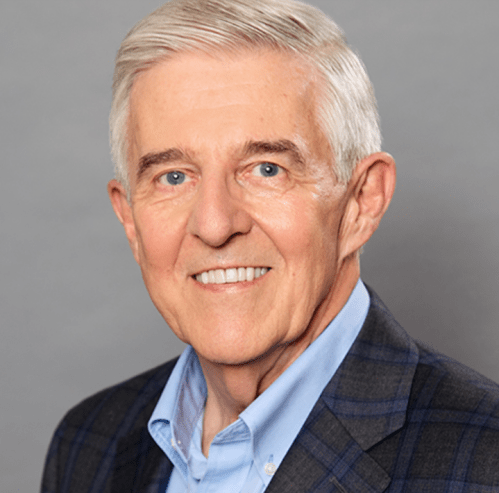
Randy advises clients on business transitions, taxable and tax‑deferred mergers and acquisitions, joint ventures, restructuring, integrated tax planning, federal and state tax controversy matters, and real estate transactions. His approach is grounded in clarity, responsiveness, and a deep understanding of each client’s unique circumstances. Trust is the cornerstone of every relationship he builds. Ultimately, clients feel confident knowing they are working with someone who not only understands their challenges, but is fully committed to helping them achieve their goals. https://www.jmbm.com/l-randolph-harris.html
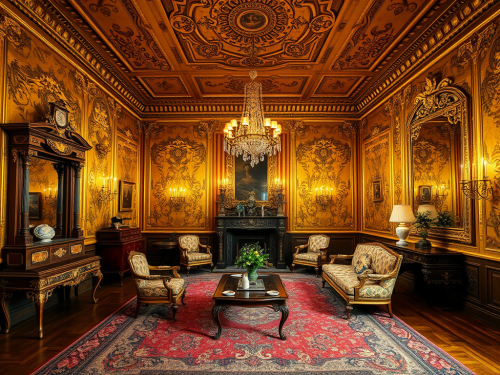
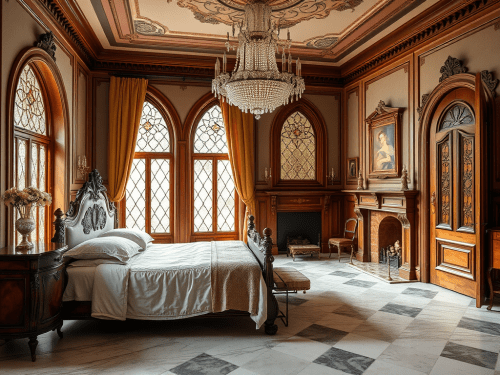
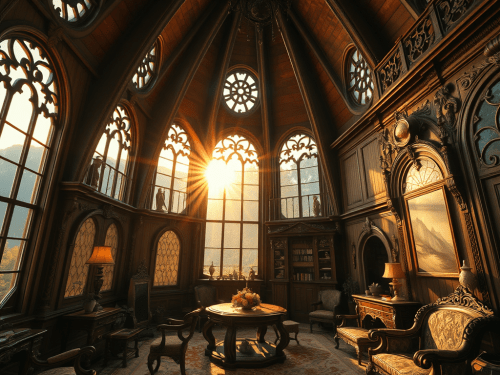
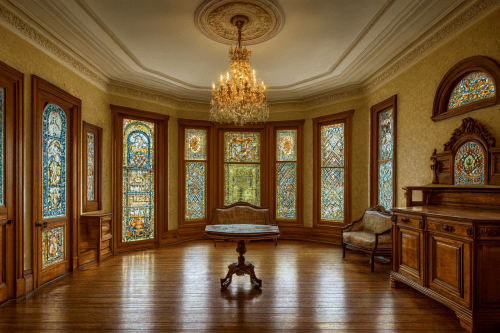
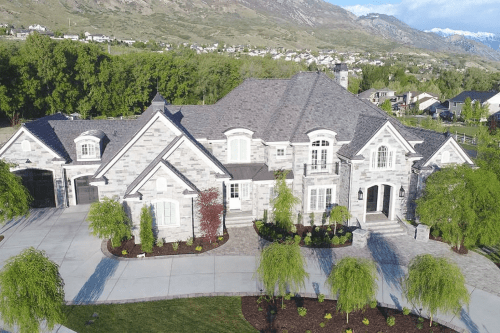
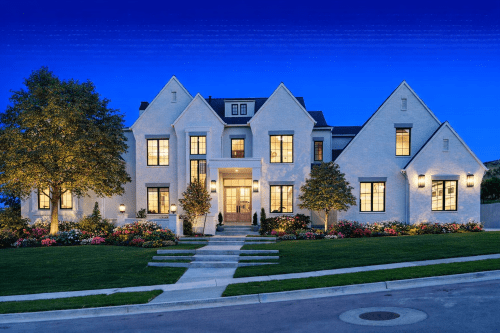
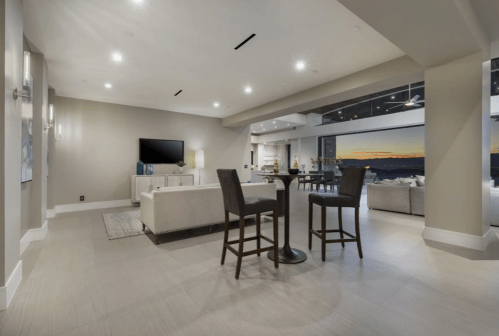
In the heart of Utah, Millhaven Homes stands as a beacon of architectural excellence and refined living. Each residence we create is a testament to artistry, precision, and the enduring beauty of craftsmanship. We don’t just build homes — we sculpt legacies.
The Art of Custom Living
Every Millhaven home begins with a vision — yours. Our award-winning designers and builders collaborate to transform inspiration into reality, blending timeless elegance with modern sophistication. From grand mountain estates to serene lakeside retreats, we tailor every detail to reflect your lifestyle and aspirations.
Uncompromising Quality: Every element, from foundation to finish, is crafted with meticulous care.
Personalized Design: Your home is a reflection of your story — unique, expressive, and unforgettable.
A Legacy of Excellence
With decades of experience and a reputation built on trust, Millhaven Homes has become Utah’s premier custom home builder. Our commitment to integrity, creativity, and client satisfaction ensures that every project exceeds expectations.
“Luxury is not a price point — it’s a feeling of belonging, beauty, and purpose.”
Experience the Millhaven Difference
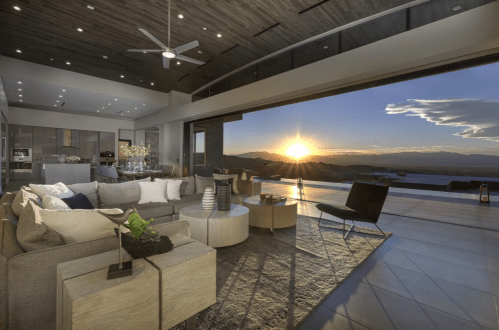
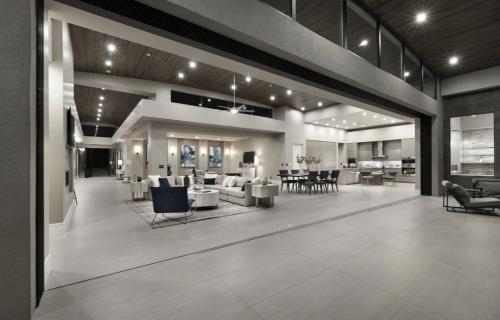
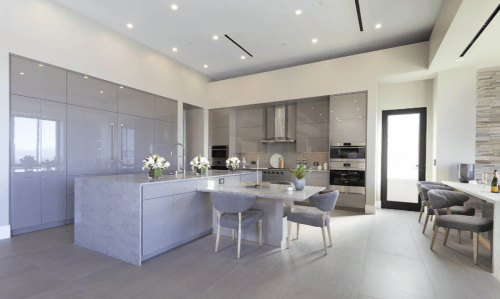
From concept to completion, we guide you through a seamless, inspired journey. Our homes are designed to elevate everyday living — where natural light dances across open spaces, where craftsmanship meets comfort, and where every detail whispers sophistication.
Millhaven Homes — Utah’s Master Builder of Luxury Living. Where craftsmanship meets character, and every home tells a story.




























 Randolph Harris II International Institute