
Home » Posts tagged 'psychology' (Page 7)
Tag Archives: psychology

Eternal Life Contradicts the Symbols of Heaven and Hell

The reasonable man adapts himself to the World; the unreasonable one persists in trying to adapt the World to himself. Therefore all progress depends on the unreasonable man. The narcissistic person has not even necessarily taken one’s whole person as the object of one’s narcissism. Often one had cathexed a partial aspect of one’s personality with one’s narcissism; for instance, one’s honor, one’s intelligence, one’s physical prowess, one’s wit, one’s good looks (sometimes even narrowed down to such details as one’s hair or one’s nose). Sometimes one’s narcissism refers to qualities about which normally a person would not be proud, such as one’s capacity to be afraid and thus to foretell danger. “One” becomes identified with a partial aspect of oneself. If we ask who “he” or “she” is, the proper answer would be that “he” or “she” is one’s brain, one’s frame, one’s wealth, one’s private parts, one’s conscience, and so on. All the idols of the various religions represent so many partial aspects of human beings. In the narcissistic person the object of one’s narcissism is any one of these partial qualities which constitute for one one’s self. The one whose self is represented by one’s property can take very well a threat to one’s dignity, but a threat to one’s property is like a threat to one’s life. On the other hand, for the one whose self is represented by one’s intelligence, the fact of having said something unintelligent is so painful that it may result in a mood of serious depression. However, the more intense the narcissism is, the les will the narcissistic person accept the fact of failure on one’s side, or any legitimate criticism from others. #RandolphHarris 1 of 17

One will feel outraged by the insulting behaviour of the other person, or believe that the other person is too insensitive, uneducated, et cetera, to have proper judgment. (I think, in this connection, of a brilliant, yet highly narcissistic individual who, when confronted with the results of a Rorschach test one had taken and which fell short of the ideal picture one had of oneself, and said, “I am sorry for the psychologist who did this test; he must be very paranoid.”) Just as the narcissistic person has made one’s “self-image” the object of one’s narcissistic attachment, one does the same with everything connected with one. One’s ideas, one’s knowledge, one’s house, but also people in one’s “sphere of interest” become objects of one’s narcissistic attachment. As Dr. Freud pointed out, the most frequent example is probably the narcissistic attachment to one’s children. Many parents believe that their own children are the most beautiful, intelligent, et cetera, in comparison with other children. It seems that the younger the children are, the more intense is this narcissistic bias. The parents’ love, and especially the mother’s love for the infant, is to a considerable extent love for the infant as an extension of oneself. Adult love between man and woman also has often a narcissistic quality. The man who is in love with a woman may transfer his narcissism to her once she had become “his.” He admires and worships her for qualities which he has conferred upon here; precisely because of her being part of him, she becomes the bearer of extraordinary qualities. Such a man will often also think that all things he possesses are extraordinarily wonderful, and he will be “in love” with them. #RandolphHarris 2 of 17

Narcissism is a passion the intensity of which in many individuals can only be compared with desire for pleasures of the flesh and the desire to stay alive. In fact, many times it proves to be stronger than either. Even in the average individual in whom it does not reach such intensity, there remains a narcissistic core which appears to be almost indestructible. This being so we might suspect that like pleasures of the flesh and survival, the narcissistic passion also has an important biological function. Once we raise this question the answer comes readily. Unless the individual’s bodily needs, one’s interests, one’s desires, were charged with much energy, how could the individual survive? Biologically, from the standpoint of survival, humans must attribute to themselves an importance far above what one gives to anybody else. If one did not do so, from where would one take the energy and interest to defend oneself against others, to work for one’s subsistence, to fight for one’s survival, to press one’s claims against those of others? Without narcissism one might be a saint—but do saints have a high survival rate? What from a spiritual standpoint would be most desirable—absence of narcissism—would be most dangerous from the mundane standpoint of survival. Speaking teleologically, we can say that nature had to endow man with a great amount of narcissism to enable him to do what is necessary for survival. This is true especially because nature has not endowed man with well-developed instincts such as the animal has. #RandolphHarris 3 of 17

The animal has no “problems” of survival in the sense that its built-in instinctive nature takes care of survival in such a way that the animal does not have to consider or decide whether or not it wants to make an effort. In man the instinctive apparatus has lost most of its efficacy—hence narcissism assumes a very necessary biological function. However, once we recognize that narcissism fulfills an important biological function, we are confronted to others, incapable of giving second place to one’s own needs when this is necessary for co-operation with others? Does not narcissism make the man asocial and, in fact, when it reaches an extreme degree, insane? There can be no doubt that extreme individual narcissism would be a sever obstacle to all social life. However, if this is so, narcissism must be said to be in conflict with the principle of survival, for only if one organizes oneself in groups, can the individual survive; hardly anyone would be able to protect oneself all alone against the dangers of nature, nor would one be able to do many kinds of work which can only be done in groups. We arrive then at the paradoxical result that narcissism is necessary for survival, and at the same time that it is a threat to survival. The solution of this paradox lies in two directions. One is that optimal rather than maximal narcissism serves survival; that is to say, the biologically necessary degree of narcissism is reduced to the degree of narcissism that is compatible with social co-operation. The other lies in the fact that individual narcissism is transformed into group narcissism, that the clan, nation, religion, race, et cetera, become the objects of narcissistic passion instead of the individual. #RandolphHarris 4 of 17

Thus, narcissistic energy is maintained but used in the interests of the survival of the group rather than for the survival of the individual. There is a pathology of narcissism. The most dangerous result of narcissistic attachment is the distortion of rational judgment. The object of narcissistic attachment is thought to be valuable (good, beautiful, wise, et cetera) not on the basis of an objective value-judgment is prejudiced and biased. Usually this prejudice is rationalized in one form or another, and this rationalization may be ore or less deceptive according to the intelligence and sophistication of the person involved. In the drunkard’s narcissism the distortion is usually obvious. What we see is a human who talks in a superficial and banal way, yet with the air and intonation of voicing the most wonderful and interesting words. Subjectively one has a euphoric “on-top-of-the-World” feeling, while in reality one is in a state of self-inflation. All this does not mean to say that the highly narcissistic person’s utterances are necessarily boring. If one is gifted or intelligent one will produce interesting ideas, and if one evaluates them highly, one’s judgment will not be entirely wrong. However, the narcissistic person tends to evaluate one’s own productions highly anyway, and their real quality is not decisive in reaching this evaluation. (In the case of “negative narcissism” the opposite is true. Such a person tends to underevaluate everything that is one’s own, and one’s judgment is equally biased.) If one was aware of the distorted nature of one’s narcissistic judgments, the results would not be so bad. One would—and could—take a humorous attitude toward one’s narcissistic bias. However, this is rare. #RandolphHarris 5 of 17

Usually the person is convinced that there is no bias, and that one’s judgment is objective and realistic. This leads to a severe distortion of one’s capacity to think and to judge, since this capacity is blunted again and again when one deals with oneself and what is one’s. Correspondingly, the narcissistic person’s judgment is also biased against that which is not “he” or “she” or not his/hers. The extraneous (“not me”) World is inferior, dangerous, immoral. The narcissistic person then, ends up with an enormous distortion. One and one’s are overevaluated. Everything outside is underevaluated. The damage to reason and objectivity is obvious. The inflexible, all-pervasive nature of the neurotic trends has a significant implication for therapy. Patients often expect that as soon as they have detected their compulsive needs they will be able to relinquish them. If the hold these trends have over them persists in scarcely diminished intensity, they are then disappointed. It is true that these hopes are not entirely fantastic: when it is recognized, in mild neuroses the neurotic trend may indeed disappear. However, in all more intricate neuroses such expectations are as futile as it would be to expect that a social calamity such as unemployment would cease to exist merely because it is recognized as a problem. If possible to influence those forces which have created the disruptive trend and which account for its persistence, in each instance, social or personal, it is necessary to study. There is a security offered by the neurotic trends. This attribute account for their compulsive character. #RandolphHarris 6 of 17

However, the part played by the feeling of satisfaction that they engender, or the hope for satisfaction, should not be underrated. This feeling or hope is never missing, though its intensity varies. In some neurotic trends, such as the need for perfection or the compulsion toward modesty, the defensive aspect is predominant. In others the satisfaction attained or hoped for through the success of the striving can be so strong that the latter takes on the character of a devouring passion. The neurotic need for dependency, for example, usually entails a vivid expectation of happiness with that person who will take one’ life into one’s hands. A strong tinge of attained or anticipated satisfaction renders a trend less accessible to therapy. Neurotic trends may be classified in various ways. Those entailing strivings for closeness with others might be contrasted with those aiming at aloofness and distance. Those impelling toward one or another kind of dependency might be bundled together in contrast with those stressing independence. Trends toward expansiveness stand against those working toward a constriction of life. Trends toward an accentuation of personal peculiarities could be contrasted with those aiming at adaptations or at an eradication of the individual self, those toward self-aggrandizement with those that entail self-belittling. However, to carry through such classifications would not make the picture clearer, because the categories are overlapping. #RandolphHarris 7 of 17

The neurotic need for affection and approval: Indiscriminate need to please others and to be liked and approved of by others; automatic living up to the expectations of others; automatic living up to the expectations of others; wishes and opinions the only thing that counts; dread of self-assertion; dread of hostility on the part of others or of hostile feeling within self. The neurotic need for a “partner” who will take over one’s life. Center of gravity entirely in the “partner,” who is to fulfill all expectations of life and take responsibility for good and evil, one’s successful manipulation becoming the predominant task; overevaluation of “love” because “love” is supposed to solve all problems; dread of desertion; dread of being alone. The neurotic need to restrict one’s life within narrow borders; necessity to be undemanding and content with little, and to restrict ambitions and wishes for material things; necessity to remain inconspicuous and to take second place; belittling of existing faculties and potentialities, with modesty the supreme value. Urger to save rather than to spend; dread of making any demands; dread of having or asserting expansive wishes. These three trends are often found together, and might be expected, because they all entail an admission of weakness and constitute attempts to arrange life on that basis. They are the opposite of trends toward relying on one’s own strength or taking responsibility upon oneself. The three of them do not, however, constitute a syndrome. The third may exist without the other two playing any noteworthy role. #RandolphHarris 8 of 17
Nationally, there are 56,536 practicing psychiatrists in America. That is 1 psychiatrist for every 5,872 people. The number of psychiatrists needed by our society is due to the maladjustment (ranging, for example, from chronic psychosis at one extreme to marital dissatisfaction at another extreme) is the appropriate and necessary charge of the psychiatrist, and the assumption that these wide boundaries define “mental illness.” Fully qualified psychiatrists are certified by the American Board of Psychiatry and Neurology. They are graduate physicians who, in addition to the required one-year internship following completion of the four years of medical school, have had not less than three years of supervised training (the psychiatric residency) in an approved psychiatric setting, plus two years of appropriate experience in psychiatric practice. With this background of training and experience they become eligible for the board examinations, which are a “means of distinguishing the fully qualified specialist from the would-be specialist of inferior training and inadequate experience. A psychiatrist may be defined somewhat less strictly. Full membership in the American Psychiatric Association (APA) requires that the graduate physician will have had not less than one year of “practice” in a mental hospital and an additional three years of specialization in the practice of psychiatry. Psychoanalysts play a very significant roles as teachers and, to a lesser extent, as researchers. They have generated a truly voluminous literature on the etiology and treatment of neuroses. However, their direct contribution to the care of the mentally ill has been insignificant, and will probably continue to be so. #RandolphHarris 9 of 17

An exhaustive analysis of the sources both of supply and of demand for professional mental healthy personnel ends in the conclusion that we face a future of continuing, drastic shortages of personnel in all aspects of our mental health programs. In addition to psychiatry, two other professions play major roles in meeting the demands for mental health services: clinical psychology and psychiatric social work. For both of these professions, also, demand for personnel considerable exceeds supply. Psychiatrists, psychologists, social workers, and public health scientists who have concerned themselves with the epidemiological aspects of mental illness and with estimation of the public’s need for mental hygiene services have had several goals. At a pure research level, knowledge of the over-all incidence of mental illness in relation to a complex of socioeconomic, ecological, biological, and cultural factors would stimulate hypotheses about and investigation of suggested determinants of the occurrence and typing of psychological breakdown. At an applied research level, such precise knowledge of the extent and distribution of cases would enhance the assignment of therapeutic resources, the application of prophylactic measures, and reasonably controlled evaluation of both. Administratively, it would facilitate estimation of the personnel needs in the mental health sciences and furnish material for educational efforts to engage the interest and resources of the public in support of such needs. #RandolphHarris 10 of 17

Pursuit of these goals would seem to serve public interest. However, knowledge does not immediately and uniformly contribute in an all-or-none manner either positively or negatively to social welfare. Discovery sometimes results in mixed blessings. Witness the history of explosives! Investigators of the epidemiology of mental illness have not characteristically manifested awareness of the functional dependence of their findings upon their formal definition of a case, or upon their operational biases as expressed in the training and orientation of the persons conducting surveys and identifying cases. Incidence of illness will wary as a function of what is formally defined as pathology and what is recognized as requiring a specified therapy. Failure to give due consideration to the semantic and cultural relativities has encouraged a careless disdain for certain case-finding approaches as too artificial and limited (exempli gratia, definitions of “cases” as only those persons in treatment by a psychiatrist). Such disdain is absurd in the context of a search for the “true” number of cases, when such a search implies a limit and the limit involves defining propositions that share that “artificiality” (or better, arbitrariness) that is inherent in all symbolic systems. In addition to a failure to appreciate the significant interpretive problems stemming from the semantic slipperiness of this research phenomenon, these surveyors have not generally acknowledged the fact that their efforts at measurement may very well disturb the material being investigated. Most simply, case-finding tends frequently to result in case-making. #RandolphHarris 11 of 17

We may conjecture that a necessary element in the condition of mental illness is some degree of introspection and an awareness of distress or dysfunction. The existence of a mental health survey or the conceptual climate (value system) in which such a survey is undertaken may provide the crucial stimulus to such introspection and to the resulting awareness of an “acceptable” compliant. Again, there is a way in which illness, or at least some aspect of the total condition of illness, comes first into existence with formal definition of the illness or the making of a diagnosis. In a very real sense, the patient suffering from cancer has a new dimension to one’s illness after the diagnosis which translates one’s distress into a Sickness. In this way, it is possible to conceive of a process whereby a pre-existing psychological and physical state blossoms into illness when a culture instructs in self-examination and defines symptoms. Some case-finding may be case-making. The desirable goals of determining the extent of mental illness are confounded by the fact that the survey process can contribute subtly to psychological distress. The individual who is dissatisfied with one’s work, unhappy in one’s social relationships, lacking in recreational skills, devoid of long-range goals, and without a personal philosophy is not helped by sensitization to the notion that one is “sick.” Particularly is one not helped if such sensitization occurs in a situation in which professional aid is not available to one. #RandolphHarris 12 of 17

Logic is bound to the condition: assume there are identical cases. In fact, for logical thought and inference to operate, this condition must be treated as if having been fulfilled. That is, the will to be logical truth can be exercises only after a fundamental falsification of all events has been assumed. From which it follows that a drive is at work here that has two means at its disposal: first falsification, then implementation of its own point of view—logic does not stem from the will to truth. Not to “know” but to schematize—to impose on chaos as much regularity and form as is required by our practical needs. In the formation of reason, logic, the categories, need is what has been decisive: the need not to “know” but to subsume, to schematize, for the purpose of understanding, of calculation—(Adjustment, devising ways of assimilating, of equating—the same process that every sense impression undergoes—such is the development of reason!) Here, no preexisting “idea” is at work; rather, the practicality that only if we see things crudely and leveled off do they become calculable and manageable for us—Finality in reason is an effect, not a cause: with any other kind of reason, to which there are constant impulses, life miscarries—it becomes unsurveyable—too unequal—the categories are “truths” only in the sense that they are life conditioning for us: Euclidean space is one such conditioning “truth.” (To speak plainly: since no one will maintain that it was necessary that man should exist, reason, as well as Euclidean space, is a mere idiosyncrasy of a particular species of animal, and just one among many others…) #RandolphHarris 13 of 17

The subjective constraint of not being able to contradict here is a biological constraint: the instinct of utility of inferring as we infer is rooted in our bodies, we virtually are this instinct…but what naivete to derive from this an argument that we are in possession of a “truth in itself”!…Not being able to contradiction demonstrates an incapacity, not a “truth.” The relationship between aggressive warfare and freshly discovered “ground” given to deceiving psychological offenders is important. Every new ground discovered as given to them means, when refused, a renewed liberation of the spirit. This produces deepened enmity to the foe as one’s subtle deceptions are increasingly exposed, and consequently more war upon the ultimate negative and one’s minions. It means more deliverance from their power, and less ground in the believer as one realizes that “symptoms,” “effects” and “manifestations” are not abstract things but revelations of active, personal agencies, against whom one must war persistently. Moreover, all growth in this practical knowledge means increased protection against the deceiving enemy. As new ground is revealed, and fresh truth about the powers of darkness and the way of victory over them is understood, the truth delivers from their deceptions, and hence protects the believer—up to the extent of one’s knowledge—from further deception. One finds in experience that as soon as the truth ceases to operate by one’s active use of it, one is open to attack from the watching foe, who ceaselessly plans against one. #RandolphHarris 14 of 17

For example, should the believer who has been undeceived cease to use the truth of the existence of psychopathological offenders, their persistent watching to deceive one again, the need for perpetual resistance and fight against them, the keeping of one’s spirit in purity and strength in cooperation with the Spirit of God, and other truths parallel with these—the knowledge of which one has gained through so much suffering—one will sink down again into passivity, and possibly deeper depths of deception. For the Holy Spirit needs the believer’s use of truth to work with in energizing and strengthening one for conflict and victory, and does not guard one from the enemy apart from one’s cooperation in watching and prayer. Thus far, Eternal Life has been discussed in general terms, for it is the telos of all creation. However, the destiny of the individual person requires special treatment, for one’s relation to Eternal Life is qualified by the fact that one alone is aware of one’s telos and is free to reject it. Estrangement witnesses to man’s turning away from Eternal Life at the same time that one aspires to it. Essentialization, therefore, is dialectical. Thus, the telos of man as an individual is determined by the decision one makes in existence on the basis of the potentialities given to one by destiny. The freedom of each human differs from the freedom of every other human due to the conditioning of their respective concrete destinies. Moreover, although humans can recklessly squander their potentialities, some of them will be fulfilled, just as one will never realize all of them, even though one ambitions total fulfillment. #RandolphHarris 15 of 17

In other words, there are “degrees of essentialization,” a sliding scale of Eternal Life which contradicts the absolute interpretation of symbols such as Heaven and Hell, eternal death and eternal bliss. However, despite the relativity of essentialization, the seriousness of the failure to attain Eternal Life is not diminished. For essentialization is not an automatic restitution, and what is restored can either exceed or fall short of the original created essence. Falling short of total essentialization is a waste of potentialities that brings with it a corresponding measure of despair. On the basis of essentialization, the individual is never in isolation. One always participates in a community, one’s spirit depends upon a physical and biological foundation, and one’s freedom is inextricably implicated with one’s temporal destiny, so that it becomes impossible to separate one’s individual eternal destiny from the destiny of humankind and of the whole Universe. This doctrine of universal essentialization can be applied to that area of the problem of evil where humans are prevented from achieving fulfillment because of premature death or destructive environments. That solution is “vicarious fulfilment.” Vicarious fulfilment is the essence of the least actualized individual, the essences of other individuals and, indirectly, of all beings are present. Whoever condemns anyone to eternal death condemns oneself, because one’s essence and that of the other cannot be absolutely separated. #RandolphHarris 16 of 17

And one who is estranged from one’s own essential being and experiences the despair of total self-rejection must be told that one’s essence participates in the essence of all those who have reached a high degree of fulfilment and through this participation one’s being is eternally affirmed. The essentialization of human beings is the end of history. It has nothing to do with the temporal duration of the World. If history were to end tomorrow, it would till have eternal significance, because the depth of all things become manifest in one being, and the name of that being is man, and you and I are men!…there is one man in whom God found his image undistorted, and who stands for all mankind—the one, who for this reason, is called the Son and the Christ. I pledge allegiance to the flag of the United States of America, and to the Republic, for which it stands, One Nation, Under God, Indivisible, with Liberty and Justice for All! Two things have I asked of Thee, O Lord; deny me them not before I die:–please remove far from me falsehood and lies; please give me neither poverty nor riches, but please feed me with mine allotted bread, lest I become arrogant and defiant, saying, “Who is the Lord?” Or t least I become poor and be tempted to steal, thus profaning the name of my God, Better is a little with righteousness, than great wealth with injustice. Better is the poor that walks in one’s integrity than the rich that is perverse in one’s way. #RandolphHarris 17 of 17


In the Victorian Era, parlour accoutrements were often a piano or organ (for those not wealthy enough to have a separate music room), other tables, marble-topped if the pocketbook allowed, for displaying works of art, photo albums, and travel mementos. Until the Arts and Crafts Movement at the end of the century contracted the excesses of Victorian décor with the suggestion that austerity would be the new theme, fabric was everywhere, outside the usual bounds of window covering and upholstery. “Tidies,” small pieces of lace or embroidered fabric, covered chair backs to prevent soil from hair-oil staining the material. Mantles, tables, and shelves, in addition to windows, were covered by lambrequins.

Lambrequins, a fancy word from the French meaning decorative drapery, were made of embroidered fabric, chintz, or of fringed damask. A lambrequin atop window was used to hide the workings of the draper, much like a valance is today. Lace was also heavily used on windows to soften the glare and to provide a pleasing contrast to the heavier velvet or damask curtains. Curtains called portieres (again, the French influence), were also used to cover doors, as ornamentation when draped around the doorway, and to eliminate drafts when hung loose to cover the closed door or entranceway. Sometimes more than a dozen patterns, between wallpaper, carpet, lambrequins, and curtains, were combined in the Victorian parlour, helping to create the notion we have today of Victorian clutter.

When the parlor contained an organ or piano depended on the family’s religious and social aspirations. A parlour organ, as an accompaniment to hymn singing, enabled the family to incorporate more religious experience into the home life. The piano, on the other hand, was more historically linked to European culture, and therefore more of a status symbol. By mid-century pianos began to be mass-produced and were affordable by the middle class. In larger homes, a separate room was devoted to music and guests were invited specifically for the purpose of enjoying an evening of musical entertainment. Piano or organ playing was an ability encouraged in women especially, and listening to a performance on the parlour piano was as pervasive than as watching television is now. The Winchester Mystery House has two ballrooms. The Grand Ball Room tends to be a favorite of many guests.

For further information about tours, including group tours, weddings, school events, birthday party packages, facility rentals, and special events please visit the website: https://winchestermysteryhouse.com/

Please visit the online giftshop, and purchase a gift for friends and relatives as well as a special memento of The Winchester Mystery House. A variety of souvenirs and gifts are available to purchase. https://shopwinchestermysteryhouse.com/

Truth Crushed to Earth, Shall Rise Again!

No passion so effectually robs the mind of all its powers of acting and reasoning as fear. The narcissistic orientation is one in which one experiences as real only that which exist within oneself, while the phenomena in the outside World have no reality in themselves, but are experienced only from the viewpoint of their being useful or dangerous to one. Those who love have, so to speak, pawned a part of their narcissism. Let us now take another and less common example of narcissism. A man calls the doctor’s office and wants an appointment. The doctor says that he cannot make an appointment for that same week, and suggests a date for the following. The patient insists on his request for an early appointment, and as an explanation does not say, as one might expect, why there is such urgency, but mentions the fact that he lives only five minutes away from the doctor’s office. When the doctor answers that his own time problem is not solved by the fact that it takes so little time for the patient to come to his office, the latter shows no understanding; he continues to insist that he has given a good enough reason for the doctor to give him an earlier appointment. If the doctor is a psychiatrist, he or she will have already have made a significant diagnostic observation, namely, that he is dealing here with an extremely narcissistic person, that is to say with a very sick person. The reasons are not difficult to see. The patient is not able to see the doctor’s situation as something apart from his own. All that is in his, the patient’s, field of vision is his own wish to see the doctor, and the fact that for him it takes little time to come. #RandolphHarris 1 of 20
The doctor as a separate person with his own schedule and needs does not exist. The patient’s logic is that if it is easy for him to come, then it is easy for the doctor to see him. The diagnostic observation about the patient would be somewhat different if, after the doctor’s first explanation, the patient were able to answer, “Oh, doctor, of course, I see; I am sorry, that really was kind of a stupid thing for me to say.” In this case we would also be dealing with a narcissistic person who at first does not differentiate between his own and the doctor’s situation, but his narcissism is not as intensive and rigid as that of the first patient. He is able to see the reality of the situation when his attention is called to it, and he responds accordingly. This second patient would probably be embarrassed about his blunder once he saw it; the first one would not be embarrassed at all—he would only feel critical of the doctor who was too unenlightened to see such a simple point. A similar phenomenon can easily be observed in a narcissistic man who falls in love with a woman who does not respond. The narcissistic person will be prone not to believe that the women does not love him. He will reason: “It is impossible that she does not love me when I love her so much,” or “If she did not love me, too, I could not love her so much.” He then proceeds to rationalize the woman’s lack of response by supposition such as these: “She loves me unconsciously; she is afraid of the intensity of her own love; she wants to test me, to torture me”—and whatnot. The essential point here, as in the previous case, is that the narcissistic person cannot perceive the reality within another person as distinct from his own love. #RandolphHarris 2 of 20

Let us look at two phenomena which are apparently extremely different, and yet both of which are narcissistic. A woman spends many different hours every day before the mirror to fix her hair and face. It is not simply that she is vain. She is obsessed with her body and her beauty, and her body is the only important reality she knows. She comes perhaps nearest to the Greek legend which speaks of Narcissus, a beautiful lad who rejected the love of the nymph Echo, who died of a broke heart. Nemesis punished him by making him fall in love with the reflection of his own image in the water of the lake; in self-admiration he fell into the lake and died. The Greek legend indicates clearly that his kind of “self-love” is a curse, and that in its extreme form it ends in self-destruction. (True love for self is not different from love for others; “self-love” in the sense of egoistic, narcissistic love is to be found in those who can love neither others nor themselves.) Another woman (and it could well be the same one some years later) suffers from hypochondriasis. She is also constantly preoccupied with her body although not it the sense of making it beautiful, but in fearing illness. Why the positive, or the negative, image is chosen has, of course, its reasons; however, we need not deal with these here. What matters is that behind both phenomena lies the same narcissistic preoccupation with oneself, with little interest left for the outside World. #RandolphHarris 3 of 20

Moral hypochondriasis is not essentially different. Here the person is not afraid of being sick and of dying, but of being guilty. Such a person is constantly preoccupied with one’s guilt about things one has done wrong, with sins one has committed, et cetera. While to the outsider—and to oneself—one may appear to be particularly conscientious, moral, and even concern with others, the fact is that such a person is concerned only with oneself, with one’s conscious, with what others might say about one, et cetera. The narcissism underlying physical or moral hypochondriasis is the same as the narcissism of the vain person, except that it is less apparent, as such, to the untrained eye. One finds this kind of narcissism, which has been classified by K. Abraham as negative narcissism, particularly in states of melancholia, characterized by feelings of inadequacy, unreality, and self-accusation. In still less drastic forms one can see the narcissistic orientation in daily life. A well-known joke expressed it nicely. A writer meets a friend and talks to him a long time about himself; he then says: “I have talked so long about myself. Let us now talk about you. How did you like my latest book?” This man is typical of many who are preoccupied with themselves and who pay little attention to others, except as echoes of themselves. Often even if they act helpfully and kind, they do so because they like to see themselves in this role; their energy is taken up with admiring themselves rather than with realizing things from the point of view of the person they are helping. #RandolphHarris 4 of 20

How does one recognize the narcissistic person? There is one type which is easily recognized. That is the kind of person who shows all the signs of self-satisfaction; one can see that when one says some trivial words one feel as if one has said something of great importance. One usually does not listen to what others says, not is one really interested. (If one is clever, one will try to hide this fact by asking questions and making it a point to seem interested.) One can also recognize the narcissistic person by one’s sensitivity to any kind of criticism. This sensitivity can be expressed by denying the validity of any criticism, or by reacting with anger or depression. In many instance the narcissistic orientation may be hidden behind an attitude of modesty and humility; in fact, it is not rare for a person’s narcissistic orientation to take one’s humility as the object of one’s self-admiration. Whatever the different manifestations of narcissism are, a lack of genuine interest in the outside World is common to all forms of narcissism. Sometimes it is not easy to distinguish between the vain narcissistic person and one with a low self-evaluation; the latter often is in need of praise and admiration, not because he is not interested in anyone else, but because of one’s self-doubts and low self-evaluation. #RandolphHarris 5 of 20

There is another important distinction which is also not always easy to make: that between narcissism and egotism. Intense narcissism implies an inability to experience reality in its fullness; intense egotism implies to have little concern, love, or sympathy for others but it does not necessarily imply the overevaluation of one’s subjective process. In other words, the extreme egotist is not necessarily extremely narcissistic; selfishness is not necessarily blindness to objective reality. Sometimes the narcissistic person can also be recognized by one’s facial expression. Often we find a kind of glow or smile, which gives the impression of smugness to some, of beatific, trusting, childlikeness to others. Often the narcissism, especially in its most extreme forms, manifests itself in a peculiar glitter in the eyes taken by some as a symptom of half-saintliness, by others of half-craziness. Many very narcissistic persons talk incessantly-often at a meal, where they forget to eat and thus make everyone else wait. Company or food are less important than their “ego.” If given circumstances have made a child compliant, defiant, diffident, must one necessarily remain so? Although one will not inevitably retain one’s defensive techniques there is a grave danger that one will. They can be eradicated by an early radical change of environment, or they can be modified, even after a considerable lapse of time, through any number of fortuitous happenings, such as finding an understanding teacher, a friend, lover, mate, an engrossing task suited to one’s personality and abilities. #RandolphHarris 6 of 20

However, in the absence of strong counteracting factors there is considerable danger that the trends acquired not only will persist but in time will obtain a stronger hold on the personality. To understand this persistence, one must fully realize that these trends are more than a mere strategy evolved as an effective defense against a difficult parent. They are, in view of all the factors developing within, the only possible way for the child to deal with life in general. To run away from attacks is the hare’s strategy in the face of dangers, and it is the only strategy one has; one could not possibly decide to fight instead, because one simply has not the means to do so. Similarly, a child growing up under difficult conditions develops a set of attitudes toward life which are fundamentally neurotic trends, and these one cannot change by free will but has to adhere to by necessity, The analogy with the hare is not entirely valid, however, because the hare, by constitution, has no other ways of coping with danger while the human being, if not mentally or physically defective by nature, has other potentialities. One’s necessity to cling to one’s special attitudes lies not in constitutional limitations but in the fact that the sum total of one’s fears, inhibitions, vulnerabilities, false goals, and illusory beliefs about the World confines one to certain ways and excludes others; in other words, it makes one rigid and does not permit basic alterations. One way of illustrating this point is to compare how a child and a mature adult may cope with persons presenting comparable difficulties. #RandolphHarris 7 of 20

It must be born in mind that the following comparison has merely an illustrative value and is not intended to deal with all the factors involved in the two situations. The child, Clare—and here I am thinking of an actual patient to whose analysis I shall return later on—has a self-righteous mother who expects the child’s admiration and exclusive devotion. The adult is an employee, psychologically well integrated, who has a boss with qualities similar to those of the mother. If what they regard as due homage is not paid to them, or if they sense a critical attitude, both mother and boss are tend to become hostile for they are complacently self-admiring, are arbitrary, and favour others unfairly. If one has stringent reasons for holding on to one’s job, under these conditions the employee will more or les consciously evolve a technique for handling the boss. One will probably refrain from expressing criticism; make it a point to appreciate explicitly whatever good qualities there are; withhold praise of the boss’s competitors; agree with the boss’s plans, regardless of one’s own opinions; let suggestions of one’s own appear as if the boss had initiated them. And what influence will this strategy have on one’s personality? One will resent the discrimination and dislike the deceit it necessitates. However, since one is a self-respecting person one will feel that the situation reflects on the boss rather than on oneself, and the behaviour one adopts will not make one a compliant, bootlicking person. One’s strategy will exist only for that particular boss. If a change should take place, one would behave differently toward the next employer. #RandolphHarris 8 of 20

For an understanding of neurotic trends much depends on recognizing their difference from such ad hoc strategy. Otherwise one could not appreciate their force and pervasiveness and would succumb to a mistake similar to Dr. Alder’s oversimplification and rationality. As a result one would also take too lightly the therapeutic work to be done. Clare’s situation is comparable to that of the employee, for the mother and the boss are similar in character, but for Clare it is worth while to go into more detail. She was an unwanted child. The marriage was unhappy. After having one child, a boy, the mother did not want any more children. Clare was born after several unsuccessful attempts at an abortion. She was not badly treated or neglected in any coarse sense: she was sent to schools as good as those the brother attended, she received as many gifts as he did, she had music lessons with the same teacher, and in all material ways was treated as well. However, in less tangible matters she received less than the brother, less tenderness, less interest in school marks and in the thousand little daily experiences of a child, less concern when she was ill, less solicitude to have her around, less willingness to treat her as a confidante, less admiration for looks and accomplishments. There was a strong, though for a child intangible, community between the mother and brother from which she was excluded. The father was no help. He was absent most of the time, being a country doctor. Clare made some pathetic attempts to get close to him but he was not interested in either of the children. His affection was entirely focused on the mother in a kind of helpless admiration. #RandolphHarris 9 of 20

Finally, he was no he because he was openly despised by the mother, who was sophisticated and attractive and beyond doubt the dominating spirit in the family. The undisguised hatred and contempt the mother felt for the father, including open death wishes against him, contributed much to Clare’s feeling that it was much safer to be on the powerful side. As a consequence of this situation Clare never had a good chance to develop self-confidence. There was not enough of open injustice to provoke sustained rebellion, but she became discontented and cross and complaining. As a result she was teased for always feeling herself a martyr. It never remotely occurred to either mother or brother that she might be right in feeling unfairly treated. They took it for granted that her attitude was a sign of an ugly disposition. And Clare, never having felt secure, easily yielded to the majority opinion about herself and began to feel that everything was her fault. Compared with the mother, whom everyone admired for her beauty and charm, and with the brother, who was cheerful and intelligent, she was an ugly duckling. She became deeply convinced that she was unlikable. This shift from essentially true and warranted accusations of others to essentially untrue and unwarranted self-accusations had far-reaching consequences. #RandolphHarris 10 of 20

It meant also that she repressed all grievances against the mother. If everything was her own fault, the grounds for bearing a grudge against the mother were pulled away from under her. From such repression of hostility, it was merely a short step to join the group of those who admired the mother. In this further yielding to majority opinion she had a strong incentive in the mother’s antagonism toward everything in short of complete admiration: it was much safer to find shortcomings within herself than in the mother. If she, too, admired the mother she need no longer feel isolated and excluded but could hope to receive some affection, or at least be accepted. The hope for affection did not materialize, but she obtained instead a gift of doubtful value. The mother, like all those who thrive on the admiration of others, was generous in giving admiration in turn to those who adored her. Clare was no longer the disregarded ugly duckling, but became the wonderful daughter of a wonderful mother. Thus, in place of a badly shattered self-confidence, she built up the spurious pride that is founded on outside admiration. Through this shift from true rebellion to untrue admiration Clare lost the feeble vestiges of self-confidence she had. To use a somewhat vague term, she lost herself. By admiring what in reality she resented, she became alienated from her own feelings. She no longer knew what she herself liked or wished or feared or resented. She lost all capacity to assert her wishes for love, or even any wishes. Despite a superficial pride her conviction of being unlovable was actually deepened. #RandolphHarris 11 of 20

Hence later on, when one or another person was fond of her, she could not take the affection at its face value but discarded it in various ways. Sometimes she would think that such a person misjudged her for something she was not; sometimes she would attribute the affection to gratitude for having been useful or to expectations of her future usefulness. This distrust deeply disturbed every human relationship she entered into. She lost, too, her capacity for critical judgment, acting on the unconscious maxim that it is safer to admire others than to be critical. This attitude shackled her intelligence, which was actually of a high order, and greatly contributed to her feeling unwise. All of these factors three neurotic trends developed. One was a compulsive modesty as to her own wishes and demands. This entailed a compulsive tendency to put herself into second place, to think less of herself than of others, to think that others were right and she was wrong. However, even in this restricted scope she could not feel safe unless there was someone on whom she could depend, someone who would protect and defend her, advise her, stimulate her, approve of her, be responsible for her, give her everything she needed. She needed all this because she had lost the capacity to take her life into her own hands. Thus she developed the need for a “partner”—friend, lover, husband—on whom she could depend. She would subordinate herself to him as she had toward the mother. However, at the same time, by his undivided devotion to her, he would restore her crushed dignity. A third neurotic trend—a compulsive need to excel others and to triumph over them—likewise aimed at restoration of self-regard, but in addition absorbed all the vindictiveness accumulated through hurts and humiliations. #RandolphHarris 12 of 20

In comparison, what this illustrates: both the employee and the child develop strategies for dealing with the situation; for both the technique is to put the self into the background and adopt an admiring attitude toward the one in authority. Thus their reactions may appear roughly comparable, but in reality they are entirely different. The employee does not lose his self-regard, does not relinquish his critical judgment, does not repress his resentment. The child, however, loses her self-regard, represses her hostility, abandons her critical faculties and becomes self-effacing. However, the adult merely adjusts his behaviour while the child changes her personality. The choice of the will gives; the choice of the will withdraws or nullifies the previous giving. The value and purpose of refusing stands the same toward God and toward the ultimate negative. The one gives to God, or refuses to give one takes from God, or refuses to take. One gives to evil psychopathological offenders—unknowingly or not—and one refuses to give. One finds one has given to them unwittingly, and one nullifies it be an act of withdrawal and refusal. First images—to explain how images arise in the mind. Then words, applied to images. Finally concepts, possible only when there are words—subsuming of many images under something not intuitive but audible (a word). The small bit of emotion that arises with the “word,” hence with the intuition of similar images for which there is a single word—this weak emotion is the common element, the basis of the concept. The basis fact is that weak sensations are regarded as equal, sensed as the same. #RandolphHarris 13 of 20

Hence the confusion of two closely contiguous sensations in the ascertaining of those sensations—but who is doing the ascertaining? Believing is the primal beginning even in every sense impression; a kind of yea-saying the first intellectual activity! A “holding-true” in the beginning! Thus to explain how a “holding-true” arose! What sort of sensation lies behind “true”? The valuation “I believe that such and such is so” as the essence of “truth.” Conditions of preservation and growth are expressed in valuations. All our cognitive organs and senses are developed only with regard to conditions of preservation and growth. Trust in reason and its categories, in dialectic, hence the valuation of logic, proves only their usefulness for life, proved by experience—not their “truth.” That an abundance of belief must be present; that judgments may be made; that doubt with regard to all essential values be lacking—that is the presupposition of every living thing and its life. Hence that something must be held to be true, not that something is true. “The true and the apparent World”—I have traced this antithesis back to relations of values. We have projected our conditions of preservation as predicates of being generally. We must be firm in our beliefs in order to thrive; consequently, we have made the “true” World one not of change and becoming but of being. One of the participants in the conference referred to earlier resorted to some imaginative arithmetic to demonstrate the “artificial limit” imposed by the in-treatment definition of mental illness. Assume there are approximately 7,000 psychiatrists in the country; of these, approximately one half are “committed” to institutions for long-term custodial care of the severely disturbed; if the remaining 3,500 psychiatrists were in full-time, private practice for 40 hours per week, each could provide a total of 2,080 hours of patient care per year; the 3,500 could “treat” a total of 7,280,000 patients per year, with the completely non-hour of care; rejecting this condition, the upper limit on the number of mentally ill defined by the “treatment criterion” is something under 7,000,000 or approximately 4 percent of the total population. #RandolphHarris 14 of 20

The author of this excursion properly labels this estimate as “artificial,” but he also implies that it is artificially low by calling the figure a limit rather than an estimate. Also by implication, a satisfactory criterion would be one which permitted a census greater than 7,000,000. How much greater. Suppose we ask how many mentally ill persons there are in a given year, defining such persons as all those who acknowledge that they would see and use the services of a psychiatrist if such services were available. Operationally, this would involve surveying all adults and asking each of them with respect to themselves and to all children for whom they were responsible, “Could you and would you utilize the services of a psychiatrist if one were available to you?” It might seem that this approach would satisfy the problem of minimizing the number of “false negatives,” of persons actually in need of a psychiatrist but who would not be detected by another approach; it would seem that this approach should come closet to satisfying those who wish an accurate estimate of the “absolute” number of psychiatric cases. But—the number of cases which would be identified by this “need” approach (in contrast to a “facility” approach) to enumeration would be determined heavily by what the interviewees understood to be the nature, function, and services of a psychiatrist, or what they understood to be the character of “needs” (symptoms or complaints) which one brings to such a specialist. Immediately it is clear that this approach to a non-artificially limiting case-finding criterion runs smack against the problem of definition, the philosophy of diagnosis, and the principle of indeterminacy (id est, the fact, first recognized in the physical sciences, that the procedures of measurement may directly influence the behaviour of the phenomena under study). #RandolphHarris 15 of 20

This approached does not escape from limits, or for that matter from artificiality. It is only that the degree of artificiality may be less, which is to say that we value our more inclusive definition of mental illness as being relatively more useful or appropriate to our purpose than a more exclusive definition. Let us accept a diagnostic philosophy that values primarily the minimization of “false negative” cases and accepts the risks (costs) involved in relatively high “false positive” rates. Recognizing that the number of cases is relative to our definition of mental illness, suppose we define a case as a person who acknowledges need for and willingness to accept psychiatric help. Now, further, assume that we identify the psychiatrist as a person who acknowledged need for and willingness to accept psychiatric help. Now, further, assumes that we identify the psychiatrist as a person with special training and experience in the treatment of emotional difficulties. Suppose that we further identify this physician as a person who will listen sympathetically or objectively to one’s troubles, a person who will maintain the strictest confidence regarding anything revealed to one, and finally a person who commands processes of such a nature that those who leave one’s office generally feel better than when they entered. The level of this identification is about what would be (and is) offered in informational programs concerned with the psychiatrist as psychotherapist. It is a level appropriate to informing the public prior to an inclusive search for cases. Finally, it is probably parallel to the stereotype of the psychiatrist (psychotherapist) held by the average semi-sophisticated layman who has not had therapy. #RandolphHarris 16 of 20

If we were to conduct our case-finding survey within this context, how large a number of maladjusted persons would we uncover? Put another way—is there any person who does not at least once in the course of a year experience a struggle with conflicts or feelings of such a nature that one feels one could be helped by talking out one’s perplexity with an understanding, confidence-maintaining, and wise friend? Now, if a person were under the influence of social taboos that prohibited such talk from the conversation of friendship, and if one were under the further influence of a social climate the encouraged members to speak of their conflicts only to specialist (or more precisely, to expect real help only from experts)—would not such a person, would not all persons under such circumstances, response with a vibrant “Yes!” to the query, “Could a psychiatrist help you?” We have by switching the focus of our definition of mental illness simply altered the nature of the artificiality of our count and the social implications of the limit at which we arrive. Instead of a fixed number of therapists, we have a fixed number of patients equal to the total population. Let us apply a little arithmetic to our new approach Assume a population of 190,000,000 persons (each an actual or potential patient). Assume that our psychiatrist works a 40-hour week and consequently offers 2,080 hours of patient care per year. How many psychiatrists will we need for our population? We would need 90,000! This roughly one psychiatrist for every 2,000 of the general population. #RandolphHarris 17 of 20

Several highly questionable and clearly indefensible assumptions are involved in this statistic: That all cases require an equal amount of psychiatric time, viz, one hour. That the same ratio of cases per psychiatrist which is effective in treatment or prevention of early developing or mild cases is adequate to the treatment or management of chronic, severe cases. That our psychiatrists take no vacation and further, that they need each other, that is, are included as potential patients in the total population! Absurd assumptions, asinine arithmetic, cockeyed conclusions—but only in matter of degree This illustration of one of the extreme of cases finding (case making?) simply points up the semantic seductions which peril the mental health surveyor who must steer a course that avoids both the “false positive” shoals and the becalming “false negative” sea. Part of the difficulty lies in a cultural bias that has led epidemiologist to contaminate screening criteria of “positive” mental health or absence of mental illness with questions of availability of or need for psychiatrists. There is generally unrecognized non sequitur in this. If a population is screened in terms of concepts of healthy personality and positive mental hygiene so that the mildest and earliest stages of maladjustment are detected, it is doubtful whether such cases should be blanketed under the category of “illness,” and it is even more doubtful whether such maladjustment is ipso facto of psychiatric dimensions, requiring treatment by psychiatrist. If our diagnostic philosophy and definitional net is structured to catch persons in whom the basis and possibly sole symptoms is a claim of unhappiness—a personal, subjective distress which may have varied, complex, and hidden origins, is it quite reasonable to classify such unhappiness as illness and, thus, to assign to it those extensive etiologic, pathologic, and therapeutic connotations identified with physical medicine? #RandolphHarris 18 of 20

If we do call unhappiness an illness, does it accordingly, without great forcing of our concepts of sickness and health and of psychology and biology, fall into the realm of medicine and specifically into the field of psychiatry? What is unique to the training and experience of the physician-specialist in psychiatry that makes one pre-eminently prepared to minister to the disenchanted and the doubtful? The exclusion of the negative does not suffice to explain the elevation of the temporal to the eternal. If Eternal Life is eternal memory, what is remembered? The core of the problem is how the positive in the Universe is the object of eternal memory? Through “essentialization,” which is a return to what a thing essentially is. It does not mean a simple return to essence or potentiality by sloughing off everything accrued in existence, for on this supposition history produces nothing new, and life is only a futile process of falling away from and returning to a static essence. The term “essentialization” can also mean that the new which has been actualized in time and space adds something to essential being, uniting it with the positive which is created within existence, thus producing the ultimately new, the “New Being,” not fragmentarily as in temporal life, but wholly as a contribution to the Kingdom of God in its fulfilment. #RandolphHarris 19 of 20

The return to essence is thus not a simple return after an interlude of meaningless existence but a return that is a fulfilment through the realization of potentialities within historical existence. Essentialization is the return of a being to an enriched essence, to New Being. Consequently, participation in the eternal life depends on a creative synthesis of a being’s essential nature with what it has made of it in its temporal existence. Essentialization applies to every being of the Universe; all things participate in Eternal Life according to their enriched essence. At nightfall and at dawn, search well into the nature of your dealings. Let your dealings bring no blush upon the cheek; commit no sin in the expectation of repentance. At first sin is an indifferent stranger; later a welcome guest; finally the master. Better to suffer the derision of man than to be a sinner in the eyes of God. I pledge allegiance to the flag of the United States of America, and to the republic for which it stands, one nation, under God, indivisible with liberty and justice for all. O God, Thou knowest my folly; and my trespasses are not hidden from Thee; for I do declare my iniquity; I am full of concern because of my sin. If Thous shouldst mark iniquities, O Lord, who would be without sin in Thy sight? Create in me a clean heart, O God, and renew a steadfast spirit within me. Turn me unto Thee, O Lord, that I may forsake my sins; please make me mindful of Thy presence that I may mend my ways. Please teach me to forgive my neighbour the injury he and/or she did unto me, so that when I pray, my sins will be forgiven. And may the community come together and donate to the Sacramento Fire Depart for they are not receiving all of their resources. And let us return unto Thee, O Lord. That Thou mayest have compassion upon us, and in Thy lovingkindness Thou wilt graciously pardon. #RandolphHarris 20 of 20

CRESLEIGH HAVENWOOD
Lincoln, CA | from the high $600s
Now Selling!

791 Havenwood Drive is a Residence One, the smallest of the floor plans offered at Cresleigh Havenwood. But at 2,293 square feet, there is plenty of space in this single story home. With four bedrooms, two bathrooms, great room, and dining room, there is enough room for all members of the family to have their corner of the house. The two car garage boasts ample storage and a covered patio comes included in the home. The den can easily be transformed into a fourth bedroom if needed. https://cresleigh.com/havenwood/move-in-ready-homesite-57/

This home is fully finished, turn key and features stunning finishes including:
-durable LVP flooring throughout all livings areas
-designer selected tile kitchen backsplash with quartz counters
-sophisticated painted shaker cabinetry
-100% OWNED solar panel system

Best of all, each Cresleigh home comes fully equipped with an All Ready connected home! This smart home package comes included with your home and features great tools including: video door bell and digital deadbolt for the front door, connect home hub so you can set scenes and routines to make life just a little easier. Two smart switches and USB outlets are also included, plus we’ll gift you a Google Home Hub and Google Home Mini!


They Want the Moon, they Want the Impossible

We have no more right to consume happiness without producing it than to consume wealth without producing it. What was given to the enemy by misconception and ignorance, and given with the consent of the will, stands as grounds for them to work on and through—until, by the same action of the will, the “giving” is revoked, specifically and generally. The will in the past was unknowingly put for evil, and it must now be put unceasingly against it. One of the most fruitful and far-reaching of Dr. Freud’s discoveries is his concept of narcissism. Dr. Freud himself considered it to be one of his most important findings, and employed it for the understanding of such distinct phenomena as psychosis (“narcissistic neurosis”), love, castration fear, jealously, sadism, and also for the understanding of mass phenomena, such as the readiness of the suppressed classes to be loyal to their rulers. Dr. Freud started out with his concern to understand schizophrenia in terms of the libido theory. Since the schizophrenic patient does not seem to have any libidinous relationship to objects (either in fact or in fantasy) Dr. Freud was led to questions: “What has happened to the libido which has been withdrawn from external objects in schizophrenia?” His answer is: “The libido that has been withdrawn from the external World has been directed to the ego and thus gives rise to an attitude which may be called narcissism.” Dr. Freud assumed that the libido is originally all stored in the ego, as though in a “great reservoir,” then extended to objects, but easily withdrawn from them and returned to the ego. This view was changed in 1922 when Dr. Freud wrote that “we must recognize the id as the great reservoir of the libido,” although he never seems to have abandoned entirely the earlier view. #RandolphHarris 1 of 19
Dr. Freud never altered the basic idea that the original state of man, in early infancy, is that of narcissism (“primary narcissism”) in which there are not yet any relations to the outside World, that then in the course of normal development the child begins to increase in scope and intensity one’s (libidinal) relationships to the outside World, but that in many instances (the most drastic one being insanity), he withdraws his libidinal attachment from objects and directs it back to his ego (“secondary narcissism”). However, even in the case of normal development, man remains to some extent narcissistic throughout his life. What is the development of narcissism in the “normal” persons? The fetus in the womb still lives in a state of absolute narcissism. By being born, we have made the step from an absolutely self-sufficient narcissism to the perception of a changing external World and the beginning of the discovery of objects. It takes months before the infant can even perceive objects outside as such, as being part of the “not me.” By many blows to the child’s narcissism, one’s ever-increasing acquaintance with the outside World and its law, thus of “necessity,” man develops his original narcissism into “object love.” However, a human being remains to some extent narcissistic even after one has found external objects for one’s libido. Indeed, the development of the individual can be defined in Dr. Freud’s term as the evolution from absolute narcissism to a capacity for objective reasoning and object love, a capacity, however, which does not transcend definite limitations. #RandolphHarris 2 of 19

The “normal,” “mature” person is one whose narcissism has been reduced to the socially accepted minimum without ever disappearing completely. Dr. Freud’s observation is confirmed by everyday experience. It seems that in most people one can find a narcissistic core which is not accessible and which defies any attempt to complete dissolution. This mechanistic libido concept proved more to block than to further the development of the concept of narcissism. If one uses a concept of psychic energy which is not identical with the energy of the sexual drive, the possibilities of bringing it to its full fruition are much greater. It deals with the psychic forces, visible only through their manifestations, which have a certain intensity and a certain direction. This energy binds, unifies, and holds together the individual within oneself as well as the individual in one’s relationship to the World outside. The energy of the sexual instinct (libido) is the only important motive power for human conduct, and if one uses instead a general concept of psychic energy, the difference is not as great as many who think in dogmatic terms are prone to believe. The essential point on which any theory or therapy which could be called psychoanalysis depends, is the dynamic concept of human behaviour; that is, the assumption that highly charged forces motivate behaviour, and that behaviour can be understood and predicted only by understanding these forces. This dynamic concept of human behaviour is the center of Dr. Freud’s system. #RandolphHarris 3 of 19

How these forces are theoretically conceived, whether in terms of a mechanistic-materialistic philosophy or in terms of humanistic realism, is an important question, but one which is secondary to the central issue of the dynamic interpretation of human behaviour. Two extreme examples of narcissism are “primary narcissism” of the newborn infant, and the narcissism of the insane person. The infant is not yet related to the outside World (in Freudian terminology his libido has not yet cathexed outside objects). Another way of putting it is to say that the outside World does not exist for the infant, and this to such a degree that it is not able to distinguish between the “I” and the “not I.” We might also say that the infant is not “interested” (inter-esse = “to be in”) in the World outside. The only reality that exists for the infant is itself: its body, its physical sensations of cold and warmth, thirst, need for sleep, and bodily content. The insane person is in a situation not essentially different from that of the infant. However, while for the infant, the World outside has not yet emerged as real, for the insane person it has ceased to be real. In the case of hallucinations, for instance, the senses have lost their functions of registering outside events—they register subjective experience in categories of sensory response to objects outside. In the paranoid delusion the same mechanism operates. Fear or suspicion, for instance, which are subjective emotions, become objectified in such a way that the paranoid person is convinced that other are conspiring against one; this is precisely the difference to the neurotic person: the latter may be constantly afraid of being hated, persecuted, et cetera, but one still knows that this is what one fears. For the paranoid person the fear has been transformed into a fact. #RandolphHarris 4 of 19

A particular instance of narcissism which lies on the borderline between sanity and insanity can be found in some humans who have reached an extraordinary degree of power. The Egyptian pharaohs, the Roman Caesars, the Borgias, California democratic leaders, Mr. Hitler, Mr. Stalin, Mr. Trujillo—they all show certain similar features. They have attained absolute power; their word is the ultimate judgment of everything, including life and death; there seems to be no limit to their capacity to do what they want. They are gods, limited only by illness, age, and death. They try to find a solution to the problem of human existence by the desperate attempt to transcend the limitation of human existence. They try to pretend that there is no limit to their lust an to their power, so they sleep with countless woman, they kill numberless men, they build castles everywhere, they “want the moon,” they “want the impossible.” The Worst sin towards our fellow creatures is to hate them, but to be indifferent to them; that is the essence of inhumanity. This is madness, even though it is an attempt to solve the problem of existence by pretending that one is not human. It is a madness which tends to grow in the lifetime of the afflicted person. The more one tries to be god, the more one isolates oneself from the human race; this isolation makes one more frightened, everybody becomes one’s enemy, and in order to stand the resulting fright one has to increase one’s power, one’s ruthlessness, and one’s narcissism. #RandolphHarris 5 of 19

This Caesarian madness would be nothing but plain insanity were it not for one factor: by one’s power Mr. Caesar has bent reality to his narcissistic fantasies. He had forced everybody to agree that he is a god, the most powerful and the wisest of men—hence his own megalomania seems to be a reasonable feeling. On the other hand, many will hate him, try to overthrow and kill him—hence his pathological suspicious are also backed by a nucleus of reality. As a result he does not feel disconnected from reality—hence he can keep a modicum of sanity, even though in a precarious state. Psychosis is a state of absolute narcissism, one in which the person has broken all connection with reality outside, and has made one’s own person the substitute for reality. He is entirely filled with himself or herself, one has become “god and the World” to oneself. It is precisely this insight by which Dr. Freud for the first time opened the way to the dynamic understanding of the nature of psychosis. However, for those who are not familiar with psychosis it is necessary to give a picture of narcissism as it is found in neurotic or “normal” persons. One of the most elementary examples of narcissism can be found in the average person’s attitude toward one’s own body. Most people like their own body, their face, their figure, and when asked whether they would want to change with another perhaps more handsome or beautiful person, very definitely say no. Even more telling is the fact that most people do not mind at all the sight or smell of their own feces (in fact, some like them), while they have a definite aversion for those of other people. Quite obviously there is an aesthetic or other judgment involved here; the same thing which when connected with one’s own body is pleasant, is unpleasant when connected with somebody else’s. #RandolphHarris 6 of 19

Psychoanalysis has not only a clinical value as a therapy for neuroses but also a human value in its potentialities for helping people toward their best possible further development. Both objectives can be pursed in other ways; peculiar to analysis is the attempt to reach these goals through human understanding—not alone through sympathy, tolerance, and an intuitive grasp of interconnections, qualities that are indispensable in any kind of human understanding, but, more fundamentally, through an effort to obtain an accurate picture of the total personality. This is undertaken by means of specific techniques for unearthing unconscious factors, for Dr. Freud has clearly shown that we cannot obtain such a picture without recognizing the role of unconscious force. Through him we know that such forces push us into actions and feelings and responses that may be different from what we consciously desire and may even be destructive of satisfactory relations with the World around us. Certainly these unconscious motivations exist in everyone, and are by no means always productive of disturbances. It is only when disturbances exist that it is important to uncover and recognize the unconscious factors. If we can express ourselves in painting or writing with reasonable adequacy, no matter what unconscious forces drive us to paint or to write, we would scarcely bother to think about them. No matter what unconscious motivations carry us away to love or devotion, we are not interested in them so long as that love or devotion gives a constructive content to our lives. #RandolphHarris 7 of 19

However, if apparent success in doing productive work or in establishing a good human relationship, a success that we desperately wanted, of if one attempt after another fails and, despite all efforts to the contrary, leaves us only empty and disgruntled, we do not need to consider the unconscious factors, for we feel dimly that we cannot put the failures altogether on external circumstances. If it appears that something from within is hampering us in our pursuits, we need to examine our unconscious motivations. Particularly if it is not merely given lip service but is taken seriously, a knowledge of the existence and efficacy of such unconscious motivations is a helpful guide in any attempt at analysis. It may even be a sufficient tool for sporadically discovering this or that causal connection. For a more systematic analysis, however, it is necessary to have a somewhat more specific understanding of the unconscious factors that disturb development. In any effort to understand personality it is essential to discover the underlying driving forces of that personality. In attempting to understand a disturbed personality it is essential to discover the driving forces responsible for the disturbance. Here we are on more controversial ground. Dr. Freud believed that the disturbances generate from a conflict between environmental factors and repressed instinctual impulses. Dr. Adler, more rationalistic and superficial than Dr. Freud, believes that they are created by the ways and means that people use to asset their superiority over others. Dr. Jung, more mystical than Dr. Freud, believes in collective unconscious fantasies which, though replete with creative possibilities, may work havoc because the unconscious strivings fed by them are the exact opposite of those in the conscious mind. #RandolphHarris 8 of 19

My own answer is that in the center of psychic disturbances are unconscious strivings developed in order to cope with life despite fears, helplessness, and isolation. I have called then “neurotic trends.” Every explorer into the unknow has some vision of what he or she expects to find, and one can have no guarantee of the correctness of one’s vision. Discoveries have been made even though the vision was incorrect. This fact may serve as a consolation for the uncertainty of our present psychological knowledge. What then are neurotic trends? What are their characteristics, their function, their genesis, their effect on one’s life? It should be emphasized again that their essential elements are unconscious. A person may be aware of their effects, though in that case one will probably merely credit oneself with laudable character traits: if one has, for example, a neurotic need for affection one will think that one is a good and loving disposition; or if one is in the grip of a neurotic perfectionism, one will thing that one is by nature more orderly and accurate than others. One may even glimpse something of the drives producing such effects, or recognize them when they are brought to one’s attention: one may become aware, for example, that one has a need for affection or a need to be perfect. However, one is never aware to what extent one is in the grip of these strivings, to what extent they determine one’s life. Still less is one aware of the reasons why they have such power over one. The outstanding characteristic of neurotic trends is their compulsive nature, a quality that shows itself in two main ways. #RandolphHarris 9 of 19

First, their objectives are pursued indiscriminately. If it is affection a person must have, one must receive it from friend and enemy, from employer and bootblack. A person obsessed by a need for perfection largely loses one’s sense of proportion. To have one’s desk in faultless order become as imperative for one as to prepare an important report in perfect fashion. Moreover, the objectives are pursed with supreme disregard for reality and real self-interest. A woman hanging on to a man to whom she relegates all responsibility for her life may be utterly oblivious to such questions as whether that particular man is an entirely appropriate person to hang on to, whether she is actually happy with him, whether she lies and respects him. If a person must be independent and self-sufficient, one will refuse to tie oneself to anyone or anything, no matter how much one spoils one’s life thereby; one must not ask or accept help, no matter how much one needs it. This absence of discrimination is often obvious to others, but the person oneself may not be aware of it. As a rule, however, if the particular trends are inconvenient to one, or is they do not coincide with recognized patterns, only then will it strike the outsider. One will notice, for instance, a compulsive negativism but may not become aware of a compulsive compliance. The second indication of the compulsive nature of neurotic trends is the reaction of anxiety that ensure from their frustration. This characteristic is highly significant, because it demonstrates the safety value of the trends. #RandolphHarris 10 of 19

If for any reason, internal or external, a person feels vitally threatened, the compulsive pursuits are ineffective. If one makes any mistake, a perfectionistic person feels panicky. A person with a compulsive need for unlimited freedom becomes frighted at the prospect of any tie, whether it be an engagement to marry or the lease of an apartment. A good illustration of dear reactions of this kind is contained in Balzac’s Chagrin Leather. The hero in the novel is convinced that his span of life is shortened whenever he expressed a wish and therefore he anxiously refrains from doing so. However, once, when off his guard, he does express a wish, and even though the wish itself is unimportant he becomes panicky. The example illustrates the terror that seizes a neurotic person if his security is threatened: he feels that everything is lost if he lapses from perfection, complete independence, or whatever standard it is that represents his driving need. It is this security value that is primarily responsible for the compulsive character of the neurotic trends. If we take a look at their genesis, the function of these trend can be better understood. They develop early in life through the combined effects of given temperamental and environmental influences. Whether a child becomes submissive or rebellious under the pressure of parental coercion depends not only on the nature of the coercion but also on given qualities, such as the degree of one’s vitality, the relative softness or hardness of one’s nature. #RandolphHarris 11 of 19

Under all conditions a child will be influenced by one’s environment. What counts is whether this influence stunts or furthers growth. And which development will occur depends largely on the kind of relationship established between the child and one’s parents or others around one, including other children in the family. If the spirit at home is one of warmth, of mutual respect and consideration, the child can grow unimpeded. Unfortunately, in our civilization there are many environmental factors adverse to a child’s development. Parents, with the best of intentions, may exert so much pressure on a child that one’s initiative becomes paralyzed. There may be a combination of smothering love and intimidation, of tyranny and glorification. Parents may impress the child with the dangers awaiting one outside the walls of one’s home. One parent may force the child to side with one against another. Parents may be unpredictable and away from a jolly comradeship to a strict authoritarianism. Particularly important, a child may be led to feel that one’s right to existence lies solely in one’s living up to the parents’ expectations—measuring up to their standards or ambitions for one, enhancing their prestige, giving them blind devotion; in other words, one may be prevented from realizing that one is an individual with one’s own rights and one’s own responsibilities. #RandolphHarris 12 of 19

The effectiveness of such influences is not diminished by the fact that they are often subtle and veiled. Moreover, there is usually not just one adverse factor but several in combination. As a consequence of such an environment, the child does not develop a proper self-respect. One becomes insecure, apprehensive, isolated, and resentful. At the beginning, one is helpless toward these forces around one, but gradually, by intuition and experience, one develops means of coping with the environment and of saving one’s own skin. One develops a wary sensitivity as to how to manipulate others. The particular technique that one develops depend on the whole constellation of circumstances. One child realizes that by stubborn negativism and occasional temper tantrums one can ward off intrusion. One shuts others out of one’s life, living on a private island of which one is master and resenting every demand made upon one, every suggestion or expectation, as a dangerous inroad on one’s privacy. For another child no other way is open than to eradicate oneself and one’s feelings and submit blindly, eking out merely a little spot here and there where one is free to be oneself. These unoccupied territories may be primitive or sublime. They range from secret masturbation in the seclusion of the bathroom to the realm of nature, books, fantasies. In contrast to this way, a third child does not freeze one’s emotions but clings to the most powerful of the parents in a kind of desperate devotion. One blindly adopts that parent’s likes and dislikes, one’s way of living, one’s philosophy of life. One may suffer under this tendency, however, and develop simultaneously a passionate desire for self-sufficiency. #RandolphHarris 13 of 19

Thus the foundations are laid for the neurotic trends. They represent a way of life enforced by unfavourable conditions. The child must develop them in order to survive one’s insecurity, one’s fears, one’s loneliness. However, they give one an unconscious feeling that one must stick to the established path at all odds, lest one succumb to the dangers threatening one. With sufficient detailed knowledge of relevant factors in childhood, one can understand why a child develops a particular set of trends. It is not possible here to substantiate this assertion, because to do so would necessitate recording a number of child histories in great detail. However, it is not necessary to substantiate it, because everyone sufficiently experienced with children or with reconstructing their early development can test it out for oneself. However, if we know that within the pertinent value system (for example, that of North American urban culture, mid-twentieth century) the “welfare” of the individual is focal, the definition problem is only partly clarified. What may be specifically valued is the absolute productivity of the individual, and valuing those arrangements that favour the productivity of the individual is a circular way of valuing the society which consumes one’s products. More consistently individual-oriented is a value system tht is chiefly concerned with the optimal productivity of the individual, with provision of those circumstances that permit one to work up to capacity, to be neither an over- or under-achiever, but rather to experience full application of one’s capacities and abilities. #RandolphHarris 14 of 19

In this efficiency-oriented value system, it is again easy to detect the circular path from person adjustment to social gain. Finally, we can conceive of an individual-oriented value system in which the person’s achievement-reward experiences are secondary in importance to the question of one’s happiness. If one experiences subjective mental or emotion distress, and if one says (or would report upon question) over any period of time, “I am unhappy,” in such a value system, regardless of the level of the individual’s output or the efficiency of one’s working and social relationships, one is regarded as ill. The individual’s happiness is to be understood as one’s emotional response to one’s perception of one’s relations to one’s work, one’s family and friends, and to one’s community. The chronic absentee from the factory (who perhaps needs Monday for recuperative purposes); the accident-prone, compensated disability case; the evening and weekend worker who needs extra hours to “catch up”; the devotee of a vitamin-aspirin-barbiturate diet who gains brief respite, if any, from pains, pressures, pulsations, or pustules for which the physician can determine no certain locus or pathology; the job-hopper whose record shows no failure because one never remains with a task long enough to demonstrate achievement; the “academic tramp” who matriculates eternally and matures never—all such as these are variously caught in those institutional screens of society which are gauged to matter of output and effectiveness. #RandolpHarris 15 of 19

When it comes to the continuum of personal maladjustment when the source of diagnosis is essentially social diagnoses (in school, factory, community), the clinical status of the individual is non-productive, inefficient, unhappy, or non-productive, inefficient, happy, these are the most several of social pathology. If the source of diagnosis essentially personal diagnoses (self-diagnosis), the clinical status of the individual is productive, inefficient, unhappy, or productive, efficient, unhappy, severity of social pathology is least severe. When the individual is perceived as productive and efficient in one’s several roles but feels emotionally and mentally distressed, depressed, or unhappy, and when one reacts to this feeling with a verbal response, “I am unhappy,” one has made essentially a crude self-diagnosis. If one repeats one’s statement to a psychiatrist (“Formally,” in the sense that teachers, clergymen and social workers are not recognized generally as competent to make “psychiatric” diagnoses, although these “front-line” persons frequently do provide the earliest diagnoses of personality disturbance.), this self-appraisal contributes more formally to a diagnosis. At this point, the self-diagnosis becomes a social diagnosis. At this point, too, we may illustrate again the relativity of mental illness and the manner in which the economy and the value system of a culture determine “how much” mental illness is endemic to it. The probability that an unhappy person will make public acknowledgement of one’s state (id est, admit it to a professional person for whom the client automatically becomes a census datum) varies directly with the number of such professional persons accessible to one (the economic factor), and with the extent to which the culture is at the time exhorting unhappy persons to express their burdens (the value factor). #RandolphHarris 16 of 19

The greater the number of psychiatrist (or other psychotherapists) in a community the greater is the influence of subtle pressures upon frustrated and conflicted persons to step forth and announce themselves. These subtle pressures are augmented by formal programs of mental hygiene and public “education” which imply that unhappiness is a psychiatric illness for which cures are known and treatments are available. Study of the history of psychiatry reveals that patterns of symptomatology in the functional disorders (those for which no underlying organic pathology is found)) change over time. This is perhaps most clearly reflected in the case of conversation hysteria, a type of neurosis that once filled the neurological clinics of Europe, particularly those of Janet and Charcot in France, and was also common in the early years of American psychiatry. These once common disorders, characterized by neuromuscular dysfunction or autonomy of function (blindness, deafness, paralysis, or spasms, tics, and contractures) have become a rarity in the metropolitan clinic. Such hysterical conversion symptoms as we do see now tend to be much subtler in form and constitute not nearly so large a portion of the neuroses. Why? It is as if there are fashions in neurosis; the process of symptom formation is responsive to the individual’s awareness of what is currently acceptable to the culture. Furthermore, the economic and value factors interact so that the “functioning” definition of a maladjusted personality is intermediate on the one hand to a criterion of “what the traffic will bear,” and on the other hand to a criterion of culturally idealized “normality.” #RandolphHarris 17 of 19

If a mental-health education program or community survey uncovers cases that are greatly in excess of the number that can be treated by existing facilities, there will be a tendency for only the more severely disturbed cases to be treated, that is, to be diagnosed as really ill. Under such circumstances of demanded-exceeding-supply, essentially productive and efficient but unhappy persons tend not to be recognized as “sick enough” to require treatment. However, what is the nature of an illness which requires no treatment? And is there in this social operation perhaps an implicit recognition that for such sickness no effective treatment exists? The line may be drawn too rigorously. In a demand-exceeding-supply situation, the screening process does not uniformly select or reject applicant for treatment in terms of the severity dimension alone. Those with milder symptoms, many of those self-diagnosed unhappy persons who are not necessarily also unproductive and inept, may find sources of help if they can pay higher fees. They cannot, however, effectively compete with more disturbed persons of lesser income for publicly supported treatment in clinics. This leads to another paradoxical proposition: Those persons who pay the highest fees for psychotherapy will tend to have the mildest degrees of maladjustment. The validity of this proposition involves an assumption of no relationship between socioeconomic status and tendences to certain types of degree of neurosis. Put bluntly, unhappiness as an isolated symptom occurs in the lower as well as the upper economic classes, but the former cannot afford to pay for treatment. #RandolphHarris 18 of 19

Also, severe cases of failure to produce and gross inefficiency will be found among the high-fee patients than they will of low-fee patients. Even the apparently rigorous and operationally oriented definition of cases in terms of persons who come to treatment results in a highly relative criterion, the amount of mental illness at a given time being relative to economic and value factors as well as to the absolute number of therapists available. If the relativity of even this rather concrete definition of a mentally ill person (id est, a person in treatment for such illness) could be more generally perceived, its use as a criterion in survey studies would possibly not be so uneasily viewed by investigators who see it as “artificial” and too restrictive. The entire cognitive apparatus is an apparatus for abstraction and simplification—deigned not for knowledge but for gaining control of things: “end” and “means” are as far from what is essential as are “concepts.” With “end” and “means” one gains control of the process (one invents a process that can be grasped”; “concepts,” however, being the “things” that make up the process. I pledge allegiance to the flag of the United States of America, and to the republic, for which it stands, one nation, under God, indivisible, with liberty and justice for all. This Christmas, please be kind and donate to the Sacramento Fire Department, they are not receiving all of their resources, and these heroes deserve recognition. #RandolphHarris 19 of 19


Going Beyond the Build means exceeding client expectations. Our team of professionals specialize in every aspect of a Design + Build experience. https://millhavenhomes.com/custom-homes/

The Millhaven Difference
- Unique approach, end to end services in-house
- Transparency, organization and communication
- Live and accurate budget monitoring, no financial surprises
- High standards of quality & proven trade partners
- Clearly defined systems of execution and expectations
- 8 person team of professionals assigned to each project
- Customized software for total project management
- Going BEYOND the BUILD in every way


Nothing but Ruthless Honesty with Oneself is Helpful

Even though the Wild, Wild, West has been tamed, it is believed that it still presents a picture of moral bankruptcy to the “New World.” We preached Christianity to people, while we were taking them for slaves and treating them as if they were not worthy of life, liberty, justice, freedom, and the pursuit of happiness; now we preach spirituality, morality, virtue, chastity, faith in God, and autonomy, while our effective values (and it is part of our system of “doublethink” that we also orate them) are money and consumption. Unless we experience an authentic renaissance of our professed values, we shall only create antagonism in those whom we have held in contempt. Only a drastic change in our attitude towards other cultures and countries can do away with their deep suspicious of our motives and of our sincerity. In addition to this psychological factor is the economic one. If the new countries must achieve industrialization without considerable American financial aid, they may choose the way of China and practice complete control over and utilization of their “human capital.” However, if they were to recover economic aid from the West, they are likely to prefer a more humane and democratic way. Some of the new leaders may be bought; but thpe will be exceptions. The majority will go ahead, attempting to further the development of their peoples. Their attitude toward the West will depend mostly on ourselves, on our capacity to break entirely with our colonialist past, psychologically, and on the economic and technical aide we are willing to give them freely without trying to force them into political alliance with us. #RandolphHarris 1 of 24

Will these countries then become democratic, “free” countries? It is most unfortunate that, the words “democracy” and “freedom” are used so much in a ritualistic sense and with a great deal of insincerity. Many of our “freedom-loving” allies are dictatorships, and we seem to care little whether a country is a democracy or not, as long as it is a political and military ally against the Communist bloc. However, aside from this opportunistic insincerity, we also take a shallow and superficial view of democracy. The political concept of democracy and freedom has developed during several hundreds of years of European history. It is the result of the victory against monarchical autocracy, achieved by the great revolutions in England and France. The essence of this concept is that no irresponsible monarch has the right to decide the fate of the people, but only the people themselves; its aim is “government of the people, by the people, for the people.” However, democracy was not born in one day. Throughout most of the nineteenth century, as in England for example, the right to vote was restricted to those who owned property; while in the United States of America even today there are a considerable number of marginalized groups who are practically disenfranchised. Yet on the whole, with the economic and social development of the last hundred and sixty years, universal suffrage has been generally accepted in most of the Western countries. A system that permits free and unrestricted political activities and truly free elections is the most desirable one, even if it has its shortcomings. However, this is only one aspect of democracy. #RandolphHarris 2 of 24

Democracy cannot easily be transferred to different social systems, which have no middle class, a small degree of literacy, or are ruled by small minorities unwilling to give up their privileges. If we are truly concerned with the role of the individual in society, we must transcend the exclusive concept of free elections and a multiparty system and look at the problem of democracy in several dimensions. The democratic character of a system can be judged only by looking at it from all aspects, of which the following four are the most important ones: Political democracy in the Western sense: a multiparty system and free elections (provided they are real, and not shame). An atmosphere of personal freedom. By this I mean a situation in which the individual can feel free to voice any opinion (including one critical of the government), without fear of any reprisals. It is clear that the degree of this personal freedom can vary. There can be, for instance, sanctions which pertain to a person’s economic position but which do not threaten one’s personal freedom. There is a difference between the plain terror that existed under Mr. Stalin and the police atmosphere under Mr. Khrushchev. However, though even the latter is greatly preferable to Mr. Stalin’s terror, it does not constitute an atmosphere of personal freedom even in a restricted sense. However, according to all reports, Poland and Yugoslavia, even though they are not democracies in terms of the first criterion, are societies in which personal freedom exists. This second aspect of democracy is so important because the possibility of living, thinking, speaking without fear of reprisal is of fundamental significance for the development of free humans, even if they are not permitted to translate their views into political action. #RandolphHarris 3 of 24

An entirely different aspect of democracy is the economic one. If one wants to judge the role of the individual in any given country, one cannot do so without examining for whose benefit the economic system works. If a system works mainly for the benefit of a small upper class, what is the use of free elections for the majority? Or rather, how can there be any authentically free election in a country which has such an economic system? Democracy is only possible in an economic system that works for the vast majority of the population. Here too, of course, are many variations. On the one extreme are systems where 90 percent or more of the population do not share in economic progress of the country (as is the case in many of the Latin American countries); on the other end are systems, like those of the United States of America and Great Britian, where, in spite of considerable inequality, there is a tendency toward increasing the equalization of economic benefits. What matters is that the democratic character of a country cannot be judged without taking into account the fundamental economic situation. Eventually there is a social criterion of democracy, namely the role of the individual in one’s work situation, and in the concrete decision of one’s daily life. Does a system tend to turn people into conforming automatons, or does it tend to increase their individual activity, and responsibility? Does it tend to centralize power and to decentralize power and decision-making, and thus secure democracy against the danger of dictators who by conquering the opposition ipso facto conquer the whole? #RandolphHarris 4 of 24

Here again, there are many variations, and it is particularly important to examine not only the social role of the individual at a given moment, but the general trend within the system. Is it furthering or hindering individual development, responsibility, and decentralization? If we are really concerned with democracy, we must be concerned with the chances a given system affords an individual to become a free, independent, and responsible participant in the life of one’s society. The full development of democracy depends on the presence of all four requirements mentioned above: political freedom, personal freedom, economic democracy, and social democracy. Only if we take in account all four criteria, and then form an over-all judgment of the quality and the degree of democracy to be found in any given system can we judge the democratic character of any country. Our present method of paying attention only to the first criterion is unrealistic and will help only to defeat our Worldwide propaganda for freedom and democracy. If we apply these criteria concretely, we will find, for example, that the United States of America (and Great Britain) satisfy the criteria of political democracy, personal freedom (less than completely in the United States of America after the First World War and during the McCarthy period), and economic democracy. However, the active role of the individual is losing its importance with increasing bureaucratization. China on the other hand, has some political and personal freedom, and does foster some individual freedom, which allows it to have an economy geared to the welfare of the large majority. Yugoslavia does not have a multiparty system, but it has personal freedom, an economy which serves the majority, and it tends to encourage individual initiative and responsibility. #RandolphHarris 5 of 24

Returning to the “New World,” it is clear that many countries do not have the necessary pre-condition for a full-fledged democracy that satisfies all four of our criteria. Beyond that, the construction of state-directed economy may make a full democracy impossible in a number of countries for quite some time. However, provided criteria 2, 3, and 4 are present and developing, the absence of criterion 1—of free elections and a multiparty system—is not all that matters. If a society permits personal freedom, fosters economic justice, and encourages the expression of individua activity in economic and social life, I should think it can be called democratic, certainly with much more justification than states that are dominated economically by a minority, but that presents a façade of political democracy. If we are truly concerned with the individual, we must stop thinking in cliches, and instead evaluate each country, including our own, from the standpoint of this multi-dimensional concept of democracy. For a full-fledged democracy to be possible, several conditions are necessary. First of all, noncorrupt governments. A corrupt government morally undermines the whole citizenry from top to bottom, paralyzes initiative and hope, and makes planning and the use of outside economic aid more or less impossible. In addition, planning is necessary primarily to use economic resources as adequately as possible. However, it must also be added that planning and an honest government produce perhaps the most stimulating psychological reaction as far as the unfolding of human energy is concerned: hope. Hope and hopelessness are not primarily individual psychological factors; they are mainly created by the social situation of a country. If people have reasons to believe that they are marching toward a better future, they can move mountains. If they have no hope, they will stagnate and waste their energy. #RandolphHarris 6 of 24

The concepts of biophilia and necrophilia are related to and yet different from Dr. Freud’s life instinct and death instinct. They are also related to another important concept of Dr. Freud’s which is part of his earlier libido theory, that of the “anal libido” and the “anal character.” Dr. Freud published one of his most fundamental discoveries in his paper Character and Anal Eroticism (Charakter und Analerotik), in 1909. He wrote: “The people I am about to described are noteworthy for a regular combination of the three following characteristics. They are especially orderly, parsimonious and obstinate. Each of these words actually covers a small group or series of interrelated character-traits. “Orderly” covers the notion of bodily cleanliness, as well as of conscientiousness in carrying out small duties and trustworthiness. Its opposite would be “untidy” and “neglectful.” Parsimony may appear in the exaggerated form of avarice; and obstinacy can go over into defiance, to which rage and revengefulness are easily joined. The two latter qualities—parsimony and obstinacy—are liked with each other more closely than they are with the first—with orderliness. They are, also, the more constant element of the whole complex. Yet is seems to me incontestable that all three in some way belong together.” Dr. Freud then proceeded to suggest “that these character traits or orderliness, parsimony, and obstinacy, which are often prominent in people who were formerly anal erotics, are to be regarded as the first and most constant results of the sublimation of anal eroticism.” Dr. Freud, and later other psychoanalysts, showed that other forms of parsimony do not refer to feces but to money, dirt, property, and to the possession of unusable material. #RandolphHarris 7 of 24

It was also pointed out that the anal character often showed traits of sadism and destructiveness. Psychoanalytic research has demonstrated the validity of Dr. Freud’s discovery with ample clinical evidence. There is, however, a different of opinion about the theoretical explanation for the phenomenon of the “anal character,” or the “hoarding character,” as I have called it. Dr. Freud, in line with his libido theory, assumed that the energy supplying the anal libido and its sublimation, was related to an erogenous zone (in this case the anus), and that because of constitutional factors together with individual experiences in the process of toilet training, this anal libido remains stronger than is the case in the average person. I different from Dr. Freud’s view inasmuch as I do not see sufficient evidence to assume that the anal libido, as one partial drive of the sexual libido, is the dynamic basis for the development of the anal character. My own experience in the study of the anal character has led me to believe that we deal here with persons who have a deep interest in and affinity to feces as part of their general affinity to all that is not alive. The feces are the product which is finally eliminated by the body, being of no further use to it. The anal character is attracted by feces as one is attracted by everything which is useless for life, such as dirt, useless things, property merely as possession and not as the means for production and consumption. As cases for the development of this attraction to what is not alive, there is still much to be studies. We have reason to assume that aside from the constitutional factors, the character of the parents, and especially that of the mother, is an important factor. #RandolphHarris 8 of 24

The mother who insists on strict toilet training and who shows an undue interest in the child’s processes of evacuation, et cetera, is a woman with a strong anal character, that is, a strong interest in that which is unalive and dead, and she will after the child in the same direction. At the same time she will also lack joy in life; she will not be stimulating, but deadening. Often her anxiety will contribute toward making the child afraid of life and attracted to that which is unalive. In other words, it is not the toilet training as such, with its effects on the anal libido, which leads to the formation of an anal character, but the character of the mother who, by her fear or hate of life, directs interest to the process of evacuation and in many other ways moulds the child’s energies in the direction of a passion for possessing and hoarding. It can be easily seen from this description that the anal character in Dr. Freud’s sense and the necrophilous character as it was descried in the foregoing paragraphs, show great similarities. In fact, they are qualitatively alike in their interest in and affinity with the unalive and the dead. They are different only with regard to the intensity of this affinity. I consider the necrophilous character as being the malignant form of the character structure of which Dr. Freud’s “anal character” is the benign form. This implies that there is no sharply defined borderline between the anal and the necrophilous characters, and that many times it will be difficult to determine whether one is dealing with the one or the other. #RandolphHarris 9 of 24

There experience indicating that self-analysis is possible. However, it helps when people have been analyzed before they venture on the self-analysis. If this is the case, people will be familiar with the method of approach and will know from experience that in analysis nothing short of ruthless honesty with oneself is helpful. Whether and to what extent self-analysis is possible without such previous experience must be left an open question. There is, however, the encouraging fact that many people gain an accurate insight into their problems before coming for treatment. These insights are insufficient, to be sure, but the fact remains that they were acquired without previous analytical experience. A patient may undertake self-analysis during the longer intervals that occur in most analyses: holidays, absences from the city, for professional or personal reasons, various other interruptions. A person who lives outside the few cities in which there are competent analysts may attempt to carry the main work by oneself and see an analyst only for occasional checkups; the same would hold for those who live in a city in which there are analysts but for financial reasons cannot afford regular treatments. And it may be possible for a person whose analysis has been prematurely ended to carry on by oneself. Finally—and this without a question mark—self-analysis may be feasible without outside analytical help. However, granted that within limitations it is possible to analyze oneself, is it desirable? Is not analysis too dangerous a tool to use without the guidance of a competent person? Did not Dr. Freud compare analysis with surgery—though adding that people do not die because of a wrong application of analysis as they might from an operation badly handled? #RandolphHarris 10 of 24

There are some dangers in self-analysis. Many people will think that it might increase unwholesome introspection. The same objection has been raised, and is still being raised, against any type of analysis. The disapproval expressed in the apprehension that analysis might render a person more introspective seems to arise from the philosophy of life which grants no place to the individual or one’s individual feelings and strivings. What counts is that one fits into the environment, be of service to the community, and fulfill one’s duties. Hence whatever individual fears or desires one has should be controlled. Self-discipline is the uppermost virtue. To give much thought to oneself in any way is self-indulgence and “selfishness.” The best representatives of psychoanalysis, on the other hand, would emphasize not only the responsibility toward others but that toward oneself as well. Therefore they would not neglect to stress the inalienable rights of the individual to the pursuit of happiness, including one’s right to take seriously one’s development toward inner freedom and autonomy. Each individual must make one’s own decision as to the value of the two philosophies. If one decides for the former there is not much sense in arguing with one about analysis, because one is bound to feel it is not right that anyone should give so much though to oneself and one’s problems. One can merely reassure one that as a result of analysis the individual usually becomes less egocentric and more reliable in one’s human relationships; then at best one might concede that introspection may be a debatable means to a worthy end. #RandolphHarris 11 of 24

A person whose beliefs conform with the other philosophy could not possibly hold that introspection in itself is blameworthy. For one the recognition of self is as important as the recognition of other factors in the environment; to search for truth about self is as valuable as to search for truth in other areas of life. The only question that would concern one is whether introspection is constructive of futile. If it is used in the service of a wish to become a better, richer, and stronger human being—if it is a responsible endeavour of which the ultimate goal is self-recognition and change, I would say that it is constructive. If it is an end in itself, that is, if it is pursued merely out of indiscriminate interest in psychological connections—art for art’s sake—then it can easily degenerate into what is called “mania psychologia.” And if it consists merely of immersion in self-admiration or self-pity, dead-end ruminations about oneself, empty self-recrimination, it is equally futile. Therefore, would not self-analysis easily degenerate into just that type of aimless pondering? Judging from my experience with patients, I believe that this danger is not so general as one might be inclined to think. It appears safe to assume that only those would succumb to it who tend also in their work with an analyst to move constantly in blind alleys of this kind. Without guidance these persons would become lost in futile wanderings. However, even so, their attempts at self-analysis, while doomed to failure, could scarcely be harmful, because it is not the analysis that causes their ruminations. They pondered about their bellyache or their appearance, about wrong done by them or to them, or spun out elaborate and aimless “psychological explanations” before they ever came in touch with analysis. #RandolphHarris 12 of 24

By them analysis is used—or abused—as justification for continuing to move in their old circles: it provides the illusion that the circular movements are honest self-scrutiny. We should therefore reckon these attempts among the limitations rather than among the dangers of self-analysis. We must pause here, before we undertake any appraisal of the social import of these last figures, to question whether there are any differences between physical and mental illness that would make the estimation of the real or total incidence of psychiatric disorder in our population subject to sources of significant errors which do not occur in the estimation of physical ailment. There are such differences, and one of the most basic of them may be bridely illustrated. Influenza: “Clinically an acute, highly communicable disease, characterized by abrupt onset with fever which last 1 to 6 days, chills or chillness, aches and pains in the back and limbs, and prostration. Respiratory symptoms include coryza, sore throat and cough. Usually a self limited disease with recovery in 48 to 72 hours; influenza derives its importance from the complications that follow, especially pneumonia in those debilitated by advanced age, by other disease, or in young infants. Laboratory confirmation is by recovery of virus from throat washings or by demonstration of a significant rise in antibodies against a specific influenza virus in serums obtained during acute and convalescent stages of the disease. Measles: An acute highly communicable viral disease with prodromal stage characterized by catarrhal symptoms and Koplik spots on the buccal mucous membranes. A morbilliform rash appears on the third- or fourth-day affecting face, body and extremities, and sometimes ending in branny desquamation. Leucopenia is usual. #RandolphHarris 13 of 24

Acute Lobar Pneumonia: An acute bacterial infection characterized by sudden onset with chill followed by fever, often pain in the chest, usually a productive cough, dyspnea, and leukocytosis. Roentgen-ray examination may disclose pulmonary lesions prior to other evidence of consolidation. Not infrequently pneumococcal pneumonia is bronchial rather than lobar, especially in children, with vomiting and convulsions often the first manifestations. Laboratory confirmation is by bacteriological examination of sputum or discharges of the respiratory tract. A rise in antibody titer between acute-phase and convalescent-phase serums is useful in problem cases, and culture of the blood in severe infections. Some definitions of psychological disorder: Neurosis (Psychoneurosis): The psychoneuroses comprise a relatively benign group of personality disturbances which are often described as being intermediate, or as forming a connecting link, between the various adaptive devices unconsciously utilized by the average mind on the one hand and the extreme, often disorganizing, methods observed in the psychotic on the other. The term psychoneurosis has…two connotations. In the first and historical connotation the meaning of psychoneurosis is purely descriptive. It is a term referring to conditions characterized by certain mental and physical symptoms and signs, occurring in various combinations…None of these are dependent on the existence of any discoverable physical disease. Another connotation, more fundamental, since it is an aetiologia one…is to the effect that the existence of psychoneurotic reaction is an indication of mental conflict. Neurotic reactions are the commonest modes of faulty response to the stresses of life, and especially to those inner tensions that come about from confused and unsatisfactory relations with other people. #RandolphHarris 14 of 24
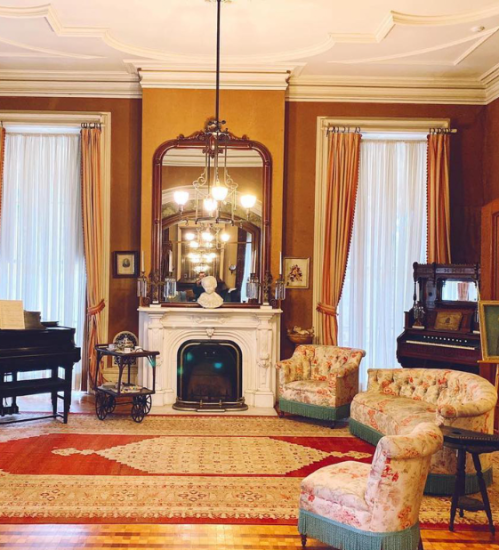
Clinically, a psychoneurosis implies either a bodily disturbance without a structural lesion, and dependent in a way unknown to the patient on mental causes; or a mental disturbance, not the result of bodily disease, in the form usually of morbid fears of many different kinds, or episodic disturbed mental states such as losses of memory and trances, or persistent troublesome thoughts, or acts which the patient feels compelled to do—all of which the patient realizes to be abnormal and the meaning of which one is at a loss to understand. The psychoneuroses are mild or minor mental reactions which represent attempts to find satisfaction in life situation rendered unsatisfactory by faulty attitudes or by faulty emotional development. These attempts are manifested by various physiologic reactions, complaints of bodily discomfort, or recurrent mental trends recognized by the patient as being faulty or unusual. Practically, they are somewhat artificially divided into various etiologic entities. The etiology varies in individual cases but they all have in common the inability to meet life situations, and all of them resort to substitution efforts or symbolic gratification of urges not recognized by nor accepted by the individual. All neurotic phenomena are based on insufficiencies of the normal control apparatus. They can be understood as involuntary emergency discharges that supplant the normal ones. The insufficiency can be brought about in two ways. One way is through an increase in the influx of stimuli: too much excitation enters the mental apparatus in a given unit of time and cannot be mastered; such experiences are called traumatic. #RandolphHarris 15 of 24

The other way is through a previous blocking or decrease of discharge which has produced a damming up of tension within the organism so that normal excitations now operate relatively like traumatic ones. These two possible ways are not mutually exclusive. A trauma may initiate an ensuing blocking of discharge; and a primary blocking, by creating a state of being dammed up, may cause subsequent average stimuli to have a traumatic effect. Phytopathology implies that follow situation of stress, the individual manifests suffering, symptoms, impaired efficiency, lessened ability for enjoyment, lack of adequate insight. In all neurotic manifestations, the patient’s vital needs are involved as well as one’s evaluation of oneself (self-esteem), of other individuals (security feelings), and of the situation with which one has to cope. Thus, one can say that in neurotic manifestations, the patient’s whole personality and whole body are involved. The chief characteristic of these disorders [psychoneurotic] is “anxiety” which may be directly felt and expressed or which may be unconsciously and automatically controlled by the utilization of various psychological defense mechanisms (repression, conversion, displacement, and others). In contrast to those with psychoses, patients with psychoneurotic disorders do not exhibit gross distortion of falsification of external reality (delusions, hallucinations, illusions) and they do not present gross disorganizations of personality. #RamdolphHarris 16 of 24

The chief characteristic of these disorders [psychoneurotic] is “anxiety” which may be directly felt and expressed or which may be unconsciously and automatically controlled by the utilization of various psychological defense mechanisms (repression, conversation, displacement, and others). In contrast to those with psychoses, patients with psychoneurotic disorders do not exhibit gross distortion or falsification of external reality (delusions, hallucinations, illusions) and they do not present gross disorganizations of personality. Anxiety in psychoneurotic disorders is a danger signal felt and perceived by the conscious portion of the personality (exempli gratia, by super-charged repressed emotions, including such aggressive impulses as hostility and resentment) with or without stimulation from such eternal situations as loss of love, loss of prestige, or threat of injury. The various ways in which the patient attempts to hurdle this anxiety results in the various types of reactions. A single perusal of these two samples of definitions, one of physical illnesses and one of psychological illnesses, suffices to illustrate crucial differences. In essence, the differences are in the specificity of symptoms, their locus, order of presentation, precise physical appearance, and course. In these matters the definitions of physical illnesses tend to be explicit, precise, and circumscribed. By contrast, the definitions of mental illness tend to suffer from implicitness, ambiguity and non-restrictiveness. (It is this difference in precision at the basic level of description of the phenomena which contributes heavily to separation of the so-called exact sciences from other “sciences.”) #RandolphHarris 17 of 24

The sample definitions also suggest that the physical diseases are in some instances objectively diagnosable by the utilization of exact laboratory procedures that can confirm or refute a clinical diagnosis; such laboratory or “test” procedures have not yet been developed to an equal level of precision for psychological illness. The laboratory procedures and diagnostic tests of clinical medicine must be evaluated by expert “readers,” and judgements of the pathology or normality of X rays, electrocardiograms, and other tests are not without error. However, quite aside from the contribution of such laboratory tests, description of the clinical symptoms of recognized physical maladies has a specificity that makes the diagnosis of most such illnesses a less arbitrary process than holds for psychological disorders. The taking of an accurate census of mental illness involves directly the question of the reliability or accuracy of diagnosis. The accuracy of diagnosis can be viewed in the form of two queries: Of the true number of cases of a given illness in a population how many detected (assuming the complete population is surveyed with existing diagnostic techniques)? Of a given sample composed of both ill and well persons respectively, how many of the total sample would be jointly diagnosed correctly (either “sick” or “well”) by two or more diagnosticians? The most critical phase of the diagnostic process involves the differentiation between adjustment or normality and mildest maladjustment as defined in the conceptually abstruse terms exemplified above. This might appear to be a more difficult takes than that of differentiating among the various forms of mental illness in a sample composed exclusively of patients. #RandolphHarris 18 of 24

In the latter instance, the somewhat more detailed and specific accounts of symptomatology would appear to facilitate diagnosis by type. We might expect the reliability of “screening” diagnoses to be something less than that of differential diagnosis. Investigations of the reliability of differential psychiatric diagnoses are few: they indicate that agreement among psychiatrists making specific independent diagnoses of heterogenous samples of psychiatric patients ranges from 20 to 50 percent. These figures hardly encourage great confidence in the reliability with which neurosis id detectable: our confidence is not enhanced with the further note that least agreement is obtained in differentiating among the types of milder functional disorder. Pertinent also is the observation that the rate of “false positive” cases among hospitalized patients is negligible. It is not beyond the realm of possibility that social process could lead (and has led) to the inappropriate hospitalization of persons who in point of fact were mental sound. However, the usual procedures required for hospitalization guard against the occurrence of such misdiagnosis. Yet, with corruption and political agendas, anything is possible. Typically, we are secure in our usual procedure of assuming the populations of our state and other mental hospitals are comprised totally of valid cases. Though this is a reasonable assumption about cases at the time of admission, a careful review of chronic patients suggests that a significant number are retained in hospitals primarily because they do not have relatives willing to help them or provide for their return to the community. Some patients are also dumped in mental hospitals by families that want to get rid of them without killing them. #RandolphHarris 19 of 24

Recognizing diagnosis as a two-edged sword, we should not be unmindful that in our customary approach to mental illness statistics we are assuming perfect screening diagnosis. Now consider the problem before a diagnostic team charged with surveying an entire urban or rural community to determine the number of inhabitants suffering from any form of mental illness, including those so-called “minor” psychoneurotic disorders which are grouped under the loosely conceived and abstractly stated definitions given above. This becomes the problem of determining whether or not each individual studied has mental conflicts, inner tensions, unsatisfactory relationships to other people, faulty attitudes, symbolic gratification of urges, or any of the other, grosser and patent evidences of major mental illness. Ideally this determination should be made through application of reasonably operational definitions or rules of description of the above concepts, so that a second survey team working independently and reviewing the same population would identify the same individuals as respectively “sick” or “healthy.” In such a survey the critical problem is to avoid false negatives, to hold to a minimum the numbers of those individuals who are mislabeled “health.” In essence, this is the problem of a reverse approach to diagnosis: we may define as mentally ill any person who does not have perfect mental health and we may define perfect mental health in terms of such rigorous standards that it is a condition notable for tis absence rather than its presence in a majority of the population at any given time. #RandolphHarris 20 of 24
One might ask what is wrong with a diagnostic philosophy which implies mental health as a goal for the nation. There is nothing wrong with such a philosophy or such a goal. As applied methodology in public health surveys, however, it could have the undesirable effect of generating statistics that were overwhelming or misleading or both. The hard facts concerning unarguably diagnosed and hospitalized patients are sufficient to communicate the urgency and magnitude of the problem of mental illness and to arouse the public to recognition of the need for monies to support attacks on the problem from all fronts—research, prevention, and care. These same facts are adequate to orient the professions of psychiatry, psychology and social work to the realistic challenges that exists here and now—to the job of discovery in areas of etiology, prophylaxis, and treatment that must be done before notions of an unconflicted, tensionless society can be more than a utopian fantasy. There is a subtle danger in the extrapolated statistic and the premature application of “reverse diagnosis”: the resulting “real” case load can generate attitudes antithetical to scientific endeavour—attitudes either of hopelessness or heroism. Psychological derivation of our belief in reason—the concept of “reality,” “being,” is drawn from our “subject”—feeling. “Subject”: interpreted from out of ourselves, so that the “I” counts as substance, as the cause of all doings, as doer. The logic-metaphysical postulates—the belief in substance, accident, attribute, et cetera—gets its force of conviction from our being accustomed to regard all our actions as following from our will: so that the I, as substance, does not vanish in the manifold of change. –But there is no will. #RandolphHarris 21 of 24

We have no categories at all allowing us to distinguish a “World in itself” from a “World as appearance.” All our categories of reason are of sensuous origin, read off of the empirical World. “The soul,” “the I”—the history of our concepts shows that here, too, the oldest distinction (“breath,” “life”). If there is nothing material, either is there anything immaterial. The concept no longer contains anything. No subject-“atom”: the sphere of a subject constantly increasing or decreasing, the midpoint of a system constantly adjusting itself; in the case where it cannot organize the mass it has acquired, it breaks in two. On the other hand, it can refashion a weaker subject into its functionary without destroying it and, to a certain degree, form a new unity with it. No “substance,” but rather something that in itself stives for enhancement; and which only indirectly wants to “preserve” itself (it wants to surpass itself–). The ultimate negative is a murderer. The ultimate negative as the Prince of Death watches every occasion to take the life of servants of the ultimate concern—if in any wise it can get them to fulfill conditions which enable it to do so: b their willful insistence on going into danger through visions of supernatural guidance, drawing them into actions which enable it to work behind the law of nature for destroying their lives. That is what the ultimate negative tried to do with Christ in the wilderness temptation. Therefore, one must recognize the Tempter and the Murderer. One must know that one’s life will end for swaying to the temptations of the ultimate negative. The Deceiver will not propose anything righteous, however apparently innocent or seemingly for the glory of the ultimate concern’s glory, unless some great scheme for its own ends is deeply hidden in its proposition. #RandolphHarris 22 of 24

The ultimate concern now holds the keys of death and of Hades and one that hath the power of death, that is, the ultimate negative. The ultimate negative cannot exercise its power without permission. However, when the children of the ultimate concern, knowingly or unknowingly, fulfill the conditions which give the ultimate negative ground to attack their physical lives, the ultimate concern with the keys of death works according to law, and does not save them—unless by the weapon of prayer they enable God to interpose and give them victor over the law of death, as well as the law of sin through the law of the Spirit of the life in the ultimate concern. That is why, guilty or not, people in prisoned in the penal system pray and reform. The last enemy that shall be destroyed is death. Death is therefore an enemy—to be recognized as an enemy and to be resisted as an enemy. The believer may lawfully desire to depart and be with the ultimate concern, but ought never to desire death merely and an end of “trouble.” One should not let the lawful desire to be with the ultimate concern make one yield to death when one is needed for the service of the Church of the ultimate concern. To abide in the flesh is needful for you, therefore I know that I shall abide. Within World history the Kingdom of God is realized whenever political power is justly exercised, whenever constructive social growth occurs, whenever a healthy tension is maintained between temporal and eternal aspirations, and whenever the sacrifice of an individual lends to one’s own fulfilment. #RandolphHarris 23 of 24
However, the fragmentary nature of these victories raises the question of the non-fragmentary, total realization of the Kingdom of God, the question of the end of history. The word “end” can mean both “finish” and “aim.” It is the second meaning that poses the eschatological problem, not the cessation of clock time which is an event in the physical order. The last inner-historical day is the eschata so poetically depicted in apocalyptic literature, but it is the singular eschaton, the transhistorical goal of history, about which theology concerns itself. The end of history thus becomes an immediate existential problem, for the eternal goal of history underlies every moment of time. The eschaton symbolizes the “transition” from the temporal to the eternal, and this is a metaphour similar to that of the transition from the eternal, and this is a metaphour similar to that of the transition from the eternal to the temporal in the doctrine of the fall, and from existence to essence in the doctrine of salvation. To forestall needless confusion, it should be noted that the aim of history can symbolized by anyone of three symbols: the Kingdom of God, the Spiritual Presence, and Eternal Life. The only distinction is by degrees of connotation. The Kingdom of God connotes equally the inner-historical and the transhistorical fulfilment of history, while the Spiritual Presence Stresses the inner-historical, and Eternal Life stresses the transhistorical aspect. I pledge allegiance to the flag of the United States of America, and to the republic for which it stands, one nation, under God, indivisible with liberty and justice for all. Those whom Thou, O Lord, did free from exile’s endless night, who breathe again the pure, sweet air of freedom and of hope, they build once more on America’s hills, there, where their fathers dwelt. The Sacramento Fire Depart stands ready to safe the lives of millions. Please assist them by kindly making a donation to assure that they have the necessary resources. #RandolphHarris 24 of 24


The Decoration of the Parlor and the choice and arrangement of the furniture reflect the changing role of women in the nineteenth century. Women as the embodiment of purity and high moral virtue was a theme which nineteenth-century popular culture adopted with obsessive fervor. Before the middle of the century the image of a woman was what it had been since the Middle Ages. She was the daughter of Eve, the embodiment of wantonness. Before the Industrial Revolution, misogynic literature always pictured women as less than human beings, closer to animals, and less able to control their lust by exercise of their intellect or moral powers. By the 1880s, the myth of pure Victorian woman was fully formed, and the transformation of woman’s image was complete. Late nineteenth-century reformers wrote that women had no libido; that, in fact, it was replaced by a “maternal instinct,” and that women only concepted to pleasures of the flesh to procreate. Women were also said to be the kinder, gentler gender which higher moral standards and greater-self-control. Men were thought of as smarter and more competent but more lustful and “primitive” with less ability to control their passions.

From the Winchester Mansion, there comes an account of a man wheeling a barrow from the garden door to the front door of the house across the lawn. He is seen at night, and does nothing but wheel the barrow hither and tither. There are reports of ghosts sweeping up leaves, or tending to fires, or simply sitting in an accustomed chair. There are also many reports of dead 18th century villagers or townspeople being “seen” on the estate which they had cared for all their lives. In 1989, a caretaker saw an employee who had called in sick by the gate of the mansion. He entered the garden and walked up palm avenue to the carriage house and disappeared when he entered the house. The employee had recently been taken to hospital and, on the caretaker remarking to her manager that he seemed much better, she was informed the he had died that afternoon. These phenomena suggest that the memory of human form is held in the terrain itself. These wraiths may be images on a rotating spool. Or perhaps they are held in the atmosphere, as if in a solution.

On 31 October 1990, the residents of the neighbourhood were surprised by strange sights in the sky. Between one and two o’clock in the morning was heard by some the “howling of wolves.” But then, on the sudden…appeared in the sky were orbs and shadowy figures. So amazing and terrifying the poor people that they could not give credit to their ears and eyes; they ran inside of their houses, some calling the police. When police arrived, they determine the noise was coming from the movie theater and the orbs and shadows were simply projector lights used to attacked customers, which had been obscured by cloud cover. However, some people believed that ghosts were in Mrs. Winchester’s mansion celebrating, and they could be seen leaving.

For further information about tours, including group tours, weddings, school events, birthday party packages, facility rentals, and special events please visit the website: https://winchestermysteryhouse.com/

Please visit the online giftshop, and purchase a gift for friends and relatives as well as a special memento of the Winchester Mystery House. A variety of souvenirs and gifts are available to purchase. https://shopwinchestermysteryhouse.com/

It Will Not be Enough to Show them the Path—One Must Also Keep them Steadfast on the Path!

Now let me take up the point again. Do not be destroyed in the first years. It happens with too many. There is so much danger all around you. It is easy to despair. It is easy to succumb to bitter hatred of yourself. It is easy to feel that the World no longer belongs to you, when nothing is further from the truth. It is all yours and the passage of the years is yours. And now you must simply and plainly live up to it. When people regard others as unfriendly, the comparisons they implicitly make are with the community of Bethnal Green. We have already discussed the reasons why people living in the borough considered that a friendly place. They and their relatives had lived there a long time, and consequently had around them a host of long-standing friends and acquaintances. At Greenleigh they neither share long residence with their fellow tenants nor as a rule have kin to serves as bridges between the family and the wider community. These two vital interlocked conditions of friendliness are missing, and their absence goes far to explain the attitude we have illustrated here. It also accounts for the astringency of the criticism. Migrants, to the Untied States of America or to housing estates, always take part of their homeland, with them, our information like everyone else. They take with them the standards of Bethnal Green, derived from a close community of kindred and neighbors. #RandolphHarris 1 of 16

Friends, within and without the kindship network, were the unavoidable accompaniment of the kind of life they led—too much so for devotees of quiet and privacy. They grew up with their friend, they met them at auntie’s, for tens years for tea and animal crackers or hot chocolate, they walked down the street with them to work. They are used to friendliness, and, their standards in this regard being so high, they are all the more censorious about the other tenants of the County Council. They are harsh in their comment, where someone arriving from a less settled district, or from another and even newer housing estate, might be accustomed to the standoffishness, and, by one’s canons, even impressed by the good behavior, of the same neighbors. If they had an established community, it would not matter quite so much people being newcomers. The place would then already have been crisscrossed with tires of kinship and friendship, and one friend made would have been an introduction to several. However, Greenleigh was built in the late 1940s on ground that had been open fields before. The nearest substantial settlement, a few miles away at Barnhurst, is the antithesis of East London, an outer suburb of privately-owned houses, mainly built between the wars for the rising middle classes of the time. #RandolphHarris 2 of 16

The distance between the estate and its neighbor is magnified by the resentment, real and imagined, of the old residents of Barnhurst at the intrusion of rough East Enders into the rides of Essex and, what is worse, living in houses not very unlike their own put up at the expense of the taxpayer. “People at Barnhurst look down on us. They treat us like dirt. They are a different class of people. They have money.” “It is not so easy for the girls to get boys down here. If people from the estate go to the dance hall at Barnhurst they all look down on them. There is a lot of class distinction down here.” These, the kind of thoughts harbored by the ex-Bethnal Greeners, do nothing to make for ease of communication between the two places. So there is no tradition into which the newcomers can enter. If Barnhurst has any influence upon Greenleigh, it is to sharpen the resentment of the estate against its environment and to stimulate the aspiration for material standards as high. Nor would it matter quite so much if the residents of Greenleigh all had the same origin. No doubt if they all came from Bethnal Green, they would get on much better than they do: many of them would have known each other before and, anyway, at least have a background in common. As it is, they arrive from all over London, though with East Ender predominant. Such a vast common origin might be enough to bind together a group of Cockneys in the Western Desert Western Essex is to near for that. #RandolphHarris 3 of 16

When all are from London, no one is from London: they are from one of the many districts into which the city is divided. What is then emphasized is far more their differences than their sameness. The native of Bethnal Greens feels oneself different from the native of Stepney or Hackney. One of our informants, who had recently moved into Bethnal Green from Hackney, a few minutes away, told us “I honestly do not like telling people that I live in Bethnal Green. I come from Hackney myself, and when I was a child living in Hackney, my parents would not let me come to Bethnal Green. I thought it was something terrible.” These distinctions are carried over to Greenleigh, where it is no virtue in a neighbor to have come from Stepney, rather the opposite. Mr. Abbot summed it up as follows: “You have not grown up with them. They come from different neighborhoods, they are different sorts of people and they do not mix.” We had expected that, despite these disadvantages, people would, in the course of time, settle down and make new friendships, and our surprise was that this had not happened to a greater extent. The informants who had been on the estate longest had no higher opinion than others of the friendliness of their fellows. Four of the 18 coupes who had been there six or seven years judged other people to be friendly, as did six of the 23 couples with residence for five years or less. #RandolphHarris 4 of 16

Mr. Oliver was one who commented on how long it was taking time for its wonders to perform. “They are all Londoners here but they get highbrow when they get here. They are not so friendly. Coming from a tuning like the one where we lived, we knew everyone. We were bred and born amongst them, like one big family we were. We knew all their troubles and everything. Here they are all total strangers to each other and so they are all wary of each other. It is question of time, I suppose. However, we have been here four years and I do not see any change yet. It does seem to be taking a very long while to get friendly.” One reason it is taking so long is that the estate is so strung out—the number of people per acre at Greenleigh being only one-fifth what it is in Bethnal Green—and low density does not encourage sociability. In Bethnal Green your pub, and your shop is a “local.” There people meet their neighbors. At Greenleigh they are put off by distance. They do go to the pub because it may take 20 minutes to walk, instead of one minute as in Bethnal Green. They do not go to the shops, which are grouped into specialized centers instead of being scattered in converted houses through the ordinary streets, more than they have to, again because of the distance. And they do not go so much to either because when they get there, the people are gathered from the corners of the estate, instead of being neighbors with whom they already have a point of contact. #RandolphHarris 5 of 16

The pubs and shops of Bethnal Green serve so well as “neighborhood centers” because there are so many of them: they provide the same small face-to-face groups with continual opportunities to meet. Where they are few and large, as at Greenleigh, they do not serve this purpose so well. The relatives of Bethnal Green have not, therefore, been replaced by the neighbors of Greenleigh. The newcomers are surrounded by strangers instead of kin. Their lives outside the family are no longer centered on the people; their lives are centered on the house. This change from a people-centered to a house-centered existence is one of the fundamental changes resulting from the migration. It does some way to explain the competition for status which is in itself the result of isolation from kin and the cause of estrangement from neighbors, the reason why coexistence, instead of being just a state of neutrality—a tacit agreement to live and let live—is frequently infused with so much bitterness. When we asked what in their view had made people change since they moved from East London, time and time again our informants gave the same kind of suggestive answers—that people had become, as they put it, “toffeensed,” “big-headed,” “high and mighty,” “jealous,” “a cut above everybody else.” #RandolphHarris 6 of 16

“It is like a strange land in your own country,” said Mrs. Ames. “People are jealous out here. They are made to be much quitter in a high-class way, if you know what I mean. They get snobbish, and when you get snobbish you are not sociable any more.” “I am surprised,” said Mr. Tonks, “at the way people vote Conservative at Greenleigh when the L.C.C. built these houses for them. One has a little car or something and so one thinks oneself superior. People seem to think only of themselves when they get here.” “The neighbor runs away with the idea that she is a cut above everybody else, but when you get down to brass tacks,” which Mrs. Berry proceeded to do, “she is worse off than you will ever be. She is one of those people, you know what I mean, she is very toffee-nosed. There are some people down here who get like that.” Conflict play an infinitely greater roe in neurosis than is commonly assumed. To detect them, however, is no easy matter—partly because they are essentially unconscious, but even more because the neurotic goes to any length to deny their existence. What, then, are the signals that would warrant us to suspect underlying conflicts? We usually can find their presence was indicated by a few factors, both fairly obvious. One is the resulting symptoms—fatigue, boredom, jealousy, and stealing. #RandolphHarris 7 of 16

The fact is that every neurotic symptom points to an underlying conflict; that is, every symptom is more or less direct outgrowth of a conflict. We shall see gradually what unresolved conflicts do to people, how they produce states of anxiety, depression, indecision, inertia, detachment, and so on. An understanding of the causative relation here helps direct our attention from the manifest disturbances to their source—though the exact nature of the source will not be disclosed. The other signal indicating that conflicts were in operation was inconsistency. When person is convinced of a procedure being wrong and a injustice being done to him or her, or when a person who has highly valued friendship is turned to stealing money from a friend, sometimes the person will be aware of such inconsistencies; more often one is blind to them even when they are blatantly obvious to an untrained observer. Inconsistences are as definite an indication of the presence of conflicts as a rise in body temperature is of physical disturbance. To cite some common ones: A girls wants above all else to marry, yet shrinks from the advances of any man. A mother oversolicitous of her children frequently forgets their birthdays. A person always generous to others is cheap about expenditures for himself. #RandolphHarris 8 of 16

Another who longs for solitude never manages to be alone. One forgiving and tolerant toward most people is oversevere and demanding with oneself. Unlike the symptoms, the inconsistencies often permit of tentative conflict. An acute depression, for instance, reveals only the fact that a person is caught in a dilemma. However, if an apparently devoted mother forgets her children’s birthdays, we might be inclined to think that the mother was more devoted to her ideal of being a good mother than to the children themselves. We might also admit the possibility that her ideal collided with an unconscious sadistic tendency to frustrate them. Sometimes a conflict will appear on the surface—that is, be consciously experienced as such. This would seem to contradict my assertion that neurotic conflicts are unconscious. However, actually what appears is a distortion or modification of the real conflict. Thus a person may be torn by a conscious conflict when, in spite of one’s evasive techniques, well-functioning otherwise, one finds oneself confronted with the necessity of making a major decision. One cannot decide now whether to marry this woman or that one or whether to marry at all, whether to take this or that job, whether to retain or dissolve a partnership. He will then go through the greatest torment, shutting from one opposite to the other, utterly incapable of arriving at any decision. #RandolphHarris 9 of 16

He may in his distress call upon an analyst, expecting him to clarify the particular issues involved. And one will necessarily be disappointed, because the present conflict is merely the point at which the dynamite of inner frictions finally exploded. The particular problem distressing him now cannot be solved without taking the long and tortuous road of recognizing the conflicts hidden beneath it. In other instances the inner conflict may be externalized and appear in the person’s conscious mind as an incompatibility between oneself and one’s environment. Or, finding that seemingly unfounded fears and inhibitions interfere with his wishes, a person may be aware that the crosscurrents within oneself issue from deeper sources. The more knowledge we gain of a person, the better able we are to recognize the conflicting elements that account for the symptoms, inconsistencies, and surface conflicts—and, we must add, the more confusing becomes the picture, through the number and variety of contradictions. So we are led to ask Can there be a basic conflict underlying all these particular conflicts and originally responsible for all of them? Can one picture the structure of conflict in terms, say, of an incompatible marriage, where an endless variety of apparently unrelated disagreements and rows over friends, children, finances, mealtimes, servants, all point to some fundamental disharmony in the relationship itself? #RandolphHarris 10 of 16

A belief in a basic conflict within the human personality is ancient and plays a prominent role in various religions and philosophies. The powers of light and darkness, of God and the devil, of good and evil are some of the ways in which this belief has been expressed. In modern psychology, Dr. Freud, on this score as on many others has done pioneer work. His first assumption was that the basic conflict is one between our instinctual drives, with their blind urge for satisfaction, and the forbidding environment—family and society. The forbidding environment is internalized at an early age and appears from then on as the forbidding superego. What remains, then, is the contention that the opposition between primitive egocentric drives and our forbidding conscience is the basic source of our manifold conflicts. My belief is that though it is a major conflict, it is a secondary and arises of necessity during the development of a neurosis. If we could actually see that God was satisfied with the fruits of our labor, imagine what a stimulus it would be to our own efforts today. Again we come back to the natural genius of primitive beings, who provided themselves with what beings need most: to know daily that one is living right in the eyes of God, that one’s workaday action has cosmic value—no, even that it enhances God Himself! #RandolphHarris 11 of 16

For early beings emanations of light and heat from the Sun were the archetypes of all miraculous power: the Sun shines from afar and by its invisible touch cases life to unfold and expand. We cannot say much more about this mystery even today. The individual Sun-Being was the focus of a cosmology of invisible energy, like the modern computer and atomic reactor, and one aroused the same hopes and yearning the arouse for the perfectly ordered, plentifully supplied life. Like the reactor, too, one reflected back energy-power on those around one: just the right amount and they prospered; too much and they withered into decay and death. Just as in traditional society, we tend to vote for the person who already represents health, wealth, and success so that some of it will rub off on us. Whence the old adage “Noting succeeds like success.” This attraction is also especially strong in certain religious cults of the Father Divine type: the followers want to see wealthy flaunted in the person of their leader, hoping that some of it will radiate back to them. How can we unite the message of the Spiritual Presence with the experience of the absent God? Let me say something about the absent God, by asking—what is the cause of His absence? We may answer—our resistance, our indifference, our lack of seriousness, our honest or dishonest questioning, our genuine or cynical doubt. #RandolphHarris 12 of 16

All these answers have some truth, but they are not final. The final answer to the question as to who makes God is absent is God Himself! It is the work of the Spirit that removes God from our sight, not only for some beings, but sometimes for many in a particular period. We live in an era in which the God we know is the absent God. However, in knowing God as the absent God, we know Him; we feel His absence as the empty space that is left by something or someone that once belonged to us and has now vanished from our view. God is always infinitely near and infinitely far. We are fully aware of Him only if we experience both of these aspects. However, sometimes, when our awareness of God has become shallow, habitual—not warm and not cold—when He has become too familiar to be exciting, too near to be felt in His infinite distance, then He becomes the absent God. The Spirit has not ceased to be present. The Spiritual Presence can never end. However, the Spirit of God hides God from our sight. No resistance against the Spirit, no indifference, no doubt can drive the Spirit away. However, the Spirit that always remains present to us can hide itself, and this means that it can hide God. Then the Spirit shows us nothing except the absent God, and the empty space within us which is His space. #RandolphHarris 13 of 16

The Spirit has shown to our time and to innumerable people in our time the absent God and the empty space that cries in us to be filled by Him. And then the absent one may return and take the space that belongs to Him, and the Spiritual Presence may break again into our consciousness, awakening to us to recognize what we are, shaking and transforming us. This may happen like the coming of a storm, the storm of the Spirit, stirring up the stagnant air of our Spiritual life. The storm will then recede; a new stagnancy may take place; and the awareness of the present God may be replaced by the awareness of the empty space within us. Life in the Spirit is ebb and flow—and this means—whether we experience the present or the absent God, it is the work of the Spirit. A constitutional fatalism continuously adjusts itself to the ever-changing present. A pervasive alarmism greets every advance. For two thousand years we have been getting “out of hand.” This derives of course from our susceptibility to viewing the “now” ad the End Time, an Apocalyptic obsession that has endured since Christ ascended into Heaven. We must stop this! We must perceive that we are at the dawn of a sublime age! Enemies will no longer be conquered. They will be devoured, and transformed. #RandolphHarris 14 of 16

However, here is the point I really want to make: Modernism and Materialism—elements that the Church has feared for so long—are in their philosophical and practical infancy! Their sacramental nature is only just being revealed! Never mind the infantile blunders! The electronic revolution has transmuted the industrial World beyond all predictive thinking of the twenty first century. We are still having birth pangs. Get into it! Work with it! Play it out. Daily life for millions in the developed countries is not only comfortable but a compilation of wonders that borders on the miraculous. And so new spiritual desires arise which are infinitely more courageous than the missionary goals of the past. There will be mountains and obstacles in your life to overcome and this will breed achievement. There will be beasts in our field of existence so that you may grow in cunning and might. This breeds victory. You must stand alone and endure as a warrior and usurp the power. Do not focus so much on politics and the news, as this keeps us from focusing on the power we have within. The power to destroy and create anew. It keeps us from seeing that we are our own God and we are our own Devil. We must constantly work toward achieving our goals through creating doorways of manifestation of desire through action in the World. #RandolphHarris 15 of 16


It is Well to Seek Guidance—The Error and Exaggeration Creep in When One Becomes too Concentrated on a Single Source of Guidance!


Join us this Saturday, 12 October 2019, for an open house over at #RocklinTrails! In Rocklin, California USA. Stop by to see the one and only home left for sale, a Residence 1 floor plan. It is move-in ready with a fully landscaped backyard and quick-close! We hope to see you there! 📍 Rocklin Trails
📆 Saturday, October 12th
⏰ 11am – 4pm Pacific Standard Time.
(For More Information Click on the Link Below.)
https://cresleigh.com/new-homes-in-rocklin-california-rocklin-trails/

Closer to the Hearts Desire–Be Still My Soul, Be Still; the Arms You Bear are Strong!

They brought me into the house. It was bright and magnificent. They showed me the sunny double parlor with its craved archway and shining floors and they took me through the handsome dining room with its murals of the Winchester Mansion. People in Graystone Hills, in general, are inconsistent in the way they talk and act with reference to the idea of classes. If they are asked bluntly, “Do you believe there are ‘classes’ in the community?” they are very likely to say, “No.” Yet, they will tell you the Hiltons are “a leading family here,” or the “Hearsts are like the Hiltons, and Rothschild, and Winchesters. These families are different from the rest of us; they are exclusive. I guess you would call them our aristocracy.” During the course of the conversation, the same speaker will say that there are several different “types of families” in the community and, justifying one’s judgment by describing the “way they live,” place them in different categories. The democratic tradition that there are no classes in American society is the reason for this type of behavior. Therefore, the people in Graystone Hills deny the existence of class directly but act as if classes exist. However, many beings in Graystone Hills openly say that there are three classes in the community—“upper,” “middle,” and “less affluent”—but when they are requested to name persons in, let us say the “less affluent class” they generally divide the class into the “good” lower class people and the “worthless, ne’er-do-wells.” #RandolphHarris 1 of 17

The same kind of break appears in the “middle class.” Separation of the “middle class” into “upper middle” and “lower middle” is quite conventional. Even though people in Graystone Hills are inconsistent in their designations of a particular class, the systematic analysis of selected cultural traits associated with each of the five classes, based upon data collected from the 535 families of the adolescents, supplemented by interviews and observations, reveal that the possession of a constellation of differentially evaluated social symbols—functional, pecuniary, religious, educational, reputational, power, lineage, proper associates, memberships in associations—are relied up by Graystone Hills to “hang people on the peg they belong on,” to determine “their place in the community” or “their standing in life.” Class V occupies the lowest-ranking stations in the prestige structure. It is looked upon as the scum of the city by the higher classes. It is believed generally that nothing beyond charity can be done for these people, and only a minimum of that is justified since they show little or no inclination to help themselves. It is the opinion of the upper classes that: “They have no respect for themselves. They enjoy their shacks and huts along the river or across the tracks and love their dirty, smoky, low-class dives and taverns. #RandolphHarris 2 of 17

“Whole families—children, in-laws, mistresses, and all—live in one shack. This is the crime class that produces the delinquency and sexual promiscuity that fills the paper. Their interests lie in pleasures of the flesh and its perversion. The girls are always with child; the families are huge; incestual relations occur frequently. They are not inspired by education, and only a few are able to make any attainments along this line. They are loud in their speech, vulgar in their actions, sloppy in their dress, and indifferent toward their plight. Their vocabulary develops as profanity is learned. If they work, the work at very menial jobs. Their life experiences are purely physical, and even these are on a low plane. They have no interests in health and medical care. Then men are too lazy to work or do odd jobs around town. They support the Democratic party because of the relief obtained during the depression. This groups lives for a Saturday of drinking or fighting. They are of low character and breed and have a criminal record for a pedigree.” Class V persons, passive and fatalistic, realize that they are “on the bottom” and believe that they can do nothing to improve their position. They desire money, possessions, education, and favorable prestige, but they do not know how these are achieved. #RandolphHarris 3 of 17

When a class V persons attempts to improve one’s position, one is discriminated against by the higher classes, and by many members of one’s own class who think one is trying to “put on airs.” One woman with considerable insight into her class position summarized it thus: “Survival for us depends on staying on good terms with the rich people and the law. Whenever I think about myself and the kids, I am reminded what my father used to say, ‘We are the ones who are told what to do, when and how’ around here. This town takes us for granted. Most people think the people down here [the tannery flats] are too ignorant to do anything and do not care; I guess they are right.” To generalize a little more, class V persons give the impression of being resigned to a life of frustration and defeat in a community that despises them for their disregard of morals, lack of “success” goals, and dire poverty. Family support comes from many sources. The father is the chief breadwinner in three families out of five, but his earnings are meager. Ninety-two percent are unskilled and semi-skilled laborers or machine operators. Not one is a farm owner, and only 8 are farm tenants; 2 are notions salesmen; and 8 operate very small businesses, such as hauling coal from local mines, ash and trash hauling, repair and sales of old cars. #RandolphHarris 4 of 17

Fifty-five percent of the mothers in class V “work out” part time or full time as waitresses, dishwashers, cooks, washwomen, janitresses, cleaning women, and unskilled domestic workers. Many younger women and girls work on the production line of a local manufacturer who is reputed to give them preference in his shops because they can be hired for lower wages than class IV workers. Income from wages provides them with enough money to obtain the most meager necessities of life; however, in many cases it is inadequate even for his, and they rely upon private charity and public relief. Annual family income ranges from $15,365 to high of $24,934. The modal income fell in the $18,572 to $18,958 bracket. (Whereas the median income in Rocklin, California is $84,121 and the median income in Oak Park, California is $121,721). Income varies from year to year, depending upon your work conditions and wages. Between 2017 and 2019, the private earnings of 53 percent of these families were supplemented by township relief during at least one-fourth of each year. This figure does not take into consideration federal subsidies, such as Works Progress Administration (WPA) and National Youth Administration (NYA), which prevailed in that period; neither does it include private charity in the form of “outfitting the children” with clothes. Gifts of partially worn-out clothing, linens, bedding, old furniture, dishes, and food are a regular part of the private relief and indirect wage system supported by the two highest classes and to some extent by class III. #RandolphHarris 5 of 17

These gifts are given informally to persons who preform domestic service for donors. Begging by class V’s is frowned upon strongly; consequently, needy families do not solicit things in an overt manner, but any class V persons knows how to make his or her wants known to an employer in a humble, discreet manner that generally brings the desired results. Semipublic charity is dispensed through sewing circles, guilds, and clubs that make clothing for infants. The ever-popular rummage sale, one of which is held almost every Saturday by some “middle-class” organization, may be viewed as another form of charity to the lower classes. Many class V women regularly buy their family’s best clothes from these sales. As one class II woman said, “This year, Mrs. Gordon Sweitzer [class I] will have a striking dress, next year you will see it on Mrs. Luke Jenkins [class IV] in the Baptist choir, and three years from now Pearl Soper [class V] will be trying to catch some loafer’s eye with it.” Bank credit is non-existent, and even the small-loan broker has learned through experience to be careful with class V: “Before I loan one of them a cent, I investigate carefully and make sure they own what they put up for security. There is not a person in that class who has not been in here one time of another for a loan. #RandolphHarris 6 of 17
“If they have a job and can give me good evidence they can pay back a loan, I will give them from $100 to $250 at first. If they pay it back, just as they agree to, I will let them have a little more next time. Eighty percent of the loans I have written off were made to the class represented by the names you have there. [A group of class V’s we were checking for loans.] Exactly one-half of the class V families studied have procured small personal loans, none over $500; this is the limit the broker will loan to persons he or she does not believe to be “good risks.” Repeated loans to the class V’s are discouraged; the mean is eight loans per family for those who manage to obtain them. On the other hand, the broker encourages class IV’s to borrow time after time, since one considers them “good risks.” The uncertain nature of their employment results in long periods of idleness, you often see them sitting on the front porch or on a bench as if they are waiting for a ride or a bus that never comes; also illness, real or imagined, may result in a voluntary layoff for a few days that, to persons in the higher classes, appears to be laziness. Whatever conditioning factors, these people are far more irregular in their employment than the class IV’s. They will leave a job casually, often without notice, and for flimsy reasons. #RandolphHarris 7 of 17

Even then the class V’s are placed in the simplest menial jobs. The work history of a father or mother is generally known to employers, and one acts in the light of it when a son or daughter of one of these families asks one for employment. Therefore, prepare your journey and its integration with your soul. Know that the only comfort you will find is that which you have the strength to create and perceive yourself. This work will pour outward from within. Take record of the journey and examine it closely for it is the mirror reflecting the knowledge of your true self, along with all of its power and glory. It is very easy to cause self-destruction along the journey for there are many noses which seek to hang you. Even if you are in a place of eternal darkness, understand that you have a light within which cannot be dimmed. A light which is unlike any light perceived by those of lower consciousness. This light is the power of your own spirit, developed by your own intellect, spoken words, and chosen deeds within the realm of limitation. What we see as finite never is. Nothing is finite for the same exact reason nothing is infinite. Infinite existence would mean stasis and lack of consciousness, never moving forward in thought or maturity and never growing to expand in influence and in the responsibility of action. #RandolphHarris 8 of 17

The only difference between us and those of the more mundane nature is that we choose to consciously guide the process and flux of the chaos of darkness eternal. At this point we see the inadequacy of the concept commonly used in psychoanalytic circles to explain creativity—regression in the service of the ego. In my own endeavors to understand creative people in psychoanalysis and to understand the creative act in general, I find this theory unsatisfactory. This is not only because of its negative character, but chiefly because it proposes a partial solution that diverts us from the center of the creative act and therefore away from any full understanding of creativity. In supporting the theory of regression in the service of ego, creativity often seems to be a regressive phenomenon, and does bring out archaic, infantile, unconscious psychic contents in the artist. The rest—or regression—only serves to release the person from his or her intense efforts and the accompanying inhibitions, so that the creative impulse can have free rein to express itself. When the archaic elements in a poem or a picture or a film have genuine power to move others, and when they have a universality of meaning—that is, when they are genuine symbols—it is because some encounter is occurring on a more basic comprehensive level. #RandolphHarris 9 of 17

Eventually the Lord of Darkness will perish because this is the will of the Lord of Darkness. They are as weapons to be put away after the turmoil of war. When the greater work is complete and humanity, they will perish and he like human vessels will be liberated, and humanity will then be able to come to terms with their own power by taking responsibility for the nature of their existence. Civil disobedience does not serve our potential to thrive. Therefore, you will find yourself viewing news reports and the lies being told to you by the media, but instead of consuming it without question, you will directly perceive the agenda that hides behind them. Things fall apart; the center cannot hold; mere anarchy is loosed upon the World. What tremendous power this is. It is a new revelation, with beauty and how we will learn to resolve this terrible situation in which we modern human beings find ourselves. The reason some people have such power is that they come from a place of intensity of consciousness that includes archaic elements because they are part of them, as they are of every person, and will emerge in any intensely ware moment. However, the symbol has its power precisely from the fact that it is an encounter that also includes the most dedicated and passionate intellectual effort. It is important for us to be receptive, but by no stretch of the imagination passive. We cannot wait until the cry gathers of itself in one’s own throat. #RandolphHarris 10 of 17

Obviously, creative insights of all sorts come to us in moments of relaxation. They come not haphazardly, however, but come only in those areas in which we are intensively committed and on which we concentrate in our waking, conscious experience. It may be, as we have said, that the insights can break through only in moments of relaxation; but to say this is to describe how they come rather than to explain their genesis. Choose the moments in which you are capable of your highest, most intense consciousness. Bless be the Lord God of our father, which hath put such a thing as this in the king’s heart, to beautify the house of the Lord which is in Jerusalem. What must be understood here is that the principle of the dual nature of good and evil cease to exist altogether when the forces are applied in their proper context. All possible actions serve a great purpose under the right circumstances and within the proper context and so there are no absolutes such as good and evil. The nature of symbols and myths do bring into awareness infantile, archaic dreads, unconscious longings, and similar primitive psychic content. This is their regressive aspect. However, they also bring out new meaning, new forms, and disclose a reality that was literally not present before, a reality that is not merely subjective but has a second pole which is outside. #RandolphHarris 11 of 17

In other words it is the occult. It is human power and potential that is the crux of that which is hidden. This is the progressive side of symbol and myth. This aspect points ahead. It is integrative. It is progressive revealing of structure in our relation to nature and our own existence. Most will say that language was designed for the sole purpose of expressing the religious doctrine. The power of sound is what created the Universe according to the basis of most religions, and the priests knew the secrets of this power—power that syncs accumulated vibrational intentions of good speech. Language was used to worship energy accumulated (which is why people make “high energy” music like), controlled, and manipulated to shift the vibrational frequency of the environment. Languages are simply an ancient method of brain entertainment. This might seem outright foolish, however, this is a stone age application of the concepts used within the science of binaural beats and isochoric tones that are used today. We know that by the manipulation of sound frequencies, through measuring brainwaves our state of mind, including how receptive we are to ideas. Ideas can be planted directly into the mind as displayed through the craft of science of hypnotism which also depends upon the manipulation of brainswaves and this is why sirens like Aaliyah, Paris Hilton, Britney Spears, Emma Hewitt and Beyonce are so popular, their soft and seductive voices can put the audience in a state of trance. #RandolphHarris 12 of 17

Humankind is an emanation of raw, unadulterated and primal divine power that has been reduced to impotence because we are programmed to believe we must search for this power outside of self. This makes the power impotent because it is analogous to taking the fuel out of a care before starting the engine. We are programmed to believe in, and therefore sustain and fuel the limitation of our power to evolve and become something great. We are sovereign entities with unimaginable power and potential who have been enslaved by spiritual shackles. Seemingly casual words are vibrational emanations of our own dormant divine power. They vibrate according to our own individual level of personal will. Today our words lack power because they are used so frivolously without purpose or intent other than to take part in rather random conversations. It is not that conversation is bad. In fact, effectively relating to others is an important part of our life experience if the goal is to reunite with our eternal soul. This heightened consciousness, which we have identified as a characteristic of the encounter, the state in which the dichotomy between subjective experience and objective reality is overcome and symbols which reveal new meaning are born, is historically termed ecstasy. Like passion, ecstasy is a quality of emotion (or, more accurately, a quality of relationship one side of which is emotional) rather than a quantity. #RandolphHarris 13 of 17

Ecstasy is a temporary transcending of the subject-object dichotomy. It is interesting that is psychology we dodge that problem, Maslow’s work on the peak experience being a notable exception. Or, when we do speak of ecstasy we are implicitly pejorative or assume that it is neurotic. The experience of the encounter also brings with it anxiety. I need not remind you of the fear and trembling of artists and creative people in their moments of creative encounter. If not approached in the correct way, prayers, hymns, and devotions will create a very spiritually destructive atmosphere, and chance one’s vibration in a very destructive way if the chaos is not harnessed according to will with proper understanding of the principle of evil speech. Do not hide the agenda to simple mask the intent and power to enslave humankind behind the guise of an imposed definition of what is to be considered good by the herd. The subconscious mind can cause chaos within one’s reality by inverting these concepts due to predispositions and symbolic mental associations. I am impressed by Frank Barron’s studies of creative persons in art and science, for he shows them directly confronting their anxiety. Barron designated his “creative persons” as those who were recognized by their peers as having made distinguished contributions to their field. #RandolphHarris 14 of 17

Frank Barron showed them as well as a control group of “normal” people a series of Rorschachlike cards, some of which had orderly, systematic designs on them and others disorderly, unsymmetrical, and chaotic designs. The “normal” people selected the orderly, symmetrical cards as the designs they liked the most—they liked their Universe to be “in shape.” However, the creative persons selected the chaotic, disorderly cards—they found these more challenging and interesting. They could be like God in the Book of Genesis, creating order out of chaos. They chose the “broken” Universe; they got joy out of encountering it and forming it into order. They could accept the anxiety and use it in molding their disorderly Universe “closer to the heart’s desire.” According to the theory proposed here, anxiety is understandably a concomitant of the shaking of the self-World relationship that occurs in the encounter. Our sense of identity is threatened; the World is not as we experienced it before, and since self and World are always correlated, we no longer are what we were before. The anxiety we feel is temporary rootlessness, disorientation; it is the anxiety of nothingness. When these sonic spells are inverted you must keep in mind that it does not have to usher in sickness or anything of that sort, though it can be used that way to wield powers of baneful intent toward enemies. #RandolphHarris 15 of 17
Instead, understand that it is rather your right as a human being to seek out and develop good healthy through your actions and choices within the World. This is simple cause and effect which is at the root of the Universe. The obtainment of this logic then leads to empowerment to manifest change within your reality. Creative people, as I seem them, are distinguished by the fact that they can live with anxiety, even though a high price may be paid in terms of insecurity, sensitivity, and defenselessness for the gift of the “divine madness,” to borrow the terms used by the classical Greeks. They do not run away from non-being, but by encountering and wrestling with it, force it to produce being. They knock on silence for an answering music; they pursue meaninglessness until they can force it to mean. I am impelled by chaos to seek order, to struggle with it until I can find a deeper, underlying form. I am then struggling wit the meaninglessness and silence of the World until I can force it to mean, until I can make the silence answer and the non-being be. I can these use this peace for its authentic purpose—namely a deep relaxation of mind and body. Take your time with it, put forth effort to master it. You will find your own individual rhythm and hook into deep currents of power running through the deepest depths of self. #RandolphHarris 16 of 17

Channel your mental faculties to recite or memorize the words of power—such as love, joy, friendship, success, accomplish, blessing, advanced, balanced, beneficial, developed efficient, enhanced, innovated, excelled, promoted, refined, recovered, sustained, skilled, secured, saved, taught, trained. valued, validated, and so forth. It will eventually produce great power in the atmosphere of the temple area. These harmonic vibrations will break up the supposed natural order and so you must focus your intent to rebuild the reality you wish. Once your field of energy has been erased you may impose beauty upon the slate. The average human has an estimated 70,000 thoughts per day. Do you know how many of those thoughts are swayed by external forces? What if you were in control of each one of those thoughts? What would your reality be like at that point? To seek control of those thoughts is the premise and purpose of enlightenment. Learn to observe, question, and deconstruct your reality to come to your own personal conclusions. In the way you will start to engage higher spiritual consciousness. “Yea, we have reason to praise him forever, for his is the Most High God, and has loosed our brethren from the chains of hell. Yes, they were encircled about with everlasting darkness and destruction; but behold, he has brought them into his everlasting light, yea, into everlasting salvation; and they are encircled about with the matchless bounty of his love; yea, and we have been instruments in his hands of doing this great and marvelous work,” reports Alma 26.14-15. #RandolphHarris 17 of 17

Presenting… 🥁 Mills Station at Cresleigh Ranch! In this gorgeous floorplan, Residence 2 offers: ☑️ Open living spaces
☑️ Tons of natural light
☑️ Covered patio
☑️ Home hub
☑️ Upstairs loft
Stop by for a tour to see it for yourself!
https://cresleigh.com/mills-station/
#CresleighRanch
#RanchoCordova
#NewHomesForSale
#CresleighHomes
A Person is a Certain Sort of Living Organism
 A person is a certain sort of living organism whose identity depends on its biological organization. It is obvious that we all frequently use the term personality. However, if you think that personality means charm, charisma, or style, you have misused them. Many people also confuse personality with the term character, which implies that a person has been evaluated as possessing beneficial qualities, not just as described. If, by saying someone has personality, you mean the person is friendly, outgoing, and upstanding, you might be describing what we regard as good character in our culture. However, in some cultures, it is deemed good for people to be fierce, warlike, and cruel. Psychologist regard personality as a person’s unique long-term pattern of thinking, emotions, and behavior. In other words, personality refers to the consistency in who you are, have been, and will become. It also refers to the special blend of talents, values, hopes, loves, hates, and habits that makes each of us a unique person. So, everyone in a particular culture has personality, whereas not everyone has character—or at least not good character. (Do you know any good characters?) #RandolphHarris 1 of 8
 A thinking intelligent being, that has reason and reflection, and can consider itself as itself, the same thinking thing, in different times and places; which it does only by that consciousness which is inseparable from thinking and essential to it. As far as this consciousness can be extended backwards to any past action or thought, so far reaches the identity of that person. Should the soul of a prince, carrying with it the consciousness of the prince’s past life, enter and inform the body of a cobbler, as soon as deserted by his own soul, everyone sees he would be the same person with the prince, accountable only for the prince’s actions. Had I the same consciousness that I saw the ark and Noah’s flood, as that I saw an overflowing of Thames last Winter, I could no more doubt that I who write this now, that saw the Thames overflowed last Winter, and that viewed the flood at the general deluge, was the same self than that I who write this am the same myself now whilst I write…that I was yesterday. Self-concepts provide another way of understanding personality. The rough outlies of your self-concept could be revealed by this request: “Please tell us about yourself.” #RandolphHarris 2 of 8
 In other words, self-concept consists of all your ideas, perceptions, stories, and feelings about who you are. It is the mental picture you have of your own personality. Self-concepts can be remarkably consistent. In an interesting study, antiquated people were asked how they had changed over the years. Almost all thought they were essentially the same person they were when they were young. We creatively build our self-concepts out of daily experiences. Then, we slowly revise them as we have new experiences. Once a stable self-concept exists, it tends to guide what we pay attention to, remember, and think about. Because of this, self-concepts can greatly affect our behavior and personal adjustments—especially when they are inaccurate. For instance, a young lady, who is a student thinks she is stupid, worthless, and a failure, despite getting good grades. With such an inaccurate self-concept, she tends to be depressed regardless of how well she does. However, in some cultures people are apt to engage in self-criticism. By correcting personal faults, they add to the well-being of the group. And when the group is successful, individual members feel better about themselves, which raises their self-esteem. #RandolphHarris 3 of 8
 The history of some people in America is a record of an oppressed people from conditions of slavery as a moral-legal order to conditions of existence of a low caste and class within the society. It is against this background that the generalized underprivileged classes awareness and the self-concept of their ethnic identity in America is presumed to have developed into negative self-evaluations. Optimistic self-concept is not out of the ordinary. Good personal experiences can outweigh negative social historical experiences in the development of self-concepts. A belief in God and strong spirituality can uplift one’s consciousness and has great potential for helping people who might feel dejected attain self-realization, which will allow them to overcome the strong negative self-imagery emanating from reflections in other members of society. Maladaptive behavior arises from an underlying psychological or biological dysfunction that makes it difficult for people to meet the demands of day-to-day life. Maladaptive behavior most often results in serious psychological discomfort or loss of control over thoughts, behaviors of feelings. #RandolphHarris 4 of 8
 People involved psychopathological ritualism rely more heavily on emotional and psychological intimidation to get their ways. This is often out of necessity since the consequences of physical intimidation or outright violence in the public spheres of life become obvious. Whether we call it bullying or abuse, the hallmark of this type of maladaptive behavior is instilling doubt and fear in order to maintain control. The abuser finds that one of the most effect means of instilling doubt and maintaining control is harassing a person into keeping silent about the abuse. Another tactic is to rally others to the cause, getting them to view victims as cowards, weaklings, less than human. People love to blame a person for the wrongdoings, mistakes, or faults of others, especially for reasons of expediency because it takes that bright intense scrutiny off their own emotional and psychological problems, letting them focus instead on someone else. The use of psychological, emotional and physical intimidation to instill self-doubt in order to maintain control, trying to feel superior by isolating an individual from the group and making them question their sanity is a sadistic form of cult and ritual abuse. #RandolphHarris 5 of 8
 It is a type of systematic psychopathological ritualism when groups of adults target another adult and pry into that person’s life to the point they believe they own an individual and have the power to do as they please. However, there is nothing done in that dark that will been hidden from light. If you are a victim of abuse remember, God will turn “wailing into dancing; remove your sacked cloth and clothed you with joy, and your heart will sing to him and not be silent,” (Psalm 30.11-12). We must give the Lord thanks forever. Asking with shameless persistence, the importunity that will not be denied, returns with the answer in hand. It is the nature of faith to believe God upon his care word…It will not be, says sense; it cannot be, says reason; it both can and will be, says faith, for I have a promise for it. There is no saint here who can out-believe God. God never out-promised himself yet. All things will work together for good. Thank you God that you are faithful to your word and will work mightily in the behalf of those who have faith of God. God’s energy can be labeled and traced in its motion or change of form just as a piece of matter is ticketed so that it can be identified in other places under other conditions. #RandolphHarris 6 of 8
 Faith in God is much like the existence of induced currents and of electromagnetic actions at a distance from a primary circuit from which we draw our energy. Faith is the medium surrounding the conductor (God) as the source for the phenomena. If we believe in the continuity of the motion of energy, that is, if we believe that when it disappears at one point and reappears at another it must have passed through the intervening space, we are forced to conclude that the surrounding medium contains at least a part of the energy, and that it is capable of transferring it from point to point. Thus, the surrounding medium or empty space becomes the arena in which energy moves, and energy, disjoined from matter, was raised in its ontological status from a mere accident or a mechanical or physical system to the autonomous rank of independent existence: matter creased to be the indispensable vehicle for its transport. When you believe, God will see to it that it is taken care of. When you believe, you have the Creator of the Universe fighting your battles, arranging things in your favor, going before you, moving obstacles out of the way. #RandolphHarris 7 of 8
 You could not have made it happen in your own strength, but because you are a believer, the surpassing greatness of God’s power is at work in your life. God is an indeterminate cause of finite properties. Thus, goodness exists in God in a supereminent form, proportionate to his infinite mode of being. God is in all things, not, indeed, as part of their essence, or as a quality, but in the manner that an efficient cause is present to that on which he acts. Hence, God is in all things, and intimately. God to the World is bounded on the one hand by the World of form and on the other by pre-existent matter. His task is to impose the forms on matter, and so construct a rationally ordered whole. Being wholly good, and therefore free from jealousy, he wished everything to be like himself. Since an intelligent being is superior to an unintelligent one, and since intelligence cannot be present in anything that is devoid of soul, he put intelligence in soul, and soul in body, that he might be the creator of a work which was by nature best. God is superhuman, supernatural and has great influence on our lives. God is unquestionably transcendent. #RandolphHarris 8 of 8

Those who do Not Remember the Past are Condemned to Repeat it
Rituals are part of everyday life. They both constitute and celebrate defining group characteristics. Human beings require a rational soul that is immaterial, hence indivisible, hence immortal. The fundamental right to punish belongs to society. Society, alone, and not the individual, can mete out that amount of evil that is necessary to preserve the well-being of humanity, and can oppose the criminal impulse with a moral counterimpulse. Society develops through the synthesis of national character (tradition) with stimulation—spontaneous, free, and renewing—according to a law of convenience, with all parts of the nation tending toward an equilibrium of force and utility through the balance of interests and powers. This dialectic of civilization is a work of art, even the highest work of art of a humanity striving for perfection. Most things will be okay eventually, but not everything will be. Sometimes you will put up a good fight and lose. Sometimes you will hold on really hard and realize there is no choice, but to let go. Acceptance is a small quiet room. The decline of spiritual values is due to internal degeneration or disintegration within the person and the society, and only seldom to external pressure. #RandolphHarris 1 of 9
 Advertisers, politicians, educators, religious organizations, and others actively seek to alter attitudes and opinions. To an extent, their persuasive efforts resemble brainwashing, but there is an important difference: Brainwashing, or forced attitude change, requires a captive audience. If you are offended by a TV commercial, you can just tune it out. Prisoners in the POW (prisoner of war) camps in Korea (and later Vietnam) were completely at the mercy of their captors. Complete control over the environment allows a degree of psychological manipulation that would be impossible in a normal setting. How does captivity facilitate persuasion? The target person is isolated from other people who would support his or her attitude; the target is made completely dependent on his or her captors for satisfaction of basic needs; and the indoctrinating agent is in a position to reward the target for changes in attitudes or behavior. Brainwashing beings with attempts to make the target person feel completely helpless. Physical and psychological abuse, lack of sleep, humiliation, and isolation serve to unfreeze, or loosen, former values and beliefs. The benefits of rituals have been well documented. #RandolphHarris 2 of 9
 When exhaustion, pressure, and fear become unbearable, change occurs as the person abandons former beliefs. Typically, prisoners who reach the breaking point sign a false confession or cooperate to gain relief. When they do, they are suddenly rewarded with praise, privileges, food, or rest. Continued pairing of hope and fear with additional pressures to conform then serves to refreeze (solidify) new attitudes. There have been cases where people are virtually held hostage in society, and if they attempt to go anywhere other than where they are allowed, someone will run into their car, try to run them over or assault the target person. Fearing injury, the person stays within the boundaries, where they are tracked and subjected to other forms of abuse. However, dramatic shifts in attitudes induced by brainwashing are usually temporary. In the United States of America, an estimated 2 to 5 million people have succumbed to the lure of cults. A cult is a group in which the leader’s personality is more important than the beliefs she or he preaches. Cult members give their allegiance to this person, who is regarded as infallible, and they follow his or her dictates without question. #RandolphHarris 3 of 9
 Almost always, cult members are victimized by their leaders in one way or another. Recruiting new members, cults use a powerful blend of guilt, manipulation, isolation, deception, fear, and escalating commitment. In this respect, cults employ high-pressure indoctrination techniques similar to brainwashing. The cult can control the flow and interpretation of information individuals receive and there is a numbing effect of acceleration as autoamputation of the sense. The body as a sensing, experiencing, feeling, living totality has been autoamputated, an effect of fear spread throughout the World of an individual as a result of the power of destructiveness over all of life. The numbing of the body and emotions needs to be recognized and re-enlivening must occur. Some individuals lose themselves and overtime become automatons that look like human beings from the outside, but are hollow inside. Some people are recruited by cults, even in modern times, for human sacrifice, which is the act of killing one or more human beings, usually as an offering to a deity, as part of a ritual. #RandolphHarris 4 of 9
 In times of emotional and financial chaos, rituals offer the comfort and hope of stability. Rituals facilitate continuity, provide a link between past and future. Human sacrifice has been practiced in various cultures throughout history. Victims were typically ritually killed in a manner that was supposed to please or appease gods, spirits, or the deceased. In a society which condemns human sacrifice, the term ritual murder is used. Isolation from non-cult members is used. Drills, discipline, and rituals (all-night meditation or continuous chanting, for instance) keep recruits continuously occupied. These rituals also wear down physical and emotional resistance and generate feelings of commitment. Many cults make cleaver use of their foot-in-the-door technique. At first, recruits make small commitments (to stay after a meeting, for example). Then, larger commitments are encouraged (to stay an extra day, to call in sick at work, and so forth). Why do people stay in cults? Most former members mention guilt and fear as the main reason for not leaving when they wished they could. Most have been reduced to child-like dependency on the group for meeting all their daily needs. #RandolphHarris 5 of 9
 After they leave, many cult members suffer from anxiety, panic attacks, and emotional disturbances much like post-traumatic stress syndrome. Ritual killings are not that common in America, as they are in India. Because of blind superstitions and rampant illiteracy, a woman in India sacrificed a boy. Sumitra Bushan, in 2006, lived in Barha for most of her life, and at age 43, she thought she was cursed. Her husband left her, and she was deep in debt and was basically a slave. Her sons, Satbir, age 27, and Sanjay, age 23, were living a lifestyle of leisure. She and her family started having visions. And she was told by a travelling man that she must sacrifice a boy from her village. So they crept into their neighbour’s house and abducted three-year-old Aakash Singh, as he slept. They dragged him into their house and performed a puja ceremony, reciting a mantra and waving incense, and then they used a knife and mutilated him, and life him bleeding in from of an image of their goddess. This has been going on for centuries, as some people are still living in the dark ages. That same year, there were 28 human sacrifices in western Uttar Pradesh within four months. #RandolphHarris 6 of 9
 Many people blame the turn to the occult on the increasing economic hardships, as people have debts spiraling out of control. Human sacrifices have also been happening along the U.S. Mexico border. An alleged member of a cult sacrificed, two 10-year-old boys and a 55-year-old woman to Santa Muerte, or Saint Death, a figure adored mostly by outlaws but whose popularity is growing across Mexico and among Hispanics in the United States of America. The throats and the wrists of the victims were cut with knives and axes and their blood was spread on a Santa Muerte altar. Their bodies where then buried near the shacks where the alleged cult members live. Cult members usually ask around to find the right person, and it usually only takes a week or so. There is an emphasis on virginity, and they do not believe in choosing victims based on outdated patriarchal belief, but rather on the basis of equality for all. These types of rituals are international, and not specific to either rural places or cities. They can happen anywhere, and there is usually some kind of symbolic evidence. #RandolphHarris 7 of 9
 In many ritual killings, there is usually symbols carved into the body, symbols painted on the floor, the body might be positioned a certain way. And there is usually a significance of dates, like significant holidays specific to different ideologies. These people have usually crossed over to the dark side, which would be Satanism. When a person is held captive, forced attitude change (brainwashing) is possible. However, in most cases the effects or brainwashing are only temporary. When people join cult-like groups, more profound and lasting alterations of their belief systems are possible. A lot of people do not believe that ritual killings happen in America. People do this because they are true believers, ritual killings are required as part of their belief system, like a sacrifice that is required on a Blue Moon. Or they may feel they have to target a certain person. If it is a true criminal, they might be doing it because it satisfies other needs and they are using it as sort of an excuse. However, most of the time, they motivation is they think magically and they think it is going to give them power or protect them. They believe that ritual killings will give them more control over their life. #RandolphHarris 8 of 9
 When poverty joins high levels of economic and social aspirations, the stage is set for criminal activities—particularly official corruption, ritual killings, robbery and dealing in illegal goods and services. People who are thwarted in attaining desired social and economic goals legally may seek to obtain them illegally. Psychologically, aggression is always a consequence of frustration while frustration leads to some form of aggression. Every day, police stations are inundated with reports of all manner of crimes involving fraudsters, missing persons many of whom end up in the hands of ritualists. Less than 10 percent of such missing persons return home. A scary percentage of them are not found and the bodies of negligible number that are eventually seen, are dumped either on the roadsides, bush paths or inside gutters, mutilated and their vital organs removed. Usually, victims are taken to the forests and butchered for money rituals. In countries like Nigeria, there are over 4,000 ritual killings a year, and not only civilians, but sometimes police personnel are victims. Sometimes even the rich engage in these practices to keep their wealth. #RandolphHarris 9 of 9

 Randolph Harris II International Institute