
Home » #RandolphHarris (Page 30)
Category Archives: #RandolphHarris

Spirits, Apparitions, and the Haunted Winchester Mansion

This morning my niece Daisy brought to breakfast an object which had been found in the garden; it was a crystal tablet, which she handed to me, and which, after she left the room, remained on the table by me. I gazed at it, I know not why, for some minutes, till called away by the day’s duties; and I seemed to myself to begin to decry reflected in it object and scenes which were not in the room where I was. I took the first opportunity to seclude myself in my room with what I now half believed to be a talisman of mickle might. What I went through this afternoon transcends the limits of what I had before deemed credible. In brief, what I saw, seated in my bedroom, in the broad daylight of summer, and looking into the crystal depth of that small round tablet, was this. First, a prospect, strange to me, of an enclosure of rough stones about it. In this stood an old woman in a red cloak and ragged skirt, talking to a boy dressed in the fashion of maybe a hundred years ago. She put something which glittered into his hand, and he something into hers, which I saw to be money, for a single coin fell from her trembling hand into the grass. The scene passed: I should have remarked, by the way, that on the rough walls of the enclosure I could distinguish bones, and even a skull, lying in a disorderly fashion. Next, I was looking upon two boys; one the figure of the former vision, the other younger They were in a plot of garden, walled round, and this garden, in spite of the difference in arrangement, and the small size of the trees, I could clearly recognized as being that upon which I now look from my window. The boys were engaged in some curious play, it seemed. #RandolphHarris 1 of 6
Something was smouldering on the ground. The elder placed his hands upon it, and then raised them in what I took to be an attitude of prayer: and I saw, and started at seeing, that on them were deep stains of blood. The sky above was overcast. The same boy now turned his face towards the wall of the garden, and beckoned with both his raised hands, and as he did so I was conscious that some moving objects were becoming visible over the top of the wall—whether heads or other parts of some animal or human forms I could not tell. Upon the instant the elder boy turned sharply, seized the arm of the younger (who all this time had been poring over what lay on the ground), and both hurried on. I then saw blood upon the grass, a little pile of bricks, and what I thought were black feathers scattered about. That scene closed, and the next was so dark that perhaps the full meaning of it escaped me. However, what I seemed to see was a form, at first crouching low among trees or bushes that were being threshed by a violent wind, then running very swiftly, and constantly turning a pale face to look behind him, as if he feared a pursuer: and, indeed, pursuers were following hard after him. Their shapes were but dimly seen, their number—three or four, perhaps—only guessed. I suppose they were on the whole more like dogs than anything else, but dogs such as we have seen they assuredly were not. Could I have closed my eyes to this horror, I would have done so at once, but I was helpless. The last I saw was the victim darting beneath an arch and clutching at some object to which he clung: and those that were pursuing him overtook him, and I seemed to hear the echo of a cry of despair. #RandolphHarris 2 of 6

It may be that I became unconscious: certainly I had the sensation of awaking to the light of day after an interval of darkness. Such, in literal truth. Was my vision—I can call it by no other name—of events to come. Have I not been the unwilling witness of some episode of a tragedy connected with my very house? Some hours later, I had been engaged upon my work for about half an hour, and was just beginning to think that my task was drawing to a close, when, as I was actually writing, I saw a large white hand within a foot of my elbow. Turning my head, there sat a figure of a somewhat large man, with his back to the fire, bending slightly over the table, and apparently examining the pile of books that I had been at work upon. The man’s face was turned away from me, but I saw his closely cut reddish-brown hair, his ear and shaved cheek, the eyebrow, the corner of the right eye, the side of the forehead, and the large high cheek-bone. He was dressed in what I can only describe as a kind of ecclesiastical habit of thick-coloured silk or some such material, close up to the throat, and a narrow rim or edging, of about an inch broad, of stain or velvet, serving as a stand-up collar, and fitting close to the chin. The right hand, which had first attracted my attention, was clasping, without any great pressure, the left hand; both hands were in perfect repose, and the large blue veins of the right hands were in perfect repose, and the large blue veins of the right hand were conspicuous. I remember thinking that the hand was like the hand of Velazquez’s magnificent Dead Knight in the national gallery. #RandolphHarris 3 of 6

I looked at my visitor for some seconds, and was perfectly sure that he was not a reality. A thousand thoughts came crowding upon me, but not the least feeling of alarm, or even uneasiness; curiosity and a strong interest were uppermost. For an instant, I felt eager to make a sketch of my friend, and I looked at a tray on my right for a pencil; then I thoughts, “Upstairs I have a sketch-book—shall I fetch it?” There he sat, and I was fascinated; afraid not of his staying, but lest he should go. Stopping in my writing, I lifted my left hand from the paper, stretched it our to the pile of books, and moved the top one. I cannot explain why I did this—my arm passed in front of the figure, and it vanished. I was simply disappointed and nothing more. I went on with my writing as if nothing had happened, perhaps for another five minutes, and had actually got the last few words of what I had determined to extract, when the figure appeared again, exactly in the same place and attitude as before. I saw the hands close to my own; I turned my head again to examine him more closely, and I was framing a sentence to address him when I discovered that I dare not speak. I was afraid of the sound of my own voice. There he sat, and there sat I. I turned my head again to my work, and finished writing the two or three words I still had to write. The paper and my notes are at this moment before me, and exhibit not the slightest tremor or nervousness. I could point out the words I was writing when the phantom came, and when he disappeared. Having finished my task. I shut the book and threw it on the table; it made a slight noise as it fell—the figure vanished. #RandolphHarris 4 of 6

Throwing myself back in my chair, I sat for some seconds looking into the fire with a curious mixture of feeling, and I remember wondering whether my friend would come again, and if he did whether he would hide the fire from me. By this time, I had lost all sense of uneasiness. I blew out the four candles and marched off to bed, where I slept the sleep of the just or the guilty—I know not which—but I slept very soundly. Around midnight, I awoke and went to the balcony to gaze at the moon on this warm summer night. That is when I noticed several women who looked like the Maenads immortalized by Euripides in the garden; maddened souls. They raced through the trees with bloody hands, leaving pieces of male flesh scattered in the grass. And to the west, single-breasted Amazons strode, drawing their mighty bows back and letting fly storms of arrows. A man, a might king, holds fast. He sinks his teeth into one of Amazon’s shoulders, and in fierce rage and bliss beings to draw out the nourishment. The Amazon kicks and claws at him in turn. He feels the gouges like fire along his shoulders, thighs, and hugs the amazon more nearly as he throttled and drinks from her, loving it, jealous of her, killing her. Gradually the might Amazon body relaxes, still clinging to him, her teeth bedded in his arm, forgotten by both. In a welter of marks, stripped skin, spilled blook, the king and the Amazon lie in embrace on the lawn. The Amazon lifts her head, kisses the assassin, shudders, lets go. The king glides out from under the magnificent deadweight of the amazon. He stands. And pain assaults him. His lover has severely wounded him. The king, involuntarily, confused, he tries to levitate, but only raises a foot off the ground. He cries out, a beautiful singing note of despair and anger. He drops fainting onto the lawn. #RandolphHarris 5 of 6

A caretaker who witnessed the battle does not wait for more. He runs away through the mansion, screaming invective and prayer, and reached the Grand Ball Room and makes the whole mansion listen. The king lies in the ocean of almost-death that is sleep or swoon, while the staff discusses him. And when he is raised, the king does not wake. Only his drooping bloody lips quiver and are still. Those who carry him away are more than every revolted and frighted, for it appears they have seldom seen blood. He struggles through unconsciousness and hurt, though the deepest most bladed waters, to awareness. I could feel ice forming in my bones. His people search for him, call and wheel and find nothing. The warning is clear enough: do not make war, brother upon brother, for devastation is all you will reap. And the message of hope may very well be that there is something of us that continues after death. As they are now, chained to the Earth for who-knows-how-long, so, someday, may we be also. A violent death, as well, will some how leave the spirit behind at the site where its mortal vessel was shattered. The living, mourning too long for the dead is another reason for a haunting. Sometimes the spirit remains to give a message of hope, or a warning to those left behind. One of the more ominous reasons accepted by experts as to why a human soul or spirit remains bound to the Earth is that the person’s fear of judgment. This theory is backed up by the religious ritual of confession of and forgiveness for sins, especially at the time of death. If one is to face the Final Judge of all we have done in life, it is essential we go there penitent, as the poet Emily Dickenson wrote, “Beggars for the door of God.” So, if a youthful, sudden, unexpected, or violent death are also reasons souls remain rooted to the Winchester Mansion, certainly the Winchester Rifle, qualifies as a cause for any spirits being trapped here. #RandolphHarris 6 of 6


If the men of the Civil War were concerned about the fate of their mortal souls as they were, in the heat of combat, seeing the souls of their enemies free from their bodily prions, then certainly it explains why so many remain here. And if incessant mourning for the dead is a reason why sprits linger, and 2 million people visiting the Winchester Mystery House a year basically to remember and essentially mourn the Winchester family others who have been sacrificed, still another condition for a haunting is satisfied. And for good reason: Judgement Day and souls being chained to Earth for eternity is something we should all deeply ponder when we are thinking of the double-edged sword of revenge.

For further information about tours, including group tours, weddings, school events, birthday party packages, facility rentals, and special events please visit the website: https://winchestermysteryhouse.com/

Please visit the online giftshop, and purchase a gift for friends and relatives as well as a special memento of The Winchester Mystery House. A variety of souvenirs and gifts are available to purchase. https://shopwinchestermysteryhouse.com/

They Want the Moon, they Want the Impossible

We have no more right to consume happiness without producing it than to consume wealth without producing it. What was given to the enemy by misconception and ignorance, and given with the consent of the will, stands as grounds for them to work on and through—until, by the same action of the will, the “giving” is revoked, specifically and generally. The will in the past was unknowingly put for evil, and it must now be put unceasingly against it. One of the most fruitful and far-reaching of Dr. Freud’s discoveries is his concept of narcissism. Dr. Freud himself considered it to be one of his most important findings, and employed it for the understanding of such distinct phenomena as psychosis (“narcissistic neurosis”), love, castration fear, jealously, sadism, and also for the understanding of mass phenomena, such as the readiness of the suppressed classes to be loyal to their rulers. Dr. Freud started out with his concern to understand schizophrenia in terms of the libido theory. Since the schizophrenic patient does not seem to have any libidinous relationship to objects (either in fact or in fantasy) Dr. Freud was led to questions: “What has happened to the libido which has been withdrawn from external objects in schizophrenia?” His answer is: “The libido that has been withdrawn from the external World has been directed to the ego and thus gives rise to an attitude which may be called narcissism.” Dr. Freud assumed that the libido is originally all stored in the ego, as though in a “great reservoir,” then extended to objects, but easily withdrawn from them and returned to the ego. This view was changed in 1922 when Dr. Freud wrote that “we must recognize the id as the great reservoir of the libido,” although he never seems to have abandoned entirely the earlier view. #RandolphHarris 1 of 19

Dr. Freud never altered the basic idea that the original state of man, in early infancy, is that of narcissism (“primary narcissism”) in which there are not yet any relations to the outside World, that then in the course of normal development the child begins to increase in scope and intensity one’s (libidinal) relationships to the outside World, but that in many instances (the most drastic one being insanity), he withdraws his libidinal attachment from objects and directs it back to his ego (“secondary narcissism”). However, even in the case of normal development, man remains to some extent narcissistic throughout his life. What is the development of narcissism in the “normal” persons? The fetus in the womb still lives in a state of absolute narcissism. By being born, we have made the step from an absolutely self-sufficient narcissism to the perception of a changing external World and the beginning of the discovery of objects. It takes months before the infant can even perceive objects outside as such, as being part of the “not me.” By many blows to the child’s narcissism, one’s ever-increasing acquaintance with the outside World and its law, thus of “necessity,” man develops his original narcissism into “object love.” However, a human being remains to some extent narcissistic even after one has found external objects for one’s libido. Indeed, the development of the individual can be defined in Dr. Freud’s term as the evolution from absolute narcissism to a capacity for objective reasoning and object love, a capacity, however, which does not transcend definite limitations. #RandolphHarris 2 of 19

The “normal,” “mature” person is one whose narcissism has been reduced to the socially accepted minimum without ever disappearing completely. Dr. Freud’s observation is confirmed by everyday experience. It seems that in most people one can find a narcissistic core which is not accessible and which defies any attempt to complete dissolution. This mechanistic libido concept proved more to block than to further the development of the concept of narcissism. If one uses a concept of psychic energy which is not identical with the energy of the sexual drive, the possibilities of bringing it to its full fruition are much greater. It deals with the psychic forces, visible only through their manifestations, which have a certain intensity and a certain direction. This energy binds, unifies, and holds together the individual within oneself as well as the individual in one’s relationship to the World outside. The energy of the sexual instinct (libido) is the only important motive power for human conduct, and if one uses instead a general concept of psychic energy, the difference is not as great as many who think in dogmatic terms are prone to believe. The essential point on which any theory or therapy which could be called psychoanalysis depends, is the dynamic concept of human behaviour; that is, the assumption that highly charged forces motivate behaviour, and that behaviour can be understood and predicted only by understanding these forces. This dynamic concept of human behaviour is the center of Dr. Freud’s system. #RandolphHarris 3 of 19

How these forces are theoretically conceived, whether in terms of a mechanistic-materialistic philosophy or in terms of humanistic realism, is an important question, but one which is secondary to the central issue of the dynamic interpretation of human behaviour. Two extreme examples of narcissism are “primary narcissism” of the newborn infant, and the narcissism of the insane person. The infant is not yet related to the outside World (in Freudian terminology his libido has not yet cathexed outside objects). Another way of putting it is to say that the outside World does not exist for the infant, and this to such a degree that it is not able to distinguish between the “I” and the “not I.” We might also say that the infant is not “interested” (inter-esse = “to be in”) in the World outside. The only reality that exists for the infant is itself: its body, its physical sensations of cold and warmth, thirst, need for sleep, and bodily content. The insane person is in a situation not essentially different from that of the infant. However, while for the infant, the World outside has not yet emerged as real, for the insane person it has ceased to be real. In the case of hallucinations, for instance, the senses have lost their functions of registering outside events—they register subjective experience in categories of sensory response to objects outside. In the paranoid delusion the same mechanism operates. Fear or suspicion, for instance, which are subjective emotions, become objectified in such a way that the paranoid person is convinced that other are conspiring against one; this is precisely the difference to the neurotic person: the latter may be constantly afraid of being hated, persecuted, et cetera, but one still knows that this is what one fears. For the paranoid person the fear has been transformed into a fact. #RandolphHarris 4 of 19

A particular instance of narcissism which lies on the borderline between sanity and insanity can be found in some humans who have reached an extraordinary degree of power. The Egyptian pharaohs, the Roman Caesars, the Borgias, California democratic leaders, Mr. Hitler, Mr. Stalin, Mr. Trujillo—they all show certain similar features. They have attained absolute power; their word is the ultimate judgment of everything, including life and death; there seems to be no limit to their capacity to do what they want. They are gods, limited only by illness, age, and death. They try to find a solution to the problem of human existence by the desperate attempt to transcend the limitation of human existence. They try to pretend that there is no limit to their lust an to their power, so they sleep with countless woman, they kill numberless men, they build castles everywhere, they “want the moon,” they “want the impossible.” The Worst sin towards our fellow creatures is to hate them, but to be indifferent to them; that is the essence of inhumanity. This is madness, even though it is an attempt to solve the problem of existence by pretending that one is not human. It is a madness which tends to grow in the lifetime of the afflicted person. The more one tries to be god, the more one isolates oneself from the human race; this isolation makes one more frightened, everybody becomes one’s enemy, and in order to stand the resulting fright one has to increase one’s power, one’s ruthlessness, and one’s narcissism. #RandolphHarris 5 of 19

This Caesarian madness would be nothing but plain insanity were it not for one factor: by one’s power Mr. Caesar has bent reality to his narcissistic fantasies. He had forced everybody to agree that he is a god, the most powerful and the wisest of men—hence his own megalomania seems to be a reasonable feeling. On the other hand, many will hate him, try to overthrow and kill him—hence his pathological suspicious are also backed by a nucleus of reality. As a result he does not feel disconnected from reality—hence he can keep a modicum of sanity, even though in a precarious state. Psychosis is a state of absolute narcissism, one in which the person has broken all connection with reality outside, and has made one’s own person the substitute for reality. He is entirely filled with himself or herself, one has become “god and the World” to oneself. It is precisely this insight by which Dr. Freud for the first time opened the way to the dynamic understanding of the nature of psychosis. However, for those who are not familiar with psychosis it is necessary to give a picture of narcissism as it is found in neurotic or “normal” persons. One of the most elementary examples of narcissism can be found in the average person’s attitude toward one’s own body. Most people like their own body, their face, their figure, and when asked whether they would want to change with another perhaps more handsome or beautiful person, very definitely say no. Even more telling is the fact that most people do not mind at all the sight or smell of their own feces (in fact, some like them), while they have a definite aversion for those of other people. Quite obviously there is an aesthetic or other judgment involved here; the same thing which when connected with one’s own body is pleasant, is unpleasant when connected with somebody else’s. #RandolphHarris 6 of 19

Psychoanalysis has not only a clinical value as a therapy for neuroses but also a human value in its potentialities for helping people toward their best possible further development. Both objectives can be pursed in other ways; peculiar to analysis is the attempt to reach these goals through human understanding—not alone through sympathy, tolerance, and an intuitive grasp of interconnections, qualities that are indispensable in any kind of human understanding, but, more fundamentally, through an effort to obtain an accurate picture of the total personality. This is undertaken by means of specific techniques for unearthing unconscious factors, for Dr. Freud has clearly shown that we cannot obtain such a picture without recognizing the role of unconscious force. Through him we know that such forces push us into actions and feelings and responses that may be different from what we consciously desire and may even be destructive of satisfactory relations with the World around us. Certainly these unconscious motivations exist in everyone, and are by no means always productive of disturbances. It is only when disturbances exist that it is important to uncover and recognize the unconscious factors. If we can express ourselves in painting or writing with reasonable adequacy, no matter what unconscious forces drive us to paint or to write, we would scarcely bother to think about them. No matter what unconscious motivations carry us away to love or devotion, we are not interested in them so long as that love or devotion gives a constructive content to our lives. #RandolphHarris 7 of 19

However, if apparent success in doing productive work or in establishing a good human relationship, a success that we desperately wanted, of if one attempt after another fails and, despite all efforts to the contrary, leaves us only empty and disgruntled, we do not need to consider the unconscious factors, for we feel dimly that we cannot put the failures altogether on external circumstances. If it appears that something from within is hampering us in our pursuits, we need to examine our unconscious motivations. Particularly if it is not merely given lip service but is taken seriously, a knowledge of the existence and efficacy of such unconscious motivations is a helpful guide in any attempt at analysis. It may even be a sufficient tool for sporadically discovering this or that causal connection. For a more systematic analysis, however, it is necessary to have a somewhat more specific understanding of the unconscious factors that disturb development. In any effort to understand personality it is essential to discover the underlying driving forces of that personality. In attempting to understand a disturbed personality it is essential to discover the driving forces responsible for the disturbance. Here we are on more controversial ground. Dr. Freud believed that the disturbances generate from a conflict between environmental factors and repressed instinctual impulses. Dr. Adler, more rationalistic and superficial than Dr. Freud, believes that they are created by the ways and means that people use to asset their superiority over others. Dr. Jung, more mystical than Dr. Freud, believes in collective unconscious fantasies which, though replete with creative possibilities, may work havoc because the unconscious strivings fed by them are the exact opposite of those in the conscious mind. #RandolphHarris 8 of 19

My own answer is that in the center of psychic disturbances are unconscious strivings developed in order to cope with life despite fears, helplessness, and isolation. I have called then “neurotic trends.” Every explorer into the unknow has some vision of what he or she expects to find, and one can have no guarantee of the correctness of one’s vision. Discoveries have been made even though the vision was incorrect. This fact may serve as a consolation for the uncertainty of our present psychological knowledge. What then are neurotic trends? What are their characteristics, their function, their genesis, their effect on one’s life? It should be emphasized again that their essential elements are unconscious. A person may be aware of their effects, though in that case one will probably merely credit oneself with laudable character traits: if one has, for example, a neurotic need for affection one will think that one is a good and loving disposition; or if one is in the grip of a neurotic perfectionism, one will thing that one is by nature more orderly and accurate than others. One may even glimpse something of the drives producing such effects, or recognize them when they are brought to one’s attention: one may become aware, for example, that one has a need for affection or a need to be perfect. However, one is never aware to what extent one is in the grip of these strivings, to what extent they determine one’s life. Still less is one aware of the reasons why they have such power over one. The outstanding characteristic of neurotic trends is their compulsive nature, a quality that shows itself in two main ways. #RandolphHarris 9 of 19

First, their objectives are pursued indiscriminately. If it is affection a person must have, one must receive it from friend and enemy, from employer and bootblack. A person obsessed by a need for perfection largely loses one’s sense of proportion. To have one’s desk in faultless order become as imperative for one as to prepare an important report in perfect fashion. Moreover, the objectives are pursed with supreme disregard for reality and real self-interest. A woman hanging on to a man to whom she relegates all responsibility for her life may be utterly oblivious to such questions as whether that particular man is an entirely appropriate person to hang on to, whether she is actually happy with him, whether she lies and respects him. If a person must be independent and self-sufficient, one will refuse to tie oneself to anyone or anything, no matter how much one spoils one’s life thereby; one must not ask or accept help, no matter how much one needs it. This absence of discrimination is often obvious to others, but the person oneself may not be aware of it. As a rule, however, if the particular trends are inconvenient to one, or is they do not coincide with recognized patterns, only then will it strike the outsider. One will notice, for instance, a compulsive negativism but may not become aware of a compulsive compliance. The second indication of the compulsive nature of neurotic trends is the reaction of anxiety that ensure from their frustration. This characteristic is highly significant, because it demonstrates the safety value of the trends. #RandolphHarris 10 of 19

If for any reason, internal or external, a person feels vitally threatened, the compulsive pursuits are ineffective. If one makes any mistake, a perfectionistic person feels panicky. A person with a compulsive need for unlimited freedom becomes frighted at the prospect of any tie, whether it be an engagement to marry or the lease of an apartment. A good illustration of dear reactions of this kind is contained in Balzac’s Chagrin Leather. The hero in the novel is convinced that his span of life is shortened whenever he expressed a wish and therefore he anxiously refrains from doing so. However, once, when off his guard, he does express a wish, and even though the wish itself is unimportant he becomes panicky. The example illustrates the terror that seizes a neurotic person if his security is threatened: he feels that everything is lost if he lapses from perfection, complete independence, or whatever standard it is that represents his driving need. It is this security value that is primarily responsible for the compulsive character of the neurotic trends. If we take a look at their genesis, the function of these trend can be better understood. They develop early in life through the combined effects of given temperamental and environmental influences. Whether a child becomes submissive or rebellious under the pressure of parental coercion depends not only on the nature of the coercion but also on given qualities, such as the degree of one’s vitality, the relative softness or hardness of one’s nature. #RandolphHarris 11 of 19

Under all conditions a child will be influenced by one’s environment. What counts is whether this influence stunts or furthers growth. And which development will occur depends largely on the kind of relationship established between the child and one’s parents or others around one, including other children in the family. If the spirit at home is one of warmth, of mutual respect and consideration, the child can grow unimpeded. Unfortunately, in our civilization there are many environmental factors adverse to a child’s development. Parents, with the best of intentions, may exert so much pressure on a child that one’s initiative becomes paralyzed. There may be a combination of smothering love and intimidation, of tyranny and glorification. Parents may impress the child with the dangers awaiting one outside the walls of one’s home. One parent may force the child to side with one against another. Parents may be unpredictable and away from a jolly comradeship to a strict authoritarianism. Particularly important, a child may be led to feel that one’s right to existence lies solely in one’s living up to the parents’ expectations—measuring up to their standards or ambitions for one, enhancing their prestige, giving them blind devotion; in other words, one may be prevented from realizing that one is an individual with one’s own rights and one’s own responsibilities. #RandolphHarris 12 of 19

The effectiveness of such influences is not diminished by the fact that they are often subtle and veiled. Moreover, there is usually not just one adverse factor but several in combination. As a consequence of such an environment, the child does not develop a proper self-respect. One becomes insecure, apprehensive, isolated, and resentful. At the beginning, one is helpless toward these forces around one, but gradually, by intuition and experience, one develops means of coping with the environment and of saving one’s own skin. One develops a wary sensitivity as to how to manipulate others. The particular technique that one develops depend on the whole constellation of circumstances. One child realizes that by stubborn negativism and occasional temper tantrums one can ward off intrusion. One shuts others out of one’s life, living on a private island of which one is master and resenting every demand made upon one, every suggestion or expectation, as a dangerous inroad on one’s privacy. For another child no other way is open than to eradicate oneself and one’s feelings and submit blindly, eking out merely a little spot here and there where one is free to be oneself. These unoccupied territories may be primitive or sublime. They range from secret masturbation in the seclusion of the bathroom to the realm of nature, books, fantasies. In contrast to this way, a third child does not freeze one’s emotions but clings to the most powerful of the parents in a kind of desperate devotion. One blindly adopts that parent’s likes and dislikes, one’s way of living, one’s philosophy of life. One may suffer under this tendency, however, and develop simultaneously a passionate desire for self-sufficiency. #RandolphHarris 13 of 19

Thus the foundations are laid for the neurotic trends. They represent a way of life enforced by unfavourable conditions. The child must develop them in order to survive one’s insecurity, one’s fears, one’s loneliness. However, they give one an unconscious feeling that one must stick to the established path at all odds, lest one succumb to the dangers threatening one. With sufficient detailed knowledge of relevant factors in childhood, one can understand why a child develops a particular set of trends. It is not possible here to substantiate this assertion, because to do so would necessitate recording a number of child histories in great detail. However, it is not necessary to substantiate it, because everyone sufficiently experienced with children or with reconstructing their early development can test it out for oneself. However, if we know that within the pertinent value system (for example, that of North American urban culture, mid-twentieth century) the “welfare” of the individual is focal, the definition problem is only partly clarified. What may be specifically valued is the absolute productivity of the individual, and valuing those arrangements that favour the productivity of the individual is a circular way of valuing the society which consumes one’s products. More consistently individual-oriented is a value system tht is chiefly concerned with the optimal productivity of the individual, with provision of those circumstances that permit one to work up to capacity, to be neither an over- or under-achiever, but rather to experience full application of one’s capacities and abilities. #RandolphHarris 14 of 19

In this efficiency-oriented value system, it is again easy to detect the circular path from person adjustment to social gain. Finally, we can conceive of an individual-oriented value system in which the person’s achievement-reward experiences are secondary in importance to the question of one’s happiness. If one experiences subjective mental or emotion distress, and if one says (or would report upon question) over any period of time, “I am unhappy,” in such a value system, regardless of the level of the individual’s output or the efficiency of one’s working and social relationships, one is regarded as ill. The individual’s happiness is to be understood as one’s emotional response to one’s perception of one’s relations to one’s work, one’s family and friends, and to one’s community. The chronic absentee from the factory (who perhaps needs Monday for recuperative purposes); the accident-prone, compensated disability case; the evening and weekend worker who needs extra hours to “catch up”; the devotee of a vitamin-aspirin-barbiturate diet who gains brief respite, if any, from pains, pressures, pulsations, or pustules for which the physician can determine no certain locus or pathology; the job-hopper whose record shows no failure because one never remains with a task long enough to demonstrate achievement; the “academic tramp” who matriculates eternally and matures never—all such as these are variously caught in those institutional screens of society which are gauged to matter of output and effectiveness. #RandolpHarris 15 of 19

When it comes to the continuum of personal maladjustment when the source of diagnosis is essentially social diagnoses (in school, factory, community), the clinical status of the individual is non-productive, inefficient, unhappy, or non-productive, inefficient, happy, these are the most several of social pathology. If the source of diagnosis essentially personal diagnoses (self-diagnosis), the clinical status of the individual is productive, inefficient, unhappy, or productive, efficient, unhappy, severity of social pathology is least severe. When the individual is perceived as productive and efficient in one’s several roles but feels emotionally and mentally distressed, depressed, or unhappy, and when one reacts to this feeling with a verbal response, “I am unhappy,” one has made essentially a crude self-diagnosis. If one repeats one’s statement to a psychiatrist (“Formally,” in the sense that teachers, clergymen and social workers are not recognized generally as competent to make “psychiatric” diagnoses, although these “front-line” persons frequently do provide the earliest diagnoses of personality disturbance.), this self-appraisal contributes more formally to a diagnosis. At this point, the self-diagnosis becomes a social diagnosis. At this point, too, we may illustrate again the relativity of mental illness and the manner in which the economy and the value system of a culture determine “how much” mental illness is endemic to it. The probability that an unhappy person will make public acknowledgement of one’s state (id est, admit it to a professional person for whom the client automatically becomes a census datum) varies directly with the number of such professional persons accessible to one (the economic factor), and with the extent to which the culture is at the time exhorting unhappy persons to express their burdens (the value factor). #RandolphHarris 16 of 19

The greater the number of psychiatrist (or other psychotherapists) in a community the greater is the influence of subtle pressures upon frustrated and conflicted persons to step forth and announce themselves. These subtle pressures are augmented by formal programs of mental hygiene and public “education” which imply that unhappiness is a psychiatric illness for which cures are known and treatments are available. Study of the history of psychiatry reveals that patterns of symptomatology in the functional disorders (those for which no underlying organic pathology is found)) change over time. This is perhaps most clearly reflected in the case of conversation hysteria, a type of neurosis that once filled the neurological clinics of Europe, particularly those of Janet and Charcot in France, and was also common in the early years of American psychiatry. These once common disorders, characterized by neuromuscular dysfunction or autonomy of function (blindness, deafness, paralysis, or spasms, tics, and contractures) have become a rarity in the metropolitan clinic. Such hysterical conversion symptoms as we do see now tend to be much subtler in form and constitute not nearly so large a portion of the neuroses. Why? It is as if there are fashions in neurosis; the process of symptom formation is responsive to the individual’s awareness of what is currently acceptable to the culture. Furthermore, the economic and value factors interact so that the “functioning” definition of a maladjusted personality is intermediate on the one hand to a criterion of “what the traffic will bear,” and on the other hand to a criterion of culturally idealized “normality.” #RandolphHarris 17 of 19

If a mental-health education program or community survey uncovers cases that are greatly in excess of the number that can be treated by existing facilities, there will be a tendency for only the more severely disturbed cases to be treated, that is, to be diagnosed as really ill. Under such circumstances of demanded-exceeding-supply, essentially productive and efficient but unhappy persons tend not to be recognized as “sick enough” to require treatment. However, what is the nature of an illness which requires no treatment? And is there in this social operation perhaps an implicit recognition that for such sickness no effective treatment exists? The line may be drawn too rigorously. In a demand-exceeding-supply situation, the screening process does not uniformly select or reject applicant for treatment in terms of the severity dimension alone. Those with milder symptoms, many of those self-diagnosed unhappy persons who are not necessarily also unproductive and inept, may find sources of help if they can pay higher fees. They cannot, however, effectively compete with more disturbed persons of lesser income for publicly supported treatment in clinics. This leads to another paradoxical proposition: Those persons who pay the highest fees for psychotherapy will tend to have the mildest degrees of maladjustment. The validity of this proposition involves an assumption of no relationship between socioeconomic status and tendences to certain types of degree of neurosis. Put bluntly, unhappiness as an isolated symptom occurs in the lower as well as the upper economic classes, but the former cannot afford to pay for treatment. #RandolphHarris 18 of 19

Also, severe cases of failure to produce and gross inefficiency will be found among the high-fee patients than they will of low-fee patients. Even the apparently rigorous and operationally oriented definition of cases in terms of persons who come to treatment results in a highly relative criterion, the amount of mental illness at a given time being relative to economic and value factors as well as to the absolute number of therapists available. If the relativity of even this rather concrete definition of a mentally ill person (id est, a person in treatment for such illness) could be more generally perceived, its use as a criterion in survey studies would possibly not be so uneasily viewed by investigators who see it as “artificial” and too restrictive. The entire cognitive apparatus is an apparatus for abstraction and simplification—deigned not for knowledge but for gaining control of things: “end” and “means” are as far from what is essential as are “concepts.” With “end” and “means” one gains control of the process (one invents a process that can be grasped”; “concepts,” however, being the “things” that make up the process. I pledge allegiance to the flag of the United States of America, and to the republic, for which it stands, one nation, under God, indivisible, with liberty and justice for all. This Christmas, please be kind and donate to the Sacramento Fire Department, they are not receiving all of their resources, and these heroes deserve recognition. #RandolphHarris 19 of 19


Going Beyond the Build means exceeding client expectations. Our team of professionals specialize in every aspect of a Design + Build experience. https://millhavenhomes.com/custom-homes/

The Millhaven Difference
- Unique approach, end to end services in-house
- Transparency, organization and communication
- Live and accurate budget monitoring, no financial surprises
- High standards of quality & proven trade partners
- Clearly defined systems of execution and expectations
- 8 person team of professionals assigned to each project
- Customized software for total project management
- Going BEYOND the BUILD in every way


And the Angel of Death Shall Surely Pass Over

Whatever the truth is about the Winchester family, this much is certain: when I came to Santa Clara Valley and found my land, the air was so heavily laden with perfume that it was as if every wild lilac and wild rose and every white sage was borne into the hidden heart of Llanada Villa. There was no lack of invisible blossom. As I build my home, many of the plants and trees and flowers were brought in from the World outside. There were deer and coyote and raccoons that spread throughout my garden of this great dream palace. There also orchids and lotus flowers—nurtured by the gardeners. Areas of pure foliage were the handiwork of apprentices, working on their craft by filling in areas that their teachers had not the time to address. However, for some reason there was always a certain bitterness in my home here. None of this spoiled the power of the overall vision. Iin fact, it created a splendid energy. Portions of my home were in focus; other parts were barely visible. However, the hungry deer were driven from their traditional trails by the presence of the unknown. The deer no longer lingered on my estate for very long with the same curiosity they once had. They were no longer fond of the secret enclaves of the gardens and seldom chose to stay very long there. Perhaps it was just that the leaves and petals had become bitter. Conceivably there were too many whisperings in the air around the gazebos, and the precious animals were unnerved by what they heard, or maybe when they looked up, the same a fragment of light that caused them to take flight. I became aware that my home was host to souls which expressed their longing for something they dreamed of, something they had once possessed, or something they now dreamed of. At night, their voices were so tenuous that they were almost inaudible to the human ear. #RandolphHarris 1 of 7

Sometimes, the caretakers were curious to discover what lies off the prescribed corridors in my home. On occasion what they discovered would cause them to come to a vail of tears. Over the years, even trespassers were compelled to trespass in my home. However, these visitors would always leave hurriedly. Those without even a psychic bone in their body were made uneasy by something they had discovered along the corridors which ran in all directions. The Villagers made up malicious rumors about me and my home. They claimed that horrible things had been done here and the human blood was used in the mortar between the bricks of the foundation. They called me the Satan’s wife and claimed that I had sent my husband William away on a hunting trip and that he never came back. Oh, how these stories hurt my heart. On a bad day, I would just wish to die. Some said that William was a great hunter, but he did not always limit his quarry to animals. People also said that if guest who lived in my home got out of line that Satan would cut off their heads in their sleep and dispose of their bodies, which is the real reason no one stayed on staff for every long. There are such stories told by fools. Fools invented myths, but this is a loving home. It was something about my wealth that made them suspicious. People wanted to know what was I hiding in such a large mansion. Some figure there had to be something in my home that deserved a closer look. Caged and helpless, a fiend is at the mercy of the spirits. It is also weak from the battle with the noble lion, which gave its life for the mansion’s safety (and will be buried with honour in an ornamented grave at the foot of the mansion). Just before the dawn came, my advisers advised me, and the golden cage was wheeled away into the darkest area of the mansion, close by the dais where once the huge window was no more. #RandolphHarris 2 of 7

I led the way down the passageway to another door, one that was much smaller than the mahogany door we have come through. We were presented with a flight of step that led us to landing, with the option to take another flight of stairs, taking us deeper into the mansion, or to walk up a different flight of steps to an even higher level of the house than we had originally descended from. This ingenious feature all us to quickly get to three levels of the house. I always notice that when I chose to climb to the higher level of the house that the air was noticeably more frigid. No matter what, there was always something to catch the eye, but with all these stairs and doors, I had forgotten that even I could get lost in my home. It was not my choice to build the home in this fashion. I did as I was told by the spirits. I had rooms built and tore down, furniture and tapestries moved. I followed their counsel. The leader of the architects was a spirit called Marbas. The bearer of that name was also winged. He was the fifth fallen angel, a great President and would appear in the form of a Great Lion, but at my request, he would put on a human shape. Marbas and his people are winged beings. They are more like a nest of dark eagles than anything, mounted high among the pilasters and pinnacles of the Observational Tower. Cruel and magnificent, like eagles, the somber sentries motionless as statuary on the ledge-edges of the mansion, their stable winds folded about them. They are very alike in appearance (less a race or a tribe, more a flock, an unkindness of ravens). Marbas and his Legion, also black-winged, black-haired, aquiline of feature, standing on the brink of star-dashed space. He has great wisdom and knowledge in the mechanical arts, and governed thirty-six legions of spirits. They have their own traditions of art and science. They do not make or read books, fashion garments, discuss God or metaphysics or men. #RandolphHarris 3 of 7

Marbas launches himself into the air, speeds down the sky on black ails of his wings, calling, a call like laughter or derision. This morning, in the tween-time before the light began and the sun-to-be drove him away to his shadowed eyrie in the Observational Tower. Marbas pays no heed. He does not need to reason, he merely knows, that noise make this—as he smashed a window or tears down a room. Its design he found fault with. It is, of course, more than that. The magic of Purpose has protected this fortress, and, as in all balances, there must be, or come to be, some balancing contradictions, some flaw…appropriated for the occasion. Bars, bars, all about him, and not to be got rid of, for he reaches to tear them away and cannot. Beyond the bars, the Crystal Bedroom, which is only a pointless cold glitter to in in the maze of pain and dying lights. Not an open place, in fact, but too open for his kind. Through the window-spaces of thick stained-glass, colourful sunglare must come in. To Marbas it will be like swords, acids, and burning fire—far off he hears wings beat and voices soaring. His people search for him, call and wheel find nothing. Marbas cries out, a gravel shriek now, and the persons in the hall rush back from him, calling on God. However, Marbas does not see. He has tried to answer his own. Now he sinks down again under the coverlet of his broken wings, and the wine-red of his eyes go out. The smashed window in the old turret above the menagerie tower has been sealed with mortar and brick. It is a terrible thing that it was so long overlooked. A miracle that only one of the creatures found and entered by it. God, the Protected, guarded the Cursed Heiress and her court. And the magic that surrounds the estate, that too held fast. From the possibility of disaster was born a bloom of great value Now one of the mosters is in their possession. A prize beyond price. #RandolphHarris 4 of 7

The switchback staircase had seven flights with forty-four steps, which only rises about nine feet, since each step was just two inches. This was to confuse intruders who were already undoubtedly scared by the many bizarre features in such a large maze. There are even two sets of stairs that lead to the ceiling. The miles of twisting hallways were made even more intriguing by secret passageways in the walls. I traveled through my house in a roundabout fashion, to confuse any mischievous onlookers that might be following me. Eyes often burning through the night, depthless red as claret. And then other eyes, amber, green and gold, spring out like stars across the path. Their cries are mostly wordless and always mysterious, flung out like ribbons over the air as they wheel and swoop and hang in wicked cruciform, between the beams in the ceiling. The spirits sing, long hours, for whole nights at a time, music that has a language that only they know. All their wisdom and theosophy, and all their gras of beauty, truth or love, is in the singing. They look unloving enough, and so they are. Pitiless, fallen angels. They have accepted every bastion and wall as their prey. They have preyed on this mansion and tried to prey on it for years. In the beginning, their calls, their songs, could lure victims to the feast. In this way, the tribe or unkindness took William from a midnight balcony. However, my daughter was the first victim. They left both Annie and William to the sunrise, marble figures, the life drunk away. By night, the spirits fly like huge black moths round and round the carved turrets, the dull-lit leaded windows, their wings invoking a cloudy tindery wind, pushing thunder against thundery glass. They sense they are attributed to some sin, reckoned a punishing curse, a penance, and this amuses them at the level whereon they understand it. It gets hellishly cold. The staff would brew their own brandy from the plums we grew on my trees to stay warm. Glasses were filled and emptied, but they never achieved the warmth they intended to. Even though there were forty-seven fireplaces and lights that along the walls, often times they did nothing to warm the air. #RandolphHarris 5 of 7

I cautiously unlatched the door. Opened it a crack. The room was in darkness, but despite that fact there was a warmth in their air; at least in contrast to the bone chilling air of the hallway. Then I opened it wider. I starred into the darkness, enjoying the slight rise in temperate. When I pushed the light button, the room was empty. As I traversed through the corridor, familiar objects looked strange and shadows moved unexpectedly. Just then, the chandelier dimed, gave off a strange sizzing sound and blacked out. Zip jumped and clutched my leg. I gasped for a breath. A narrow stair led to the attic. The light there must have burned out long ago. A ghostly figure with waving arms rushed at us. There was a panic for a moment, then I laughed shakily. It was my wedding dress. The draft blows it around! The beauty of the demon affected me, making me wish to paint it, not as something wonderfully disgusting, but as a kind of superlative man, vital and innocent, or as Lucifer himself, stricken in the sorrow of his colossal Fall. And all that has caused me to pity the fallen one, mere artisan that I am, so I slunk away. I know, since the alchemist and the apothecary told me, what is to be done. Of course, most of the mansion knows Though scarcely anyone has slept or sought sleep, the whole place rings with excitement and vivacity. I have decreed, too, that everyone who wishes shall be a witness. So I have having a progress through the mansion, seeking every nook and cranny, while, let it be said, my carpenter, Mr. Hansen, takes the opportunity to check no other windowpane has cracked. From room to room my entourage pass, through corridors, along stairs, through attics and storerooms I have never seen, or if I have seen has forgotten. The ancient women in the mansion sigh and whisper. It is one of the dark staircases above the Devil’s kitchen that my gleaming entourage and I sweep round a bend and comes Marth the scullery maid, scrubbing. In these days, when there are so few children and young servants, labour is scarce, and the scullerers are not confined to the scullery. #RandolphHarris 6 of 7
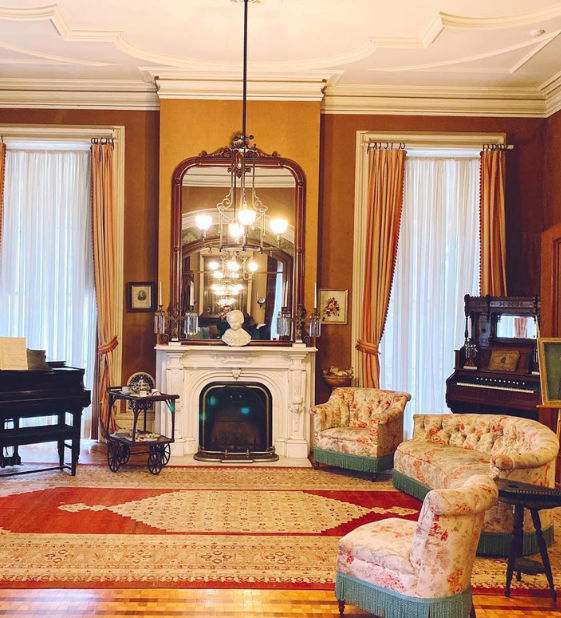
Martha stands up, pale with shock, and for a wild instant thinks that, for some heinous crime she had committed in ignorance, I have come in person to behead her. “Here then, by Mrs. Winchester’s will,” cries Mr. Hasen, my carpenter. “One of the night-demons, which do torment us has been captured and lies penned in the Grand Ball Room. At sunrise tomorrow, this thing will be taken to that sacred spot where grows the bush of the Flower of the Fire, and here its foul blood shall be shed. Who then can doubt the bush of will blossom, and save us all, by the Grace of God.” When I got down stairs in the morning, Daisy was in the palour arranging a great bowl of roses from the garden. Sunlight streamed into the mellow room, a light breeze fluttered the curtains. No hint of ghosts on such a bright morning. “Aunt Sarah, let’s not worry about things this morning,” Daisy suggested. “It’s a wonderful day. Do you want to go into town with me? I see more dresses.” “I did,” I said “We’ll take the short cut back. It’ll save three hours.” The shortcut lay through several fields, a few pastures, and woodlands. “By the way Daisy, are you sure you like your bedroom? It is long off from anyone else, you know?” “Like it? To be sure I do; I have my own house within your home, Aunt Sarah. Here I taste a mingling of modern elegance and hoary antiquity, such as has never ere now graced for life. And this town, small as it is, affords us some reflection, pale indeed, but veritable, of the sweets of polite intercourse: the adjacent country numbers amid the occupants of its scattered mansion some whose polish is annually refreshed by contact with metropolitan splendour, and others whose robust and homely geniality is, at times, and by the way of contrast, not less cheering and acceptable.” “Nothing could be more enchanting.” For years, from sunset to rise, nothing would wake Daisy. Once, as a child, when she had been especially badly beaten for being related to a Winchester, the pain woke her and she heard a strange silken scratching, somewhere over her head. But she thought it a rat, or a bird. Yes, a bird, for later it seemed to her there were also winds. However, she has now forgot all of this. Now she sleeps deeply and dreams of being a princess. #RandolphHarris 7 of 7

Winchester Mystery House
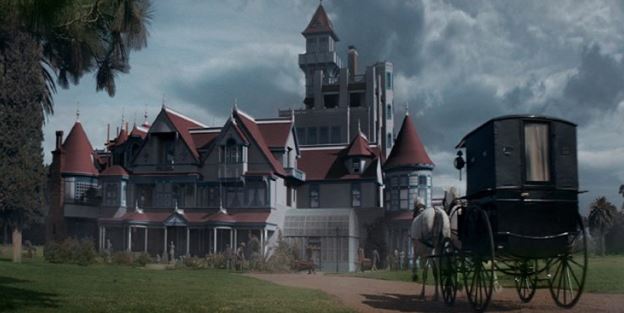
Mrs. Winchester was considered a child enchantress. Groups of would gather around this miracle with perfect rose-bud cheeks whose dark eyes, long wavy hair, and bright simile set here apart from any other child. They were transfixed by her uncanny ability to speak several languages, which she had never studied. They were amazed that she could play several instruments remarkably well. Others could not resist the alluring falsetto tone of the child siren. Her gaze was enthralling, and her voice was soft. Some were impressed by the sense of indifference Mrs. Winchester demonstrated when they met her. It was a real part of her nature; bred into her, perhaps, by a bloodline that had suffered so much loss and anguish over the generations. This is why nothing was allowed to impress her too greatly; she had no idea how remarkable she and her creations were because she suffered too severely from a broken heart. As an adult, Mrs. Winchester held her beauty in extreme reserve, providing only glimpses of her presence for public consumption. It was these glimpses that kept the audience coming to her home to sneak a view of her day after day. However, Mrs. Winchester was too good an actress to let people see how deeply she mourned for the deaths of her husband, parents, and infant daughter. And it is the same power which her Grand Queen Anne mansion unleashes to audiences today. Mrs. Winchester was an orphan of a great spiritual storm. There are some parts of the mansion not shared with the public, and with good reason. You see, there are people who should not see what it has to show. I do not know if it is mysterious or if it is sad. You see, the woman who built this mansion was a good soul. The truth is, we are all a little afraid of what happened here because none of us are certain of the truth. All we can do, is say our prayers, and put our souls into God’s care when we are on this beautiful but bizarre estate.

After the death of Mrs. Winchester, the city of Santa Clara wanted to turn her home into a hospital, but a psychic said that the Devil had cursed the place. People’s hearts were filled with sorrow for the things they said about her, after learning how kind and charitable she had secretly been. No one has ever been able to estimate the true size or complexity of the Winchester Mystery House. Although it is only recognized as being 24,000, experts believe that it has to be at least 150,000 square feet. At one time, it was even larger than it is today and had as many as 600 rooms and nine stories. It is plain, even from a distance, that the home was elaborately designed. The estate was originally comprised of an estimated 740 acres of land, and had green trees from every part of the World, and more, sweeter hues in the growth between them. Beneath the canopy, there were exotic flowers and creature, and the branches of the trees skillfully lead the impression that light was falling through the foliage, which is now virtually simulated in the mysterious windows in the Grand Ball Room. It was rendered with remarkable expertise. People have always been exhilarated by what they see. Some people leave the estate wiping their cold and clammy hands, and wonder to themselves how is it that such a beautiful mansion could invoke such fear into their souls. Caretakers and business associates understood the coldness on the matters of the heart displayed by Mrs. Winchester, as she remained unmarried and celibate after the death of her husband. This coldness is what made her so strong; and it was her strength—visible in her eyes and in her every movement—that have endured her audiences for nearly two hundred years. Sometimes you find beauty in the strangest places. Mrs. Winchester’s thoughts are with the walls and the beautiful art-glass windows.

For further information about tours, including group tours, weddings, school events, birthday party packages, facility rentals, and special events please visit the website: https://winchestermysteryhouse.com/

Please visit the online giftshop, and purchase a gift for friends and relatives as well as a special memento of the Winchester Mystery House. A variety of souvenirs and gifts are available to purchase. https://shopwinchestermysteryhouse.com/

The Awakening of Nations that Have Been Silent for Nearly Two Hundred Years

In Latin America, the United States of America is involved more directly than they are in other countries. There are heavy investments from the United States of America in many Latin American countries such as Venezuela, Argentina, Guatemala, and Cuba. U.S.A. foreign direct investment (FDI) in Venezuela stock was $3.2 billion in 2022, a 5.1 percent increase from 2021. U.S.A. FDI in Argentia (stock) was $12.6 billion in 2022. More than 200 U.S.A. and other foreign firms have active investments in Guatemala, benefiting from the U.S.A. Dominican Republic-Central America Free Trade Agreement (CAFTA-DR). FDI stock was $22.5 billion in 2022, a 5.3 percent increase over 2021. On June 16, 2017, the President issued a National Security Presidential Memorandum (NSPM) on Strengthening the Policy of the United States of America Toward Cuba. On November 8, 2017, the Departments of State, Commerce, and the Treasury announced certain changes to implement the President’s June 2017 NSPM. Cuba is facing a severe economic crisis and the cash-strapped government is unable to provide basic services. The investment of Cuban Americans in private businesses on the island could be a game changer, many observers have said. However, while the Cuban government has said in the past that they would welcome Cuban American investment on the island, they have yet to issue regulations to allow foreigners to own or invest in the small and medium-sized enterprises known as pymes that were first authorized in 2021. #RandolphHarris 1 of 22

The United States of America is Guatemala’s largest trading partner accounting for nearly 35 percent of Guatemala’s trade. Both nations enjoy a growing trade relationship, which became ever stronger after the implementation of the CAFTA-DR in 2007. As of January 1, 2015, most U.S.A. consumer and industrial goods enter Guatemala duty free (for goods that meet the country-of-origin requirements). In general, CAFTA-DR has benefitted all parties. Intra-regional trade among Central America countries and the Dominican Republic increased from $27.2 billion in 2021. U.S.A. goods exports to Central America and the Dominican Republic have reached $48.31 million in 2022 (this figure was $16.89 million in 2005). Nevertheless, CAFTA-DR has been unable to solve some of the region’s most serious problems—including insecurity and corruption. U.S.A. merchandise exports to Guatemala were $10.21 billion in 2022, an increase of $2.14 billion or 23 percent over 2021. Leadning U.S.A. exports to Guatemala include mineral fuel oil, machinery, electric machinery, plastics, and cereals (corn, wheat, and rice). U.S.A. imports from Guatemala totaled $5.31 billion in 2022, an increase of $640 million or 12.8 percent over 2021. U.S.A. imports include apparel; edible fruits, melons, and nuts; coffee; edible vegetables, roots, and tubers; sugars and confectioneries of sugar. U.S.A. products and services enjoy strong brand recognition in Guatemala, and U.S.A. companies have a good reputation in the Guatemalan marketplace. It is estimated that approximately 200 U.S.A. firms have a presence in the market. #RandolphHarris 2 of 22

The United States of America and Argentina maintain a bilateral relationship based on deep economic ties and shared interests, including, democracy and human rights, counterterrorism and rule of law, improving citizen security, science, energy and technology infrastructure, people-to-people ties, and education. A U.S.A. Presidential Delegation attended the December 2019 inauguration of the new president of Argentia, Alberto Fernandez. Members of the delegation met privately with President Fernandez to fortify the relationship between the United States of America and Argentia. The Fernandez administration has said it seeks a mature relationship with the United States of America based on shared interests. The Department of State allocated $3.1 million for Argentia for fiscal years (FY) 2020. This funding promotes regional security. The Department of State’s Bureau of International Narcotics and Law Enforcement Affairs partners with Argentia to deliver counter-narcotics and criminal justice capacity building, which has strengthened the ability of both governments to disrupt transitional crime in the Western Hemisphere. The United States of America enjoys a trade surplus with Argentina, and is Argentina’s number three goods and services trading partner behind Brazil and China.) U.S.A. goods and services trade with Argentia totaled $161 billion in 2020. There are more than 300 U.S.A. companies doing business in Argentia, employing more than 150,000 workers. The United States of America is the largest foreign investor in Argentina, with approximately $10.7 billion (stock) FDI in 2019. #RandolphHarris 3 of 22

Venezuela gained its independence from Spain by 1819 as part of the Republic of Columbia and separated from Columbia in 1830. The United States of America recognized and established diplomatic relations with Venezuela in 1835. The United States of America recognizes the 2015 democratically elected Venezuelan National Assembly as the only legitimate branch of the Government of Venezuela. The United States of America and the 2015 National Assembly collaborated closely to achieve the goal of a peaceful restoration of democracy via free and fair presidential and parliamentary elections. The United States of America supports the protection of human rights, the promotion of civil society, the strengthening of democratic institutions, and transparency and accountability in the country. Since 2017, the United States of America has provided nearly $2.8 billion in humanitarian, economic, development, and health assistance to support Venezuelans inside Venezuela and throughout the region. Since 2005, the President of the United States of America has determined annually that Venezuela has “failed demonstrably” to adhere to its drug control obligations under international counternarcotic agreements. Venezuela also does not fully meet the minimum standards for the elimination of human trafficking and is not making any efforts to do so, according to the Department of State’s annual Trafficking in Persons report. The President of the United States of America has issued a national interest wavier to enable certain assistance programs vital to the national interests of the United States of America, such as human rights and civil society programs, to continue. U.S.A. humanitarian assistance helps to meet critical life-saving needs, including for food and nutrition; water, sanitation, and hygiene; healthcare; protection and other goods and services. #RandolphHarris 4 of 22

The United States of America seeks a stable, prosperous, and free country for the Cuban people. The United States of America pursues limited engagement with Cuba that advances our national interests and empowers the Cuban people while restricting economic practices that disproportionately benefit the Cuban government or its military, intelligence, or security agencies at the expense of the Cuban people. The U.S.A. government seeks to promote human rights, religious freedom, and democracy, encourages the development of telecommunications and the internet in Cuba, supports the growth of Cuba’s nascent private sector and civil society, and engages in areas that advance the interests of the United States of America and the Cuban people. The United States of America is committed to supporting safe, orderly, and legal migration from Cuba through the effective implementation of the U.S.A.-Cuba Migration Accords. Due to injuries sustained by our diplomatic community in Havana, visa processing for most Cuban applicants is presently taking place in third countries. Although economic sanctions remain in place, the United States of America is the largest provider of food and agricultural products to Cuba, with exports of those goods valued at $220.5 million in 2018. The United States of America is also a significant supplier of humanitarian goods to Cuba, including medicines and medical products, with total value of all exports to Cuba $275.9 million in 2018. Remittances from the United States of America, estimated at $3.5 billion for 2017, play an important role in Cuba’s state-controlled economy. #RandolphHarris 5 of 22

The situation in which humanity finds itself is exceedingly grave. The policy of deterrent will not ensure peace; it will most likely destroy civilization, and it will certainly destroy democracy even if it preserves peace. No one knows what the first steps in avoiding a nuclear cataclysm and preserving a democracy are. However, it is clear that more important than climate change and electric vehicles is dealing with the immediate danger of nuclear war. Another central issue of today is that of the future course of the underdeveloped nations, which comprise the majority of the human race. They insist not only on obtaining political independence but also on rapid economic development. These people will not wait two hundred years to achieve the economic level of Europe or the United States of America. The Communists have shown that by means of force and fanaticism it is possible to attain results; their method will become irresistibly attractive unless it can be demonstrated that similar results can be achieved without terror and without the destruction of individuality, through central planning along with economic and technical assistance from the industrialized countries. Such a policy requires the acceptance of a neutral bloc by both the East and the West and the strengthening of the United Nations as a supernational organization charged with the administration of disarmament and economic aid. The pursuit of the policy suggested here requires such drastic changes in the American attitude that one cannot avoid having serious doubts whether such a policy is possible; in fact, its acceptance would seem to be impossible unless there is a growing conviction that it constitutes the only alternative to war. #RandolphHarris 6 of 22

The pursuit of the policy suggested here requires such drastic changes in the American attitude that one cannot avoid having serious doubts whether such a policy is possible; in fact, its acceptance would seem to be impossible unless there is a growing conviction that it constitutes the only alternative to war. First, such a policy would require that the President and Congress subordinate the special interests of the armed forces and of the big corporations (especially those with strong capital investments abroad) to the main goals of the United States of America’s policy, peace and survival as a democratic nation. Furthermore, this policy requires a material and spiritual reorientation in the West entailing the replacement of projective-paranoid attitudes toward communism by an objective and realistic appraisal of the facts. Such realism is only possible if we take a critical view of ourselves and recognize the discrepancy that exists between our professed ideals and our actions. We claim that our present system is characterized by a high degree of individualism, and of religious or secular humanism. In reality we are a managerial, industrial society with a diminishing amount of individualism. We like to produce more and to consumer more, but we have no goal—either as individuals or as a nation. We are developing into faceless organization humans, alienated from ourselves and lacking authentic feelings and convictions. This very fact lends us to put so much emphasis on the lack of freedom and individualism in other nations because we can then protest against features of their society which in reality we are approaching in our own. #RandolphHarris 7 of 22

The people in Russia, China, India, Mexico and Africa are today in some resect where Americans were one hundred and sixty years ago; they are building a society, full of hope and enthusiasm to go ahead and to accomplish what they have set out to do. While in the United States of America, although there is still unnecessary poverty and unnecessary suffering, we are only filing out what has been left to do; we are only doing more of the same. We have no vision of something new, no aim that truly inspires us. If this continues, we and the West will not survive. We will lack the energy and vitality that are necessary for any nation or group of nations to live and to survive in a World that is witnessing the awakening of nations that have been silent for nearly two hundred years. Our weapons will not save us—at best they will drag our enemies into the holocaust thirty minutes after we have perished. What can save us and what can help humankind is a renaissance of the spirit of humanism, of individualism, and of America’s anti-colonialist tradition. By our hesitant and often ambiguous policy toward the underdeveloped peoples we have helped the Communists realize one of their most significant successes: to become the leaders in the historical movement of the “New World,” and to stamp us the “reactionary” forces trying to arrest the historical trend. We must, if not surpass, at least equal the Communists, by being wholly and unreservedly with the wave of history, rather than halfheartedly and hesitatingly. As has been said over and over again, the present struggle is a struggle for the minds of humans. Once can win it only if one has ideas to offer that are authentic because they are rooted in the realities of nation’s life. #RandolphHarris 8 of 22

The West is old, but by no means exhausted. It has shown its vitality by achievements in scientific thought that are unparalleled in history. We are suffering not so much from exhaustion as from the absence of goals, and from the “doublethink” that paralyzes us. If we ask ourselves where are and where we are going, we shall have a chance to formulate new goals socially, economically, politically, and spiritually. The Russian, Chinese, and Indian systems challenge us to develop a system that can satisfy the needs of humans better than communism does. However, while we talk a great deal about freedom and the superiority of our system, we avoid that challenges of these other nations and prefer to describe communism as an international conspiracy out to conquer the World by force and subversion. The hope of these other nations is to see the victory of communism as the result of its superior performance. Are we afraid that we cannot mee the Communist competition, and is this the reason why we prefer to define the struggle as a military one rather than as a socioeconomic one? Are we unwilling to make the necessary changes within our own society, and do we, for this reason, declare that no essential changes are necessary? Are we afraid to curb the political influence of our corporate investors in Latin America, China, and the Middle East? By concentrating on the military threat against us and the resulting arms race we miss the one chance for victory: to demonstrate that it is possible to have at home—and in Asia, Africa, and Latin America—economic progress and individuality, economic and social planning and democracy. This is the answer to the Communist challenge—not the nuclear deterrent. #RandolphHarris 9 of 22

Our present thinking is a symptom of a deep-seated, though unconscious defeatism, of a lack of faith in the very values which we proclaim. We only cover up this defeatism by concentrating on the evils of communism and by promoting hate. If we continue with our policy of the deterrent and with our unholy alliances with dictatorial states in the name of freedom, we shall defeat the very values we hope to defend. We shall lose our freedom and probably also our lives. What matters today is preserving the World; but in order to preserve it, certain changes have to be made, and in order to make these changes, historical trends have to be understood and anticipated. All humans of good will or, rather all humans who love life must form a united front for survival, for the continuation of life and civilization. Withall the scientific and technical progress humans have made, they are bound to solve the problem of hunger, poverty, and overpopulation, and they can afford to try solutions in different directions. There is only one thing humans cannot afford—and that is to go on with preparations for war, which, this time, will lead to catastrophe. There is still time to anticipate the next historical development and to change our course. However, unless we act soon, we shall lose the initiative, and circumstances, institutions, and weapons, which we created, will take over and decide our fate. Another problem humans are facing is they are becoming Homo mechanicus. All the pleasures these beings enjoy are sought within the frame of reference of the mechanical and unalive. They expect that there must be a button which, if pushed, will bring happiness, love, pleasure. (Many go to a psychoanalyst under the illusion that one can teach them where to find the button.) #RandolphHarris 10 of 22

Homo mechanicus men look at women as one would at an Ultimate Driving Machine: he knows the right button to push, he enjoys his power to make her “race” and he remains the cold, watching observer. Homo mechanicus becomes more and more interested in the manipulation of machines rather than in the participation in and response to life. Hence, they become indifferent to life, fascinated by the mechanical, and eventually attracted by death and total destruction. Consider the role that killing plays in our amusements. The movies, the comic strips, the YouTube videos, the newspapers, video games are full of excitement because they are full of reports and/or scenes of destruction, sadism, brutality. Millions of people live humdrum but comfortable existences—and nothing excites them more than to see or read of killings, whether it I murder or a fatal accident in an automobile race. Is this not an indication of how deep this fascination with death has already become? Or think of expressions such as being “thrilled to death” or “dying to” do this or that, or the expression “it kills me.” Consider the indifference to life which is manifested in our rate of automobile accidents. Briefly then, intellectualization, quantification, abstraction, bureaucratization, and reification—the very characteristics of modern industrial society, when applied to people rather than to things, are not the principles of life but those of mechanic. People living in such a system become indifferent to life and even attacked to death. They are not aware of this. They take the thrills of excitement for the joys of life and live under the illusion that they are very much alive when they have many things to own and to use. The lack of protest against nuclear war, the discussion of our “atomologists” of the balance sheet of total or half-total destruction, shows how far we have already gone into the “valley of the shadow of death.” #RandolphHarris 11 of 22

These features of a necrophilous orientation exist in all modern industrial societies, regardless of their respective political structure. What Russian state capitalism has in common in this respect with corporate capitalism is more important than the features in which they system differ. Both systems have in common the bureaucratic-mechanical approach, and both are preparing for total destruction. The affinity between the necrophilous contempt for life and the admiration for speed and all that is mechanical has become apparent only in the last decades. Yet as early as in 1909 it was seen and succinctly expressed by Marinetti in his Initial Manifesto of Futurism: “We shall sing the love of danger, the habit of energy and boldness. The essential elements of our poetry shall be courage, daring and rebellion. Literature has hitherto glorified thoughtful immobility, ecstasy and sleep; we shall extol aggressive movement, feverish insomnia, the double quick step, the somersault, the box on the car, the fisticuff. We declare that the World’s splendour has been enriched by a new beauty; the beauty of speed. A racing motor-car, its frame adorned with great pipes, like snakes with explosive breath…a roaring motor-car, which looks as though running on a shrapnel is more beautiful than the Victory of Samothrace. We shall sing of the man at the steering wheel, whose ideal steam transfixes the Earth, rushing over the circuit of her orbit. The poet must give oneself with frenzy, with splendour and with lavishness, in order to increase the enthusiastic fervour of the primordial elements. There is no more beauty except in strife. No masterpiece without aggressiveness. Poetry must be a violent onslaught upon the unknow forces, to command them to bow before humans. #RandolphHarris 12 of 22

“We stand upon the extreme promontory of the centuries! Why should we look behind us, when we have to break in the mysterious portals of the Impossible? Time and Space died yesterday. Already we live in the absolute, since we have already created speed, eternal and ever-present. We wish to glorify war—the only health giver of the World—militarism, patriotism, the destructive arm of the Anarchist, the beautiful Ideas that kill, the contempt for woman. We wish to destroy museums, the libraries, to fight against moralism, feminism and all opportunistic and utilitarian meanness. We shall sing of the great crowds in the excitement of labour, pleasure and rebellion; of the multi-coloured and polyphonic surf of revolutions in moder capital cities; of the nocturnal vibration of arsenals and workshops beneath their violent electric moons; of the greedy stations swallowing smoking snakes; of factories suspended from the clouds by their strings of smoke; of bridges leaping like gymnast over the diabolical cutlery of sunbathed rivers; of adventurous liners scenting the horizon; of broad-chested locomotives prancing on the rails, like huge steel horses bridled with long tubes; and of the gliding flight of aeroplanes, the sound of whose screw is like the flapping of the flags and the applause of an enthusiastic crowd.” It is interesting to compare Mr. Marinetti’s necrophilous interpretation of technique and industry with the deeply biophilous interpretation to be found in Walt Whitman’s poems. At the end of his poem “Crossing Brooklyn Ferry” he says: “Thrive cities—bring your freight, bring your shows, ample and sufficient rivers, expand, being than which none else is perhaps more spiritual, keep you places, objects than which none else I more lasting. #RandolphHarris 13 of 22

“You have waited, you always wait, you dumb, beautiful ministers, we receive you with free sense at last, and are insatiate henceforward, not you any more shall be able to foil us, or withhold yourselves from us, we use you, and do not cast you aside—we plant you permanently within us, we fathom you not—we love you—there I perfection in you also, you furnish your parts toward eternity, great or small, you furnish your parts toward the soul.” Or at the end of the “Song of the Open Road”: Camerado, I give you my hand! I give you my love more precious than money, I give you myself before preaching or law; will you give me yourself? Will you come travel with me? Shall we stick by each other as long as we live?” Mr. Whitman could not have expressed his opposition to necrophilia better in this line: “to pass on (on living, always living!) and leave the corpses behind.” If we compare Mr. Marinetti’s attitude toward industry with that of Walt Whitman, it becomes clear that industrial production as such is not necessarily contrary to the principles of life. The question is whether the principles of life are subordinated to those of mechanization, or whether the principles of life are the dominant ones. Obviously, so far the industrialized World has not found an answer to the question which is posed here: How is it possible to create a humanist industrialism as against the bureaucratic industrialism which rules our lives today? It is ofttimes the Prince of Death as a murderer—working through the ignorance of God’s children as to his power, the conditions by which they give him power, and the victory of prayer by which they can resist his power—who cuts off God’s soldiers from the battlefield. #RandolphHarris 14 of 22

It is the ultimate negative as a murderer who give “visions of glory” and “longings to die” to workers of vale to the Church of God, so that they yield to death even in days of active service, and slowly fade away. Believers who would have victory over the ultimate negative at every point must resist its attack on the body, as well as on the sprit and mind. They should also know the place of the body in the spiritual life: its prominence, and yet its obscurity. Paul said, “I keep under my body”—I discipline it. They must understand that the more knowledge they have of the devices and power of the Adversary, and of the fullness of the Calvary victory within their reach for complete victory over him, the more he will plan to injure them. The whole of his schemes against God’s children may be summed up under three heads: To cause them to sin, and he tempted Jesus as the Christ in the wilderness; To slander them, as Jesus as the Christ was slain at Calvary, when, by the direct permission of God, the hour and the power of darkness gathered around Him, and He by the hands of the wicked men was crucified and slain (Acts 2.23). As the believer gains victories over the ultimate negative and his deceiving and lying spirits by thus recognizing, resisting and triumphing over them in their varied workings, his strength of spirit to conquer them grows stronger, and he will become more and more equipped to set forth the truth of the finished work of Calvary as sufficient for victory over sin and the ultimate negative. Done in the power and authority of Jesus as the Christ by the Holy Spirit, this will set others free from their power. #RandolphHarris 15 of 22

It must, of course, be clearly recognized that victory over the ultimate negative in these aspects will not be without great onslaughts from him and sharp conflict, which may well be called “the evil day,” Ephesians 6.13. We first consider the negative aspect of the transition from the temporal to the eternal, the exclusion of negativities and ambiguities. The Greek word for judgment, krinein, indicates the separation of the negative symbolized by the ultimate judgment. This judgement is not a temporal event, for time is only the form of the finite, and eternity is its inner aim, or telos. To explain this continuous process, we must consider it a bold metaphour. Eternal life is likened to “eternal memory” in which the positive is remembered and the negative forgotten. However, since forgetting implies a moment of remembering, the negative is forgotten in the sense that it is acknowledged and rejected for what it is, nothing. Since Eternal Life is identical with the Kingdom of God in its fulfilment, it is the non-fragmentary, total, and complete conquest of the ambiguities of life. The ambiguities that accompany the life processes of the self-integration, self-creativity, and self-transcendence are overcome by the perfect balancing of the ontological polar elements: individualization-participation, dynamics-form, and freedom-destiny. Consequently, in the fulfilled Kingdom of God morality, culture, and religion disappear as special functions. #RandolphHarris 16 of 22

There is no morality because there is no ought-to-be which is not. There is no culture because the work of the human spirit becomes the work of the divine Spirit. And there is no religion because there is no estrangement, and God is everything in and to everything. Unambiguous, non-fragmentary fulfilment is the result of the purification of the last judgment. If the morality of “thou shalt not lie” is rejected, “the sense for truth” must legitimate itself before a different tribunal: as a means of the preservation of man, as will to power. The same goes for our love of the beautiful: it, too, is a will to shape. The two-sense stand side by side; the sense for the real is a means of acquiring the power to shape things as one pleases. The delight in shaping and reshaping—a primal delight! We can comprehend only a World we ourselves have made. On the multifariousness of knowledge. To trace one’s relation to many other things (or to a kind—how can that be “knowledge” of something other! This kind of knowing and recognizing is itself already among the conditions of existence—so that the conclusion that there could be no kind of intellect (even for us) other than the one the preserves us, is too hasty: this de facto condition of existence is perhaps only accidental, perhaps in no way necessary. Our cognitive apparatus is not designed for “knowledge.” The most firmly believed a priori “truths” are, for me—provisional assumption, exempli gratia, the law of causality, very well-rehearsed habits of believing, so deeply incorporated that not believing them would drive the race to extinction However, are they for that reason truths? What a conclusion! As if the truth could be proved by man’s continuing to exist! #RandolphHarris 17 of 22

In the cases of self-analysis which I have observed untoward consequences have never occurred. However, these observations are as yet too limited to produce any convincing statistical evidence; I could not say, for instance, that this unfortunate outcome has occurred in only one case out of a hundred. There are, however, good reasons to believe that the danger is so rare as to be negligible. Observation in every analysis shows that patients are well able to protect themselves from insights they are not yet able to receive. If they are given an interpretation that represent too great a threat to their security they may consciously reject it; of they may forget it, or invalidate its relevance for them, or ward it off with arguments, or simply resent it as unfair criticism. One may safely assume that these self-protective forces would operate also in self-analysis. A person attempting to analyze oneself would simply fail to make any self-observations that would lead to insights as yet intolerable. Or one would interpret them in such a way as to miss the essential point. Or one would merely try to correct quickly and superficially an attitude conceived by one as faulty, and thereby close the door to further investigation. Thus in self-analysis the actual danger would be less than in professional analysis, because the patient intuitively knows what to avoid while an analyst, even a sensitive one, may err and present to the patient a premature solution. Again the danger is one of futility through too much evasion of problems rather than of positive change. And if a person does work through to some insight deeply disturbing to one, I believe there are several considerations that we can rely on. #RandolphHarris 18 of 22

One of these considerations is that hitting upon some truth is not only disturbing but is also, and simultaneously, of a liberating quality. This liberating force inherent in any truth may supersede the disturbing effect from the beginning. If so, a feeling of relief will ensue immediately. However, even if the disturbing effect prevails, the discover of a truth about oneself still implies a dawning recognition of a way out; even if this is not seen clearly it will be felt intuitively and thus will engender strength to proceed further. A second factor to be considered is that even if a truth is deeply frightening there is something like a wholesome fright. If a person recognizes, for instance, that one has been secretly driving at self-destruction, one’s clear recognition of that drive is much less dangerous than letting it silently operate. The recognition is frightening, but it is bound to mobilize counteracting self-preserving energies, provided there is any will to live. And if there is no sufficient will to live, a person will go to pieces anyhow, analysis or no analysis. To express a similar thought in a more positive fashion: if a person has had sufficient courage to discover an unpleasant truth about oneself, one may safely trust one’s courage to be strong enough to carry one through. The mere fact that one has gone that far indicates that one’s will to come to grips with oneself is strong enough to prevent one from becoming crushed. However, the period between staring to grapple with a problem and solving and integrating it ma be prolonged in self-analysis. #RandolphHarris 19 of 22

Finally, we must not forget that really alarming disturbances in analysis rarely occur only because an interpretation cannot be properly grasped at the time. More frequently the real source of disquieting developments lies in the fact that the interpretation, or the analytical situation as a whole, stirs up hatred that is directed against the analyst. This hatred, if barred from awareness and thereby from expression, can enhance existing self-destructive tendencies. To let oneself go to pieces may then become a means of revenge against the analyst. If a person is confronted with an upsetting insight quite by oneself, there is almost nothing left but to fight it through with oneself. Or, to be cautious, the temptation to ward off the insight by making others responsible is lessened. The caution is warranted because, if the tendency to make others responsible for one’s shortcomings is strong anyhow, it may flare up also in self-analysis as soon as one realized a shortcoming, if one has not yet accepted the necessity of taking responsibility for oneself. Self-analysis is within the range of possibility, and the danger of its resulting in positive damage is comparatively slight. Certainly it has various drawbacks that are more or less serious in nature, ranging, briefly, from failure to prolongation of the process; it may take a considerably longer time to get hold of a problem and to solve it. However, against these drawbacks there are many factors which beyond doubt make self-analysis desirable. There are, to begin with, obvious external factors of the kind mentioned before. #RandolphHarris 20 of 22

Self-analysts would be desirable for those who because of money, time, or location cannot undertake regular treatment. If in the intervals between analytical sessions, and also during the sessions, they were inspired with the courage to do active and independent work on themselves, and even for those who are having treatment, it might shorten the procedure considerably. However, even apart from such blatant reasons, certain gains are beckoning to those who are capable of self-analysis which are more spiritual in character, ess tangible but not less real. These gains are an increase of inner strength and therefore of self-confidence. Every successful analysis increases self-confidence, but there is a certain extra gain in having conquered territory entirely through one’s own initiative, courage, and perseverance. This effect is the same in analysis as in other areas of life. To find a mountain path all by oneself gives a greater feeling of strength than to take a path that is shown, though the work put in is the same and the result is the same. Such achievement gives rise not only to a justifiable pride but also to a well-founded feeling of confidence in one’s capacity to meet predicaments and not to feel lost without guide. The existence of various values is implicit in the general criteria of mental illness or maladjustment. The difficulty in answering it (“What is a case?”) comes from the fact that inevitably at some place there is a value judgment involved. I think that mental health or mental sickness cannot be conceived of without reference to some basic value. We are all trained to exclude values from our thinking; and the way we try to exclude them is not to talk about them. A more appropriate manner of dealing with this basic difficulty is to spell out what the values are that underlie our particular concept of mental health or mental illness. #RandolphHarris 21 of 22

How do value systems relate to the problem of defining mental illness? In answering this question, we are helped to see that the diagnostic problem which superficially appears to be concrete and practical has roots in issues of an highly philosophical nature. A value system may place major worth on the individual or on society—actions may be preferred that augment the states of the individual at the expense of the group, or choices may be made that enhance the strength of society to the relative disregard of the individual. Recognition of the right to “conscientious objection” during wartime is expressive of a value system in which the individual’s scruples are given priority over what conceivably could be the nation’s security. By contrast, laws such as the ill-fated Prohibition Act are expressive of a value orientation in which the presumed welfare of society is predominant over individual freedom. All those who toil ere, yet they pass from childhood’s years, who live in squalor, pale and gaunt, to every evil a prey;–to human greed these all are slaves, and we must set them free. Why then, with plenty everywhere, should humans still lack their bread? Justice hall we pp as waters, and righteousness as a mighty stream. Manifest Destiny is the way to save the World. Humans shall do no evil and work no destruction, for the Earth shall be filled with the knowledge of the Lord, as the waters cover the sea. I pledge allegiance to the flag of the United States of America, and to the republic for which it stands, one nation, under God indivisible with liberty and justice for all. This holiday season, please open your hearts and make a donation to the Sacramento Fire Department. They are not receiving all of their resources and have proudly been risking their lives to save the community since 1851. #RandolphHarris 22 of 22


No appointment needed! Cresleigh Havenwood features four distinct floor plans ranging from 2,293 – 3,377 square feet and offering up to five bedrooms.

Each plan has been thoughtfully designed and includes great features such as single story homes, guest suites, optional offices, garage workshops, and more!

Get the most out of your new home with Cresleigh’s All Ready smart home featuring all the connectivity needed to keep your house running.

Best of all, each Cresleigh home comes with owned solar included!

Located off of Virginiatown Road and McCourtney Road, residents of the 83 homesites of Cresleigh Havenwood will benefit from a brand new neighborhood in the charming City of Lincoln.

Palo Verde Park, is just down the street and there’s plenty of recreation to take part in all around town.

Two stories with customizable floor plan, open entertaining connects to outdoor spaces with outdoor living customizable space, large loft, spacious Primary Suite, 4-Bay garage with optional GenSmart Suite. https://cresleigh.com/havenwood/residence-four/


The Cursed

I lay sleepless in bed. There were noises in the distance; the sound of footsteps coming somewhat hurriedly in the direction of my bedroom; by the resonance I could tell that they were traversing a much larger room. I rose from my bed as the door opened, and l looked expectant. The incomer was a lady—she had long dark beautiful eyes, a long white neck. Her long dark hair however hidden in a dusty scarf and she wore the palest pastel rose dress. She was a scullery maid. Mary-Jo DelVecchio was her name and he had an anxious, even sorely distracted, look. As she moved her lips to whisper out something, the solemn bell, high up in the belfry rang out the half-hour at this moment. Her mouth remained open as she started at the yellow telegraph form in her had. I found myself breathing a deep sigh of relief. “Dear, Mary-Jo,” I said. “Come in my dear.” “Mrs. Winchester, I have an urgent message for you,” she said. You know what?” I said smiling. “That is what I have been waiting for. Leave the telegraph on my bureau.” “Very well, Mrs. Winchester,” Mary-Jo replied. She sat the message down and quietly shut the door. As I picked up the telegraph, I noticed all it read was “The Cursed.” It reminded me that my own infant daughter was dead as was my husband dead, but these things, being to do with the cursing, were never spoken of. Except, sometimes, obliquely. I started prowling my chamber, high in the East Turret carved with daisies and swans. The room was lined with books, swords, lutes, scrolls, and two portraits, the larger which represented my husband, and the smaller my daughter. Both resembling each other with their pale, faces, polished eyes and delicate skin. However, there was something about the fleshtones, the shapes of their hands, the perpetually arched eyebrows, the sharp angle at which they held their heads, the irregular pink splotches on their cheeks. It gave me a little chill. #RandolphHarris 1 of 7

There were no windows at all in the turret, they were long ago bricked up and covered with hangings. Candles burned steadily. It was always night in the turret. Save, of course, by night there are particular sounds all about it, to which I am accustomed, but which I did not care for. By night, like most of my court, I closed my ears with softened tallow. However, if I slept, I dreamed, and heard in the dream the beating of wings…Often, the court held loud revel all night long. Soon I descended from the turret and went down, by various and curving passages, into the large, walled garden on the east side of the mansion. It was a very pretty garden, mannered and manicured, which the gardeners kept in perfect order. Over the high walls, where delicate blooms bell the wines, it is just possible to glimpse the tip of tree-covered mountains. However, by the day the mountains were blue and spiritual to look at, and seemed scarcely real. They might only be inked on the sky. A portion of my court was wandering about in the garden, playing games or musical instruments, or admiring painted sculptures, or the flora. However, my cursed court seemed vitiated this non. Nights of revel had taken their toll. As I passed down the garden, my courtiers acknowledged me deferentially. I see them, old and young alike, all doomed as I am, and the weight of my burned steadily increases. At the further, most eastern end of the garden, there is another garden, sunken and rather curious, beyond a wall with an iron door. Only I possessed the key to this door. Now I unlocked it and went through. My courtiers laugh and play and pretend not to see. I shut the door behind me. Wind-chimes were tinkling. #RandolphHarris 2 of 7

The sunken garden, which no gardener ever tends, is maintained by other, spontaneous means. It is small and square, lacking the hedges and the paths of the others, the sundials and statues and little pools. All the sunken garden contains is a broad paved border, and at its center a small plot of humid Earth. Growing in the Earth is a slender bush in the shape of the number thirteen with slender velvet leaves. I stood out and looked at the bush only a short while. I visit it every day. I have visited it every day for years. I am waiting for the bush to flower. Everyone is waiting for this. Even Mary-Jo, the scullery maid, is waiting, though she does not, being only sixteen, born in the mansion and uneducated, properly understand why. The light of the little garden is dull and strange, for the whole of it is roofed over by a dome of think stained-glass. It makes the atmosphere somewhat enchanting, and the bush itself gives off a pleasant smell, rather resembling vanilla. Something was cut into the stone rim of the Earth-plot where the bush grows. I read it for perhaps the thousandth time. O, fleur de feu—When I returned from the little garden into the large garden into the large garden, locking the door behind me, no seemed truly to notice. However, their obeisances were now circumspect. The ladies bend to the bright fish in the pools, the farmers pluck for them blossoms, challenged each other to combat at chest. The pleasure garden was full of one long and wear sigh. In the hour before sunset, my mansion is lit by flamebeaux. In the high windows, the casements of stained glass and leaded glass are fastened tight. The huge window by the palm trees was long ago shut up, and a tapestry of gold and silver with rubies and emeralds covering it. #RandolphHarris 3 of 7

I always dined with care and attention, not with enjoyment. Only the very young of the mansion eat in that way, and there were not so many of those. The murky sun slides through the stained glass. The musicians struck up more widely. By the time the moon would come up, and the mansion rocks to its own cacophony, something strange would walk about, something that walked with a shuffling, steady thump—thump—thump! As I looked out of the windows, I watched the farmers and gardeners drift across the front lawn in twos and threes. Their movements were slow and languid like ancient fish in shallow, sun-drenched waters. I could hear yowling and screeching so loud that I could not make out any individual voice. It frightened me. When I was not in the library, I sat quietly in the parlour or dining room, or up in the Daisy Bedroom staring at the beautiful windows. Sitting in the dining room or parlous, however, was made almost unbearable by the presence of staff, arranged mummy-like around the rooms. Sometimes I would pick up a volume in the library, but invariably discovered it was some sort of laborious tome on treills and ornate gardening, Victorian architecture, museum catalogs. Or sometimes an old leather-bound novel that read no better. This growing climate of awkwardness and fear angered me so that my neck muscles were always stiff, my head always aching. It was worse because it was not entirely unexpected. The new butler seemed a little feral, with impossibly long teeth, and foul, blood-tainted breath. He had sandy red hair, which was boyishly frizzy at the sides. He might have been in his late thirties but hi face was prematurely lined and he stood with one shoulder slightly higher than the other, as if he was very tired. He began to apologize for disturbing he. “Not at all” I said. “I usually do not go to bed until well past midnight.” He had manners, promising a better life, and a cold excitement one need not work for. #RandolphHarris 4 of 7

Suddenly, the weird howl of a dog broke the silence. The noise came from far away and ended abruptly, as if hands had ended abruptly, as if hands had caught the beast by the throat. Then there was no sound except the monotonous spatter of rain on the ground. Puffs of visible vapour bespoke increasing contrasts in temperature between the parlour and dining room. The wind suddenly began to howl and shutters started banging. From the sound of things, there was a terrible storm. I then observed a woman, apparently young, dressed in white evening gown, walking before me, on my left hand, between the fireplace and the coffee table. She was dripping wet. Supposing the she had been a new housemaid, I turned to see if there were other person in her attendance, but there was no one. My curiosity, being now greater than before, to know who this genteel woman was, I followed her at the distance of four or five feet for about a mile as she traversed the twisting hallways of my labyrinth, and expecting that when I got to the bottom of the staircase of the second floor that I should meet her attempting to gain access to the Door-to-Nowhere; but to my great astonishment, when she approached the door, she vanished from my sight at the very time my eyes were fixed upon her. I related the strange affair to my chambermaid; and it was light, and I had not been previously thinking of apparitions, nor was I ever in the habit of speculating on such subjects, I am firmly persuaded that what I saw was one. The very next day, a young male servant of good character, of a bold active disposition, and who professed a disbelief in supernatural appearances requested to leave and go to San Francisco, and also to be accommodated with a horse, which was granted to him. Being desirous of making long holiday of it, he rose early in the morning and set off three hours before daybreak; however, to my great surprise, returned home early afternoon before it was dark. #RandolphHarris 5 of 7

On being questioned if anything was the matter with him, he replied that he had been so much alarmed that he was resolved to travel in the dark if he could avoid it. “For,” he said, “as I was riding down the lane, in the morning, being forwards with my face downward, the horse suddenly bolted from the road to such a distance that I was nearly dismounted. On recovering, and looking about to see what had affrighted the horse, I saw a fine lady, dressed in white, with something like a black veil on her face, standing close by. How I got back to your mansion, I cannot tell, but was so frightened that I dared not go further, but walked up and down the road until it was light.” I thought that he must have contracted a chill from the wet of the grass, for that afternoon he was certainly feverish and disordered; and the disorder was of the mind as well as the body, for he seemed to have something more he wished to say, only a press of household affairs prevented me from listening any further to him; and when I went, later that evening to see that the light in his chamber had been taken away, and to bid him good-night, he seemed to be sleeping, though his face was unnaturally flushed, to my thinking: he was, however, pale and quiet, and smiling in his slumber. Next morning, it happened that I was occupied with business, and unable to looking on the boy. I therefore set tasks to be written and brought to him. Three times, if not oftener, the boy knocked at the study door, and each time the doctor chanced to be engaged with some visitor, and sent the boy off rather roughly, which he later regretted. Two housemaids were at dinner this day, and both remarked that the lad seemed sickening for a fever, in which they were too near the truth, and it had been better if he had been put to bed forthwith: for a couple of hours later in the afternoon he came running into the house, crying, out in a way that was really terrifying, and rushing to me, clinging about me, begging me to protect him, saying, “Keep them off! keep them off!” without intermission. #RandolphHarris 6 of 7

And it was only evident that some sickness had taken strong hold of him. Here was therefore got to bed in another chamber from that in which he commonly lay, and the physician brought to him: whom pronounced the disorder to be grave and affecting the lad’s brain and prognosticated a fatal end to it if strict quiet were not observed, and those sedative remedies used which he should prescribe. I was naturally grieved. I felt the pathos of the early death: and besides, there was the growing suspicion that not all had been told by the lad, and that there was something here which was out of his beaten track. When he left the chamber of death, it was only to visit the Cupid Fountain. The month of January was near its end when I received another telegram that read, “The Cursed.” The message affected me horribly. And when I went to bid the lad good night, he was dead. The scene at his burial had been very distressing. The day was awful in morbidness and wind: the bearers, staggering blindly along under the flapping black pall, found it a hard job, when they emerged from my porch, to make their way to the grave. I was draped in a mourning clock of the time, and my face was white and fixed as that of one dead, except when I suddenly turned my head to the left and looked over my shoulder. It was then alive with a terrible expression of listening fear. No one saw me go away: and no one could find me that evening. All night the gale buffeted the high windows of Llanada Villa, and howled over the upland and roared through the woodland. It was useless to search in the open: no voice of shouting or cry for help could possibly be heard. I found myself in the Blue Séance Room, having a vision. In my vision the lad was clinging to the great ring of the door, his head sunk between his shoulders, his stockings in rags, his shoes gone, his legs torn and bloody. #RandolphHarris 7 of 7

Winchester Mystery House

Mrs. Winchester had an antique etiquette, developed through practice and interaction with human beings of all eras and climes. To really appreciate the revolution in eating in the late nineteenth century, it would help to see a Victorian dining room with its pantry fully stocked and its food on the table. The nineteenth century saw the introduction and spread of brand-name foods, prepackaging, logos, and graphic labels. Before the Victorian ear, food was either raised or grown at home or bought in bulk. The local general store or grocer had large acks of sugar, beans, flours; barrels of molasses and pickles; as well as spices such as pepper, cloves, and allspices. The grocer measured and weighed his wares into the customer’s containers and kept a tab, billing his accounts once a month. Milk, eggs, and fowl were purchased from a country farmer who brough them to market or, more likely from a city dairyman who kept cows and chickens.

In the middle of the nineteenth century, the quality of foods often got a lot worse. Railroads and urbanization supported the growth of the food business. Flour was milled closer to the source or closer to inexpensive transportation rather than closer to the consumer. It was commonly extended by unscrupulous companies with a measure of chalk dust or plaster. Teas was often stretched with iron filings, a profitable ingredient for a product sold by weight. Milk was often skimmed of valuable cream and sold as whole. Even when it was not, city cows often lived in multistory brick barns, were fed on rotten silage, and infected with tuberculosis. These consumptive Camilles of the cow World hardly gave the thick, white milk that Americans were used to. New York City’s milk was most often described as watery and bluish. By the late nineteenth century, there was strong reactions to the declining food quality.

For further information about tours, including group tours, weddings, school events, birthday party packages, facility rentals, and special events please visit the website: https://winchestermysteryhouse.com/

Please visit the online giftshop, and purchase a gift for friends and relatives as well as a special memento of the Winchester Mystery House. A variety of souvenirs and gifts are available to purchase. https://shopwinchestermysteryhouse.com/

Those Still Alive Will Envy the Dead
Commitment is the enemy of resistance, for it is the serious promise to press on, to get up, no matter how many times you are knocked down. Besides commitment, there are other thing necessary for planning an honest government; technical skill and capital. Here lies one of the great possibilities for the West (and for Russia) if they reconcile themselves to the support of democratic socialist regimes: they can give technical assistance and long-range inexpensive credits and grants to permit countries like India, Indonesia, et cetera, to develop an industry under much more favourable conditions than, for instance, China enjoyed. That country had very little economic aid from the outside, for instance, with the heavy capital investments that helped the industrialization of Czarist Russia. The nearly created counties in Africa are at the “take-off” stage. There are many other countries that are still at an economically primitive stage. The methods for the economic development of these countries must be as varied as these countries are; nevertheless planning, government ownership of important sectors of the economy, honest government, foreign aid in acquiring technical skill and capital, will be necessary for these countries too. One main objection to the suggestions to support democratic socialist systems in the underdeveloped countries will probably be that such systems will tend to join politically with the Russian-Chinese bloc, and be aligned against the West. This view sounds plausible only if one confuses Russian and Chinese communism with each other, and both with democratic socialism because they all have the words “Marxism” and “socialism” in coming. However, this is a factual misunderstanding. #RandolphHarris 1 of 18

Not only have democratic socialists all over the World shown their fundamental opposition to Russian r Chinese communism, not only have most of them always refused to enter into alliances with the Communist “Marxists,” but democratic socialism is, in fact, a much greater challenge to Russian and Chinese communism than any feudal or “capitalist” system in the underdeveloped countries. Such systems will eventually fall, but viable democratic socialist systems will demonstrate that the Russian-Chinese claim that their systems are the only alternative to capitalism is wrong. They will act as a dam to the political expansion of the Russian-Chinese bloc, but they can also serve as a bridge between that bloc and the United States of America-European bloc in a multicentered World. It is therefore, as sure as anything can be that central international problem for the future is the organization of the World community in which the United States of America, Western Europe, Japan, and Russia are joined by powerful industrial states in Asia, Latin America, the Middle East, and Africa—in about that order; and that, within something like seventy-five years, the bulk of the presently underdeveloped areas will have attained economic maturity. The difference between us may lie in the emphasis that for many of the underdeveloped countries democratic-socialist systems will be necessary if the organization of an industrial World community is to be achieved. The acceptance of this policy requires not only that we in the United State of America overcome deep-seated, yet erroneous cliches and irrational allergies toward certain words—such as socialism, government ownership of industries, et cetera. It requires, in addition, important changes in our dealings with our European allies and in our own policy in Latin America. #RandolphHarris 2 of 18

As for as our policy with regard to our European allies is concerned, we have already made a good beginning with King Charles III to help preserve the monarchy of the United Kingdom. In President Trump’s period, he began to recognize African neutralism as legitimate, had a peaceful relationship with North Korea and Russia, and helped protect Jerusalem as a holy land. Yet, the real danger is that we will not go the whole way, and that we will permit our Western allies to push us into compromises with the last remnants of their colonial policy, in exchange for their adherence in Western alliance. The United States of America and Egypt mark more than a century of diplomatic cooperation and friendship, the United States of America stands with Egypt and the Egyptian people to promote regional security, bolster economic resilience, advance people-to-people ties, tackle the climate crisis, strengthen a critical defense partnership, and support Egyptians in their pursuit of a prosperous future which protects fundamental freedoms for all. The United States of America and Egypt are cooperating closely to de-escalate conflicts and promote sustainable peace, including by supporting United Nations mediation to enable elections in Libya as soon as possible and restoring a civilian-led transition in Sudan through the Framework Political Agreement. The United States of America and Egypt share an unwavering commitment to a negotiated two-state solution as the only path to lasting resolution of the Israeli-Palestinian conflict and equal measures of security, prosperity, and dignity for Israelis and Palestinians. Building on Egypt’s transformational peace with Israel, the United States of America and Egypt are partnering to foster further regional cooperation, including through the Negev Forum process. #RandolphHarris 3 of 18

The United States of America is engaged with Egypt, as well as Sudan and Ethiopia, to advance a swift diplomatic resolution on the Grand Ethiopian Renaissance Dam that safeguards the interest of the three parties. The United States of America and Egypt have shared commitment to strengthening bilateral economic cooperation for the mutual benefit of the American and Egyptian people, including through expanding trade, increasing private sector investments, and collaborating on clean energy and climate technology. The United States of America has invested $600 million to digitize Egypt’s telecommunications sector, and Egypt has imported nearly $6 billion from the United States of America to construct, expand, and modernize Egyptian infrastructure to meet the needs of a growing population. As Egypt continues to confront the global repercussions of Russia’s aggression against Ukraine and resulting food insecurity, the United States of America commends Egypt for concluding agreement with the International Monetary Fund on December 16, 2022 that is crucial to stabilizing its economy and enabling vital reforms. The United States of America and Egypt have committed to establishing a joint Economic Commission that will further enhance cooperation on all economic and commercial issues. Algeria is a strategically located country with which the United States of America engages on diplomatic, law enforcement, economic, and security matters. Bonds reach back to the 1795 Treaty of Peace and Amity, and in the modern era diplomatic relations date from 1962, when Algeria became independent from France. The United States of America and Algeria conduct frequent civilian and military exchanges. The two countries participated in the fifth U.S.A.-Algeria Strategic Dialogue in March 2022. They also held a joint Military Dialogue that same month. #RandolphHarris 4 of 18

U.S.A. engagement in Algeria has three primary objectives: expanding our security and military cooperation, growing economic and commercial links, and building educational and culture bonds between Algerians and Americas. Exchanges of expertise play a valuable role in strengthening the U.S.A.-Algeria law enforcement and security relationship at both the senior and working levels. Programming from the State Department’s Bureaus of Counterterrorism (CT) and International Security and Nonproliferation (ISN) enables us to work with Algerian law enforcement and security agencies to interdict and investigate a wide variety of crimes and terrorist activities in strategic areas of capability like advanced investigation and prosecutorial techniques and border security. Our Middle East Partnership Initiative (MEPI) has supported the work of Algeria’s civil society through programming that provides training to journalists, businesspeople, female entrepreneurs and parliamentarians, legal professionals, and the head of leading non-governmental organizations. There are close to 5,000 alumni of U.S.A. government exchange programs throughout Algeria. Our programs support youth entrepreneurship, and English language learning and teaching, women’s empowerment, media engagement, and cross-cultural dialogue. In 2019, Algeria and the United States of America signed a Memorandum of Understanding aimed at protecting and preserving Algeria’s cultural heritage. The United States of America is one of Algeria’s top trading partners, and Algeria is one of the top U.S.A. trading partners in the Middle East/North African region. #RandolphHarris 5 of 18
According to the World Bank, the United States of America was the top source of stock Foreign Direct investment (FDI) into Algeria as of 2020, providing 28 percent or $6.2 billion of total FDI. Most U.S.A. FDI in Algeria has been in the hydrocarbons sector. The two countries have signed a Trade and Investment Framework Agreement (TIFA) that provides a platform to address impediments in the economic relationship and identify paths to broader commercial interaction. The two countries held TIFA talks in June 2022. The United States of America supports Algeria’s desire to diversity its economy, encourage a transition to renewable energy, move toward transparent economic policies, and liberalize its investment climate. Algeria and the United States of American belong to several of the same international organizations, including the United Nations, the International Monetary Fund, and the World Bank. Algeria is an active member of the Global Counterterrorism Forum (GCTF) and serves as the co-chair of the organization’s West Africa Working Group. Alegria is also a Partner for Cooperation with the Organization for Security and Cooperation in Europe, an observer to the Organization of American States, and an observer to the World Trade Organization. It also occasionally provides airlift and other logistical support to UN and AU peacekeeping operations. U.S.A. relations with the Democratic Republic of the Congo (DRC), led by the State Department of African Affairs, are deep and longstanding. U.S.A foreign policy is focused on advancing our mutual global priorities, including advancing democracy and human rights, combating the climate crisis, countering wildfire and timber trafficking, responding to multiple security, health, and humanitarian crises, and securing supply chain of critical minerals necessary for the global transition to cleaner forms of energy and mitigation of transnational organized crimes. #RandolphHarris 6 of 18

The United States of America is the DRC’s largest bilateral doner. The United States of America established diplomatic relations with the DRC in 1960, following its independence from Belgium. Following independence, the country saw a mix of unrest, rebellion, secession movements, a three-decade long dictatorship, armed conflict, and foreign intervention, including on the DRC’s territory. The DRC’s last protracted conflict, commonly known as Africa’s World War (2998-2003), involved nine African countries and resulted in more than 3 million deaths in the DRC from the fighting and ensuing humanitarian crisis. In 1997, the 32-year regime of Mobutu Sese Seko was overthrown by Laurent Kabila, who was in turn succeeded by his son, Joseph Kabila, who was named head of States in January 2001 following his father’s assassination. The DRC’s development and humanitarian needs are vast. U.S.A. assistance supports a more stable democratic nation by improving the capacity and governance capabilities of core national-level institutions, creating economic opportunities, responding to urgent humanitarian needs, and addressing the root causes of conflict. The United States of America has provided more than $1.7 billion in health assistance to the DRC over the past 20 years and has worked with the DRC for decades fighting deadly diseases and viruses. Approximately $112 million in bilateral PEPFAR funds were implemented in FY 2022. The United States of America provides more than $500 million annually in humanitarian assistance in the DRC to help relieve suffering for those affected by conflict and support government efforts to provide services to its citizens. #RandolphHarris 7 of 18

Returning now to the social conditions for necrophilia, the question arises: What is the relation between necrophilia and the spirit of contemporary industrial society? Furthermore, what is the significance of necrophilia and indifference to life with regard to the motivation for nuclear war? We shall not be too concerned with all the aspects motivating modern war, many of which have existed for previous wars as they do for nuclear war, but only with one very crucial psychological problem pertaining to nuclear war. Whatever the rationale of pervious wars may have been—defense against attack, economic gain, liberation, glory, the preservation of a way of life—such rationale does not hold true for nuclear war. There is no defense, no gain, no liberation, no glory, when at the very “best” half the population of one’s country has been incinerated within hours, all cultural centers have been destroyed, and a barbaric, brutalized life remains in which those still alive will envy the dead. I cannot accept those theories which try to persuade us that the sudden destruction of 180 million Americans will not have a profound and devastating influence on our civilization or that even after nuclear war has stated, such rationality will continue to exist among the enemies that they will conduct the war according to a set of rules which will prevent total destruction. Why is it that in spite of all this, preparations continue to be made for nuclear war without any more widespread protest than that which exists? How are we to understand why more people with children and grandchildren do not stand up and protest? Why is it that people who have so much to live for, or so it would seem, are soberly considering the destruction of all? #RandolphHarris 8 of 18
There are many answers; one important answer seems to lie in the fact that most people are deeply—although mostly unconsciously—anxious in their personal lives. The constant battle to rise on the social ladder and the constant fear of failure creates a permanent state of anxiety and stress which makes the average person forget the threat to one’s own and the World’s existence. Furthermore, the only reasons nations like America are not preaching birth control and trying to limit and reduce the population, which would reduce prices, the strain on the planet, and people is because we are a consumer driven World. Corporations and the pharmaceutical industry greatly profit from overpopulation and its consequences. There are many answers of why people want to see the destruction of life; yet none of them gives a satisfactory explanation unless we include the following: that people are not afraid of total destruction because they do not love life; or because they are indifferent to life, or even because many are necrophilous. This hypothesis seems to contradict all our assumptions that people love life and are afraid of death; furthermore, that our culture, more than any culture before, provides people with plenty of excitement and fun. However, maybe all our fun and excitement are quite different from joy and love of life? Life is structured growth, and by its very nature is not subject to strict control or prediction. In the real of life others can be influenced only by the forces of life, such as love, stimulation, example. Life can be experienced only in its individual manifestations, in the individual person as well as in a bird or a flower. #RandolphHarris 9 of 18

There is no life of “the masses,” there is no life in abstraction. Our approach to life today becomes increasingly mechanical. Our main aim is to produce things, and in the process of this idolatry of things we transform ourselves into commodities. People are treated as if they do not deserve to live other than to consume and pay bills. This lead is to consider are people living beings? People love mechanical gadgets more than living beings and that is probably because the World is overpopulated and money, status has replaced real, true, genuine love. People want to be idolized. They do not want to love or be loved. One is interested in people as objects, in their common properties, in the statistical rules of mass behaviour, not in living individuals. All this goes together with the increasing roe of bureaucratic methods. In giant centers of production, densely populated big cities, expansive countries, humans are administered as if they are things; humans and their administrators are transformed into things, and they obey the laws of things. However, humans are not meant to be a thing; if humans become things, they are destroyed; and before this is accomplished one becomes desperate and wants to kill all life. In a bureaucratically organized and centralized industrialism, tastes are manipulated so that people consume maximally and in predictable and profitable directions. Their intelligence and character become standardized by the ever increasing role of tests which select the mediocre and unadventurous in preference to the original and daring. Indeed, the bureaucratic-industrial civilization which has been victorious in Europe and North America has created a new type of human; one can be described as the organization man or woman, as the automaton man or woman, and as homo consumens. #RandolphHarris 10 of 18

Human beings are, in addition, homo mechanicus; a gadget man or woman, deeply attracted by all that is mechanical, and inclined against that which is alive. It is true that humans’ biological and physiological equipment proves them which such strong impulses for pleasures of the flesh that even homo mechanicus still has desires for pleasure of the flesh and looks for men and/or women. However, there is still no doubt that the gadget man or woman’s interests in men and/or women is diminishing. And wait until virtual robots come along that cannot be distinguished from living beings. It might actually help to reduce the population on this overpopulated planet. To compete for a man’s interest, a woman may have to buy perfume that smells like a new sports-car. Indeed, any observer of human behaviour today will confirm that this is more than a cleaver joke. There are apparently a great number of men and women who are ore interested in sports cars, television and mobile phones than they are in women and/or men, love, nature, food; who are more stimulated by the manipulation of nonorganic, mechanical things than by life. It is not even too far-fetched to assume that homo mechanicus is more proud of and fascinated by devices which can kill millions of people across a distance of several thousand miles within minutes, than one is frightened and depressed by the possibility of such mass destruction. One day, men may love their trucks and women their hair more than dogs. #RandolphHarris 11 of 18

All the foregoing suggests that the definition of mental illness is arbitrary in a degree far greater than it true for physical illness. It is the discretionary quality of the definition of mental illness which at once poses a problem and points to an element of solution. Mental illness is a relative rather than an absolute matter. Failure fully to recognize this leads to confusion, circular reasoning, unrealistic goals, and unnecessary frustration. We are broadly accustomed to the notion of relativity as expressed in culture-to-culture variation in determinants of normal or adjusted personality. The works of Mead and Benedict were among the earliest to demonstrate that ways of behaving which are considered deviant and sick in one culture represent the “normal” pattern of the typical individual in another culture. Benedict, for example, describes an orientation toward property among the Kwakiutl Indians of the Pacific Northwest leading to behaviour that in our society could be seen as paranoid in nature. We can appreciate even the subcultural referents of behaviour disorder. Thus, the effective well-adjusted member of a rapidly paced and technologically based acquisitive-consumptive North American metropolis would find one’s modus operandi highly maladaptive if one persisted in them in one of the Hutterite cooperative communities of the Midwest. It is no so commonly recognized that, for a given culture, the extent and nature of mental illness is a function of a relativistic definition which is variable over time—being one time rigorous, conservative, and applicable to small numbers of persons, being another time loose, liberal, and appropriate to huge numbers. #RandolphHarris 12 of 18
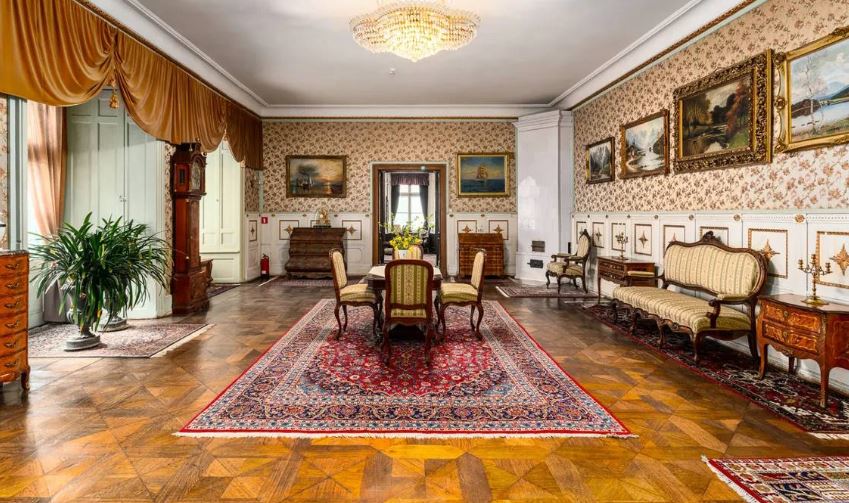
The total incidence of mental illness in the population is greater during those periods in the national economy which support the expense of mental health census-taking than during economic periods than do not support such surveys. The greater the number of psychiatrists, psychologists, and other trained mental health experts in the population, the higher the incidence of mental illness. The essential case-finding orientation of public health surveys is such as to encourage applications of a liberal rather than a conservative definition of illness; and, with emphasis on the goal of finding all cases showing even the slightest extent of pathology, there is an accompanying increase in the number of false positives, persons erroneously labeled ill. By contrast, when the population is not surveyed, and when health statistics are based purely on cases brought to formal diagnosis by hospital, clinic, or physician, we have a gnawing awareness of the existence of a large number of false negatives, persons whose actual pathology has escaped the gross dragnet of society’s diagnostic institutions. In this light, we can think of cultures (or subcultures) as being of a “false positive” or “false negative” type or, perhaps more accurately, as having false positive or false negative periods. The liberally oriented economically expansionist, welfare state will be a false positive culture, id est, borderline cases will tend to be systematically labeled sick. The reactionary, economically retrenching, laissez-faire society will provide a false negative culture, id est, borderline cases will tend to be systematically labeled not sick. In this context, “borderline” cases are by definition those that are of very mild or minor pathology, if any, and that are not reliably (unanimously) diagnosed by independent clinicians. #RandolphHarris 13 of 18

This view of the case-finding process suggests the joint operation of two powerful and not necessarily independent factors in the definition of mental illness: the economy of the culture and the value system of the culture, the latter variously interiorized and individualized by the personnel who conducts surveys. In recent years experts representing those of the social sciences most directly concerned with problems of mental health and social welfare have been meeting to wrestle with the issues of theory and method arising in a newly evolving area of research, the area of social psychiatry. When these experts addressed themselves to the problem of “Definition of a Case for Purpose of Research in Social Psychiatry,” they generated a spectrum of suggestion ranging from denial of the existence of any good, workable criteria by which to define cases, to proposal of the highly workable, but grossly restrictive criterion of persons-who-confront-psychiatrist. Falling between these extremes were abstract criteria for defining mental health or measuring mental illness; they were abstract in the sense that the concrete procedures for application of the criteria were usually not specified. Here are a few examples: A two-dimensional criterion in which adjustment is expressed in 1) method of problem management and 2) need-free perception. On the first dimension, maladjustment is expressed by failure to face problems, failure to consider alternative solutions, failure to select an alternative, or finally, failure to implement the decision with action. On the second dimension, maladjustment is expressed by failure of the individual to perceive accurately those aspects of one’s environment with respect to which one has strong needs, failure to hold one’s perception undistorted by one’s needs. #RandolphHarris 14 of 18

A tripartite criterion composed of 1) absence of the urgency to take action (felt by the individual, by society, or both) which characterized major disorder; 2) social agreement between therapist and patient, a sharing of the same values; and 3) a goal of maximization of the patient’s potential (contrasting with restoration to “reasonable adjustment” as a goal in major abnormality). A criterion statement indicating that the areas of appraisal should be the person’s 1) physical health or illness, and adjustment to it; 2) intrapersonal functioning; 3) interpersonal functioning; 4) relationship to one’s value system; and that the mode of appraisal should combine 1) clinical judgment; 2) community option; and 3) the person’s own evaluation of one’s status. A symptom-based criterion in which inefficiency, nonproductivity, and social or moral conflict are emphasized; however, detection of such functional impairment in any of a variety of possibly “pathogenic situations” is seen as appropriately shared by physician, educator, employer, clergyman. A criterion based on the network of the individual’s interpersonal relationships, the kind of relationship one has to all persona important to one. Of course, as it almost certain to happen whenever a group directs its attention to the problem of specifying what is to constitute the unit of observation in a research into an essentially social phenomenon, there was at least one voice raised in protest, denying that it is necessary to describe a phenomenon reliably before one attempts to study the relation it holds to other variables. To a point, this protest is supportable; but if a circumscribed phenomenon to be studied is not defined with reasonable precision, then at least the operations of the research process must be concretely explicated. #RandolphHarris 15 of 18
The existence of various values is implicit in the above general criteria of mental illness or maladjustment. In considering the possible dangers of self-analysis the essential problem is whether it involves a risk of definite harm to the individual. By endeavouring on this adventure singlehanded does one not conjure up hidden forces with which one is unable to cope? If one recognizes a crucial unconscious conflict, without yet seeing a way out, are there not aroused in one such deep feelings of anxiety and helplessness that one might succumb to a depression or even consider suicide? Transitory impairments are bound to occur in every analysis, because any reaching down to repressed material must stir up anxiety previously allayed by defensive measures. Likewise, it must bring to the foreground affects of anger and rage otherwise shut off from awareness. This shock effect is so strong not because the analysis has led to the recognition of some intolerably bad or vicious trend, but because it has shaken an equilibrium which, though precarious, had prevented the individual from feeling lost in the chaos of diverging drives. When a patient meets such a disturbance during the analytical process one may simply feel profoundly perturbed or one may have recurrences of old symptoms. Naturally, then, one feels discouraged. These setbacks are usually overcome after a short while. As soon as the new insight is really integrated, they vanish and give way to those well-founded feelings of having taken a sept ahead. They represent the shocks and pains unavoidably involved in a reorientation of life, and are implicit in any constructive process. #RandolphHarris 16 of 18
It is at these periods of inner upheaval that the patient would particularly miss the helping hand of an analyst. However, we are taking it for granted that the whole process is easier with competent help. Here we are concerned with the possibility that the individual might not be able to overcome these upsets alone and thus be permanently impaired. Or that when one feels one’s foundations shaken one might so something desperate, such as driving or gambling recklessly, jeopardizing one’s position, or attempting suicide. However, the will of the believer “willing” physical death gives the Adversary power of death over that one, and no believer should yield to a “desire to die” until one knows beyond question that God has released one from further service to His people. That a believer is “ready to die” is a very small matter; one must also be ready to live, until one is sure that one’s lifework is finished. God does not harvest His corn until it is ripe, and His redeemed children should be “garnered as a shock of corn it its season. The end of history is always present to us, cutting into our temporal existence and elevating it to the eternal. We live in two orders, the historical and the eternal, and, although they are not identical, they are within each other, for the eternal order reveals itself in the historical order. In opposition to a supranaturalistic eternity with eternal places and being, it holds that the transcendent cannot be expressed in terms of being but only in terms of meaning, for if any present has meaning it has eternity. Eternal Life, the ever-present end of history, includes the positive content of history, liberated from its negative distortions and filled in its potentiality. Eternal Life, then, has two characteristics: unification and purification. #RandolphHarris 17 of 18

Unification means that the dispersed embodiments of meaning in historical activities and institutions have an invisible, supra-historical unity, that they belong to an ultimate meaning of which they are radiations. And purification means that the ambiguous emobidement of meaning in historical realities, social, and personal, is related to an ultimate meaning in which the ambiguity, the mixture of meaning, and distortion of meaning, is overcome by an unambiguous, pure embodiment of meaning. There is something immovable, unchangeable, unshakeable, eternal, which becomes manifest in our passing and in the crumbling of our World. Truth is the kind of error without which a particular kind of living creature could not live. The value for life is ultimately decisive. It is improbable that our “knowledge” should reach farther than it must extend for the preservation of life. Morphology shows us how the sense and the nerves, as well as the brainin proportion to the difficulty of finding nourishment. Would we bear the American flag symbol of freedom into a World where humans are still in servitude? Then from our shackles we must first emancipate ourselves, from ignorance and blinding hate, and set our souls free. I pledge allegiance to the flag of the United States of America, and to the republic, for which it stands, one nation under God, with liberty and justice for all. Charity is Godly. This holiday season, please show your appreciate to the Sacramento Fire Department and make a donation. They have been proudly serving the community since 1851. #RandolphHarris 18 of 18
Winchester Mystery House
People in the late nineteenth century often remarked on how much manners had improved in the past fifty years. Perhaps because the new middle class was just establishing its gentility, that outdid by far the real gentry of the early nineteenth century. When Sarah L. Winchester had guests for dinner a Victorian dinner, they found small menus on the table describing the food they would be served. Servant set and removed a plate for every course, and no one used fingers to touch the food. There were special forks and ladles and knives for every conceivable food: oyster ladles and forks; tomato servers; fish knives and forks; cake knives and servers and forks; different spoons for clear soup, for cream soup, for dessert, for fruit, for breakfast coffee, for dinner coffee, and for tea. The volume and variety of sliver-plated flatware and hollowware would baffle any modern dinner. However, to the Victorian, knowing the code of the correct fork was all-important proof of gentility and all that separated the “right” people from labourers, immigrants, and vagabonds. No one at dinner passed food or served one’s neighbour. Mrs. Winchester’s dinner consisted of “Russian service,” where each course was served by gloved servants who brought each guest measured portions on a plate as in a modern restaurant.

The difference between servant and served was so important because the roles could be revered by a simple change in fortune. The host was in complete control of the guests’ meal by predetermining the order of the courses and the quantity of the food. After dinner, the ladies retired to the drawing room, and the men tarried over their cigars and port. The little doors in the sideboard held places for wine and linens. What is so amazing about Victorian table manner is how successful they were. We may no longer use all the cutlery, but we have internalized their whole system of suppressing bodily functions and being proper. In the early nineteenth century, diners still had to be reminded not to blow their noses on the tablecloth, not to spit food back into serving dishes, not to pick their teeth with their knives, and not to urinate in front of ladies. By the late nineteenth century, etiquette books no longer had to give that kind of advice because it was assumed that people knew enough to control themselves in public. The self-contained, modern, discreet person was invented in the late nineteenth century as a reaction to the loss of control inherent in modern, anonymous city life. The noteworthy element is not how quaint the Victorians were or how different, but how much more like us they are than any other people before them.

For further information about tours, including group tours, weddings, school events, birthday party packages, facility rentals, and special events please visit the website: https://winchestermysteryhouse.com/
Please visit the online giftshop, and purchase a gift for friends and relatives as well as a special memento of the Winchester Mystery House. A variety of souvenirs and gifts are available to purchase. https://shopwinchestermysteryhouse.com/

Nothing but Ruthless Honesty with Oneself is Helpful
Even though the Wild, Wild, West has been tamed, it is believed that it still presents a picture of moral bankruptcy to the “New World.” We preached Christianity to people, while we were taking them for slaves and treating them as if they were not worthy of life, liberty, justice, freedom, and the pursuit of happiness; now we preach spirituality, morality, virtue, chastity, faith in God, and autonomy, while our effective values (and it is part of our system of “doublethink” that we also orate them) are money and consumption. Unless we experience an authentic renaissance of our professed values, we shall only create antagonism in those whom we have held in contempt. Only a drastic change in our attitude towards other cultures and countries can do away with their deep suspicious of our motives and of our sincerity. In addition to this psychological factor is the economic one. If the new countries must achieve industrialization without considerable American financial aid, they may choose the way of China and practice complete control over and utilization of their “human capital.” However, if they were to recover economic aid from the West, they are likely to prefer a more humane and democratic way. Some of the new leaders may be bought; but thpe will be exceptions. The majority will go ahead, attempting to further the development of their peoples. Their attitude toward the West will depend mostly on ourselves, on our capacity to break entirely with our colonialist past, psychologically, and on the economic and technical aide we are willing to give them freely without trying to force them into political alliance with us. #RandolphHarris 1 of 24

Will these countries then become democratic, “free” countries? It is most unfortunate that, the words “democracy” and “freedom” are used so much in a ritualistic sense and with a great deal of insincerity. Many of our “freedom-loving” allies are dictatorships, and we seem to care little whether a country is a democracy or not, as long as it is a political and military ally against the Communist bloc. However, aside from this opportunistic insincerity, we also take a shallow and superficial view of democracy. The political concept of democracy and freedom has developed during several hundreds of years of European history. It is the result of the victory against monarchical autocracy, achieved by the great revolutions in England and France. The essence of this concept is that no irresponsible monarch has the right to decide the fate of the people, but only the people themselves; its aim is “government of the people, by the people, for the people.” However, democracy was not born in one day. Throughout most of the nineteenth century, as in England for example, the right to vote was restricted to those who owned property; while in the United States of America even today there are a considerable number of marginalized groups who are practically disenfranchised. Yet on the whole, with the economic and social development of the last hundred and sixty years, universal suffrage has been generally accepted in most of the Western countries. A system that permits free and unrestricted political activities and truly free elections is the most desirable one, even if it has its shortcomings. However, this is only one aspect of democracy. #RandolphHarris 2 of 24
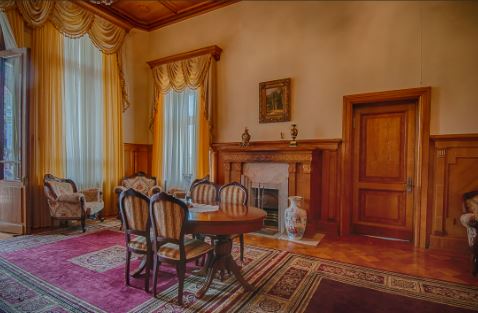
Democracy cannot easily be transferred to different social systems, which have no middle class, a small degree of literacy, or are ruled by small minorities unwilling to give up their privileges. If we are truly concerned with the role of the individual in society, we must transcend the exclusive concept of free elections and a multiparty system and look at the problem of democracy in several dimensions. The democratic character of a system can be judged only by looking at it from all aspects, of which the following four are the most important ones: Political democracy in the Western sense: a multiparty system and free elections (provided they are real, and not shame). An atmosphere of personal freedom. By this I mean a situation in which the individual can feel free to voice any opinion (including one critical of the government), without fear of any reprisals. It is clear that the degree of this personal freedom can vary. There can be, for instance, sanctions which pertain to a person’s economic position but which do not threaten one’s personal freedom. There is a difference between the plain terror that existed under Mr. Stalin and the police atmosphere under Mr. Khrushchev. However, though even the latter is greatly preferable to Mr. Stalin’s terror, it does not constitute an atmosphere of personal freedom even in a restricted sense. However, according to all reports, Poland and Yugoslavia, even though they are not democracies in terms of the first criterion, are societies in which personal freedom exists. This second aspect of democracy is so important because the possibility of living, thinking, speaking without fear of reprisal is of fundamental significance for the development of free humans, even if they are not permitted to translate their views into political action. #RandolphHarris 3 of 24

An entirely different aspect of democracy is the economic one. If one wants to judge the role of the individual in any given country, one cannot do so without examining for whose benefit the economic system works. If a system works mainly for the benefit of a small upper class, what is the use of free elections for the majority? Or rather, how can there be any authentically free election in a country which has such an economic system? Democracy is only possible in an economic system that works for the vast majority of the population. Here too, of course, are many variations. On the one extreme are systems where 90 percent or more of the population do not share in economic progress of the country (as is the case in many of the Latin American countries); on the other end are systems, like those of the United States of America and Great Britian, where, in spite of considerable inequality, there is a tendency toward increasing the equalization of economic benefits. What matters is that the democratic character of a country cannot be judged without taking into account the fundamental economic situation. Eventually there is a social criterion of democracy, namely the role of the individual in one’s work situation, and in the concrete decision of one’s daily life. Does a system tend to turn people into conforming automatons, or does it tend to increase their individual activity, and responsibility? Does it tend to centralize power and to decentralize power and decision-making, and thus secure democracy against the danger of dictators who by conquering the opposition ipso facto conquer the whole? #RandolphHarris 4 of 24

Here again, there are many variations, and it is particularly important to examine not only the social role of the individual at a given moment, but the general trend within the system. Is it furthering or hindering individual development, responsibility, and decentralization? If we are really concerned with democracy, we must be concerned with the chances a given system affords an individual to become a free, independent, and responsible participant in the life of one’s society. The full development of democracy depends on the presence of all four requirements mentioned above: political freedom, personal freedom, economic democracy, and social democracy. Only if we take in account all four criteria, and then form an over-all judgment of the quality and the degree of democracy to be found in any given system can we judge the democratic character of any country. Our present method of paying attention only to the first criterion is unrealistic and will help only to defeat our Worldwide propaganda for freedom and democracy. If we apply these criteria concretely, we will find, for example, that the United States of America (and Great Britain) satisfy the criteria of political democracy, personal freedom (less than completely in the United States of America after the First World War and during the McCarthy period), and economic democracy. However, the active role of the individual is losing its importance with increasing bureaucratization. China on the other hand, has some political and personal freedom, and does foster some individual freedom, which allows it to have an economy geared to the welfare of the large majority. Yugoslavia does not have a multiparty system, but it has personal freedom, an economy which serves the majority, and it tends to encourage individual initiative and responsibility. #RandolphHarris 5 of 24

Returning to the “New World,” it is clear that many countries do not have the necessary pre-condition for a full-fledged democracy that satisfies all four of our criteria. Beyond that, the construction of state-directed economy may make a full democracy impossible in a number of countries for quite some time. However, provided criteria 2, 3, and 4 are present and developing, the absence of criterion 1—of free elections and a multiparty system—is not all that matters. If a society permits personal freedom, fosters economic justice, and encourages the expression of individua activity in economic and social life, I should think it can be called democratic, certainly with much more justification than states that are dominated economically by a minority, but that presents a façade of political democracy. If we are truly concerned with the individual, we must stop thinking in cliches, and instead evaluate each country, including our own, from the standpoint of this multi-dimensional concept of democracy. For a full-fledged democracy to be possible, several conditions are necessary. First of all, noncorrupt governments. A corrupt government morally undermines the whole citizenry from top to bottom, paralyzes initiative and hope, and makes planning and the use of outside economic aid more or less impossible. In addition, planning is necessary primarily to use economic resources as adequately as possible. However, it must also be added that planning and an honest government produce perhaps the most stimulating psychological reaction as far as the unfolding of human energy is concerned: hope. Hope and hopelessness are not primarily individual psychological factors; they are mainly created by the social situation of a country. If people have reasons to believe that they are marching toward a better future, they can move mountains. If they have no hope, they will stagnate and waste their energy. #RandolphHarris 6 of 24

The concepts of biophilia and necrophilia are related to and yet different from Dr. Freud’s life instinct and death instinct. They are also related to another important concept of Dr. Freud’s which is part of his earlier libido theory, that of the “anal libido” and the “anal character.” Dr. Freud published one of his most fundamental discoveries in his paper Character and Anal Eroticism (Charakter und Analerotik), in 1909. He wrote: “The people I am about to described are noteworthy for a regular combination of the three following characteristics. They are especially orderly, parsimonious and obstinate. Each of these words actually covers a small group or series of interrelated character-traits. “Orderly” covers the notion of bodily cleanliness, as well as of conscientiousness in carrying out small duties and trustworthiness. Its opposite would be “untidy” and “neglectful.” Parsimony may appear in the exaggerated form of avarice; and obstinacy can go over into defiance, to which rage and revengefulness are easily joined. The two latter qualities—parsimony and obstinacy—are liked with each other more closely than they are with the first—with orderliness. They are, also, the more constant element of the whole complex. Yet is seems to me incontestable that all three in some way belong together.” Dr. Freud then proceeded to suggest “that these character traits or orderliness, parsimony, and obstinacy, which are often prominent in people who were formerly anal erotics, are to be regarded as the first and most constant results of the sublimation of anal eroticism.” Dr. Freud, and later other psychoanalysts, showed that other forms of parsimony do not refer to feces but to money, dirt, property, and to the possession of unusable material. #RandolphHarris 7 of 24

It was also pointed out that the anal character often showed traits of sadism and destructiveness. Psychoanalytic research has demonstrated the validity of Dr. Freud’s discovery with ample clinical evidence. There is, however, a different of opinion about the theoretical explanation for the phenomenon of the “anal character,” or the “hoarding character,” as I have called it. Dr. Freud, in line with his libido theory, assumed that the energy supplying the anal libido and its sublimation, was related to an erogenous zone (in this case the anus), and that because of constitutional factors together with individual experiences in the process of toilet training, this anal libido remains stronger than is the case in the average person. I different from Dr. Freud’s view inasmuch as I do not see sufficient evidence to assume that the anal libido, as one partial drive of the sexual libido, is the dynamic basis for the development of the anal character. My own experience in the study of the anal character has led me to believe that we deal here with persons who have a deep interest in and affinity to feces as part of their general affinity to all that is not alive. The feces are the product which is finally eliminated by the body, being of no further use to it. The anal character is attracted by feces as one is attracted by everything which is useless for life, such as dirt, useless things, property merely as possession and not as the means for production and consumption. As cases for the development of this attraction to what is not alive, there is still much to be studies. We have reason to assume that aside from the constitutional factors, the character of the parents, and especially that of the mother, is an important factor. #RandolphHarris 8 of 24

The mother who insists on strict toilet training and who shows an undue interest in the child’s processes of evacuation, et cetera, is a woman with a strong anal character, that is, a strong interest in that which is unalive and dead, and she will after the child in the same direction. At the same time she will also lack joy in life; she will not be stimulating, but deadening. Often her anxiety will contribute toward making the child afraid of life and attracted to that which is unalive. In other words, it is not the toilet training as such, with its effects on the anal libido, which leads to the formation of an anal character, but the character of the mother who, by her fear or hate of life, directs interest to the process of evacuation and in many other ways moulds the child’s energies in the direction of a passion for possessing and hoarding. It can be easily seen from this description that the anal character in Dr. Freud’s sense and the necrophilous character as it was descried in the foregoing paragraphs, show great similarities. In fact, they are qualitatively alike in their interest in and affinity with the unalive and the dead. They are different only with regard to the intensity of this affinity. I consider the necrophilous character as being the malignant form of the character structure of which Dr. Freud’s “anal character” is the benign form. This implies that there is no sharply defined borderline between the anal and the necrophilous characters, and that many times it will be difficult to determine whether one is dealing with the one or the other. #RandolphHarris 9 of 24

There experience indicating that self-analysis is possible. However, it helps when people have been analyzed before they venture on the self-analysis. If this is the case, people will be familiar with the method of approach and will know from experience that in analysis nothing short of ruthless honesty with oneself is helpful. Whether and to what extent self-analysis is possible without such previous experience must be left an open question. There is, however, the encouraging fact that many people gain an accurate insight into their problems before coming for treatment. These insights are insufficient, to be sure, but the fact remains that they were acquired without previous analytical experience. A patient may undertake self-analysis during the longer intervals that occur in most analyses: holidays, absences from the city, for professional or personal reasons, various other interruptions. A person who lives outside the few cities in which there are competent analysts may attempt to carry the main work by oneself and see an analyst only for occasional checkups; the same would hold for those who live in a city in which there are analysts but for financial reasons cannot afford regular treatments. And it may be possible for a person whose analysis has been prematurely ended to carry on by oneself. Finally—and this without a question mark—self-analysis may be feasible without outside analytical help. However, granted that within limitations it is possible to analyze oneself, is it desirable? Is not analysis too dangerous a tool to use without the guidance of a competent person? Did not Dr. Freud compare analysis with surgery—though adding that people do not die because of a wrong application of analysis as they might from an operation badly handled? #RandolphHarris 10 of 24

There are some dangers in self-analysis. Many people will think that it might increase unwholesome introspection. The same objection has been raised, and is still being raised, against any type of analysis. The disapproval expressed in the apprehension that analysis might render a person more introspective seems to arise from the philosophy of life which grants no place to the individual or one’s individual feelings and strivings. What counts is that one fits into the environment, be of service to the community, and fulfill one’s duties. Hence whatever individual fears or desires one has should be controlled. Self-discipline is the uppermost virtue. To give much thought to oneself in any way is self-indulgence and “selfishness.” The best representatives of psychoanalysis, on the other hand, would emphasize not only the responsibility toward others but that toward oneself as well. Therefore they would not neglect to stress the inalienable rights of the individual to the pursuit of happiness, including one’s right to take seriously one’s development toward inner freedom and autonomy. Each individual must make one’s own decision as to the value of the two philosophies. If one decides for the former there is not much sense in arguing with one about analysis, because one is bound to feel it is not right that anyone should give so much though to oneself and one’s problems. One can merely reassure one that as a result of analysis the individual usually becomes less egocentric and more reliable in one’s human relationships; then at best one might concede that introspection may be a debatable means to a worthy end. #RandolphHarris 11 of 24

A person whose beliefs conform with the other philosophy could not possibly hold that introspection in itself is blameworthy. For one the recognition of self is as important as the recognition of other factors in the environment; to search for truth about self is as valuable as to search for truth in other areas of life. The only question that would concern one is whether introspection is constructive of futile. If it is used in the service of a wish to become a better, richer, and stronger human being—if it is a responsible endeavour of which the ultimate goal is self-recognition and change, I would say that it is constructive. If it is an end in itself, that is, if it is pursued merely out of indiscriminate interest in psychological connections—art for art’s sake—then it can easily degenerate into what is called “mania psychologia.” And if it consists merely of immersion in self-admiration or self-pity, dead-end ruminations about oneself, empty self-recrimination, it is equally futile. Therefore, would not self-analysis easily degenerate into just that type of aimless pondering? Judging from my experience with patients, I believe that this danger is not so general as one might be inclined to think. It appears safe to assume that only those would succumb to it who tend also in their work with an analyst to move constantly in blind alleys of this kind. Without guidance these persons would become lost in futile wanderings. However, even so, their attempts at self-analysis, while doomed to failure, could scarcely be harmful, because it is not the analysis that causes their ruminations. They pondered about their bellyache or their appearance, about wrong done by them or to them, or spun out elaborate and aimless “psychological explanations” before they ever came in touch with analysis. #RandolphHarris 12 of 24

By them analysis is used—or abused—as justification for continuing to move in their old circles: it provides the illusion that the circular movements are honest self-scrutiny. We should therefore reckon these attempts among the limitations rather than among the dangers of self-analysis. We must pause here, before we undertake any appraisal of the social import of these last figures, to question whether there are any differences between physical and mental illness that would make the estimation of the real or total incidence of psychiatric disorder in our population subject to sources of significant errors which do not occur in the estimation of physical ailment. There are such differences, and one of the most basic of them may be bridely illustrated. Influenza: “Clinically an acute, highly communicable disease, characterized by abrupt onset with fever which last 1 to 6 days, chills or chillness, aches and pains in the back and limbs, and prostration. Respiratory symptoms include coryza, sore throat and cough. Usually a self limited disease with recovery in 48 to 72 hours; influenza derives its importance from the complications that follow, especially pneumonia in those debilitated by advanced age, by other disease, or in young infants. Laboratory confirmation is by recovery of virus from throat washings or by demonstration of a significant rise in antibodies against a specific influenza virus in serums obtained during acute and convalescent stages of the disease. Measles: An acute highly communicable viral disease with prodromal stage characterized by catarrhal symptoms and Koplik spots on the buccal mucous membranes. A morbilliform rash appears on the third- or fourth-day affecting face, body and extremities, and sometimes ending in branny desquamation. Leucopenia is usual. #RandolphHarris 13 of 24

Acute Lobar Pneumonia: An acute bacterial infection characterized by sudden onset with chill followed by fever, often pain in the chest, usually a productive cough, dyspnea, and leukocytosis. Roentgen-ray examination may disclose pulmonary lesions prior to other evidence of consolidation. Not infrequently pneumococcal pneumonia is bronchial rather than lobar, especially in children, with vomiting and convulsions often the first manifestations. Laboratory confirmation is by bacteriological examination of sputum or discharges of the respiratory tract. A rise in antibody titer between acute-phase and convalescent-phase serums is useful in problem cases, and culture of the blood in severe infections. Some definitions of psychological disorder: Neurosis (Psychoneurosis): The psychoneuroses comprise a relatively benign group of personality disturbances which are often described as being intermediate, or as forming a connecting link, between the various adaptive devices unconsciously utilized by the average mind on the one hand and the extreme, often disorganizing, methods observed in the psychotic on the other. The term psychoneurosis has…two connotations. In the first and historical connotation the meaning of psychoneurosis is purely descriptive. It is a term referring to conditions characterized by certain mental and physical symptoms and signs, occurring in various combinations…None of these are dependent on the existence of any discoverable physical disease. Another connotation, more fundamental, since it is an aetiologia one…is to the effect that the existence of psychoneurotic reaction is an indication of mental conflict. Neurotic reactions are the commonest modes of faulty response to the stresses of life, and especially to those inner tensions that come about from confused and unsatisfactory relations with other people. #RandolphHarris 14 of 24

Clinically, a psychoneurosis implies either a bodily disturbance without a structural lesion, and dependent in a way unknown to the patient on mental causes; or a mental disturbance, not the result of bodily disease, in the form usually of morbid fears of many different kinds, or episodic disturbed mental states such as losses of memory and trances, or persistent troublesome thoughts, or acts which the patient feels compelled to do—all of which the patient realizes to be abnormal and the meaning of which one is at a loss to understand. The psychoneuroses are mild or minor mental reactions which represent attempts to find satisfaction in life situation rendered unsatisfactory by faulty attitudes or by faulty emotional development. These attempts are manifested by various physiologic reactions, complaints of bodily discomfort, or recurrent mental trends recognized by the patient as being faulty or unusual. Practically, they are somewhat artificially divided into various etiologic entities. The etiology varies in individual cases but they all have in common the inability to meet life situations, and all of them resort to substitution efforts or symbolic gratification of urges not recognized by nor accepted by the individual. All neurotic phenomena are based on insufficiencies of the normal control apparatus. They can be understood as involuntary emergency discharges that supplant the normal ones. The insufficiency can be brought about in two ways. One way is through an increase in the influx of stimuli: too much excitation enters the mental apparatus in a given unit of time and cannot be mastered; such experiences are called traumatic. #RandolphHarris 15 of 24

The other way is through a previous blocking or decrease of discharge which has produced a damming up of tension within the organism so that normal excitations now operate relatively like traumatic ones. These two possible ways are not mutually exclusive. A trauma may initiate an ensuing blocking of discharge; and a primary blocking, by creating a state of being dammed up, may cause subsequent average stimuli to have a traumatic effect. Phytopathology implies that follow situation of stress, the individual manifests suffering, symptoms, impaired efficiency, lessened ability for enjoyment, lack of adequate insight. In all neurotic manifestations, the patient’s vital needs are involved as well as one’s evaluation of oneself (self-esteem), of other individuals (security feelings), and of the situation with which one has to cope. Thus, one can say that in neurotic manifestations, the patient’s whole personality and whole body are involved. The chief characteristic of these disorders [psychoneurotic] is “anxiety” which may be directly felt and expressed or which may be unconsciously and automatically controlled by the utilization of various psychological defense mechanisms (repression, conversion, displacement, and others). In contrast to those with psychoses, patients with psychoneurotic disorders do not exhibit gross distortion of falsification of external reality (delusions, hallucinations, illusions) and they do not present gross disorganizations of personality. #RamdolphHarris 16 of 24

The chief characteristic of these disorders [psychoneurotic] is “anxiety” which may be directly felt and expressed or which may be unconsciously and automatically controlled by the utilization of various psychological defense mechanisms (repression, conversation, displacement, and others). In contrast to those with psychoses, patients with psychoneurotic disorders do not exhibit gross distortion or falsification of external reality (delusions, hallucinations, illusions) and they do not present gross disorganizations of personality. Anxiety in psychoneurotic disorders is a danger signal felt and perceived by the conscious portion of the personality (exempli gratia, by super-charged repressed emotions, including such aggressive impulses as hostility and resentment) with or without stimulation from such eternal situations as loss of love, loss of prestige, or threat of injury. The various ways in which the patient attempts to hurdle this anxiety results in the various types of reactions. A single perusal of these two samples of definitions, one of physical illnesses and one of psychological illnesses, suffices to illustrate crucial differences. In essence, the differences are in the specificity of symptoms, their locus, order of presentation, precise physical appearance, and course. In these matters the definitions of physical illnesses tend to be explicit, precise, and circumscribed. By contrast, the definitions of mental illness tend to suffer from implicitness, ambiguity and non-restrictiveness. (It is this difference in precision at the basic level of description of the phenomena which contributes heavily to separation of the so-called exact sciences from other “sciences.”) #RandolphHarris 17 of 24

The sample definitions also suggest that the physical diseases are in some instances objectively diagnosable by the utilization of exact laboratory procedures that can confirm or refute a clinical diagnosis; such laboratory or “test” procedures have not yet been developed to an equal level of precision for psychological illness. The laboratory procedures and diagnostic tests of clinical medicine must be evaluated by expert “readers,” and judgements of the pathology or normality of X rays, electrocardiograms, and other tests are not without error. However, quite aside from the contribution of such laboratory tests, description of the clinical symptoms of recognized physical maladies has a specificity that makes the diagnosis of most such illnesses a less arbitrary process than holds for psychological disorders. The taking of an accurate census of mental illness involves directly the question of the reliability or accuracy of diagnosis. The accuracy of diagnosis can be viewed in the form of two queries: Of the true number of cases of a given illness in a population how many detected (assuming the complete population is surveyed with existing diagnostic techniques)? Of a given sample composed of both ill and well persons respectively, how many of the total sample would be jointly diagnosed correctly (either “sick” or “well”) by two or more diagnosticians? The most critical phase of the diagnostic process involves the differentiation between adjustment or normality and mildest maladjustment as defined in the conceptually abstruse terms exemplified above. This might appear to be a more difficult takes than that of differentiating among the various forms of mental illness in a sample composed exclusively of patients. #RandolphHarris 18 of 24

In the latter instance, the somewhat more detailed and specific accounts of symptomatology would appear to facilitate diagnosis by type. We might expect the reliability of “screening” diagnoses to be something less than that of differential diagnosis. Investigations of the reliability of differential psychiatric diagnoses are few: they indicate that agreement among psychiatrists making specific independent diagnoses of heterogenous samples of psychiatric patients ranges from 20 to 50 percent. These figures hardly encourage great confidence in the reliability with which neurosis id detectable: our confidence is not enhanced with the further note that least agreement is obtained in differentiating among the types of milder functional disorder. Pertinent also is the observation that the rate of “false positive” cases among hospitalized patients is negligible. It is not beyond the realm of possibility that social process could lead (and has led) to the inappropriate hospitalization of persons who in point of fact were mental sound. However, the usual procedures required for hospitalization guard against the occurrence of such misdiagnosis. Yet, with corruption and political agendas, anything is possible. Typically, we are secure in our usual procedure of assuming the populations of our state and other mental hospitals are comprised totally of valid cases. Though this is a reasonable assumption about cases at the time of admission, a careful review of chronic patients suggests that a significant number are retained in hospitals primarily because they do not have relatives willing to help them or provide for their return to the community. Some patients are also dumped in mental hospitals by families that want to get rid of them without killing them. #RandolphHarris 19 of 24

Recognizing diagnosis as a two-edged sword, we should not be unmindful that in our customary approach to mental illness statistics we are assuming perfect screening diagnosis. Now consider the problem before a diagnostic team charged with surveying an entire urban or rural community to determine the number of inhabitants suffering from any form of mental illness, including those so-called “minor” psychoneurotic disorders which are grouped under the loosely conceived and abstractly stated definitions given above. This becomes the problem of determining whether or not each individual studied has mental conflicts, inner tensions, unsatisfactory relationships to other people, faulty attitudes, symbolic gratification of urges, or any of the other, grosser and patent evidences of major mental illness. Ideally this determination should be made through application of reasonably operational definitions or rules of description of the above concepts, so that a second survey team working independently and reviewing the same population would identify the same individuals as respectively “sick” or “healthy.” In such a survey the critical problem is to avoid false negatives, to hold to a minimum the numbers of those individuals who are mislabeled “health.” In essence, this is the problem of a reverse approach to diagnosis: we may define as mentally ill any person who does not have perfect mental health and we may define perfect mental health in terms of such rigorous standards that it is a condition notable for tis absence rather than its presence in a majority of the population at any given time. #RandolphHarris 20 of 24

One might ask what is wrong with a diagnostic philosophy which implies mental health as a goal for the nation. There is nothing wrong with such a philosophy or such a goal. As applied methodology in public health surveys, however, it could have the undesirable effect of generating statistics that were overwhelming or misleading or both. The hard facts concerning unarguably diagnosed and hospitalized patients are sufficient to communicate the urgency and magnitude of the problem of mental illness and to arouse the public to recognition of the need for monies to support attacks on the problem from all fronts—research, prevention, and care. These same facts are adequate to orient the professions of psychiatry, psychology and social work to the realistic challenges that exists here and now—to the job of discovery in areas of etiology, prophylaxis, and treatment that must be done before notions of an unconflicted, tensionless society can be more than a utopian fantasy. There is a subtle danger in the extrapolated statistic and the premature application of “reverse diagnosis”: the resulting “real” case load can generate attitudes antithetical to scientific endeavour—attitudes either of hopelessness or heroism. Psychological derivation of our belief in reason—the concept of “reality,” “being,” is drawn from our “subject”—feeling. “Subject”: interpreted from out of ourselves, so that the “I” counts as substance, as the cause of all doings, as doer. The logic-metaphysical postulates—the belief in substance, accident, attribute, et cetera—gets its force of conviction from our being accustomed to regard all our actions as following from our will: so that the I, as substance, does not vanish in the manifold of change. –But there is no will. #RandolphHarris 21 of 24

We have no categories at all allowing us to distinguish a “World in itself” from a “World as appearance.” All our categories of reason are of sensuous origin, read off of the empirical World. “The soul,” “the I”—the history of our concepts shows that here, too, the oldest distinction (“breath,” “life”). If there is nothing material, either is there anything immaterial. The concept no longer contains anything. No subject-“atom”: the sphere of a subject constantly increasing or decreasing, the midpoint of a system constantly adjusting itself; in the case where it cannot organize the mass it has acquired, it breaks in two. On the other hand, it can refashion a weaker subject into its functionary without destroying it and, to a certain degree, form a new unity with it. No “substance,” but rather something that in itself stives for enhancement; and which only indirectly wants to “preserve” itself (it wants to surpass itself–). The ultimate negative is a murderer. The ultimate negative as the Prince of Death watches every occasion to take the life of servants of the ultimate concern—if in any wise it can get them to fulfill conditions which enable it to do so: b their willful insistence on going into danger through visions of supernatural guidance, drawing them into actions which enable it to work behind the law of nature for destroying their lives. That is what the ultimate negative tried to do with Christ in the wilderness temptation. Therefore, one must recognize the Tempter and the Murderer. One must know that one’s life will end for swaying to the temptations of the ultimate negative. The Deceiver will not propose anything righteous, however apparently innocent or seemingly for the glory of the ultimate concern’s glory, unless some great scheme for its own ends is deeply hidden in its proposition. #RandolphHarris 22 of 24

The ultimate concern now holds the keys of death and of Hades and one that hath the power of death, that is, the ultimate negative. The ultimate negative cannot exercise its power without permission. However, when the children of the ultimate concern, knowingly or unknowingly, fulfill the conditions which give the ultimate negative ground to attack their physical lives, the ultimate concern with the keys of death works according to law, and does not save them—unless by the weapon of prayer they enable God to interpose and give them victor over the law of death, as well as the law of sin through the law of the Spirit of the life in the ultimate concern. That is why, guilty or not, people in prisoned in the penal system pray and reform. The last enemy that shall be destroyed is death. Death is therefore an enemy—to be recognized as an enemy and to be resisted as an enemy. The believer may lawfully desire to depart and be with the ultimate concern, but ought never to desire death merely and an end of “trouble.” One should not let the lawful desire to be with the ultimate concern make one yield to death when one is needed for the service of the Church of the ultimate concern. To abide in the flesh is needful for you, therefore I know that I shall abide. Within World history the Kingdom of God is realized whenever political power is justly exercised, whenever constructive social growth occurs, whenever a healthy tension is maintained between temporal and eternal aspirations, and whenever the sacrifice of an individual lends to one’s own fulfilment. #RandolphHarris 23 of 24

However, the fragmentary nature of these victories raises the question of the non-fragmentary, total realization of the Kingdom of God, the question of the end of history. The word “end” can mean both “finish” and “aim.” It is the second meaning that poses the eschatological problem, not the cessation of clock time which is an event in the physical order. The last inner-historical day is the eschata so poetically depicted in apocalyptic literature, but it is the singular eschaton, the transhistorical goal of history, about which theology concerns itself. The end of history thus becomes an immediate existential problem, for the eternal goal of history underlies every moment of time. The eschaton symbolizes the “transition” from the temporal to the eternal, and this is a metaphour similar to that of the transition from the eternal, and this is a metaphour similar to that of the transition from the eternal to the temporal in the doctrine of the fall, and from existence to essence in the doctrine of salvation. To forestall needless confusion, it should be noted that the aim of history can symbolized by anyone of three symbols: the Kingdom of God, the Spiritual Presence, and Eternal Life. The only distinction is by degrees of connotation. The Kingdom of God connotes equally the inner-historical and the transhistorical fulfilment of history, while the Spiritual Presence Stresses the inner-historical, and Eternal Life stresses the transhistorical aspect. I pledge allegiance to the flag of the United States of America, and to the republic for which it stands, one nation, under God, indivisible with liberty and justice for all. Those whom Thou, O Lord, did free from exile’s endless night, who breathe again the pure, sweet air of freedom and of hope, they build once more on America’s hills, there, where their fathers dwelt. The Sacramento Fire Depart stands ready to safe the lives of millions. Please assist them by kindly making a donation to assure that they have the necessary resources. #RandolphHarris 24 of 24

The Decoration of the Parlor and the choice and arrangement of the furniture reflect the changing role of women in the nineteenth century. Women as the embodiment of purity and high moral virtue was a theme which nineteenth-century popular culture adopted with obsessive fervor. Before the middle of the century the image of a woman was what it had been since the Middle Ages. She was the daughter of Eve, the embodiment of wantonness. Before the Industrial Revolution, misogynic literature always pictured women as less than human beings, closer to animals, and less able to control their lust by exercise of their intellect or moral powers. By the 1880s, the myth of pure Victorian woman was fully formed, and the transformation of woman’s image was complete. Late nineteenth-century reformers wrote that women had no libido; that, in fact, it was replaced by a “maternal instinct,” and that women only concepted to pleasures of the flesh to procreate. Women were also said to be the kinder, gentler gender which higher moral standards and greater-self-control. Men were thought of as smarter and more competent but more lustful and “primitive” with less ability to control their passions.

From the Winchester Mansion, there comes an account of a man wheeling a barrow from the garden door to the front door of the house across the lawn. He is seen at night, and does nothing but wheel the barrow hither and tither. There are reports of ghosts sweeping up leaves, or tending to fires, or simply sitting in an accustomed chair. There are also many reports of dead 18th century villagers or townspeople being “seen” on the estate which they had cared for all their lives. In 1989, a caretaker saw an employee who had called in sick by the gate of the mansion. He entered the garden and walked up palm avenue to the carriage house and disappeared when he entered the house. The employee had recently been taken to hospital and, on the caretaker remarking to her manager that he seemed much better, she was informed the he had died that afternoon. These phenomena suggest that the memory of human form is held in the terrain itself. These wraiths may be images on a rotating spool. Or perhaps they are held in the atmosphere, as if in a solution.

On 31 October 1990, the residents of the neighbourhood were surprised by strange sights in the sky. Between one and two o’clock in the morning was heard by some the “howling of wolves.” But then, on the sudden…appeared in the sky were orbs and shadowy figures. So amazing and terrifying the poor people that they could not give credit to their ears and eyes; they ran inside of their houses, some calling the police. When police arrived, they determine the noise was coming from the movie theater and the orbs and shadows were simply projector lights used to attacked customers, which had been obscured by cloud cover. However, some people believed that ghosts were in Mrs. Winchester’s mansion celebrating, and they could be seen leaving.

For further information about tours, including group tours, weddings, school events, birthday party packages, facility rentals, and special events please visit the website: https://winchestermysteryhouse.com/

Please visit the online giftshop, and purchase a gift for friends and relatives as well as a special memento of the Winchester Mystery House. A variety of souvenirs and gifts are available to purchase. https://shopwinchestermysteryhouse.com/
What are the Fact and the Realistic Possibilities?
The Western powers, like the communists, talk in terms of choice between capitalism and communism. This alternative is almost the one thing the two camps agree on. The facts are, however, more complex. Capitalism in the middle of the twentieth century is not the capitalism of individual initiative, minimal state activity, et cetera, that it was in the nineteenth century. Both the Russian and the Chinese types of communism—different from the Marxist socialism they pretend to resemble. What are the facts and the realistic possibilities? First, we must recognize that the underdeveloped countries, in the long run, will not choose capitalism for both economic and psychological reasons. They cannot choose a system that was developed in Europe over several hundreds of years, in response to the particular historical conditions of that continent. These underdeveloped countries need a system which fulfills these conditions: first, economic power must be taken from the small cliques who use it only for their own interests and without regard for the needs of the majority of the population; second, the economy must follow a plan that allocates resources in the interest of, and for the optimal development of the entire economy. The cardinal point is that the alternative in the underdeveloped countries is precisely not that between capitalism and communism, an alternative which Russia, China and the Democratic party are fond of proposing, but that the alternative is which kind of socialism will they choose: the Russian state managerialism, the Chinese anti-individualistic communist, or a humanistic, democratic socialism, which attempts to combine the necessary minimum of bureaucratic centralization with the optimum of individual initiative, participation and responsibility. #RandolphHarris 1 of 19
If the West insist on the communist-capitalist alternative, if it allies itself with outmoded reactionary regimes which are doomed by history, then it will help Russian—or more likely China—to grain the leadership of two-thirds—and within a generation, almost four-fifths of the human race. The less affluent people of the World will believe that they must choose the way which is allowing China to develop at twice the rate of India, provided there is no other alternative. However, in spite of all China’s propaganda, there is plenty of evidence that the Chinese way of complete and ruthless regimentation is not what most of these people prefer. The wish for freedom and independence is not—as it is sometimes alleged—a relatively recent Western discovery; it is a deep-rooted need in the very existence of man, but it is not the only one. If it has to compete with hunger, fear, and hopelessness, most people—in the East and in the West—will be willing to sell out their desire for freedom. The question is whether such a choice can be avoided. Furthermore, even if millions of unaffluent people in all these countries have lived, thus far, under such abysmal conditions of hunger and hopelessness that at the moment they cannot be fully interested in freedom, this has less political significance than many people believe. The history of the underdeveloped countries is being made by relatively small groups of an educated, middle-class elite, who do appreciate the danger and the evils of totalitarianism. It is in fact quite remarkable how well India and other parts of Asia as well as of Latin America and Africa have stood up against the seduction of communism. However, if the necessary fundamental reforms are not made, it is also clear that the younger generation will become increasingly impatient. #RandolphHarris 2 of 19
It is thought by some that the only solution for the underdeveloped countries is democratic-socialist systems, adapted to the needs of each country, and varying accordingly just as Yugoslavia varies from India, is by no means a theoretical construction. The fact is that, as Mr. Barnett puts it, “Marxism has had a deep and widespread influence among intellectuals in many countries in the area [South and Southeast Asia]. Most of the leaders in South and Southeast Asia subscribe to ‘socialism’ of one kind or another. Many hope to create societies which can best be described as ‘socialism’ democracies,’ combining free and representative government with varying degrees of state economic planning. For the most part, they still look primarily to the West for their models, and they are attempting to adapt Western experience to their own needs, but few accept any specific Western model without qualification, and they have encountered great difficulties in attempting to transplant Western institutions in their countries. Many, while rejecting communism as a system of power, have felt that the Communists’ experience in Russia and China has considerable relevance to their own problems.” The problem is whether these leaders can eventually find a democratic-socialist pattern which will show achievements comparable to those of China, or whether they will have to accept the Communist solution which they would prefer to avoid. Their decision depends at least as much on the attitude of the West as it does on Communist propaganda. #RandolphHarris 3 of 19

So far, the West has been the most effective propagandist for the Communists, by insisting that the Communists, by insisting that the Communist are the true heirs of Marx, and that there is no alternative other than capitalism. The United States of America has made this error more than Europe, because Europe is at least familiar with democratic socialist ideas and parties, which up to 1960 have ruled at one time or another, since 1918, in Great Britain, France, Germany, Belgium, Italy, the Netherlands, Denmark, Norway, Sweden, and Iceland. In many of these countries the socialists were defeated in recent years because the conservative parties adopted part of the socialist program, and because the socialists themselves stagnated in the midst of plenty. However, it would be a serious mistake to believe that socialism in the underdeveloped countries is finished because it is at the moment on the defensive in the rich countries. In fact it may be considered one of the most important tasks of democratic socialism in the underdeveloped countries and to interpret it to the West. There is an objection to the idea suggested here which is serious enough to warrant immediate attention. This objection runs along the following lines: if it is the aim of the underdeveloped countries to achieve economic well-being within a few generations, if they want to build an industry of their own and provide the majority of their inhabitants with a standard of living that can at least be compared with the less affluent European countries, how can they do it except in the way China does: totalitarian organization, persuasion, and mass suggestion? #RandolphHarris 4 of 19

Are their leaders not forced to create a spirit of fanaticism and fear in order to sustain voluntary underconsumption and currency manipulation? This is not necessarily so. There is, of course, the problem of mobilizing the human energy to achieve a far higher economic productivity than these countries have now. The West officially claims that the hope of monetary gain is the most important way, and no doubt, this motive is effective within a certain frame of reference. (The Russians also agree—in practice.) However, there are other ways of mobilizing human energy. There is the Chinese way of total mobilization of brain, heart, and brawn by force and suggestion; and this way seems to work, although at the expense of fundamental human values. There is still another way, which democratic, humanist socialism offers: an appeal to the sense of self-respect, individual initiative, social responsibility, and pride of the individual. If such an appeal were merely ideological and fictious it would have no real and lasting effect. However, if it is based on the real possibilities the system offers for these qualities to develop; if furthermore, such an appeal is made in a system that has a plan and in which individual effort contributes to the progress of the society as a whole, then, I believe, that human energy can be mobilized to an extent comparable to totalitarian systems. Yugoslavia does not have a two-party system or elections in the Western sense, it has no political terror and its system furthers individual activity and responsibility and encourages decentralization. #RandolphHarris 5 of 19

Not only the psychic needs and desires of the broad masses matter, but also the character structure of the educated middle-class elite. What is their motivation? It is necessarily that of material wealth, the Western businessman’s motivation in the nineteenth, twentieth, and twenty-first centuries? If this is so, the only possible outcome can be that of corrupt government bureaucracies. For if it is wealth the leaders of underdeveloped countries are after, they will have to enrich themselves at the expense of the masses—possible only through deceit and oppression. However, there are many examples that wealth is by no means the only motivating force for the new elites, and, in fact, for some old ones. The governing groups in Yugoslavia and Egypt, the very top leadership in India, and the leadership in China, according to all reports, are not corrupt. (Their privileges are definitely limited, and not arrived at through theft and bribery.) What is apparently a strong motivation among these new leaders is a pride in their skill in administration and organization. In contrast to the traditional monetary motivation of the entrepreneur, the new elites are motivated by the same factors that motivate many professional men and women in our system: the satisfaction of applying an acquired skill and of obtaining useful results. We in the West often forget that satisfaction in workmanship, in the successful application of one’s skills, can be at least as strong an incentive as profit. In addition to the individual satisfaction rooted in skillful performance, the new elites need and often have another potent satisfaction—that of a sense of social obligation and solidarity with the broad masses of their respective countries. #RandolphHarris 6 of 19

This usually takes the form of national pride; whether we think of China, or of Egypt, or of any one of the newly awakened countries, they are led by men and women with a genuine national feeling, often bordering on an irrational nationalism. Professional and national pride, together with a sense of social justice and responsibility, may be said to be the most important motivations of the new leaders of many of the underdeveloped countries. From a psychological standpoint, these motivations are just as potent and as real as the desire for money and the lust for power; they are just as much a part of human nature as the latter ones. What matters is which kind of motivation a given society encourages and furthers, or, to put it differently, what kind of personality will rise to the top. The question arises whether the new elite is more prone to accept the Russian, the Chinese, or a democratic form of socialism. This is difficult to answer. However, one thing seems certain: which course the new elite will take depends on two factors, one psychological and one economic. These new leaders are proud and sensitive; they resent the treatment they have been given by the Western powers for more than a century. (The Russians leaders showed the same kind of sensitivity, especially before they had achieved their present success.) They have not forgotten the humiliation of the opium war, the slave trade, the American “banana policy,” and the American aid to Ukraine. They react in a perfectly normal way, being sensitive and even sometimes supersensitive and thus prone to take an aggressive anti-Western posture when the West continues to treat them with overt or slightly hidden arrogance. The tone of moral superiority toward the underdeveloped countries, which permeates many of our statements, serves only to create a deep antagonism toward the West, and to increase their tendency to unite with the Communist bloc. #RandolphHarris 7 of 19

Which are the conditions that are responsible for necrophilia? From the standpoint of Dr. Freud’s theory one must expect that the strength of the life and death instincts (respectively) remain constant, and that for the death instinct there is only the alternative of its being turned either outward or inward. Hence environmental factors can account only for the direction which the death instinct takes, not for its intensity. If, on the other hand, one follows the hypothesis presented here, one must ask this question: Which factors make for the development of the necrophilous and the biophilous orientations in general; and more specifically, for the greater or lesser intensity of the death-loving orientation in a given individual or group? The most important condition for the development of love of life in the child is for one to be with people who love life. Love of life is just as contagious as love of death. It communicates itself without words, explanations, and certainly without any preaching that one ought to love life. It is expressed in gestures more than ideas, in the tone of voice more than in words. It can be observed in the whole atmosphere of a person or group, rather than in the explicit principles and rules according to which they organize their lives. Among the specific conditions necessary for the development of biophilia, here are a few of the following ones: warm, affectionate contact with others during infancy; freedom, and absence of threats; teaching—by example rather than by preaching—of the principles conducive to inner harmony and strength; guidance in the “art of living”; stimulating influence of and response to others; a way of life that is genuinely interests. #RandolphHarris 8 of 19
The very opposite of these conditions furthers the development of necrophilia: growing up among death-loving people; lack of stimulation; fright; condition which make life routinized and uninteresting; mechanical order instead of one determined by direct and human relations among people. As to the social conditions for the development of biophilia, it is evident that they are the very conditions which promote the trends mentioned above with regard to individual development. It is possible, however, speculate further and include a fraction of these other factors. Perhaps the most obvious factor is that of a situation of abundance versus scarcity, both economically and psychologically. As long as most of man’s energy is taken up by the defense of one’s life against attacks, or to ward off starvation, love of life must be stunted, and necrophilia fostered. Another important social condition for the development of biophilia lies in the abolition of injustice. This refers to a social situation in which one social class exploits another, and imposes conditions on it which do not permit the unfolding of a rich and dignified life; or in other words, were one social class is not permitted to share with others in the same basic experience of living; in the last analysis, by injustice I refer to a social situation in which a human is not an end in oneself, but becomes a means for the ends of another human. Finally, a significant condition for the development of biophilia is freedom. However, “freedom from” political shackles is not a sufficient condition. If love for life is to develop, there must be freedom “to”; freedom to create and to construct, to wonder and to venture. Such freedom requires that the individual be active and responsible, not a slave or a well-fed cog in the machine. #RandolphHarris 9 of 19
Love of life will develop most in a society where there is: security in the sense that the basic material condition for a dignified life are not threatened, justice in the sense that nobody can be an end for the purposes of another, and freedom in the sense that each human has the possibility to be an active and responsible member of society. A point of particular importance is even a society in which security and justice are present might not be conducive to love of life if the creative self-activity of the individual is not furthered. It is not enough that humans are not slaves; if social conditions further the existence of automatons, the result will not be love, but love of death. Theoretically, Dr. Freud’s disbelief in a wish for self-development is linked up with his postulate that the “ego” is a weak agency tossed about among the claims of instinctual drive, of the outside World and of the forbidding conscience. Ultimately, however, I believe that the two formulations of analytical goals are expressions of different philosophical beliefs as to the nature of humans. The deepest source of a man’s or woman’s philosophy, the one that shapes and nourishes it, is faith or lack of faith in humankind. If one has confidence in human beings and believes , that something fine can be achieved through them, one will acquire ideas about life and about the World which are in harmony with one’s confidence. Lack of confidence will generate corresponding ideas. Dr. Freud recognized that some degree of self-analysis is possible, for he did also analyze his own dreams. However, even if we grant that there is sufficient incentive for self-analysis there is still the question whether it can be undertaken by a “layman” who has not the necessary knowledge, training, and experience. #RandolphHarris 10 of 19

With all due respect for the role of specialization in cultural development, too much awe of specialization can paralyze initiative. We are all too inclined to believe that only a politician can understand politics, that only an auto science engineer can repair an Ultimate Driving Machine, that only a trained gardener can prune trees. Of course, a trained person can perform more quickly and more efficiently than an untrained person, and in many instances the latter will fail entirely. However, the gap between a trained and an untrained person is often regarded as wider than it is. Faith in specialization can easily turn into blind awe and stifle any attempt at new activity. General considerations of this kind are encouraging. However, in order to arrive at a proper evaluation of the technical possibility of self-analysis we must visualize in concrete detail what constitutes the equipment of a professional analyst. In the first place, the analysis of others demands an extensive psychological knowledge of the nature of unconscious forces, the forms of their manifestation, the reasons responsible for their power, the influence wielded by them, the ways of unearthing them. In the second place, it demands definite skills, which must be developed by training and experience: the analyst must understand how to deal with the patient; one must know with a reasonable degree of certainty which factors in the maze of material presented should be tackled and which left out for the time being; one must have acquired a highly developed ability to “feel into” the patient, a sensitivity to psychic undercurrents that is almost a sixth sense. #RandolphHarris 11 of 19

Finally, the analysis of others demands a thorough self-knowledge. In working with a patient the analyst has t project oneself into a strange World, with its own peculiarities and its own laws. And there is considerable danger that one will misconstrue, mislead, perhaps even inflict positive injury—not through bad will but through the carelessness, ignorance, or conceit. Therefore not only must one have a thorough familiarity with one’s tools, and skill in using them, but equally important, one must be straightened out in one’s relations to self and others. Since all three of these requirements are indispensable, nobody who does not fulfill them should assume the responsibility involved in analyzing others. These requirements cannot be automatically attributed to self-analysis as well, because analyzing ourselves is in certain essential points different from analyzing others. The difference most pertinent here is the fact that the World that each of us represents is not strange to ourselves; it is, in fact, the only one we really know. True enough, a neurotic person has become estranged from large parts of this World and has an impelling interest not to see parts of it. Also there is always the danger that in one’s familiarity with oneself that one will take certain significant factors too much for granted. However, the fact remains that it is one’s World, that all the knowledge about it is there somehow, that on need only observe and make use of one’s observation in order to gain access to it. #RandolphHarris 12 of 19

If one is interested in recognizing the sources of one’s difficulties, if one can overcome one’s resistances to recognizing them, one can in some respect observe oneself better than an outsider can. After all, one lives with oneself day and night. In one’s chances to make self-observations one might be compared with an intelligent nurse who is constantly with a patient; and analyst, however, sees the patient at best only for an hour each day. The analyst has better methods for observation, and clearer viewpoints from which to observe and to make inferences, but the nurse has opportunities for a wide range of observation. This fact constitutes an important asset in self-analysis. Indeed, it reduced the first of the requirements demanded of a professional analyst and eliminates the second: in self-analysis less psychological knowledge is demanded than in the analysis of others, and we do not need at all the strategical skill that is necessary in dealing with any other person. The crucial difficulty in self-analysis lies not in these field but in the emotional factors that blind us to unconscious forces. That the main difficulty is emotional rather than intellectual is confirmed by the fact that when analysts analyze themselves they have not such a great advantage over the layman as we would be inclined to believe. On theoretical grounds, then, I see no stringent reason why self-analysis should not be feasible. Granted that many people are too deeply entangled in their own problems to be able to analyze themselves; granted that self-analysis can never approximate the speed and accuracy of analytical treatment by an expert; granted that there are certain resistances that can be surmounted only with outside help—still, all of this is no proof that in principle the job cannot be done. #RandolphHarris 13 of 19
The patients who may be readily counted, whose illness is of such nature as to lead to hospitalization, are not the ones under primary consideration here. Rather, it is the unnumbered mass of lesser sufferers, the partial cripples, with whom we are concerned. These are the individuals who are emotionally maladjusted and psychologically disordered but whose mental illness permits them to lead a tortuous existence outside the hospital walls. Only a very rough approximation of their total number is possible. They are partially enumerable as those chronic visitors to physician’s offices with complains that are vague, anatomically and physiologically irrational, and unsupported by any findings of actual organic defect. These are the recalcitrant 50 to 70 percent of the general practitioner’s case load who are sooner or later labeled “neurotic.” Included also in the extramural population of psychiatric cases are those persons who are seen on an outpatient basis in public mental hygiene clinics of social agencies and by private psychiatrists and psychologists. These too are countable. Most present-day authorities are not content to let the realm of mental illness be bounded by these recordable patients. They practice the delicate art of extrapolation and arrive at estimates of the “real sum” of mentally sick persons in the total population. In such activity they are not out of step with general practice in the field of public health which recognizes that there are multiple factors determining whether a given case of a specific disease ever comes to formal diagnosis. Thus, it is logically descriptive to speak of the person known to carry the active tubercle bacillus in his or her lungs as having had tuberculosis even before one was X-rayed, visited a physician, or had a formal diagnosis of one’s symptoms. After such a diagnosis, it is appropriate to recognize that the individual has been ill. #RandolphHarris 14 of 19

The disease does not begin its existence, except in a very arbitrary and formal sense, with the occurrence of diagnosis. Accordingly, it is not at all fictional to think of the total incidence of a disease such as tuberculosis, which William Writ Winchester had a fatal encounter with, as composed of those recorded, diagnosed cases plus an additional estimated number of undiagnosed cases. Biometric experts have developed methods for rather exact estimating of the number of such putative cases, utilizing among other factors data on the number of cases that come to diagnosis per period of time and the prior duration of the illness as indicated by the stage of symptoms at the time of diagnosis. Similarly, it is appropriate to conceive of the total number of mentally ill at any given time as composed of those institutionalized and otherwise recorded cases plus an estimated number of individuals who carry the “germs” of mental illness and have manifest symptoms, but have not yet come to diagnosis. Recent surveys of probability samples of urban and rural populations presented some degree of psychic symptomatology and to the equally startling finding that less than 20 percent were free of any sign of emotional distress. The ultimate negative is a hinderer: “We would fain have come unto you…but the ultimate negative hindered us” reports 1 Thessalonians 2.18, wrote Pual, who was able to discern between the hindering of the ultimate negative and the restraining of the Holy Spirit of the ultimate concern (Acts 16.6). This again means knowledge, and power to discern the ultimate negative’s workings and schemings and the obstacles which it places in the paths of the children of the ultimate concern—obstacles which look so “natural” and so like “providence” that numbers meekly bow their heads and allow the Hinderer to prevail. #RandolphHarris 15 of 19

Power to discern comes by knowledge that the ultimate negative can hinder; by observing the objective of the hindrances, and by close observations of its methods along this line. For example, is it the ultimate concern or the ultimate negative withholding money from missionaries preaching the gospel of Calvary, and giving abundance to those who preach error and teachings which are the outcome of the spirit of antichrist? Is it the ultimate concern or the ultimate negative urging a family to move their residence, without reasonable grounds, to another neighbourhood, when it involves the removal of another member from a strategic vantage-ground of service to the ultimate concern, with no other worker to take one’s place? Is it the ultimate concern or the ultimate negative leading Christians to put first their health, comfort, social position in their decisions, rather than the needs and the exigencies of the kingdom of the ultimate concern? Is it the ultimate concern or the ultimate negative who hinders service for the ultimate concern through members of a family making objections, or through troubles in business which give no time for such service, or through property losses, et cetera? Knowledge of the Hinderer means victory by prayer over one’s schemes and workings. The believer should therefore know one’s wiles. #RandolphHarris 16 of 19

Up to now we have examined the fact of the manifestation of the Kingdom of God through the appearance of the Christ in a moment of Kairos. Since the reception of Christian revelation constitutes the manifest churches, they are the representatives of the Kingdom of God within history and thereby play a twofold role: they actively contribute to the pursuit of the aim of history, and they struggle against the forces of profanization and demonization which seek to frustrate this purpose. To accomplish this task, to create the new in history and to withstand the profane and the demonic, the churches draw upon the power of the New Being which is their foundation. The churches as the embodiments of the Spiritual Community comprise only persons, but as representatives of the Kingdom of God they stand for all dimensions of life, including the animate and inanimate World of nature. This wider representative function is fulfilled through the sacraments: To the degree in which a church emphasizes the sacramental presence of the divine, it draws the realm’s preceding spirit and history, the inorganic and organic universe, into itself. For the Kingdom of God symbolizes not only society, but also the multidimensional life of the whole universe. The churches have a history, but instead of speaking “the history of the churches,” we prefer the phrase “the history of the church” in order to emphasize that the many churches are embodiments of the one Spiritual Community, despite their paradoxical ambiguities. In the light of this fact, one must admit that church history is at no point identical with the Kingdom of God and at no point without manifestation of the Kingdom of God. #RandolphHarris 17 of 19
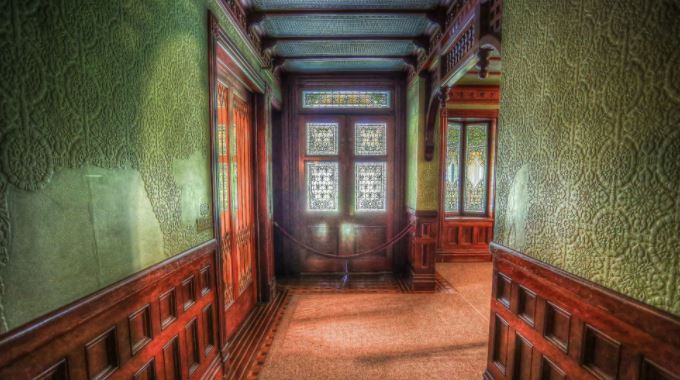
Although the church is the representative of the Kingdom of God, the two cannot be simply identified because the riddle of the church history, namely, the ambiguity of the church as spelled out in its historical dimension. The riddle of church history can be expressed in a series of questions. Why is the church, in principle universal, effectively restricted to a particular civilization? How account for the rise within Christianity itself of secular movements, such as humanism and communism? Why has the unity of the church been splintered? How explain so much profanization of the holy in church history both by Roman Catholic ritualization and Protestant secularization? What is the cause of the history of demonization in the church, from the early persecution of heretics, through the religious wars, through the fanatical stubbornness of fundamentalism, through the tyranny of Protestant orthodoxy, to the infallibility of the pope? In the face of this riddle, this scandal, one must ask: What does church history mean? Two statements can be made in reply. First, church history cannot be identified with the history of salvation or sacred history. “Sacred history is in church history but is not limited to it, and scared history is not only manifest in but also hidden by church history. It is the everlasting paradox of the church that it conceals the Kingdom of God as well as reveals it. Secondly, church history has one quality which shines through even its most distorted phases: “…it has in itself the ultimate criterion against itself—the New Being in Jesus as the Christ.” Consequently, “the presence of this criterion elevates the churches above any other religious group, not because they are ‘better’ than others, but because they have a better criterion against themselves and, implicitly, also against other groups.” #RandolphHarris 18 of 19
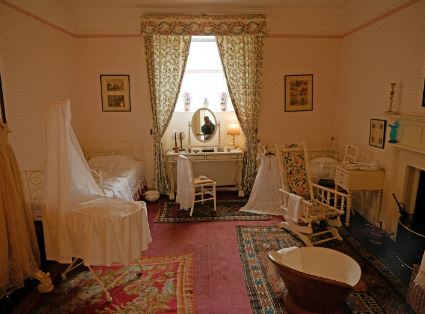
The struggle of the Kingdom of God within history is above all a struggle within the bosom of its own representatives, for the reformation of a profanized and demonized church is never ended. Church history, however, judges not only itself, but also non-church history or World history. The influence of church history upon World history is seen where it produces an uneasy conscience in those who have received the impact of the New Being but follow the ways of the old being. Church history is not the Kingdom of God, but the Christian civilization which it begets is a continual reminder of it. Must not all philosophy in the end bring to light the presupposition upon which the movement of reason rests: our belief in the “I” as substance, as the sole reality according to which we attribute reality to things generally? The oldest “realism” finally comes to light—at the same time as the entire religious history of humankind is recognized as the history of the soul superstition. There is a limit here: our thinking itself involves that belief (with its distinction between substance and accident, deed and doer, et cetera); letting go of it means no longer being allowed to think. That a belief, however necessary it may be for the preservation of a creature, has nothing to do with truth, one can see, for example, in the fact that we have to believe in time, space, and motion, but without feeling constrained to grant them absolute reality. I pledge allegiance to the flag of the United States of America, and to the Republic, for which it stands, One Nation, Under God, Indivisible, with Liberty and Justice for all. Nations that defy Thy law of justice and of love, that stir up hate against the weak, estranging human from human, that crush the stranger in their midst and shed one’s blood for gain, and follow their unrighteous ways that lead to strife and war, such nations still to evil are enslaved, but Thou, through us, shalt bring to judgement all their wicked ways. Please keep the Sacramento Fire Depart and your hearts and prayers this season, for they are not receiving all of their resources. If it is possible, please make a donation. It will be much appreciated. #RandolpHarris 19 of 19


The greatest contributor among the health-food pioneers in the Victorian Ear was Gail Borden. City people were being poisoned by tainted milk every day. Mr. Borden discovered that by evaporating much of the water from milk and canning the result, the milk did not have to be refrigerated. The cows could live a healthy, country life while the consumers could stay far away in the city, hence Mr. Borden’s famous slogan for Carnation milk: “from contented cows.”

The other strong influences on late nineteenth-century eating was the home-economics movement. Well-educated, middle-class nonimmigrant women not only created a profession of their own, but also sought to Americanize the less affluent. Home economists and social workers tried to teach immigrant women about nutrition and tried to wean them away from the “hot,” spicy cuisine of their homelands. The favourite foods of the home economics movement were gelatin salads and boiled dressings. A blanket of white cause covering a slab of boneless protein was the ideal dish. Salads were orderly, encased, cool, and controllable rather than hot, sloppy, and sensuous.

Jello, after all, is a Victorian product invented during the 1890s by the Genesee Pure Food Company of Leroy, New York. This change in cuisine was not all one-way bullying. Cookbooks like Fannie Farmer’s and Mrs. Beeton’s as well as manners books like Emily Post’s, were eagerly bought by immigrant women who wanted to fit into American culture. These books gave advice on food, eating, and household management to Europeans who wanted to know how things were “done” in America.
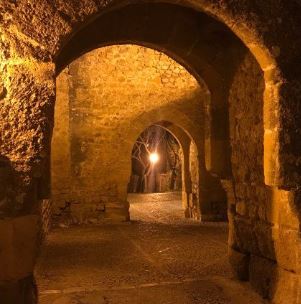
For further information about tours, including group tours, weddings, school events, birthday party packages, facility rentals, and special events please visit the website: https://winchestermysteryhouse.com/

Please visit the online giftshop, and purchase a gift for friends and relatives as well as a special memento of the Winchester Mystery House. A variety of souvenirs and gifts are available to purchase. https://shopwinchestermysteryhouse.com/

Beyond Good and Evil
Some still believe that universal disarmament is a necessary condition for the preservation of peace and freedom. However, others would like to know how is disarmament possible? How can any power seriously negotiate disarmament as long as each suspects the other of wanting to destroy it? No political understanding is possible or practical so long as the mutual threat of extinction exists, and at the same time disarmament is not possible unless a political understanding is reached. It is believed that some nations may want disarmament to relieve their internal economic problems; and that they are probably as anxious as anyone in the West to escape the nuclear threat. The true Western answer is not to allege bad faith, but to ask how other members of the atomic club conceive that the power struggle will be conducted under the provisions they propose. None of the great power centers are prepared today to provide an answer to such a demand. If the answer is discovered, the World problem will be solved. If it is not, most of us will probably die of blast and radiation disease, and our survivours will live a very poor life on a globe somewhat less suitable than the present one for human habitation. The first condition for a political understanding is to overcome the hysterical and irrational misconception the blocs have about each other. Most nations are conservative, totalitarian, managerialism, and not revolutionary systems with the aim of World domination; many World leaders have their own political positions they have to claim. #RandolphHarris 1 of 18
We no longer have a capitalistic system of individual initiative, free competition, minimal government intervention. We are also a bureaucratic technological society with deep socialistic policies. It seems, indeed, as if the only point of which East and West agree are the cliches about each other. To disagree with this agreement is the beginning of a realistic understanding. The next step lies in the knowledge that there are no important economic or even political conflict between the atomic members club which in themselves would constitute a reason for war; that the only danger might bring about a war is mutual fear resulting from the arms race, and from ideological differences. What, then, is the realistic basis for a cohesive understand of the nations? The basis is the mutual recognition of the status quo, the mutual agreement not to change the existing political balance of power between the members of the atomic club. This means first of all that all nations must learn to respect the boundaries of other nations. It is perfectly true that satellites have come under control by force, and as a result of victorious wars. It is true that it might that at the end of any war, it might have been possible by means of greater insistence to save some countries from being dominated; some are wondering if Russian will eventually dominate Ukraine? It is obvious that Russian will not relinquish what she has or wants without a war. This may be the same method of other countries. If one faces the dilemma realistically, then there remains only one answer: to accept the facts as they are in the knowledge that the aim of avoiding war from every standpoint more important than that of a “liberated” Ukraine. #RandolphHarris 2 of 18

The irony of it is that there is no such alternative, since the real choice is only between a Communist-dominated or destroyed Ukraine. The West knows that the conflict in Ukraine cannot be stopped short of a war. However, American keeps sending money to Ukraine as a means of sustaining nationalist feelings and for political understanding. Because we are obsessed by the idea of the Russian menace and thus a need for American aid, we are driven to support a Ukrainian policy that in the long run makes a political settlement with Russia possible—and hence makes peace improbable. We must free ourselves from purely ideological cliches. Why is it that we cannot surrender the right of the Ukrainian people to determine its own fate at a time not too far distant? Is this not another way of saying that we must prevent Russian expansionism and not let them have their way? Russia’s seizure of Crimea was the first time since World War II that a European state annexed the territory of another. Because of our obsession with the Russian wish for World domination. The President Joe Biden administration and U.S.A. Congress have directed more than $75 billion in assistance to Ukraine, which includes humanitarian, financial, and military support. President Vladimir Putin’s announcement on September 21, 2023 of a partial mobilization and annexation of four Ukrainian provinces was a stark reminder that this war is nowhere near a resolution. Fighting still rages across nearly 1,000 km of front lines. Negotiations on ending the conflict has been suspended since May. #RandolphHarris 3 of 18

The trajectory and ultimate outcome of the war will, of course, be determined largely by the policies of Ukraine and Russia. However, Kyiv and Moscow are not the only capitals with a stake in what happens. This war is the most significant interstate conflict in decades, and its evolution will have major consequences for the United States of America. The U.S.A. government has an obligation to Ukrainian citizens to determine how different war trajectories would affect U.S.A. interest and explore options for influencing the course of the war to promote those interest. The specter of Russian nuclear use has haunted this conflict since its early days. In announcing his invasion in February 2022, President Putin threatened any country that tried to interfere in Ukraine with consequences “such as you have never seen in history.” He went on to order a special regime of combat duty for Russia’s nuclear forces a week later. In October 2022, Moscow alleged that Kyiv was planning to detonate a radioactive “dirty bomb” in Ukraine as a false flag operation and then blame Russia. U.S.A. officials worried that Russia was promoting this story to create a pretext for using nuclear weapons. And perhaps most disconcertingly, Western governments appear to have become convinced that Moscow considered using nonstrategic nuclear weapons (NSNW) as it forces lost ground in the fall. Russia has denied these allegations, but news reports suggest that top Russian commander did discuss this option. Some analysts have dismissed the possibility of NSNW use, contending the Russia knows that employment of nuclear weapons would be self-defeating. They point to the lack of high-value military targets (for example, concentrated Ukrainian forces) that could be effectively destroyed with such weapons and to the risk that these weapons might harm Russian troops deployed in Ukraine. #RandolphHarris 4 of 18

Use of these weapons could provoke NATO’s entry into the war, erode Russia’s remaining international support, and spark domestic political backlash for the Kremlin. Knowing this, the logic goes, Russia would be deterred from using nuclear weapons. The decision to mobilize 300,000 Russian in September 2022 shows Mr. Putin’s willingness to accept domestic costs and risks. U.S.A. President Joe Biden pleased with Republicans for more military aid for Ukraine, warning that a victory for Russia in Ukraine would strengthen Moscow to such an extent that it could then attack NATO allies and draw American troops into war. The U.S.A. announced 6 December 2023 $175 million in additional Ukraine aid from its dwindling funds for Kyiv but Mr. Biden failed to convince Republican senators to back a larger $110 billion emergency spending bill that included a large pork barrel of aid for Ukraine (of around $50 billion) amid continued disputes over southern American border security. “If Putin takes Ukraine, he won’t stop there,” Mr. Biden said. Putin will attack a NATO ally, he predicted, and then “we’ll have something that we don’t seek and that we don’t have today: American troops fighting Russian troops,” Mr. Biden said. The address drew an angry response from Moscow, with Russia’s Ambassador to the U.S. Anatoly Antonov commenting on Telegram that Mr. Biden’s comments were “provocative rhetoric unacceptable for a responsible nuclear power.” Can we be surprised that Anatoly Antonov felt personally slapped-down and, more importantly, that he had to react to this statement in a way that preserved his position in Russia? There is no denying the fact that unless an America-Russian modus vivendi is accepted there will be continued tension and a continued armament race—and the probability of a thermonuclear war. #RandolphHarris 5 of 18

That such an understanding should be possible requires, of course, in the first place, that neither side has the intention of conquering the World. However, how can the United States of America and Russian agree on the status quo in Ukraine, Asia, Africa, Latin America when there is a current conflict and these parts of the World are in a continuous ferment, both politically and socio-economically? Would not such an agreement, even if it could be arrived at, not mean freezing the present power structure all over the World, stabilizing what can not remain stable? Doe it not mean an international guarantee for the continued existence of some of the most reactionary regimes which are bound to fall sooner or later? This difficulty will appear less formidable if one considers that an agreement not to alter the present possessions and spheres of interest between the United States of America and Russia and China, is not the same as freezing the internal structure of all Asiatic, African, and Latin American states. It means, in fact, that nations, even though they change their government and their social structure, do not, for this reason, change their allegiance from one block to another. There are a number of examples showing that this is possible; the most striking one is Egypt. Egypt, which was one of the poorest countries in the World and, in addition, one of the most corruptly governed was bound to have a revolution. Like all other revolutions in Asia and Africa, the Egyptian had two aspects: it was intensely nationalistic; and it was socialistic in a broad sense, aiming at basic economic changes for the benefit of the broad masses of the Egyptian population. #RandolphHarris 6 of 18

Nasser has to free himself from the remnants of British domination, but he was resolved not to fall under Russian domination either. He took the only reasonable course, that of non-alignment, exploiting the rivalry between the two bloc to his advantage and for the political survival of an independent Egypt. It is hardly exaggerated to say that United States of America’s foreign policy as it was then formulated by the late Mr. Dulles almost drove Nasser into the Russian camp. Neutrality, according to this doctrine, was immoral, and friendly relations on the part of a small power like Egypt toward the Soviet Union were considered to hostile to the United States and were to be punished accordingly. (In the case of Egypt the abrupt withdrawal of the promised loan for the Assuan Dam.) Yet Nasser remained neutral, even in spite of the extreme Anglo-French military provocation of the Suez attack. The same holds true for Iraq, Lebanon, Indonesia. In Iraq and in Lebanon the United States of America seemed convinced that a new government would slip into the Soviet orbit, and we prepared for military intervention, but the State Department’s prognosis failed to materialize. The United States of America’s attitude was then justified as having “prevented” the Soviets from taking over these countries, even though it is very unlikely that there had been such intentions, and even less so that the respective countries wanted to be taken over by the Soviets. #RandolphHarris 7 of 18

The United States of America’s position of trying to enforce the continuance of “pro-Western governments” in countries where these governments are definitely unpopular is, in the long run, doomed to failure. The only constructive policy lies in permitted and even furthering the emergence of a bloc of nonaligned, neutral countries. Only in this way can acute American-Russian conflicts with accompanying threats of using nuclear force be avoided. The Russians have actually acted more wisely in this respect than we: they accept neutrality as a sufficient condition for friendly relations and economic help. It is time for the United States of America to adopt the same attitude. Discussing the need for accepting and furthering the political neutrality of large parts of the underdeveloped World is, however, only the beginning. The political stance of these counties cannot be separated from their internal social and economic development. It is precisely here where a more realistic attitude is necessary. Dr. Freud, when he tentatively suggested the existence of the duality of life instinct (Eros) and the death instinct suggested the existence of the duality of these two drives within man was deeply impressed, especially under the influence of the First World War, by the force of the destructive impulses. He revised his older theory in which the sexual instinct had been opposed to the ego instincts (both serving survival, and thus the purpose of life) for the sake of the hypothesis that both the striving for life and the striving for death are inherent in the very substance of life. In Beyond the Pleasure Principle (1920), Dr. Freud expressed the view that there was a phylogenetically older principle which he called the “repetition compulsion.” #RandolphHarris 8 of 18

The latter operates to restore a previous condition and ultimately to take organic life back to the original state of inorganic existence. “If it is true,” said Dr. Freud, “that once in an inconceivably remote past, and in an unimaginable way, the life rose out of inanimate matter, then, in accordance with our hypothesis, an instinct must have at that time come into being, whose aim it was to abolish life once more and to re-establish the inorganic state of things. If this instinct we recognize the impulse to self-destruction in our hypotheses, then we can regard that impulse as the manifestation of a death instinct which can never be absent in any vital process.” The death instinct may be actually observed either turned outward against others, or inward against ourselves, and often blended with the sexual instinct, as in sadistic and masochistic perversions. Opposite to the death instinct is the life instinct. While the death instinct (sometime called Thanatos in the psychoanalytic literature, although not by Dr. Freud himself) has the function of separating and disintegrating. Eros has the function of binding, integrating, and uniting organisms to each other and cells within the organism. Each individual’s life, then, is a battlefield for these two fundamental instincts: “the effort of Eros to combine organic substances into ever larger unities” and the efforts of the death instinct which tends to undo precisely what Eros is trying to accomplish. Dr. Freud himself proposed the new theory only hesitantly and tentatively. This is not surprising, since it was based on the hypothesis of the repetition compulsion which in itself was at best an unproved speculation. #RandolphHarris 9 of 18

In fact, none of the arguments in favour of his dualistic theory seem to answer objections based on many contradictory data. Most living beings seem to fight for life with an extraordinary tenacity, and only exceptionally do they tend to destroy themselves. Furthermore, destructiveness varies enormously among individuals, and by no means in such a way that the variation is only one between the respective outward and inward-directed manifestations of the death instinct. We see some persons who are characterized by an especially intense passion to destroy others, while the majority do not show this degree of destructiveness. This lesser degree of destructiveness against others is, however, not matched by a correspondingly higher degree of self-destruction, masochism, illness et cetera. Considering all these objections to Dr. Freud’s theories, it is not surprising that a large number of otherwise orthodox analysts, like O. Fenichel, refused to accept his theory of the death instinct, or accept it only conditionally and with great qualification. The contradiction between Eros and destruction, between the affinity to life and affinity to death is, indeed, the most fundamental contradiction which exists in humans This duality, however, is not one of two biologically inherent instincts, relatively constant and always battling with each other until the final victory of the death instinct, but it is one between the primary and most fundamental tendency of life—to preserve in life—and its contradiction, which comes into being when a human fails in this goal. In this view the “death instinct” is a malignant phenomenon which grows and takes over to the extent to which Eros does not unfold. #RandolphHarris 10 of 18

The death instinct represents psychopathology. The life instinct thus constitutes the primary potentiality in man; the death instinct a secondary potentiality. The primary potentiality develops if the appropriate conditions for life are present, just as a seed grows only if the proper conditions of moisture, temperature, et cetera, are given. If the proper conditions are not present, the necrophilous tendencies will emerge and dominate the person. The ultimate negative is a counterfeiter, a false “angle of the light”; the ultimate negative himself fashions himself into an angel of light, and his ministers (false apostles, deceitful workers also fashion themselves as ministers of righteousness. This aspect of victory over the ultimate negative runs on the same lines as the preceding, one; id est, by the knowledge of truth, enabling the believer to recognize the lies of the ultimate negative when he presented himself under the guise of light. Light is the very nature of God Himself. To recognize darkness when clothed in light—supernatural light—requires deep knowledge of the true light, and a power to discern the innermost sources of things that in appearance look Godlike and beautiful. The main attitude for this aspect of victory over the Adversary is a settled position of neutrality to all supernatural workings, until the believer knows what is of God. If any experience is accepted without question, how can its divine origin be guaranteed? The basis of acceptance or rejection must be knowledge. The believe must know, and one cannot know without examination; nor will one “examine” unless one maintains the attitude of “Believe not ever spirit” until one has “tested” and proved what is of the ultimate concern. #RandolphHarris 11 of 18

After the maturing process of preparation, the Kingdom of God was manifested within history by the appearance of Jesus as the Christ. The moment of this breakthrough is called Kairos, the New Testament word that means “the right time” or “the fulfilment of time.” Mr. Tillich introduced this term and he is proud of the fact that it was he and his fellow Religious Socialists who introduced the term into the discussion of the interpretation of history. It not only expressed the dynamic movement of history, but also sums up the feeling of many people in central Europe after the First World War that a moment of history had appeared which was pregnant with a new understanding of the meaning of history and life. Kairos is contrasted with chronos which is measured time or clock time. Chronos is the quantitative side of time, while Kairos stresses a quality of time which is approximated by the English word “timing.” Kairos is time of revelation. Divine revelation, through gratuitous, breaks through at the moment propitious moment, prepared for by prophetic criticism and followed by embodiment in the church. The original appearance of Jesus as the Christ is the “great Kairos,” but his manifestation is re-experienced again and again in moments of conversation which are “relative kairoi.” These secondary kairoi depend upon the great Kairos as their criterion and source of power. A relative Kairos that extends to multitudes of people and significantly shapes the course of history is rare, but, on a more modest scale, “kairoi have occurred and are occurring in all preparatory and receiving movements in church latent and manifest.” To these two senses of Kairos can be added a third meaning, namely, Kairos as a general category which the philosopher of history employs to describe any decisively important turn in history. #RandolphHarris 12 of 18

Kairos in its unique and universal sense is, for Christian faith, the appearing of Jesus as the Christ. Kairos in its general and special sense of the philosopher of history is every turning-point in history which the eternal judges and transforms the temporal. Kairos in its special sense, as decisive for our present situation, is the coming of a new theonomy on the soil of a secularized and emptied autonomous culture. How does one become aware of a Kairos which heralds the advent of a theonomous era? It is not a matter of detached observation but of involved experiences. A period of history, ripe for a Kairos, is characterized by openness to the unconditional. This is not to say that such an age is necessarily more religious than a so-called irreligious age, but an age that is turned toward, and opened to, the unconditional is one in which the consciousness of the presence of the unconditional permeates and guides all cultural functions and forms. The divine, for such a state of mind, is not a problem but a presupposition. The breakthrough of a Kairos coincides with the establishment of a theonomous culture. In describing a period of Kairos, we shall call such a situation “theonomous,” not in the sense that in it God lays down the laws but in the sense that such an age, in all its forms, is open to and directed toward the divine. The problem, of course, is why a theonomous period does not endure, if it is founded upon the presence of the unconditioned in totality of man’s cultural life. Kairos is also grounded in the Protestant principle. The Protestant principle demands the creative presence of the divine in history (the Yes) and the transcendence of the divine to all its historical manifestations (the No). #RandolphHarris 13 of 18

Kairos fulfill these conditions, for it includes both a prophetic protest, which prepares for and accompanies the manifestation of the center of history, and an affirmation of the presence of the Kingdom of God among us. The idea of “the Kairos” united criticism and creation. The Cross of the Christ proclaimed in the great Kairos must be the constant criterion of lesser kairoi. For just as the holy and faith itself is open to demonic distortion, so too is Kairos. The Religious Socialists of the 1920’s and 1930’s preached a Kairos, but, at the same time, Nazism exploited the concept to build an idolatrous nationalism and racism. Besides the danger of being demonized, every Kairos, even the great Kairos, is liable to error about calculation of time and detail. No date foretold in the experience of a Kairos was ever correct; no situation envisaged as the result of a Kairos ever came into being. However, something happened to some people through the power of the Kingdom of God as it became manifest in history, and history has been changed ever since. We “knowers” are by now mistrustful of all kinds of believers; our mistrust has gradually accustomed us to infer the very opposite of what was once inferred: namely, wherever the strength of a belief comes very much to the fore, we infer a certain weakness of demonstration, an improbability of what we believed. We do not deny that faith “beatifies”: for that very reason we deny that faith proves anything—a strong faith that beatifies raises suspicion against what it believes; what it proves is not “truth” but a certain probability—of deception. #RandolphHarris 14 of 18

How do things stand in this case?—These modern-day nay-sayers ad standoffish ones, those who are unconditional on a single point—the claim to intellectual cleanliness—these hard, strict, abstinent, heroic spirits who constitute the honour of our age, all these pale atheists, anti-Christians, immoralists, nihilists, these skeptics, ephetics, hectics of the spirit (for this they are, one and all, in some sense), these last idealists of knowledge in whom alone intellectual conscience today dwells and is embodied—they in fact believe themselves to be as free as possible of the ascetic ideal, these “free, very free spirits”; and yet, to intimate to them what they themselves cannot see—for they are standing too close to themselves—this ideal is precisely their ideal, too; they themselves represent it, and perhaps no one else; they themselves are its most spiritualized product, its most advanced warriors and scouts, its most captious, most delicate, most elusive form of seduction—If I am any kind of guesser of riddles, let me try with this proposition! They are far from being free spirits: for they still believe in truth. When the Christian crusaders in the Orient came across that invincible order of Assassins, that order of free spirits par excellence whose lower ranks lived in an obedience such as no order of monks has ever attained, they also acquired somehow or other a hint of that symbol and watchword reserved only for the highest ranks as their secretum: “Nothing is true, everything is permitted.” Now that was freedom of the spirit, with that, faith in truth itself was renounced. #RandolphHarris 15 of 18

Has any European, any Christian free spirit ever strayed into this proposition and its labyrinth consequences? Does one know the Minotaur of his cave from experience? I doubt it; in fact, I know it is not so: nothing is more foreign to those who are unconditional on a single point, these so-called “free spirits,” than freedom and unfettering in this sense; in no respect are they more firmly bound; it is precisely in their faith in truth tht they are, like no one else, firm and unconditional. I know all this from too close up, perhaps: that admirable abstemiousness of philosophers to which such faith obliges one; that stoicism of the intellect that in the end forbids the No just as strictly as it does the Yes; that wanting to stand still before the factual, the factum brutum; that fatalism of the “petits faits” (ce petit faitalisme, as I call it), in which French science now seeks a kind of moral superiority over German science; that general renunciation of interpretation (of forcing, setting straight, abridging, omitting, padding, inventing, falsifying, and whatever else belongs to the essence of all interpreting)—this, broadly speaking, expresses as much asceticism of virtue as any abnegation of sensibility (it is, at bottom, simply a mode of that abnegation). However, what it forces you into, that unconditional will to truth, is faith in the ascetic ideal itself, even if as its unconscious imperative—make no mistake about it—this is faith in a metaphysical value, the value in itself of truth, as sanctioned and guaranteed in that ideal alone (it stands or falls with that ideal). #RandolphHarris 16 of 18

There is, strictly speaking, no such things as “presuppositonless” science—the very idea is unthinkable, paralogical: a philosophy, a “faith” must always be there first, so that from it science can acquire a direction, a sense, a limit, a method, a right to exist. (Anyone who understands this the other way around, who sets out, for example, to put philosophy “on a rigorous scientific foundation,” first has to stand not only philosophy but truth itself one its head—the grossest violation of decency there can be in the presence of two such dignified ladies!) Anyone who is truthful in that bold and ultimate sense presupposed by faith in science thereby affirms a World other than that of life, nature, and history; and insofar as one affirms this “other World, must one not precisely thereby deny its counterpart, this World, our World? It is still a metaphysical faith on which our faith in science rests—even we knowing ones of today, we godless ones and antimetaphyicians, still also take our fire from the flame ignited by a faith thousands of years old, that Christian faith that was also Plato’s faith, that God is truth, that truth is divine…But what if just this were to become ever more unbelievable, if nothing else were ever to prove itself divine, only error, blindness, life—if God Himself proved to be our longest life?”—Here we must pause and reflect a while. Science henceforth stands in need of justification (which is not to say that it has one.) Just look at the most ancient and the most recent philosophies: in none of them is there any awareness of the extent to which the will to truth itself stands in need of justification; there is a gap here in every philosophy—why is that? #RandolphHarris 17 of 18

Because the ascetic idea has hitherto dominated all of philosophy; because truth was posited as being, as God, as the highest authority; because truth was simply not allowed to be a problem. Do we understand this “allowed”? –From the moment faith in the god of the ascetic ideal is repudiated, there is a new problem as well: that of the value of truth. The will to truth stands in need of critique—here we define our own task—the value of truth must be experimentally called into question. Thou who art the breath of life, who did create all humans alike in dignity, Thy power is manifest in the destiny of nations. I pledge allegiance to the flag of the United States of America, and to the republic for which it stands, one nation, under God, indivisible with liberty and justice for all. Thou make nations great; Thou bring nations low; thou gives freedom even unto the beasts and winged fowl; Thy will it is that all mankind be free. “I am the Lord thy God, who brought thee out of the land of Egypt, out of the house of bondage.” We who know the sweet delights of liberty, yet look upon ourselves in every age as if we, too, had once been Pharaoh’s slaves, ours, then, the task to loose all fetters break all bonds, and bring men out of slavery. Proclaim liberty throughout the land unto all the inhabitants thereof. Would we bear the torch of freedom’s light into a World where men are still in servitude? Then from our shackles we must first emancipate ourselves, from ignorance and blinding hate, and set out own souls free. Only one is truly free who is devoted to the Christian Bible and observes its commandments. Please be kind this holiday season, and keep the Sacramento Fire Department in your hearts by making a kind donation. They have been proudly serving the community since 1851. #RandolphHarris 18 of 18

CRESLEIGH HAVENWOOD
Lincoln, CA | from the high $600s
Now Selling!
No appointment needed! Cresleigh Havenwood features four distinct floor plans ranging from 2,293 – 3,377 square feet and offering up to five bedrooms.

Each plan has been thoughtfully designed and includes great features such as single story homes, guest suites, optional offices, garage workshops, and more!

Get the most out of your new home with Cresleigh’s All Ready smart home featuring all the connectivity needed to keep your house running. Best of all, each Cresleigh home comes with owned solar included!

Located off of Virginiatown Road and McCourtney Road, residents of the 83 homesites of Cresleigh Havenwood will benefit from a brand new neighborhood in the charming City of Lincoln. Palo Verde Park, is just down the street and there’s plenty of recreation to take part in all around town. https://cresleigh.com/havenwood/residence-four/


Joy is Virtuous and Sadness is Sinful
A leader is someone who knows the way, goes the way, and shows the way. If it is true that the policy of the arms race (controlled or not) will most likely result in thermonuclear war, and that, and if the “stable deterrent” could prevent such a war, the arms race will result in militarized, frightened, dictatorial societies, then the first condition for the possibility of peace and democracy supposedly is universal controlled disarmament. Even if the United States of American, India, Britain, France, Germany, China, and Japan were the only owners of nuclear weapons, this is believed by some to hold true. However, it is a lot like law enforcement making an agreement with known offenders that they both will disarm and so will everyone else. How likely is it that everyone involved will keep this agreement and what if someone who once had no use for arms or could not previously afford them decided to stock up? Well, someday Mexico and Africa, for instance, will have the capability and/or need to produce thermonuclear weapons and this will still further reduce the possibilities for peace. In discussing this danger of the “nth country” having nuclear weapons, small countries like Israel or Sweden could, of course, explode their thermonuclear bombs either by accident or because of the irrationality of their leaders, but they can hardly make their nuclear power part of their policy. The much greater danger lies in the extension of nuclear armament to other great powers, especially African and Mexico since those countries, like present members of the “atomic club,” would use their military power as an adjunct to their political ambitions. Thus the chance of nuclear war as a result of mutual threats in the context of such overall political strategy would be considerably enhanced. #RandolphHarris 1 of 19

How then can these powers like Africa and Mexico be prevented from acquiring nuclear weapons? It is possible that even though these countries have made agreements not to produce nuclear weapons, if they decided that they would like the capabilities to produce them or deem them necessary, the United States of America and Russia could prevent these countries by economic or even military pressure from acquiring nuclear arms. However, this would mean a Russo-American alliance, directed against China (and Germany), which is most unlikely. It seems that the only way to prevent the spread of nuclear weapons to the other great countries is by global disarmament, in which all the great countries would participate. However, Western reaction to the disarmament proposal has been lukewarm. The West had not declined universal disarmament outright, but it has also never fully accepted it as a practical goal. The Russians, in their turn, are not willing to accept inspection by which they would lose one of their military advantages, namely the factor of secrecy, in exchanged for a limited “arms control” which would only be another form of prolonging the arms race. It is important under these circumstances to ask oneself why the West so far has not been willing to consider universal disarmament seriously. One stock answer which is usually given is that the Russian do not permit inspection. However, this answer is not tenable in view of the fact that they have repeatedly declared that they are willing to permit any kind of inspection provided the West accepts universal disarmament as the concrete and immediate goal; at least we must negotiate in order to find out if they are serious about inspection. #RandolphHarris 2 of 19

Furthermore, we must be aware of the fact that there is no foolproof system of inspection, but that the risks of an inspection system are smaller than those of the armament race. In considering the pros and cons of the inspection system, we must also give some weight to their contribution to an atmosphere of legality. In leading the Russians, Chinese, Germanys, Japanese and other members of the atomic club into the formal observance of agreed-upon rules—even if it is only a symbolic observance—we make it harder for either side to break the rules thereafter and flout the hopes for peace and legality that have been generated on all sides. Is it that we see less clearly than others the dangers of an atomically armed World, or is it that we are so caught in our picture of their “wish for World domination” that we can not believe that they mean what they say? Or is it that we are afraid that we could not cope with the economic consequences disarmament would have for our system? Or is it that the armed services, being opposed to disarmament, have already such power that they can prevent even a serious consideration of disarmament? Since this is a matter of life or death for the United States of America and the rest of the World, it would seem to be of the utmost importance to examine not only, as we usually do, the possible flaws in the other members of the atomic club’s posture, but also the possible reasons for our refusal to consider disarmament more seriously. However, keep in mind the Taiwan actually a secret nuclear program and after it was discovered, they abandoned it. Iran and Iraq also had secret nuclear programs at one time. Saudi Arabia has openly threatened to develop nuclear weapons if Iran successfully tests one and is rumoured to have a secret nuclear purchasing deal with Pakistan. Therefore, it is possible that one or more countries secretly have nuclear bombs already. #RandolphHarris 3 of 19

There is no way of victory over falsehood but by truth. To have victory over the ultimate negative as a liar, and over his lies, the believer must be determined always to know the truth and speak the truth about everything—in oneself, in others, and all around one. The ultimate negative the liar, through his lying spirits, persistently pours lies on the believer all day long: lies into one’s thoughts about oneself, one’s feelings, one’s condition, one’s environment; lies misinterpreting everything in oneself, and around one—about others with whom one is in contact; lies about the past and the future; lies about the ultimate concern; and lies about the ultimate negative himself, magnifying one’s power and one’s authority. To have victory over this persistent stream of lies from the father of lies, the believer must stand one’s ground with the weapon of God’s truth in the written Word, and with truth about facts in oneself, others, and circumstances. As the believer increasingly triumphs over the ultimate negative as a liar, one grows better able to discern one’s lies, and is equipped to strip away the covering for others. The interpretation of history necessarily leads to Christology and, conversely, this Christology must yield the interpretation of history. The interpretation of history is a search for meaning, and in Jesus the Christ is found the victory over meaninglessness. That Jesus as the Christ is the source of the meaning of history is expressed by the metaphour “center.” The center of history is the place where the meaning-given principle of history is seen. Since, according to its subject-object structure, history is not a purely objective temporal process, the center of history is not a point between a temporal beginning and end. Nor is the center of history the culmination point of a progressivistic development. #RandolphHarris 4 of 19

There is, however, a progressive element in the sense that the center of history is a moment in history for which everything before and after is both preparation and reception. The manifestation of the Kingdom of God is revelation, and this revelatory moment is prepared for by a movement from immaturity to maturity, for humankind had to mature to a point in which the center of history could appear and be received as the center. The Old Testament is the record of the maturing process which led to the final revelation in Jesus the Christ. The point to note, however, is that what happened once the process of original revelation happens again and again whenever the Christ is received as the center of history, regardless of time and place. The maturing or preparatory process toward the central manifestation of the Kingdom of God in history is, therefore not restricted to the pre-Christian epoch; it continues after the center’s appearance and is going on here and now. And just as there is an original history of preparation for the central revelation, so too there is an original history of reception which is the history of the church. The reception of revelation by the manifest church is clearly documented, but it must be borne in mind that the church is also latent, and the latent church receives revelation only by anticipation of the center. The historical dimension of Christology demonstrates that the appearance of Jesus as the Christ is the historical event in which history becomes aware of itself and its meaning. In determining the center of history, this allows history to be created. #RandolphHarris 5 of 19

Biophilic ethics have their own principle of good and evil. Good is all that serves life; evil is all that serves death. Good is reverence for life, all that enhances life, growth, unfolding. Evil is all that stifles life, narrows it down, cuts it into pieces. Joy is virtuous and sadness is sinful. Thus it is from the standpoint of biophilic ethics that the Christian Bible mentions as the central sin of the Hebrews: “Because thou didst not serve thy Lord with joy and gladness of heart in the abundance of all things” (Deuteronomy 28.47). The conscience of the biophilous person is not one of forcing oneself to refrain from evil and to do good. It is not the superego described by Dr. Freud, which is a strict taskmaster, employing sadism against oneself for the sake of virtue. The biophilous conscience is motivated by its attraction to life and joy; the moral effort consists in strengthening the life-loving side in oneself. For this reason the biophile does not dwell in remorse and guilt which are, after all, only aspects of self-loathing and sadness. One turns quickly to life and attempts to do good. Mr. Spinoza’s Ethic is a striking example of biophilic morality. “Pleasure,” he says, “in itself is not bad but good; contrariwise, pain in itself is bad.” And in the same spirit: “A free man thinks of death least of all things; and his wisdom is a meditation not of death but of life.” Love of life underlies the various versions of humanistic philosophy. In various conceptual forms these philosophies are in the same vein as Mr. Spinoza’s; they express the principle that the sane man loves life, that sadness is sin and joy is virtue, that man’s aim in life is to be attracted by all that is alive and to separate himself from all that is dead and mechanical. #RandolphHarris 6 of 19

The pure forms of the necrophilic and the biophilic orientations are, of course, rare. The pure necrophile is insane; the pure biophile is saintly. Most people are a particular blend of the necrophilous and the biophilous orientations, and what matters is which two trends is dominant. Those in whom the necrophilous orientation gains dominance will slowly kill the biophilic ide in themselves; usually they are not aware of their death-loving orientation; they will harden their hearts; they will act in such a way that their love of death seems to be the logical and rational response to what they experience. On the other hand, those in whom love for life still dominates, will be shocked when they discover how close they are to the “valley of the shadow of death,” and this shock might awaken them to life. Hence it is very important to understand not only how strong the necrophilic tendency is in a person, but also how aware one is of it. If one believes that one dwells in the land of life when in reality one lives in the land of death, one is lost to life since one has no chance to return. Dr. Freud discovered that certain circumscribed disorders that have no discernible organic basis—such as hysterical convulsions, phobias, depression, drug addictions, functional stomach upsets—can be cured by uncovering the unconscious factors that underlie them. In the course of time disturbances of this kind were summarily called neurotic. #RandolphHarris 7 of 19

Psychiatrist realized that neurotic people not only suffer from these manifest symptoms but also are considerably disturbed in all their dealings with life. And they also recognized the fact that many people have personality disorders without showing any of the definite symptoms that had previously been regarded as characteristic of neuroses. In other words, it gradually became more apparent that in neuroses symptoms may or may not be present but personality difficulties are never lacking. The conclusion was thus inevitable that these less specific difficulties constitute the essential core of neuroses. The recognition of this fact was exceedingly constructive in the development of psychoanalytical science, not only increasing its efficacy but also enlarging its scope. Manifest character disorders, such as a compulsive indecision, a repeated wrong choice of friends or lovers, gross inhibitions toward work, became as much an object of analysis as the gross clinical symptoms. If factors within an individual bar one from expression, the composer is flatly unable to work; one is unproductive. Similarly, a patient, despite one’s best intensions to be cooperative, becomes unproductive as soon as one’s efforts meet some “resistance.” However, the more frequent the period in which one is able to express oneself freely, the more one can tackle one’s own problems and the more significant is the common work of the patient and analyst. I have often told my patients that it would be ideal if the analyst merely played the part of a guide on a difficult mountain tour, indicating which way would be profitable to take or avoid. #RandolphHarris 8 of 19

To be accurate one should add that the analyst is a guide who is not too certain of the way oneself, because though experienced in mountain climbing he has not yet climbed this particular mountain. And this fact makes the patient’s mental activity and productivity all the more desirable. It is scarcely an overstatement that, apart from the analyst’s competence, it is the patient’s constructive activity that determines the length and outcome of analysis. The significance of the patient’s mental activity in analytical therapy is often revealed when an analysis has to be interrupted or terminated for some reason or other while the patient is still in a bad condition. Both patient and analyst are dissatisfied with the progress attained, but after some time has elapsed without further analysis, they may find themselves pleasantly surprised by the patient’s considerable and lasting improvement. If careful examination does not show any change in one’s circumstances that might account for the improvement, one may be justified in regarding it as a belated effect of analysis. Such an aftereffect, however, is not easy to account for. Various factors may contribute to it. The previous work may have enabled the patient to make such accurate self-observation that is convinced more deeply than before of the existence of certain disturbing trends, or is even able to discover new factors within oneself. Or it may be that one had regarded any suggestion made by the analyst as a foreign intrusion and that one can take hold of insights more easily when they re-emerge as one’s own findings. Or, if one’s trouble was a rigid need to be superior to others and to defeat them, one may have been incapable of giving the analyst the satisfaction of doing successful work, and thus be able to recover only when the analyst is out of the picture. Finally, it must be remembered that delayed reactions occur also in many other situations: only much later may we grasp the real meaning of a joke or a remark made in a conversation. #RandolphHarris 9 of 19

Different as these explanations are they all point in one direction: they suggest that some mental activity must have gone on in the patient without one being aware of it, or at least without consciously determined effort. That such mental activities, and even meaningful directed activities, do occur without awareness we know from the existence of meaningful dreams and from such experiences as being balked by a task in the evening and knowing the solution after awakening from sleep. Not only is there the famous mathematical problem, of which the solution presents itself in the morning, but a decision befogged in the evening may be clarified after having “slept” over it. A resentment not even perceived in daytime may have worked itself though to awareness so keenly that we awake suddenly at five o’clock in the morning, clearly recognizing provocation and reaction. As a matter of fact, every analyst relies on the operation of these underground mental activities. Such reliance is implicit in the doctrine that an analysis will proceed satisfactorily if the “resistances” are removed. I should like to stress also the positive aspect: the stronger and the less hampered a patient’s incentive toward liberation, the more productive activity will one display. However, whether one emphasize the negative aspect (resistance) or the positive one (incentive), the underlying principle is the same: by removing obstacles or by eliciting sufficient incentive the patient’s mental energy will be set to work and one will produce the material that will eventually lead to some further insight. If the analyst relies on the patient’s unconscious mental activity, if the patient has the faculty to work alone toward the solution of some problem, could this faculty be utilized in a more deliberate fashion? Could the patient scrutinize one’s self-observations or one’s associations with one’s own critical intelligence? #RandolphHarris 10 of 19

Usually there is a division of labour between patient and analyst. By and large, the patient lets one’s thoughts, feelings, and impulses emerge, and the analyst uses one’s critical intelligence to recognize what the patient is driving at. One questions the validity of statements, one put together seemingly disconnected material, one makes suggestions as to possible meanings. I said “by and large” because the analyst uses also one’s intuition and the patient, too, may tie things together. However, on the whole such a division of labour exists, and it has definite advantages for the analytical session. It enables the patient to relax and merely express or register whatever emerges. However, what about the day or the days between the analytical sessions? What about longer interruptions that occur for various reasons? Why leave it to accident that some problem will inadvertently clarify itself? Would it not be possible to encourage the patient not only to make deliberate and accurate self-observations but also to arrive at some insight by using one’s power of reasoning? Granted it would be a hard job fraught with hazards and limitations—which will be discussed later—these difficulties should not prevent us from raising the question: is it impossible to analyze oneself? We know, particularly since Dr. Freud’s basic findings, that the task is infinitely more intricate and difficult than the ancients ever imagined—so difficult, indeed, that it is like an adventure into the unknown merely to raise the question seriously. All suggestions that say it is an easy matter to recognize oneself are an illusion. These suggestions are beliefs built on wishing thinking, and a positively harmful illusion at that. #RandolphHarris 11 of 19

People who embark on that promised easy road will either acquire a false smugness, believing they know all about themselves, or will become discouraged when they are blocked by the first serious obstacle and will tend to relinquish the search for truth as a bad job. Neither result will happen so easily if one is aware that self-analysis is a strenuous, slow process, bound to be painful and upsetting at times and requiring all available constructive energies. One can free oneself from one’s difficulties only when re-experiencing one’s infantile desires, fears, and attachments in relation to the analyst; left to one’s own devices the patient could at best reach ineffective, “merely intellectual” insights. If arguments such as this were scrutinized in detail, they would ultimately boil down to a disbelief that the patient’s incentive is strong enough to enable one to overcome by oneself the obstacles littering the road to self-recognition. The patient’s incentive to arrive at some goal is an important factor in every analysis. One may safely say that an analyst cannot bring the patient any further than the patient oneself wants to go. In an analysis, however, the patient has the advantage of the analyst’s help, one’s encouragement, one’s guidance. If the patient is left to one’s own resources the matter of incentive becomes crucial—so crucial, indeed, that the feasibility of self-analysis hinges on its strength. Dr. Freud, of course, recognized that manifest gross suffering under neurotic problems may provide such an incentive. However, apparently he felt at a loss to account for an incentive if gross suffering has never existed or has disappeared during treatment. #RandolphHarris 12 of 19

Dr. Freud suggested that the patient’s “love” for the analyst might provide an additional incentive, provided this “love” does not aim at a concrete sexual satisfaction but is contented with receiving and utilizing the analyst’s help. This sounds plausible. We must not forget, however, that in every neurosis the ability to love is greatly impaired, and that what appears as such is mostly the result of the patient’s excessive need for affection and approval. It is true that there are patients—and I supposed Dr. Freud has them in mind—who go to considerable lengths to please the analyst, including a willingness to accept interpretations more or less uncritically and including also an attempt to show improvement. Effort of this type, however, are not prompted by “love” for the analyst, but represent the patient’s means of allaying one’s lurking fear of people and in a broader sense of one’s way of coping with life, for one feels helpless to do it in a more self-reliant manner. In consequence, this motivation to do good work depend entirely on the relation with the analyst. A soon as the patient feels rejected or criticized—as this type does easily—one will lose sight of one’s own interest, and psychoanalytical work then then becomes the battlefield for the patient’s spite and vengeance. Almost more important than the unreliability of this incentive: the analyst has to discourage it. The tendency to do things merely because someone else expects it, regardless of one’s wishes, is a considerable source of trouble to the patient; therefore it has to be analyzed, not utilized. Thus the only effective incentive that Dr. Freud rightly asserted, does not carry far because it is bound to diminish in exact proportion with a decrease of symptoms. #RandolphHarris 13 of 19

Still, this incentive might suffice if a removal of symptoms were the only goal of analysis. However, is it? Dr. Freud never expressed unambiguously his view of these goals. To say that a patient should become capable of work and enjoyment is not meaningful without a qualification of both capacities. Capable of routine work or of creative work? Capable of enjoying pleasures of the flesh or life in general? To say that analysis should constitute a re-education is likewise vague without an answer to the question, education for what? Probably Dr. Freud did not give this question much thought because from his earliest to his latest writings he was primarily interested in the removal of neurotic symptoms; he cared about change of personality only in so far as it would guarantee a permanent cure of symptoms. Dr. Freud’s goal is this essentially to be defined in a negative manner: gaining “freedom from.” Other authors, however, including myself, would formulate the goal of analysis in a positive way: by rendering a person free from inner bondages make one free for the development of one’s best potentialities. This may sound like a mere difference in emphasis, but, even if it were nothing but that, the different emphasis suffices to alter the matter of incentive entirely. To set the goal in the positive fashion has a realistic value if there is in the patient an incentive, sufficiently powerful to be reckoned with, to develop whatever faculties one has, to realize given potentialities, to come to grips with oneself despite all the ordeals one may have to go through at times; to put it in the simplest way possible, if there is an incentive to grow. #RandolphHarris 14 of 19

When the issue is stated thus plainly it is clear that there is more involved here than a difference in emphasis, because Dr. Freud emphatically denied that such a wish exists. He even scoffed at it, as if the positing of such a wish were a sort of hollow idealism. He pointed out that urges toward self-development emanate from “narcissistic” desires, that is, they represent a tendency toward self-inflation and toward excelling others. Dr. Freud rarely made a postulate merely for the love of theoretical considerations. At bottom there was almost always some astute observation. In this instance it is the observation that tendencies toward self-aggrandizement are sometimes a forceful element in the wish for self-development. What Dr. Freud refused to recognize is that fact that this “narcissistic” element is a contributing factor only. If the need for self-aggrandizement has been analyzed and abandoned, the wish to develop still remains, yes, it emerges more clearly and powerfully than before. The “narcissistic” elements, while they have kindled the wish to grow, have at the same time hampered its realization. To use the words of a patient: “The ‘narcissistic’ impulse is toward the development of a phony self.” The fostering of this phony self is always at the expense of the real self, the latter being treated with disdain, at best like a poor relation. My experience is that the more the phony self evaporates, the more the real self becomes invested with interest and the more unbridled an incentive emerges to unfold by becoming free from internal bondage, to live as full a life as given circumstances permit. It seems to me that the wish for developing one’s energies belongs among those striving that defy further analysis. #RandolphHarris 15 of 19

Hospitals and clinics are stretched well beyond their capacity to treat patients who need mental health care, according to new federal data—utilizing 144 percent of impatient beds designated for psychotic treatment. How many psychiatric patients are there in the United State of America? 60 million. There are at least 1 million patients housed in public and private mental hospitals at any given time. There are approximately 350,000 new admissions annually to public institutions for custodial care of psychiatrically ill persons. Of the total number of patients admitted to state hospitals each year, nearly one third are patients who are entering such hospitals for at least the second time. Some people believe that in addition to more affordably housing units, that there also need to be assisted living units for people with severe mental disabilities because traditional employees are not trained to deal with people with mental issues as rental apartments are for self-sustained adults, it is not supposed to be an outflow for mental hospitals or jails. For some people, these affordable housing apartments could be a trap. Due to the fact that some of the staff and administrators are mentally ill and criminals, and there are deadly code violations that are ignored, this could be the first and last home for some people. Then the administrators are given an indefinite timeline to fix the danger in these apartments, and they will have the media highlight the homeless crisis, as if they are saying, “at least we got them off of the streets.” However, not all of these people came from bad situations, some came from good homes and are just starting out and did not want to make a career out of living in low-income housing. Some of these places literally abuse tenant and threaten them. Such facts impress upon us the size of the problem in respect to the sheer number of persons who require hospitalization. They imply to us the tremendous economic costs that are involved—in terms of the expense of the custody and care of the patients, and in terms of the loss to our economy entailed in their incapacitation as productive citizens. These data state clearly the position of mental illness as our nation’s paramount health problem. The facts do not and cannot convey in themselves, to even the most sensitive and imaginative of persons, the true dimensions of hurt and loss experienced by these thousands upon thousands of psychological invalids. #RandolphHarris 16 of 19

Statistics which are intended to bring precision to descriptive communication fail utterly when the essential subject is suffering. Human misery does not yield to quantification. One can make a census of the bodies of patients, but the psychic pain and emotional torment of one patient is not additive to that of another. When men and women are bereft of reason, tyrannized by emotion, or reduced to vegetative automatism, their summering does not permit of numeration. Really to know such suffering at all, short of experiencing it ourselves, we must see it directly. We must visit a mental hospital; we must see the faces of patient after patient; we must observe the daily routine of their mechanical existence; we must ask where they came from, how long they have been here, what tomorrow promises for them; and then, we must think that these are but a very few. These lives of monotonous melancholy and empty euphoria are multiplied one million-fold. Perhaps then we approach the true magnitude of the pathology. And if we succeed in capturing a full vision of the suffering stemming from mental disorder, it is for a brief instant only. Protective forgetting guards us from the distress of constant awareness of these isolated mentally ill ones. At home again, surrounded by the small pleasure and large pursuits of our existence, we do not remind ourselves of what we saw or thought; we do not bring up painful images of the human deprivation we observed. Newspapers, magazines, radio, and television carry programs designed to inform the public with regard to the massive enigma of mental illness and to exhort our interests and efforts in campaigns to increase funds or improve facilities. Our attention may be momentarily arrested by a statement that one out of every 30 individuals who live to be 85 years of age will have spent some period of one’s life in a mental hospital, but such a statement does not nourish the persistent questioning attitude that comes through personal acquaintance with a single patient. #RandolphHarris 17 of 19

Suppose that an embodied will to contradiction and counternature is brough to philosophize—on what will it unleash its inner willfulness? On whatever it experiences most certainly as true, as real: it will seek error precisely where the real vital instinct finds truth most unconditionally. It will, for example, like the ascetics of Vedanta philosophy, disparage bodily being as illusion, likewise pain, plurality, the entire conceptual opposition of “subject” and “object”—errors, nothing but errors! Renouncing belief in its I, denying its own “reality”: what a triumph!—and not just over the senses, over appearances, but a far greater kind of triumph, a violation and a cruelty to reason: this lustfulness reaches its peak when the ascetic self-contempt, self-ridicule of reason decrees, “There is a realm of truth and being, but reason is barred from it!” (Incidentally, even in the Kantian concept of the “intelligible character of things” there is still a remnant of this lascivious ascetic discord that loves to turn reason against reason: “intelligible character” in Mr. Kant means a kind of constitution of things of which the intellect comprehends just this much, that it is for the intellect—utterly incomprehensible.) Finally, let us not be ungrateful we knowers, for such resolute reversals of customary perspectives and valuations with which the spirit has so wickedly and so uselessly ravaged itself for so long: to see differently like this for once, to want to see differently, is no small cultivation and preparation of the intellect for its eventual “objectivity”—the latter understood not as “disinterested contemplation” (which is incoherent and nonsense) but as the ability to hinge and unhinge and to hold sway over its pro and con, so that one knows how to make the very diversity of perspective and affective interpretations useful for knowledge. #RandolphHarris 18 of 19

Henceforth, my dear philosophers, let us guard against the dangerous old conceptual fiction that posited a “pure, will-less, painless, timeless subject of knowledge”; let us guard against the snares of such contradictory concepts as “pure reason,” “absolute spirit,” “knowledge in itself”; for this always demands thinking of an eye that would have no direction at all, in which the active and interpretive forces—through which, after all, seeing first becomes seeing something—are to be disabled, are to be lacking; here, what is demanded of the eye is always something nonsensical and incoherent. There is only perspectival seeing, only perspectival “knowing”; and the more affects we bring to expression about any one thing, the more eyes—different eyes—we know how to bring to bear on the same thing, the more complete will be our “concept” of that thing, our “objectivity.” To eliminate will altogether, though, to suspend the affects, one and all, supposing we could do it—what would that not mean castrating the intellect? May the day soon dawn, we pray, that day of liberty, when every shackle forged by man is loosed to set one free, when serfdom’s yoke is broken, every politician and TV news media person is humbled low, when humans shall take their brother’s hand and lovingkindness show, and all are free to worship Thee and to Thy Law adhere. Then nevermore the wanderer’s staff, and nevermore the sowrd, o may we never weary grown and may we never cease to work for such a blessed World where humans shall be at peace. I pledge allegiance to the flag of the United States of America, and to the republic, for which it stands, one nation under God with liberty and justice for all. May we always know the sweet delights of liberty. #RandolphHarris 19 of 19

Dining rooms are perhaps the best evidence of the revolution that took place in society in the middle of the nineteenth century. The Industrial Revolution not only made all the furniture, dishes, and silver plate possible, but also created a new class of people to use them. Early in the nineteenth century, the existence of a dining room at all was the mark of gentry. Ordinary folk cooked and ate and lived in all-purpose rooms. The landed gentry of the South and the merchant shippers of the North might boast a separate room just for eating, but they represented only a very call part of the population. By 1860, a separate dining room was considered de rigueur for even a cottage, and eating “in the kitchen” was thought of as rustic and rude. Middle-class people could even aspire to a sideboard in the dining room, by far the most expensive piece of furniture in the house.

In the Venetian Dining Room at the Winchester Mystery House, there have been reports of an unusual figure. It is described as resembling a tall man in a hat, and his presence was attested by numerous letters written to the estate complimenting them on the authentic ghost. Here are some of the extracts from a range of correspondence: “My husband spotted a most unusual form about a year ago. It just seemed to glide across the floor. I am glad someone else has spotted it.” “To my understanding the ghost always takes the form of a pale figure and has been appearing for several years.” “Suddenly from the corner of my eye, I saw something move which seemed to be walking towards us from the table, and sent us running into the gift shop as fast as we could.” “My advice is to avoid the Winchester Mystery House during dark evenings, if at all possible.”

For further information about tours, including group tours, weddings, school events, birthday party packages, facility rentals, and special events please visit the website: https://winchestermysteryhouse.com/

Please visit the online giftshop, and purchase a gift for friends and relatives as well as a special memento of the Winchester Mystery House. A variety of souvenirs and gifts are available to purchase. https://shopwinchestermysteryhouse.com/
 Randolph Harris II International Institute