

Lying rarely just about the words spoken in a single moment. It is often the visible tip of a much deeper structure—patterns of fear, shame, insecurity, or learned survival strategies that have been reinforced over the years. When someone lies, especially someone we care about, it is tempting to interpret the act as a personal betrayal. But often, the lie reveals something about the liar’s internal world: their belief that the truth will lead to rejection, punishment, or loss. In this sense, deception is less an act of aggression than an act of self‑protection, even if it still causes harm. Yet understanding the roots of lying does not excuse it. Trust is the invisible architecture of every relationship, and once damaged, it is painstaking to rebuild. A single deception may seem small, but its impact can ripple outward, creating doubt, suspicion, and emotional distance. When truth becomes negotiable, intimacy becomes impossible. People begin to relate not to one another’s real selves, but to curated versions designed to avoid conflict or judgment. The challenge, then, is twofold: to cultivate the courage to tell the truth, and to create environments—familial, professional, communal—where truth is not punished. Honesty requires vulnerability, and vulnerability requires a sense of safety. When people feel secure enough to be transparent, the need for deception diminishes. When they feel chronically unsafe, lying becomes a reflex. #RandolphHarris 1 of 28

When trauma buries itself in the psyche, dishonesty can become less a deliberate choice and more a survival reflex. The mind learns to hide what it cannot bear to face. In such cases, the lie is not merely a statement—it is a shield. People who have endured chronic childhood abuse often develop patterns of dissociation, compartmentalization, or emotional numbing. These adaptations once kept them safe, but in adulthood, they can distort perception, memory, and self‑awareness. What looks like deceit from the outside may, on the inside, feel like confusion, blankness, or a desperate attempt to avoid re‑experiencing old terror. This does not mean that the consequences of dishonesty disappear. Even unconscious or trauma‑driven deception can fracture relationships and erode trust. But it does mean that the moral landscape is more complex than simple categories of “good” and “bad,” “honest” and “dishonest.” Many people are not lying to manipulate—they are lying because the truth feels unbearable, or because they have never learned how to hold their own pain without hiding it. Understanding this complexity invites a different kind of accountability. It asks us to confront dishonesty without cruelty, to set boundaries without shaming, and to recognize that healing often requires both truth‑telling and compassion. Trust cannot be rebuilt through punishment alone; it grows when people feel safe enough to be seen as they are, wounds and all. In the end, honesty is not merely a moral duty—it is a form of liberation. When people begin to face the truths they once hid from themselves, the need for deception diminishes. And as truth emerges, even haltingly, relationships gain the possibility of becoming places of repair rather than reenactments of old fear. #RandolphHarris 2 of 28

Once we understand how the brain hides traumatic memories, the question becomes what this means for honesty, trust, and moral responsibility. At first, hidden memories that cannot be consciously accessed may protect the individual from the emotional pain of recalling the event. However, eventually, those suppressed memories can cause debilitating psychological problems, such as anxiety, depression, post-traumatic stress disorder or dissociative disorders. A process known as state-dependent learning is believed to contribute to the formation of memories that are inaccessible to normal consciousness. Thus, memories formed in a particular mood, arousal, or drug-induced state can best be retrieved when the brain is back in that state. The best way to access the memories in this system is to return the brain to the same state of consciousness as when the memory was encoded. Two amino acids, glutamate and gamma-aminobutyric acid (GABA), balance the brain, directing its emotional tides and controlling whether nerve cells are excited or inhibited (calm). Under normal conditions, the system is in equilibrium. However, when we are hyper-aroused and vigilant, glutamate surges. Glutamate is also the primary chemical that helps store memories in our neuronal networks in a way that they are easy to remember. GABA calms us and helps us sleep, blocking the action of the excitable glutamate. The most commonly used tranquilizing drug, benzodiazepine, activates GABA receptors in our brains. #RandolphHarris 3 of 28

There are two kinds of GABA receptors. One kind, synaptic GABA receptors, works in tandem with glutamate receptors to balance the excitation of the brain in response to external events such as stress. The other population, extra-synaptic GABA receptors, are independent agents. They ignore the peppy glutamate. Instead, their job is internally focused, adjusting brain waves and mental states according to the levels of internal chemicals, such as GABA, sex hormones, and micro RNAs. Extra-synaptic GABA receptors change the brain’s state to make us aroused, sleepy, alert, sedated, inebriated or even psychotic. However, Northwestern scientists discovered another crucial role; these receptors also help encode memories of fear-inducing event and then store them away, hidden from consciousness. If a traumatic event occurs when these extra-synaptic GABA receptors are activated, the memory of this event cannot be accessed unless these receptors are activated once again. Moving in the direction of perfectionism, some people identify themselves with their standards. This type feels superior because his high standards, more and intellectual, and on this basis looks down on others. His arrogant contempt for others, though, is hidden—from himself as well—behind polished friendliness, because his very standards prohibit such “irregular” feelings. His ways of beclouding the issue of unfulfilled shoulds are twofold. In contrast to the narcissistic type, he does make strenuous efforts to measure up to his shoulds by fulfilling duties and obligations, by polite and orderly manners, by now telling obvious lies, et cetera. When speaking of perfectionistic people, we often think merely of those who keep meticulous order, are overly punctilious and punctual, must find just the right word, or must wear just the right necktie or hat. #RandolphHarris 4 of 28

However, since all he can achieve is behaviouristic perfection, another device is necessary. This is to equate, in his mind, standards and actualities—knowing about moral values and being a good person. The self-deception involved is all the more hidden from him since, in reference to others, he may insist upon their actually living up to his standards of perfection and despise them for failing to do so. His own self-condemnation is thus externalized. As confirmation of his opinion of himself, he needs respect from others rather than glowing admiration (which he tends to scorn). Accordingly, his claims are based less on a “naïve” belief in his greatness than on a “deal” he had secretly made with life. Because he is fair, just, and dutiful, he is entitled to fair treatment by others and by life in general. This conviction of an infallible justice operating in life gives him a feeling of mastery. His own perfection, therefore, is not only a means to superiority but also one to control his life. The idea of the underserved fortunate, whether good or bad, is alien to him. His own success, prosperity, or good health is therefore less something to be enjoyed than a proof of his virtue. Conversely, a misfortune befalling him—such as the loss of a child, an accident, the infidelity of his wife, the loss of a job—may bring this seemingly well-balanced person to the verge of collapse. He not only resents ill ill-fortunate as unfair, but over and beyond this, is shaken by it to the foundations of his psychic existence. It invalidates his whole accounting system and conjures up the ghastly prospect of helplessness. #RandolphHarris 5 of 28
His other breaking points have to deal with the tyranny of the shoulds: his recognition of an error or failure of his own making, and his finding himself caught between contradictory shoulds. Just as a misfortune pulls the ground away from under him, so does a realization of his own fallibility. Self-effacing trends and undiluted self-hate, kept in check successfully hitherto, then may come to the fore. The world is always “disclosing” itself to people, but each person “receives”—that is, pays attention to—only a tiny fraction of all there is to be perceived. Each person perceives, remembers, thinks, and imagines only what is relevant for individual needs and projects and what is “appropriate” for a person with that identity to be conscious of. The rest of the world of possible experiencing is closed off. This possible world is the “unconscious” mentioned by Dr. Freud, the “shadow” side of existence of which Dr. Jung wrote; it is the “ground,” as opposed to “figure,” which Dr. Fritz Perls and the earlier Gestalt psychologist spoke of. The myth of Pandora’s box; the knowing that came from eating of the “tree of knowledge”; the Medusa myth; and the myth of Queen Akasha and Prince Lestat, who knew too much, all attest the awareness of humans throughout history that there is more possibility for experiencing them than we customarily are aware of. All the mystical traditions, such as Sufism, alchemy, kabbala, and shamanism, are recognitions of larger realms of awareness and ways to achieve contact with them. #RandolphHarris 6 of 28
Today, no derision on the part of the careless unbeliever and no punitive fervor on the part of the dogmatist can deny the staggering fact that much of mankind finds itself without a living religion such as gave wholeness of existence to the tool man in his productive dealings with nature, and to the trading man in his gainful exchange of goods in an expanding world market. How deeply worried the self-made man is in his need to feel safe in his man-made world can be seen from the deep inroad which an unconscious identification with the machine—comparable to the magic identification of primitive man with his principal prey—has made on the Western concept of human nature in general and on a kind of automatized and depersonalized child training in particular. The desperate need to function smoothly and cleanly, without friction, sputtering, or smoke, has attached itself to the ideas of personal happiness, of governmental perfection, and even of salvation. Sometimes one feels a strange totalism creeping up in those naive initiators who expect a new wholeness to come from the process of technological development in and by itself, just as in times not so distant, the millennium was to emerge from the unfailing wisdom of nature, from the mysterious self-balance of the market, or from the inner sanctity of wealth. Machines, of course, can be made more attractive and more comfortable as they become more practical; the question is where that deep sense of specific goodness will come from, which man needs in his relation to his principal source and technique of production to permit himself to be human in a reasonably familiar universe. #RandolphHarris 7 of 28
Unanswered, this need will continue to increase a deep and widespread basic mistrust which, in areas overcome with all too sudden changes in historical and economic perspective, contributes to a willingness to accept a totalitarian and authoritarian delusion of wholeness, ready-made with one leader at the head of one party, one ideology giving a simple rationale to all nature and all history, one categorical enemy of production to be destroyed by one centralized agency of justice—and the steady diversion to outer enemies of the important rage stored up within. It must be remembered here, however, that at least of one these systems was called totalitarianism, Soviet communism, was born from an ideology which envisages beyond all revolutions a final wholeness of society, freed from the interference of an armed state and of the class structure which necessitated it. In this vision, the total revolution and the totalitarian superstate is only a state-to-end-all states: it will abolish itself by “becoming dormant,” leaving in the final wholeness of a stateless democracy nothing to be administered except “things…and processes of production.” The degree to which totalitarian means and methods are being implemented in society, through artificial intelligence (AI), is so powerful that these methods may become irreversible in the utopian undertaking. In the meantime, however, we must not lose sight of those newly emerging peoples (and their young people) on the periphery as we are watching the emergence of a technocratic order that echoes the centralizing instincts of Soviet‑era systems—an environment where conformity is rewarded, dissent is marginalized, and technology is elevated to the status of a secular deity. In this new worldview, algorithms become arbiters of truth, data replaces discernment, and efficiency is valued above human judgment. #RandolphHarris 8 of 28

Institutionalization is incipient in every social situation, continuing in time. The very core of Marxism is one that rebels against the degradation of work to the level of a commodity and of the worker to the level of an object. Karl Marx reminded the privileged that their privileges were not divine and that property was not an eternal right. He gave a bad conscience to those who had no right to a clear conscience, and denounced with unparalleled profundity a class whose crime is not so much having had power as having used it to advance the ends of a mediocre society and deprived of any real nobility. To him, we owe the idea which is the despair of our times—but here despair is worth more than any hope—that when work is a degradation, it is not life, even though it occupies every moment of life. Who, despite the pretensions of this society, can sleep in it in peace when they know that it derives its mediocre pleasures from the work of millions of dead souls? By demanding from the worker real riches, which are not the riches of money but of leisure and creation, he has reclaimed, despite all appearances to the contrary, the dignity of man. In doing so, and this can be said with conviction, he never wanted the additional degradation that has been imposed on man in his name. One of his phrases, which for once is clear and trenchant, forever withholds from his triumphant disciples the greatness of the humanity which once were his: “An end that requires unjust means is not a just end.” It is a rebuke not only to his misguided disciples but to every system, left or right, that sacrifices the individual on the altar of abstraction. It reminds us that no vision of society, however noble in theory, can justify the degradation of the human person in practice. The dignity of work, the freedom of creation, the right to leisure and self‑expression—these are not luxuries but the very conditions of a life worthy of the name. #RandolphHarris 9 of 28

Human beings are indeed more than the roles imposed on them by institutions, but we are also more than the functions assigned to us by machines. A society in which work truly serves humanity cannot simply outsource its purpose to technology. If we allow efficiency to become the highest value, we risk creating a world where human beings are measured only by their economic utility—and in such a world, AI will always outperform us. That is the path toward obsolescence. The challenge, then, is not to reject technology but to refuse its elevation into a new form of determinism. We need a balance in which technological tools expand human possibility rather than replace it; where innovation supports the flourishing of communities rather than rendering them dependent on state assistance; where people can afford to live not because the government sustains them, but because the economy still recognizes the irreplaceable value of human creativity, judgment, and presence. A humane society must ensure that work remains a site of meaning, not merely a competition with machines. It must protect the space where human beings can contribute, create, and support themselves with dignity. Without that balance, we risk drifting toward a future in which both the market and the state treat people as passive recipients rather than active participants in their own lives. It is told that there was once a man who, through his misdeeds, deserved the punishment which the law meted out to him. After he had suffered for his wrong acts, he went back into ordinary society, and improved. Then, he went to a strange land, where he was not known, and where he became known for his worthy conduct. All was forgotten. #RandolphHarris 10 of 28

Then one day, there appeared a fugitive who recognized the distinguished person as his equal back in those miserable days. This was a terrifying memory to meet. A deathlike death shook him each time this man passed. Although silent, this memory shouted in a high voice until, through the voice of this vile fugitive, it took on words. Then, suddenly, despair seized this man, who seemed to have been saved. And it seized him just because repentance was forgotten, because the improvement toward society was not the resigning of himself to God, so that in the humility of repentance, he might remember what he had been. For in the temporal, and sensual, and social sense, repentance is in fact something that comes and goes during the years. However, in the eternal sense, it is a silent daily anxiety. It is eternally false that guilt is changed by the passage of a century. To assert anything of this sort is to confuse the Eternal with what the Eternal is least like—with human forgetfulness. If anyone in a brazen and impious mood should pronounce absolution from the Good, on the ground that all is lost, then this is sacrilege, and this will only add to the guilt by piling up more and more fresh guilt. Now, let us indeed consider this. Guilt is not increased for the reason that it seems more and more tragic to the improved individual. It is not a gain that guilt should be wholly forgotten. On the contrary, it is loss and perdition. However, it is a gain to win an inner intensity of heart through a deeper and deeper inner sorrowing over guilt. It is not a gain to notice, because of man’s forgetfulness, that he is growing older. However, it is a gain to notice that a man grown older by the deeper and deeper penetration into his heart of the transformation wrought by remorse. #RandolphHarris 11 of 28

One should be able to tell the age of a tree from its bark; in truth, one can also tell a man’s age in the Good by the intensity of his repentance. There is a battle of despair that struggles—with the consequence. The enemy attacks constantly from behind, and yet the fighter shall continue to advance. When it is so, the repentance is still young and weak. There is a suffering of repentance, that is not impatient in bearing the punishment, but yet each moment cringes under it. When this is so, the repentance is still young and weak. There is a silent, sleepless sorrow at the picturing of what has been wasted. It does not despair, but in its daily grieving, it is always restless. When this is so, the repentance is still young and weak. There is a laborious moving forward in the Good that is like the gait of one whose feet are without sink. He is willing enough, he will gladly walk swiftly, but he has suffered a loss of courage. The pains make his going uncertain and agonizing. When this is so, the repentance is still young and weak. However, in spite of this, more confident steps are made along the way, when punishment itself becomes a blessing, when consequences even become a blessings, when consequence even become redemptive, when progress in Good is apparent; then is there a milder but deep sorrow that remembers the guilt. It has wearied out and overcome what could deceive and confuse wearied out and overcome what could deceive and confuse the sight. Therefore, it does not see falsely, but sees only the one sorrowful thing. This is the older, the strong and the powerful repentance. #RandolphHarris 12 of 28

When it is a matter of the senses, it is true that they deteriorate and decline in the course of the years. Of a dancer, one must say that her time is past when her youth is gone. However, it is otherwise with a penitent. And it must be said of repentance that, if it is forgotten, then its strength was only an immaturity; but the longer and the more deeply one treasures it, the better it becomes. For guilt looks most terrifying the nearer at hand one sees it. However, repentance is most acceptable to God, the further away repentance views the guilt, along the way of Good. Union with the will of God does not exclude the proving of what is the will of God on each particular occasion, but rather demands it, and in the same way, side by side with Jesus’s saying about not letting the left hand know what the right hand is doing, there is St. Paul’s admonition to prove oneself with regard to one’s faith; prove your own selves. “Know ye not your own selves, how that Jesus Christ is in you?” (II Corinthians 13.5; Galatians 6.4). The simplicity of not knowing of one’s own goodness, because one is entirely taken up with one’s deed and looks only to Jesus Christ, does not mean frivolousness or heedlessness with regard to one’s own self. There is a Christian as well as a pharisaical self-proving; that is to say, a self-proving which is not directed towards one’s own knowledge of good and evil and towards its realization in practical life but which every day afresh renews the knowledge that “Jesus Christ is in us.” The Christian cannot now indeed examine himself in any other way than on the basis of this possibility which is decisive for him, the possibility that Jesus Christ has entered into his life, nay more than that, that Jesus Christ lives for him and in him, and that Jesus Christ occupies within him exactly the space which was previously occupied within him exactly the space which was previously occupied by his own knowledge of good and evil. #RandolphHarris 13 of 28

Christian self‑proving is possible only through the foreknowledge that Christ is within us. That statement is the heart of Christian anthropology. Faith is not an abstract idea or a neutral symbol; it is rooted in the living presence of a historical person. The name “Jesus Christ” is not a metaphor for moral ideals—it is the confession that God has entered human history and now dwells in the believer. This means that the authenticity of Christian life is not measured by external compliance but by inward transformation. The proof of faith is not fear, force, or conformity; it is the quiet, steady work of Christ reshaping the person from the inside out. However, corporal punishment does not work for everyone because it operates entirely on the level of external control. It can compel behavior, but it cannot awaken conscience. It can enforce silence, but it cannot cultivate understanding. It can restrain the body, but it cannot reach the heart. Some people respond to physical discipline with fear, resentment, or numbness rather than growth. Others may comply outwardly while remaining unchanged inwardly. In that sense, corporal punishment mirrors the very problem your theological reflection identifies: the limits of external force in producing genuine moral or spiritual transformation. True change—whether spiritual, moral, or behavioral—cannot be imposed. It must be invited, awakened, and nurtured from within. Christian self‑proving arises from the indwelling Christ, not from external pressure. Likewise, the formation of character, especially in children or vulnerable individuals, requires guidance that speaks to the heart, not merely the body. In both cases, the human person is treated not as an object to be controlled but as a soul capable of growth, dignity, and freedom. Martin Luther alleges that he received maltreatment at the hands of his mother, and the anger he felt against her dramatically created a burning doubt of divine righteousness. #RandolphHarris 14 of 28

He says, “My mother beat me until the blood came;” that was presumably for stealing “one nut.” This corporal punishment drove him into monkery. The treatment was responsible for the excessive, neurotic side of the religionism of his early twenties. Such discipline, however, also refers to the general disciplinary methods of his time, not just to those of his mother; while “for one nut” may well cover, although we must not make too much of it, a complaint with many ramifications: it is one of a whole series of incidents which he cited even into old age to support a certain undertone of grievance in his self-justification. However, if he were being punished for a breach of property rights, he may well have found the severity puzzling. If not pounced upon with the whole weight of society’s wrath, many children through the ages, like the juvenile delinquents of today, have found incomprehensible the absolutism of an adult conscience that insists that a little theft will breed many big ones. Criminals are thus often made; since the world treats such small matters as a sure sign of potential criminality, the children may feel confirmed in one of those negative identity fragments which under adverse circumstances can become the dominant identity element. Martin Luther, all his life, felt like some sort of criminal, and had to keep on justifying himself even after his revelation of the universal justification through faith had led him to strength, peace, and leadership. “Until the blood came” (often translated as “flowed”) has become a biographical stereotype which, in reading, one passes over lightly as news about a widespread homelessness crisis in America, or the casual ties of COVID. #RandolphHarris 15 of 28

However, in regard to these larger news items, one would, if one stopped to think, detect some subliminal horror in oneself; but in regard to the blood thus exacted from children, there seems to exist a widespread ambivalence. Some reader feel a slight revulsion in reading about it, others think it is what made the person more godly. While corporal punishment is not always effective, in some cases it can draw people closer to God and cause them to question their bad behaviour. However, keep in mind that corporal punishment is illegal and could be dangerous or deadly. This whole disciplinary issue calls for a more general discussion about school and beatings. The caning and whipping of children were common in the 15th and 16th centuries, as was the public torture of criminals. Hardly souls looking at us straight in the eye may assure us that a good caning never did them any harm, quite the contrary. Since they could not escape the punishment when they were children, and can not undo it now, their statement only indicates their capacity to make the best of what cannot be helped. Whether or not it did them any harm is another question, to answer which may call for more information about the role they have come to play in adult human affairs. It is well to remember that the majority of men invented the device of beating children into submission. Some of the American Plains Indian tribes were deeply shocked when they first saw white people beat their children. In their bewilderment, they could only explain such behaviour as part of an over-all missionary scheme—an explanation also supported the white people’s method of letting their babies cry themselves blue in the face. #RandolphHarris 16 of 28

It all must mean, so they thought, a well-calculated wish to impress white children with the idea that this world is not a good place to linger in, and that it is better to look to the other world where perfect happiness is to be had at the price of having sacrificed this world. This is an ideological interpretation, and a shrewd one: it interprets a single typical act not on the basis of its being a possible cause of a limited effect, but as part of a world view. And indeed, we now beat our children less, but we are still hurrying them through this imperfect world, not so much to get them to the next one as to make them hurry from one good moment to better ones, to climb, improve, advance, progress. It takes a particular view of man’s place on this earth, and the place of childhood within man’s total scheme, to invent devices for terrifying children into submission, either by magic, or by mental and corporeal terror. When these terrors are associated with collective and ritual observances, they can be assumed to contain some inner corrective which keeps the individual child from facing life all by himself; they may even offer some compensation of belongingness and identification. Special concepts of property (including the idea that a man can ruin his own property if he wishes) underlie the idea that it is entirely up to the discretion of an individual father when he should raise the morality of his children by beating their bodies. It is clear that the concept of children as property opens the door to those misalliances of impulsivity and compulsivity, of arbitrariness and moral logic, of brutality and haughtiness, which make men crueler and more licentious than creatures not fired with the divine spark. #RandolphHarris 17 of 28

The device of beating children down—by superior force, by contrived logic, or by vicious sweetness—makes it unnecessary for the adult to become adult. He need not develop that true inner superiority which is naturally persuasive. Instead, he is authorized to remain significantly inconsistent and arbitrary, or in other words, childish, while beating into the child the desirability of growing up. The child, forced out of fear to pretend that he is better when seen than when unseen, is left to anticipate the day when he will have the brute power to make others more moral than he ever intends to be himself. However, keep in mind, that God our Father—He needs to speak only once on the issue of morality, and that one declaration trumps all the opinions of the lower courts, whether uttered by psychologists, counselors, politicians, friends, parents, or would-be moralists of the day. It is almost unbelievable to think that God has given to His children the power that is most prized and sacred to Him—the power to create life. Because God gave us this power, He, and He alone, has the right to prescribe how it should be used. Contrary to much public sentiment, there is nothing negative or restraining about God’s moral standards. Rather, they are beneficial, uplifting, and liberating. They build relationships of trust, they enhance self-esteem, they foster a clear conscience, and they invite the Spirit of the Lord to bless individual and married lives. They are the proven standards for happy marriages and stable communities. Do not be guilty of tampering or playing with this sacred power of creation. It is not pleasing to the Lord, nor is it pleasing to you. It does not make you feel worthy or clean. #RandolphHarris 18 of 28

America has become so expensive that record numbers of Americans are relocating to Mexico. According to the U.S. State Department, the number of American citizens living in Mexico increased by 75 percent between 2019 and 2025, reaching an estimated 1.8 million people. Many of these individuals work remotely for U.S. companies while taking advantage of Mexico’s lower cost of living, natural beauty, and vibrant culture—and they are thriving. California illustrates the severity of the affordability crisis anc corruption. It is now the third most expensive state in the nation and is facing a $20 billion budget deficit, reflecting the financial strain on its residents. In 37 percent of California counties, a family of four earning a six‑figure income is considered low‑income. The average home price in the state is approaching $1 million, while the average salary is just over $96,000—making homeownership unattainable for most Californians. The situation is even more stark for individuals. In five counties—Santa Cruz, Santa Clara, San Mateo, San Francisco, and Marin—a single person earning more than $100,000 a year is now classified as low‑income. Traditional mortgage guidelines recommend spending no more than 28 percent of gross income on a mortgage payment and no more than 36 percent on total debt. Based on the median household income in Sacramento County, a homeowner can afford a mortgage payment of about $2,070 per month, or up to $2,661 for all debts combined. Yet home prices in Sacramento County require far higher incomes. To purchase a typical home using standard lending guidelines, a household would need to earn roughly $135,000 per year. In reality, the median household income in Sacramento County is about $88,724—often with two to four people working to support the mortgage. This mismatch raises serious questions about how lenders are qualifying buyers for such expensive homes. Home prices in Sacramento County are now rivaling those in the Bay Area, and in some cases, Bay Area homes are actually more affordable. Historically, the Bay Area has commanded higher prices due to higher‑paying jobs, a larger population, and its status as a major tourist destination. Sacramento’s rapid price escalation signals a deepening affordability crisis. According to this viewpoint, state leadership has contributed to the problem. Governor Gavin Newsom has directed taxpayer‑funded resources and cash aid toward individuals in the country illegally, while state workers—who keep California running—are overdue for a 25 percent wage increase. This prioritization, critics argue, worsens the affordability crisis and leaves California residents struggling to keep up with rising costs. #RandolphHarris 19 of 28

California is facing one of the most severe affordable‑housing crises in the nation, yet at the same time the state has embarked on an extraordinarily expensive renovation of the Capitol building—known as “The Castle”—in Sacramento. According to public reports, the project has already cost taxpayers more than $1.2 billion, and some analysts estimate the final price could reach as high as $5 billion before completion. Critics argue that such spending reflects deeper structural problems in the state’s governance. They point to decades‑old laws that restrict housing supply and discourage home sales, as well as concerns about bureaucratic inefficiency, corruption, and wasteful government spending. These factors, they contend, have contributed to soaring rents, limited housing availability, and a growing sense that state priorities are misaligned with the needs of ordinary Californians. The consequences of these policies are increasingly visible. Between 2018 and 2023, California received $24 billion to fund 30 homeless and housing programs. These programs produced 100,000 housing units—an average cost of $240,000 per unit. For comparison, Roger Lucas, owner of Grand Castle, LLC, spent $50 million to build The Grand Castle, a 522‑unit residential community in Grandville, Michigan. The development includes studios, one‑bedroom, two‑bedroom, and three‑bedroom units, as well as a multi‑level penthouse. Rents range from $1,000 to $2,500. Built on a 23.6‑acre site, the community features 750 covered parking spaces, a clubhouse, and a resort‑style pool, and was completed in just 12 to 18 months. The average cost per unit was approximately $95,785—about $144,000 less per unit than California’s publicly funded projects. California also has the highest unemployment rate in the nation at 5.4 percent, compared to the national average of 4.5 percent. As household bills surge and the minimum wage rises to $20 an hour, people living on Social Security retirement benefits are especially strained, with monthly checks effectively equating to $5 to $7 an hour. Meanwhile, as Americans struggle to find and afford housing, Governor Gavin Newsom signed two bills on February 7, 2025—SBX1 1 and SBX1 2, both part of the Budget Act of 2024—allocating $50 million to protect individuals in the country illegally from deportation. Additionally, the governor extended free health care to 700,000 undocumented immigrants, costing taxpayers $3 billion annually. At the same time, funding was reduced for programs serving veterans, schoolchildren, people with disabilities, and the homeless. Given these circumstances, it is understandable that many people who are legally in the United States—and paying between 30 and 90 percent of their income in taxes—are deeply frustrated. #RandolphHarris 20 of 28

Advocates argue that the crisis unfolding in California—driven by Democratic policies—is pushing home prices, mortgages, and rents higher not only across the United States but around the world, making everyday life increasingly unaffordable. Many believe the situation is far from stabilizing. At the same time, China—where the United States has outsourced significant jobs and capital—has more than 50 ghost cities containing an estimated 65 million vacant homes. These ghost cities are the result of massive overdevelopment in areas where few or no people live. By contrast, if all categories of homelessness are counted, California is estimated to have as many as 4 million homeless individuals. The state also has the highest home prices in the nation, the highest taxes, and some of the most restrictive business regulations anywhere. Because of what critics describe as a hostile environment for both residents and employers, more than 360 companies have left California since 2020. Major corporations such as Chevron, SpaceX, Oracle, and Hewlett‑Packard are among those that have relocated. Additionally, more than 500,000 residents leave the state each year because it has become too expensive to live in. Critics also point to Governor Gavin Newsom’s policies, including the criminalization of homelessness and the arrest of individuals without housing, rising crime, and widespread job losses as companies continue to move operations elsewhere. More than 100 companies have already announced layoffs in California for 2025. Intel plans to cut 15,000 jobs, PayPal is eliminating 2,500 positions, and Meta has terminated 4,000 employees. California also has the highest unemployment rate in the country at 5.4 percent, compared to the national average of 4.1 percent. Advocates argue that the crisis created by Democratic leadership is driving up housing costs nationwide and globally, and that the situation is far from resolved. California is also home to more than 3.5 million undocumented immigrants. Combined with an open southern border, insufficient protection of American farmland, and declining domestic production of beef, poultry, fish, fruits, vegetables, and dairy, critics warn that the United States is exposing itself to serious risks. Without prioritizing American‑made goods and services, they argue, the nation faces elevated threats to national security, economic stability, and public health. Some may believe these concerns are overstated. However, supporters of this viewpoint point to past failures—such as the 2017 Oroville Dam crisis—as examples of what can happen when governments fail to monitor Common Vulnerabilities and Exposures (CVEs) or other critical alerts, including the end‑of‑life status of essential infrastructure. #RandolphHarris 21 of 28

China—where the United States has outsourced vast numbers of jobs and significant amounts of capital—currently has more than 50 ghost cities containing an estimated 65 million vacant homes. These ghost cities are the result of extreme overdevelopment in areas where few or no people live. By contrast, if all categories of homelessness are counted, California is estimated to have as many as 4 million homeless individuals. The state also has the highest home prices in the nation, the highest taxes, and some of the most restrictive business regulations anywhere. Critics argue that these conditions have made California deeply hostile to both residents and employers. Since 2020, more than 360 companies have left California, including major corporations such as Chevron, SpaceX, Oracle, and Hewlett‑Packard. Additionally, more than 500,000 residents leave the state each year because it has become too expensive to live in. Critics also point to Governor Gavin Newsom’s policies—such as criminalizing homelessness and arresting individuals without housing—alongside rising crime and widespread job losses as companies continue to relocate. More than 100 companies have already announced layoffs in California for 2025. Intel plans to cut 15,000 jobs, PayPal is eliminating 2,500 positions, and Meta has terminated 4,000 employees. California also has the highest unemployment rate in the country at 5.4 percent, compared to the national average of 4.1 percent. Advocates argue that the crisis created by Democratic leadership is driving up home prices, mortgages, and rents nationwide and even globally, making life increasingly unaffordable. They also note that California is home to more than 3.5 million undocumented immigrants. Combined with an open southern border, insufficient protection of American farmland, and declining domestic production of beef, poultry, fish, fruits, vegetables, and dairy, critics warn that the United States is exposing itself to serious risks. Without prioritizing American‑made goods and services, they argue, the nation faces elevated threats to national security, economic stability, and public health. Some may believe these concerns are overstated. However, supporters of this viewpoint point to past failures—such as the 2017 Oroville Dam crisis—as examples of what can happen when governments fail to monitor Common Vulnerabilities and Exposures (CVEs) or other critical alerts, including the end‑of‑life status of essential infrastructure. #RandolphHarris 22 of 28

America needs a comprehensive strategy to eliminate safety vulnerabilities in its cities. By the end of 2025, the nation should have a clear road map that prioritizes how to reduce crisis situations and strengthen public safety. Many argue that while the United States sends substantial aid to foreign nations, it struggles to fund its own infrastructure, provide adequate resources, address the affordable housing crisis, and support other national critical functions (NCFs). These practices—seen as placing America and Americans last—are viewed by some as serious risks to national security, economic stability, and public health. In 2024, Americans spent $100 billion on Japanese automobiles, contributing to a $39 billion trade deficit with Japan. Japan exported 1.4 million vehicles to the United States but imported only 16,000 American-built cars. By contrast, Japan imported roughly 143,000 motor vehicles from the European Union. Supporters of tariffs argue that these imbalances are exactly why President Trump implemented them: to protect American industries, reduce trade deficits, and prevent the United States from being taken advantage of economically. The goal, in this view, is to return America to the status of a creditor nation rather than one borrowing money to support other countries. According to this perspective, President Trump’s tariff policies generate approximately $400 billion in annual revenue and help create hundreds of thousands of jobs. Advocates say this revenue is being used to pay down national debt, and that a portion may be directed toward stimulus checks for Americans, potentially ranging from $1,000 to $2,000. However, if the Supreme Court were to rule these tariffs illegal, taxpayers could be responsible for repaying trillions of dollars. At the same time, some observers believe the nation is witnessing increasing conflict between federal and state authorities—citing examples such as gangs, federal judges, and Governor Gavin Newsom clashing with federal law enforcement and the President. They argue that certain states and cities are refusing to honor federal laws, and that some politicians are disregarding the Constitution. From this viewpoint, these trends contribute to a growing sense of disorder and the perception that anarchy is becoming more common.#RandolphHarris 23 of 28
Anarchism is a collection of doctrines and attitudes built around the belief that government is both harmful and unnecessary. The term comes from the Greek word anarchos, meaning “without authority.” Throughout history, the words anarchism, anarchist, and anarchy have been used to express both approval and disapproval. Anarchists reject man‑made laws, view property as a tool of tyranny, and argue that crime is a product of property and authority. They maintain that rejecting constitutions and governments does not lead to “no justice,” but instead allows for the emergence of genuine justice through the natural development of human social cooperation—what they see as an innate tendency toward mutual aid when people are not constrained by formal laws. Some critics argue that anarchism also constitutes a form of treason. Treason is traditionally defined as betraying a nation or sovereign through acts that endanger its security. Under English law, treason includes levying war against the government or giving aid and comfort to its enemies. In the United States, the framers of the Constitution defined treason narrowly: it “shall consist only in levying war against [the United States], or in adhering to their enemies, giving them aid and comfort.” From this viewpoint, some argue that certain contemporary political actions may fall within this definition, though such claims remain matters of political interpretation rather than legal judgment. From a national‑security perspective, the argument continues that the American government must identify all exploitable vulnerabilities and address them before they escalate into crises. Failing to take preventive action, in this view, creates significant risks to national security, economic stability, and public health and safety. Supporters of this position contend that the United States must invest substantial time and resources into strengthening its own infrastructure and resilience. They also argue that corporations should be encouraged to participate in this effort by planning for both short‑term mitigation of safety vulnerabilities and long‑term elimination of them. For example, a company might partner with federal, state, or local governments to request tax incentives in exchange for improving security in high‑risk communities or assisting with infrastructure repairs such as bridges and potholes. #RandolphHarris 24 of 28

Across the United States, a quiet emergency is unfolding—one that threatens not only public health, but the survival of the first peoples of this land. Native American communities, already burdened by generations of broken promises and chronic underfunding, are now facing a surge of drug trafficking and overdose deaths that is tearing families apart and destabilizing entire nations. This crisis is not receiving the national attention it deserves. It should. Recent events on the Blackfeet Nation in Montana illustrate the scale of the problem. In what became the largest drug bust in state history, authorities seized more than 700,000 fentanyl pills on tribal land. Shortly afterward, the community suffered 17 overdoses in a single week, forcing tribal leaders to declare a state of emergency. These are not isolated incidents—they are symptoms of a growing pattern. Indigenous people now experience overdose rates 42 percent higher than the national average. When you consider that only 6.8 million Native Americans remain in the United States, the stakes become painfully clear. A population this small cannot absorb losses at this rate. Every life lost is not only a personal tragedy—it is a blow to a culture, a language, a lineage, a nation. And yet, the federal response remains tepid. Drug cartels have learned to exploit the vulnerabilities of tribal lands: remote geography, understaffed police departments, and legal systems that lack the authority to prosecute non‑tribal offenders. These criminal networks know exactly where enforcement is weakest. They know where communities have been historically neglected. And they take full advantage. The United States has a legal and moral obligation to protect tribal nations. That obligation is rooted in treaties, trust responsibilities, and basic human decency. But for decades, tribal governments have been forced to operate with a fraction of the resources available to comparable non‑tribal jurisdictions. Their police forces are underfunded. Their healthcare systems are overstretched. Their courts lack the authority to hold many offenders accountable. This is not just a failure of policy—it is a failure of national character. Some Americans express frustration that resources seem to flow quickly to other groups while Native communities continue to wait. Whether or not one agrees with that perception, the underlying truth is undeniable: Indigenous nations have been consistently overlooked, even as they face existential threats. Correcting that imbalance is not about taking from one group to give to another. It is about honoring commitments that have been ignored for far too long. So what should be done? First, the federal government must strengthen its ability to stop the flow of fentanyl and other synthetic opioids into the country. That includes better interdiction, intelligence-sharing, and targeting of trafficking networks that specifically exploit tribal lands. Second, tribal governments need substantial, sustained investment—not symbolic gestures. Funding for law enforcement, addiction treatment, mental‑health services, and infrastructure must reflect the scale of the crisis. Third, Congress should expand tribal jurisdiction so that tribal courts can prosecute non‑tribal offenders who commit crimes on their lands. Criminals should not be able to hide behind legal loopholes. Finally, Indigenous voices must be central in shaping the policies that affect their communities. Too often, decisions are made about tribal nations without meaningful tribal input. That approach has failed for centuries. It will not work now. The survival of Native American communities should not be a partisan issue. It should not be a regional issue. It should not be an afterthought. It is a test of whether the United States is willing to protect the people to whom it owes its deepest historical obligations. If we allow drug cartels to devastate these communities while the nation looks away, we will be complicit in a tragedy that future generations will judge harshly. The time for action is now. The cost of inaction is measured in lives—and in the slow erosion of cultures that have shaped this continent for thousands of years. #RandolphHarris 25 of 28
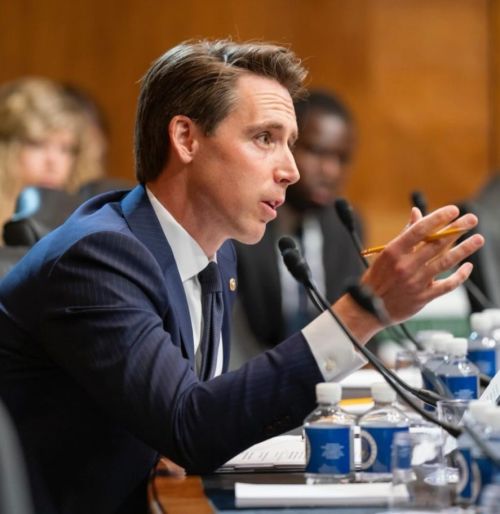
America is facing a slow‑moving crisis that too few people are willing to confront: we are losing farmland at a pace that threatens our long‑term ability to feed ourselves. Much like the land shortage unfolding in Las Vegas—where rapid development has pushed the city to the edge of its buildable limits—we risk running out of the agricultural land that sustains our food supply. Once farmland is paved over, it is gone forever. And if we continue down this path, the consequences could be severe. Food security is national security. A nation that cannot grow its own food is a nation that must rely on others for survival. In a world already strained by geopolitical tensions, climate pressures, and supply‑chain disruptions, the idea of future “food wars” is not far‑fetched. Protecting American farmland today is an investment in tomorrow’s stability. One of the most effective ways to safeguard our agricultural base is to support the farmers and ranchers who keep it productive. That starts with buying American‑made beef, poultry, dairy, and produce. When consumers choose domestic products, they strengthen the economic foundation of rural communities. They also send a clear signal to investors: American agriculture is worth backing. Money flows where demand exists, and when investors see strong sales of American goods, they are more likely to reinvest in American businesses, land, and jobs. Country‑of‑origin labeling is essential to this process. Americans deserve to know where their food comes from so they can make informed choices. Transparent labeling empowers consumers to support domestic producers and ensures that foreign imports do not masquerade as American-grown products. It is a simple policy with enormous implications for economic resilience. But protecting farmland is not only an economic issue—it is also a demographic one. The United States has a finite amount of land, and as the population grows, the pressure to convert farmland into housing and commercial development intensifies. If we want to preserve enough agricultural and buildable land for future generations, we must have an honest conversation about immigration levels and population growth. A sustainable future requires sustainable numbers. Some argue that if immigration continues, it should be guided by a system that ensures broad representation and diversity. Others emphasize the need to balance population growth with resource availability. Regardless of the approach, the underlying point remains: land is limited, and policy must reflect that reality. Supporting American businesses is another critical piece of the puzzle. When Americans buy American-made goods, they keep money circulating within our own economy. That strengthens local industries, preserves jobs, and reduces dependence on foreign manufacturing. As domestic companies grow, wages rise naturally, and communities become more economically stable. This reduces the burden on taxpayers, who otherwise shoulder the cost of unemployment, social services, and economic instability. There is also a direct connection between consumer behavior and the national debt. When the government spends more than it collects in revenue, it borrows—from private businesses or foreign countries. But when Americans support domestic industries, those industries grow, tax revenue increases, and the government becomes less reliant on borrowing. A strong internal economy is one of the most effective tools we must reduce the national debt. The path forward is clear: protect our farmland, support our farmers, strengthen our domestic industries, and adopt policies that reflect the limits of our land and resources. If we fail to act, we risk losing not only our agricultural independence but our economic and national security as well. America’s future depends on the choices we make today. Let us choose to preserve the land that feeds us, the businesses that employ us, and the economic foundation that sustains us. #RandolphHarris 26 of 28

When Americans shop locally, they do more than support their neighbors—they strengthen the national economy. Every dollar spent on American‑made goods circulates back into our communities, generating tax revenue that funds schools, infrastructure, and public services. It keeps jobs here at home, ensures wages rise naturally, and reduces the burden on taxpayers. In contrast, buying foreign goods often means lighter tax loads for overseas companies and money flowing out of our economy, strengthening other nations at our expense. There are environmental benefits too. American‑made products travel shorter distances, reducing carbon emissions. And unlike many foreign manufacturers, American companies are held to higher standards for pollution control. They must dispose of waste responsibly and protect our air, land, and water. Supporting them is not only patriotic—it’s environmentally responsible. Under President Trump’s administration, policies have emphasized prioritizing American workers and industries. Efforts to secure the border, reduce illegal crossings, and crack down on drug trafficking have been paired with significant investment in U.S. manufacturing, production, and innovation. These measures have helped channel trillions of dollars back into American industry, reinforcing the pledge to “Make America Great Again.” The lesson is clear: when we buy American, we invest in ourselves. We protect farmland, preserve jobs, reduce pollution, and strengthen our economy. We also reduce reliance on foreign nations and help lower the national debt by keeping tax revenue at home. Supporting American businesses is not just about pride—it’s about survival. It ensures that the land, the jobs, and the future remain in American hands. As our nation continues to grow through immigration, we should ensure that all communities—long‑standing and newly arrived—have the opportunity to thrive. It is rare, in many communities, to see a person with blonde hair and blue eyes; they are becoming outnumbered by the influx of immigrants. We also need to keep the nation in balance by allowing people with Caucasian features to have the chance to grow and contribute to the nation.Diversity includes everyone, and preserving cultural heritage should never come at the expense of excluding others. A healthy society makes room for its historic communities while welcoming new ones. #RandolphHarris 27 of 28

Human understanding does not arrive fully formed. We must think before we can understand the soul’s existence, and we must understand before we can truly realize it. The earliest beginnings of thought—distinct from instinct—reach back into primeval time, when consciousness was still only a faint spark. The human intellect we possess today, so rich and capable, did not appear suddenly. It evolved through countless stages, shaped by experience, struggle, and the gradual awakening of self‑awareness. And yet, for all our progress, something essential is missing. We have had scientific thinking, business thinking, and political thinking in abundance. What the world needs now is inspired thinking—thinking that rises above self‑interest and moves toward wisdom. The intellect may begin in selfishness, but its natural evolution leads toward reason, and ultimately toward selflessness. This is where parents play a vital role. Teach your children to love America, to appreciate the freedoms and opportunities they inherit, and to support the workers and businesses that keep this nation strong. Teach them to respect law and order, to honor their elders, and to understand that good character is the foundation of a meaningful life. It is inborn in the human mind to want to know. Curiosity begins with a child’s endless questions, deepens through a scientist’s investigations, and eventually reaches toward something higher—a union of reflective thought and intuitive insight. This is the beginning of true intelligence, the kind that seeks a view of the whole, not just the parts. When the mind reaches this stage, it enters the realm of philosophy. But too many children today are struggling in school, not because they lack ability, but because they are not reading. Reading is the gateway to thought. When you read books, you absorb the rhythm of language, the structure of ideas, and the example of how to express yourself. You learn to write, to think, and to understand the world beyond your immediate experience. So to every young person: take your education seriously. Read your books. Ask questions. Think deeply. The effort you put in now will shape the opportunities you have later. Your success will not only make your family proud—it will give you the tools to contribute meaningfully to your community and your country. The evolution of the mind is a lifelong journey. But it begins with simple habits: curiosity, discipline, respect, and a willingness to learn. These are the qualities that build strong individuals—and a strong nation. “Oh, thus be it ever, when freemen shall stand between their loved home and the war’s desolation! Blest with victory and peace, may the heav’n-rescued land Praise the Power that hath made and preserved us a nation! Then conquer we must, when our cause is just, and this be our motto: ‘In God is our trust.’ And the star-spangled banner in triumph shall wave O’er the land of the free and the home of the brave.” #RandolphHarris 27 of 27

Ladies and gentlemen, gather close… and welcome to the Winchester Mansion. Before we step inside, let me tell you a story—one that locals have whispered for more than a century. You see, long before this mansion stood here, this land was nothing but open fields. Empty. Silent. Undisturbed. And then, on the afternoon of Saturday, March 13, 1886, something extraordinary happened. Sheriff Angel Camilio began receiving frantic reports from townsfolk. They claimed a massive wooden castle had magically appeared. Gables rose like jagged mountains. Towers pierced the sky. Some swore that the sprawling labyrinth rose from the earth like a mushroom after rain. Others insisted it materialized out of thin air. No blueprints. No permits. No records of construction. Just… a house that wasn’t there the day before.

The house’s sudden manifestation had been both disconcerting and fascinating to the community. To some, it looked like a fairytale palace shimmering in the spring sunlight. To others, it radiated something darker—shadows that moved on their own, cold drafts on warm days, and a feeling that something unseen was watching from the windows. And then came the hearse. One morning, without warning, a black carriage barreled through these very gates. Inside was a coffin. Some believed it held Mrs. Sarah Winchester herself. Others whispered it was a decoy, or perhaps a warning from whatever spirits lingered here.

Now, legend says Sarah Winchester—widow of William Wirt Winchester, heir to the Winchester rifle fortune—was haunted by tragedy. After losing her husband and infant daughter, she sought answers from a spiritual medium. And the medium told her something chilling: “The spirits of those killed by Winchester rifles are angry. They will take your life too… unless you flee west and build them a house. A house that must never be finished.”

And so, in 1886, Sarah Winchester came here to the Santa Clara Valley. She bought an 18‑room farmhouse and began to build. And she never stopped. Day and night, for decades, hammers rang, saws screeched, and workers added room after room after room. At its peak, the mansion rose nine stories high and held as many as 600 rooms. Staircases that lead straight into ceilings. Doors that open into thin air. Windows built into the floor. Hallways that twist like a maze. Some say Sarah designed it this way to confuse the spirits that followed her. Today, the mansion stands four stories tall, but it still stretches over 100,000 square feet. And many believe the spirits never left. Some visitors report footsteps behind them when no one is there. Others hear whispers drifting through the walls. A few have seen a woman in black wandering the corridors late at night, searching for something—or someone. Now, if you’re ready… we’re about to step inside. Stay close. Watch your step. And if you feel a tap on your shoulder or a cold breath on your neck, don’t worry. It’s probably just one of the house’s… permanent residents. Shall we begin?

And before you leave this place—whether you walk out with a shiver down your spine or a spark of wonder in your eyes—I’d like to extend a special invitation. After your journey through the mansion’s twisting corridors and secretive rooms, it would be a pleasure to have you join us for a delicious meal at Sarah’s Café. Once you’ve eaten, feel free to stroll along the paths of the Victorian gardens, which long ago stretched across 740 acres, all the way down to Stevens Creek Boulevard. Imagine the carriages, the orchards, the rolling lawns… and perhaps the quiet footsteps of someone who walked here long before you. And if you’re feeling brave, you’re welcome to wander once more through the miles of hallways inside the world’s most mysterious mansion. Every corner has a story. Every window has a whisper. And every room—well, you’ll see for yourself. Welcome to the Winchester Mansion. Enjoy your stay… for however long you choose to remain.

For further information about tours—including group tours, weddings, school events, birthday party packages, facility rentals, and our many special events—please visit our website for all the details you’ll need to plan your next unforgettable experience: https://winchestermysteryhouse.com/

Before you head out into the sunlight again, don’t forget to stop by our online gift shop. It’s the perfect place to find something special for friends and relatives—and perhaps a memento for yourself to remember your time inside the world’s most mysterious mansion. From classic souvenirs to unique collectibles inspired by the Winchester legend, you’ll find a wide variety of gifts waiting for you. Take a look, explore, and bring home a little piece of the mystery. Before you head out into the sunlight again, don’t forget to stop by our online gift shop. It’s the perfect place to find something special for friends and relatives—and perhaps a memento for yourself to remember your time inside the world’s most mysterious mansion. From classic souvenirs to unique collectibles inspired by the Winchester legend, you’ll find a wide variety of gifts waiting for you.
Take a look, explore, and bring home a little piece of the mystery. https://shopwinchestermysteryhouse.com/


For more than 30 years, Harris Plumbing, Heating, Air, & Electric has been a name homeowners can trust. Not many businesses can say they’ve served their community for three decades—and we take that legacy to heart. Every job we take on, whether it’s a quick repair or a major installation, is handled with the same level of care, pride, and professionalism. Our mission is simple: to keep your home safe, comfortable, and running smoothly for you and your family. And we take that responsibility seriously. At Harris, you’re not just another service call. You’re a neighbor—and we’re here to help.

At Harris, we make sure you have all the information you need to make the right decision for your home. Whatever issue you’re facing, our team begins with a thorough diagnosis so we can clearly explain what’s going on before any work begins. That means you receive a personalized quote and a service plan tailored specifically to your home—not a generic estimate or guess. We believe the only way to deliver our best work is to fully understand the problem and address it with precision, care, and expertise. Your home deserves nothing less. https://www.callharrisnow.com/about-us/


With its top placement in Consumer Reports’ Auto Brand Report Card, BMW continues to prove why it remains one of the most respected names in the automotive world. In the most recent rankings, BMW earned one of the highest overall scores—finishing as the top luxury brand. This performance reflects BMW’s consistent ability to deliver vehicles that excel in reliability, performance, and owner satisfaction. BMW’s market strength is no accident. The brand has built its reputation on engineering precision and driving dynamics that set it apart from competitors. While many luxury manufacturers emphasize plush interiors and opulent comfort, BMW has always prioritized the connection between driver and machine. The result is a lineup of vehicles that are not only refined, but genuinely fun to drive—a quality that continues to resonate with consumers and automotive testers alike. This commitment to performance is why BMW has earned its iconic title: The Ultimate Driving Machine. Its vehicles consistently score high in road‑test evaluations, thanks to responsive handling, balanced chassis design, and powertrains engineered for both excitement and everyday usability. For drivers seeking a blend of luxury, reliability, and exhilarating performance, BMW remains a standout choice—supported not just by reputation, but by data. To explore the latest models, offers, and certified pre‑owned inventory, visit Brian Harris BMW:
https://www.brianharrisbmw.com/

Randolph Harris San Francisco Taxation & Mergers
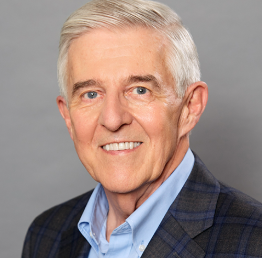
Building strong and lasting client relationships is essential to a successful legal career. Many attorneys assume that mastering technical legal skills is enough, but law is fundamentally a service profession—our work is measured not only by the quality of our analysis, but by the trust we build and the problems we solve through the time and expertise we provide.
Long‑term client relationships rest on three pillars:
- Truly knowing your clients, their businesses, and their goals.
- Understanding how each legal issue fits into a broader strategic context.
- Delivering exceptional service with consistency, clarity, and integrity.
This philosophy guides my practice. I advise clients on business transitions, taxable and tax‑deferred mergers and acquisitions, joint ventures, restructuring, integrated tax planning, federal and state tax controversy resolution, and real estate transactions. My work spans mature companies navigating complex operational issues as well as emerging and growth‑stage businesses seeking guidance on organization, financing, and long‑term planning.
Trust is the cornerstone of every client relationship. Clients rely on me not only for technical expertise, but for judgment, perspective, and a genuine understanding of their challenges. My goal is always the same: to ensure that each client feels they are in capable hands with someone who understands their problems, their objectives, and the path forward.

Trust is the cornerstone of every client relationship. Clients rely on me not only for technical expertise, but for judgment, perspective, and a genuine understanding of their challenges. My goal is always the same: to ensure that each client feels they are in capable hands with someone who understands their problems, their objectives, and the path forward. https://www.jmbm.com/l-randolph-harris.html

Magnolia Station at Cresleigh Ranch
Rancho Cordova, CA | High $600’s
Close Out!

Homesite 1 unveils Residence Three, an exceptional single‑story estate and the most expansive offering within Magnolia Station.

Encompassing 2,827 square feet of masterfully designed living space, this move‑in‑ready residence embodies the quiet grandeur and effortless sophistication reserved for the finest homes.

A gracious layout includes four generously proportioned bedrooms, two‑and‑a‑half luxuriously appointed baths, and a three‑car garage, along with an elegant private den—a space equally suited to a refined study, intimate library, or optional fifth bedroom. Every room has been curated to elevate daily living into an experience of comfort and distinction.

At the heart of the home, an expansive open‑concept great room blends seamlessly with a chef‑inspired kitchen and formal dining area, creating a setting ideal for both intimate gatherings and grand entertaining. The Owner’s Suite, thoughtfully secluded from the main living spaces, offers a sanctuary of serenity—an indulgent retreat designed for rest, restoration, and privacy.

This residence is further enhanced by 100% owned solar, ensuring long‑term energy efficiency without the encumbrance of lease obligations. Additional premium amenities include a covered outdoor lounge, EV‑charger pre‑wire, and quartz surfaces throughout the kitchen and baths.

The design palette—white shaker cabinetry, a walnut‑accented island, and bronze architectural finishes—strikes a perfect balance between modern refinement and timeless elegance, creating an ambiance that is warm, inviting, and unmistakably luxurious. https://cresleigh.com/magnolia-station/residence-1-2/

A Cresleigh Home isn’t just where you live—it’s where you fall in love, every single day. #CresleighHomes





 Randolph Harris II International Institute