Home » Posts tagged 'Winchester'
Tag Archives: Winchester
Mrs. Winchester’s Omen: Earthquake, Apparition, and the Changing House

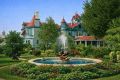
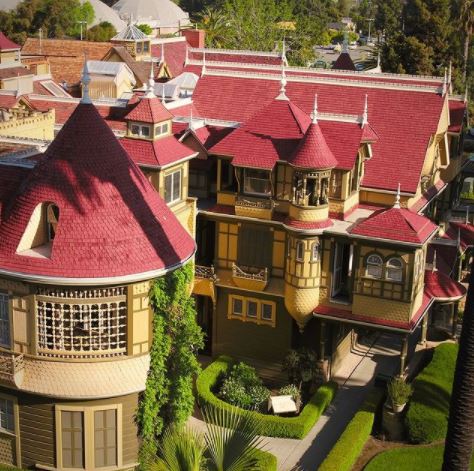
Queen Anne Victorian architecture—or “Queen Anne Revival”—is a misnomer, bearing little resemblance to the restrained, dignified buildings of England’s early‑eighteenth‑century Queen Anne. Instead, it reflects the exuberance and eclectic spirit of Queen Victoria’s later reign. Far from a pure revival like the Gothic or Greek, the Queen Anne style freely borrowed from multiple eras, blending towers, turrets, verandahs, porches, gables, and bays into lively, asymmetrical compositions. Rooted in the picturesque principle, the Winchester Mansion embraces symmetry, irregularity, and romantic flourish, its architecture so theatrically expressive that Victorian design and restless spirits seem almost destined for one another — as though the very structure had been conceived with haunting in mind from the first stroke of its blueprint. Yet no such blueprint has ever been found. In the lore that clings to its corridors, Heiress Sarah L. Winchester is said to have raised this palatial labyrinth not merely as a home, but as a vessel for the unseen — a sanctuary where wandering spirits might find passage, solace, or judgment within its ever‑shifting walls, guided by plans whispered from realms beyond mortal sight. . However, we, who send wireless messages through space and draw flames out of the air, agree that nowadays nobody believes in ghosts. Phantoms prowl only to disturb the slumbers of those who have looked on the red lobster and duskily rich plum pudding too affectionately, and in the Winchester Mansion, there exists a secret society organized for the purpose of exposing ghosts and being invited into their favorite lair. No census has ever been released to the public of the well-authenticated family of ghosts in the mansion, nor have any statistics been unrestricted as to the number of haunted encounters on the estate. If they could be disclosed, it is safe to say that the figures would not only surprise the average American, but prove that ghosts die hard in the Winchester Mystery House. #RandolphHarris 1 of 6
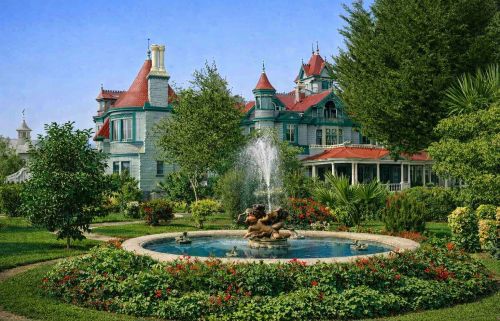
It is the curious and the eccentric aristocrats who refuse to deny ghosts both shelter and respect, and what is a little overwhelming to some Americans is to find how very seriously ghosts are considered by the laborers and the Lords. Active middle-class folk do not ordinarily have much time to spare for speculation on the supernatural. Yet, it can be shown that even in this excessively incredulous day, some of the busiest and most highly regarded ghosts in the Winchester Mansion are still conducting their blood-curdling business at the antique stands where they have been practicing as spectres for ages. The mansion creates haunting energy because of its excess, its shadowed corners, its ornate drama, its hidden rooms, and its beautiful but bizarre features. A few defining elements: pointed arches, steep gables, spires that look like they are reaching for something unseen. The carved wood, ironwork, stained glass, patterned wallpapers. Every surface feels like it is hiding a story. Doors that open onto walls — often remnants of remodels or blocked‑off servant routes, now feeling like portals that forgot their purpose. Staircases that lead to nowhere — truncated attic stairs, abandoned servant access, or architectural flourishes that became dead ends. Trap doors — used for coal chutes, storage, or mechanical access, but narratively perfect for secret passages and sudden disappearances. Closets that are deeper than they should be — narrow, elongated spaces that seem to extend farther than the geometry of the house allows. Rooms with no apparent function — tiny chambers tucked between larger rooms, sometimes only accessible through another room’s closet. False windows — decorative exterior windows that do not correspond to any interior space, suggesting a room that “should” exist but does not. Speaking tubes — hollow metal tubes running through walls, perfect for carrying whispers long after the household staff is gone. A door that opens onto a two‑story drop — a perfect example of Victorian theatricality turned perilous, a threshold that promises passage but delivers only vertigo. A staircase whose steps rise only two inches high — a baffling ascent that feels more like a ritual than a route, forcing visitors to climb in slow, unnatural increments, as though the house were testing their patience or resolve. A room with one entrance but three exits — each more treacherous than the last, including one that opens directly onto the kitchen sink below, a sheer drop so abrupt it feels like the house itself indulging in a dark, private jest, a little cruelty whispered through its carpentry. #RandolphHarris 2 of 6
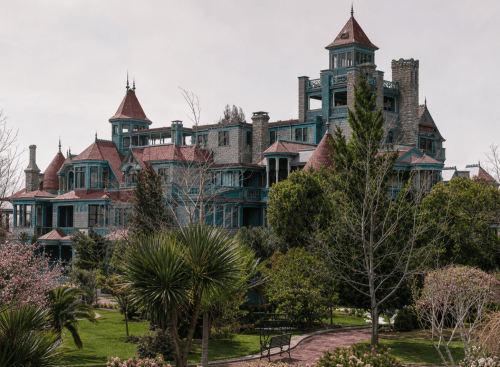
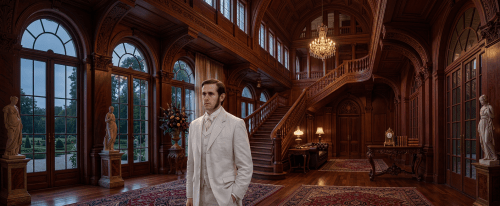
The mansion’s bizarre nature did not end with its haunted corridors or shifting hours; its very architecture seemed to conspire in the uncanny. Mirrors were positioned not merely for illumination but for light management, catching gaslight and flinging it into distant corners so that glimmers appeared where no person stood — fleeting reflections that moved like wandering spirits. Hidden throughout the estate were secret eaves rooms, tiny crawlspaces tucked behind paneling or accessible only through ceiling hatches, narrow chambers meant for listening rather than living. Basement coal rooms — pitch‑black chambers with soot‑stained walls and low ceilings, often left untouched for decades. Ornate radiators — clanking, hissing, and groaning with thermal expansion, sounding uncannily like breathing. Overly tall doors — exaggerated proportions that make rooms feel stretched or distorted. Cupolas and widow’s walks — elevated spaces associated with watching, waiting, and mourning. Labyrinthine floor plans — narrow hallways, servant staircases, unexpected alcoves. Perfect for echoes and apparitions. Gaslight glow — warm, flickering illumination that leaves pockets of darkness where spirits linger. The Victorian architecture of the Winchester Mansion does not just house spirits — it invites them. There is, for instance, a young noble man dressed in late Renaissance attire—a ruffled collar, richly embroidered doublet, which were hallmarks of 16th-century Europe. His face is pale and smooth, with delicate, symmetrical features—a straight nose, soft lips, and large, dark eyes that convey quiet intelligence and restraint. His hair is short and dark, neatly framing his youthful face. Nobody knows how long has been haunting the regal mansion, except perhaps the Winchester family, who could tell when he first appeared and the tragic circumstances out of which, in good orthodox fashion, he was evolved. However, the Winchester family always refused to discuss the young man, whose duty is to herald the approaching death of anyone in the mansion. #RandolphHarris 3 of 6
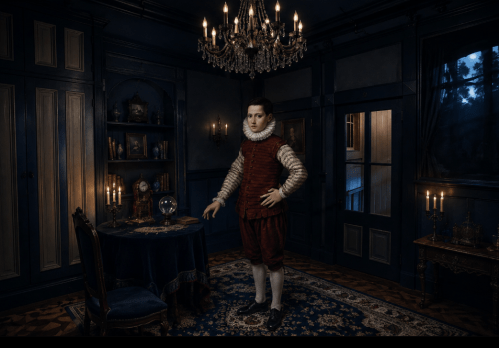
He is known to appear only in the Blue Séance Room—an ancient, brooding chamber tucked deep within the mansion’s oldest wing—and always at the hour of dusk, when the last light bleeds into shadow. He materializes with the poise of a young noble: shoulders drawn back, chin lifted, his manner confident yet curiously restrained, as though he carries the etiquette of a long‑dead court. In the dimming glow, his figure seems to gather its own faint radiance, his Renaissance attire shimmering with a quiet, mournful dignity. He is the very image of youthful aristocracy—cultivated, solemn, and brushed with an otherworldly melancholy. But the mansion does not always grant him this grace. Witnesses speak in hushed voices of encountering his ruined form drifting through distant corridors: a young man decapitated, his eyes torn from their sockets, his hair brutally shaved, his right shoulder ripped open with blood soaking the front of his shirt. Some have seen him cleaved cleanly at the waist, the two halves floating independently like sorrowful relics of a forgotten execution. These apparitions—so grotesque, so impossible—have long terrified and enthralled those who dwell within the mansion’s reach. Yet the greatest unease comes not from his mutilation, nor from his persistence, but from his uncanny resemblance to Mrs. Winchester herself. The likeness is unmistakable, though he predates both her and the mansion by centuries. Rumor insists he was her estranged nephew, arriving to collect a generous sum, only to vanish without a trace. But how could a prince of the sixteenth century share blood with a woman said to be born in the nineteenth? And why does no record agree on the true date of her birth? In the end, the mystery coils back upon itself, as all good hauntings do. The young man’s presence suggests that time within the mansion does not flow forward, but folds—layer upon layer—until centuries touch, and bloodlines blur, and the living find themselves staring into the face of a ghost who should never have existed at all. #RandolphHarris 4 of 6
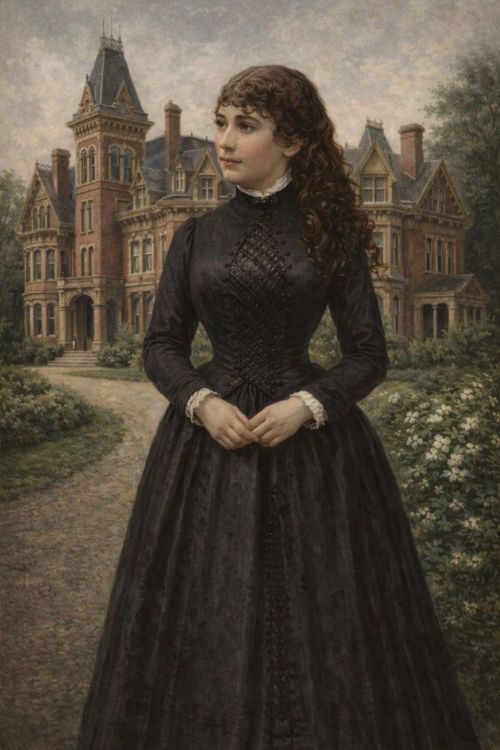
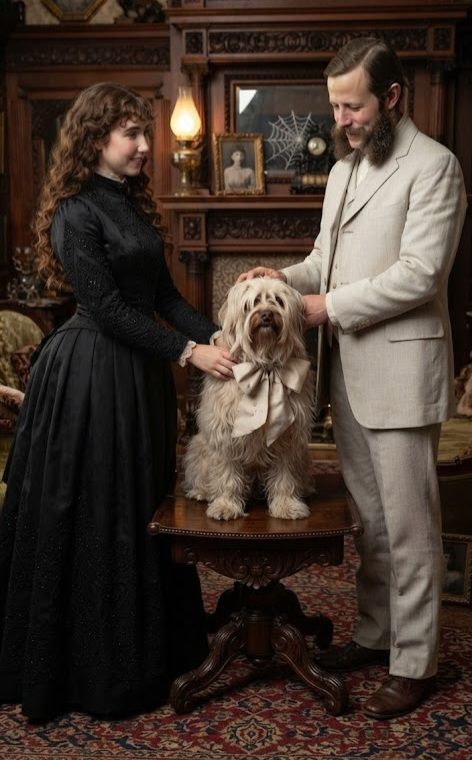
After the 1906 earthquake, Mrs. Winchester never again found contentment within the walls of her great mansion. The damage had unsettled not only the structure but her spirit, and she soon began making plans for a second estate not far from the original grounds. She even commissioned the construction of a sea wall for the new property, though the project never advanced beyond its early stages. While the Winchester Mansion underwent repairs and restoration, she withdrew entirely from its corridors and chose instead to live aboard a houseboat, drifting at a quiet remove from the place that had once consumed her life. When she finally returned to her estate, she often stood at the window, letting her gaze drift across the serene expanse of her beautifully kept yard. One morning, as the first pale ribbons of sunlight unfurled across the lawn, she paused, sensing that the quiet held something new. For a long while she remained at the window, her hand resting lightly against the cold glass. The young prince stood by the crescent‑shaped hedge below her window, emerging from the pale hush of early morning—a time he never kept. He was a creature of dusk, of long shadows and fading light, yet now he stood in the newborn glow as if torn out of his rightful hour. The dawn clung to him awkwardly, casting a thin, uneasy shimmer around his figure. Something was wrong. His presence at daybreak felt less like a visit and more like an omen, a quiet rupture in the order of things that the mansion itself seemed to acknowledge. Mrs. Winchester had always been sensitive to signs, to whispers, to the subtle language of fate. And now, with the ruins of the tower still haunting the grounds and the fourth floor freshly stripped away, she felt the young man’s appearance entwine itself with the earthquake in her mind, merging into a single, undeniable warning. She drew back from the window slowly, her breath shallow. His disappearance left a tremor in the air, a subtle shiver that seemed to ripple through the morning light. It was not the garden that had changed, but something within her—some inner axis knocked slightly off its center. The silence he left behind felt charged, as though the omen had not ended with his vanishing but had slipped inside her, altering the shape of her thoughts in ways she could not yet name. As she stood there, steadying herself against the cold glass, her gaze drifted instinctively toward the front of the mansion. That side of the house — the grand façade, the towering heights, the rooms that had once reached toward the sky — had always felt exposed, vulnerable, too close to the world’s gaze. It was the part that reached outward, inviting scrutiny, inviting disaster. The quake had punished it most severely, tearing down everything she had dared to build upward. #RandolphHarris 5 of 6
Now, in the wake of the prince’s early‑morning appearance — a violation of his rightful hour — the meaning settled over her with quiet certainty. His presence had not been random. It had been a message. A confirmation of what she had long suspected: she had spent too much of her life, her energy, her grief, on the front of the house. That night, she summoned her carpenters and instructed them to board up the entire front wing. Windows were shuttered, doors sealed, corridors closed off like tombs. She turned her attention instead to the back of the mansion — the winding hallways, the hidden chambers, the places where the house seemed to grow inward rather than outward. There, she resumed her work with renewed fervor, as though the apparition had redirected her hand. From that evening onward, the crescent hedge remained untouched, the boarded façade loomed in silence, and Mrs. Winchester devoted herself entirely to the mansion’s shadowed rear. Some said she was following the guidance of spirits. Others whispered that she was fleeing them. But she alone knew the truth: the earthquake had shaken the house, and the boy had shaken her resolve. Together, they had turned her away from the front — and deeper into the labyrinth she was destined to build. Today, as visitors wander through the mansion, the stained glass scatters light into fractured colors that seem to catch and refract passing apparitions. The grand staircases rise like stages awaiting spectral entrances, their landings steeped in a hush that feels almost rehearsed. Even the sealed conservatories breathe with cold air and faint rustling, as though unseen hands still tend the plants that once grew there. In the grand ballroom — and in the unfinished hidden ballroom— soft echoes drift through the air, the suggestion of music that never resolves into a melody. Several corridors carry whispers and footsteps that fade before reaching the main hall, as if the house itself edits what it allows the living to hear. The Winchester mansion feels less like a structure and more like a living organism, its walls layered with memory. The spirits that move through it are not intruders but simply another part of its anatomy, lingering in the spaces where time folds and refuses to let go. #RandolphHarris 6 of 6
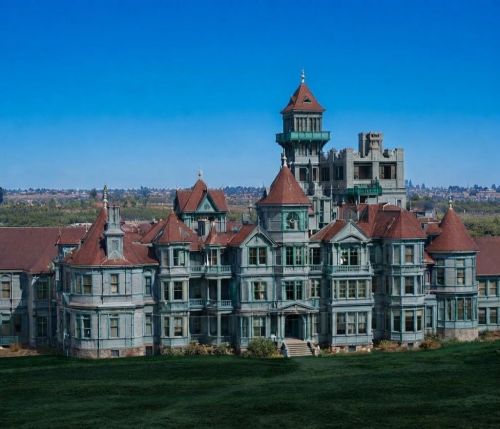
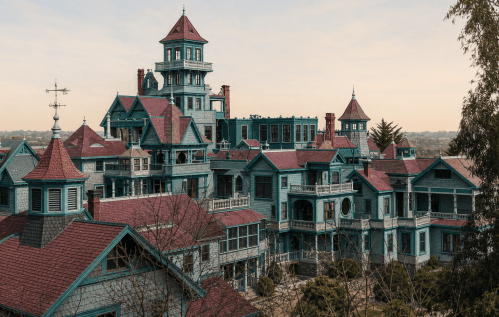
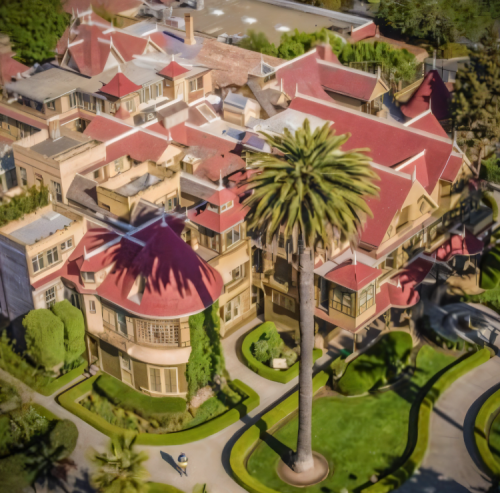
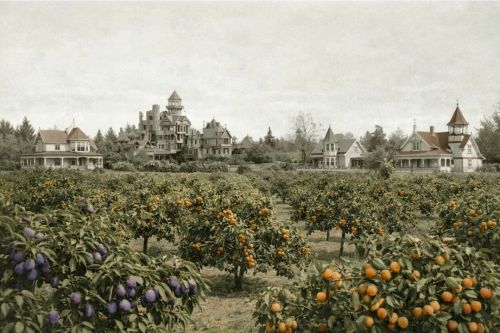
Hopefully, these photographs offer a clearer sense of what the Winchester Mansion looked like before the 1906 earthquake reshaped it. Experts estimate that the mansion once rose nine stories high, that Mrs. Winchester purchased roughly 740 acres of surrounding land, and that—despite modern measurements placing the house at about 24,000 square feet—many researchers and enthusiasts believe the structure is significantly larger even today. At its height, the estate reportedly contained between 500 and 600 rooms. Now, four majestic stories remain, with 160 rooms in total, approximately 110 of which are open to the public. The grounds have been retained at a beautiful park‑like acreage of four. Construction was nearly continuous. From 1886, when Mrs. Winchester first purchased the farmhouse, until her death in 1922, the mansion evolved through an unbroken cycle of building, altering, expanding, and repairing—a forty‑year transformation that remains one of the most extraordinary architectural undertakings in American history.
This is an ariel phot of The Winchester Mansion circa 1930.

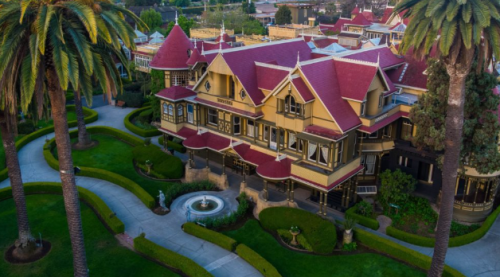
Where History, Mystery, and Imagination Intertwine
Step inside one of California’s most extraordinary landmarks and experience a world unlike any other. The Winchester Mystery House is more than a Victorian mansion—it is a living work of art, a labyrinth of architectural wonders, and one of America’s most captivating historical estates. Built over 36 years without pause, the mansion stands today as a testament to craftsmanship, curiosity, and the enduring legend of Mrs. Sarah Winchester.
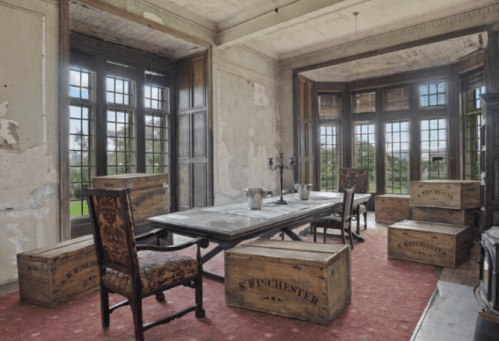
Visitors are invited to explore miles of elegant hallways, beautifully restored rooms, and the mansion’s famously perplexing features: staircases that lead nowhere, doors that open into walls, windows overlooking other rooms, and secret passages woven throughout the estate. Every corner of the house reflects Sarah Winchester’s unique vision, blending Victorian elegance with an eccentricity that continues to fascinate architects, historians, and guests from around the world.
Beyond its architectural marvels, the Winchester Mystery House offers a rare glimpse into the life of a woman who defied convention. Sarah Winchester, heiress to the Winchester Repeating Arms fortune, poured her grief, creativity, and resources into building a home unlike any other. Her story—part tragedy, part triumph, part enduring mystery—adds emotional depth to every room you enter. Visitors leave not only impressed by the mansion’s scale, but moved by the humanity behind its creation.

The estate’s lush gardens, ornate fountains, and tranquil outdoor spaces provide a peaceful contrast to the mansion’s winding interior. Guests can stroll through beautifully landscaped grounds, enjoy seasonal displays, and take in the serene beauty that surrounds the historic home. Whether you’re a lover of history, architecture, horticulture, or simply a seeker of unforgettable experiences, the Winchester Mystery House offers something for everyone.
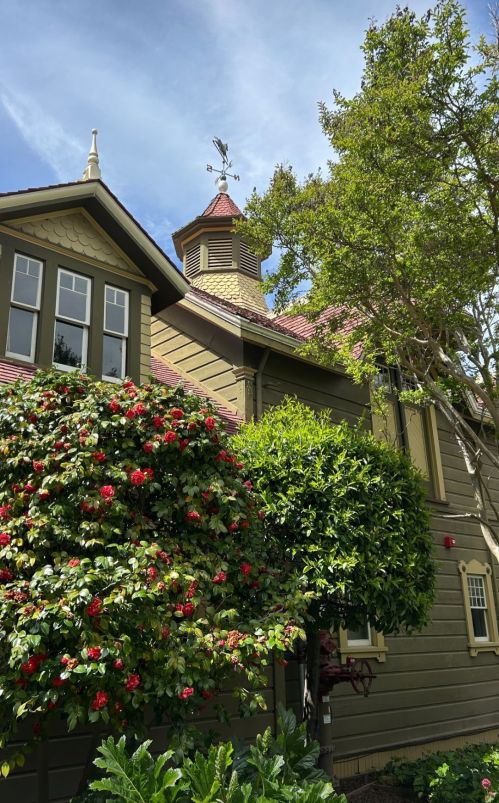
A visit to the Winchester Mystery House is more than a tour—it is an encounter with legend. It is a place where imagination thrives, where history whispers through every corridor, and where the line between fact and folklore blurs in the most enchanting way. Come discover why millions of visitors from around the world consider the Winchester Mystery House a must‑see destination and one of California’s most iconic treasures.
PRIVATE EVENTS & WEDDINGS
at WINCHESTER ESTATE
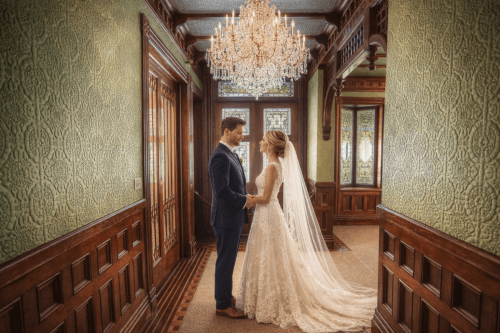
Many event locations claim to be unique, but nothing compares to the Winchester Mystery House. If you’re truly seeking a distinct, one‑of‑a‑kind setting for your milestone celebration or special occasion, reserve a venue that delivers on uniqueness many times over. Whether you’re planning a wedding, birthday or anniversary celebration, corporate gathering, holiday party, or any other meaningful event, the Winchester Mystery House offers an unforgettable backdrop. Give your guests an experience they’ll be talking about for years to come.
Café 13: A Rest Stop on the Edge of the Mystery
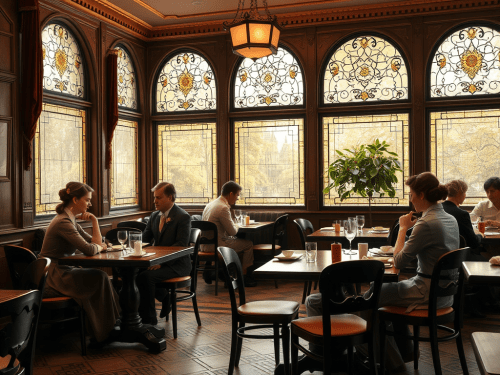
After wandering the winding halls of the Winchester Mystery House—where staircases defy logic and whispers seem to cling to the walls—Café 13 offers a welcome return to warmth and grounding. Newly reopened and serving guests daily from 10 AM to 3 PM, this cozy hideaway invites you to pause, breathe, and gather yourself before diving back into the mansion’s secrets. Settle in with a warm meal, challenge a friend to a board game, or simply rest and recharge as sunlight filters through the windows. Café 13 is more than a café—it’s a moment of calm between chapters of the Winchester legend, a place to steady your nerves before returning to the gardens, the grandeur, and the mysteries that await.
Winchester Mercantile Gift Shop
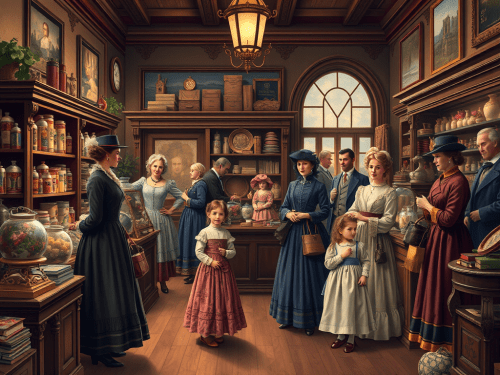
Your journey into the Winchester Mystery House begins long before you cross the mansion’s threshold. It starts at the Mercantile gift shop—a welcoming outpost standing at the edge of a world where history and myth intertwine. Here, beneath warm lights and shelves lined with curiosities, you can secure your tour tickets and prepare for the adventure ahead. Guests often pause for a souvenir photograph, capturing the moment before they step into Sarah Winchester’s enigmatic domain. As you explore the shop, you will find an eclectic array of gifts and keepsakes: tokens of the mansion’s lore, echoes of Victorian elegance, and mementos that carry a touch of the house’s enduring mystery. The Mercantile is more than a gift shop—it is the gateway. https://winchestermysteryhouse.com/

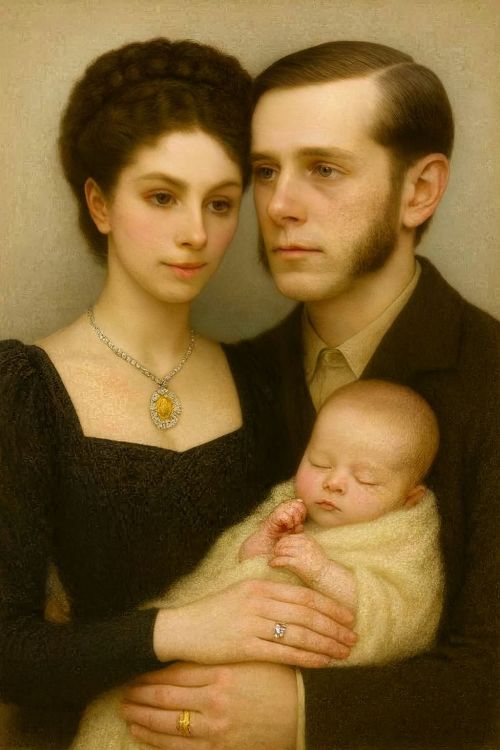
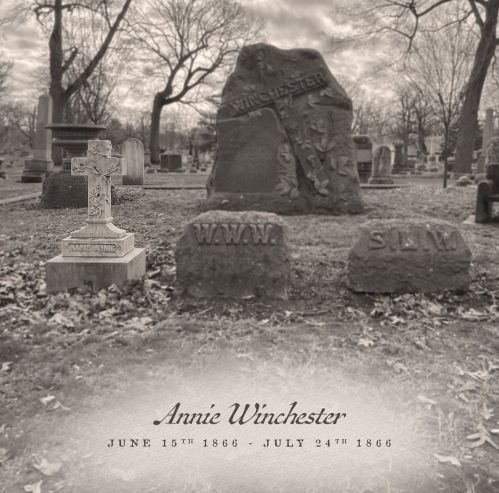
Today marks 160 years since the passing of Annie Winchester, the only child of Sarah and William Winchester.
This photograph shows the Winchester family plot in New Haven, Connecticut, where Annie rests alongside her loving parents. Her grave bears the inscription “Babie Annie.”
We Shall Always be Glad to See You

Drawn curtains blocked the sunlight. A single candle lit the cavernous entryway—an art gallery nearly forty feet long. Mahogany panels covering much of the walls added their own soberness. Marble busts of 13 Roman Emperors mounted on pedestals, two historic series of pre-Gobelin tapestries woven in 1640 for Louis III to present to Cardinal Barberine of Rome populated a side room. The draperies were green silk damask and blue velvet, the furniture of Louis XV gilded oak, the paintings signed by van Gough, Boch, Embiricos, Moueix, Geffen. In the half-light of my own home, I came face to face with an apparition, a man, with thin white, grizzled hair hanging like seaweed, frightened eyes the colour of crystal blue. His cheeks were hallow; although well-knit and well-proportioned his black attired figure, indefinitely grim. At first, I was alarmed. He looked like somebody who had risen from the grave. I am a very private person and the locals hereabouts would like nothing better than to have stories of “ghosties” and poltergeists up at The Winchester Mansion to giggle over. And God knows that the country rag would make of it. Up the wide mahogany staircase I preceded, shading the chamber candle with my hand, to protect it from the currents of bone chilling air. In such a rambling place, the spirits found plenty of room to disport themselves in. I conducted myself through a maze of rooms, and a labyrinth of passages, to the Hall of Fires where the fires were blazing. #RandolphHarris 1 of 7

The sumptuous fires were composed of a bushel of coal, wood enough to build a small cottage, piled halfway up the chimney, and roaring and crackling like the sound of thunder. This was comfortable. I sat in a big armchair against the wall for about an hour, holding Zip on my lap. He was tense and I was frustrated, for a sense of personal guilt was growing. I had insisted on building this house and bringing him into it. When my bones warmed, I went to bed but not to sleep. I lay awake and thought of my youthful days when I had been a wife and a mother. Until the untimely deaths of my infant daughter and my beloved husband, I had not realized how much I had rejected certain rigid orthodox beliefs. Inexplicably, something seemed to lurch within, an abrupt sagging of mood that left me strangely wearied. I wondered at my own unease. The tranquility of this hour is the tranquility of death. Nonetheless I had lived in two haunted houses. In one of them, a Dutch Colonial, had bore the reputation of being haunted. Much like Llanada Villa, it had a score of mysterious bedrooms which were never used. After a few tears shed, I covered myself up warm, and fell asleep. Upon awakening, slowly waving shadows waved on from the heavy trees. Coming down from the ninth floor, I passed the servants quarters. The mirror-paneled walls hid mysterious doors, which opened to an entire suite of rooms. Perhaps these doors were hidden out of whimsy, perhaps with an eye toward security. #RandolphHarris 2 of 7
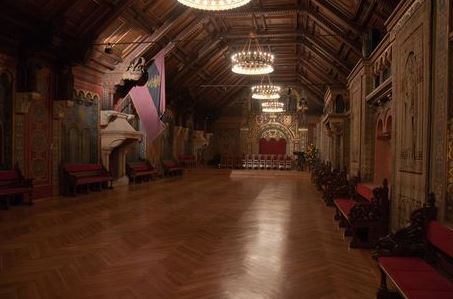
One of my fondest rooms was the library, warmed by a fireplace from a sixteenth-century castle in Germany, decorated with a tiger rug at the near and a bear rug at the front end, with armed knights standing guard as anions. The mantel was carved with a scene of rural revelry, with a Shepherdess, a bagpiper, and dancing men. The ceiling was of carved French mahogany from the 1500s, the room contained three stained-glass windows freed from a thirteenth-century abbey in Belgium. The library also featured the finest European furnishings. Its thousands of volumes included Juan Ruiz, Venerable Bede, Julian of Norwich, Mechthild of Magdeburg, Hildegard of Bingen, Layamon, Boethius, Heinrich Kramer, and Jacob Sprenger. With the contagion downs stairs, I sat in the morning room listening when I heard strange noises, which chilled my blood. There was suspicion and fear among us. The servants were always ready to go off with hair triggers. The year was dying early, the leaves were falling fast, it was a cold day. However, there was a coldness about Llanada Villa which only in part was to do with the shift in season. In certain rooms and corridors there was a darkness of air, in others a sense of emptiness because they had not been used nor entered in years. Zip grumbled somewhere in the shadows, but did not show himself. In the basement, the cellar which contained filled wine racks. It was with a mild sense of relief that I left the cellar to walk through the kitchen and scullery out onto the garden terrace. This was a fine place for a haunting. If one believed in such things. Looking out at the gardens, enjoying how magnificently laid out in formal yet interesting lines and curves, I breathed in deeply. #RandolphHarris 3 of 7
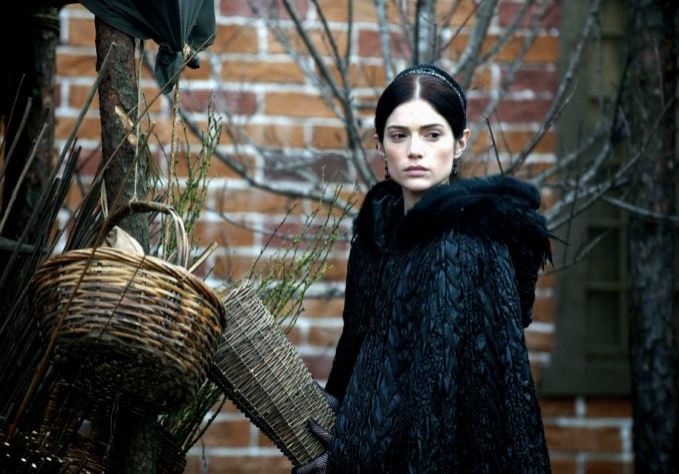
The was a cold, creepy feeling running up my spine. I expected something profound, maybe something deeply moving, an insight into the spiritual World on the other side of my own life. Descending a short flight of steps, the stone path before me branched off in three directions around the flower beds. I continued along the center path. Reflecting on how it is only when we begin to understand what is going on inside our own minds that we will discover some answers to the paranormal. I reached a knee-high wall, which encompassed a large ornamental pond, almost a miniature lake, full of water lilies. Before my eyes was a girl. She looked past me at the pond almost as if it had come as a shock to her eyes. However, there was something queer in her movement as she backed away. I blinked and it was moments before I realised that I was back in one of the mansion’s rooms, and looking up at the figure of a man, someone who had his back turned toward me. There was something wrong with this vision, for it had wavered before me as if…as if I were watching him through water. There were moving fronds around me, reeds shifting like loose tentacles. Two naked arms reached for me, slender, pearl-white limbs, fingers clawed. And even though they stretched toward me, these arms were bloodless. They were dead things. Suddenly, an air of profound peace invaded the dwelling. I entered the hallway with a vague, uneasy consciousness of unfitness and treachery. #RandolphHarris 4 of 7
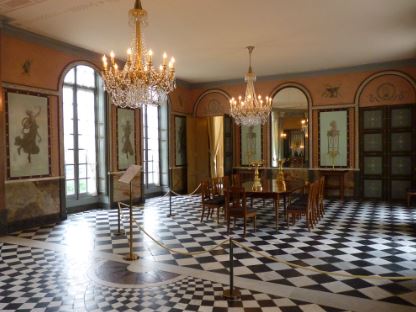
I switched the light off, and the door to the landing of the second-floor staircase was open. Just on that sport, I suddenly heard crashing noises as if somebody were rolling down. I was terrified. As soon as I switched the light back on, it stopped. There was nothing on the stairs. I sat on the chair for a moment, then decided it was my nerves, and turned the light off again. Immediately, the same noise returned, even louder. There was no mistaking the origin of the noises this time. They came from the stairs in front of the room. Wondering if this had anything to do with the terribly frigid area on the back of the staircase, I switched on the light again and they stopped. Before climbing into bed, I left the lights burning the rest of the night. I finally fell asleep from sheer exhaustion. The next morning was a clam day. I was lying in bed, enjoying from my window the sense of winter beauty and repose; a bright sky above, and the quiet estate before me. In this state I was gladdened by hearing footsteps, which I took to be those of the housemaid Hilda, approaching the chamber door. The visitor knocked and entered. The foot of the bed was toward the door, and the curtains at the foot, notwithstanding the season, were drawn to prevent any draught. The housemaid parted them and looked upon me. Her gaze was earnest and destitute of its usual cheerfulness, and she spoke not a word. I had a curious sense that I was looking upon some unknown, ethereal World which might vanish. “My dear Hilda,” I said, “how glad I am to see you! Come round to the bedside, I wish to have some talk with you.” #RandolphHarris 5 of 7
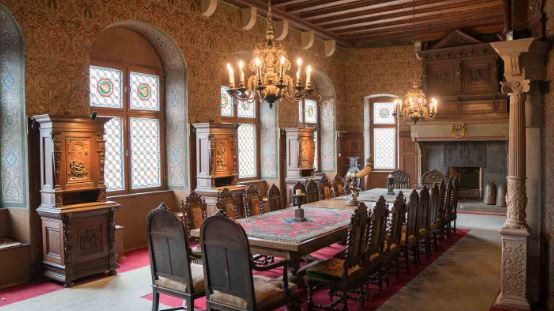
She closed the curtains, as if complying; but instead of doing so, to my astonishment, I heard her leave the room, close the door behind her, and begin to descend the stairs. Greatly amazed, I hastily rang, and when the butler appeared I bade him call the housemaid back. The butler replied that he had not seen her enter the house. However, I insisted, saying, “She was here but this instant, run! Quick! Call her back!” The butler hurried away, but, after a time, returned, saying that he could learn nothing of her anywhere; nor had anyone in or about the house seen her either enter or depart. This strangeness of this circumstance struck me forcibly. While I lay pondering on it, I heard a sudden running and excited talk in the garden. I listened; it increased, though up to that time the estate had been profoundly still; and I became convinced that something unusual had occurred. Again, I rang the bell, to enquire about the cause of the disturbance. This time it was the scullery maid who answered it. “Oh, Mrs. Winchester, it was nothing particular,” she said, “some trifling affair.” Finally, however, my alarm and earnest entreaties drew from my servants the terrible truth that my housemaid had just been stabbed at the market and killed on the spot. There then follows a detailed account of the events in which Hilda Howitt lost her life. So great was the respect entertained for her, and such a deep impression of her tragic end, that the bell in the belfry tolled on this day. Comparing the circumstances and the extant time at which end occurred, the fact was substantiated that the apparition presented itself to me almost instantly after she had received the fatal stroke. At sunset, I sat at my desk and gazed dreamily at the Observational Tower, and that shimmering spire crowned complex of rooms in the distance of the labyrinth which provoked my fancy. Now and then, I was trained my eyes on the spectral, unreachable World of my estate; picking out individual roofs and chimneys and steeples, and speculating upon the bizarre and curious mysteries that we have created. #RandolphHarris 6 of 7
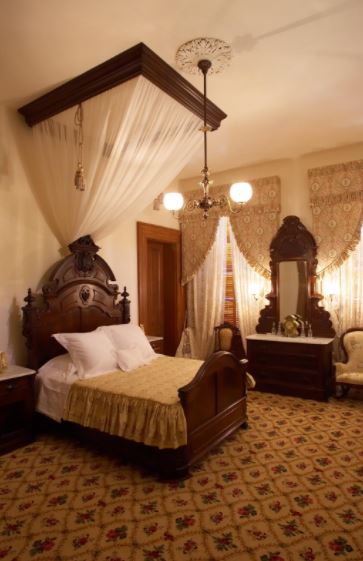
My house seemed somehow alien, fabulous, and linked to the unreal, intangible marvels of the Spirit World. It stood out with especial distinctness at certain hours of the day, and at sunset the great tower and tapering steeple loomed blackly against the glowing sky. Some believed that my home was built of stone and had withstood more than a century or more of storms. Around the towers and belfry, when the delicate leaves came out on the garden boughs, they World was filled with a new beauty. Plodding though the endless halls, I felt I was within a long-known, unreachable World beyond the mists. And presently I noted the strange, faces of the drifting shadows, and foreign sounds over wafting specular music. Nowhere could I find a familiar room among the six hundred in existence. I half fancied that Llanda Villa was a view of a dream-World never trod by living human feet. Now and then a carpenter or housemaid came in sight, but never the ones I sought. As I climbed higher, the regions of my home seemed stranger and stranger, with bewildering mazes of brooding hallways leading eternally off hither and tither. Faces within my house had a look of fear which they tried to hide. Upon entering a turret, I saw a boy being placed under a large wicker basket of conical shape, and a hooded woman stabbed through and through by the fakir with a long sword that pierced from side to side. Screams of pain followed each thrust, and the weapon was discerned to be covered with flesh blood. The cries grow fainter and at length cease altogether. Then the juggler uttering cries and incantations dances rough the basket, which she suddenly removes, and no sigh of the child is seen, no rent in the wickerwork, no stain on the steel. However, in a few seconds the boy, unharmed and laughing, spears running forward from some distant spot. “We shall always be glad to see you,” the boy said. The crowd began to quiet down to whispers, now, for the stillness and gloom of the place oppressed their spirits. #RandolphHarris 7 of 7

The Winchester Mystery House

Wizards of medieval times, upon certain special days will with great ceremony appear in the temples, which are always thronged on these occasions, and whilst their disciples howl and shriek out invocations, they suddenly throw aside their robes and with a sharp knife seem to rip open their stomachs from top to bottom, whilst blood pours from the gaping wound. The worshippers, lashed to frenzy, fall prostrate before them and grovel frantically upon the floor. The wizard appears to scatter his blood over them, and after some five minutes he passes his hands rapidly over the wound, which instantly disappears, not leaving even the trace of a scar. The operator is noticed to be overcome with intense weariness, but otherwise all is well. Those who have seen this hideous spectacle assure us that it cannot be explained by any hallucination or legerdemain, and that only solution which remains is to attribute it to the glamour cast over the deluded crowd by the power of discarnate evil intelligences. The portentous growth of Spiritism, which within a generation passed beyond the limits of a popular and mountebank movement and challenged the serious attention and expert inquiry of the whole scientific and philosophical World, furnishes us with examples of many extraordinary phenomena, both physical and psychical, and these, in spite of the most meticulous and accurate investigation, are simply inexplicable by any natural and normal means.

Please come and enjoy a delicious meal in Sarah’s Café, stroll along the paths of the beautiful Victorian gardens, and wonder through the miles of hallways in the World’s most mysterious mansion. For further information about tours, including group tours, weddings, school events, birthday party packages, facility rentals, and special events please visit the website: https://winchestermysteryhouse.com/
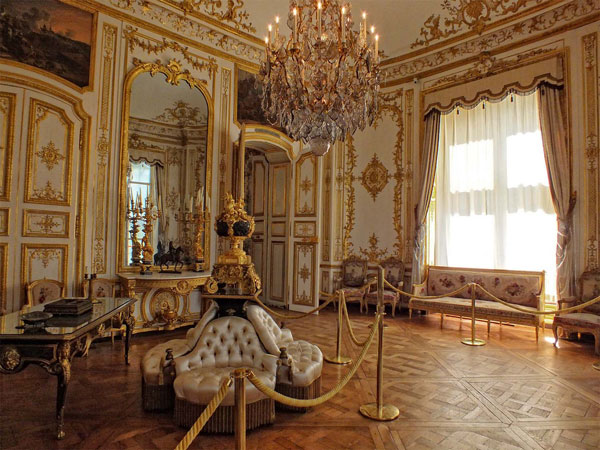

The Winchester Mystery House
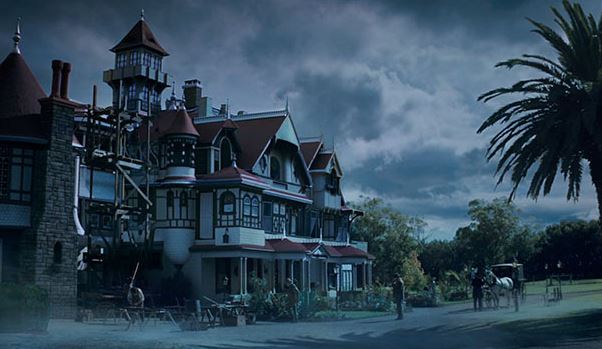
On December 25, 1905 there was a sudden terrible noise from the nine story Observational Tower. Mrs. Winchester was convinced that the tower was falling but, on hasty inspection, there was nothing whatever the matter with the fabric of the building. More strange incidents continued to occur. Doors rattled as if someone were attempting to get in; there were sounds of footsteps, chandeliers exploded. Mrs. Winchester also a phantom battalion in the hallway on the fourth floor. One of the young men appeared to be the leader and was ahead of the column. He wore dark trousers, a tan coloured shirt, and a dark vest which he wore open. One his head he had a brown hat with an upturned brim and a satin hatband. Perhaps the oddest part was that they were not carrying military arms, but picks and shovels, as if they were some work detail. They also had packs on their backs and marched wearily as if returning from the fields of toils.
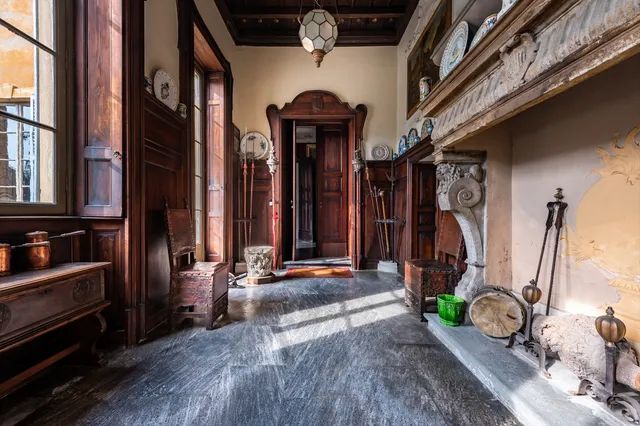
The column was only about fifty feet away from two housemaids, so they got a good look at them. They joked about how strange they seemed, and kidded each other that they may have just seen an apparition. Suddenly, as if realizing exactly where they were, the housemaids got serious and decided to turn around just after they passed by the balcony to see if she could find out where the men were going. In a matter of moments, they were back at the site where the party had been seen…but the oddly-dressed boys and their picks and shovels were gone.

These incidents were widely reported to the local press. Of course The Winchester Mansion soon became known as “the most haunted house in the West.” Mrs. Winchester was also blessed with the faculty of second sight. A few months later, 5.13 Pacific Standard Time on Wednesday, April 18, 1906, the coast of Northern California was struck by a major Earthquake with an estimated moment magnitude of 7.9 and a maximum Mercalli intensity of XI. It severely damaged Mrs. Winchester’s home, toppling the nine-story Observational Tower and some cupolas. She herself was badly shaken, trapped in her favourite Daisy Bedroom near the front of the mansion. It took several caretakers hours to locate her and then pry open the door and rescue her.
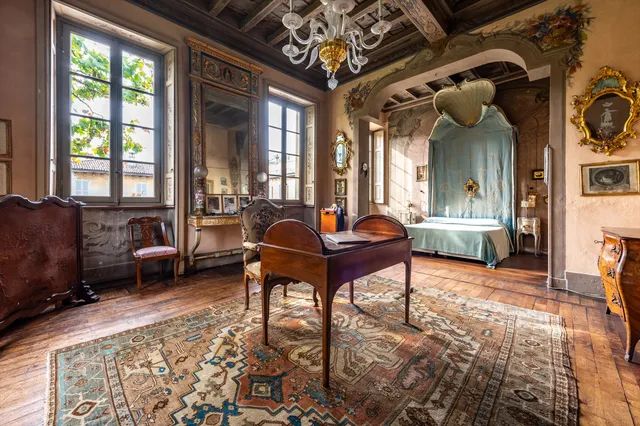
It had been reported that Mrs. Winchester felt the Earthquake was a warning from the spirits that she had spent too much time and money on the front section of the house, which was nearing completion. After having the structural damage repaired, she immediately ordered the front thirty rooms—including the Daisy Bedroom, Grand Ballroom, and the beautiful front doors—sealed up. The heavy, ornate front doors, which had been installed just prior to the Earthquake, had only been used by three people—Mrs. Winchester and the two carpenters who installed them.

For further information about tours, including group tours, weddings, school events, birthday party packages, facility rentals, and special events please visit the website: https://winchestermysteryhouse.com/
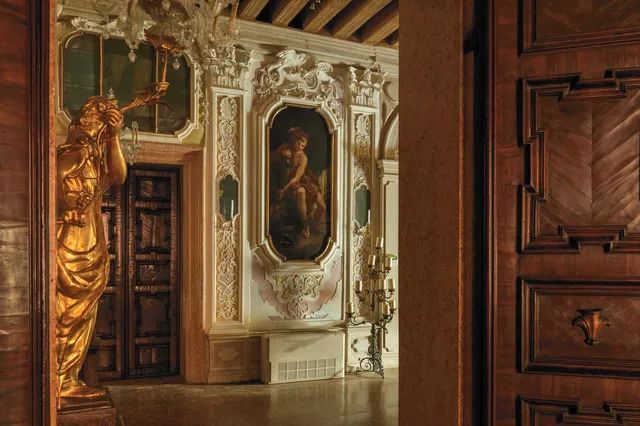
Please visit the online giftshop, and purchase a gift for friends and relatives as well as a special memento of The Winchester Mystery House. A variety of souvenirs and gifts are available to purchase. https://shopwinchestermysteryhouse.com/
Spirits, Apparitions, and the Haunted Winchester Mansion
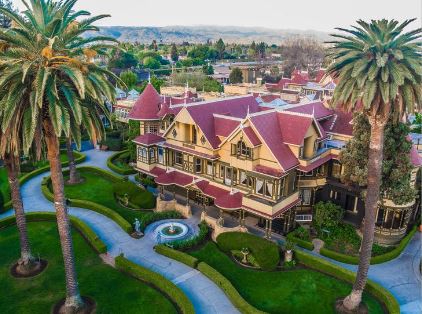
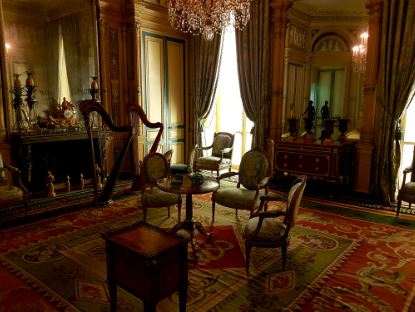
This morning my niece Daisy brought to breakfast an object which had been found in the garden; it was a crystal tablet, which she handed to me, and which, after she left the room, remained on the table by me. I gazed at it, I know not why, for some minutes, till called away by the day’s duties; and I seemed to myself to begin to decry reflected in it object and scenes which were not in the room where I was. I took the first opportunity to seclude myself in my room with what I now half believed to be a talisman of mickle might. What I went through this afternoon transcends the limits of what I had before deemed credible. In brief, what I saw, seated in my bedroom, in the broad daylight of summer, and looking into the crystal depth of that small round tablet, was this. First, a prospect, strange to me, of an enclosure of rough stones about it. In this stood an old woman in a red cloak and ragged skirt, talking to a boy dressed in the fashion of maybe a hundred years ago. She put something which glittered into his hand, and he something into hers, which I saw to be money, for a single coin fell from her trembling hand into the grass. The scene passed: I should have remarked, by the way, that on the rough walls of the enclosure I could distinguish bones, and even a skull, lying in a disorderly fashion. Next, I was looking upon two boys; one the figure of the former vision, the other younger They were in a plot of garden, walled round, and this garden, in spite of the difference in arrangement, and the small size of the trees, I could clearly recognized as being that upon which I now look from my window. The boys were engaged in some curious play, it seemed. #RandolphHarris 1 of 6
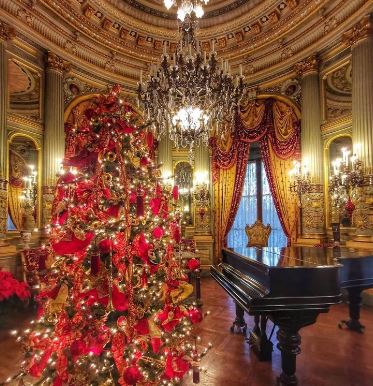
Something was smouldering on the ground. The elder placed his hands upon it, and then raised them in what I took to be an attitude of prayer: and I saw, and started at seeing, that on them were deep stains of blood. The sky above was overcast. The same boy now turned his face towards the wall of the garden, and beckoned with both his raised hands, and as he did so I was conscious that some moving objects were becoming visible over the top of the wall—whether heads or other parts of some animal or human forms I could not tell. Upon the instant the elder boy turned sharply, seized the arm of the younger (who all this time had been poring over what lay on the ground), and both hurried on. I then saw blood upon the grass, a little pile of bricks, and what I thought were black feathers scattered about. That scene closed, and the next was so dark that perhaps the full meaning of it escaped me. However, what I seemed to see was a form, at first crouching low among trees or bushes that were being threshed by a violent wind, then running very swiftly, and constantly turning a pale face to look behind him, as if he feared a pursuer: and, indeed, pursuers were following hard after him. Their shapes were but dimly seen, their number—three or four, perhaps—only guessed. I suppose they were on the whole more like dogs than anything else, but dogs such as we have seen they assuredly were not. Could I have closed my eyes to this horror, I would have done so at once, but I was helpless. The last I saw was the victim darting beneath an arch and clutching at some object to which he clung: and those that were pursuing him overtook him, and I seemed to hear the echo of a cry of despair. #RandolphHarris 2 of 6
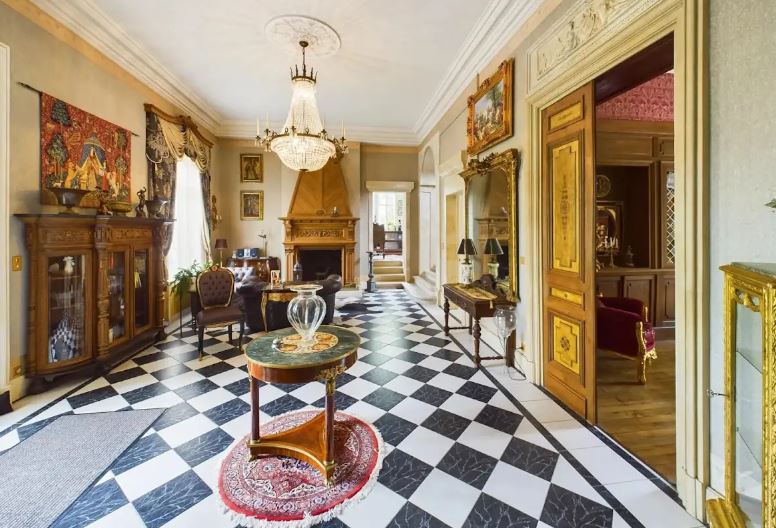
It may be that I became unconscious: certainly I had the sensation of awaking to the light of day after an interval of darkness. Such, in literal truth. Was my vision—I can call it by no other name—of events to come. Have I not been the unwilling witness of some episode of a tragedy connected with my very house? Some hours later, I had been engaged upon my work for about half an hour, and was just beginning to think that my task was drawing to a close, when, as I was actually writing, I saw a large white hand within a foot of my elbow. Turning my head, there sat a figure of a somewhat large man, with his back to the fire, bending slightly over the table, and apparently examining the pile of books that I had been at work upon. The man’s face was turned away from me, but I saw his closely cut reddish-brown hair, his ear and shaved cheek, the eyebrow, the corner of the right eye, the side of the forehead, and the large high cheek-bone. He was dressed in what I can only describe as a kind of ecclesiastical habit of thick-coloured silk or some such material, close up to the throat, and a narrow rim or edging, of about an inch broad, of stain or velvet, serving as a stand-up collar, and fitting close to the chin. The right hand, which had first attracted my attention, was clasping, without any great pressure, the left hand; both hands were in perfect repose, and the large blue veins of the right hands were in perfect repose, and the large blue veins of the right hand were conspicuous. I remember thinking that the hand was like the hand of Velazquez’s magnificent Dead Knight in the national gallery. #RandolphHarris 3 of 6
I looked at my visitor for some seconds, and was perfectly sure that he was not a reality. A thousand thoughts came crowding upon me, but not the least feeling of alarm, or even uneasiness; curiosity and a strong interest were uppermost. For an instant, I felt eager to make a sketch of my friend, and I looked at a tray on my right for a pencil; then I thoughts, “Upstairs I have a sketch-book—shall I fetch it?” There he sat, and I was fascinated; afraid not of his staying, but lest he should go. Stopping in my writing, I lifted my left hand from the paper, stretched it our to the pile of books, and moved the top one. I cannot explain why I did this—my arm passed in front of the figure, and it vanished. I was simply disappointed and nothing more. I went on with my writing as if nothing had happened, perhaps for another five minutes, and had actually got the last few words of what I had determined to extract, when the figure appeared again, exactly in the same place and attitude as before. I saw the hands close to my own; I turned my head again to examine him more closely, and I was framing a sentence to address him when I discovered that I dare not speak. I was afraid of the sound of my own voice. There he sat, and there sat I. I turned my head again to my work, and finished writing the two or three words I still had to write. The paper and my notes are at this moment before me, and exhibit not the slightest tremor or nervousness. I could point out the words I was writing when the phantom came, and when he disappeared. Having finished my task. I shut the book and threw it on the table; it made a slight noise as it fell—the figure vanished. #RandolphHarris 4 of 6
Throwing myself back in my chair, I sat for some seconds looking into the fire with a curious mixture of feeling, and I remember wondering whether my friend would come again, and if he did whether he would hide the fire from me. By this time, I had lost all sense of uneasiness. I blew out the four candles and marched off to bed, where I slept the sleep of the just or the guilty—I know not which—but I slept very soundly. Around midnight, I awoke and went to the balcony to gaze at the moon on this warm summer night. That is when I noticed several women who looked like the Maenads immortalized by Euripides in the garden; maddened souls. They raced through the trees with bloody hands, leaving pieces of male flesh scattered in the grass. And to the west, single-breasted Amazons strode, drawing their mighty bows back and letting fly storms of arrows. A man, a might king, holds fast. He sinks his teeth into one of Amazon’s shoulders, and in fierce rage and bliss beings to draw out the nourishment. The Amazon kicks and claws at him in turn. He feels the gouges like fire along his shoulders, thighs, and hugs the amazon more nearly as he throttled and drinks from her, loving it, jealous of her, killing her. Gradually the might Amazon body relaxes, still clinging to him, her teeth bedded in his arm, forgotten by both. In a welter of marks, stripped skin, spilled blook, the king and the Amazon lie in embrace on the lawn. The Amazon lifts her head, kisses the assassin, shudders, lets go. The king glides out from under the magnificent deadweight of the amazon. He stands. And pain assaults him. His lover has severely wounded him. The king, involuntarily, confused, he tries to levitate, but only raises a foot off the ground. He cries out, a beautiful singing note of despair and anger. He drops fainting onto the lawn. #RandolphHarris 5 of 6
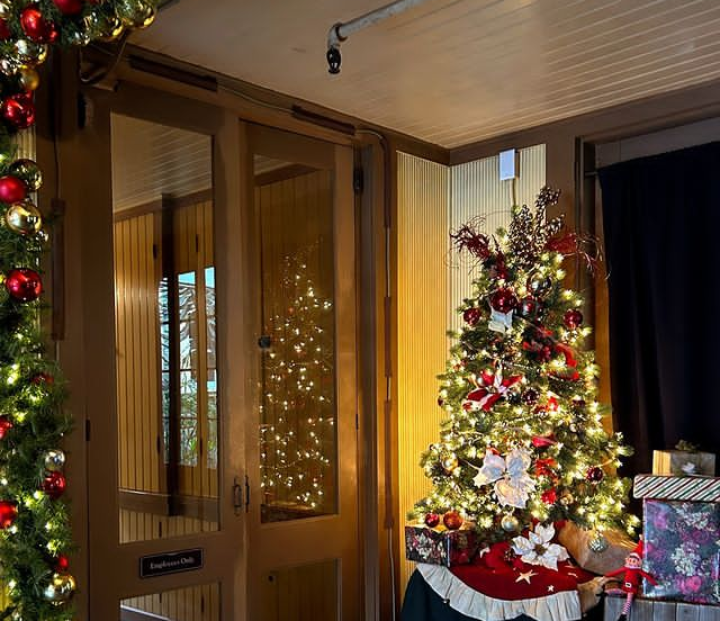
A caretaker who witnessed the battle does not wait for more. He runs away through the mansion, screaming invective and prayer, and reached the Grand Ball Room and makes the whole mansion listen. The king lies in the ocean of almost-death that is sleep or swoon, while the staff discusses him. And when he is raised, the king does not wake. Only his drooping bloody lips quiver and are still. Those who carry him away are more than every revolted and frighted, for it appears they have seldom seen blood. He struggles through unconsciousness and hurt, though the deepest most bladed waters, to awareness. I could feel ice forming in my bones. His people search for him, call and wheel and find nothing. The warning is clear enough: do not make war, brother upon brother, for devastation is all you will reap. And the message of hope may very well be that there is something of us that continues after death. As they are now, chained to the Earth for who-knows-how-long, so, someday, may we be also. A violent death, as well, will some how leave the spirit behind at the site where its mortal vessel was shattered. The living, mourning too long for the dead is another reason for a haunting. Sometimes the spirit remains to give a message of hope, or a warning to those left behind. One of the more ominous reasons accepted by experts as to why a human soul or spirit remains bound to the Earth is that the person’s fear of judgment. This theory is backed up by the religious ritual of confession of and forgiveness for sins, especially at the time of death. If one is to face the Final Judge of all we have done in life, it is essential we go there penitent, as the poet Emily Dickenson wrote, “Beggars for the door of God.” So, if a youthful, sudden, unexpected, or violent death are also reasons souls remain rooted to the Winchester Mansion, certainly the Winchester Rifle, qualifies as a cause for any spirits being trapped here. #RandolphHarris 6 of 6
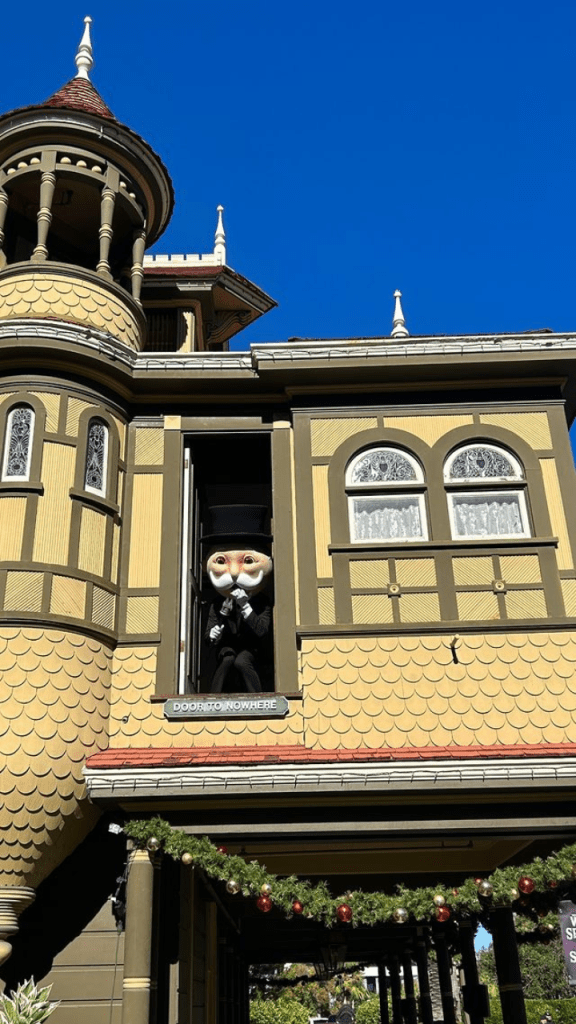
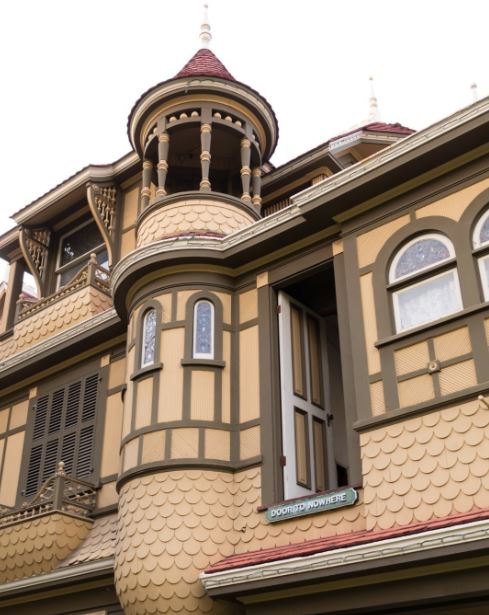
If the men of the Civil War were concerned about the fate of their mortal souls as they were, in the heat of combat, seeing the souls of their enemies free from their bodily prions, then certainly it explains why so many remain here. And if incessant mourning for the dead is a reason why sprits linger, and 2 million people visiting the Winchester Mystery House a year basically to remember and essentially mourn the Winchester family others who have been sacrificed, still another condition for a haunting is satisfied. And for good reason: Judgement Day and souls being chained to Earth for eternity is something we should all deeply ponder when we are thinking of the double-edged sword of revenge.
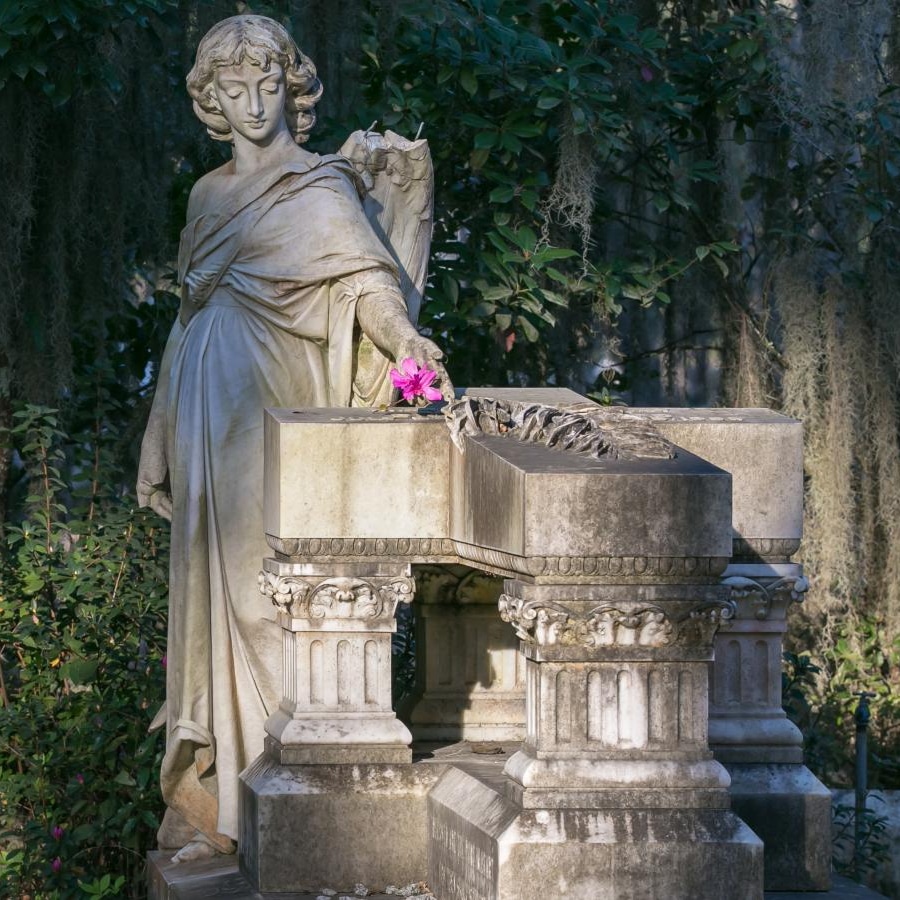
For further information about tours, including group tours, weddings, school events, birthday party packages, facility rentals, and special events please visit the website: https://winchestermysteryhouse.com/
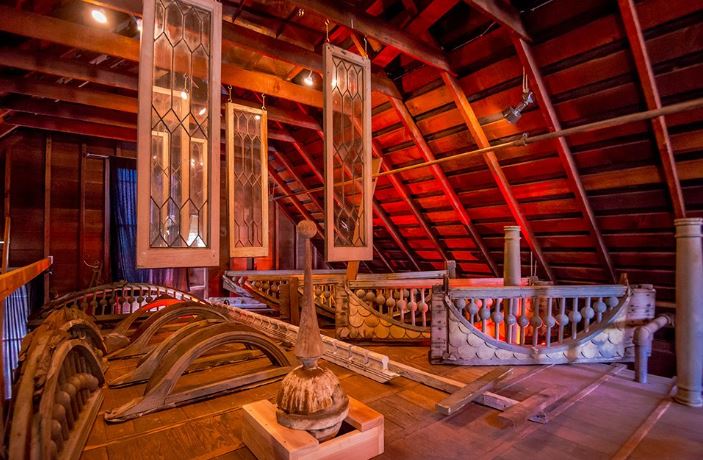
Please visit the online giftshop, and purchase a gift for friends and relatives as well as a special memento of The Winchester Mystery House. A variety of souvenirs and gifts are available to purchase. https://shopwinchestermysteryhouse.com/
Deprivation Dwarfism
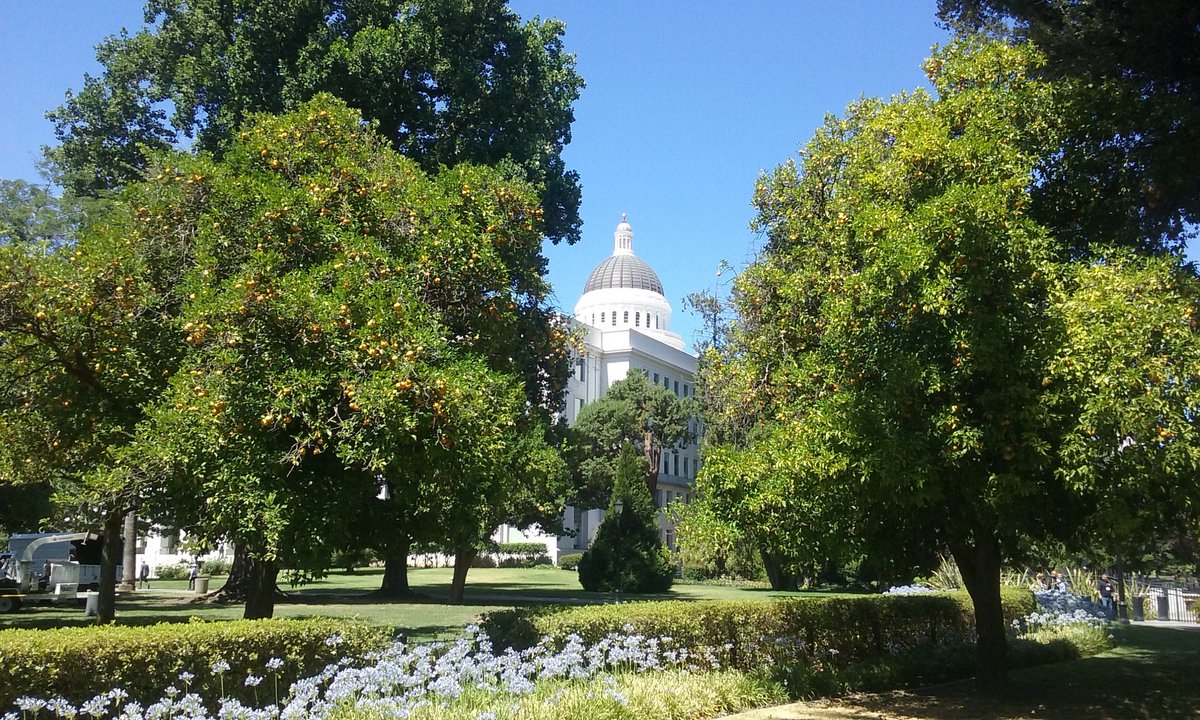 All hours and all seasons are alike to the genuine lover of nature. The Kingdom of God is also revealed through you and me. If we have faith, we will be able to accomplish great tasks, and nothing will be impossible. Faith centers us in God’s mind. However, if we focus on how the picture looks and only consider our means and resources, but not God, we limit our blessings to that which has already been accomplished, and few miracles will be manifested. The person who prefers the highroad (virtue) to a more reputable way of making one’s fortune, does it because one imagines the one easier than the other. When, through intuition, faith finds its proper place under Divine Law, there are no limitations, and what are called miraculous results follow. Measurements of life should be proportioned rather to the intensity of the experience than to its actual length. Resources do not depend upon gross amounts, but the proportions of spendings to takings. If we are to have an active faith—the faith of God instead of merely a faith in God—our thought must be centered in the Universal mind of God. #RandolphHarris 1 of 8
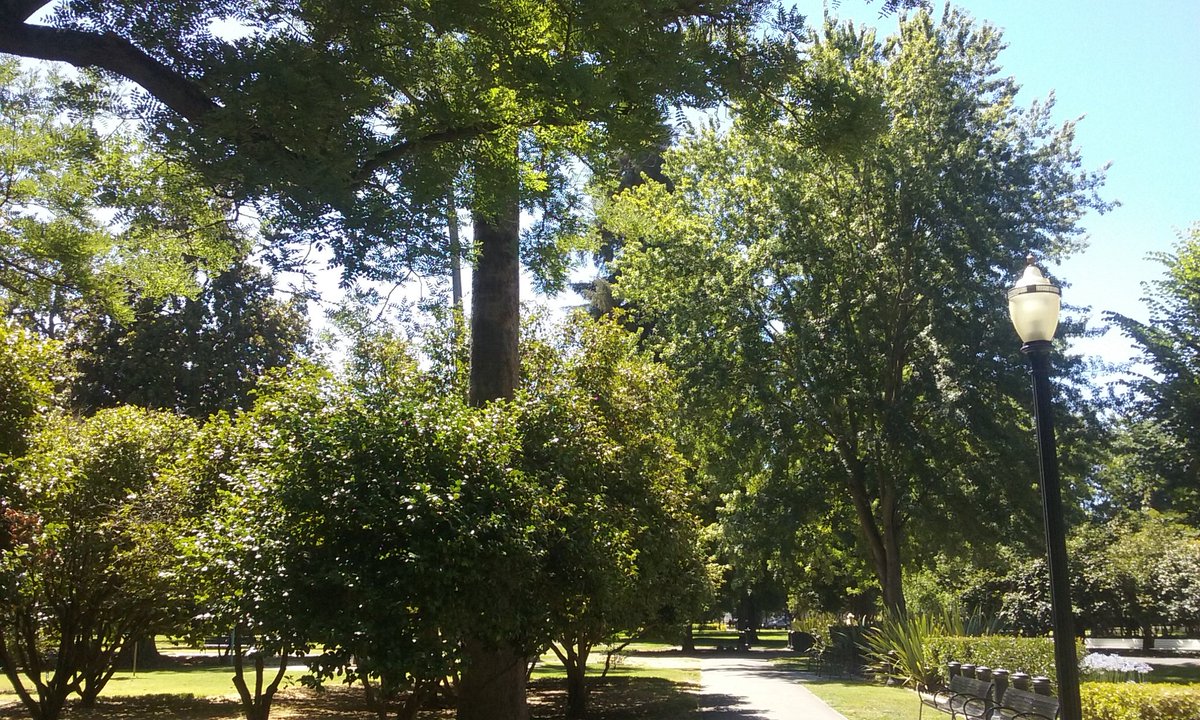 We are convinced that under God’s law all things are possible, if we only believe, and work in conformity with Godly ways. Such a faith does not spring full-glory into being, but it takes days, years, months, and decades to develop and it grows by knowledge and experience. No matter what seems possible to us, we must cling steadfastly to the knowledge that God is great, and God is all, underneath, above and round about. There is no place but the Universe; no limit but the limitless; no bottom but the bottomless. Miracles seem impossible, just because they break the laws of nature. A miracle is something which would never have happened had nature, as it were, been left to its own devices. A miracle can be worked only by God or by his specially deputed agents, and miracles have in fact occurred and they are legitimate and miraculous. They are a striking interposition of divine power by which the operations of the ordinary course of nature are overruled, suspended, or modified. Mental or spiritual treatment should bring into actual manifestation the health and happiness which are mankind’s normal and divine heritage. #RandolphHarris 2 of 8
 Such healing includes the emancipation of the mind from every form of bondage through a new concept of God, which causes the heart to beat with joy and happiness. Every problem is primarily mental, and the answer to all problems will be found in spiritual realization. Have a full sense of sacredness in your trust of the Lord; this means being confident and patient, which impels him to pour out his soul. This is the key stone to all spiritual progress as well as success in the World. It means letting go of resistance and finding the joy of going one hundred and one percent. Unpleasantness is due to resistance, and when resistance is let go, it is replaced by feelings of strength, confidence and joy. There will be a release of enormous energy, an emergence into an almost enlightened state in which all is happening of its own. One will experience a peace, a serenity, and an increased sense of security. Truth is only relative and not absolute. All truth is only a certain level of consciousness. For instance, to forgive is commendable, but at a later stage, one sees that there is actually nothing to forgive. This is an attitude of withdrawal of emotional entanglement in Worldly affairs. #RandolphHarris 3 of 8
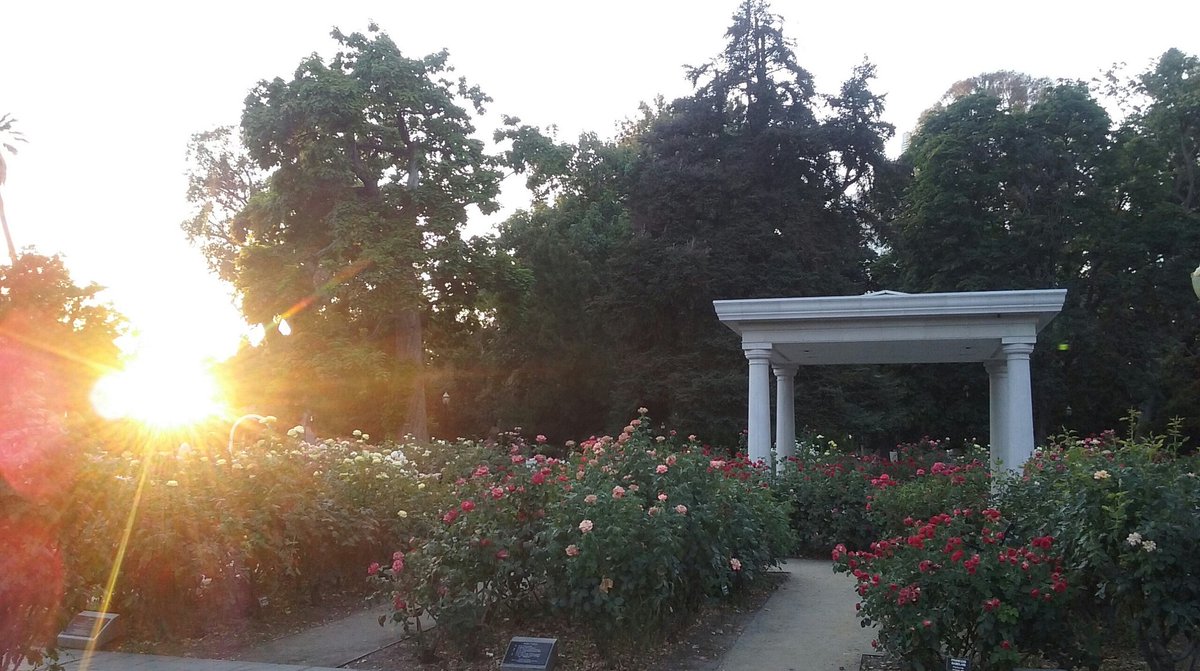 In a broad philosophical sense, every human being begins to die the very moment his or her life beings. Although everyone is inexorably marching toward his or her demise, the trek can be significantly hastened or slowed by factors which appear extraneous to that inevitable biological process. While certain forms of adult death occur abruptly and without precursors, most fatalities typically involve long period between onset of the illness, the appearance of symptoms, and eventual death. Certain forms of death, however, appear in a manner which tends to obscure this latter reality. For example, heart attacks often strike an individual suddenly, with few apparent warning signs, leading to the widespread illusion that the precursors of such attacks also developed rapidly. And yet, the opposite situation more closely approximated clinical reality. Typically, years before a heart attack occurs, the process of coronary atherosclerosis is already slowly placing the individual at greater and greater risk. While certain physical and behavioral factors have been singled out as contributors to the process of coronary atherosclerosis, by no means have the exact mechanisms been identified. #RandolphHarris 4 of 8
 Nor is it at all clear exactly when coronary atherosclerosis begins, although it has been established that by age 50 most American males already have what the National Heart Institute has labeled moderately advanced coronary atherosclerosis. Coronary atherosclerosis is fatty deposits that can clog the arteries in the heart, which restricts the blood flow. They are made of cholesterol, fatty substances, cellular waste products, calcium and fibrin (a clotting material in the blood). Exactly how atherosclerosis begins or what causes it is not known, but some theories have been proposed. Many scientists believe plaque beings when an artery’s inner lining (called the endothelium becomes damaged. Three possible causes of damage are: elevated levels of cholesterol and triglycerides in the blood, high blood pressure, and cigarette or drug smoke. Smoke has a big role in the growth of atherosclerosis in the coronary arteries, aorta, and arteries in the legs. It makes fatty deposits more likely to form and to grow bigger and faster. Eventually, it causes significant blockages. Pain in the chest or legs when you exert yourself is the usual symptom. #RandolphHarris 5 of 8
 The worst happens when plaques suddenly rupture, allowing blood to clot inside an artery. In the brain, this causes a stroke; in the heart, a heart attack. It seems possible that atherosclerosis, once viewed as a degenerative disease restricted to older people, may even begin during childhood. By late adolescence some people already have reached an advanced stage of this disease. Autopsies performed on U.S. service members killed on the battlefield during World War II revealed that a startling number of these young individuals, mostly in their early twenties, already had developed significant coronary atherosclerosis: their coronary arteries resembled those usually seen in men over 60 years of age. Even now, the reasons for their premature development of this disease have not been clarified, in part because the necessary research studies have not been conducted. Even today, a large number of young people without symptoms have evidence of atherosclerosis. A study shows 52 percent of people have some atherosclerosis. It is present in 85 percent of those older than 50, and 17 percent of teenagers have it. #RandolphHarris 6 of 8
 No concept is more central to psychiatric and psychological thinking than the belief that human personality and emotional development are significantly influenced by childhood experiences. It is possible that in addition to childhood experiences, that blood pressure, diet, and exercise regiments can possibly be linked to the development of coronary heart disease. Excessive drinking, stress, smoking, not eating fruits and vegetables, not exercising regularly, high blood pressure, diabetes, obesity, high cholesterol, and loneliness are linked to coronary heart disease. In a report entitled “Deprivation Dwarfism,” Frederick II, ruler of Sicily in the thirteenth century, believed that all people were born with a common language, such as Hebrew. In order to test his theory, he took newborn infants away from their natural mothers at birth and gave them to foster mothers. He ordered these foster mothers to care for these babies physically, but never to speak to them, so that he might learn what language they would naturally speak. The experiment was, however, a failure—all of the children died. For they could not live without petting and the joyful faces and loving words of their foster mothers. Childhood experiences are vitally important to the ultimate development of adult personality. #RandolphHarris 7 of 8
 The psychiatric research clearly indicates that bereavement, divorce, sudden loss of love and lack of love, chronic human loneliness are by no means felt only by adults. Children suffer from the loss of love and lack of love perhaps more than adults do. There can be extensive physical, emotional, and intellectual damage that can result from a child’s separation from its parents (especially from the mother) for extended periods of time, particularly if this separation occurs in the first few years of life. Marasmus, or physical wasting away, is usually caused by infants who suddenly lost their mothers. Some infants who suddenly lost their parents would refuse to eat and would eventually die when forced fed. Anne Winchester was born 15 June 1866 and died 24 July 1866 from marasmus. Perhaps she died at a young age from the stress she endured from being haunted by the ghost of the Winchester rifle. It is said that babies pick up on their parents’ emotions also. Then William Wirt Winchester passed away in 1881 at the young age of 44, leaving his wife Sarah Winchester nearly $600,000,000.00, adjusted for inflation. Sarah Winchester used this money to build the beautiful Winchester mansion and lived to be 82. That shows life is extended when you focus on something you love. The rest of your life will be the best of your life. #RandolphHarris 8 of 8