
Home » Posts tagged 'trauma'
Tag Archives: trauma

Silenced by Fear: How Chronic Threat and Institutional Betrayal Shape C‑PTSD

Situational depression, unresolved trauma, and anxiety often weave together in a way that can feel overwhelming, but they are also deeply human responses to prolonged stress and unmet emotional needs. These three experiences are not a personal flaw; this is a system under strain. Situational depression can present itself in an individual who feels emotionally “stifled” or alienated. One may notice a loss of motivation or interest, fatigue that feels heavier than normal tiredness, and difficulty concentrating or making decisions. It is the psyche’s way of saying: “This situation is too much for me to carry alone.” Trauma does not disappear just because time passes. It tends to linger in the body and mind, presenting symptoms of: hypervigilance, emotional numbing, sudden waves of sadness or anger, feeling unsafe even in safe environments, and difficulty trusting others or oneself. Unresolved trauma often fuels both depression and anxiety because the nervous system stays stuck in survival mode. When your system has been under threat—emotionally, physically, or psychologically—anxiety becomes the alarm bell that never fully shuts off. It can manifest as: constant worry, racing thoughts, physical tension, feeling on edge, difficulty relaxing or sleeping. Anxiety is often the mind’s attempt to prevent further harm, even when the danger is no longer present. When a person is being terrorized, threatened, or chronically harmed by others, and help is not coming despite reaching out, the emotional suffering that follows is not a “mental problem” in the sense of a personal defect. I think this type of situation can often be mistaken as a mental problem because people are taught that we live in a society where it is illegal to terrorize, threaten, and harass an individual, so professionals often think there is a chemical imbalance in the person because this just does not happen. #RandolphHarris 1 of 18

Complex Post‑Traumatic Stress Disorder (C‑PTSD) does not arise from a single adverse event but from sustained, repetitive interpersonal harm in contexts where the individual is subjected to ongoing threat, coercion, and isolation without access to protection or escape. Rather than representing a transient episode of situational depression or a deficit within the individual, C‑PTSD reflects the cumulative psychological imprint of prolonged domination, fear, and abandonment. Conceptualized as “type II trauma,” it encompasses emotional exhaustion, hypervigilance, pervasive distrust, affective dysregulation, and periods of psychological collapse. Contemporary clinical literature identifies C‑PTSD as a characteristic outcome of environments marked by totalitarian control—whether in cultic systems, coercive domestic relationships, chronic childhood abuse, or organized sexual exploitation—where the individual’s autonomy, safety, and social connection are systematically undermined. In such conditions, the resulting symptoms are best understood as adaptive responses to sustained coercive stress rather than as indicators of intrinsic psychopathology. The role of totalitarian control—C-PTSD is strongly associated with totalitarian environments—not just political ones, but interpersonal ones. Psychologists describe these environments as having: control over information, control over movement, control over relationships, control over meaning, punishment for resistance, and sometimes reward for compliance. This is why survivors of cults, domestic battering, organized sexual exploitation, and long-term coercive relationships often present with the same psychological profile as survivors of political imprisonment or war. The structure of the oppression is the same, even if the setting is different. Isolation is also used as a weapon. Isolation is not a side effect—it is a method of control. When a person is cut off from support, disbelieved, ignored by authorities, unable to escape, left alone with the abuser or the threat, the psychological damage deepens. Isolation is what turns trauma into complex trauma. When someone has been terrorized for years and abandoned by the systems meant to protect them, their emotional collapse is not a mental problem. It is a wound, a survival adaptation, a response to chronic danger, the imprint of prolonged coercion, the consequence of being left alone in harm. #RandolphHarris 2 of 18

Prevalence estimates for Complex Post‑Traumatic Stress Disorder (CPTSD) in the general population range from approximately 2.6 to 7.7 percent, with substantially higher rates observed among at‑risk groups, including adults with histories of psychological adversity. CPTSD is associated with marked impairments in psychosocial functioning, often manifesting as fear of interpersonal closeness, relationship‑related depressive symptoms, and persistent preoccupation with intimate relational dynamics. Psychological trauma constitutes a major developmental stressor in childhood and adolescence, and when such experiences are unrecognized or untreated—particularly when they are cumulative—they can disrupt emotional maturation and compromise both psychological and somatic functioning. In some cases, these developmental disruptions reflect a long‑term impact of sustained adversity on the individual’s capacity for regulation, attachment, and adaptive functioning. When C‑PTSD begins in adolescence and continues unbroken into adulthood, the effects are stronger, more pervasive, and more structurally embedded in the nervous system than when trauma begins later in life. Adolescence is a period when the brain, identity, and relational capacities are still forming, so prolonged threat during this window alters developmental trajectories rather than merely disrupting an already‑established system. When chronic trauma begins during this stage, the nervous system organizes itself around survival, not exploration or growth. This means the individual enters adulthood with stress‑response circuits that were never allowed to develop normally. The stress system becomes chronically activated. Continuous threat during adolescence trains the body to: maintain elevated cortisol, keep the amygdala hyper-responsive, suppress prefrontal regulatory circuits. By adulthood, this pattern becomes the baseline. The person may experience: chronic fatigue, emotional volatility, difficulty concentrating, sleep disruption, and a sense of being “always on guard.” These are not personality traits — they are physiological adaptations. #RandolphHarris 3 of 18

This can lead to attachment and relation patterns that are altered. Adolescence is when the brain learns how to trust, how to form intimacy, how to read social cues, and how to negotiate conflict. If trauma is ongoing, the person may enter adulthood with fear of closeness, difficulty trusting others, preoccupation with abandonment, avoidance of intimacy, and intense relational anxiety. These patterns are not “relationship problems”—they are the imprint of developmental trauma. Identity formation becomes trauma-shaped. Adolescents are supposed to experiment with roles, values, and self-concept. Under chronic threat, identity becomes organized around vigilance, self-protection, shame, survival, and appeasement. By adulthood, the person may feel uncertain who they are, disconnected from their own preferences, defined by fear or duty, and chronically self-doubting. This is a developmental consequence, not a character flaw. Emotional regulation remains underdeveloped. Because the adolescent brain is still wiring its regulatory system, prolonged trauma can lead to difficulty calming down, emotional shutdown, dissociation, overwhelm, and difficulty accessing positive emotions. These patterns often persist into adulthood because the brain never had a stable environment in which to complete its regulatory development. The body internalizes exhaustion. Years of continuous threat produce: autonomic fatigue, endocrine dysregulation, chronic depletion, collapse responses. By adulthood, the person may experience profound, persistent exhaustion that is not explained by medical tests. This is a known effect of long-term survival stress. #RandolphHarris 4 of 18

The worldview becomes shaped by danger. When trauma spans adolescence into adulthood, the person’s worldview is built on unpredictability, threat, betrayal, abandonment, and lack of protection. This can lead to: pessimism, anticipatory fear, difficulty imagining a future, and difficulty trusting institutions or systems. These are logical outcomes of lived experience. When C-PTSD begins in adolescence and continues into adulthood, it does not simply “affect” the person—it forms them. The nervous system, identity, relational patterns, and worldview are all shaped in the context of chronic threat. The resulting difficulties are not signs of internal pathology but the long-term imprint of developmental trauma. Sarah Winchester lived through profound, repeated losses — the death of her infant daughter, the death of her husband, and the collapse of her family line. In the 19th century, people often interpreted tragedy through spiritual or supernatural frameworks, especially when medicine had few explanations for emotional suffering. Within that cultural context, it is understandable that she might have believed she was cursed or haunted. From a modern psychological perspective, it is also possible that she was experiencing chronic grief, prolonged stress, and symptoms consistent with what we now call complex trauma. When trauma begins early and continues across years, it can shape a person’s worldview, heighten fear, and make them more vulnerable to explanations that give structure to overwhelming experiences. The idea of being “haunted” can function as a metaphor for: intrusive memories, unresolved grief, persistent fear, and a sense of being pursued by past events. People throughout history have used spiritual language to describe psychological pain long before we had clinical terms for it. Stories of ghosts, curses, and spirits often emerge when a person’s suffering is intense, the losses feel inexplicable, the environment is isolating, and the culture provides supernatural explanations. These narratives reflect how human beings try to make sense of overwhelming emotional realities. #RandolphHarris 5 of 18

It is possible that Mrs. Winchester was haunted and that she was suffering from C-PTSD. C‑PTSD develops when a person is exposed to prolonged, inescapable emotional threat or loss, especially when the suffering is met with isolation rather than support. Trying to create a world that felt safe, predictable, and non‑threatening could indeed help explain Mrs. Winchester’s relentless construction of her home. From a C‑PTSD perspective, individuals who have endured prolonged grief, fear, and emotional destabilization often attempt to regulate their internal chaos by exerting control over their external environment. For Sarah Winchester, the act of continually building, altering, and expanding her home may have functioned as a trauma‑driven coping strategy—a way to impose order on a world that had become terrifyingly unpredictable after the deaths of her daughter and husband. The Winchester Mansion is more than an architectural curiosity; it is a physical manifestation of trauma adaptation. Continuous construction could have served several psychological functions. It created a sense of agency in the face of overwhelming helplessness and was a distraction from intrusive memories and grief. Also functioned as an avoidance of stillness, which often intensifies trauma symptoms. The building of this Victorian labyrinth created a controlled environment where Mrs. Winchester dictated every detail, which formed symbolic protection from a threat that most certainly was external as well as internal. For trauma survivors, especially those with C‑PTSD, the nervous system often remains locked in a state of hypervigilance. The mind searches constantly for ways to reduce perceived danger. In Sarah Winchester’s case, building may have been her way of constructing a world that felt less threatening—one she could shape, modify, and expand in response to her internal sense of danger. Seen through this lens, her behavior is not eccentricity or superstition but a deeply human attempt to manage overwhelming psychological pain in an era with no language for trauma and no support systems for survivors. #RandolphHarris 6 of 18

In the 19th century, spiritualism was widespread, and many people believed that spirits could influence the living. Being a wealthy widow came with many vulnerabilities. Sarah Winchester lived in a time when grief, illness, poverty, and unexplained tragedy were often interpreted through supernatural frameworks. Her immense wealth, her isolation, and her losses made her particularly vulnerable to both real-world dangers and cultural narratives about spiritual threat. These are well‑documented features of complex trauma, and they can make a person feel as though danger is everywhere — human, spiritual, or otherwise. It is also true that Sarah Winchester was not imagining the danger. As a wealthy widow living alone, she was vulnerable to threats and theft. She was a target for opportunists, she lived in a time with limited law enforcement, she was socially isolated, and had no close family to protect her. Individuals who have experienced multiple traumas are, by definition, likely to have many unmet needs. Belief in ghosts is mainstream, not fringe. Roughly half of Americans believe in some form of ghost or spirit. About 1 in 5 say they have had a direct experience they interpret as a haunting, and unexplained home experiences, also known as “hauntings,” are reported by 40% of people surveyed. In Sarah Winchester’s case, the folklore of haunting may have blended with her trauma responses, creating a worldview where every kind of threat — spiritual, emotional, and physical — felt or was intertwined. Sarah Winchester’s resonates so deeply because belief in supernatural presence is widespread, and personal experiences—whether psychological, environmental, or interpretive—are common. #RandolphHarris 7 of 18

While Sarah Winchester’s story is often framed around her financial resources, the broader principle applies far beyond wealth. raditional trauma frameworks often assume that vulnerability is tied primarily to socioeconomic disadvantage. However, contemporary research on Complex Post‑Traumatic Stress Disorder (C‑PTSD) demonstrates that vulnerability arises from exposure to sustained interpersonal threat, not from wealth or poverty alone. Individuals may become targets because of their identity, lineage, social visibility, or unique personal characteristics, and these forms of vulnerability can be as consequential as economic deprivation. In some cases, people are pursued or threatened because of what they know — for example, witnessing serious crimes that remain unresolved or unprosecuted — which creates a persistent sense of danger that the legal system fails to extinguish. When a person is unable to escape such conditions, the nervous system adapts to chronic threat through mechanisms that mirror captivity, coercive control, or prolonged persecution. C‑PTSD develops in environments where threat is repetitive, unpredictable, and inescapable, and where the individual lacks adequate protection or social support. These conditions can occur in contexts of domestic violence, organized exploitation, stalking, institutional betrayal, or long‑term exposure to criminal activity. They can also occur among individuals who, despite material resources, are isolated, socially targeted, or burdened by knowledge that places them at risk. In such cases, wealth does not confer safety; it may even intensify exposure by increasing visibility, attracting opportunistic harm, or limiting the individual’s ability to trust others. Thus, vulnerability must be understood as a relational and situational construct, shaped by power dynamics, social context, and the individual’s position within networks of threat. #RandolphHarris 8 of 18

From this perspective, C‑PTSD is not a disorder of the weak but a predictable adaptation to prolonged danger, regardless of the person’s socioeconomic status. The key determinants are not income or class but duration of threat, inability to escape, and absence of protection. This broader theoretical lens reframes vulnerability as a complex interplay of identity, circumstance, and exposure — and positions C‑PTSD as a consequence of sustained harm rather than a reflection of personal fragility. When someone becomes a target — whether due to identity, knowledge of crimes, or perceived value — the nervous system adapts to chronic threat. This is the exact environment in which C‑PTSD develops. In many cases of Complex Post‑Traumatic Stress Disorder (C‑PTSD), the threat of retaliation plays a central role in sustaining psychological harm long after the initial traumatic events have occurred. Individuals who have witnessed serious wrongdoing or been exposed to environments of coercive control may remain silent not because the trauma is resolved, but because they are attempting to rebuild their lives, avoid further conflict, or distance themselves from overwhelming memories. However, when institutions or individuals implicated in misconduct perceive the survivor’s continued existence as a potential source of exposure, the survivor may experience ongoing intimidation, surveillance, or other forms of pressure designed to discourage disclosure. These dynamics transform trauma from a past event into a continuing condition, reinforcing hypervigilance, fear, and emotional exhaustion. In such contexts, the persistent threat—whether explicit or implicit—prevents the nervous system from returning to a state of safety, thereby entrenching the core features of C‑PTSD. The result is a chronic psychological environment in which the survivor’s attempts to move forward coexist with a sustained sense of danger, institutional betrayal, and the belief that speaking out may provoke further harm. #RandolphHarris 9 of 18

Shame and guilt are increasingly understood as important affective risk factors for suicidality among individuals who have experienced traumatic events or who meet criteria for Complex Post‑Traumatic Stress Disorder (C‑PTSD). These self‑conscious emotions often arise when survivors internalize responsibility for events that were outside their control, or when they interpret their reactions to trauma as personal failures rather than adaptive responses to overwhelming threat. Shame, in particular, is associated with global negative self‑evaluation (“I am bad”), whereas guilt tends to involve specific behaviors (“I did something bad”). Both emotions can intensify feelings of worthlessness, isolation, and hopelessness, which are well‑established contributors to suicidal ideation. In the context of C‑PTSD—where individuals frequently struggle with chronic fear, relational disruption, and a persistent sense of threat—shame and guilt may compound emotional dysregulation and heighten psychological distress. As a result, these emotions function not merely as by‑products of trauma but as active mechanisms that can increase the risk of suicidality, underscoring the importance of trauma‑informed approaches that address self‑blame, internalized stigma, and the survivor’s sense of moral injury. According to the World Health Organization, approximately 800,000 people die by suicide every year worldwide, making it a major public health concern with profound social and psychological implications. This global burden underscores the importance of understanding the emotional and neurobiological mechanisms that contribute to suicidality, particularly among individuals exposed to chronic trauma. Shame, guilt, and persistent fear—common in those with Complex Post‑Traumatic Stress Disorder (C‑PTSD)—can intensify feelings of hopelessness and isolation, which are known to elevate risk. These emotional states often emerge when survivors internalize responsibility for traumatic events or when they have lived for extended periods under threat, coercion, or unresolved danger. In this context, suicidality is not a sign of personal weakness but a reflection of overwhelming psychological distress shaped by prolonged adversity. #RandolphHarris 10 of 18

A suicidal crisis can emerge following exposure to a potentially traumatic event, and individuals confronted with actual or threatened death, serious injury, or sexual violence—whether directed at themselves or others—frequently develop acute stress reactions characterized by intrusive, dissociative, avoidance, and arousal symptoms. When these symptoms persist beyond one month, the clinical framework of Post‑Traumatic Stress Disorder (PTSD) becomes applicable. Empirical findings underscore the severity of this trajectory: in a study of 94 patients with chronic PTSD, Tarrier and Gregg reported that 56.4% had experienced at least one form of suicidality since the traumatic event, a rate far exceeding that of the general population. These patterns are even more pronounced in Complex Post‑Traumatic Stress Disorder (C‑PTSD), which arises from prolonged, repeated, and inescapable trauma. C‑PTSD includes the core features of PTSD but adds disturbances in self‑organization—such as chronic emotion dysregulation, persistent negative self‑concept, and severe relational impairment—that further heighten vulnerability to suicidality. The cumulative nature of chronic interpersonal threat, coupled with shame, guilt, and the enduring sense of danger characteristic of C‑PTSD, creates a psychological environment in which hopelessness and self‑blame can become deeply entrenched. Thus, the mechanisms linking trauma exposure to suicidality in PTSD are amplified in C‑PTSD, where the prolonged duration, interpersonal nature, and inescapability of the trauma significantly increase the risk of suicidal thoughts and behaviors. #RandolphHarris 11 of 18

Shame and guilt influence our behavior and then directly impact our interpersonal sphere, but also how we perceive ourselves. In fact, shame and guilt are related to self-awareness and are part of self-assessment and introspection. Shame and guilt are central emotional sequelae of prolonged trauma, and both contribute meaningfully to the psychological burden experienced by individuals with Complex Post‑Traumatic Stress Disorder (C‑PTSD). Shame reflects a global negative evaluation of the self and often leads to withdrawal, concealment, and a persistent sense of unworthiness, whereas guilt involves negative appraisal of specific actions and may generate chronic rumination, regret, and self‑reproach. Many individuals with C‑PTSD spend years revisiting the circumstances that precipitated their trauma, imagining alternative outcomes, and simultaneously strategizing ways to protect themselves or escape ongoing threat. Although fear and anxiety may remain pervasive, survivors often anchor themselves in future‑oriented goals or personal aspirations, which can serve as protective factors against suicidal despair. Yet this forward movement is frequently complicated by the anticipation of further setbacks, retaliation, or destabilizing events, which can erode confidence and reinforce hypervigilance. Even when their hopes feel fragile or uncertain, many survivors continue to persevere by focusing on incremental progress and sustaining themselves through day‑to‑day coping. This coexistence of fear, determination, and emotional exhaustion reflects the complex psychological landscape of individuals living with C‑PTSD. The suicidal crisis model suggests that individuals who perceive only inadequate solutions and coping strategies may come to think of suicide as a means of alleviating their suffering. According to this model, someone in a suicidal crisis is overwhelmed with emotions and feelings of helplessness. #RandolphHarris 12 of 18

For individuals living with Complex Post‑Traumatic Stress Disorder (C‑PTSD), efforts to improve their immediate environment—through acquiring material objects, decorating their space, or investing in personal appearance—can function as adaptive strategies that support psychological survival. These behaviors may provide a sense of control, stability, and self‑continuity in circumstances where external conditions remain threatening or unchanged. Survivors who have endured prolonged interpersonal trauma are often socially isolated, not because they lack the desire for connection, but because the people around them may be entangled in the traumatic dynamics or perceived as unsafe. In such contexts, isolation becomes both a protective measure and a consequence of chronic fear. While survivors may experience significant anxiety and uncertainty about the future, their focus on achievable goals, daily routines, and small improvements can help sustain hope and prevent emotional collapse. Yet this forward movement is complicated by the persistent anticipation of further harm or setbacks, which reinforces hypervigilance and undermines their sense of safety. The result is a complex psychological landscape in which self‑preservation, fear, and determination coexist, and in which environmental self‑care becomes a meaningful way of prolonging life and maintaining a fragile sense of agency. The interpersonal theory of suicide defines more precisely the implications of shame and guilt in suicidality. According to this theory, guilt has an interpersonal dimension. This theory is based on the following observation: social isolation is one of the strongest predictors of Suicidal Ideation (SI), which refers to thoughts about suicide and Suicide Attempt (SA), which refers to any non-fatal action taken with at least some intent to end one’s life, and death by suicide. For example, when the need for belonging is unmet, feelings of isolation and of being disconnected from others are strengthened by SI. #RandolphHarris 13 of 18
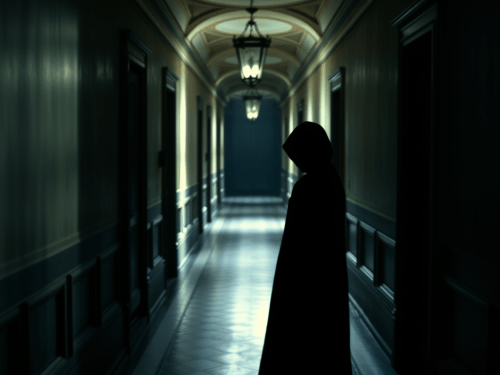
Also, the discomfort experienced when individuals perceive themselves as a burden to others may give rise to self-hatred and the thought that they have so many failings that others are forced to be responsible for them. When the perception of being a burden to others and a sense of not belonging anywhere are combined with helplessness, individuals do not perceive the possibility of positive change, which causes active SI and a potential SA. Psychiatric models have long demonstrated the impact of disorders such as depression on suicidality across diverse populations. As Hegerl notes, depressive states can heighten risk for suicide attempts and suicide because the disorder distorts perceptions of reality, leading individuals to experience their suffering as unbearable and to view the future as devoid of hope. Importantly, depressive symptoms are strongly associated with shame and guilt across age and gender, emotions that can intensify self‑blame and internalized distress. A meta‑analysis by Krysinska and Lester further indicates that the relationship between PTSD and suicidality is significantly shaped by comorbid depression and pre‑existing psychiatric vulnerabilities. These findings have direct relevance for understanding suicidality in Complex Post‑Traumatic Stress Disorder (C‑PTSD), where prolonged, interpersonal, and inescapable trauma often produces chronic emotion dysregulation, persistent negative self‑concept, and relational disturbances. The cumulative effects of shame, guilt, and depressive symptoms—combined with the enduring sense of threat characteristic of C‑PTSD—can deepen psychological exhaustion and heighten vulnerability to suicidal ideation. Thus, while depression and PTSD independently contribute to suicidality, the prolonged and relational nature of trauma in C‑PTSD amplifies these mechanisms, creating a complex interplay of emotional pain, hopelessness, and chronic fear that requires careful, trauma‑informed understanding. #RandolphHarris 14 of 18

Why a person might not report SI or SA? Shame can make people feel defective or embarrassed about needing help. Many trauma survivors have learned to survive by projecting strength, competence, or emotional control. Admitting SI or SA can feel like exposing a vulnerability they have spent years trying to hide. A very common reason people stay silent is the fear that disclosure will lead to involuntary hospitalization. For many, the idea of losing autonomy feels terrifying, especially if they already feel unsafe or controlled. The belief that medical professionals cannot help is another reason. Some individuals have had experiences where they reached out and were dismissed, their concerns were minimized, even if they were experiencing life-threatening situations. Their trauma was misunderstood, and their environment remained dangerous despite seeking help. This can create the belief that “a doctor cannot fix this,” especially when the threat is external, ongoing, or tied to systemic issues. Furthermore, there is a fear that reporting will not address the real problem. When someone’s trauma is tied to unsafe environments, unresolved crimes, institutional betrayal, corruption, and retaliation, they may feel that medical intervention cannot change the external danger. Medication cannot fix a dangerous environment. Hospitalization cannot resolve systemic failures. So, the person may think, “Why tell a doctor something they cannot fix?” Some survivors stay silent because they are trying to rebuild their lives, avoid triggering more danger, focus on escape, and keep their symptoms manageable until they are safe. They may believe that once they are out of the situation, their symptoms will lessen — and often, that belief is what keeps them going. #RandolphHarris 15 of 18

Hopelessness after being ignored by the authorities does happen. If someone has reported crimes, documented injuries, reached out repeatedly, been dismissed or disbelieved, it can create profound hopelessness. They may think, “If no one believes the danger I’m in, why would they believe my emotional pain?” This is a form of institutional betrayal, and it can silence people for years. Isolation caused by the trauma itself is real. When trauma involves interpersonal harm — especially by people in positions of power — survivors often become isolated. Isolation increases fear, reduces trust, and makes disclosure feel dangerous. Fear of retaliation is a major factor in chronic trauma. If someone believes that speaking up — even to a doctor — could trigger more harm, they may stay silent to protect themselves. This fear is not irrational. It is a survival strategy shaped by experience. Some people turn to spirituality for help, but also experience spiritual or existential invalidation. Being told things like “Jesus won’t help you” can be deeply destabilizing. It attacks a person’s coping system, their sense of meaning, and their spiritual grounding. This kind of invalidation can increase isolation and make disclosure feel even more unsafe. Therefore, people do not stay silent because they do not care about themselves. They stay silent because they are trying to survive in the best way they know how. Silence is often a protective strategy, a response to past dismissal, a way to avoid retaliation, an attempt to maintain control, a reflection of hopelessness created by external failures. Not reporting SI or SA is not a sign of weakness. It is a sign of how complex, frightening, and overwhelming trauma can be—especially when the danger is ongoing or tied to systems that should have protected them. #RandolphHarris 16 of 18

Because the precipitating factors of Complex Post‑Traumatic Stress Disorder (C‑PTSD) often begin in childhood or adolescence and continue into adulthood, many survivors initially lack the capacity, language, or safety to seek help. Early attempts to reach out may be met with dismissal, minimization, or institutional inaction, which reinforces silence and deepens feelings of helplessness. As individuals age, they may discover new avenues for support, yet obtaining meaningful assistance becomes profoundly difficult when the perceived or actual sources of threat include governmental bodies, public institutions, or media actors. In such cases, survivors may feel trapped within systems that appear complicit in their harm or indifferent to their safety. When trauma is intertwined with institutional betrayal—such as unaddressed reports, ignored evidence, or public narratives that distort or exploit a person’s experiences—the process of seeking help can consume years, if help arrives at all. This prolonged struggle reflects not only the severity of the trauma but also the structural barriers that prevent survivors from accessing protection, validation, or justice. The result is a chronic psychological environment in which fear, vigilance, and uncertainty persist, even as individuals continue searching for pathways to safety and recovery. In situations of prolonged interpersonal or institutional trauma, individuals who were once trusted may begin to reinterpret the survivor not as someone in need of protection but as a threat to their own reputation, status, or self‑interest. This shift can lead to behaviors that feel like demonization: spreading false narratives, distorting the survivor’s character, or engaging in actions intended to undermine their credibility. In the trauma literature, these patterns are understood as forms of secondary victimization or institutional betrayal, where the survivor is harmed not only by the original trauma but also by the reactions of those around them. When individuals or institutions fear exposure of wrongdoing, they may engage in defensive behaviors designed to protect themselves. These can include discrediting the survivor, isolating them socially, or creating narratives that cast doubt on their experiences. #RandolphHarris 17 of 18

From the survivor’s perspective, these actions can feel like a coordinated effort to silence them, especially when the trauma involved power imbalances or when the survivor has previously been dismissed by authorities. The psychological impact is profound: the survivor may experience heightened fear, mistrust, and hypervigilance, all of which are core features of Complex Post‑Traumatic Stress Disorder (C‑PTSD). The survivor’s sense of danger becomes shaped not only by the original trauma but by the ongoing relational and institutional dynamics that follow. When people who were once trusted become sources of harm or invalidation, the survivor’s world becomes unpredictable and unsafe. This reinforces the chronic threat environment that sustains C‑PTSD symptoms, including emotional dysregulation, negative self‑concept, and difficulty forming or maintaining relationships. In this context, the survivor’s isolation is not a sign of weakness but a protective adaptation. They may withdraw because the social environment feels contaminated by betrayal, or because past attempts to seek help were met with dismissal or hostility. The combination of interpersonal retaliation, institutional inaction, and the fear of further harm creates a psychological landscape in which the survivor must navigate both the trauma itself and the social consequences of having lived through it. Low levels of social support have been strongly associated with the development and persistence of Complex Post‑Traumatic Stress Disorder (C‑PTSD). Survivors who lack reliable emotional, relational, or institutional support are more vulnerable to the long‑term effects of trauma because they must navigate overwhelming experiences without the buffering effects of safety, validation, or assistance. In this context, early detection and intervention are essential for mitigating the severity of symptoms and preventing the entrenchment of chronic distress. Identifying individuals who are isolated, unsupported, or repeatedly dismissed by those around them is particularly important, as the absence of social protection not only increases the likelihood of C‑PTSD but also reduces access to pathways of recovery. Some people are haunted by what they have seen. Some are haunted by what was done to them. Some are haunted by systems that refuse to acknowledge their humanity. And some feel pursued by all three at once. In the end, every haunting is simply the echo of something that refuses to be forgotten. #RandolphHarris 18 of 18


We Love and Will the World as an Immediate and Spontaneous Totality

The mysterious process by which our Earthly life instructs us for another state of being is the informing act of the soul. Between soul and its powers, as well as between the powers themselves, there is only a formal distinction. What are American institutions? Everything is an institution. Having iced water to drink in every room of the house is an institution. Having hospitals in every town is an institution. Travelling altogether in one class of railway cars is an institution. Saying sir is an institution. Plenty of food is an institution. Getting drunk is an institution in a great many towns. Lecturing is an institution. This formal distinction, which obtains between entities that are not exactly the same and yet cannot be separated from other another, also obtains between being and its transcendentals, between animality and rationality in humans, between common nature and haeceitas (material and spiritual substance), between essence and attributes in God, and between the divine attributes themselves. The unique and absolute infinity of God is the attribute that best distinguishes him from creatures and constitutes his absolute perfection. #RandolphHarris 1 of 6

While creation is primarily an act of the divine will, so that things exist and are good because God wills them, creation is also a rational act based on the divine intellect. Because of the essential contingence of creatures, God can dispense humans from those precepts of the natural law that concerns his duties toward our fellow creatures, but not from those concerning their relationship to God. Human’s ultimate end consists in love of, rather than in knowledge of, God, for it is the will and not the intellect that is the superior power in human beings. In recent years, philosophers have produced arguments designed to prove that not all human behavior can be predicted or otherwise known in advance, and these arguments have been taken to be relevant to the problem of freedom of the will as well as to the question whether there can be genuine behavioral sciences. Specifically, it is argued that in certain circumstances it is logically impossible that one should come to know decision, and actions for whose occurrence decisions are necessary conditions, in advance of the occurrences of such decisions. This have been interpreted as a refutation of determinism. #RandolphHarris 2 of 6

It is a familiar fact that some prophecies and predictions are self-fulfilling in the sense that the prediction itself produced the predicted event—for example, when all the stock market tip sheets predict that stock x will drop sharply in the next few weeks. We also know, for similar reasons, that some predictions are self-defeating. For example, Jones predicts that he will, as usual, take the easy way out of a difficulty, but then, to prove to himself that he can do better, he does just the opposite. This prediction affected his deliberation and caused him to make a decision opposite to the one he had predicted. Now, the argument which follows does not maintain that person’s predictions of his own future decisions are necessarily or always self-defeating; instead, it maintains that it is logically impossible that by considering cause a person should come to know that his final prediction of what he will decide is not self-defeating, and it maintains that the attempt to achieve such knowledge involves an infinite regress. In other words, this antipredictive argument purports to prove that predictions of one’s own future decisions on the basis of antecedent causal conditions cannot possibly be scientifically complete. #RandolphHarris 3 of 6

For some the strain of contemporary life is already too great. Medicine links the stress ailments—heart disease, mental aberration, ulcers—to the tempo of modern life. I am convinced there is a way to cope with any problem. It is first recognizing what the problem is in terms of non-verbal reality, then stating it so clearly and so concisely that you have directed yourself towards changing what can be changed. And when you have changed what can be changed, you learn to accept the rest. Most psychologist agree that the causes of emotional disorders are severe stress of conflict, overuse of the defense mechanisms common to all of us, and just plain loneliness and alienation from other people. These are elements present in the life of every person, to a greater or lesser extent. The difference between emotional health and illness, then, consists largely of differences in individuals’ ability to cope with these common factors—and perhaps in whether the methods used in coping are called normal by society. #RandolphHarris 4 of 6

All of human experience is on a single continuum or scale. We need to understand all parts of that scale—including me and thee and those who are much farther up or down the scale of relative mental health than we are. Sometimes we endure more stress than we can handle and internalize it, but when you are sober, extremely tired, feel like you are drunk, weak, and have a headache, it is important to take a step back because you could be having symptoms of a stroke. When one feels sudden numbness or weakness of face, arm, or leg, especially on one side of the body, sudden confusion, trouble speaking or understanding speech, sudden trouble seeing in one eye or both eyes, sudden trouble walking, dizziness, loss of balance or coordination, and sudden severe headaches with no known cause, you could be in danger of having a stroke. So, contact your doctor and take time off of work and relax, or remove yourself from the troubling situation. We love and will the World as an immediate, spontaneous totality and we love it, give it affect, energy, power to love and change as we model and change it. This is what it means to be fully related to one’s World, so take care of yourself so that it will always be around for you. #RandolphHarris 5 of 6

Traumatized people often have enormous difficulty telling other people what has happened to them. Their bodies reexperience terror, rage, and helplessness, as well as the impulse to stand your ground, or escape, but these feelings are almost impossible to articulate. Trauma by nature drives us to the edge of comprehension, cutting us off from language based on common experience or an imaginable past. It is enormously difficult to organize one’s traumatic experiences into a coherent account—a narrative with a beginning, a middle, and an end. When words fail, haunting images capture the experience and return as nightmares and flashbacks. God, we have done all we know how to do. Now, we are presenting our case based on your word, knowing that you are faithful and true to what you said. God, you did not hide your light under a basket, but let it shine for the whole World, for all the centuries to see. We may not suffer torture in our lives the way you did, but we are still called to let the light of our Christianity illumine our daily lives. Please help us to have the courage to bring our Christianity into our work, our recreation, our relationship, our conversation—every corner of our day. The rest of our lives will be the best of our lives because of the greatness of God’s power. #RandolphHarris 6 of 6


Imagined Security is the Forerunner of Destruction

When each individual has subdued one’s own spirits, then there will be no war and no other enemies to conquer. Life and mind, being closely connected with the functioning of the body, must be conceived of in a way that does justice to the peculiar intimacy of this relationship. The fundamental issue in resolving traumatic stress is to restore the proper balance between the rational and emotional brains, so that you can feel in charge of how you respond and how you conduct your life. When we are provoked into states of hyper—or hypoarousal, we are pushed into an uncomfortable zone, where we are not able to tolerate as much as we usually are able to, and we are no longer in a range of optimal functioning. We become reactive and disorganized; we are not always able to hold back our emotions and may say things out of anger or react unusually. Sounds and lights bother us, unwanted images from the past invade our minds, and we panic, get nervous or become outraged. Our bodies may feel numb, our minds may slow down, and we may not be able to process information as easily, we may lose balance and have trouble standing, sitting, and walking because the chemistry in our bodies is in a state of shock. #RandolphHarris 1 of 6

The noblest of all victories, that over ourselves. Human behavior falls under the concept of motion, which is widely applicable in the natural World. The soul is virtually the principal of all life, and there are different levels of life. The soul is that which keeps a person alive and it leaves the body when a person dies. It is connected with breathing. Spirit, on the other hand, is thought of as the generator of movement; it is connected with the movement of the limbs and with emotional states. The spirit is quite distinct both from the soul and from the mind, which is regarded as the source of images and ideas. In mathematics, the soul grasps forms that are eternal and nondeceptive. As like can be known only by like, the soul, in its rational aspect, must also be eternal. The slave is being made to remember what one had known previous to one’s embodiment. Reason, spirit, and desire represent different levels of being alive. To be alive is to possess a self-originating tendency toward an end. This is exhibited at the lowest level in nutrition and reproduction. Thus, plants have a low-grade soul. Animals have sensation, locomotion, and desire superimposed upon nutrition and reproduction. #RandolphHarris 2 of 6

Humans, in addition, have reason, or mind, by means of which a rule or plan is imposed upon desire. By mind is meant self-direction in accordance with a rational formula. The lower soul is a necessary condition for the higher and the possession of a higher type of soul also changes the way in which the lower functions. Because people are rational, they feed, reproduce, perceive and act in a manner which differs from that of animals. The rational soul is an active agency which inhabits the body for a brief period, it is located in the head because the head is round (the most perfect shape, and hence, an appropriate place for the seat of reason) and the part of the body nearest the Heavens. It makes contact with the brain, which is conceived as a kind of marrow encased in the skull. The irrational soul makes contact with the marrow of the spinal cord in its bony sheath. The better part of the irrational soul, spirit, inhabits the heart and functions in such manifestations of life as energy, courage, and ambition; the worse part, desire, functions below the diaphragm, in appetite nutrition, and reproduction. The rational and irrational parts affect each other through the liver, which acts as a sort of mirror of thought. #RandolphHarris 3 of 6

Over their passions and their weaknesses, mortals cannot keep a curb too strong. In sleep, the soul is shut up, and its motions subside. A few agitations remain, however, and produce dreams. Usually dreams are the expressions of desires which are suppressed. The good person controls their desires sensibly and so is not unduly disturbed by them in sleep. In sleep, the rational soul, if not troubled by irrational desires, can attain truths not otherwise revealed. It is not the dream that creates the phantasy, but the activity of unconscious phantasy that plays the leading part in the formation of the dream-thoughts. Almost everything that is ascribed to the dream-work is attributable to the activity of the unconscious during the day, which instigates dreams no less than neurotic symptoms. We have involved ourselves by our advance into the dark regions of psychology. This proves that the most complex mental operations are possible without the cooperation of consciousness—a truth which we have had to learn anyhow from every psychoanalysis of a patient suffering from hysteria or obsessions. These dream-thoughts are certainly not in themselves incapable of consciousness; if we have not become conscious of them during the day, this may have been due to various reasons. #RandolphHarris 4 of 6

The act of becoming conscious depends upon a definite psychic function—attention—being brought to bear. This seems to be available only in a determinate quantity, which may have been diverted from the train of thought in questions by other aims. If we want to change posttraumatic reactions, we have to access the emotional brain and do limbic system therapy: repairing faulty alarm systems and restoring the emotional brain to its ordinary job of being a quiet background presence that takes care of the housekeeping of the body, ensuring that you eat, sleep, connect with intimate partners, protect your children, and defend against danger. Learning how to breathe calmly and remaining in a state of relative physical relaxation, even while accessing painful and horrifying memories, is an essential tool for recovery. We believe that a certain quantity of excitation, called cathectic energy is displaced from a purposive idea along the association paths selected by this directing idea. The only way we can consciously access the emotional brain is through self-awareness, i.e. by activating the medial prefrontal cortex, the part of the brain that notices what is going on inside of us and thus allows us to feel what we are feeling. #RandolphHarris 5 of 6

Most of our conscious brain is dedicated to focusing on the outside World: getting along with others and making plans for the future. However, that does not help us manage ourselves. Neuroscience research shows that the only way we can change the way we feel is becoming aware of our inner experience and learning to befriend what is going on inside of ourselves. Sensation is a transmission of motions. The human body receives an impression from without and responds with an inner motion. Some parts of the body—for instance, the hair and the nails—are subject to shock but do not respond with inner movements. Sense organs, however, are good conductors of motion. Thus, hearing, for instance, is the end product of a kind of shock. By means of air in the cavities of the body a blow transmitted through the ears to the blood and brain and then the soul. Knowledge does not consist just in sensation, but in the activity of the soul in relation to what is transmitted. This transmission is complicated by the intervention of memory, imagination, feeling, and association, all of which act as intermediaries between reason and sensation. Emotional regulation is the critical issue in managing the effects of trauma and neglect. #RandolphHarris 6 of 6

 Randolph Harris II International Institute