
Home » Posts tagged 'relationships' (Page 2)
Tag Archives: relationships

Oh My Goodness, I Am Talking About Myself!

Parents can begin teaching their children to have proper attitudes towards their bodies when they are very young. However, it is not wise or necessary to tell children everything all at once. What is the law of chastity? We are to have pleasures of the flesh only with our spouse to whom we are legally married. No one, male or female, is to have sexual relations before marriage. After marriage, pleasures of the flesh are permitted only with our spouse. “Thou shalt not commit adultery; and he that committeth adultery, and repenteth not, shall by cast out,” reports Doctrine and Covenants 42.24. We have been taught that the law of chastity encompasses more than pleasures of the flesh. Before marriage, do not do anything to arouse the powerful emotions that must be expressed only in marriage. Do not participate in passionate kissing, lie on top of another person, nor touch the private, sacred parts of another person’s body, with or without clothing. Do not allow anyone to do that with you. Do not arouse those emotions in your own body. With sexual functioning firmly established in our culture as something apart from other natural processes, there were gender roles to assign, practices to establish that involve pleasures of the flesh, and restriction to impose of pleasures of the flesh. All were done out of hand by an omnipotent social arbitration that communicated to the individual not only what his or her sexual pattern should be—but what it must be. #RandolphHarris 1 of 20

It was decided—who knows by whom?—that the male was the expert in pleasures of the flesh. Perhaps this decision evolved from man’s historic role as protector and provider. Or it could have derived from a male fear of the unknown or the misunderstood sexual potential of the female. In any event, man was clearly acknowledged as the fount of all sexual knowledge. As adolescents, boys were allowed, even encouraged, to honour their sexuality. “Boys will be boys,” followed by a suggestive snicker or a benign smile, became a popular cliché. After all, they did need experience, did they not? Tacit permission was given to go-do-it, but, of course, to be circumspect. And as long as they remained “gentlemen”—did not talk too much, did not mention names and did not practice on girls they might wish to marry—there was no cause for concern. Woman’s sexual role? This was another matter. During the eighteenth, nineteenth, twentieth, and well into the first quarter of the twenty-first century, the woman’s sexual role was even easier to define. She had none—other than that of seminal receptable. Woman’s sexual responsivity was not only denied, but actually obliterated as a possibility by male arbiters in a chauvinistic society. Everyone knew—or at least all men know, and most women pretended—that “nice” women had no sexual feelings, that respected wives only submitted in the hope of conceiving and that “those woman” who freely responded sexually simply were not the kind you married. #RandolphHarris 2 of 20

Intercourse was woman’s burden and a true gentleman insisted upon the “marital privilege” as infrequently as possible—at least with his wife. And so, while sexual feelings and freedom to react sexually were acknowledged as male prerogatives, these rights were denounced or denied for the female. Typical of the many decades of scientists’ and physicians’ negation of woman’s sexual feelings is a passage from a gynecologic textbook published in the late 1950s. The editor—a male, of course—stated unequivocally that not only were women nonorgasmic, they rarely, if ever, had sexual feelings and certainly little interest in pleasures of the flesh. And he did not even distinguish between “nice” women and the “other kind.” Yet another example of society’s rigidity in the control of woman’s natural sexual function is the fact that more than 90 ninety-five percent of everything that has ever been published on the subject of female sexual response has been written by men, most of whom objectively and all of whom subjectively had not the vaguest idea of what woman’s orgasmic experience is all about. Until almost halfway through the last century, pleasures of the flesh were something that everyone knew the man, after marriage, was going to do to his wife on their wedding night. Not only did the husband believe that the wedding night was committed to his pleasure, but his wife, too, was prepared for duty—with her role exclusively that of sexual servant. #RandolphHarris 3 of 20

The prize of virginity (real or feigned) was to be her sacrificial offering to her new husband. An unruptured hymen was not only accepted as absolute proof of a wife’s sexual innocence but was usually required as a symbol of her sexual ignorance and his sexual prowess. Social mores demanded that her fund of sexual knowledge, her degree of sexual experience and her evidence of sexual interest, if any, were to be defined and controlled by her husband. In short, the price of the intact hymen was assigned to the head of the household. It was for the taking: how, when and where obviously were his responsibility—his sexual responsibility. Our culture had decreed that brides were to be virgins. Therefore, women who has made the fearful mistake of offering this price in prior sexual encounter must do their best on their wedding night to conceal its loss. Yet despite having to play the role of sacrificial lamb at marriage, the virgin bride had one very real advantage over her husband: other than being available, she had no sexual responsibility. Of course, there is the other side of the coin to the virginal bride. The culture also presumed that there was no such thing as a man with little or no sexual experience at marriage—a man who was not a fount of sexual knowledge. So many men who married, having only insignificant, if any, sexual experience, inwardly quaked and outwardly faced the expected expertise—and because of their discomfort, many more wives suffered. #RandolphHarris 4 of 20

Back then to the subject of the husband doing something to his wife on their wedding night. This was sexual responsibility—his to do to her; hers only to be done to. And for generations, we played our culturally assigned sexual roles of expert and virgin; but sexually we hardly prospered. One of the classic ironies of our psychological development is that we often wind up acting like the people we hate most. Fortunately for many, through the dynamics of group therapy process, some are able to see the irony. Unfortunately, many other people never do. Instead, they go through life, cursing an image which they see before their eyes, not realizing that they are actually looking into a mirror. A possible reason for this partial psychological “blindness” is that they are looking outward with only one point of view, their own. However, a person’s own point of view is but one kind of “truth.” Other people’s point of view, especially a group of others, may well be closer to the “real” or objective truth, which no one knows for sure. When a person himself to the possibility that the consensus point of view might be the truth, he creates for himself an opportunity to grow. Yet just as growth cannot come from blindly accepting a group’s points of view either. If someone were to hand-feed you a piece of fruit, there are three things you could do with it: spit it out, swallow it whole, or chew it up and eat it. Should you spit it out, you would be denying yourself whatever benefit the fruit you may have. Should you swallow it whole, you might be making the mistake of ingesting something which is not good for you—the pit, for instance. #RandolphHarris 5 of 20

However, by first chewing on it, tasting and sampling, you can decide if you want to take part of it. So it is with the opinions people feed us. We do ourselves little good by accepting or rejecting them without “chewing” on them. In doing those things, we deny ourselves an opportunity to grow. Growth comes from a synthesis of the two kinds of truth—and the result of a synthesis is neither the thesis (your truth) nor the antithesis (the group’s truth), but an entirely new truth which contains something of both. What most people are at first unwilling to do consciously, but later learn to do in the heat of a discussion, is allow both truths to come together and synthesize into the realization, “Oh my goodness, I am talking about myself.” In that moment, a new “truth” about yourself will be created—a truth which might not be the objective truth, but closer to it. Discovering the unique person you are involves another kind of synthesizing. It is the synthesizing of values. In many men, the dominant value is control, and the antithesis of control is dependency. In order for most men to master their hang-up on control, they have to fully experience its polar opposite. During early infancy, the child is straight, starting off in the first position, I am O.K.—You’re O.K. However, corruption quickly sets in, and he discovers that his O.K. is not a completely undisputed automatic birthright, but depends to some extent on his behaviour, and more particularly on his responses to his mother. In the course of learning his table manners, he may discover that his feeling of unblemished O.K.-ness is granted by her only with certain reservations, and this is wounding. He responds by casting aspersions on her O.K.ness, although when dinner is over, they may kiss and make up. #RandolphHarris 6 of 20

However, the groundwork has already been laid for game-playing, which begins to flower during his toilet training, where he has the upper hand. During mealtimes, he is hungry, and wants something from her; in the bathroom, she wants something from him. At the table, he has to respond to her in a certain way to keep his O.K. grade; now she has to treat him right to keep her O.K. In rare cases, both of them may still be straight, but usually by this time, she is conning him by working his gimmicks just a little, and he is doing the same. By the time he enters school, he has probably learned a few soft games, or perhaps two or three hard ones, or in the worst cases he may already be game-ridden. It depends on how smart and tough his parents are. The more they “play it smart,” the crookeder he will be; and the tougher they are, they harder he will have to play in order to survive. Clinical experience shows that the most effective way to corrupt and tighten a child is to give him frequent enemas against his will (which may cause micro tears in his rectum and colon and cause serious healthy problems), just as the most effective way to corrupt and disintegrate him is to spank him cruelly when he cries from pain (which is considered child abuse). In grade school he has a chance to try out, on the general population of other children and teachers, the games he has learned at home. He sharpens some up, tones others down, abandons some, and pick up new ones from the group. He also has a chance to test out his convictions and his position. #RandolphHarris 7 of 20

If he thinks he is O.K., his teacher can confirm this or shake him up by putting him down, and if he is convinced he is not-O.K., she can confirm that (which is only what he expects) or try to build him up (which may make him uneasy). If he thinks the rest of the World is O.K., he will include her unless she has to prove she it’s not. If he is convinced others are not-O.K., he will try to prove it by getting her angry. There are many special situations which neither the child nor the teacher can foresee or cope with. The teacher may play the game called, “Argentina.” “What is the most interesting thing about Argentina?” she asks. “Pampas,” says somebody. “Noo.” “Patagonia,” says somebody else. “Noooooo.” “Aconcagua,” offers another pupil. “Noooooooo.” By this time, they know what is up. It is no use remembering what is in the book, or what they are interested in. They are supposed to guess what is in her mind, so she has got them in a corner, and they give up. “Nobody else wants to answer?” she asks in her phony gentle tone. “Gauchos!” she declares triumphantly, making them all feel stupid simultaneously. There is nothing they can do to stop her, and it is very hard for even the most charitable student to let her keep her O.K. On the other hand, even the most skillful teacher may have trouble keeping her O.K. with a pupil whose body is being violated with enemas at home. If she tries to force him, he may refuse to answer because she is raping his mind as well, and that proves that she is no better than his parents. However, there is nothing she can do to help him, either. Each of the lower positions has its own assortments of games, and by playing them with the teacher, Jeder can see which ones she falls for and sharpen his skill. #RandolphHarris 8 of 20

In the second or arrogant position (+-), he may try “Now I Have Got You,” in the third or depressive one (-+), “Kick Me,” and from futility (–), “Making Teacher Sorry.” He may give up the ones she declines or has an antithesis for. However, he also tries them out on his schoolmates. The fourth position is in many ways the hardest to deal with. However, if the teacher keeps her cool and strokes Jeder with judicious words, neither marshmallows, rebukes, nor apologies, she may loosen his grip on the harsh rock of futility and float him part way up toward the sunshine of O.K.ness. Thus, later childhood is the period that determines which games from the domestic repertoire become fixed favourites and which ones, if any, are given up. The most important single question here is: “How did your teachers get along with you at school?” and next to that, “How did the other kids get along with you at school?” when persons believe their way of life is in jeopardy and there is no possibility of further existence, anxiety or dread is experienced. Anxiety differs from fear in that with the latter, one can see the source of the danger, and can, perhaps, cope with it by combat or flight. Anxiety is more likely to arise when one has violated a personal or a religious taboo and experiences the imminence of annihilation, while feeling helpless to do anything about it. It is also triggered by signals that do not appear to make sense, such as a horror of high places, panic over insects, or a dread of dirt. If the person survives it, a simple onslaught of such anxiety or dread is enough to traumatize someone for a lifetime. #RandolphHarris 9 of 20

Indeed, some of the most rigid character traits and so-called defense mechanisms are developed as desperate means of ensuring that the horror will never again be experienced. Many compulsive habits, like primitive religious taboos and injunctions, persist throughout persons’ loves, interfering with their personal relations and with the spontaneous enjoyment of life, in order to prevent the dreaded anxiety. When persons cannot avert the experience of anxiety by regulating their lives or their environment, they may develop any of the life styles that are described by psychiatrists as neurotic or psychotic. These ways of being are themselves devoid of joy, because they are so hemmed in by inhibitions; but the diminished life is preferred by the patients to facing, unaided and alone, that annihilation of their World and their identity that is called anxiety. It is impossible, however, to live without some encounter with anxiety. The posture most compatible with healthy personality in an encounter with dread is the posture of courage, the “courage to be” of which Paul Tillich wrote so beautifully. The person with courage to face the unknown with resolve and fortitude discovers unplumbed capacities to grow and to cope with life. As paradoxical as it may sound, the experience of anxiety is essential for growth. #RandolphHarris 10 of 20

There are two basic forms of anxiety: state anxiety, which strikes occasionally and for short periods of time, and trait anxiety, which describes the general state of the person and is with that person more or less constantly as a personality characteristic. It may be anticipated that even the psychologically healthy person would be in a state of anxiety on limited occasions, although the adaptive or useful function of the state is by no means entirely clear. It may serve to signal to the person or to peers that a matter of great importance is being considered and the individual needs to mobilize all resources for a successful response to the event—a significant decision, a serious threat to selfhood, or a major turning point in one’s life. Perhaps the most distinguished humanist writing on the subject of anxiety, Rollo May, insists that raw physical courage (in addition to the courage to be noted earlier) is often a triumph over anxiety. He cites the work of William Lloyd Garrison in seeking emancipation for the slaves, who wrote of his knees shaking in anticipation as he faced a large audience. Courage in itself seems to be one of the major dynamics of the high-level-functioning person. Courage is most likely to appear, however, in those persons fortunate enough to have an “encourager” in the lives, whether it be a friend, family member, counselor, or their deity. #RandolphHarris 11 of 20

My schizophrenic friend is sometimes violent—kicks out doors and windows, frames and all. He is also cunning—he does this in places where he knows that he will not be picked up by the police. He does not fear jail, but he fears that he might be sent to a mental hospital and robbed of a part of his life that is very dear to him. A psychiatrist recently recommended that he commit himself to an institution “but I faked him out by telling him I would go home and to my psychiatrists there.” His cunning has sometimes the look of ugliness—when he comes to me for money “ to go see Brandon” which is not what he will use it for. His eyes look like squirmy worms then. However, that is this but an expression of how he feels about himself when he asks for money and tells a lie to get it? Shall I live with his fawning, cheating—or with how he feels about it, the meaning of it to him? Other times he is a frolicking angel—as humorous and saintly as he looks. Which “he” is he? One evening with him I always thing of as perfect because there is never anything in it that I wish to change. Everyone else had gone to bed. He started painting at the dinner table. I sat beside him. Somehow I was moved to take a sheet of his paper and begin painting too. The paintings were my own—and unlike his. They were also unlike anything I had ever done before. The way that he went about his painting communicated itself to me without words, and I have ever since thought of him as my “teacher” although he made no attempt to teach. At the same time, he got something from me which he has ever since thought of as therapy. “And I know that these moments of real relationship with these real persons have been the essential reward for all of us…” #RandolphHarris 12 of 20

We psychiatrist measure an individual’s behaviour against his socially-determine role or roles (as we see them), and on this basis decide which behaviour is incorrect or aberrant and if so how much. The fact that American psychology after 1946 was an offspring of military psychology is neither alarming nor unexpected. Throughout human history, the Warrior Caste has introduced each new technology—mechanical, medical, social, and even bureaucratic. The military serves hive-terrestrials as the pioneer avant garde. Most intelligence structures are originated by their military who function as suspicious antennae for their societies. They are charged with the responsibility for finding out what is happening over there in the next hive; for sniffing out what the territorial rivals are doing, and for protecting the hive. The Warrior Caste—the warrior insects—are genetically wired to act as paranoid sense-organs for the body-social. As Thomas Pynchon pointed out in his book Gravity’s Rainbow, wars—however cruel and pointless they may seem to liberals—are necessary competitions to stimulate technological advances. Inter-hive conflicts are evolutionary devices to make Earthlings move faster, see farther, communicate better, transport, organize and heal ourselves more effectively. After the new technology has been tested and proved by the Warrior Caste, it is then co-opted by the other techno-castes who convert the new energy into hive use. #RandolphHarris 13 of 20

The order in which castes take over a new energy is fixed—Political Power Caste, Engineer Commercial Caste, Moral Domesticator Caste. In advanced societies, which have met these security satisfaction challenges, the technology is then coopted by post-hive individual castes—Artist Caste, Neurologician Caste, Neurogeneticist Caste. The history of preflight civilization is this cycle of technological evolution. Each caste is robot-wired to use the new technology and harness it to the specialized caste function. Pynchon outlines how this new technology—psychology—was initiated during wartime by the requirements of the military and how mind-control techniques have been taken over by the Managerial, Technician-Intellectual and Social-Moral Castes. Gravity’s Rainbow, of course, was a powerful signal from the Artistic Caste—the change agents. The book is a brilliant attempt to use psychological knowledge to free individuals from the limiting past. Without understanding all the implications, the military during World War II mobilized enormous national resources to create new technologies. These included air-transportation, electronic communication, nuclear energy, production of labour-saving gadgets, and psychological assessments of personality. All of these breakthroughs were produced by the patriotic emergency. Uncle Sam, the national self-indulgent consumer, wanted—and he got it! He demanded, “Gimmie 50,000 bombers”—and the hive gladly produced! “Gimme a radar system that will detect metal miles-high-in-the sky” and he got it.” Sam said, “Gimmie ships and planes so I can ship ten million lusty young warriors in two years to the five continents” and he got it! #RandolphHarris 14 of 20

“We deny God, we deny the responsibility of God, it is only thus that we will deliver the World.” With Nietzsche, nihilism seems to become prophetic. However, we can draw no conclusion from Nietzsche except the base and mediocre cruelty that he hated with all his strength, unless we give first place in his work—well ahead of the prophet—to the diagnostician. The provisional, methodical—in a word, strategic—character of his thought cannot be doubted for a moment. With him nihilism becomes conscious for the first time. Surgeons have this in common with prophets: they think and operate in terms of the future. Nietzsche never thought except in terms of an apocalypse to come, not in order to extol it, for he guessed the sordid and calculating aspect that this apocalypse would finally assume, but in order to avoid it and to transform it into a renaissance. He recognized nihilism for what it was and examined it like a clinical fact. He said of himself that he was the first complete nihilist of Europe. Not by choice, but by condition, and because he was too great to refuse the heritage of his time. He diagnosed in himself, and in others, the inability to believe and the disappearance of the primitive foundation of all faith—namely, the belief in life. The “can one live as a rebel?” became with him “can one live believing in nothing?” His reply is affirmative. Yes, if one creates a system out of absence of faith, if one accepts the final consequences of nihilism, and if, on emerging into the desert and putting one’s confidence in what is going to come, one feels, with the same primitive instinct, both pain and joy. #RandolphHarris 15 of 20

Instead of methodical doubt, he practiced methodical negation, the determined destruction of everything that still hides nihilism from itself, of the idols that camouflage God’s death. “To raise a new sanctuary, a sanctuary must be destroyed, that is the law.” According to Nietzsche, he who wants to be a creator of good or of evil must first of all destroy all values. “Thus, the supreme good is creative.” He wrote, in his own manner, the Discourse de la Methode of his period, without the freedom and exactitude of the seventeenth-century French he admired so much, but with the mad lucidity that characterizes the twenty-first century, which, according to him, is the century of genius. We must return to the examination of this system of rebellion. Whether it be in the form of art, music, poetry, literature, or those of living, dress, behaviour, manners, or speech, the quality of a person reveals himself in his coarseness or refinement. By that I mean whether he is or is not on the quest which is after all an attempt to refine ourselves from materialism to spirituality and therefore from low quality thoughts and feelings to higher and nobler ones. If higher development is sought, tit is not only manners which must be refined, but also consciousness. Whatever helps to refine character, feeling, mind, and taste is to be welcomed and cultivated as part of the philosophic work. #RandolphHarris 16 of 20

A person’s manners show outwardly the degree to which the Spirit is working within him. It was certainly the view of some Far Eastern sages, but explanation may be necessary for those to whom it is new. Without referring to polish and elegance—which are a different thing—decent manners in the sense of being considerate to others come closer to a spiritual man’s conduct than rude manners. The graceless discourtesies and little brutalities of those who are either too ill-bred or too selfish to be considerate of others, advertise spiritual emptiness. They defend themselves by ascribing mannerliness and charm to snobs, because they dare not face what they are and see their own poverty of soul. Jesus Christ saw the moral worth of proper manners, the ennobling value of dignified living, the formative power of right custom. If society did to Jesus’ gospel of propriety and conduct what it did to all religions, if it made the external and forms more important than the realities and spirit, that was not Jesus’ fault. The Superior Man’s virtue is considerate behaviour. Considerate behaviour is spiritual behaviour. A formal elaborate politeness, such as the upper class and neighbouring peoples practiced for over a thousand years, perhaps under the impetus of Jesus, is not meant there, but rather one coming from the heart. Refinement is a beautiful quality for anyone to possess, but for someone without a soul above materialism it is charged with a higher meaning. It not only involves consideration for others and respect for oneself, but also an attitude of aspiration. #RandolphHarris 17 of 20

The Sacramento City Fire Department is a diverse and evolving extension of the community, committed to providing excellent service to all those they serve, in a professional and humanitarian way. The Sacramento Fire Department pledges to protect lives, property and the environment through a safe, effective and timely response. They take an innovative approach to providing emergency medical services, fire suppression, rescue operations, emergency communications and fire prevention, community outreach and public education, as well as other services. “My colleague X, a mature fellow, was a late bloomer like myself. When he finally made lieutenant, they sent him to Y Engine, which is in a ghetto-type area where you get to do a lot of service. He was on the opposite shift from me at Y Engine. He had relived me that morning, and that evening I was coming in to relieve him. He had a basement fire. There is still controversy over what really happened, but for the sake of argument let’s say there was a flashover and a partial backdraft occurred. The lieutenant was on the nozzle at the top of the basement stairs, and the pipe man was backing him up. It must have been because the heart was so severe that they were changing positions. He was sucked down the stairs into the basement, and the pipe man got thrown out the door. This happened at four-thirty in the afternoon, and at one in the morning he died at the burn center. He was burned very badly, and his lungs were seared. #RandolphHarris 18 of 20

“That gave me the coldest chill the whole time I was in the fire department. If our shifts had been reversed, I would have been in the same place he was at. It could have been any of us, whoever had happened to be in charge of the company at the time. Here was another cause of one of you own. It happened in the daytime, which seemed more unusual, because most things happen in the nighttime. When I came in to relieve that night, God, it was such a terrible, uneasy feeling. It was devastating to his family. The husband and father goes to work, and everyone is happy, and all of a sudden he doesn’t come home. We had a full department funeral for him. It was very chilling and made you cry inwardly. But firefighters have a way of springing back. I’m still on the job. I’ll probably be here for another year, maybe two. Under the new rules, I can get out any time I want. But I think I’ll hang around a little while longer.” The members of the Sacramento City Fire Department are dedicated to professionalism, integrity, accountability, and respect for all life forms. Firefighters and EMT put their lives on the line every day, several times a day to provide the highest quality and highest level of courteous and responsive service possible. In an effort to keep the country cohesive, please raise your children to love America, to be patriotic, to love God and Jesus Christ and buy American cars and other American goods and services. #RandolphHarris 19 of 20

Also, please respect law and order, and treat others with kindness and respect. To ensure that you have a bright future, please take your education seriously, and be sure to actually read your books. And remember to “Just Say ‘No’ to Drugs.” Even marijuana can be deadly. I pledge allegiance to the flag of the United States of America, and to the republic for which it stands, one nation, under God, indivisible with liberty and justice for all. O beautiful for spacious skies, for amber waves of grain, for purple mountains majesties above the fruited plain! America! America! God shed His grace on three, and crown thy good with brotherhood from sea to shining sea! O beautiful for pilgrim feet, whose stern, impassioned stress, a thoroughfare for freedom beat across the wilderness! America! America! God mend thine every flow, confirm thy soul in self-control, Thy liberty in law! O beautiful for patriot dream that sees beyond the years, Thine alabaster cities gleam, undimmed by human tears! America! America! God shed His grace on thee, and crown thy good with brotherhood from sea to shining sea! God never gave us express allowance, only He gave us reason, charity, nature and good example to bear us out. #RandolphHarris 20 of 20

Ventris Place
North Laguna Creek, CA | Mid 500’s
Now Selling!

Meet Ventris Place, a collection of 37 inspiring homes nestled just outside of Sacramento in the Elk Grove School District, and within walking distance to Cosumnes River College. Ventris Place offers premium California living with spacious floorplans and designer details you can’t find elsewhere. Expansive interiors offer room to entertain, live, and work from home.

Imagine waking up every day to the comfort of a life-made-easy home plan, private side yards, and inspired living spaces carefully designed to make life at home a pleasure. The open concept main floor boasts a great room, dining, and kitchen with gourmet features and entertainment island.

A covered patio off the kitchen brings outdoor living to life. The upstairs features a tucked away home management area and an open loft space. A large primary suite is your sanctuary, complete with dual large walk-in closets and spa bath.

Homes at Ventris Place offer 3-4 bedroom and 2-3 bath plans ranging from 1196 to 1846 square feet and include rear-entry 2-car garages. Choose from a single-story plan or several two-story plans.

Ventris Place homes are a place to breathe deep, sit back, and let life move just a little slower.

And when it’s time to get outside, the homes are adjacent to 22-acre North Laguna Creek Park, and a quick walk from the 119-acre designated Wildlife Area and Interpretive Trial. This intimate enclave of 37 homesites offers nostalgic charm and is available with one- and two-story floorplans. https://nextgenerationcapital.us/new-homes-elk-grove-ventris-place/


Beautiful, with a Beauty Unknown on this Earth

Romeo Montague was a romantic idealist and tragic hero who is well-known from William Shakespeare’s, “Romeo and Juliet.” He considers himself compelled to do evil by his nostalgia for an unrealizable good, and while exploring love, youth and human nature, Romeo meets with a tragic fate. Likewise, Satan rises against his Creator because the latter employed force to subjugate him. “Who reason hath equal’d,” says Milton’s Satan, “force hath made supreme above his equals.” Divine violence is thus explicitly condemned. The rebel flees from this aggressive and unworthy God, “Farthest from him is best,” and reigns over all the forces hostile to the divine order. The Prince of Darkness has only chosen this path because good is a notion defined and utilized by God for unjust purposes. Even innocence irritates the Rebel in so far as it implies being duped. This “dark spirit of evil who is enraged by innocence” creates a human injustice parallel to divine injustice. Since violence is at the root of all creation, deliberate violence shall be its answer. The fact that there is an excess of despair adds to the causes of despair and brings rebellion to that state of indignant frustration which follows the long experience of injustice and where the distinction between good and evil finally disappears. Vigny’s Satan can no longer find in good or evil any pleasure nor of the sorrow that he causes take the measure. This defines nihilism and authorizes murder. Murder, in fact, is on the way to becoming acceptable. It is enough to compare Lucifer of the painters of the Middle Ages with the Satan of the romantics. An adolescent “young, sad, charming” (Vigny) replaces the horned beast. Beautiful, with a beauty unknown on this Earth” (Lermontov), solitary and powerful, unhappy and scornful, he is offhand even in oppression. #RandolphHarris 1 of 17

However, his excuse is sorrow. “Who here,” says Milton’s Satan, “Will envy whom the highest place…condemns to greatest share of endless pain.” So many injustices suffered, a sorrow so unrelieved, justify every excess. The rebel therefore allows himself certain advantage. Murder, of course, is not recommended for its own sake. However, it is implicit in the value—supreme for the romantic—attached to frenzy. Frenzy is the reverse of boredom: Lorenzaccio dreams of Han of Iceland. Exquisite sensibilities evoke the elementary furies of the beast. The Byronic hero, incapable of love suffers endlessly. He is solitary, languid, his condition exhausts him. If he wants to feel alive, it must be in the terrible exaltation of a brief and destructive actions. To love someone whom one will never see again is to give a cry of exaltation of as one perishes in the flames of passion. One lives only in and for the moment, in order to achieve “the brief and vivid union of a tempestuous heart untied to the tempest” (Lermontov). The threat of mortality which hangs over us makes everything abortive. Only the cry of anguish can bring us to life; exaltation takes the place of truth. To this extent the apocalypse becomes an absolute value in which everything is confounded—love and death, conscience and culpability. In a chaotic Universe no other life exists but that of the abyss where, according to Alfred Le Poittevin, human beings come “trembling with rage and exulting in their crimes” to curse the Creator. The intoxication of frenzy and, ultimately, some suitable crime reveal in a moment the whole meaning of life. Without exactly advocating crime, the romantics insist on paying homage to a basic system of privileges which they illustrate with the conventional images of the outlaw, the criminal with the heart of gold, and the kind brigand. Their works are bathed in blood and shrouded in mystery. #RandolphHarris 2 of 17

The soul is delivered, at a minimum expenditure, of its most hideous desires—desires that a later generation will assuage in extermination camps. Of course, these works are also a challenge to the society of the times. However, romanticism, at the source of its inspiration, is chiefly concerned with defying moral and divine law. That is why its most original creation is not, primarily, the revolutionary, but, logically enough, the dandy. Logically, because this obstinate persistence in Satanism can only be justified by the endless affirmation of injustice and, to a certain extent, by its consolidation. Pain, at this stage, is acceptable only on condition that it is incurable. The rebel chooses the metaphysic of inevitable evil, which is expressed in the literature of damnation from which we have not yet escaped. “I was conscious of my power and I was conscious of my chains” (Petrus Borel). However, these chains are valuable objects. Without them it would be necessary to prove, or to exercise, this power which, after all, one is not very sure of having. It is only too easy to end up by becoming a government employee in Algiers, and Prometheus, like the above-mentioned Borel, will devote the rest of his days to closing the cabarets and reforming morals in the colonies. All the same, every poet to be received into the fold must be damned. Charles Lassailly, the same who planned a philosophic novel, Robespierre and Jesus Christ, never went to bed without uttering several fervent blasphemies to give himself courage. Rebellion puts on mourning and exhibits itself for public admiration. Much more than the cult of the individual, romanticism inaugurates the cult of the “character.” It is at this point that it is logical. No longer hoping for the rule or the unity of God, determined to take up arms against an antagonistic destiny, anxious to preserve everything of which the living are still capable in a World dedicated to death, romantic rebellion looked for a solution in the attitude that it itself assumed. #RandolphHarris 3 of 17

The attitude assembled, in aesthetic unity, all mankind who were in the hands of fate and about to be destroyed by divine violence. The human being who is condemned to death is, at least, magnificent before he disappears, and his magnificence is his justification. It is an established fact, the only one that can be thrown in the petrified face of the God of hate. The impassive rebel does not flinch before the eyes of God. “Nothing,” says Milton, “will change this determined mind, this high disdain born of an offended conscience.” Everything is drawn or rushes toward the void, but even though man is humiliated, he is obstinate and at least preserves his pride. A baroque romantic, discovered by Raymond Queneau, claims that the aim of all intellectual life is to become God. This romantic is really a little ahead of his time. The aim, at that time, was only to equal God and remain on His level. He is not destroyed, but by incessant effort He is refused any act of submission. Dandyism is a degraded form of asceticism. The dandy creates his own unity by aesthetic means. However, it is an aesthetic of singularity and of negation. “To love and die before a mirror”: that, according to Baudelaire, was the dandy’s slogan. It is indeed a coherent slogan. The dandy, is by occupation, always in opposition. He can only exist by defiance. Up to now man derived his coherence from his Creator. However, from the moment that he consecrates his rupture with Him, he finds himself delivered over to the fleeting moment, to the passing days, and to wasted sensibility. Therefore, he must take himself in hand. #RandolphHarris 4 of 17

The dandy rallies his forces and creates unity for himself by the very violence of his refusal. Profligate, like all people without a rule of life, he is coherent as an actor. However, an actor implies a public; the dandy can only play a part by setting himself up in opposition. He can only be sure of his own existence by finding it in the expression of others’ faces. Other people are his mirror. A mirror that quickly becomes clouded, it is true, since human capacity for attention is limited. It must be ceaselessly stimulated, spurred on by provocation. The dandy, therefore, is always compelled to astonish. Singularity is his vocation, excess his way to perfection. Perpetually incomplete, always on the fringe of things, he compels others to create him, while denying their values. He plays at life because he is unable to live. He plays at it until he dies, expect for the moments when he is alone and without a mirror. For the dandy, to be alone is not to exist. The romantics talked so grandly about solitude only because it was their real horror, the one thing they could not bear. Their rebellion thrusts its roots deep, but from the Abbe Prevost’s Cleveland up to the time of the Dadaists—including the frenetics of 1830 and Baudelaire and the decadents of 1880—more than a century of rebellion was completely glutted by the audacities of “eccentricity.” If they were all able to talk of unhappiness, it is because they despaired of ever being able to conquer it, except in futile parodies, and because they instinctively felt that it remained their sole excuse and their real claim to nobility. That is why the heritage of romanticism was not claimed by Victor Hugo, the epitome of France, but by Baudelair and Lacenaire, the poets of crime. “Everything in this world exudes crime,” says Baudelaire, “the newspaper, the walls, and the face of man.” #RandolphHarris 5 of 17

The conflict we see going on in this World is a conflict that too often goes on in all of us. It is a battle between the way things are and the way they “ought to be.” People move to rich and expensive communities to escape the problems of the World. Early in life, many develop some firm notions of the way things ought to be. Going with those notions, people set about the task of making them look that way. As long as their conditions in life conformed to these notions, they are able to be happy. However, when things change and are no longer the way they feel they ought to be, their problems begin. One of the problems most people have is their inability (or at least unwillingness) to admit that things are not all right. They prefer to live with the illusion that they are. Yet living with this illusion takes a heavy toll on people, physically and psychologically. An important aspect of the concept of being is that it is “now-oriented.” Being implies being in the here and now, in this moment, with things just the way they are. You can think about the way things used to be or wish that they be different in the future. However, you can only be—here and now—with things as they actually exist. When people refuse to admit that things are not all right, they are refusing to be with them exactly the way they are. They are trying to impose their own notions upon reality. This effort is doomed to failure because the unalterable fact of life is that things are the way they are. They are not the way they once were and they are not the way they are going to be—but they certainly are the way they are. A man’s refusal to accept this does not change anything. At most, his refusal just changes the way they look. Then a problem arises when people by choice or necessity choose to ignore the dysfunction and start taking medication to cope with life. This can put one in danger because they are turning off their senses and boosting their serotonin to help project an image of peace, happiness, and normalcy. However, it may leave them open to become victims of crime because they are not really being. It is important to see the World as it is and take action to better manage situations. The acceptance that things are the way they are is an act of surrender. When you see that things are the way they are and that there is nothing you can do to make them different, you give in to them. This does not mean that you do not have the power to change things in the future. This simply means that you do not have the power to change the way things are right now. All you can do, is just be with things the way they are. All you can do is surrender to being. #RandolphHarris 6 of 17

For a long time, many men do not allow themselves to do this. They are more concerned with trying to make things the way they ought to be—a futile effort, at least in the context of right now. There are two phrases which can guide us in allowing being to happen. One is “Let go and let be,” and the other is “You do not always have to do something.” Doing is an attempt to change things, which is all right when the situation is mainly external. However, when the situation is internal, it requires the use of an inner process which does not respond to external effort. With the inner process, results are obtained by feeling, and feeling takes place within: in the heart, the soul, the guts, call it what you will. Thinking is a more indirect way of handling reality than feeling is. Our feelings tell us when something is painful, because our feelings are hurt, directly. Our thinking explains the hurt, justifies it, rationalizes it, analyzes it. In the intellectual sphere, words—not feelings—are used. On the other hand, feelings—the subjective awareness of an emotional state—are internal directives essential for human life. They are means and ends in themselves. All pleasure and pain are perceived in the realm of feelings. Now, to tie these ideas together, being is equated with feeling. You cannot make, generate, or manufacture a feeling any more than you can make being. Feelings and being must arise spontaneously. They are involuntary. When an activity has the quality of “flow,” it belongs to being. When it has the quality of “push,” it belongs to doing. All productive activity requires doing, but creativity also requires an element of being. A healthy person, a master, finds a rhythmic balance between thinking and feeling, doing and being. If, for example, you are a secretary typing a letter for your supervisor, using shorthand notes, you are engaged in a process of doing. If you are asked to correct the sentence structure, grammar, and wording, you are also doing, but to accomplish it, you must draw from your own personal knowledge, experience and taste to create a more understandable communication. #RandolphHarris 7 of 17

If you are composing the letter yourself, taking it a step further, you are creating a communication in your own unique way and allowing the activity to become a part of your self, of who you are. This is what is known as creative endeavour. However, if you are doing the activity because you have to, because you are forced to, you are in a state of doing. If you are doing it because you enjoy the activity, you are in a state of doing and being. We are taught early in life that feelings are dangerous and that some feelings are undesirable, even taboo. Values are attached to them, both good and bad. An emotion with an intellectual element attached is, according to our definition here, a value. However, we are afraid of these values. If we give in to sadness, we are afraid we will fall into a fit of despair. We fear that in giving in to anger, we might kill someone. This is what we were taught to think. However, each emotion we are capable of expressing has a purpose and an intrinsic worth. Each is valuable, and to deny an emotion exists deprives us of the value which it can bring. When we become afraid of these values, afraid of being, we mask the fear by doing. We become busy, busy, busy so we will have less time available for feeling, being, living, contacting. We measure our lives by what we accomplish rather than by the richness of our experiences. I remember having read in the verbatim reports of the Utah Conferences on Creativity, sponsored by the National Science Foundation, that an air force testing officer reported that in their search for creative men they found that “those who get the answer without knowing how they got it are the ones we want.” The usual insistence on figuring things out first results in many things not being done because we have not got them altogether figure out first. In an education seminar a psychologist asked, “How is it that we know so much and nobody does anything?” We cannot always take credit for our “smartness.” We cannot feel proud, just happy, when things work out especially well. Many of us like the feeling of happiness better—a word that springs from another word, “happenings.” #RandolphHarris 8 of 17

When people live this way, the World seems so full of happenings. We do not always figure out how to do things first. This is just the way some people live. The following anecdote illustrates how easy it is for a Martian to understand the concept of psychological trading stamps. A woman came home from a group meeting one day where she had heard it for the first time, and explained it to her twelve-year-old son. He said, “Okay, mom, I’ll be back soon.” When he returned, he had made a small roll of perforated paper stamps and a little dispenser to hold them, together with a paper book with the pages ruled off into squares. On the first page he had written: “This page when full of stamps entitles you to one free mad, hurt, guilt, or fright, and a few of these add up to one free suffer.” He understood perfectly. If people do not spontaneously provoke you, insult you, entice you, or frighten you, then you start a game in order to make them do it. In this way you collect a free mad, hurt, guilt, or fright, and a few of these add up to one free suffer. There is another similarity between psychological trading stamps and commercial ones. They are both canceled once they are used, but people still like to talk nostalgically about the ones they turned in. They key word here is “recall.” Real people, in ordinary conversation, say, “Do you remember when…” whereas “do you recall…” is usually used in referring to trading stamps that were used up and canceled long ago. “Do you remember the good time we had in Yosemite?” is reminiscence, whereas: “Do you recall what happened at Yosemite? First you dented the fender on the BMW, and furthermore you forgot to…and then, as I recall, you…and in addition…” etcetera is a worn-out reproach which is not good for a justified anger any more. Lawyers habitually used the word “recall” rather than “remember” in the exercise of their profession, when they bring out the plaintiff’s often faded and sometimes counterfeit trading stamps to show the judge or jury. Lawyers are, in fact, philatelists, connoisseurs of psychological trading stamps; they can look over a collection, large or small, and estimate its current market value at the big redemption store in the courthouse. Crooked spouses can con each other by pulling out used or counterfeit trading stamps. Thus, Francisco discovered that his wife Angela was having an affair with her employer, and in fact, rescued her when the employer threatened her with violence. After a tempestuous scene, she thanked him and he forgave her. However, afterward, whenever he got drunk, which was often, he brought the matter up again, and there was another scene. In trading-stamp language, in the first scene he got a justified anger, she genuinely thanked him, and he generously forgave her. That was a decent settlement, and all the trading stamps were canceled. #RandolphHarris 9 of 17

However, as noted, “forgive” in practice means to put the stamps in the drawer until they are needed again, even though they have already been cashed in. In this case, Franciso pulled out the old canceled stamps every Saturday night and waved them in Angela’s face. Instead of pointing out that they had already been used, Angela would hang her head and let Francisco have another free anger. In return, she would fob off on him some counterfeit thank-you stamps. The first time she thanked him, she gave him true stamps of golden gratitude, but after that her thanks were tired and spurious, “fool’s gold” or iron pyrites, which he, in his drunken foolishness, cherished like the real thing. When he was sober, both of them could be honest and regard the matter as settled. However, when he was drinking, they became crooked with each other. He blackmailed her with phony reruns, and she paid him off in kind. Thus, the analogy between commercial and psychological trading stamps is almost perfect. Each person tends to handle both kinds in the same way, according to his upbringing. Some people are raised to cash them in and forget it. Others are taught to save them and savour them; they keep their paper stamps and gloat over them as they mount up in anticipation of the day when they will be able to cash them in for a big prize; and they deal the same way with their angers, hurts, fears, and guilts, keeping them bottled up until they have enough for a really big payoff. Still others have permission to cheat, and sue considerable ingenuity in doing so. Psychological trading stamps exist as emotional memories, which probably take the form of molecular patterns in a continual state of agitation, or electrical potentials which go round and round in a circle of Jordan curve; and neither of them is completely exhausted until there is some kind of discharge of the piled-up energy. The rate at which the configurations or the potentials decay is probably based partly on genes and partly on “early conditioning” which in our terms falls into the category of parental programing. If a person brings out the same old trading stamps again and again to exhibit to his audience, they begin to look more and more tired and shopworn, and so does the audience. #RandolphHarris 10 of 17

The new culture which emerged from the 1960s was fabricated by newly activated teenage nervous systems. These nervous systems had been printed by signals urging self-indulgence, self-discovery and self-actualization. This generation was caste-out far beyond hive limits where reputations, and at the times, bodies were placed on the lines. The first benefit of this out-caste behaviour was that college education is better today. There is a caste which benefits from anger and stirring up trouble. It is called the legal profession. Left-wing lawyers say, “Well, what’s wrong with the college students today? They are not angry as they were in the 1960s.” Well, some might say they are even more angry today. Much like in the 1960s, we have some very irritable and irritating bureaucrats running the colleges, and running the country. In the 21st Century, some college administrators, college presidents, and college professors are allowing students to be threatened and harassed on campus, and encouraging students to change their genders. They have become more tolerant of, sometimes even more supportive of abnormality, than of normalcy. Young people should enjoy a certain serenity and relaxation that is becoming impossible. People have been fighting hard to end peace and quiet. Some people say these cultural changes are phases, temporary hula hoop fads. However, they are not. You cannot go back. The culture changes of the first quarter of the 21st century is irreversible. There many aspects of this gender confusion and male gentile mutilation that did not exist before the Obama administration. I am sure no parent wants their son to chop off his private parts, and this is why so many people are upset that youth are being exposed to atypical sexuality in the classroom. They are also upset that this is a political agenda that is being hyped up by the media and celebrities. And this gentile mutilation is irreversible and will cause much unnecessary pain. It is good to accept others and protect their rights, but we also must accept boys are boys and girls are girls and teach them proper gender roles, so not to confuse them. Even young adults of legal age are still figuring themselves out and are young and impressionable so it is important that are not persuaded or convinced to make changes to their bodies that they may regret later in life. #RandolphHarris 11 of 17

Emotionality represents a heightened state of being, but use of “cold logic” with an absence of emotion may also be thought of as a heightened state. In the midst of an emotional experience, a person will show definite physiological symptoms: flushing, tremours, and increased heart rate, according to Isaacson and Hutt. However, the physiological symptoms are not necessarily different for each different emotion. Emotion may be defined as a group of organized feelings, all heightened or strengthened, either in reaction to a threat to the person (such as in anger or indignation) or in reaction to a perceived enhancement of the person, as in joy or ecstasy. Whereas the use of cool objectivity also has survival value for the person, the inhibition of emotion or the overcontrol of emotional experience is often associated with adjustment problems. The free expression of one’s feelings or emotions—as long as it is within control of the person—is considered to be a characteristic of the healthy person. A high-level state of humanness includes the opportunity for the person to express self emotionally, as freely and spontaneously as a hearty laugh, for example, and with a reasonable level of control, as in the case of an angry parent who refrains from physical punishment of a child, and who rather chooses to explain and reason with the child concerning the misbehaviour. Emotions assists life’s intensity and meaning. We are amused and we laugh; someone insults us and we become angry. A young woman has just received a proposal of marriage from the man she loves; her excitement and joy are dramatically evident. Emotion is a quality of experience and an expressive quality of action. We can speak thus of emotional experience and emotional expression. The former is emotion viewed from a phenomenological perspective, that is, from the standpoint of the person, whereas emotional expression is the way emotional experience appears to an observer. Some may still believe that caste is a fact in Nature, but man will be without that pride in social rank which has too often ended in some sort of arrogance or even cruelty to those of lower status. The refinement, manners, and culture which Jesus Christ wishes to see in a properly developed human being may be different in outer form from those which a modern Christian would wish to see, but they are not different in spirit. #RandolphHarris 12 of 17

Those who now denounce them angrily as class-marks must therefore praise grossness, crudeness, coarseness, and ignorance as ideal. And others who can see no spiritual usefulness being served by fine quality simply do not look far enough. The practice of true philosophy should reduce, or remove, coarseness of character, behaviour, and speech. He will find less and less pleasure in the chatter of society, clubs, and drawing rooms, which when it is about self, is quite inane, and when about other people, is often cruel. In this World he has to deal with people. To deal efficiently with the, he needs to understand their characters. However, to turn a blind eye towards their weaknesses will only mar this understanding and spoil this efficiency. Even where he seeks to help them, such results will only hinder is compassionate aim. The range of his goodwill excludes none, includes all. He recognizes on enemies, only unevolved men. By “good manners” is not meant “formal etiquette” although the two may often coincide. Teach elementary manners, that is, a warm smile. In a truly civilized society, courteous manners and refined tastes would be the rule. One mane can hate another man, but if the first has renounced his ego—the source of hatred—how can he continue to do so? A smile will say to others what words may fail to do, will express your basic attitude of, in Jesus’ phrase “good will unto all men.” He will in the end unfailingly draw to himself what he gives out. If hate, hate returns; if love, love returns/ We may dislike a man and disapprove of his opinions but this ought not prevent us from giving him our goodwill. If thought irritates and feeling boils, it is not enough to show an outward good temper, excellent discipline though that be. There is a tolerance which springs from mere indifference, but there is also a tolerance which springs from inner largeness of spirit. Differences between men—whether in external things or internal thinking—there must be. However, they need not become the occasion of hate between men. With enough goodwill on both sides, a compromise can usually be reached in most disputes. By refinement, I mean a quality of good breeding, either natural or acquired. The easiest way to express this feeling, described by Jesus as “goodwill unto all,” is to be courteous to all. #RandolphHarris 13 of 17

The Sacramento Fire Department delivers fire suppression, emergency medical services (EMS), technical rescue including urban search and rescue, hazardous materials mitigation, fire prevention, domestic preparedness, fire and EMS safety education, and fire investigation programs. Choosing to be a firefighter or to work in the Sacramento Fire Department means someone is dedicating their life to protecting and serving others. Frontline staff members put their lives on the line every day, and that selflessness extends outside the workplace. “It was about nine-thirty in the evening. I was getting ready to go to my job at midnight. The phone call said it was an explosion. There were some fuel storage tanks in the area, and I thought it might be one of them. I drove to the station, and some of the guys were already getting the engines out. I told them I’d go on ahead to the site in my own car. We arrived there together, and the guys hooked the engine to a hydrant. I didn’t know it was a plane crash until we got there. The only thing that was really identifiable as part of a plane was the front part of it, the cockpit area. I was kind of shocked. I didn’t know what to expect. I grabbed a fire hat off the engine, and I ran down to the scene itself. I had the line, and I put the nozzle on and was spraying the whole area. The water came down like an easy rain. It wasn’t like a major fire, like from fuel. I just found the little hot spots. Actually, all it was was bodies burning as far as I could see, the little bits of clothing that was left on them. It was dark, but I could see about a dozen bodies that were recognizable as people. I didn’t really know how many were scattered all over the place. I didn’t see that until daybreak. I felt I was in kind of a helpless situation, just knowing that nobody was going to survive. I had never seen anything like that before. I was standing there hosing the area down in a fog spray, and I didn’t hear anything. Then I thought I heard the moaning, and I shut the water off to make sure I wasn’t hearing things. It’s possible that the water squirted on the litter girl and revived her. Anyway, I heard what sounded like moaning. All I could see was a pile of rubber with a few bodies here and there, but mostly rubble. #RandolphHarris 14 of 17

“I called my partner over, and I point to the spot where I thought the moaning was coming from. I thought it was a man. I could see a guy right there. I thought it was him. Well, my partner, X, started moving things around, and I took the hose and went off, thinking that maybe somebody would survive, though it wasn’t likely. X heard the moaning, then it quit and he didn’t hear it. He checked the bodies for any sign of life. He moved things aside to get to some of them. There wasn’t much light there, and everything was black and charred. Meanwhile, I put out the rest of the fires on the bodies. X moved aside a charred airplane seat. Then he heard the moaning again and saw that it was coming from the seat he had put aside. It was upside down, and he pilled it up, and there was the little girl strapped in it. He called our EMT over, and he did a quick survey of her body to see if there were any broken bones. Then they cut her out of the seat belt, put her on a backboard, and rushed her to the hospital. There was some controversy about whether she was on the plane or a passenger in a car that was on the ground. About four or five hundred feet away was a Blazer. The thing was on fire from bumper to bumper when we got there, and there was somebody inside it. They thought she might have been a passenger in that car. They didn’t listen to us. It was an airplane seat that she was strapped into. Her mother was there, too. The little girl was facedown on top of her mother. The report was that the mother was trying to shield her from the flames. Nobody could hold onto something in the kind of impact. It may have been a freak thing that she landed on top of her mother. We didn’t want to debate anybody on that point, so we just left it at that. I was there for twenty-two hours. This was in our station area, so we were more or less a standby unit until everything was pretty much cleared up. I did a lot of walking. I couldn’t sit still. I couldn’t sleep, that’s for sure, because of the smell and the things running through my mind. We had a command post with a catering van and Red Cross wagon, giving out coffee and food. I walked back and forth to there quite a bit, but I really couldn’t eat. I don’t know how you describe a lot of burning bodies. We knew enough not to touch anything until the FAA and the other people got there in the morning. They came in and went over some of the bodies, covering them up. #RandolphHarris 15 of 17

“Three other stations were there, plus the airport fire department and other fire departments from other communities. We were scattered all over the place, squirting down the whole are. We weren’t specifically prepared for anything life this, but everybody kept their cool, saw what they had to do, and did it. We didn’t think about the plane crash until later. Everybody there did a heck of a job. We knew this sort of thing would probably happen someday, we just didn’t know where or when. It was the EMTs and the coroners who put the corpses in body bags, and then we took the body bags and put them in the coroner’s van, which took them to the temporary morgue. The smell there was unbearable. They had lain there all night, and then in the morning the sun started hitting them. Some bodies were pretty much intact, just burned real bad. But they could tell if they were male or female. Both others, all they had was just parts, like a hand or a foot or a leg. The parts were lying all over the place. My wife called my company that I wouldn’t be to work that night because of the plane crash. They marked it down as leave without pay. I think that in all the commotion, they weren’t thinking. I had to put in a grievance to get my pat. It was hard for me to talked about what I saw. I could relate to everything that was splattered all over the ground there. It kind of threw me off there for a little bit. I had recurring memories of what I did at the scene. I think the thing brought all the guys in the department closer together, since we were all in it together. They have a counseling team for this kind of traumatic situation. We had a guy come in about two weeks after a crash, a cop with thirty years behind him. He met with us to get us to talk about it. Most of the guys really didn’t want to say anything because you don’t want to talk to them if you don’t know them personally. The guy had good intentions, but unless it was somebody like your pastor, it was kind of hard to open up to him. He said it himself: he had thought he had seen it all, until he came to the crash. He said, ‘I guess I didn’t see everything.’ I guess there are guys who are still having a hard time with it. #RandolphHarris 16 of 17

We may practise goodwill untainted by selfishness towards all mankind without becoming mushily sentimental about “universal brotherhood.” The hermit who behaves rudely may be showing his individualism, as he believes, but he is also showing his lack of spirituality. Polite manners imply thought for others. Nor is his tolerance grown out of laziness. It is grown out of understanding mated to kindliness. In his upward climb, he should slowly learn to drop the emotional view of life and to replace it by the intelligent view. Thus, he will show his passage from a lower to a higher level. However, it is to be an intelligence that is serene in activity, impersonal in judgment, warm in benevolence, and intuitive in quality. There should be no room in it to hold bias or bigotry, one the other hand, or dead logic. He will not only take care not to exceed his own rights, not only be scrupulous not to invade other people’s rights, but he will even take care not to interfere with their free will. Be strong without being stubborn. Much good behaviour is thinly veneered, being the consequence of social prudence rather than personal virtue. Because of the Sacramento Fire Department, Sacramento City has been blessed with a great and noble heritage that offers a pathway to salvation. The dedicated EMTs, Fire Fighters, CHP and Police risk their lives to protect that community and keep people safe. The people of Sacramento do not underestimate the worth of emergency services. The Sacramento Fire Department has a firm adherence to a code of moral and ethical standards: Honesty, Trust, and Accountability. You can help save lives by donating to the Sacramento Fire Department. It is also very important to raise your children to love America and to be patriotic. By having pride in America, and purchasing American made cars and other goods and services, we can make America a creditor nation again and ensure that this sacred land will be enjoy by your family for generations to come. Teaching children to love God and Jesus Christ will also preserve our American heritage and allow us to make sure our children are set on a path that will lead them to success and help them reserve a seat in Heaven. The Ten Commandments in the Christian Bible are a good guideline of how everyone should live. Furthermore, by respecting law and order, we will ensure the tranquility of this great nation and make sure that we are setting an exemplary example for other nations to follow. And by treating others with dignity, respect, and compassion, this will ensure that we are following the golden rule, “Do on to others as you would have them do on to you,” reports Luke 6.31. #RandolphHarris 17 of 17

11977 Cobble Brook Drive, Rancho Cordova, California 95742

Nothing is more important than family and having enough space to enjoy each other.

The well-thought-out Plan 4 gives growing families with young children, teens, or grandparents a place of their own and plenty of room to spend time together.

The first-floor bed and bath are perfect for the second generation, the loft gives extra space for the kids, and the den is ideal for those working from home. https://www.pulte.com/homes/california/sacramento/rancho-cordova/ascent-at-montelena-210916/plan-4-694486


The Who-Done-It Mystery is Solved!

Regardless of education, geography, faith, calling, or family, mental health challenges can impact anyone; they are nothing to be ashamed of and should be met with love. As for “schizophrenic person”—there is no such thing. A person scared out of his wits is not a person at all. I was with some people labeled “schizophrenic” in a mental hospital recently. One of them was a woman in her middle years, of outward composure and grace. She was wearing a gingham dress—blue and white checks—with some sort of kerchief around her shoulders, but she sat as though wearing velvet and a cashmere shawl—as though these things belonged to her as a matter of course. She answered all questions, conveying complete confidence in her answers. However, they went like this: “Do you know the date?” “Yes, I’ve studied that. It’s November 19th.” “Do you hear voices?” “Yes, don’t you?” “No, I do not hear them. Are the voices male or female?” “That depends on the wiring in the building.” Her face was delicate, her eyes tender, with a hint of pain. When she was asked, “Where do you live?” she did not say “here” or “in a hospital,” or even “California” where she was, but referred to a farm in Illinois where she was “so lonely.” That loneliness is where she lives. This woman’s tenderness was very clear—but she never showed any response to any of us around her. She was caught in egocentricity, selfishness, and uselessness. #RandolphHarris 1 of 20

Another woman, thirty-one, came in and walked to the window, looked out, then back, and there was something haunting or haunted in her eyes. She seemed to have no awareness of any of us, either then or when she suddenly became quick and like a child rushed to the light switch near the door and flicked it on and off. From there she went skippingly to another door and opened it, and flipped the light switch inside it on and off. Then to another door, where she did the same. Back and forth, from one to another, without end. When the psychiatrist called to her to “come and sit down” she obediently did—but in just a few seconds she hopped up and went from light switch to light switch again, always flipping them twice. When she did it only once, in a moment she turned and did it again. When the psychiatrist called to her to leave, she came, and as she went through the door, she said to him, making it a statement with a question in it, “I’m not a bad girl.?” When I remember that thought in myself as a child, I know her terrible unhappiness. She was caught in egocentricity, selfishness, and uselessness. These people are painfully trapped. I no longer know what the technical definition of schizophrenia is. Certainly it includes a wide variety of conditions of varying severity. Some could be genetic and/or metabolic. #RandolphHarris 2 of 20

The key for me is that schizophrenic has found some of his subjective inner World in the outer World—colouring it—distorting it—concealing some aspects of reality from his vision. This may or may not lead to social difficulty. It can extend from mild degrees on up to the whole of the outer World becoming diseased and disturbed, flooded with the unrecognized inner. A touch of this inner is recognized by a young woman when she writes: “The main indication to me of how and where I’m goofed up is how and where I try to goof up others. One thing I’ve learned. I have very little self-confidence and so operate on the defensive and resent suggestions and even help, seeing it as criticism and/or competition. I think I’ve had this brilliant insight before—I’ll probably keep having it until I can learn it in myself as well as in my head. Essentially, the word schizophrenic means that here is a person who is highly sensitive to his own inner experience and also to interpersonal relationships with others, who has been so defeated and traumatized in endeavouring to make use of his sensitivities that he has retreated both from his own experiencing and from any real contact with others. In addition to this fairly basic understand, the word schizophrenic also means to me that anyone whose behaviour is deviant and who cannot easily be understood is tossed in this all-encompassing basket. #RandolphHarris 3 of 20

I try to remain open-minded to the possibility that there may be specific genetic, chemical, nutritional, or environmental factors which may bear some causative relationships to the behaviour that is called schizophrenic. A more comprehensive definition of schizophrenia is the absence of (or great narrowing of) that felt experiential interaction process which we are as people and which we feel as our concrete selves. When an individual is stuck in a hurtful relationship situation so that he can neither leave it nor feel and relate himself sufficiently to it, then he becomes deadened and empty inside, reports that he is “not himself.” The ongoing feeling process on which we all rely inside becomes muddy, swampy, unreliable, or stopped, and feeling contents become stuck, frozen, unowned, seemingly alien, static places, rather than fluidly functioning feeling. I deny that psychosis is psychotic content that are in all of us and can “erupt.” I believe instead that such “psychotic contents” are really a certain manner of being alive. Past LSD and other drug experiments have strongly confirmed this view. It seems that whether an individual under the influence of drugs comes up with horrible experiences or with wonderful experiences depends not on him (as a self-enclosed piece of well or poorly working machinery) but on the relationship situation in which he is (and feels himself to be) when he takes the drug. #RandolphHarris 4 of 20

If he takes it in a friendly situation close to someone he trusts, he has a wonderful experience. Early psychological experiments which attempted to test LSD under carefully pure circumstances (the subject alone in an otherwise empty room!) produced something very like schizophrenia. The flap over recombinant DNA research, life extension and cloning is a wonderful sign that neurogenetic consciousness is emerging. Nothing can happen in evolution until the dom-species gets upset and worried. When the misguided politicians and the liberal agitators moralize about “monster escaping from the laboratory and being unleashed on the unsuspecting public,” the out-caste intelligence operative perks up interest. The “monsters,” of course, are us in the future. Evolutionary Agents reassure the dom-species about future-phobias and point out that allowing the next mutation to occur is the best way to avoid past terrors, because past-terrors are wors than future fears. Thus domesticated adult capitalists realized that some social-welfarism is the only way to avoid a return to barbarian-dictatorships. The communist stage ten dictators realized that some individual consumerism is the only way to avoid a return to tribal anarchy. It is the Evolutionary Agents’ role to demonstrate that civilian voluntary space migration is the only way to deal with the tensions of nationalism, tribalism and self-actualization. #RandolphHarris 5 of 20

Similarly, homophobes come to see that the only way to keep homosexuals away from their children is to allow gay societies in post-terrestrial plan-its. Racists of all colours realize that the only way to preserve discrimination and racial pride is in High Orbital Mini Earths-HOMEs. It is becoming obvious that the only solution to hive terrors, both past and future, is migration to space plan-its. The past always migrates behind the future. Today’s future taboo is tomorrow strict and rigid doctrine. Liberals are alarmed that nuclear energy, brain-changing drugs, radiation-control of brains, genetic engineering might fall into the hands of barbarian territorial dictators. Cloning, the key migratory technique for a post-terrestrial species, was first discussed in fearful terms of Hitler-like revivals. The hive custodians frighten people with mad scientist Nazi-devil rumors and thus concealed the possibility that you can clone yourself and friends. The same taboo-terror is projected on post terrestrial intelligence. We are warned that Martians were coming to harm us—not to enlighten or entertain us. Such natural hive fears can be assuaged by the realization that nuclear energy, brain-changing drugs such as LSD, cloning, and genetic research can only be safely employed in frontier, experimental communities—which can be found only in HOMEs. The first signs of neurogenetic consciousness are communities that are into self-actualization and states where the governors are space plan-it enthusiasts. #RandolphHarris 6 of 20

The human brain is programmed by RNA-DNA to fabricate technological realities and to build environments and new plan-its. External technology produces the pollution that activates the next brain-circuit. DNA is not concerned with evolving new anatomical-physiological forms adapted to a heavy 1-G planet. Terrestrial evolution is over-irrelevant. Now that high orbital migration is beginning, now that the futique species are moving into their designated ecological niche-high orbit-the goal of DNA is to create technologies adapted to multiple-G living. DNA is an evolutionary acceleration tool. The current survival problems on planet Earth are due to overpopulation swarming and cannot be solved by anatomical mutations. The next stages are neurological—neurotechnological. Encourage the appropriate castes of the human species to decode DNA and increase altitude and mobility. Life is no longer a disaster movie. The Who-Done-It mystery is solved! You are responsible. You are the hip-robots who are going to take over the Master-Designer role. It is your job to fabricate improved mini-Worlds. Who are you? You are those who recognize this signal and self-select yourselves as Future Builders. Continued feeling of freedom from obsessing desires, inordinate urges, and undue craving is generally a suitable indication that the character is sufficiently purified to enter a further stage. #RandolphHarris 7 of 20

It is men who condemn themselves to this abject, undisciplined servitude of the passions and senses; so it is men themselves who must seek and win freedom from it. It is hard to do so, but it is also hard to suffer the consequences of not doing so. If you recognize that the feeling, the desire or body-sensation is pulling you away from the ideals set up for the Quest, hoist yourself out of it at once. Let others look for the second-rate and third-rate: let him be more discriminating, more fastidious, and seek the best alone. If he lets them go beyond his control, the senses will stupefy a man into foolish desires. Wisdom and security alone dictate that he shall become self-mastered. For this it is necessary to call up the will and to practise using it until it is developed into something strong. If before performing an impulsive, undisciplined, and irresponsible deed he would remember what the consequences are and that he will have to bear them, then he will have taken the first step towards self-mastery. The rising generations have legitimate complaints against their ancestors. However, in the matter of winning full freedom to follow their desires and upset the old Christian moral codes, the Mosaic decalogues, Confucian precepts, and the Indian taboos, they need to pause. Puritanic ideals are denounced but are not entirely inhuman: they have to be sifted and the good in them taken out. Stoic, simple living and self-discipline can be softened, its harshness also taken out, and the residue will be what the moderns need of they are to travel up higher and not sink lower. #RandolphHarris 8 of 20

In what manner are men free who, in some way, to some extent, are enslaved by pleasures of the flesh, society, ambition, swelling desires, possessions, neighbours, associates, and family? Only by releasing ourselves from our desires can we hope to find lasting peace. If this seems like a heavy price to pay, we have only ourselves to blame. When terrestrial desires rage in a man, each satisfaction of them seems to be an asset, something gained; but when he is more awakened and freer from them, he begins to see how much of a liability these desires are, how wise and prudent it is to check them and finally transmute them. If he is no longer a victim of passions or at the mercy of emotions, it will not be because his blood temperature is too low, but because his control of himself is high. The animal gives way to its desires and feelings more quickly than the human because it acts by instinct. The animal gives way to its desires and feelings more quickly than the human because it acts by instinct. The human, so far as he is an animal, also acts by instinct. However, to the extent that he has developed reason and will he has developed a counter to that instinct which moderates or controls his desires and his feelings. Those humans who are nearer on the scale of evolution to the animal kingdom give way to passion and anger more readily because they have less self-control. #RandolphHarris 9 of 20

A silent but self-declaring presence comes into knowledge whenever he puts a brake on that downward and Earthward movement of daily life which is the common lot—not to stop it altogether but to halt it for short periods or to slow it down so that he is not wholly carried away. The control of the lower nature which society may demand and religion may encourage, which makes a good man by conventional standards, is not enough for philosophy. It is only a stage of the mountain’s ascent: the summit has yet to be conquered. The transformation of this nature, making it utterly responsive to the Overself, is the philosophic goal. Self-effort can lead to its control but only Grace can lead to this transformation. All this does not imply that he is to become perfect and faultless before he can see the Overself, but that he has to become much more developed before he can stay in the awareness of it. Sometimes men get caught in traps. He might be faced with a situation which he can do absolutely nothing about. Yet his whole life, he had done something about every situation he found himself in. This constant doing, constant effort, makes his life one long struggle with the World and with other aspects of his own self. Man sometimes denies the underdog side of his nature—choosing, as a top-dog, to manipulate rather than to lose, to dominate rather than surrender. #RandolphHarris 10 of 20

However, in so doing, he denies a simple fact of life, which, as trite as it may sound, is still true. And the truth is, “You cannot win them all.” His refusal to lose or be wrong leads him eventually to a position in which he has to lose and no amount of effort can help him win. The top-dog is useless in this situation. Abraham Maslow points out that our Western culture is built generally on Judeo-Christian theology which places great emphasis on what one does rather than who one is. The United States of America in particular is dominated by a Puritan ethic of doing, of applying effort, and working hard. We come to believe that in any given situation, there is always something we can do about it. There is a paradoxical nature of being and impossibility of striving for such qualities as wisdom, dignity, courage and humility. Understanding this concept is extremely important in your journey toward mastery, because it means that the most profound qualities of mastery cannot be striven for. They are qualities of being. You cannot do courageous, you can only be it. You can do a courageous act, but only after you have become courageous. The way to do is to be. In the summer of 1776, when the representatives of the American colonies were at the point of total frustration as to what to do about their differences with the British, they issues a declaration, which read, in part: “We…solemnly publish and declare, That these United Colonies are, and of Right ought to be FREE AND INDEPENDENT STATES…” #RandolphHarris 11 of 20

Note that this is a state of condition, of being. The signers of the Declaration did nothing more than state who they were and what they were all about. It is significant that only after these words did they say: “…and that as Free and Independent States, they have full Power to levy War, conclude Peace, contract Alliances, establish Commerce, and to do all other Acts and Things which Independent States may of right do.” First they made a statement of being, then they said what they were going to do about it. The doing followed out of the statement of being. And indeed it can be no other way. Had the colonies simply started making war, lining up allies, printing money, and doing all the things a free country can do, there would have been mass confusion among the colonists and among the people of the other countries. The first question would have been, “What are you, a British colony, a state, a country? What are you all about?” The statement of being, the Declaration of Independence, made clear what the colonies were all about and provided a firm foundation upon which the new nation could carry out its activities. Being, then, is not as un-America as it once looked. We can be vigorous, we can be dynamic and active, but our activity must flow out of our being, out of what we are and what we are all about. #RandolphHarris 12 of 20

However, there are some people who rebel against their scripts, apparently doing the opposite of what they are “supposed” to. Common examples are the “rebellious” adolescent and the woman who says, “The last thing I want to do is be like my mother.” Such cases have to be evaluated very carefully, as there are several possibilities. They may have been living on their counterscripts, and the apparent rebellion is merely “an outbreak of script.” Conversely, they may have been living on their scripts, and shifted to their counterscripts. They may have found the spellbreaker, and be released from the scripts. They may have different script directives from each parent, or from two different sets of parents, and are shifting from one set to another. They may be merely following a special script directive that tells them to rebel. The person may be a “script failure” who has despaired of carrying out his script directives and has simply given up. This is the cause of many depressions and schizophrenic breakdowns. On the other hand, he may have freed himself and “got out of his script” through his own efforts or with the help of psychotherapy. However, this must be carefully distinguished from “going into an antiscript.” These many alternatives emphasize how thorough the script analyst must be if he (and his patient) are to understand correctly the origin of certain changes in behaviour. #RandolphHarris 13 of 20

An antiscript resembles closely what Erikson calls “identity diffusion.” If the script is compared to a computer punch card, then an antiscript is attained by turning the card around. This is a very rough analogy, but it makes the point. Where a mother says, “Do not drink,” the man drinks. Where she says, “Take a shower every day,” he does not wash. Where she says, “Do not think,” he thinks, and where she says, “Study hard,” he drops out. In short, some men are meticulously defiant. However, since he has to control his programing to know precisely how and where to be defiant, he is just as surely programed by disobeying each instruction as if he obeyed them all. Thus, where “freedom” is really defiance, it is only an illusion. Inverting his programing still leaves him programed. Such an inversion, turning the card around rather than tearing it up, is called an antiscript, and antiscripts offer a fertile field for further study. The war is against the machine. To the American middle-class, destruction of property is violence. Every American is protected by arms. There is no piece of land in the World not under the protective surveillance of someone’s guns. The writer, of course, has no need to refuse himself anything. For him, at least, boundaries disappear and desire can be allowed free rein. In this respect Sade is the perfect man of letters. He created a fable in order to give himself the illusion of existing. #RandolphHarris 14 of 20

Sade put “the moral crime that one commits by writing” above everything else. His merit, which is incontestable, lies in having immediately demonstrated, with the unhappy perspicacity of accumulated rage, the extreme consequences of rebellious logic—at least when it forgets the truth to be found in its origins. These consequences are a complete totalitarianism, universal crime, an aristocracy of cynicism, and the desire for an apocalypse. They will be found again many years after his death. However, having tasted them, he was caught, it seems, on the horns of his own dilemma and could only escape the dilemma in literature. Strangely enough, it is Sade who sets rebellion on the path of literature down which it will be led still farther by the romantics. He himself is one of those writers of whom he says: “their corruption is so dangerous, so active, that they have no other aim in printing their monstrous works than to extend beyond their own lives the sum total of their crimes; they can commit no more, but their accursed writings will lead others to do so, and this comforting thought which they carry with them to the tomb consoles them for the obligation that death imposes on them of renouncing this life.” Thus his rebellion writings bear witness to his desire for survival. Even if the immortality he longs for is the immortality of Cain, at least he longs for it, and despite himself bears witness to what is most true in metaphysical rebellion. #RandolphHarris 15 of 20

Forgetting of Intensions, Names. I once forgot to write a letter of recommendation for a graduate student whom I disliked for personal reasons that had nothing to do with his ability. Fortunately, the student received the position without the benefit of my letter. Accidents. Accidents may result in disadvantage either to the person having the accident or to others, depending upon the unconscious motivation—guilt in the former case, hostility in the latter. A colleague’s wife spilled ink on a manuscript her husband was working on (neglecting her as he did the work) as she cleaned his study. A student broke his hand shortly before he had to taken an examination for which he felt unqualified. Examples from Projective Test (those in which the person projects hidden aspects of self into pictured situations). A twenty-two-year-old undergraduate student once consulted me for help with vague guilt feelings, inability to study, and fierce headaches that occurred whenever he went home or was obliged to spend any time with the dean, one of his professors, or his boss at a part-time job. He appeared to be extremely polite. (He used the word sir in almost every sentence when talking to me.) In the test, many of his stories included some expression of violence and hatred toward authority figures. The student told this story about a pictured situation that show an old man stretching his hand toward the reclining figure of a younger man: #RandolphHarris 16 of 20

“This boy is having a nap. The old man, his father, is coming in to get him out of bed so he’ll get back to his studies. His father has been nagging him for ages about how lazy he is. The boy has been putting up with this for a long time. This is the last straw. When he wakes up, he’ll be so mad he’ll start beating up on his father. He’ll grab a chair and start mashing in his head. When he finishes, his old man will be a bloody pulp. The body will get the electric chair, but he won’t care, it was worth it.” It is not too farfetched to infer at least some unconscious hostility toward authority figures in this young man. There is no discovered way, as yet, to prove that an inference of unconscious motivation is warranted. Nevertheless, it can be shown that the motives a person will consider as possible influences upon his action will change under special circumstances. A patient entering psychotherapy may act in ways that humiliate his wife; yet at the outset he may vigorously deny having hostile feelings toward her. Finally he can admit having hostile feelings, without guilt or anxiety. In addition, his hostility, if rational and warranted, may come to be expressed much more openly than it was before. It often happens that recognition and understanding of irrational hostility will reduce or eliminate it. Repression, obviously, is not an effective way to deal with problems of existence. People sometimes repress experience because they have a strict conscience; it is often healthier to attempt to change the conscience or to accept the fact that one is not as “good” as one would like to believe. #RandolphHarris 17 of 20

Repression is a way to ward off anxiety, but there are more effective healthier ways. Repression may ward off painful frustration, but there are healthier ways to avoid frustration, such as learning skills. Only where repression is temporary and permits important action to be completed, or where it forestalls psychosis, can it be regarded as good for healthy personality. The mission of the Sacramento Fire Department and Emergency Medical Service Department is to preserve life and property and promote health and safety through excellent pre-hospital treatment and transportation, fire prevention, fire suppression rescue activities, and homeland security awareness. The department is responsible for providing fire suppression, ambulance service, and hazardous materials containment for Sacramento City. “So I became an EMT (Emergency Medical Technician). I was worried about it. Blood and stuffy really bothered me if it was somebody else’s, but not when it was mine. At the hospital, as long as I has a full stomach, I could watch everything except the initial cutting open of a person, even at an autopsy. I would have had to look away. Once they’re open, it doesn’t bother me. After I found out I could handle blood, I went ahead and became a paramedic. #RandolphHarris 18 of 20

“We had two nurses teaching the EMT class. The first night they gave us a whole list of medical terms. One was “blood pressure.” Until that day, I never knew what blood pressure was. So I asked, and a lot of the guys in the class laughed at me, but I found out what I wanted to know. The fire department gave me a direction that I was really enjoying. I was headstrong, real hyper. I tried to do everything. Every time I had a chore to do, or a fire to do, I tried to do everything as fast as I could. The worst one before I really got into paramedic was a two-year-old baby. The mother was fixing to take an older child in a station wagon to some kind of meeting. She was also close to nine months pregnant. The father, who was a preacher, was in the house, and the two-year-old was supposed to stay there. The mother got in the car and didn’t notice that the baby had gotten out of the house and was standing behind the car. She backed down the drive, hit the baby, and a wheel went right over the little girl’s head. The father ran out and did CPR (cardiopulmonary resuscitation) and mouth-to-mouth on the baby, and got her going again. We got there just before the ambulance crew, and we helped them. You couldn’t really tell if the baby’s head was deformed, but she was bleeding from her nose, mouth, and ears. It was just real sad. One paramedic was pretty freaked. #RandolphHarris 19 of 20

“During transport to neurosurgery the baby died. That affected me for a long time. That was before I had any children. It really gave me doubts as to whether I wanted to be a paramedic or not. They took the mother with them in the front of the ambulance. They were worried about her as well as the baby, because she was freaking. She totally lost everything, which I would, too. Any normal parent would have, after running over her own child. The father kept his composure. At first, the accident was called in as a 1050, a car wreck. And the father had blood around his mouth and on his nose when we arrived, and I thought there had been some type of care wreck. I didn’t know until later that he had done CPR on the child. He also did his best with his wife. At the hospital, of course, she had to be sedated and all that. I really care a lot about people—whether it’s putting out their fires, trying to save their lives, or getting a baby out of a well.” The Sacramento Fire Department is led by an extraordinary team of individuals who are dedicated to providing Sacramento City with World-Class safety services. Remember parents, please raise your children to love America, to be patriotic, to love God and Jesus Christ, to honour law and order, and treat all people, property and living beings with dignity. It is also important to buy American made goods and services, such as American made cars, clothes, meat, produce, dairy, and more. Our goal is to leave things better than we received them. I pledge allegiance to the flag of the United States of America and to the Republic, for which it stands, One Nation, under God, indivisible with Liberty, and Justic for all. Father of Peace, please grant us Thy peace, please Grant us Thy blessing, Thy blessing of peace. Wherever they be, please great America peace; Merciful One, Thou art He who grantest Thy people peace. O may we see our children, our children, and their children Devoted to the Lord, to the scripture—yea, please grant America peace. Thou wondrous Counsellor, mighty God, Eternal Father, Prince of Peace! #RandolphHarris 20 of 20


Experience the Best of Modern Living at Cresleigh Grove at Plumas Lake. Discover this expansive four-bedroom, three-bathroom home with a two-car garage, thoughtfully designed for today’s modern lifestyle.

Your private primary suite at the back of the house is your personal sanctuary, while the three additional bedrooms at the front provide adaptable space for family, guests, or a home office. 🏡

And here’s the best part: each Cresleigh home is equipped with our All-Ready Connected Home package at no extra cost! 🤖🔑

From a video doorbell and digital front door lock to a connect home hub that makes controlling your home a breeze, this package ensures smart living.

Plus, enjoy two smart switches, USB outlets, and complimentary Google Home Hub and Google Mini to keep your space connected and efficient. Ready to find your new home? Contact us today!

Don’t miss this incredible opportunity to secure your place in this highly sought-after community. (Available model may vary slightly from model.) https://cresleigh.com/cresleigh-grove-at-plumas-ranch/

There is a magic in that little world, a Cresleigh home; it is a mystic circle that surrounds comforts and virtues never known beyond its sacred limits.


Lord, Don’t Let Me Die Like this

There is the blindly instinctive and passioned terrestrial will in man, which violently drives him to seek and be satisfied with bodily satisfactions. There is also a higher will which gently draws him to transcend the body altogether. If the only enjoyment a man knows is that of physical sensations, he is only a dressed-up, walking, and thinking animal. The law of chastity requires that sexual relations be reserved for marriage between a man and a woman. In addition to reserving sexual intimacy for marriage, we obey the law of chastity by controlling our thoughts, words, and actions. Jesus Christ taught, “Ye have heard that it was said by them of old time, Thou shalt not commit adultery: but I say unto you, That whosoever looketh on a woman to lust after her hath committed adultery with her already in his heart,” reports Matthew 5.27-28. It is an essential part of the Quest’s work to separate the man from his passions, to subjugate the animal in him so as better to cultivate the godlike in him. Both desires and fears bind a man to his ego and thus bar the way to spiritual fulfilment. They could not exist except in relation to a second thing. However, when he turns his mind away from all things and directs it towards its own still center, it is the beginning of the end for all desires and all fears. The end of all this long self-training to cast out personal grief and terrestrial passion is blessedness. #RandolphHarris 1 of 18

The heart must become empty of all desires. This brings about the emotional void, which corresponds, in its own place, to the mental void experienced in the depth of mystical meditation. To this emptiness he must give himself, with it he must satisfy himself. In this way he obeys Jesus and becomes “poor in Spirit.” Poor in Spirit refers to a spiritual state of humility and dependence on God. It is a recognition of one’s need for God and a growing dependence on Him. It is also a sense of spiritual bankruptcy, powerlessness, and unworthiness before God. What is it worth to a man to be free from the passions, and free from the inner divisive conflicts which their activity must necessarily produce in him? Are they not the chief obstacles which prevent him from attaining that inner calm wherein alone the ego can be faced, caught, and conquered? And this done, what is there to keep the Overself from taking possession of him? Few men are moved by a single motive. For most men the contrary is the fact. This is because first, the ego itself is a complex and second, the higher and lower natures are in conflict. Discrimination is needed to penetrate the thin surface of so many pleasures, while the strength is needed to say “No” when this is wiser than accepting them. #RandolphHarris 2 of 18

It is not only needful to understand the characteristics of one’s desires but also their source. This knowledge will help him to improve character and attain true self-reliance. It is a strange paradox that on whatever desire a man wields the axe of non-attachment, he will thereafter become possessed of the power to attain it. There is this great paradox on the Quest: that the more the disciple obtains the power to bring about the fruition of his desires, the more he loses those desires! If we lack the willpower to overcome bad habits that have become popular and conventional, at least let us try not to justify our indulgence by specious reasons. The blind impulses must be checked by willpower, the lower nature must be disciplined and the lower energies directed into higher channels. It is perfectly possible, where fate ordains, to live continently and chastely, however strongly sexed a man may be. However, to achieve this, he must utilize the analytic reason, the creative imagination, and the active will in understanding and disciplining his energies and then he must redirect them towards aspirational, intellectual, or moral ideas or transmute them into practical work. He who begins by refusing to be a slave to the palate’s perverted appetite will find it easier to go on to refusing to be a slave to lust. A triumph over the one prepares the way for, and helps in the achievement of, a triumph over the other. #RandolphHarris 3 of 18

It is true that we all share a terrestrial body with the lower creatures. However, that does not force us to stay on their level emotionally. Every desire conquered feeds his strength and fortifies his will. The man who has made his way to the top of his profession but failed to make the conquest of his passions, is still an unbalanced creature, an unsatisfied human being. The extremes of abstention which follow repugnance, indifference, or self-struggle and the satiety which follows helpless yielding are both undesirable. The necessities of Nature hold us in their thrall but there is first, a difference between them and the desires of the ego and second, a difference between the true necessities which are inescapable from physical existence and the false ones which have been imposed on us by age-old habits, traditions, environments, and outer suggestions. That desire is a true one whose source lies in a genuine need, not in mere greed. Repentance redeems man, lifts him above the lustful dog to the loving human being, distinguishes him from the mere animal. We are cast out of Heaven by our own passion and kept out by our own attachments. If today we are miserable exiles, the way to remedy such a situation is clear. We must free ourselves from the one and disentangle ourselves from the other. He should desire that which will itself cut off all desires. #RandolphHarris 4 of 18

“Experiencing” is defined as an inner stream of feelings to which you can every moment attend inwardly. It is simple, effortless and available to us all. Yet it is maddeningly elusive. Try these experiences: Feel your body from the inside. Is there tension in your muscles? Is your stomach wound tight like a watch spring? Take a deep breath and feel what happens to that tension. Sit a while without moving. Does some prickliness begin to form just under the skin? Recall the full feeling you once had after overeating. Recall the heaviness, the discomfort, the difficulty in breathing. What does being bored really feel like? That strained, impatient deadness almost hurts, does it not? Something deep down screams soundlessly at you to get out of the boring situation. Can you recall feeling that? These are but three examples of experiences. They do not involve learning or doing. You can have them instantaneously. And there are thousands more available to you—each distinct from all the others. To have an experience, to really “get into” a feeling, involves a release or surrender. Behind the surrender is a basic willingness to trust, to accept that the inner core “knows what is best” for you. Thus experiencing holds the solution to all your internal mysteries, the truth of your existence. If experiencing is so wonderful and useful, why is it so elusive? Who do we shun the prospect of getting to our inner core and discovering our true being? Probably because we are afraid. We anticipate the truth will be too painful, that when we look inside at what really is, we will not like what we see. #RandolphHarris 5 of 18

Ironically, by trying to avoid the pain of looking within, we virtually guarantee the continued pain of our incomplete, manipulative behaviour. True, some will shed some tears on the way into their core, but compared to the tears of helplessness one has already shed, they are a few random raindrops in a storm. And who knows how many future tears he has avoided by reaching down and finding his inner source of power—a source which he can use to untangle the painful web of helplessness his life has become. People who benefit most from therapy are those who are “experience-oriented,” who subjectively follow their feelings even though they have not explicitly thought them all out. Being willing to let your experience talk to you is the first significant step from manipulation to mastery. There are some common ways people approach a problem. One way is to belittle the problem. This is when one says, “It really is nothing…I should not let a few pains bother me.” Such an approach will get you nowhere. If pains are important enough for your body to feel, they are important enough to look into, get inside of, and get clear. You do not make a problem go away by belittling it. In fact, by pushing it aside, you probably make it worse. Often times people analyze their problems. We might assume someone has something to do with our problem. However, the analysis may or may not be correct, and it does nothing to change the feeling. #RandolphHarris 6 of 18

You can analyze furiously the whole time you are having the feeling, but if it is there in your guy, with its inexplicable discomforts and tensions, your analysis will not ease or make it disappear. A lot of people also face down the feeling. Some say to themselves, “I will have to grit my teeth, stand up to it, walk through it,” which sounds courageous and noble, but is actually false bravado. This approach does not work because when you do it, you do not touch the place where change takes place: in your body. You are just mouthing a courage which can only be found deep inside, at your core. Another method is lecturing yourself. The script often goes like this, “If I could just grow up and be adult about this, I am sure everything would be all right.” This does not work either. The lecture is based on the mistaken notion that adults do not have feelings, or if they do, they do not have the right to the feelings. When you lecture yourself, all you do is pile guilt on top of whatever the problem is. And the guilt just makes it worse. Drowning the feeling is another method. When you try to tune the problem out because it makes you feel worse, you sink into the discomfort, hoping you will find it less painful, but knowing deep down that you will not. Whenever you sink into this unchanged feeling, it makes you feel as bad as the last time. You are no further ahead. #RandolphHarris 7 of 18

Since these five approaches are not physical, they cannot work. The feeling is physical and can only be changed by a physical process, such as focusing. When a man finally focuses, a very real change happens in him, something which he can build on. Even though it appears that some people play the victim in life, that circumstances seem to be manipulating him, they are still manipulators. Some people may stay married to a homosexual husband, playing upon one’s own helplessness and their husband’s sense of guilt to take care of her, even though they both resented it. The unspoken (and sometimes even spoken) message is, “I am too weak and helpless to take care of myself and the boys, so you have to.” This manipulation is rewarded by his grudging support, but it has its price: It traps her in an unhappy marriage, it prevents her from going out and learning to make it on her own, it reinforces her own feeling of helplessness. How can you deal with this type of manipulator in your everyday life? Well, for starters, you will have to fight the temptation to take the easy way out. You will have to refuse to do things for the weakling and instead, encourage him or her to be strong and self-directed. I once had a friend whose wife was afraid to go to the store and buy a newspaper. She said she did not like the way the clerks leered at her. #RandolphHarris 8 of 18

So my friend would stop in his way home from work and buy the newspaper himself. It was easier than arguing with his wife about it. Finally, he said, “I do not read the evening newspaper, I watch the news on TV. If you want the paper, buy it yourself.” She refused, but she still wanted the newspaper. So my friend began by accompanying her to the store the first few times until she felt more comfortable about it. In time, she went to get the paper without a second thought. My friend used this same technique when it came to his wife’s getting a driver’s license. At first, he refused to drive her places, even though he had been chauffeuring her for years. When she grew tired of taking buses and cabs, he offered to teach her how to drive, and she eventually accepted the offer. Now she had her own car and capably goes wherever she wants. In refusing to be manipulated, my friend made his wife angry and perhaps caused her some pain. However, in the end, he helped her gain strength—and helped free her from a continuing life-script of manipulation. The criminal who acts according to nature cannot, without betraying his office, range himself on the side of the law. “If you want to be republicans, one more effort” means: “Accept the freedom of crime, the only reasonable attitude, and enter forever into a state of insurrection as you enter into a state of grace.” Thus total submission to evil leads to an appalling penitence, which cannot fail to horrify the Republic of enlightenment of natural goodness. #RandolphHarris 9 of 18

By a significant coincidence, the manuscript of One Hundred and Twenty Days of Sodom was burned during the first riot of the Republic, which could hardly fail to denounce Sade’s heretical theories of freedom and to throw so compromising a supporter into prison once more. By doing so, it gave him the regrettable opportunity of developing his rebellious logic still further. The universal republic could be a dream for Sade, but never a temptation. In politics his real position is cynicism. In his Society of the Friends of Crime he declares himself ostensibly in favour of the government and its laws, which he meanwhile has every intention of violating. It is the same impulse that makes the lowest form of criminal vote for conservative candidates. The plan that Sade had in mind assures the benevolent neutrality of the authorities. The republic of crime cannot, for the moment at least, be universal. It must pretend to obey the law. In a World that knows no other rule than murder, beneath a criminal Heaven, and in the name of a criminal nature, however, Sade, in reality, obeys no other law than that of inexhaustible desire. However, to desire without limit is the equivalent of being desired without limit. License to destroy supposes that you yourself can be destroyed. Therefore you must struggle and dominate. The law of this World is nothing but the law of force; its driving force, the will to power. #RandolphHarris 10 of 18

When it comes to therapy, we really want to think of that person as a person—someone unique with dignity and capacity, worthy of our unreserved respect. If we must have a word for it, “client” seems more expressive of that. Why “client-centered”? This matters much more. Again, the negative purpose is only to distinguish between this and “therapist-centered,” “theory-centered,” “society-centered,” etcetera. There are such things. The positive meaning is immense. It expresses the major goal of the therapist; to understand and accept the perception and feelings of the client; to share the client’s view of reality rather than to impose his own. It follows than that we rely heavily upon the growth capacity of the individual. The therapist is an active and significant person, but he cannot heal—he can only help to create conditions in which the natural regenerative powers take effect. As for motive, the drive toward self-actualization is a primary one; every human being would rather be better than worse, and strives toward the enhancement of self even though the strivings may often be thwarted and regressive. These assumptions about motive and capacity combine into a general ethic, which can simply be called self-determination. Client-centered therapy is founded on the conviction that man should be free, and to this end makes freedom a major means in the therapeutic experience. #RandolphHarris 11 of 18

This is not, as some think, a reflection of political attitudes which supposedly prevail in America. It is a personal psychological conviction that the man who is most free will be most healthy. Freedom means the widest scope of choice and openness to experience, therefore the greatest probability of an adaptive response. For the individual, it seems that the urge to freedom is an urge to health, and precedes, rather than reflects, a political order. It is common for a person to experience conflict between wishes. He or she may want to study and also to go to the movies. Someone may want to marry one person and at the same time be in love with another. A person may want to have fun but also to be “good.” The healthy thing to do with conflict is to acknowledge its existence within the self, study all the alternatives as rationally as one can in the light of one’s value system, make a decision, act on it, and accept all the consequences. Among the consequences to be accepted are regrets over what one has lost in connection with the abandoned alternatives. No decision can ever be made without some fear that it is the wrong decision. There is nothing inconsistent with healthy personality in the idea that a decision, once made will still leave the person uncertain that it is the best or “rightest” one. #RandolphHarris 12 of 18

Existential conflicts frequently arise where each choice has positive values and negative implications associated with it. Any alternative, if chose, will affect one’s life profoundly. To make decisions, such as whether to marry or not, to take this job or that, calls for courage. The ability to decide such conflicts is an attribute of healthy personality. Such courage seems to grow out of past experiences at decision-making, experience that fosters independent security. The younger generation is generally viewed as being too laid back, apathetic, narcissistic, self-indulgent, and sensual. There are periods when a species or an individual or a nation needs to lay back, mellow out, cocoon-quiescent and recoup. Intelligent pursuit of happiness is a challenge of the human experience. However, this quiescence is more apparent than real. The spellbreaker, or internal release, is the element which lifts the injunction and frees the person from his script so that he can fulfill his own autonomous aspirations. It is a pre-set “self-destruct” which is obvious in some scripts but has to be hunted for or decoded in others, much like the pronouncements of the Delphic oracle which served the same function in Ancient Greece. Not much is known about it clinically, because people come for treatment just because they cannot find out. #RandolphHarris 13 of 18
For example, in a “Waiting for Rigor Mortis” or “Sleeping Beauty: script, the patient thinks she will be freed of her frigidity when she meets the Prince with the Golden Apples, and may very likely feel that the therapist is that Prince. However, he declines the honour, mainly for ethical reasons, but also because when he previous (unlicensed) therapist took on the job, his Golden Apples turned to dust. Sometimes the spellbreaker is merely ironic. This is a common situation in losers’ scripts: “Things will be better after you are dead.” The internal release may be event-centered or time-centered. “When you meet a Prince,” “After you die fighting,” or “after you have three children” are event-centered antiscripts. “When you pass the age at which your father died,” or “After you have stayed with the company thirty years” are time-centered. Whoever puts a moral purpose into life automatically lifts himself above the physical level of mere animality. For him begins a struggle between the slavery of sense and the freedom of enlightenment, between blind emotion and deliberate will, between inward weakness and inward strength. Henceforth, he seeks happiness rather than pleasure, the calm of a satisfied mind rather than the excitement of satisfied senses. If this is a stoic ideal, it is a necessary one, for he must conquer himself. He hates himself, and no man can live in peace with what he hates. #RandolphHarris 14 of 18

The Sacramento Fire Department protects the people of Sacramento with public education, fire suppression, rescue, and emergency medical services. The Sacramento Fire Department partners with the community to mitigate risks, and responds to all calls for service with skill, dedication, and compassion. “We were asleep, and the alarm came at about 5.55 on a Sunday morning. My company, Engine XX was first in. It was a one-family row house, two floors and a basement. It started as a fire in the basement and had spread to the first floor. I was the nozzle man. We knocked down the floor fire on the first floor, then we tried to find the entrance to the basement. We stumbled around in the living room because there was so much furniture in it and we couldn’t see in the smoky darkness. The family had redone the basement, and instead of opening a door and going down steps to the basement, you had to open the door and walk about eight feet before you came to the steps. We didn’t know that at the time. It’s an unusual arrangement for that kind of house. Anyway, we couldn’t find the basement. It started getting real hot in there, and everything started cracking. The lieutenant, Y, said, ‘Too hot. Let’s get out of here.’ Before we could make a move, the floor collapsed and knocked us down. The fire just took off, and we were trapped in there. I was slightly unconscious for a while, then I had to pause a little while to get my senses together, because I was burned on my forehead. #RandolphHarris 15 of 18

“Lieutenant Y was in worse trouble. He was dazed. I had to get him out of there. I grabbed him under the arms and started to lead him toward the back door, but we stumbled over the furniture, and we tripped and fell. So I grabbed him by the hand, and my glove came off. The next thing I knew, my hand was badly burned. Then I started dragging him along the floor, and the next thing I knew, I was stuck. My air mask had stuck on a table or chair or something. I was stuck, and I couldn’t move. It was real scary. It was like being in hell, really. I thought, ‘Lord, don’t let me die like this. I deserve a chance.’ I thought about my wife. We were only married a year. I said, ‘Wow, I’m going to leave my wife right now, and my family.’ The way it happened, it was unbelievable. I was totally stunned. I didn’t believe I would be in a situation like that. From my training and previous experience in other fires, I knew we had to get out of there. I tired as hard as I could to get us out, but every time I tried to move, somehow I was getting weaker and weaker. I thought it was hopeless. Then my air bottle ran out of oxygen. I thought I was going to die of suffocation. I was just hoping I wouldn’t burn to death. But the fire didn’t seem like it was coming toward us anymore. I could hardly breathe in my air mask, and I had too much smoke in my chest. Just then, the other guys managed to get back in there and pull us out. #RandolphHarris 16 of 18

“At the hospital they put a tube into my lungs. They could hardly get it down there, my throat was so swollen. It had been burned by the heat. They were showing it down there, and I was scared. They finally got it down. I don’t remember much of my first three days in the hospital. A lot of people said they came up to see me, but I don’t remember who. I asked somebody if everybody had made it out od the fire all right, and they said no. I saw the other two firefighters who were hurt, but I didn’t see Lieutenant Y. I kind of figure he had died. After the third or fourth day, everything started hurting real bad. My hand. My face. I was in a lot of pain. It took me a while to get over that. The first day was hardest for my wife. She was really hurt to see me, but she tried to hold it back. Afterwards, she didn’t want me coming back to the department, but I told her that that was what I wanted to do. So she respects that, and she supports me. I was in therapy for a year and a half for my hand, using grips and putty. Then I went to this physical therapy center and did all sorts of other things, exercising every day, working with my hand to build things. Today my hand is not as good as it was, but it’s okay. The department was excellent, supportive in every way. Everybody came up to see me, even guys I didn’t know. It seemed like the whole fire department was at the hospital. Anything I wanted or needed, they got for me. They treated me excellently. #RandolphHarris 17 of 18

“I was off the job for about five and a half months, then I was put on light duty for about a year. Now I’m back on the job full-time. Everything is pretty cool. I’m lucky to be alive, right?” Professionalism leads the Sacramento Fire Department to continuously improve their knowledge and skills, always striving to be “first in” with excellent service. The Sacramento Fire Department also strives to sustain and improve the health, safety, convenience, and welfare of the citizens of Sacramento and to plan for the future development of the community. You can help save lives and property by donating to the Sacramento Fire Department. And remember parents, please raise your children to love America, to be patriotic, to love God and Jesus, respect law and others, treat others with dignity and respect, and remind them of the importance of education. To help America survive the global recession and bring manufacturing jobs back to America and to get American wages at pace with inflation, it is important to buy America cars, American meat, American produce and other American made goods and services. I pledge allegiance to the flag of the United States of America, and to the Republic, for which it stands, one nation, under God, indivisible with Liberty and Justice for all. Our Father, our King, be gracious unto us and answer us, for we are wanting in good deeds; deal with us in charity and lovingkindness, and please save us. #RandolphHarris 18 of 18

The Winchester Mystery House

The Menagerie Oddities Market is back this Holiday season!

On every Saturday from November 30 to December 28, from 11am to 5pm, Winchester Mystery House will host the 6th annual Menagerie Holiday Oddities & Curiosities Market, with new vendors every week. Join the Yuletide Oddventure and stuff those stockings with something weird they won’t forget this holiday season! 🎄
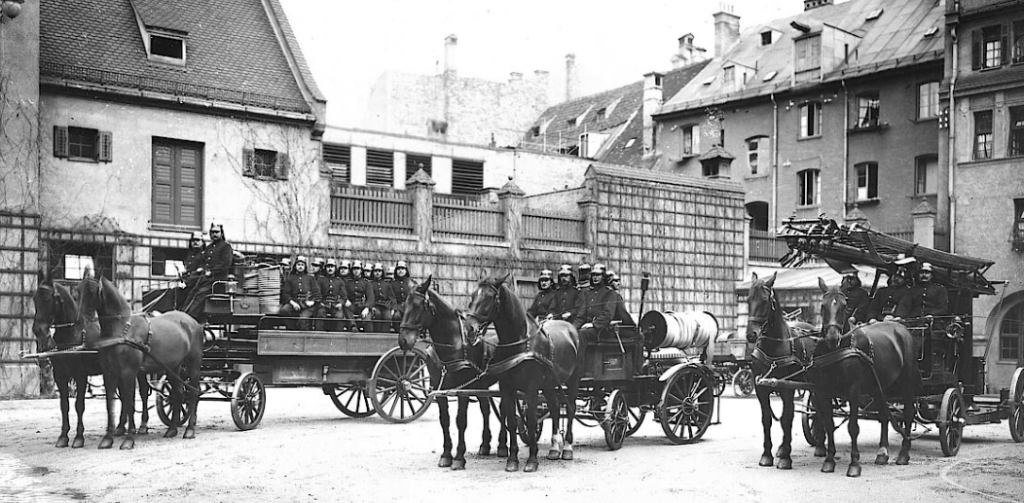
Link in bio for more information! https://winchestermysteryhouse.com/

Does it Feel that Way to You?

Through life, some people have as a dominant value their strength. A man’s physical strength is sometimes obvious. However, he also may use his intelligence as an asset to do what his physical strength cannot do. After an injury, a man may no longer be able to come out on top by using his physical force, when this happens, he must use his acumen successfully. Due to addictions that sometimes occur when a person is disabled or because of physical constraints, some men find that they are no longer able to manage their money, and they have no where to turn. He may perceive that inability as a weakness, and rather than admit the weakness and deal with it, he might decide to avoid it, pretending that it is not there. Thus, his money situation will simply get worse. Viewing strength and weakness as a duality, a man might believe that his only choice is to have one or the other—not both. In his mind, to admit weakness is tantamount to giving up his physical prowess. And from a man’s point of view, strength is what has kept him alive. He is therefore a slave to brute force. He cannot abandon it. He is “stuck” on it. It takes courage to move from strength to weakness and back again. It takes a brand of courage some men do not have. Many men are “stuck” on strength because of their inability (or at least unwillingness) to experience weakness by going through and getting in touch his inner core, his being. #RandolphHarris 1 of 20

A man who is not able to use his physical strength to support himself or his family may see himself as a spaceship without a pilot—in a sense, empty. He does not see himself as having a core, or essence. In his mind, he is not a complete human being. He is no more than a shell he carries himself around in. That is why some men who become disabled have the constant, gnawing feeling that “something is missing.” Since men with physical limitations see themselves, and therefore others, as “things,” their lives can become an endless round of manipulation, using his own “strengths” and others’ “weaknesses” to constantly come out on top. This, then, is how some men become manipulators. And their styles of manipulation may be quite simple. He merely overpowers people in getting what he wants. As boys growing up in less affluent neighbourhoods, some of them overpower people with their superior body strength. However, as men in business and in marriage, they overpower people with what they believe to be their superior intelligence. A man becomes a walking embodiment of his own attachment to strength. What a man is looking for, though he does not have words for it, is a balance between the values of strength and weakness—a state of emotional mastery, where he can be in touch with his own core, his real self. #RandolphHarris 2 of 20

Whereas a man, the manipulator, is saying, “I am out here, all alone, and I have to be strong to survive,” a man who is a master would say, “I am a man, and I am tough and strong. I have strength and I have weakness. Even thought I am strong sometimes and weak other times, the real me always survives/ It is OK for me to be weak; it is OK for me to need people. I am not my strength, nor am I, my weakness. I am something more. I am me, and that is enough.” This is the essence of a man’s journey. It is a journey which might very well resemble your own. The strength/weakness polarity is a common one, especially among men. How does it apply to where you are, in your World? Well, your life is like a stream. And if you are a manipulator, the twigs and rocks are the values to which you cling so desperately. If you are like most people, security is what prompts you to keep clinging. The polarity in life is that it consists of clinging to your security—your dubious, unwanted yet comfortable situation, and taking a chance by opening up your innermost self, making yourself vulnerable, risking insecurity. In choosing to take a risk, you go to your core, you find your being, you become what others will call “Messiah.” You become a master. However, those who cling to their comfort zones tend to become manipulators. They are “stuck” on their exaggerated values. Though unwilling to risk letting go themselves, they nevertheless condemned the “Messiah” creature for his willingness. #RandolphHarris 3 of 20

A man who lets of what does not strengthen him is not necessarily smarter, stronger or better than any of the other men. What separates him from the rest is his willingness to risk. In risking, he goes into his core, finds courage, and through it becomes truly free. This is something that manipulators—and indeed all of us—have yet to learn fully. When you truly learn to take strength, you take the first step on your journey from manipulation to mastery. This allows a man to experience the loss of his physical strength and survive it. He is able to see that there is still a whole, completely person left, a person who can be weak and still exist. Men will also find that weakness—which they avoid and deny their whole life—also has power to it. Men learn their weakness has the power to make them more “real” and brings people closer to them. For many men, weakness opens the door to power of loving, the power which comes from letting others be strong. Weakness enables us to relax, stop competing, let go and regain our strength for another time. When a man learns to have an encounter with weakness, sometimes people will offer to help him get his finances straightened out. However, it is difficult for most men to admit to others that they are in financial trouble and that they cannot handle it themselves. It is an admission of weakness. Yet it is something that a man is able to do when he confronts his weakness in Church and/or therapy. #RandolphHarris 4 of 20

A real man can survive weakness. However, this weakness still may cause a man to withdrawal from his friends and loved ones because he still cannot face himself. For many, his strength is still too important to him and discovering more weakness would be too uncomfortable. Yet once his journey has begun, and once begun can never be turned back. For a brief moment, some men are able to give up strength, retreat to their inner core and find something there. It is something he will never be able to “unexperience.” And it will assist him in his journey many times in the future. However, other men continue to grow. Man’s true intelligence is feeble while it remains imprisoned in egoism and narcotized by sensuality. He must liberate it by the philosophic discipline before it can become strong. So many of our feelings and so many of our thoughts have until now been dictated by the body. Is it not time to think and feel also as the true self would have us do? The terrestrial heritage has given him instincts, appetites, impulses, and desires; the human holds out higher possibilities to be worked for and realized. One message of the Sphinx is to balance the human mind with the brutish terrestrial being in us. This is not the same as the ascetics’ message, which is to exterminate the terrestrial being altogether. He who has not overcome his passions finds himself compelled to act against the clearest warnings of his reason. #RandolphHarris 5 of 20

What really moves a man to act is his feeling; that is why the passion which are strong feelings, need more deliberate effort of the will to bring them under restraint. An action which is spontaneous and not a calculated one—that can be safe only for the enlightened man. For others it may be mere impulse or mere passion. The point is not that natural impulses of the body are wrong—how could that be?—but that men have made them wrong. Originally the satisfaction of the pleasure-instinct was in harmony with higher will as a lesser part of a greater function. However, now human will have reversed its role and exaggerated it to first place. The result is disharmony and disease. On one thing all men in all lands are agreed, that it is immeasurably more preferable to be released from anxieties than to suffer them. Yet, these same men throw themselves into situations or bring about events which will rivet the chains of anxiety upon them. How is it that such a contradiction exists everywhere? What causes them to do this? It is the strength of their desires, the power of their ambitions, the tendencies inherited from past births. This being the cause of the trouble, the remedy for it becomes plain. The more a man frees himself from desires, that is, the more he masters himself, the more is he freed from numerous anxieties. And even if he too is subject to the painful tests and unpleasant ordeals which inescapably affect human existences, he does not consider them to be misfortunes but as devices to draw out his latent qualities. #RandolphHarris 6 of 20

The way out from tyrannical desires may have to be staged. First becomes a witness—indifferent and dispassionate—every time there is a surrender. This way is taking a new direction, starting to disidentify from the desire. On the one hand, he must tear himself away from his Earthly passions. On the other hand, he must give himself up to his sacred aspirations. The eagerness of desire betrays him into romantic self-deceptions and leads him into wounding frustrations. The ego lures his hopes constantly onward only to lacerate them in the end. Whilst we are still limited by the body and its inescapable needs, it is an impossible task to extirpate desire and negative self-interest. Philosophy adds that it is also an undesirable one. Only, put desire and self-interest down in their proper place, it says, do not permit them to obstruct higher and spiritual needs. It is not that they have to abandon joy but to purify it. If the joy which comes from debased pleasures is thereby lost, the joy which comes from ennobled thoughts and refined feelings is gained. When Earthly desires are extinguished, calm befalls a man. He must needs declare open war on his own passions, for he now sees that he cannot have them and peace too. Like all war this one will witness both victories and defeats, hardships and sufferings. However, out of these battles with himself he may progress, learning discrimination and gaining willpower. If uncontrolled, he realizes that he has to break his passions, or they will break him. #RandolphHarris 7 of 20

In this work of purification, the need for mortal intellectual and emotional honesty will have to be stressed. It is satisfied by discriminating examination of thoughts, feelings, and motives, with constant self-distrust as a guide in the work. The more he trains himself to recognize and reject the impulses that come from his lower nature, the more will clarity of comprehension become his. The brute creature that he is most be kept at bay; his freedom as a man must be gained by degrees. Personally, I knew about my wife’s World to understand something of how life was to her. I even knew the terror of it because once, before we were married, I got swept into her agony, his suicidal chaos, and all the World became morbid to me in a most frightening, unmitigated and unmitigable way—everything was going haywire and out of control. I wanted to kill myself. I said so. She spoke to me as though I were a peasant who thought she new the passions of a kind. She thrust me out. In two shakes I thought, “Whew! I will never get into that again.” In thrusting me out, she got out of it herself (when she became the King?” but to be in it at all was too dangerous for me. Of course, I have wondered through the years since her suicide whether there was anything I could have done to help her. Everything I read or heard of psychotherapy I thought of in relation to my wife, questioning, and always I got the same answer: “With her, it would not have worked.” #RandolphHarris 8 of 20

This made me wonder whether I was white-washing my own failure. However, if so, why could I not ever be satisfied? Why did I not let it drop? Did I know that I was guilty, deep down in some sub-non-unconscious way? (When I mistrust me, there is no end to it, because then what I live with is mistrust.) If I were guilty, why could I not feel that?—instead of living with the knowing that I had tried very hard, I had loved her very much, and I had stayed too long. I received a latter from a man who stayed too long with his wife, in which he said “I have tentatively concluded (for me) that more time and more suffering than make sense are required to get on top of the mores and our personal motivations and unenlightened advice, to work through to the point where you can know yourself free of guilt for the life you can’t save.” It was only last spring, nearly twenty years after my wife’s suicide, that I understood something that I might have done. My relief expressed itself in a sign (letting go). I felt better about it. Not good, but better, and better is a kind of good. And then I knew—by feeling it clearly within myself—that the “bad” that I had been feeling was not guilt but sad. My “better” feeling was because it was not solidly inevitable that people like my wife must suffer so much all their lives and wipe out other people along the way. I do not know that I could have helped. However, I could have been more in touch with my thoughts and feelings (acceptance of myself) and more acceptant of his distress, sharing it her. #RandolphHarris 9 of 20

Instead of both of us trying to shove out her distress and replace it with a happiness which was phoney, I could have let her agony be, and then there might have been the beginning of change. Where to everything else I had said, “No, it would not have worked. She would not have let it,” when I thought of this in relation to my wife, I remembered the times when I might have got through to her. Even if I had not, I would have been more me and that would have been better for all of us. The most beautiful times that I remember with my wife are the many hours that we spent together saying only a few words now and then, like a touch on the shoulder or a hand touching hand. Our chairs were yards apart, but we were together. At such times she was in touch with the wordless resonance, the love that was in her and in me, and let it live awhile. However, then I would be sure that I, eighteen years younger, must be unhappy, must want to be “doing something,” and then I lost my awareness of all that was going on in myself and between us, and the sensing with all my senses that I had been enjoying, and I thought that I had to reassure her. She never did entirely take my word for it, and I never asked her, “Does it feel that way to you?” My wife was exceptionally good at explaining astronomy, anthropology, medicine, English literature and history, Greek and Latin poetry, and probably some other things which I have forgotten. #RandolphHarris 10 of 20

However, in the person sense, my wife explained nothing. Perhaps she was so out of touch with herself that she could not. There were times and ways in which I understood (or heard) her no better than she did herself, and that was because at those times I did not hear me too. The human needs varied stimulation, not just to avoid boredom but actually to preserve the ability to perceive and to act adequately. When a person is radically deprived of the customary variety of sights, sounds, smells, conversation, and so on—as happens in solitary confinement—he or she begins to feel strange and may show signs of deteriorating as a person. “Sensory deprivation” experiments show that when volunteer subjects are placed in a special room that is soundless, with their vision closed off by special goggles, and immersed in warm water kept at body temperature (to reduce the experience of tactile stimulation), some begin to hallucinate and go through other psychoticlike experiences. I have been in such an isolation chamber, and I found it tranquil and conducive to meditation. Variety in “stimulus input,” then, may be regarded as a basic need, even though deprivation as extreme as that produced in the laboratory seldom occurs in everyday life. The “evil twin” of varied experience is boredom—a form of dispiriting in style of life. Travel, risk-taking, excitement, and simply trying something new in the way of clothes, reading, vacations, or challenges are the antitheses of boredom—varying one’s experience of life. #RandolphHarris 11 of 20

Even moonrises and sunsets can get monotonous for the jaded tastes of the daily skywatcher. The healthy personality is also nurtured by meaningful variety. Excitement has often been thought of as a need for the young only. We now recognize that it is part of the fullest of lives in all generations. The excitement experience is one of the most difficult to create. Not all excitements involve risk-taking, and excitements are quite individually determined. One person may be thrilled by the firs parachute jump—another is equally excited about the first sighting of the sandhill crane. The Correspondence Principle requires that every new theory contain a limiting transition to the old theory it replaces. Insofar as the old theory has fitted some sound experiments, the new theory must concur. If Planck’s constant h tends towards zero, the quantum equations become just the classical ones. If the speed of light approaches infinity, Einstein’s kinematic and dynamical equations go over to Newton’s, and so on over a large number of examples from contemporary physics. As we apply the Correspondence Principle to sociobiology and exo-psychology, we expect that each new Einsteinian, relativistic theory of human behaviour and neurogenetic evolution will include a translation back to the old theory it replaced. #RandolphHarris 12 of 20

Darwinians are clearly in violation when they fanatically summarily reject the Monotheistic Creation theories of the Judeo-Christian Bible. Newer theories of evolution must provide new insights into the validity of the older theories—specifying the historical neurotechnical factors which limited the earlier metaphours. Any new theory of neurogenetics must relate to and lovingly demonstrate why the previous philosophic theory was “right” for its time arid its gene-pool—knowing that those to come will affectionately do the same for our theories. Historically speaking, the first coherent offensive is that of Sade, who musters into one vast war machine the arguments of the freethinkers up to Father Meslier and Voltaire. His negation is also, of course, the most extreme. From rebellion Sade can only deduce an absolute negative. Twenty-seven years in prison do not, in fact, produce a very conciliatory form of intelligence. Such a long period of confinement produces either weaklings or killers and sometimes a combination of both. If the mind is strong enough to construct in a prison cell a moral philosophy that is not one of submission, it will generally be one of domination. Every ethic based on solitude implies the exercise of power. In this respect Sade is the archetype, for in so far as society treated him atrociously, he responded in an atrocious manner. The writer, despite a few happy phrases and the thoughtless praises of our contemporaries, is secondary. He is admired today, with so much ingenuity, for reasons which have nothing to do with literature. #RandolphHarris 13 of 20

He is exalted as the philosopher in chains and the first theoretician of absolute rebellion. He might as well have been. In prison, dreams have no limits and reality is no curb. Intelligence in chains loses in lucidity what it gains in intensity. The only logic known to Sade was the logic of his feelings. He did not create a philosophy, but pursued a monstrous dream of revenge. Only the dream turned out to be prophetic. His desperate demand for freedom led Sade into the kingdom of servitude; his inordinate thirst for a form of life he could never attain was assuaged in the successive frenzies of a dream of universal destruction. In this way, at least, Sade is our contemporary. The militaristic history of Germany has many imagines of a strong silent sentry soldier on guard, watching, protecting, which made the Germans feel secure and strong. The content of the American news media was once honourable, but most of the enterprises are managed in a way that has made it impossible for them to function as a business. The first duty of TV news media has become that of the propagandists, to win over people who can subsequently be taken into the organization. And they train men and women to carry on their propaganda. The second duty of the TV news media has become to disrupt the existing order of things in America and thus make room for the penetration of the new teaching of sin, lawlessness, and corruption. The organizers of the propaganda department (the TV News media) have been fighting for the purpose of securing power, so that their doctrine of sin and corruption may finally triumph. After propaganda has converted the entire population over to an idea, only a handful of men are needed to finish the job. #RandolphHarris 14 of 20

Great theorists are rarely great organizers. The greatness of a theorist lies in his ability to understand and establish correct, abstract laws, while the organizer must primarily be an expert in understanding the human mind. The script controls are inserted and take effect early in life, while the counterscript slogans only become meaningful later. Added difficulty are scripts that tell it like it is: people really do act clumsy, as the child well knows; while the counterscript is usually square as far as his experience is concerned: he may or may not have seen someone attain happiness by working hard, being a good person, saving money, or being on time, not eating starches, avoiding public toilets, taking laxatives, and not masturbating. The problem we are having in America currently is that American people are being ignored and public works projects that have been in desperate need of completion are being ignored to add things like new bike lanes that people do not use anyway. Also, democrats are teaching Americans to expect everything for free, to feel entitled, to ignore the law, to rebel and be destructive and that breaking the law and discrimination is acceptable. The way you live your life determines your ultimate destiny. If you are harmonious, you may pass by unnoticed on the inside of the pages, but if you are in conflict, you may bring surprises and make headlines. #RandolphHarris 15 of 20

Thus, Hard-Working Church Deacon may end up President of Council, Retires After Thirty Years, or Jailed For Embezzlement, and Devoted Housewife comes out Mother of the Year, Celebrates Golden Anniversary, or Leaps From Roof of Building. In fact, it seems as though there are two kinds of people in the World: real people and plastic people, as the Flower Children used to say. The real people make their own decisions, while the plastic people are run by fortune cookies. The Fortune Cookie Theory of human living says that each child gets to pull two cookies from the family bowl: one square and one jagged. The square one is a slogan, such as “Work hard!” or “Stick with it!” while the jagged one is a scripty joker, such as “Forget your homework,” “Act clumsy,” or “Drop dead.” Between the two, unless he throws them away, his lifestyle and his final destiny are written. The conflict which we have sought to avoid is upon us. It is a comfortable, self-indulgent cop-out to look for conventional economic-political solutions. This is a war for survival. There is no choice left but to defend life against the genocidal machine. There are no neutrals in genetic warfare. Do not be deceived. It is a classic stratagem of genocide to camouflage their wars as law-and-order police actions, but democrats are telling illegal aliens how to evade ICE. Remember the Sioux and the pogroms and the African slaves and the indignation over airline hijackings and 9/11! If you fail to see that we are the victims of genocidal way you will not understand the rage of the oppressed, the fierceness of the Weathermen, and the pervasive resentment of the young. We cannot allow our government to become a lethal instrument. Remember the buffalo, the Iroquois, and the deer in the Sacramento Valley! #RandolphHarris 16 of 20

The members of the Sacramento Fire Department are professionals dedicated to providing services that are innovative and progressive, ensuring the safest environment for their community. “I’m going through EMT right now. I was an ECA, that’s emergency care attendant. With that I could run first aid for the fire department. There are widespread deaths from vehicle accidents in the Sacramento area. We have a lot of busy intersections, and we also have people who go out and party, and they get on the roads and bring death with them. I have handled a lot of situations. We had a baby born on one run. It was pretty exciting, even though I’ve done it with my wife. We were called out to a house, and a lady was having good contractions. She was in the third stage of delivery. So, in the ambulance, I assisted a paramedic and we delivered the child. We set him up on the mother’s stomach so that the two of them could be pretty comfortable together, for the hospital was maybe seven miles away.” “We responded to a fire at an apartment. On arriving at the scene, we saw black smoke billowing into the sky from the nineth floor, and tenants were out on the balconies waving for help. Our company, Engine X, entered the lobby just as Rescue Y brought down a lady who was pretty charred. This was the first time that the seriousness of the fire dawned on us. We went to the fifth floor and took a lone up to the nineth. There we searched and found about five occupants whom we helped to exit the fire. #RandolphHarris 17 of 20

“It appeared to be a racing fire, which engulfed the elevator and much of the nineth floor. The carpets and wall coverings were involved. A flash fire raced down the corridor. There was a lot of heat and smoke. They had a lot of plastics, and the smoke was black and thick, like flowing oil. If you held your hand in front of your face, you couldn’t see it, the smoke was that bad. The exit lights couldn’t be seen. We could hear people talking, and we could hear people screaming. People were trying to find their way out. They were helpless. We led some of them back into their rooms and out onto their balconies. Others we led to the fire escape that came down through the entire building. Some of them were in wheelchairs and could not walk. Then, as our air pipes were running low, we came across a man in one of the rooms. He was wedged under a vanity or dresser of some type. He appeared to be dead, so Lieutenant X took his self-contained and gave the guy some air. We saw his lips move a little, so we knew he was alive. Our next thought was to rescue him. The exit we wanted to take him to was about seventy-five feet away. When we tried to remove him from under the vanity, it was quite a tug. We realized that he had been burned through his clothing, and his skin was stuck to the carpet. We managed to pull the guy up and drag him down the floor. He was a large individual, weighing about 300 pounds. We started the three-man carry and got him down the hallway about fifty feet from the exit, when we ran out of air. #RandolphHarris 18 of 20

“Our oxygen supplies ran out simultaneously because we had all entered the building at the same time. It was his only chance, now or never. I helped carry the guy maybe twenty feet from the exit. I knew the smoke was filled with PVC, and I knew it was toxic. So what I did was hold my breath while we were carrying him, until I couldn’t hold it anymore. I told Lieutenant X and Y that I had to leave. I dove out of the exit, but not before I did breathe in some of it, and I went through the coughing and the spit and that stuff. Lieutenant X and Y succeeded in carrying the guy the rest of the way out. A relief crew was there to resuscitate him. X and Y were taken to the hospital for smoke inhalation. Since then, Y has retired from the department for respiratory problems, and Lieutenant X is still on the job. So it affected one firefighter enough to end his career. I didn’t take nearly as much smoke as they did, but it had some effects on me. I have sore throats and a skin problem, but all in all, I don’t think it had too much of a lasting effect. The victim’s name was O.G. That’s all I know, we called him The O.G. What his real name was, I have no idea. I never got to talk to him, but he sent us some letters, saying that he was grateful for what we had done. I think he was a veteran, and, as far as I know, he is alive and well. If you weren’t spiritual before, this job would probably make you that way. It has made me appreciate life, believe me. If you asked if I would do it again, I would tell you yes. I know I would do not again. #RandolphHarris 19 of 20

“After that, going on fires, it isn’t the fire I worry about, it’s finding somebody in that same position again. I think that bothers me more than anything else. Because that stuck with me for a long time. To see an individual I rescued, see him that close to death, it really bothered me for a long time. one time I went on a call to that building there was a big guy. We all knew he had been dead for at least twelve hours. His body was cold, but there were about ten of us. A few of us guys spent nearly an hour trying to resuscitate the body. There was a little boy and a distraught woman there and I guess we wanted to give them hope. We all knew he was dead. That building is like a warzone. A lot of people end up dead, there are a lot of suspicious fires, a lot of crime and an extremely large number of emergency calls. I worry about the people who live there. Something is wrong. The building constantly wreaks of drugs and foul odors and is filthy.” Because of the Sacramento Fire Department, Sacramento City has been blessed with a great and noble heritage that offers a pathway to salvation. The dedicated EMTs, Fire Fighters, CHP and Police risk their lives to protect that community and keep people safe. The people of Sacramento do not underestimate the worth of emergency services. The Sacramento Fire Department has a firm adherence to a code of moral and ethical standards: Honesty, Trust, and Accountability. You can help save lives by donating to the Sacramento Fire Department. It is also very important to raise your children to love America and to be patriotic. By having pride in America, and purchasing American made cars and other goods and services, we can make America a creditor nation again and ensure that this sacred land will be enjoy by your family for generations to come. Teaching children to love God and Jesus Christ will also preserve our American heritage and allow us to make sure our children are set on a path that will lead them to success and help them reserve a seat in Heaven. The Ten Commandments in the Christian Bible are a good guideline of how everyone should live. Furthermore, by respecting law and order, we will ensure the tranquility of this great nation and make sure that we are setting an exemplary example for other nations to follow. And by treating others with dignity, respect, and compassion, this will ensure that we are following the golden rule, “Do on to others as you would have them do on to you,” reports Luke 6.31. #RandolphHarris 20 of 20


Welcome to 816 Cross Creek Lane in Lincoln, CA—a spacious single-story gem at Cresleigh Havenwood! While it’s the smallest of our floor plans, this home boasts an impressive 2,293 square feet of thoughtfully designed space. With three bedrooms, two bathrooms, a den, great room, and dining room, there’s plenty of room for everyone in the family to carve out their own cozy corner. Need an extra bedroom? The den can easily be converted into a fourth bedroom to suit your needs!

🚗 The two-car garage offers ample storage, and a covered patio is included for those perfect outdoor moments. Plus, each Cresleigh home is fully equipped with our All Ready connected home package. This smart home bundle includes a video doorbell, digital deadbolt, connect home hub to set personalized scenes and routines, two smart switches, USB outlets, and we’ll gift you a Google Home Hub and Google Home Mini to complete the package!

Don’t miss out on making 816 Cross Creek Lane your future home! Contact us at 📞(916) 409-5595 or 📩 Havenwood@Cresleigh.com for details!

Rates provided on 10/03/2024. Payment example: Home price $745,982, down payment 10%, loan amount $646,469, term 30 years, FICO 780, fixed rate 4.99% (APR 5.514%), monthly payment $3,466.44. Monthly payment does not include taxes or insurance. Rates provided on 10/11/2024. Payment example: Home price $718,299, down payment 10%, loan amount $646,469, term 30 years, FICO 780, fixed rate 7.25% (APR 7.852%), monthly payment $4,410.06. Monthly payment does not include taxes or insurance. https://cresleigh.com/havenwood/


Innocence Called on to Justify itself

There are crimes of passion and crimes of logic. The boundary between then is not clearly defined. If the suffering of children serves to complete the sum of suffering necessary for the acquisition of truth, I affirm from now onward that truth is not worth such a price. Inflation is inflicting financial pain on millions of American households, with almost half reporting that higher prices are causing some form of hardship. In fact, 70 percent of families with annual incomes of less than $40,000 said they are experiencing hardship. By comparison, 30 percent of families earning more than $100,000 a year reported that they are also facing hardship. We are living in the era of premeditation and the perfect crime. Our southern border is wide open, and our criminals are no longer helpless children who could pled love as their excuse. On the contrary, they are politicians, illegal immigrants, and other adults who have a perfect alibi: philosophy, which can be used for any purpose—even for transforming murderers into judges. As soon as a man, through lack of character, takes refuge in doctrine, as soon as crime reasons about itself, it multiplies like reason itself and assumes all the aspects of the syllogism. Once crime was as solitary as a cry of protest; not it is as universal as science. Yesterday it was put on trial; today it determines the law. #RandolphHarris 1 of 21

We need to face the reality of the present, which is logical crime, and examine meticulously the arguments by which it is justified; we must understand the times in which we live. One might think that a period which, in a space of twenty-five years, uproots, enslaves, or skills millions of human beings should be condemned out of hand. However, its culpability must still be understood. In more ingenuous times, when they tyrant razed cities for his own greater glory, when the slave chained to the conqueror’s chariot was dragged through the rejoicing streets, when enemies were thrown to the wild beasts in front of the assembled people, the mind did not reel before such unabashed crimes, and judgment remained unclouded. However, slave camps under the America flag of freedom, massacres justified by philanthropy or by taste for the superhuman, in one sense cripple judgement. On the day when crimes dons the apparel of innocence—through a curious transposition peculiar to our times—it is innocence that is called upon to justify itself. We must accept and examine this strange challenge. We can act only in terms of our own time, among the people who surround us. Every action today leads to murder, direct or indirect. People believe that they have a right to kill because basic laws are no longer enforced. #RandolphHarris 2 of 21

I cannot understand how a party that claims to respect law and order encourages and even pays people to immigrate illegally, and has gotten loose on allowing several laws to be enforced. It is akin to allowing a child to be bullied, harassed, and terrorized. When people see that they can get away with breaking the law, the bad behaviour will become contagious. In the age of negation, it was of some avail to examine one’s position concerning suicide. In the age of ideologies, we must examine our position in relation to murder. If murder has rational foundations, then our period and we ourselves are rationally consequent. If it has no rational foundations, then we are insane and there is no alternative but to find some justification or to avert our faces. It is incumbent upon us, at all events, to give a definite answer to the question implicit in the blood and strife of the first quarter of the century. For we are being put to the rack. Ideology today is concerned only with the denial of other human beings, who alone bear the responsibility of deceit. Each day at dawn, assassins in judges’ robes slip into some cell: murder is the problem today. Allowing crime to run rampant in the streets of America is absurd. Removing God from society is narcissistic. If we believe in nothing, if nothing has any meaning, and if we can affirm no values whatsoever, then everything is possible and nothing has any importance. #RandolphHarris 3 of 21

Since nothing is either true or false, good or bad, our guiding principle will be to demonstrate that we are the most efficient—in other words, the strongest. Then the World will no longer be divided into the just and the unjust, but into masters and slaves. Thus, whichever way we turn, in our abyss of negation and nihilism, crime has its privileged position. Of course, self-destruction means nothing to madmen, who have bomb shelters, and are preparing for their own death and apotheosis. All that matters is not to destroy oneself alone and to drag a whole World with one. In a way, the man who kills himself in solitude still preserves certain values since he, apparently, claims no rights over the lives of others. Modern man wants to destroy everything or take everything with him. If man knows he is destroying the plant, ending human and animal life, clearly the mandate for electric cars and acknowledging climate change is about politics, power forcing, and profit. He does not want the World to end without harvesting every dollar insight and making people struggle. Sadist get off on the pain of others. Man believes that life can only be lived by striving toward that delectable end. This has become a system of misguided intelligence that prefers, to the suffering imposed by a limited situation, the dark victory in which Heaven and Earth are annihilated. #RandolphHarris 4 of 21

However, absurdist reasoning cannot defend the continued existence of its spokesman and send others to fight in wars that have nothing to do with America, while simultaneously accepting the sacrifice of others’ lives on American soil. The very first thing that cannot be denied in America, is the right for our citizens to live. Thus, the same idea which allows the loss of innocent lives on American soil is caused by politicians taking an untenable position on the United States Constitution. Many American leaders and citizens are living a contradiction because they want to destroy without creating their own selves. And what is astonishing is that many people do not have values with which will enable them to see that crime is illegitimate. Once the Constitution is broken, nothing will remain which can help us to answer the questions of our time, and this will leave us in a blind alley. American will believe in nothing and think that everything is absurd. They will be offended by everything that is different from what they are as an individual. No one will respect the rights of others, and this will lead to mass rebellion. People are being taught to physically fight, destroy, and murder things that are offensive to them. People are being deprived of all knowledge, incited to murder or consent to murder. Rebellion is born of the spectacle of irrationality. #RandolphHarris 5 of 21

However, we must demand order in the midst of this chaos, and unity in the very heart of the ephemeral. The American Constitution protests, it demands, it insists that the lawlessness and outrage be brought to an end because what has been going on in this country lately has been built upon shifting sand when our nation was founded on God’s rock. Rebellion absolutely must find it reasons with itself, since it cannot find them elsewhere. It must consent to examine itself in order to learn how to act. Man is the only creature who refuses to be what he is. The problem is to know whether this refusal can only lead to the destruction of himself and of others, whether all rebellion must end in the justification of universal murder, or whether, on the contrary, without laying claim to an innocence that is impossible, it can discover the principle of reasonable culpability. Through the Atonement of Jesus Christ, each of us can become clean and the burden of our rebellion will be lifted. Breaking a covenant with the Lord is never justified. However, sometimes our poor choices leave us with long-term consequences. One of the vital steps to complete repentance is to bear the short- and long-term consequences of our past sins. The joyful news for anyone who desires to be rid of the consequences of past poor choices is that the Lord sees weaknesses differently than He does rebellion. #RandolphHarris 6 of 21

Whereas the Lord warns that unrepented rebellion will bring punishment, when the Lord speaks of weaknesses, it is always with mercy. However, sometimes rebellion can be good. Like when we stop tolerating injustice. What is a rebel? A man who says no, but whose refusal does not imply a renunciation. He is also a man who says yes, from the moment he makes his first gesture of rebellion. A slave who has taken order all his life suddenly decides that he cannot obey some new command. What does he mean by saying “no?” He means, for example, that “this has been going on too long,” “up to this point yes, beyond it no,” “you are going to far,” or, again, “there is a limit beyond which you shall not go.” In other words, his no affirms the existence of a borderline. The same concept is to be found in the rebel’s feeling that the other person “is exaggerating,” that he is exerting his authority beyond a limit where he begins to infringe on the rights of others. Thus, the movement of rebellion is founded simultaneously on the categorical rejection of an intrusion that is considered intolerable and on the confused conviction of an absolute right which, in the rebel’s mind, is more precisely the impression that he “has the right to…” Rebellion cannot exist without the feeling that, somewhere and somehow, one is right. #RandolphHarris 7 of 21

It is in this way that the rebel slave says yes and no simultaneously. He affirms that there are limits and also that he suspects—and wishes to preserve—the existence of certain things on this side of the borderline. He demonstrates, with obstinacy, that there is something in him which “is worthwhile…” and which must be taken into consideration. In a certain way, he confronts an order of things which oppresses him with the insistence on a kind of right not to be oppressed beyond the limit that he can tolerate. Sociologically it is easy to see that the evolution of the human race has led from small units like the clan and the tribe through city-states, national states, to World states and World cultures, like the Hellenistic, Roman, Islamic, and modern Western civilization. Yet the difference, as far as human experience is concerned, is not as fundamental as it may seem. The member of the primitive tribe differentiates sharply between the member of his group and the outsider. There are moral laws governing the members of the group, and without such laws no group could exist. However, these laws do not apply to the “stranger.” When groups grown in size, more people cease to be “strangers” and become “neighbours.” Yet in spite of the quantitative change, qualitatively the distinction between the neighbour and the stranger remains. A stranger is not human, he is a barbarian, he is even not fully understandable. #RandolphHarris 8 of 21

Long before the human race was on the verge of becoming One World, socially and economically, its most advanced thinkers had visualized a new human experience, that of One Man. Man is thought of as man—men having the same structure, the same problems, and the same answers, without regard to culture and race. The Old Testament visualized man as being one, bearing the likeness of the One God; the prophets visualized the day when the nations “shall beat their swords into plowshares, and their spears into pruninghooks;” [when] “nation shall not lift up sword against nation, neither shall they learn war anymore,” reports Isaiah 2. They visualized the day when there will be no more “favourite” nations. “In that day shall there be a highway out of Egypt to Assyria, and the Assyrian shall come into Egypt and the Egyptian into Assyria…In that day shall Israel be the third with Egypt and with Assyria, even a blessing in the midst of the land: whom the Lord of hosts shall bless saying, Blessed by Egypt my people, and Assyria the work of my hands, and Israel mine inheritance,” reports Isaiah 19. Christianity created the concept that the Son of Man became the Son of God—and God Himself. Not this or that man, but Man. The Roman Church was a Catholic church precisely because it was a supranational, universal church. #RandolphHarris 9 of 21

Classic Greek and Roman thinking arrived independently from Judaeo-Christian thought at the concept of One Man and of natural law rooted in the rights of One man, rather than in the necessities of a nation or state. Antigone sacrifices her life in defense of universal human (natural) law against state law. Zenon had the vision of a universal commonwealth. The Renaissance and Enlightenment enriched the Greek and Judaeo-Christian traditions and developed them further, in humanistic rather than in theological terms. Whatever is behind the decision when people can give up, it can be justified by taking a position based on the now deeply ingrained convictions, a position which involves a view of the whole World and all the people in it, who are either friends or enemies: “I’ll kill myself because it’s a lousy World where I’m not good and neither is anyone else, my friends are not much better than my enemies.” In position language this read “I’m not-O.K. You’re not-O.K., They’re not-O.K. Who would not kill himself under such conditions?” This is a futility suicide. Alternatively, “I’ll kill myself because I’m not-O.K. and everybody else is O.K.”—the melancholic suicide. (Suicide here can mean anything from jumping off a bridge or car-crashing, to overeating or alcoholism.) #RandolphHarris 10 of 21

“But,” says someone, “I know we’re O.K., but those other fellows aren’t so hot.” “Very well, then, I’m O.K., you’re O.K., and they are not-O.K., so let us get the job done now and we will attend to them later.” In child language, this translates as “We are going to play house, but you cannot play with us,” which in its most extreme form and with more sophisticated equipment can be parlayed in later years into an extermination camp. The simplest positions are two-handed, You and I, and come from the convictions which have been fed to the child with his mother’s milk. Perception is perhaps one of the most important processes in psychology and is essential in understanding human behaviour. According to Combs and Snygg, all behaviour is related to perception. A student attends a university because she perceives it as being helpful to her career or because a parent perceives it as being help to her offspring’s development. A thief robs a bank because he perceives it as the source of money, according to Willie Sutton, one of the most famous of bank robbers. A child cries when seeing a clown because he sees it as a monster rather than as a funny creature. The most important influence upon perception and misperception is the perceiver’s own needs. #RandolphHarris 11 of 21

If you are driving through a strange city, at about noontime, should you see painted on a store window the name of the owner, Sandwharf, you are likely to perceive it as Sandwich. If you are embarrassed by words that are ladened with pleasures of the flesh, and are asked to read a list quickly, you are likely to misread breast as beast. In a passionate political or personal argument, one’s need is so great to win that we may avoid perceiving the other person’s position at all. The presumption, of course, is that since we are all human, others would perceive things the same way we would. A health personality is by no means exempt from this law. These persons too many momentarily see only themselves as “right” in their perceptions of complex political situations, for example, but they are able to look back upon themselves, their arguments, and their behaviour and recognize when their needs are causing them to misperceive reality—or at least to miss other possible realities. This capacity for reflection back upon self is a uniquely human characteristic and is exceedingly valuable in keeping a certain openness to new ideas, new friends, and new joys. If someone perceives all new sports or new challenges as producing probably failure, that person will avoid tackling new, exciting experiences. The perception principle is useful also in understanding the behaviour of others, particularly of those whose cultural backgrounds may be different. #RandolphHarris 12 of 21

The Russians see our election system as inefficient because for one, 234,570 extra votes were cast by noncitizens in Arizona, Georgia, Michigan, Wisconsin, Nevada, North Carolina, and Pennsylvania, enough to deliver a win for President-elect Joe Biden. And also, the Russians election system as inefficient because it enables popular rather than competent person to be elected to office on the basis of the amount they spend for advertisements. We see their system of nominating only one candidate as a farce. Some of the most cherished beliefs may rest upon doubtful perceptions of reality. The need to be right is so strong that we will defend our perceptions most vigorously and violently when we are least sure of them. A child who perceives a kitten as something warm, soft, and playful will run to play with it on a visit to a friend’s house. Another child who sees a kitten as something that will bite and scratch you will run in terror from the animal. Any effort on the part of an adult to force contact with the kitten can only increase the terror unless the child’s perception is gradually helped to change. A young (or old) man who has great need to prove his uncertain manliness will perceive every date as a challenge to conquest rather than to relationship and may be expected to display himself, posture, and go to all lengths to seduce or conquer rather than to relate. #RandolphHarris 13 of 21

This viewpoint is often termed a phenomenological or perceptual point of view. It suggests that we would better understand our associates and children through knowing how they and we perceive reality. Our needs and emotions not only make us believe things that are untrue; they also blind us to truth. If a perception gives rise to devastating depression or hopelessness, there is a tendency for people simply to ignore the disquieting truth. Anyone who has suffered the death of a loved one will know how difficult it is to realize that the deceased will not be seen anymore. People tend to forget, or more accurately, to repress the memory of painful or humiliating events. Many needs can be gratified only through relationships with other people. This means that strong emotions are mobilized in our interpersonal relationships. Reliable information about another person is difficult to obtain, because much of that person’s behaviour goes on at times when we cannot see it. Furthermore, the person’s consciousness of the World is not accessible to our direct vision. If he or she confides in us, only then can we learn the subjective side of another person. However, the person may not be willing to entrust us with personal information. Often, we are obliged to form our concept of another person on the basis of overt behaviour alone. We infer, as accurately as possible, what an individual’s perception might have been, so that we can predict his or her behaviour in similar situations. #RandolphHarris 14 of 21

“A few moments of therapist self-attention”: To respond truly within me I must, of course, pay some attention to what is going on within me. As I am interacting with the client, a good deal of what transpires within me has to do with him—consists of my imaginings of him, my observations of his reactions, my reactions to him, etcetera. However, within me these occur as mine, as me. They are not deductions about him. They are what is happening to me now, my lived moments with him. To formulate and express these, I require a few steps of self-attention, a few moments in which I attend to what I feel. Then I usually find a great deal what I am willing to share. It would be wrong to say that I express everything that is going on in me, since a thousand things are going on in me at any moment and they cannot even be separately formulated, much less expressed. Also, I do not blurt out impulsively the first things which happens to some to mind. I live a few moments inwardly and by this means I find myself some response to the client, or to what has been happening between us, or to our silence. Even when little is being said, I find that I have desires, fears, disappointments, and wishes for more meaningful communication. I can voice these. With a few moments of self-attention, I can find my genuine response to the moment. If, while the client talks, I feel bored, I do not blurt out “You bore me.” I find with a few seconds of attention to my own experiencing, that my boredom really consists of my missing something from him, something interesting and personal. #RandolphHarris 15 of 21

I find that I strongly wish for this personal expression of his. I find I have much welcoming for this personal expression ready, and that it is going to waste. I find that I can imagine the kind of personal communication which I sense is missing in his verbal stream. I can express these senses of lack, wish, and imagination, and I can express them as mine. Much of my own feeling process when I am with someone does usually consist of these rather specific momentary events, reactions, wishes, and senses relevant to the other person. For example, let us say I have just said something and gotten no response. I think that it may have been very much the wrong thing to say. I need not simply feel bad about having done the wrong thing. I can say I feel bad about it and why, as well as the fact that this happens to be what I am feeling, but, that I am not at all sure about what he is now feeling. The few seconds of self-attention nearly always bring two developments in the feeling I have: (1) it becomes more truly something of me, rather than about him; (2) it become much more possible to share it. Thus, even though it is my genuine momentary reaction to the client in the interactive moment, it is also genuinely mine and does not impose itself on what he experiences. I can say—when it is true—that I am not at all sure what he feels at the moment. Thus, the two specifications I stated require each other: “non-imposition” requires “a few moments of self-attention” so that I may find what I truly feel and state it non-imposingly, as mine. #RandolphHarris 16 of 21

One may become so sensitive as a consequence of medication that other people’s thoughts, feelings, or passions may reflect themselves into his own nature temporarily when he is physically near them or mentally dealing with them. In such cases, he will probably mistake the result for his own, thus expressing what is really alien to his mind or acting outside of his individual pattern of life. This is particularly true when a strong emotion like anger is directed against him. He may then feel instinctively angry with the other person. Unwittingly, he may become disloyal to the Ideal merely through being ignorant of what is happening psychically, and unguarded against it. The longer he lives the more he discovers that real peace depends on the strength with which he rules his own heart, and real security depends on the truth with which he rules his own mind. When he leaves his emotions in disorder they bring agony—as the accompaniment or the follower of the happiness they claimed at first to be able to give. When he lets his thoughts serve the blindness of his ego, they deceive, mislead, or trouble him. The aspirant must not act, live, or think under the sway of merely sentimental, emotional, and self-centered feeling alone but should strive for mature truthful feeling. This is intuition. When dealing with a complex personal situation, he should detach himself and follow such intuition instead of emotion. Then it will be solved rightly. #RandolphHarris 17 of 21

He will not be karmically free of an unpleasant relationship until he has mentally freed himself from all negative thoughts and negative acts concerning it. Then the outer karmic forces will free him, or else he may be shown inwardly how to free himself outwardly. Of what use, in such serious matters as survival, to live in so many illusions? Sentimentalists and emotionalists who desert reason at the bidding of well-intentioned, high ideals or religion to preach unrealistic attitudes do not know the difference between religio-mystic ethics and philosophic ethics. Only the latter is practical in the highest sense as well as the Worldly one. Foolish teachers, professors, and those whose lives are spent in academic circles are suborned by these emotions more easily than are other people, just because their distance from the World of practical decisions and realistic affairs have made them one-sided. All this emotional energy which neurotics waste in self-pity, hysterics in crises, and unwary ordinary persons in trivialities and negatives, is to be conserved, controlled, and constructively redirected. If it be observed that young people and women at times display emotional instability, let is also be stated that to them is given by Nature tasks which can be fulfilled only in great love, and which call up in them commensurate emotional capacity. Where much is given, much is required, and they in particular need to learn control and wise use of the emotional drive so generously placed in their keeping. #RandolphHarris 18 of 21

The Sacramento Fire Department stands as a dedicated and vigilant guardian of public safety, committed to safeguarding lives, property, and the environment. With unwavering expertise and a steadfast devotion to service, the Sacramento Fire Department is at the forefront of the fire prevention, emergency response, and community education. Through their dedicate firefighters, advanced equipment, and proactive initiatives, the Sacramento Fire Department stands ready to respond to emergencies, mitigate risks, and foster a resilient and prepared community. “The best thing to me in a firehouse is the fellowship. We have good rapport, and it’s a learning type of situation for me at this point. Sometimes I just sit around and listen to guys with years of experience. That’s enlightening because I’ve learned so much just from listening. Then to follow them on the job and see how they actually attack each situation, that has been even more beneficial to me. Hard workers and a good group of guys, everyone pulls his own weight. There’s no coldness, no harshness. The worst thing is hearing about firemen hurt or killed in the line of duty. Night watches never bother me, because I’m a night owl anyway. Some people don’t like those last hours, two-thirty to five. I work straight through the night. Cleaning is tough. A lot of times we have to do windows and mop floors. When I go home, it’s hard to look my wife straight in the face and say, ‘Hey, I don’t do windows.’ I don’t have a leg to stand on, because if I do windows in the firehouse, it means I have to do them at home. But at least we’re working in a clean environment. #RandolphHarris 19 of 21

“If the police have people hired to clean the station, it makes sense to me, because they really don’t have police who sleep in. But this is like a home to us, this is where we sleep. So it’s really like taking care of your own house. I don’t think people realize the amount of work and the strenuous activity that firefighters do. They see the engines or trucks go by, and they think they’re going to a fire, and that’s the end of it. It doesn’t occur to them the work that is involved in pulling a line and going into these fires and rescuing people, breaking windows just to let smoke out. They aren’t aware of the hazards in the job. When they hear about a firefighter being hurt or killed, they think that it’s a dangerous job—but on a general level. They really don’t know the specifics and how really dangerous it is. They don’t know about the pumping, and putting the engine in pump, and getting the pressure on. All they think is that you just hooked the hose up to a fire hydrant, you pull it toward the fire, and that’s the end of it. They’ll see firefighters at the station maybe sitting on a bench or after they raise the flag. They rise by and say, ‘Oh, what a life.’ Or, “Oh, that’s where my money to Uncle Sam goes.’ Most of my experience in the job, thus far, has been in occupied dwellings, no big high rises yet. I get off the engine, and I’m dragging an inch-and-three-quarter, and my adrenaline gets going. I’m on the tip, and this is my baby, this is my job, I know I’m going to do it. I think this is something that all firefighters feel. If they’re on the tip, they know they’re going to control this fire one way or the other. Either they’re going to put it out or they’re going to confine it. It gives you a lot of satisfaction. It really makes you feel it’s you against the fire. #RandolphHarris 20 of 21
“You come into battle with this fire, no matter how bad it is. A lot of times it’s scary, because you look at a wall of flames and you think, ‘Wow, here I am armed with this little hose. I don’t know if this is going to be the trick.’ But you know it always works out and you’re always able to get the best of it. There’s always someone right there with you. You’re never alone. If you get too much smoke, everyone knows, and it’s okay. Someone will step in and take over, and help you out in some way or other. It’s not a question of, ‘Okay, here’ the tip, and you’re on your own, and go do it.’ Being on the tip is an aggressive type of job. You get in there, and you have to confront the fire, and you know you have a lot of help with you. You just do the job. I got a Heroism Citation, and one of my fellow firefighters was really glad for me. And he congratulated me.” The Sacramento Fire Department is committed to ensuring the safety and well-being of the community through continuous training and public education. You can save lives and property by donating to the Sacramento Fire Department. To keep our communities safe, remember to raise your children to love America and be patriotic. It is very important also to love God and Jesus Christ. To ensure the economic security of America, please buy American cars and other goods and services made in America. Respect law and order, get your education, and treat your elders with dignity, empathy, and compassion. “I pledge allegiance to the flag of the United States of America and to the Republic, for which it stands, one nation, under God, indivisible, with liberty and justice for all. #RandolphHarris 21 of 21

The Winchester Mystery House

In October, when the sun was orange-red and large as a hanging jack-o’-lantern, the leaves danced in circles at their feet in the curt wind and the chill of winter death was beginning to settle in on porches as The Winchester Mystery House, two caretakes came to work with caps on their heads, and the energetic joy of the young bloomed in their cheeks and in their bright angel eyes. Sidewalks disappeared under their feet. Nicholas leaped at the near-nude branch of a tree, missing it with an ooof. Viola leaped behind him and touched it. The wind whistled in the dark day’s passing. Nicholas and Viola shied away from the perfect, straight front walk, crept instead across the forbidden lawn. Breathing lightly, they drew up to the side of the house. The house was pastel green and seemed still wet to the touch it looked so freshly painted. So fresh that Nicholas found himself reaching to touch it. Violation slapped at his hand and motioned for him to be quiet. Nicholas smiled. Around the back they crept, stopping underneath the one window. Shivers went through them both. Inside, dimly lit, were colours of Christmas morning. Red and green, gold and bronze, silver, blue.

There was no communication between Nicholas and Viola. Their souls were united and yet started to separate. Nicholas opened the door. The two exchanged glances, as the wind whipped up. An early moon had risen, and shone a pale crescent at their backs. The red sun was sinking. They sky had deepened a notch on the blue colour scale, toward eventual black. The air bit cold. Somewhere inside of the mansion a dog barked once, twice. Viola held on to Nicholas’s arm. They both found themselves in a hurricane eye in the center of the room. It was very dim here, since the fading outside light was cut off by a row of bloodred cues of diminishing size. Light became a little dimmer. There was a sound, and Nicholas and Viola were startled. The sound came again. It was almost a scabbling sound–like tiny fiddler crabs loose in a wooden boat and ticking all over its inside surface. An ancient and wheezing sound–old age with claws, moving with slow careful grace and constant, inevitable movement towards its destination. Viola and Nicholas were trapped. The sound was all around them–slow, inexorable–and, though they were on their feet, there was nowhere to turn. Nicholas could not locate the pathway back to the door; indeed, that pathway had seemed to disappear. There was the sound of a door opening.

Somewhere behind them, or in front of them, or to their left or right. A large door was being opened. There was a heavy, wheezy breathing. A rattling, dry cough. Another wheezing breath, and then a whispered grunt and the closing of a heavy door. A shuffling sound, the clock light button, a shuffling sound once more. The room was suffused with a dull amber glow, like that in a dusty antique shop. A dry cough and the shuffling continued. Abruptly, from nowhere, a creature. It beat the fist of one hand into the palm of the other. Then it sprang up, and in an instant was sprinting through a door which appeared. Though the moonlight was now bright, Nicholas list sight of the beast almost immediately. With a heavy heart, he pulled himself to his feet and began a long trudge down the hallway. And he was not sure about what happened to Viola. All of the sudden, he felt a ghost following him as he went through his chores of emptying trash cans and taking empty glasses into the kitchen. He tried bravely to ignore it, although he was frightened and he knew that the ghost knew it, which made it all the more difficult to carry on. All of the sudden a frying pan standing on the stove lifted off by itself, hung suspended in midair for a moment, and then was flung back on the stove with full force. Nichoals flew into hysterics, and it took a long time for him to calm down. It seems ghosts like to stay in a place that are familiar with.

Please come and enjoy a delicious meal in Sarah’s Café, stroll along the paths of the beautiful Victorian gardens, and wonder through the miles of hallways in the World’s most mysterious mansion. For further information about tours, including group tours, weddings, school events, birthday party packages, facility rentals, and special events please visit the website: https://winchestermysteryhouse.com/

Please visit the online giftshop, and purchase a gift for friends and relatives as well as a special memento of The Winchester Mystery House. A variety of souvenirs and gifts are available to purchase. https://shopwinchestermysteryhouse.com/

Libertyville is a Charming Village

The memory of past wrong-doing whether to others or to self may make a person shrink with shame. Only if it creates a counter feeling, then is such a feeling valuable. It should originate a positive attitude: the remembrance or belief or recall of Plato’s archetypal ideal of The Good. This should be followed by new determinations. Not out of someone else’s bidding but out of his own inner being he may lay this duty upon himself. The willingness to say, at least to himself, “I was wrong. What I did was done under the influence of my lesser self, not my better one. I am sorry. I repent” may be humiliating but will be purifying, when completed by attention to self-improvement. Until a man freely admits his need of true repentance, he will go on doing the same wrongs which he had done before. Some over-anxious aspirants fall into the error which the sixteenth-century Roman saint, Philip, warned against when he said that prolonged expression of remorse for a venial sin was often worse than the sin itself. I think he meant that this was a kind of unconsciously disguised and inverted spiritual pride. Since he is called upon to forgive others, he must likewise forgive himself. He need not torment himself without an end by the remembrance of past errors and condemn himself incessantly for their commitment. If their lesson has been well learnt and well taken to heart, why nurse their temporary existence into a lasting one by a melancholy and remorse which overdo their purpose? #RandolphHarris 1 of 20

The ethical process can be compared to the work of the gardener: the state of the garden is not that of “nature red in tooth and claw,” for the horticultural process eliminates struggle by adjusting life conditions to the plant instead of making the plants adjust to nature. Instead of encouraging, horticulture, and ethical behaviour circumvent the raw struggle for existence in the interest of some ideal imposed from without upon the process of nature. The more advanced a society becomes, the more it eliminates the struggle for existence among its members. To practice natural selection in a society after the fashion of the jungle would weaken, perhaps destroy, the bonds holding it together: It strikes me that men who are accustomed to contemplate the active or passive extirpation of the weak, the unfortunate, and the superfluous; who justify that conduct on the ground that it has the sanction of the cosmic process, and is the only way of ensuring the progress of the race; who, if they are consistent, must rank medicine among the black arts and count the physician a mischievous preserver of the unfit; on whose matrimonial undertakings the principles of the stud have the chief influence; whose whole lives, therefore, are an education in the noble art of suppressing natural affection and sympathy, are not likely to have any large stock of these commodities left. However, without them, there is no conscience, nor any self-restraint on the conduct of men, expect the calculation of self-interest, the balancing of certain present gratifications against doubtful future pains; and experience tells us how much that is worth. #RandolphHarris 2 of 20

What is called the struggle for existence in modern society is really a struggle for the means of enjoyment. Only the desperately poor, the pauperized, and the criminal are engaged in a struggle for actual existence; and this struggle among the submerged 5 percent of society can have no selective action on the whole, because even the members of this class manage to multiply rapidly before they die The struggle for enjoyment, while it may have a moderate selective action, is in no way analogous either to natural selection or to the artificial selection of the horticulturist. Then the need of mankind is not acquiescence to nature, but a constant struggle to maintain and improve, in opposition to the State of Nature, the State of Art of an organized polity. Many would agree that in the struggle, created in a meaning for life. A second factor in evolution, equally important, is the Struggle for the Life of Others. The Struggle for Life springs from the requirements of nutrition; reproduction and its resulting emotions and relationship are the foundation of the Struggle for the Life of Others. Found in the family is the basis of human sympathy and solidarity, for it is there that the Struggle for the Life of Others begins. There is a natural foundation for moral behaviour. Because of the teleological interpretation of the evolutionary process in which the Struggle for the Life of Others, has been seen as a Providential device for securing perfection. #RandolphHarris 3 of 20

In this way, the continuity of natural evolution and morals has been restored and has saved spiritualism for mechanical interpretations of evolutions. The path of progress and the path of Altruism are one. Evolution is nothing but the Involution of Love, the revelation of Infinite Spirit, the Eternal Life returning to itself. There is a certain analogy between the industrial. It is but one or two removes from the purely animal struggle. However, with the growing advance of technology, the struggle is losing its animal fierceness. Yet, when I had been in Northern Asia, I saw an impressive measure of mutual assistance among the rabbits, birds, deer, and wild cattle of Siberia, which brought forcibly to my mind the absence of a bitter struggle for means of subsistence among animals belonging to the same species. From ants, bees, and beetles, through all the mammalia, there is found sociability and cooperation within the species-unit. Birds, even birds of prey, are sociable, and wolves hunt in packs. Rabbits work in common, horses herd together, and most monkeys live in bands. With the survey of mutual assistance in man—primitive, barbarian, medieval, and modern we see violence, and unnecessary violence because of competition. Man must learn to find better fields for activity. Better conditions are created by the elimination of competition by means of mutual assistance and mutual support. #RandolphHarris 4 of 20

Do not compete—competition is always injurious to the species, and you have plenty of resources to avoid it! That is the tendency of nature, not always realized in full, but always present. That is the watchword which comes to us from the bush, the forest, the river, the ocean. Therefore—combine—practise mutual assistance! That is the surest means for giving to each and to all the greatest safety, the best guarantee of existence and progress, bodily, intellectual, moral. That is what Nature teaches us. No decision, no action is really unimportant and none should be underrated. By the light of this view, no event is a minor one, no situation is an insignificant one. A man may display negative traits in the littlest occurrence as in the greatest; the need for care and discipline always remains the same. An excuse for one’s action is not the same as a reason for them. The first is an emotional defense mechanism, the second is a valid, logical justification. If the aspirant has any grievance against another person or if he be conscious of feelings of anger, resentment, or hatred against another person, he should follow Jesus’ advice and let not the sun go down on this wrath. This means that he must see him as expressing the result of all his own long experience and personal thinking about life and therefore the victim of his own past, not acting better only because he does not know any better. The aspirant should then comprehend that whatever wrongs have been done will automatically be brought under the penalty of universal law. #RandolphHarris 5 of 20

Consequently, it is not his affair to condemn or to punish the other person, but to stand aloof and let the universal law take care of him. It is his affair to understand and not to blame. He must learn to accept a person just as he is, uncondemned. He certainly should try not to feel any emotional resentment or express any personal ill-will against that person. He must keep his own consciousness above the evil, the wrong-doing, the weaknesses, or the faults of the other man and not let them enter his own consciousness—which is what happens if he allows them to provoke negative reactions in his lower self. He should make immediate and constant effort to root such weeds out of his emotional life. However, the way to do this is not by blinding himself to the faults, the defects, and the wrongdoings of the other. Nor is it to be done by going out of his way to associate with undesirables. Since a mistake will not rectify itself, he must go on, write to the person he has wronged and humbly make an amendment and apology. He should not be satisfied with being contrite alone. He should also do something: first, to prevent his sins or errors happening again and, second, to repair the wrongs he had already done. The first aim is fulfilled by learning why they are sinful or erroneous, perceiving their origin in his own weaknesses of character or capacity, and then unremittingly working at changing them through self-improvement. The second aim involves a practical and sacrificial effort. #RandolphHarris 6 of 20

Whatever mistakes he had made, whatever sins he had committed, let him learn their lessons, correct his thinking, improve his character, and then forgive himself. Let him joyously receive Jesus’ pardon, “Go thou and sin no more!” and accept the healing grace which follows self-amendment. If he engages in honest and adequate self-appraisal and blames himself for the inner fault which really accounts for some outer trouble, and if he sets out to correct that fault, he will in time gain power over that trouble. You will learn the truth about your character in easy stages. No one can take it all at once: one might suffer from psychosis and/or neurosis or even a physical sickness. The truth must be given gradually for safety’s sake. A point is reached when remorse has served its purpose, when carried further it becomes not only a torment but useless. This is the time to abandon it, to lose it in the remembrance of one’s inner divinity. His character improves whether or not he tries to impose disciplines upon it. The process is spontaneous and proportionate to the improvement in his point of view, in the disengagement from the ego’s tyranny. When I make myself do what is not in accord with me, I am the driver, driving me—and often driving other people too. However, the real driver comes from people outside me, telling me what to do. Although I do not know that and think that I am doing it myself, I feel that I am the driver, but actually I am being driven. When my mind is cleared of outside intervention and I flow along, then I feel like a passenger, who does not have to clutch the wheel and watch the road. There is no car, no road, no driver. #RandolphHarris 7 of 20

However, we repress not only impulses for pleasures of the flesh or affects as hate and fear; we repress also the awareness of facts provided they contradict certain ideas and interests which we do not want to have threatened. Good examples for this kind of repression are offered in the field of international relations. We find here a great deal of simple repression of factual knowledge. The average man, and even policy makers, forget conveniently facts which do not fit into their political reasoning. For instance, while discussing the immigration question in the spring of 2021 with a very intelligent and knowledgeable newspaperman, I mentioned the fact that in my opinion we had given the president reason to believe that we were willing to compromise on the immigration question in terms which had been dealt with in the Foreign Ministers’ conference in 2020, those of symbolic boarder agent reduction and building a wall. The newspaperman insisted that there had been no such conference, and that there was never a discussion of such terms. He had completely repressed the awareness of facts which he had known less than two years before. Not always is the repression as drastic as it was in this case. More frequent than the repression of a well-known fact is the repression of the “potentially known” fact. An example for this mechanism is the phenomenon that millions of Germans, including many leading politicians and generals, claimed not to have known of the worst Nazi atrocities. #RandolphHarris 8 of 20

The average American was (I say “was” because the Germans were once our closet allies, and hence all these things are looked at in a different way than they are now) prone to say that they must be lying, since they hardly could have helped seeing the facts in front of their eyes. Those who said this forgot, however, man’s capacity of not observing what he does not want to observe; hence, that he may be sincere in denying a knowledge which he would have, if he wanted only to have it. This phenomenon is called “selective inattention.” Another form of repression lies in remembering certain aspects of an event and not others. When one speaks today of the “appeasement” of the thirties, one remembers that England and France, being afraid of Germany, tried to satisfy Mr. Hitler’s demands, hoping that these concessions would induce him not to demand more. What is forgotten, however, is that the conservative government in England under Baldwin as well as that under Chamberlain, was sympathetic to Nazi Germany as well as to Mussolini’s Italy. Had it not been for these sympathies, one could have stopped Germany’s military development long before there was any need for appeasement; official indignation with Nazi ideology was the result of the political rift, and not its cause. Still another form of repression is the one in which not the fact is repressed but its emotional and moral significance. In war, for instance, cruelties committed by the enemy are experiences as just another of his devilish viciousness; the same or similar acts are committed by one’s own side, not even regrettable but perfectly justified. #RandolphHarris 9 of 20

The center of Dr. Freud’s thought is that man’s subjectivity is, in fact, determined by objective factors—objective as far as man’s own consciousness is concerned—which act behind man’s back, as it were, determining his thoughts and feelings, and thus indirectly his actions. Man, so proud of his freedom to think and to choose is, in fact, a marionette moved by strings behind and above him which in turn are directed by forces unknown to his consciousness. In order to give himself the illusion that he acts according to his own free will, man invents rationalizations which make it appear as if he does what he has to do because he has chosen to do so for rational or moral reasons. However, Dr. Freud did not end on a note of fatalism confirming man’s utter helplessness against the powers which determine him. He postulated that man can become aware of the very forces which act behind his back—and that in becoming aware of them he enlarges the realm of freedom and is able to transform himself from a helpless puppet moved by unconscious forces to a self-aware and free man who determines his own destiny. Where there is Id, there shall be Ego. Now, referring to Clare, she had become concerned more directly with her revolt against being alone. Her attitude about this problem had changed since her analysis of the “private religion.” She still felt the sting of being alone as keenly as before, but instead of succumbing to a helpless misery she had taken active steps to avoid solitude. This sensitivity to rejection had nothing whatever to do with whether she liked those who rejected her, but concerned solely her self-esteem, was brought home to her by a memory from college. #RandolphHarris 10 of 20

There had been in college a group of snobbish girls who had formed a close clique from which they had excluded her. She had no respect or liking for these girls but there had been moments when she would have given everything to belong to them. In this context Clare also thought of the close community between her mother and brother, from which she had been excluded. Incidents emerged in which she had been made to feel that in their eyes she was only a nuisance. She realized that the reaction she discovered now had actually started at the time when she had stopped rebelling against discriminatory treatment. Up to that point she had had a native assurance that she was as good as the others, and had spontaneously reacted against being treated like an inferior being. However, in the long run the isolation inevitably engendered by her opposition was more than she could stand. In order to be accepted by the others she had knuckled under, had accepted the implicit verdict that she was inferior, and had begun to admire the others as superior beings. Under the same stress of overwhelming odds, she had dealt the first blow to her human dignity. She understood then that Peter’s breaking away from her had not only put her on her own, at a time when she was still rather dependent, but in addition had left her with a feeling of utter worthlessness. The combination of the two factors was responsible for the deep shock effect of the break. It was the feeling of worthlessness that had rendered it intolerable to be alone. #RandolphHarris 11 of 20

This feeling had first called for a magic remedy and had then produced an obsessive desire for a close friend as a means of rehabilitation. This insight brought about an immediate change. The wish for a man friend lost its compulsive character and she could be alone without feeling uneasy; she could even enjoy it at times. She saw, too, how her reaction to being rejected had operated during the unfortunate relationship with Peter. Retrospectively she recognized that Peter has started to reject her in subtle ways soon after the first excitement of a love affair was gone. Through his withdrawing techniques and the irritability he showed in her presence he had indicated in ever-increasing degree that he did not want her. To be sure, this retreat had been disguised by the assurances of love he had given her simultaneously, but it could be effectively disguised only because she had blinded herself to the evidence that he wanted to get away from her. Instead of recognizing what she must have known she had made ever-increasing efforts to keep him, efforts that were determined by a desperate need to restore her own self-regard. Now it was clear to her that these very efforts to escape humiliation had injured her dignity more than anything else. Humans alone have the capacity to choose their behaviour and hence to shape their “essences,” that is, their fundamental characteristics, at any time. Healthy adult personalities take responsibility for their actions; make decisions; and seek to transcend the determining, limiting effects on their behaviour of limitations, social pressures to conformity, extreme stress, and biological feelings. They become aware of the pressures these impersonal forces impose on actions, but they choose whether or not they will yield to them or oppose them. Only humans can thus choose, and hence make themselves. #RandolphHarris 12 of 20

The healthy personality displays courage to be. This term implies knowing and disclosing one’s feelings and beliefs and taking the consequences that follow from such assertion. It implies freedom to choose between hiding or faking one’s real self and letting others know one as one is. Healthy personality means regarding oneself as a person, as free and responsible, not as a passive instrument of impulses or the expectations of other people. In dealing with other person, a healthy personality treats them as persons too, rather than as objects or tools. They life in dialogue with their peers in a relationship of “I and thou,” rather than between “I and it.” The health personality becomes aware of finitude and sees life and what is made of it as his or her own responsibility, not the responsibility of others. A person becomes most keenly aware of time-bound existence when he or she squarely faces the fact of death. From the existential point of view, average people and the mentally ill both suffer some degree of estrangement from their own being, from nature, and from people. They find the responsibility of freedom too frightening, and so they let their lives be lived for them by impulses or by social pressures to conformity. In the process, they lose themselves. Humans are supposed to be free and responsible for the fulfillment of values and meaning in existence. Life is to be lived, and each person is called upon to fulfill creative values, through productive work; experiential values, through enjoying the beauties and pleasures that can be sought and found in life; and finally, when creative and experiential values are not to be found—when a person is lying on the death bed, or has been condemned to live and die in a concentration camp—attitudinal values. The person is responsible at these times for giving unique meaning to his or her own suffering and death. From neurotic suffer arises a loss of the sense of life. #RandolphHarris 13 of 20

Based on the facts, the informed, thoughtful, and critical citizen can get the basic information which he needs to form a picture of the fundamental issues in life. It is widely believed that since we lack access to secret information, our information is woefully inadequate. I believe that this view overestimates the importance of secret information, not to speak of the fact that the data which secret intelligence offers are often plainly erroneous, as in the case of the invasion of Cuba. Most of the information one needs to understand the intentions of other countries can be gained by a thorough and rational analysis of their structure and their record, provided that the analysts are not biased by their own emotions. Some of the best analyses of Russian, China, the origins of World War III, etcetera, can be found in the work of the scholars who had no secret information at their disposal. The fact is that the less one trusts the penetrating and critical analysis of the data, the more one demands secret information, which often is a poor substitute for analysis. I am not denying that there is a problem; secret military intelligence that informs the top decision makers about questions like new missile sites, nuclear explosions, etcetera, can be of importance; yet if one has an adequate picture of the other country’s aims and constraints, often such information, and especially its evaluation, is secondary to general analysis. #RandolphHarris 14 of 20

Secret information has no importance, but that of a thorough critical analysis of the available data makes it possible to have a basis for informed judgment. It should be added that it is an open question whether there is a real need to keep as much information secret as the political and military bureaucracies want us to believe. First of all, the need for secrecy corresponds to the wishes of the bureaucracy. It helps support a hierarchy of various levels, characterized by their access to various kinds of security classification. It also enhances their power, for in every group, from primitive tribes to a complex bureaucracy, the possession of secrets makes the owners of the secrets appear to be endowed with a special magic, and hence superior to the average man. However, aside from these considerations, it must be seriously questioned whether the advantages of some secret information (both sides know that some of their “secrets” are known to each other anyway) is worth the social effect of undermining the confidence of the citizen and all members of the legislature and executive—with the exception of the very few who has access to “top secrets”—in order to fulfill their decision-making roles. It may turn out that the military and diplomatic advantages gained by secrecy are smaller than the losses to our democratic system. #RandolphHarris 15 of 20

Returning to mental health, ideally, in the interests of a total educational program that would prepare for early entry and effective functioning in a professional role, the recruitment process should begin in high school. Potential psychotherapists should be encouraged as junior and senior high school students to become familiar with the field of mental health, the problems of mental illness, and the nature of the resources used in combating emotional disorder. They should have the opportunity for field trips to hospitals and mental health clinics. They should be able to hear at first hand about the work of the psychiatrist, psychologist, and social worker, and they should be given an overview of the problems and challenges of psychotherapy. Ideally, as seniors, they should be able to elect introductory courses in general human psychology and in sociology. Their undergraduate works (perhaps leading to a bachelor’s degree in psychology, sociology, social work, educational psychology, or possibly anthropology) should provide them with an orientation to the range and variety of individual differences in mental ability, personality, and subcultural memberships. They should be exposed to the general facts concerning the physiology and psychology of emotion. They should learn about attitudes, their determinants, and their effects. They should study the laws of habit forming and breaking. They should learn something about the forms of mental illness and the theories of etiology and psychopathology. They should be introduced to the principles and techniques of interviewing, and the problems of person-to-person communication. #RandolphHarris 16 of 20

During their first two years they should be encouraged and assisted in finding opportunity to function as volunteer-workers in some community social agency; hopefully in this context, they would have opportunity to observe experienced workers in a variety of therapeutic conversations. Not later than their senior year they should have a formal course in psychotherapy which should include the opportunity to hear taped interviews by skilled therapists. With this much concertation on psychological subjects there would naturally be reduced time for study in other liberal arts and sciences; specifically, the undergraduate student preparing for a career as a psychotherapist would take fewer courses in mathematics, history, and foreign languages. The Fire Department is another career that should consider early recruiting. For nearly one hundred years, the Sacramento Fire Department has trained millions of first responders as fire, law enforcement, public health, public works people. They have provided training through various methods. “You get sworn in in the morning, they give you the badge, and they say, ‘Take a hike out to the firehouse you’re assigned to see the captain.’ This sounds archaic, but I didn’t even own an automobile. So I had to take the subway and a bus out to this single-engine company that did a grand total of about eight hundred runs a year. Now picture this: I’m twenty-two, and I introduce myself to the captain. He used to be a state trooper, and he just stands there, and growls at me, ‘Huh, look what they send me! You’re too young. Go home.’ #RandolphHarris 17 of 20

“I’m shocked. I’m saying to myself, Wait a minute, you don’t understand. I swam the hundred yards and everything. I just practically conquered the World to get out here, and this is what happens. Then I went to drill school, which in my case was four weeks, Monday through Friday. Then you spent Saturday nights in the firehouse. I thought the training was great. The most difficult thing for me was the Pompier ladder, the scaling ladder. The fire department doesn’t use them anymore, but they were used as a training exercise in teamwork and building confidence in your buddy. I didn’t have a lot of upper body strength, because I was skinny. That was a pretty good challenge, raising that Pomp from floor to floor on the outside of the building, because there was no way I was going to let go of that ladder, have it drop or slip. The rest of it was just practice, you know, running lines, dogging the ladders. I was never permitted to handle the nozzle, just be a spectator. I just couldn’t wait to get there every day, it was more fun than anything else. They were trying to tell us, watch out for this, watch out for that. But I didn’t pay too much attention because I was pretty high off the ground, thinking, “Wow, here I am!” The instructors did their best. They came from the busy sections of the city, and a lot of them were bent and broken from always being in the busy companies. That was partially the reason why they were there. They were trying to convey to us in four weeks what they had learned in over thirty years. It was always interesting to listen to them, but we just couldn’t envision it until we actually hit the firehouse and started experiencing it. #RandolphHarris 18 of 20
“The captain didn’t put me in his group. Instead, he put me with a lieutenant. I can’t say it was because he didn’t want me, just that it was where the opening was. I was in that engine company for fourteen months, because they wouldn’t let a probie transfer in the first year. But it wasn’t busy enough for me. What are you going to do in eight hundred runs a year? It drove me bananas. On my first run we go to a car accident, and on the way back we stop in a parking lot next to a supermarket. And I think, ‘Wow, he must have found another fire or something.’ And then I look beyond the fire trucks. I can’t believe this! The lieutenant is rummaging though the charitable donation box looking for a pair of shoes! This was difficult to take. The image of the heroic firefighter was slightly diminished, but what are we gonna do, right? That company was only good for relocating on multiple alarms, they were practically never first due at decent fires. And anyway, I went like three months before we got a job. It was a fourth alarm, in a church. All we did was double up with another engine company, dragging a two-and-a-half up to the choir loft, and the fire was pretty much knocked down by the time we got there. I was disappointed. I realized I had to be on the first alarm to see any action. Those fourteen months were difficult. I didn’t even want to sleep during the night tour. I used to volunteer to take the other guys’ night watches, because I couldn’t sleep anyway. I’d say to myself, ‘We only went out once last night. Give me a break, will ya? This is ridiculous.’ #RandolphHarris 19 of 20

“I finally got transferred to another engine, a kind of mixed area. There’s politics in the fire department. You had to know somebody really well to get transferred to where you wanted to go. And I didn’t know anybody. The fact that my dad was a firefighter didn’t mean a thing. Too bad about that, ‘cause firefighters are the greatest. I could ramble on about the politics, but that’s another story.” Be sure to show the Sacramento Fire Department some love and make a contribution. Your donation could help save lives and property. Charity is the pure love of Christ, and the Saviour is our ultimate example of how to love others. The crowing expression of charity was His infinite Atonement. In relationships with family members and others, we can strive to love as He loves, with unfailing compassion, patience, and mercy. Charity suffereth long, and is kind, and envieth not, and is not puffed up, seeketh not her own, is not easily provoked, thinketh no evil, and rejoiceth not in iniquity but rejoiceth in the truth, beareth all things, believeth all things, hopeth all things, endureth all things. Having a Christlike love is a commandment and is essential to our salvation. Teach your kids to love America, love God, and respect law and order. I pledge allegiance to the flag of the United States of America, and to the Republic, for which it stands, one nation, under God, indivisible, with liberty and justice for all. It hath been told thee, O man, what is good, and what the Lord doth require of thee: Only to do justly and to love mercy, and to walk humbly with thy God. #RandolphHarris 20 of 20

Millhaven Homes

Another unique part of Millhaven is that we buy and develop land. Our development team has developed and sold 100+ residential building lots. We are very careful to make sure the property is a good fit for our future clients. We can build on your own lot as well. https://millhavenhomes.com/


Reality is Created by the Mind

Reality is created by the mind, we can change our reality by changing our minds. A sharply self-accusing honesty of purpose, a blunt integrity of conscience, will have again and again to thrust its sword into his conduct of life. An ethic that far outleaps the common one will have to become his norm. Conventional ideas of goodness will not suffice him; the quest demands too much for that. Few characters are completely good, totally selfless, and it leads only to dangerous illusions m when this is not remembered. New evils grow in those who deceive themselves, or others, by tall talk and exaggerated ideals. The goodness which philosophy inculcates is an active one, but it is not a sentimental one. It is more than ready to help others but not to help them foolishly. It refuses to et mere emotion have the last word but takes its commands from intuition and subjects its emotions to reason. It makes a clear distinction between the duty of never injuring another person and the necessity which sometimes arises of causing pain to another person. If at times it hurts the feelings of someone’s ego, it does so only to help his spiritual growth. This goodwill becomes instinctive but that does not mean it becomes unbalanced, wildly misapplied, and quite ineffectual. For the intelligence which is in wisdom accompanies it. The goodness which one man may express in his relation to another is derived ultimately from his own divine soul and is an unconscious recognition of, as well as gesture to, the same divine presence in that other. Moreover, the degree to which anyone becomes conscious of his true self is the degree to which he becomes conscious of it in others. Consequently, the goodness of the fully illumined man is immeasurably beyond that of the conventionally moral man. #RandolphHarris 1 of 19
Teachers value their students having worth, and this prizing extends to each and all the facets of the individual. Such a teacher can be fully acceptant of the fear and hesitation of the student as he approaches a new problem, as well as of the satisfaction he feels in achievement. If the teacher can accept the student’s occasional apathy, his desire to explore by-roads of knowledge, as well as his disciplined efforts to achieve major goals, he will promote this type of learning. If he can accept personal feelings which both disturb and promote learning—rivalry with a sibling, hatred of authority, concern about personal adequacy—then he is certainly such a teacher. This means acceptance of the whole student by the teacher—a prizing of him as an imperfect human being with many feelings, many potentialities. This prizing or acceptance is an operational expression of the teacher’s essential confidence in the capacity of the human organism. Why did Jesus as the Christ ask his followers to refrain from calling him good? By all ordinary standards he was certainly a good man, and more. It was because his goodness was not really his own; it derived from the Overself having taken over this whole person, his whole being. He will awaken to the realization that the chaotic unplanned character of the ordinary man’s life cramps his own possibilities for good. He will perceive that to let his thoughts drift along without direction and his feelings without purpose, is easy but bad. The term “good” is used here with clear consciousness that there is no absolute standard of goodness in common use, that which is regarded as good today may be unacceptable as such tomorrow, and that what one man calls good may be called evil by another man. What then is the sense which the student is asked to give this word? He is asked to employ it in the sense of a pattern of thinking, feeling, and doing which conforms to his highest ideal. #RandolphHarris 2 of 19

Another element in the teacher’s attitude is his ability to understand the student’s reactions from the inside, an empathic awareness of the way the process of education and learning seems to the student. This is a kind of understanding almost never exhibited in the classroom; yet when the teacher is empathic, it adds an extremely potent aspect to the classroom climate. When a child says, in a discouraged voice, “I cannot do this,” that teacher is most helpful who naturally and spontaneously responds, “You are just hopeless that you can ever learn it, are you not?” The usual denial of the child’s feelings by a teacher who says, “Oh but I am sure you can do it” is not nearly so helpful. These then are the essential attitudes of the teacher who facilitates learning to be free. There is one other function performed by such a teacher which is very important. It is the provision of resources. Instead of organizing lesson plans and lectures, such a teacher concentrates on providing all kinds of relevant raw material for use by the students, together with clearly indicated channels by which the students can avail themselves of these resources. This not only includes the usual academic resources—books, workspace, tools, maps, movies, recordings, and the like. It also incorporates human resources—persons who might contribute to the knowledge of the student. Most important in this respect is the teacher himself as a resource. He makes himself and his special knowledge and experience clearly available to the students, but he does not impose himself on them. He outlines the ways in which he feels he is most competent, and they can call on him for anything he is able to give, but this is an offer of himself as a resource, and the degree to which he is used is up to the students. #RandolphHarris 3 of 19

The teacher thus concentrates on creating a facilitative climate and upon providing resources. He may also help put students in contact with meaningful problems. However, he does not set lesson tasks. He does not assign readding. He does not evaluate and criticize unless the student wishes his judgment on a product. He does not give examinations. He does not set grades. Perhaps this will make it clear that such a teacher is not simply giving lip service to a different approach to learning. He is, operationally, giving his students the opportunity to learn to be responsibly free. What is sin? It may be defined, first, as any act which harms others; second, as any act which harms oneself; third, as any thought or emotion which has these consequences. Goodness is naturally allied to the truth, is the perfume of it exhaled without self-consciousness. Evildoing is too vulgar. The spiritually fastidious man does not find himself set with a choice between it and the opposite. He cannot help but choose the good spontaneously, directly, and unhesitatingly. In the end the question of goodness involves the question of truth: one may be correctly known only when the other is also known. Whatever else he may be, he is no aspirant for sainthood. That admirable goal is quite proper for those whose innate vocation lies that way. However, it is not the specific goal for would-be philosophers. The same truth, ideal, or master that shows him the glorious possibilities of goodness within himself, will also show the ugly actualities of evil within himself. No sun, no shadow. Morally, emotionally, and intellectually, no man is all weakness or all strengths. All are a mixture of the two, only their proportion and quality varies. The good in man will live long after his faults have been forgotten. He who has achieved goodness in thought and feeling cannot fail to achieve it in action. #RandolphHarris 4 of 19

Sin is simply that which is done, through ignorance, against the higher laws. Virtue is the obedience to, and cooperation with, those laws. A sharp distinction between physical, or animal, purposeless evolution and mental, human evolution decisively modified by purposive action. Free trade societies are scattering tracts with a liberal hand, in the hope of stemming the tide. When society was being freed from monarchical and oligarchical rule, the natural-law and laissez-faire dogmas had been useful intellectual devices in those days. It was natural enough to oppose governmental interference when government was in the hands of autocrats, but it is folly to cling to this opposition in an age of representative government when the popular will can be exerted through legislative action. The assumptions are obsolete. There is no necessary harmony between natural law and human advantage. The laws of trade result in enormous inequalities in the distribution of wealth, which are founded in accidents of birth or strokes of low cunning rather than superior intelligence or industry. Nor is natural law a barrier against monopolies. Classical theory says that competition keeps prices down, but often competition multiplies the number of shops far beyond necessity, each of which must profit by exchange, and to do this all must sell dearer than would otherwise be necessary. This is particularly true of the distributive industries. In other lines competition breeds huge corporate organizations with dangerously broad powers. To break them up would be to destroy the legitimate product of natural law, the integrated organisms of social evolution. #RandolphHarris 5 of 19

The only constructive alternative is government regulation in the interest of society at large. Historic attempts at government regulation or management have not been the disasters that individualists charge. Witness the telegraph in Great Britain and the railroad systems of German and Belgium. The sphere of social control has been gradually expanding in the history of civilization, but for nearly two centuries, the English school of negative economists has devoted itself to the task of checking this advance. The goal is to utilize the social forces for human advantage in precisely the same manner as the physical forces have been utilized. It is only through the artificial control of natural phenomena that science is made to minister to human needs; and if social laws are analogous to physical laws, there is no reason why social science may not receive practical applications such as have been given to physical laws. The value system is based on the concept of what Albert Schweitzer called “reverence for life.” Valuable or good is all that which contributes to the greater unfolding of man’s specific faculties and furthers life. Negative or bad is everything that strangles life and paralyzes man’s activeness. All norms of Christianity or from the great humanist philosophers from the pre-Sokratics to contemporary thinkers are the specific elaboration of this general principle of values. Overcoming one’s greed, love for one’s neighbour, knowledge of the truth (different from the uncritical knowledge of facts) are the goals common to all humanist philosophical and religious systems of the West and the East. Only when he had reached a certain social and economic development which left him enough time and energy to enable him to think exclusively beyond the aims of mere physical survival, could Man discover these values. #RandolphHarris 6 of 19

However, since this point has been reached, these values have been upheld and, to some extent, practiced within the most disparate societies—from thinkers in the Hebrew tribes to the philosophers of the Greek city-states and the Roman Empire, theologians in the medieval feudal society, thinkers in the Renaissance, the philosophers of the Enlightenment, down to such thinkers of the industrial society as Goethe, Marx, and, in our age, Einstein and Schweitzer. There is no doubt that in this phase of industrial society, the practice of these values becomes more difficult, precisely because the reified man experiences little of life and instead follows principles which have been programed for him by the machine. Any real hope for victory over the dehumanized society of the megamachine and for the building up of a humanist industrial society rests upon the condition that the values of the tradition are brought to life, and that a society emerges in which love and integrity are possible. Having stated that the values called humanistic deserve respect and consideration because they represent a consensus among all higher forms of culture, one must consider whether there is objective, scientific evidence which could make it compelling, or at least highly suggestive, that these are the norms which should motivate our private lives and which should be guiding principles for all the social enterprises and activities we plan. The character orientation, in Dr. Freud’s sense, is the source of men’s actions and of many of his ideas. Character is the equivalent of the animal’s instinctive determination which man has lost. Man acts and thinks according to his character, and it is precisely for this reason that “character is man’s fate,” As Heraclitus put it. Man is motivated to act and to think in certain ways by his character, and at the same time he finds satisfaction in the very fact that he does so. #RandolphHarris 7 of 19

The character structure determines action, as well as thoughts and ideas. Let us take a few examples: for the anal-hoarding character, the ideal of saving is most attractive and, in fact, he tends to regard saving as one of the major virtues. He will like a way of life in which saving is encouraged and waste prohibited. He will tend to interpret situations in terms of his dominant striving. A decision, for instance, of whether to buy a book, to see Winchester in the movies, or what to eat, will mainly be made in terms of “what is economical,” quite regardless of whether his own economic circumstances warrant such a principle of choice or not. He also will interpret concepts in the same way. Equality means to him that everybody has the same share of material goods and not, as it would mean t others of a different character, that men are equal because no man must be made the means for the purpose of another. A person with an oral-receptive character orientation feels “the source of all good” to be outside, and he believes that the only way to get what he wants==be it something material, be it affection, love, knowledge, pleasure—is to receive it from that outside source. In this orientation the problem of love is almost exclusively that of “being loved” and not that of loving. Such people tend to be indiscriminate in the choice of their love objects, because being loved by anybody is such an overwhelming experience for them, that they “fall for” anybody who gives them love or what looks like love. They are exceedingly sensitive to any withdrawal or rebuff they experience on the part of the loved person. Their orientation is the same in the sphere of thinking. If intelligent, they make the best listeners, since their orientation is one of receiving, not producing, ideas; left to themselves, they feel paralyzed. #RandolphHarris 8 of 19

It is characteristic of these people that their first thought is to find somebody else to give them the needed information, rather than to make even the smallest effort of their own. If religious, these persons have a concept of God in which they expect everything from God and nothing from their own activity. If not religious, their relationship to persons or institutions is very much the same; they are always in search of a “magic helper.” They show a particular kind of loyalty, at the bottom of which is gratitude for the hand that feeds them and the fear of ever losing it. Since they need many hands to feel secure, they must be loyal to numerous people. It is difficult for them to say no, and they are easily caught between conflicting loyalties and promises. Since they cannot say no, they love to say yes to everything and everybody, and the resulting paralysis of their critical abilities makes them increasingly dependent on others. They are dependent not only on authorities for knowledge and help but also on people in general for any kind of support. When alone, they feel lost because they feel that they cannot do anything without help. This helplessness is especially important about those acts which, by their nature, can only be done alone—making decisions and taking responsibility. In personal relationships, for instance, they ask advice from the very person about whom they must make a decision. When making important decisions, it is crucial to take a moment or even longer to really think about things before you make the final decision. You cannot just go on anyone’s word after all. You have got to take the time to research and find things out on your own. When you take enough time to evaluate your final decision, you can often avoid a bad situation. #RandolphHarris 9 of 19
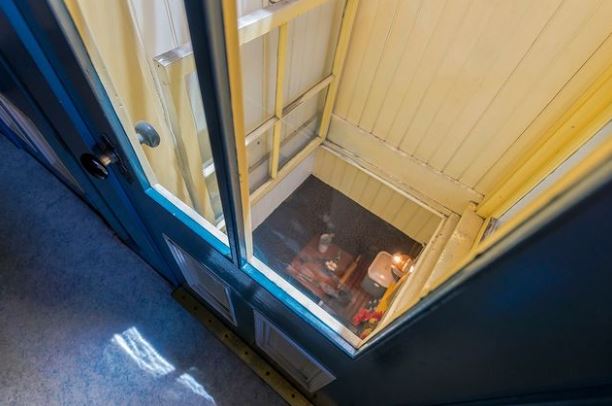
We have been talking a lot about Clare recently. After much tribulation, Clare learned to search within herself for the sources of her troubles, and only after that work had proceeded, she investigated Peter’s share of her problems. Originally her self-examination was an attempt to find an easy clue with which to solve the difficulties of the relationship, but it led her eventually to some important insights into herself. Anyone in analysis must learn to understand not only himself but also the others who are a part of his life, but it is safer to start with himself. If he is entangled in his conflicts, the picture he will gain of the others will usually be a distorted one. From the data about Peter that Clare assembled in the course of her entire analytical work, her analysis of his personality was correct. Nevertheless, she still missed the one important point: that Peter, for whatever reasons of his own, was determined to break away from her. Of course, the assurance of love which he apparently never failed to give her must have betwixt her. On the other hand, this explanation is not quite sufficient, because it leaves open two questions: why her effort to reach a clear picture of him stopped where it did; and why she could visualize—though not put into effect—the desirability of her breaking away from Peter, but closed her eyes to the possibility of his breaking away from her. #RandolphHarris 10 of 19

As a result of this remaining bond, Clare’s wish to break off remained short lived. She was unhappy while she was away from him and as soon as he joined her, she succumbed to his charm. Also, she still could not stand the prospect of being alone. Thus, the relationship went on. She expected less of him and was more resigned. However, her life still centered around him. Three weeks later she woke up with the name Margaret Brooks on her lips. She did not know whether she had dreamed of her, but she knew the meaning immediately. Margaret was a married friend whom she had not seen for years. She had been pitifully dependent on her husband even though he ruthlessly trampled on her dignity. He neglected her and made sarcastic remarks about her in front of others; he had mistresses and brought one of them into their home. Margaret had often complained to Clare in her spells of despair. However, would still turn out to be the best of husbands. Clare had been staggered at such a dependency and had felt contemptuous of Margaret’s lack of pride. Nevertheless, her advice to Margaret dealt exclusively with means of keeping the husband or of winning him back. She had joined her friend in the hope that all would be fine in the end. Clare knew that the man was not worth it, but since Margaret loved him so much this seemed the best attitude to adopt. Now Clare thought how stupid she had been. She should have encouraged Margaret to leave him. However, it was not this former attitude toward her friend’s situation that upset her now. What startled her was the similarity between herself and Margaret, which struck her immediately upon awakening. She had never thought of herself as dependent. And with frightening clarity she realized that she was in the same boat. She, too, has lost her dignity in clinging to a man who did not really want her and whose value she doubted. #RandolphHarris 11 of 19

Clare saw that she was bound to Peter with ties of overwhelming strength, that life without him was meaningless, beyond imagination. Social life, music, work, career, nature—nothing mattered without him. Her mood depended on him; thinking about him absorbed her time and energies. No matter how he behaved she still returned to him, as the cat is said to return to the house it lived in. During the next days, she lived in a daze. The insight had no relieving effect. It merely made her feel the chains more painfully. For people like Clare, psychotherapy is a great tool. The long-standing, mutually oriented and reciprocally respectful friendship provides a relationship with definite potential for the provision of therapeutic conversation. There are basic processes that are natural to all conversations with therapeutic intent, and if certain of these processes (such as ventilation) may account for a significant portion of the benefits derived, then certainly the benefits of such conversation could be expected from communication with close and respected friends. Everyone could be encouraged to recognize these qualities that contribute to the character of the very special form of “friendship” that exists between psychotherapist and client. If it is the character of the relationship that affords much if not most of the therapeutic effect (as distinguished from specifics of the content or management of the conversations) then all thoughtful and sensitive persons could be supported in the effort to provide this kind of relationship, when needed in the context of their natural friendships. #RandolphHarris 12 of 19

It is pertinent to note that friendships as psychological phenomena have received very little attention as the subject of research. Some investigations have been made into certain of the more obvious demographic and situational determinants of the formation of friendships. There has been remarkably little probing research into the way friendship relationships function in the total psychological economy of the individual. Perhaps in twenty-first century Western culture there is a general absence of the kind of friendship that could readily provide the relationship required for therapeutic conversation. Certainly there is much evidence of an activity focus rather than relationship focus in our friendships. We have bowling friends, golfing friends, hunting and fishing friends, and social media friends. Shared interests, cultural or political, athletic or aesthetic, provide the medium of friendship rather than the interdependencies that foster the close, sharing friendships of older, less urbanized communities. It is possible that the cult of the psychotherapy expert may have contributed to the deterioration of the “best friend” and “confidant” relationships. It would be well for mental health experts to examine carefully their attitudes toward friendships as potential resources of therapy for the mildly maladjusted. It is a proper part of mental hygiene for the individual to understand the necessity for and functions of friendship, and to be encouraged to look to friends for something more than playful companionship. It may be argued that some neurotics are in the very nature of their illness persons without friends, without effective or satisfying personal relationships, and with a reduced or absent capacity to form sound relationships. This is frequently the case, but it does not alter the need for the therapist to seek as rapidly and effectively as possible to move the patient in the direction of achieving his supplies of affectionate acceptance from the natural reservoir of spontaneous relationships. #RandolphHarris 13 of 19

It is equally probable that there are many disturbed, conflicted, and unhappy persons who, neither finding nor affording a professional therapist, would experience significant relief by sharing their problems with a trusted friend. If this avenue of help has been doubly closed by the impact of an injudicious public campaign that has denied the potential therapy of friendships and dissuaded the more thoughtful and sophisticated members of the public from offering the therapy of friendship, while at the same time over-selling the therapeutic power of experts who are in very short supply, it is unfortunate. It is not dangerous for people to talk to each other about their problems. The person who shares his perplexities with one close and respected friend is more likely to be helped rather than harmed. If his needs exceed what can be afforded by the therapy of friendship the experience is more likely rather than less likely to encourage him toward expert counsel. The net result of a careful effort to educate the public to the proper and potential role of the friendship as a source of therapeutic conversation should be to reduce that part of the case load of the skilled psychotherapist composed of individuals with good natural supplies who are responding to the paradoxically repressive effect of the “cult of the expert.” It is a well-accepted part of the operation of many psychiatric clinics that a sizable number of clients are carried in what is commonly designated as “supportive therapy.” On any scale of evaluation of the potency or value of various types of psychotherapy, most therapists would rate supportive therapy at or close to the bottom; among experts it is not a prestigious form of therapy. Yet all recognize it as a type of therapist-patient relationship that must be offered and developed with certain patients. This form of therapy is emotionally supportive. It affords an anchor, a stabilizing, personal point of reference for the patient whose history, symptoms, or attitudes are blocking him from achieving mature and satisfying personal relationships in his natural environment. #RandolphHarris 14 of 19

When a patient appears to have achieved maximum response to earlier more intensive treatment procedures (including insight therapy, drugs, and, possibly, hospitalization) but has a residual discomfort that warrants continued contact with the therapist, sometime supportive therapy is undertaken. Sometimes supportive therapy is indicated for the essentially healthy personality that has been disrupted by sudden situational stress or emotional trauma. Supportive therapy may yield significant benefits to the distressed person who is not motivated (or lacks aptitude) for an intensive, uncovering, interpretive form of therapy. It is unfortunate that too few therapists seem to be adequately oriented toward supportive psychotherapy as a distinctive type of therapy, with specific goals and of reasonably limited duration. For many therapists, supportive therapy is approached as a “continuing relationship therapy” without critical examination of either the appropriateness or necessity of their continuing indefinitely as the patient’s sole “support.” This uncritical acceptance of a long-term surrogate role may partly reflect the instruction to the supportive therapist to attempt to win the patient over to a conviction that the therapist is a helpful friend. It undoubtedly reflects also an implicit assumption that the patient either has no other accessible friendship or is neurotically prevented from realizing the emotional support that could afford (rather than simply inhibited by current cultural proscriptions against use of the friendship relationship for anything other than recreational purpose). Each passive acceptance of a role as long-term surrogate friend seriously reduces the availability of the therapist to contribute his unique professional knowledge or his specific psychotherapeutic talents toward the care of persons with a real need for skilled treatment. #RandolphHarris 15 of 19

It is a particularly serious defect for the supportive therapist to fail to see his responsibility and opportunity to teach and encourage his patient continuously to generalize the emotional learning of the therapy relationship to his extra-therapy life, to seek and to find the satisfaction of his emotional needs in the natural supplies of his social World. The passive continuation of a supportive relationship has potential to defeat its very own purpose by encouraging the patient’s delusional, derogatory self-concept: “only a therapist could love me!” It would be hygienic for all therapists and clinics to make an audit at not less than six-month intervals of all patients being carried in supportive therapy to determine whether there is in fact a therapeutic process entailing more than an emotionally supportive substitute friendship, and whether it is a fact that the patient has no extra-therapy resources for friendship that are psychologically accessible to him. All therapists should be critically sensitive to the recognition of those cases in which they are in essence functioning as no more than culturally accepted “professional friends.” If prostitution is the oldest of professions, is there any pride to be taken in the fact that the sale of friendship may be the commerce of the newest? Although it is unlikely that you will ever face being brainwashed, it is nice to know what to look for if someone is attempting to put you under their control. Most brainwashers start out slowly, using systematic approaches to gain your trust and begin the process of breaking you down. It sounds kind of crazy to think that anyone would hang around a person who was doing things to break them down. Not every person will hang around for another person to wear them down then build then back up again in the image of someone they want. However, some people have little to no friends or family. Some people are desperately alone and seek friends wherever they can. #RandolphHarris 16 of 19

Being desperate for attention makes you an easy target for any manipulator. Another thing that makes a person an easy target is being a naivete. You may have lots of friends, but you might be naïve, and that alone makes you an easy target for those seeking to use you. Why does anyone want to use another person in the first place? You guessed it. Monetary gains. This can be money, but it can also be work. Some even do it just for the thrill of being able to bend someone so wholly to their will. How they do it is straightforward and simple. They spot the victim. The person must be ripe for the picking. Once they have that person in their sights, they swoop in. Whether charming and charismatic or quiet and looking near the intended victim, they stalk their prey. Once they get to talk to you, they will build you up; flattery is used to make you think that they think a lot about you. However, after a while—weeks, months, or even years, they will begin the process of tearing you down. “Your hair is looking thin and greasy. What have you been doing to it? You should let me help you find some things to make it look better.” “You’re gaining a lot of weight. You should let me help you diet.” “You’re mismanaging your money. I guess you just don’t have the mental capacity to handle it. You should let me deal with your finances.” The first thing you allow them to help you with gives them the in they need. First, it is your haircare. Next, it is what you eat and how often you exercise and what kinds of exercise you do. Then it is handing every paycheck over to them to let them handle your money. It just keeps going on until you are handing them everything and every power you have—and you are doing it on what seems like your own free will. #RandolphHarris 17 of 19

“When I was in high school, I was riding with the Sacramento Fire Department, and we went to a four-story brownstone apartment building that had a fire in a store on the first floor. Back then the firemen weren’t using masks. I watched those firemen go into smoke that was so thick it was like heavy drapery, and I saw them carry out those little kids, some of them down ladders and some out the front door. What an experience, to see somebody’s life actually being saved. After that, I knew this was what I wanted to do. To me the things kids did in school, football games and all that, was kid stuff. When I became a volunteer firefighter in Sacramento, I felt I was a man at eighteen. I wasn’t just an observer like used to be, I was a full-fledged volunteer fireman, and there the volunteers were paid on call, that is, for the time they put in a fire call. They paid for my fire science degree. I remember making $2,500 that year. That was a good buck back in 1973, when I was still at home. I lost my teeth and just about lost my lip driving to a fire one winter night. The department paid my medical bills. I became a full-time firefighter eventually which gave me some experience. I thought I was hot stuff. A lot of other firefighters were more mature than me, they kept their mouths shut going through the fire college, which is our four-month-long academy. I found out I wasn’t such a hotshot. I was assigned to a relatively slow fire station. I didn’t fit in. I don’t drive a pickup truck, and I don’t listen to country-and-western music. They’re great guys, but I’m not one of their people, and I didn’t fit in at all. They looked at me a little strange when I was studying fire engineering at the station. I wanted to go out and drill. I think I’m starting to sound pompous. #RandolphHarris 18 of 19

“The first fire was a typical old, what we call an Oak Park pine wood frame house, one-story with a huge attic and a porch in front built up on concrete block piers. This was in a poor neighborhood. This Oak Park pine is coated with resin, resistant to just about any kind of insect, and it’ll last forever. You don’t have to paint it or anything. But if you ever see one of these houses burn, you can hear it, it sounds like shotgun shells going off. Pop, bam, bam, bam. And what it is, it’s these resins boiling off, adding to the fuel load, and these things burn unbelievably hot. I’ve fought wood frame fires up north, but they were just regular pine. These suckers here are unbelievable for the speed and heat of the fire. We were attacking the fire, I remember, with a couple of inch-and-a-half lines, and the fire was laughing at us. I was starting to find out that this was no joke. The academy was tough, too. I thought I knew a lot about firefighting from my experience, but I found out that Sacramento County has certain ways of doing things, and I figured I better just keep my mouth shut and learn their way. It was no piece of cake. It was tough for me, both physically and mentally. I tell people that the firefighter earns his pay in an environment that is very hot, very poisonous, and without being able to use his sense of sight. So he has to follow some kind of search pattern—first of all, to get his own self out, and second, to save somebody’s life and get that person back out. Another thing, you’re only staying in the building and being of use as long as that supply of air stays on your back. That is why staying in shape is vitally important. Experience. The more you work with a breathing apparatus, the more relaxed you are going to be with it, the more confidence you are going to have with it. And stamina is the name of the game. I work out an hour a day, every day of the month. I do calisthenics, pushups, sit-ups, pull-ups, and running. I gave up lifting weights about a year ago, because I think it’s only cosmetic. The average citizen gets his opinion of firefighters from what he sees on the news. But the news media don’t come to the little house fire and show the man crawling in smoke so think he can’t see his hand in front of his face, doing his job without worrying that the fire may be burning over his head or kick back over him.” Please donate to the Sacramento Fire Department to ensure they have all the resources they need. I pledge allegiance to the flag of the United States of America, and to the republic for which it stands, one nation, under God, indivisible, with liberty and justice for all. #RandolphHarris 19 of 19

The Winchester Mystery House

Our Explore More Tour is returning with even more rooms to discover! 🗝️

Building upon the foundations of our classic mansion tour, Explore More offers the chance to delve deeper into the history, architecture, and intrigue of the mansion.
And for the first time ever, we will be unlocking doors to the oldest sections of the home, giving you access to previously restricted areas. Enhance your visit by adding this extra layer of discovery, starting May 25th, 2024. Tickets on sale now!
Please come and enjoy a delicious meal in Sarah’s Café, stroll along the paths of the beautiful Victorian gardens, and wonder through the miles of hallways in the World’s most mysterious mansion. For further information about tours, including group tours, weddings, school events, birthday party packages, facility rentals, and special events please visit the website: https://winchestermysteryhouse.com/

Please visit the online giftshop, and purchase a gift for friends and relatives as well as a special memento of The Winchester Mystery House. A variety of souvenirs and gifts are available to purchase. https://shopwinchestermysteryhouse.com/

A Manchurian Candidate Allowing the Country to be Invaded, Corrupted, and Bankrupted

Faulty characters and faulty habits can be changed by the Secret Path as the coming of the sun changes winter to spring. Greed will slowly turn to goodwill, cruelty will make its exit to allow for the incoming of kindness, and all-around self-control will gradually replace weakness. The faithful application of these teachings must inevitably influence the entire make-up of a man, and influence it most certainly for the better. He must begin this preparatory work on himself by an analysis of character. This requires a sincere, honest appraisal, a rigorous search for truth, not easy when vanity, for instance, may masquerade as duty among his motives. There is a great feeling of uncertainty and anxiety that besets the life of a man who wants to make his way up the ladder of the big corporation. He can fall at any point; he can fail to reach the aspired goal and become a failure in the eyes of his family and friends. However, this anxiety increases his wish for certainty. If he fails in spite of the certainty his methods of decision making offer him, he at least need not blame himself. The same need to be certain exists in the realm of thoughts, feeling, and aesthetic appreciation. By the growth of literacy and of the mass media, the individual learns quickly which thoughts are “right,” which behaviour is correct, which feeling is normal, which taste is “in.” All he has to do is to be receptive to the signals of the media, and he can be certain not to make a mistake. The fashion magazines tell what style to like and the book clubs what books to read, and to top it all, recent methods of finding proper marriage partners are based on the decisions of computers. #RandolphHarris 1 of 20

Our age has found a substitute for God: the impersonal calculation. This new god has turned into an idol to whom all men may be sacrificed. A new concept of the scared and unquestionable is arising: that of calculability, probability, factuality. We must address ourselves now to the question, If we give the computer all the facts, what is wrong with the principle that the computer can make the best possible decisions about future action? What are facts? Even if correct and not distorted by personal or political bias, not only can facts be meaningless they can be untrue by their very selection, taking attention away from what is relevant, or scattering and fragmenting one’s thinking so much that one is less capable of making meaningful decisions the more “information” one has received. The selection of facts implies evaluation and choice. The awareness of this is a necessary condition of making rational use of facts. The basis of all authority is the supremacy of fact over thought. Yet this contrast of fact and thought can be conceived fallaciously. For thought is a factor in the fact of experience. Thus the immediate fact is what it is, partly by reason of the thought involved in it. Facts must be relevant. However, relevant to what or to whom? If I am informed that A has been in prison for having wounded a rival in a state of intense jealousy, I have been informed about a fact. I can formulate the same information by saying that A was in jail, or that A was (or is) a violent man, or A was (or is) a jealous man; yet all these facts say little about A. #RandolphHarris 2 of 20

Maybe A is a very intense man, a proud man, a man of great integrity; maybe my factual information fails to inform that when he speaks with children his eyes light up and he is concerned and helpful. This fact may have been omitted because it did not seem relevant to the datum of this crime; besides, it is—as yet—difficult for the computer to register a certain expression in a man’s eyes, or to observe and code the fine nuances of the expression of his mouth. “Facts” are interpretations of events, and the interpretation presupposes certain concerns which constitute the event’s relevance. The crucial question is to be aware of what my concern is and hence of what the facts have to be in order to be relevant. Am I the man’s friend, or a detective, or simply a man who wants to see the total man in his humanity? Aside from being aware of my concern, I would have to know all the details about the episode—and even then perhaps the details would not tell me how to evaluate his act. Nothing short of knowing him, in his individuality and suchness, his character—including the elements he himself may not be aware of—would permit me to evaluate his act; but in order to be well informed, I would also have to know myself, my own value system, what of it is genuine and what of it is ideology, my interests—selfish or otherwise. The fact, presented merely descriptively, may make me either more or less informed, and it well known that there is no more effective way of distortion than to offer nothing but a series of “facts.” #RandolphHarris 3 of 20

When we speak of facts pertaining to political and social life, what holds true in this example of how to evaluate one episode in the life of a man is all the more complicated and consequential. If we show for a fact that Communists are taking steps to assume power in America by inserting a Manchurian candidate as president to allow the country to be invaded, corrupted, and bankrupted, does this fact imply that they threaten to conquer the United States of America or the World? Would the latter mean that they threaten the “existence” of the free World? Does a threat to the “existence” to the United States of America mean a threat to the physical existence of Americans, or to our social system, or to our freedom of expression and action, or does it mean that they want to replace our elite in the area with one of their own? Which of these possible outcomes would justify or demand the possible destruction of 344 million Americas, or all of life? The “fact” of Communist threats assumes a different meaning according to the evaluation of the total strategy and planning of the Communists. However, who are the Communists? The Russian government, South America, the Chinese government, most democrats and some republicans, or who? With the way things are going, not only will President Xi Jinping be the next president of America, but also the commander of chief of the World! The one fact from which we start means nothing without the evaluation of the whole system, which means an analysis of a process in which we as observers are also included. #RandolphHarris 4 of 20

Eventually, the very fact of having decided to select certain events as facts has an effect on ourselves. By this decision we have committed ourselves to move in a certain direction, and this commitment determines our further selection of facts. The same holds true for our opponents. They also are influenced by their own selection of facts, as well as by ours. However, not only the facts themselves are selected and ordered according to values; the programing of the computer itself is based on built-in and often unconscious values. The principle that the more we produce the better is in itself a value judgment. If instead we believed that our system should be conducive to optimum human activeness and aliveness, we would program differently and other facts would become relevant. The illusion of the certainty of the computer decision, shared by a large sector of the public and by man decision makers, rests upon the erroneous assumptions (a) that facts are objective “givens,” and (b) that the programing is norm-free. “Normative” planning must precede “strategic” and “tactical” planning. All planning, whether with or without the use of computers, depends on the norms and values that underlie the planning. Planning itself is one of the most progressive steps the human race has taken. However, if it is “blind” planning, in which man abdicates his own decision, value judgment, and responsibility, it can be a curse. #RandolphHarris 5 of 20

If it is alive, responsive, “open” planning, in which the human ends are in full awareness and guiding the planning process, it will be a blessing. The computer facilitates planning tremendously, but its use does not really alter the fundamental principles of the proper relationship between means and ends; only its abuse will. As a man, it is not essential to discover and correct these faults. As a seeker, such discovery and such correction are primary duties. The code of conduct which philosophy asks its votaries to practise, the set of values which it determines for them, the endeavour to transcend themselves which it inspires—these elevate the mind into nobility, grandeur, and reverence. To abstain from favoured foods is a hard test; to abstain from carnal intercourse is still harder one. To the common mind, devoid of metaphysical faculty, this may seem far enough to travel. However, to the developed mind the hardest of all tests must yet be undergone—to abstain from egoistic thought, feeling, and action. The more the character is purified, the easier it is to practise meditation. The more the lower nature holds a man, the shorter will be the period of time in which he will be able to hold attention on the Overself. It is a great beginning of the real quest when he comes to the clear perception that the lusts, gluttonies, wraths, and passions have been lodged in him and have lived in his self yet are not him; that they are morbid creations which can be starved, exorcised, and expelled just as surely as they have been fed, nourished, and embraced. #RandolphHarris 6 of 20

What separate the lower appetites of man from his higher aspirations? The beast must obey blindly its group instinct, the human need not. He can choose between doing the same as the animal or holding himself back to think, reason, and arrive at a considered decision. The lower nature does not let him keep this mood of high resolve long. Not many days pass before it seeks to discourage him. For the old cravings, the desire habits, and the emotional tendencies are still there. Soon they begin to trouble him again. “Why try?” his lower nature despondently tells him, “Why torment yourself uselessly? You can only fail in the end.” This it creates the expectancy of failure and turns his high adventure into a dismal ordeal. Only a fixed vigilant determination and correct approach will bring forth that inner consent to the new disciplinary habits so necessary to success. Only by re-educating his tendencies and gradually making them quite willing to conform to the right way of living can the lower nature be beaten. To the extent that anything lifts men up out of their animality, it serves a higher purpose. This is true of athletic training and religious aspiration, of social codes and personal self-respect. For in the end they must turn their minds away from the passions which they share with the sub-human kingdom to the fulfilment of their higher human possibilities and destiny. The honourable man who lives by a decent code of ethics has to be surpassed by the seeker, since he believes in a life and goal which I still more honourable. #RandolphHarris 7 of 20

Freedom is a tremendous word whose meaning goes much beyond the average man’s idea of it. He is not free who is in bondage to narrow prejudice, strong attachment, unruled desire, and spiritual ignorance. The same strength which is put into negative qualities like fear, grief, revenge, and discord—to a man’s own detriment—can be put into beneficial ones like courage, cheerfulness, fortitude, benevolence, and calmness, to his own benefit. He is to work for the day when his character will be utterly transformed, when he will be incapable of meanness or animality, when he will live in constant awareness of the idea. There is an organismic base for an organized valuing process within the human individual. It is hypothesized that this base is something the human being shares with the rest of the animate World. It is part of the functioning life process of any healthy organism. It is the capacity for receiving feedback information which enables the organism continually to adjust behaviour and reactions so as to achieve the maximum possible self-enhancement. This valuing process in the human being is effective in achieving self-enhancement to the degree that the individual is open to the experiencing which is going on within himself. I have tried to give two examples of individuals who are close to their own experiencing; the tiny infant who has not yet learned to deny in his awareness the processes going on within; and the psychologically mature person who has learned the advantages of this open state. #RandolphHarris 8 of 20

One way of assisting the individual to move toward openness to experience is through a relationship in which he is prized as a separate person, in which the experiencing going on within him is emphatically understood and valued, and in which he is given the freedom to experience his own feelings and those of others without being threatened in doing so. This proposition obviously grows out of therapeutic experience. It is a brief statement of the essential qualities in the therapeutic relationship. There are already some empirical studies, of which the one by Barrett-Lennard is a god example, which gives support to such a statement. One case study we should consider is one of Billy. Billy, a healthy, strong, intelligent, and successful lawyer, consulted me because of a fear of high places. He had a recurring nightmare in which he was pushed from a bridge or tower. He felt dizzy when he sat in the first row of a theater balcony and when he looked down from high windows. Also, he sometime felt panicky before he had to appear in court or before he met important clients. He had worked up from a poor environment and was afraid of not being able to maintain the good position he had attained. The feeling often crept up on him that he was putting on a bluff and that it would be found out sooner or later. He could not account for this fear because he believed himself as intelligent as his colleagues; he was a good speaker and usually could convince others by his arguments. #RandolphHarris 9 of 20

Because he talked frankly about himself we managed to see in a few interviews the outlines of a conflict between, on the one side, ambition, assertiveness, a desire to put something over on others, and, on the other side, a need to maintain the appearance of a jolly straight fella who did not want anything for himself. Neither side of the conflict was deeply repressed. He had merely failed to realize the strength and the contradictory nature of these strivings. Once they were brought into sharp focus, he recognized squarely that he actually did not put a bluff. He then spontaneously drew the connection himself between this inadvertent swindle and the dizziness. He aw that he craved to attain a higher place in life but did not quite dare admit to himself how ambitious he really was. If other realized his ambition, he was afraid that they would turn against him and push him down and therefore he had to show a front of being a jolly good fella to whom money and prestige did not mean much. Being nevertheless an essentially honest person, he was dimly aware of some bluff, which in turn had made him apprehensive of being “found out.” This clarification sufficed to remove the dizziness, which was a translation of his fears into physical terms. #RandolphHarris 10 of 20

He then had to leave town. We had not touched upon his fear of public performances and of meeting certain clients. I advised him to observe the conditions under which his “stage fright” was increased or decreased. Sometime later I received this report. He had first thought that the fear appeared when the case he presented or the argument he had used was debatable. However, search in this direction did not lead very far, though he felt distinctly that he was not wholly wrong. Then he had a bad break which, however, proved to be a good break for his own efforts at understanding. He had prepared a difficult brief not too carefully, but was only moderately apprehensive about presenting it in court, for he knew that the judge had fallen ill, and that the one who would substitute was strict and unbending. He tried to console himself with the reminder that after all the second judge was far from vicious or tricky, but this did not diminish his rising anxiety. Then he thought of my advice and tried to let his mind run freely. First an image appeared of himself as a small boy smeared from head to toe with chocolate cake. He was at first baffled by this picture, but then recalled that he was going to be punished but got away with it because he was so “cute” and his mother had to laugh about it. The theme of “getting by” persisted. Several memories emerged of times when he was not prepared at school, but got by. Then he thought of a teacher of history who he wanted. He could still feel the hatred. #RandolphHarris 11 of 20

The class had to write a theme about the French Revolution. When returning the papers the teacher criticized his for being replete with high-sounding phrases but devoid of solid knowledge; he cited one of those phrases and the others roared with laughter. Bill had felt acutely humiliated. The English teacher had always admired his style but the history teacher seemed impervious to his charm. The phrase “impervious to his charm” took him by surprise, because he had meant “impervious to his style.” He could no help feeling amused because the word “charm” expressed his true meaning. Sure enough, the judge was like the history teacher, impervious to his charm or his power of speech. That was it. He was accustomed to rely on his charm and his facility with words to “get by” instead of being thoroughly prepared. As a result he became panicky whenever he visualized a situation in which this tool would be ineffective. Since Bill was not deeply entangled in his neurotic trends he was able to draw the practical consequence of this insight: to sit down and work more carefully on the brief. He even went a step farther. He realized to what extent he used his charm also in relationships with friends and women. Briefly, he felt that they should be under the spell of his charm and therefore overlook the fact that he did not give much of himself in any relationship. He linked this finding with our discussion by realizing that he had discovered another bluff, and he finished with the realization that he must “go straight.” #RandolphHarris 12 of 20
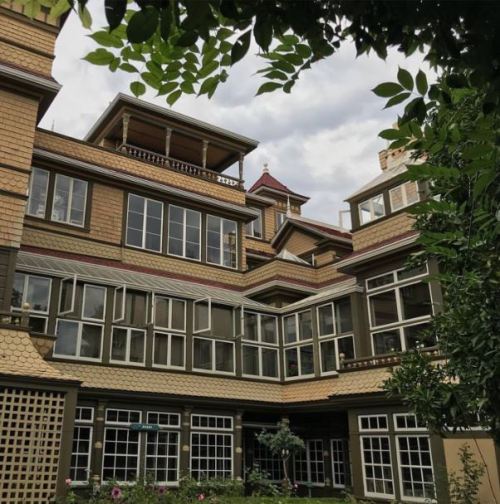
Apparently he was able to do so to a considerable extent, because since that episode, which I not six years ago, his fears have practically disappeared. This result resembles the one attained by John (from past reports) when he overcame his headaches, but it must be evaluated differently. The headaches, as indicated before, were a peripheral symptom. They can be so designated by virtue of two facts: since they were infrequent and not severe they did not essentially disturb him; and they had not assumed any secondary function. John’s real disturbances, as revealed in a subsequent analysis, lay in a different direction. Bill’s fears, on the other hand, were the result of a crucial conflict. They did not disable him but they interfered with significant activities in vital areas of his life. John’s headaches disappeared without any concomitant change in his personality, the only change being a slightly greater awareness of anger. Bill’s fears vanished because he recognized their source in certain contradictory trends in his personality and, more important, because he was able to change these trends. Here again, a in John’s case, the results seem greater than the efforts that produced them. However, again on closer examination the disparity is not so great. It is true that with comparatively little work Bill managed not only to get rid of disturbances serious enough to jeopardize his career in the long run, but also to recognize a few important facts about himself. #RandolphHarris 13 of 20

Bill saw that he had presented a somewhat deceptive front to himself and to others, that he was much more ambitious than he had admitted to himself, that he tended to attain his ambitious goals through his wits and his charm rather than through solid work. However, in evaluating this success we must not forget that Bill, in contrast to John and Harry, was essentially a physically healthy person with only mild neurotic trends. His ambition and his need to “get by” were not deeply repressed and did not have a rigid compulsive character. His personality was so organized that he could modify them considerably as soon a he recognized them. Dropping for a moment the effort to attain a scientific understanding of Bill’s predicaments, one might regard him simply as a person who had tried to make life too easy for himself and who could do better when he realized that his way did not work. Bill’s insights were sufficient to remove certain gross fears. However, even in this most successful short cut many questions are left open. What exactly is the meaning of the nightmare about being pushed down from a bridge? Was it necessary for Bill that he alone should be on top? Did he want to push others down because he could not tolerate any competition? And was he therefore afraid others might do the same to him? Was his fear of high places only a fear of losing the position he gained, or was it also a fear of falling down from a height of fictitious superiority—as it usually is in phobias of this kind? #RandolphHarris 14 of 20

Furthermore, why did he not put in an amount of work commensurate with his faculties and his ambition? Did this laziness result only from the repression of his ambition, or did he feel that it would detract from his ambition, or if he made adequate efforts, did he feel that it would detract from the repression of his ambition—that only mediocre people have to work? And why did he give so little of himself in his relations with others? Was he too engrossed in himself—or perhaps too contemptuous of others—to be able to experience much spontaneous emotion? Whether it would be necessary, from the point of view of therapy, to pursue all such supplementary questions is another matter. In Bill’s case, it is possible that the little analysis done had farther reaching effects than the removal of conspicuous fears. It is possible that it set going something that might be called a beneficent circle. By recognizing his ambition and by putting in more work he would actually anchor his ambitions on a more realistic and more solid basis. Thereby he would feel more secure and less vulnerable and less in need of his bluff. By relinquishing the false front he would feel less constrained and less afraid of being found out. All of these factors might considerably deepen his relationships with others, and this improvement would also add to his feeling of security. Such a beneficent circle may have been set in motion even though the analysis was not complete. If the analysis had searched out all the untouched implications, it would almost certainly have had this effect. #RandolphHarris 15 of 20
There is little quarrel with the notion that careful training and intensive supervised experience contribute significantly to the preparation of the skilled psychotherapist. It may be asked if there are factors of life history, personality, and social background that the therapist-to-be bring to his training that may contribute to enhance or to limit his future therapeutic endeavours. Differences in these factors could serve either to increase or reduce the effects of the differences in the formal training of the psychiatrist, psychologist, and social worker. The capacity for and the condition of “understanding” a patient is generally held to be of key importance in the establishment, maintenance, and successful direction of a therapeutic relationship. If it happens that therapist and client have certain identities in their respective social histories there is possible a spontaneous empathy, a preformed rapport that can facilitate the mutual acceptance of each by the other and, more importantly, may serve continuously as a catalyst for the stream of communication, spoken and upspoken, which is the medium of therapy. Safely shutting down a bully is something the three different kinds of psychotherapists can help one with. We do not recommend physical violence. Safely shutting down a bully is what we are going for here. In this way, you utilize the help of others. Go the route of getting others involved, even the authorities if need be. Stand up tall, stay firm. If a person is being rude, suggest that perhaps you two have gotten off on the wrong foot, and that calling names will not help the situation. #RandolphHarris 16 of 20

If for instance, the person harassing you starts making threatening gestures, like pounding his hand on his fist, use your mobile phone to take a quick picture of him doing this. It is important to record any physical sign of intimidation. For every manipulative action, there is a consequence. The harshest of them all is the consequence of losing you. The thing about manipulators is that they mentally record every action you do when they have manipulated you or attempted to. If you say you will call the authorities if the bully hits you, and he does go through with the physical harm, you had better call the authorities and let them handle it. Make sure to bring down all the consequences on him that the law allows. You might be the one who gets through to him or her that it is just not worth bullying and hurting people physically. You might even save their next would-be victim from harm. You are not trying to control the manipulator, but you are trying to control how you react to those manipulations. If they think you have a weakness that they can take advantage of, just like the wind, a master manipulator will change directions and come at you from another way. We all have weaknesses; they key to keep them hidden around manipulators is to watch what you say. Say what you mean, only what you will go through with. Sometimes it is best to say nothing and just walk away. When you show an individual that there are consequences for harassing you, they may try even harder. Therefore make it known that those consequences will have an impact on their future. Be calm. Be articulate. Be assertive and sure of yourself so they will stop using you as an easy target. #RandolphHarris 17 of 20

Not everyone grew up rich. Some people come from big families, were disabled in the war, and are very thankful for pensions. Today, a lot of people are saying they need help, they need this, they want that. It is important to be thankful for everything you have, the opportunity to go to school and live that you are living, the opportunity to work. Once when he was a little kid, one firefighter remembers very well going to a firehouse. One of the firemen showed him the remnants of a watch, a new kind of watch that had been melted down into a wad of black plastic. It had come out of a fatal fire caused by someone smoking in bed. That stuck in his mind. When was sixteen, some of the kids who were eighteen were trying to get involved with the volunteer fire department. He looked at them with admiration and knew that it was something he wanted to do. His father was a lieutenant at the time. Later, when he got old and his arthritis progressed, he had to retire. Twice he was almost killed on the job. However, he was not a big story teller. He never told his son fire stories until he was older, and he said he wanted to enter the fire department. His father tried to teach him things. He said, “Son, you watch out for those truss roofs, because when one component fails the whole roof and parapet will come down, and they will kill you.” One time his dad was in a fire in a three-story building. It had a very high parapet which concealed the bowstring truss roof behind it. He was operating the turntable of the ladder truck, and he had two guys in the basket. It was really smoky. He saw a crack developing in this parapet. #RandolphHarris 18 of 20

Everybody ever quickly got away, because you could see what was going to happen. His dad stayed there and swung that snorkel boom away and got those two guys in the basket out of the way just as the wall came down. It buried his dad. Just buried him. One of the things that fell on him was an electrical transformer, and he had an electrical burn across his groin from a wire landing right there. The wires were sparking, and the other guys were afraid to jump right in. Then some fire chief, who had a truckman’s belt on, had them attach a rope to the belt, and he said, “I’m going to start digging the bricks off this guy. And if something happens to me, yank me back.” Well, as soon as he took off the first couple of brick, they could see that the was not going to be electrocuted, and they all jumped in, and they puled all of the bricks off his dad. He was in bad shape. In critical condition. They were just about ready to drill holes in his head. This young man’s father was one of the first guys to wear a helmet with a neckstrap. You know, there was a lot of talk against the strap, saying one will fall through the floor and it will strangle you. His dad said that the first brick would have hit him on the head and the rest of them would have killed him. That helmet stayed on his head. Many firefighters with the Sacramento Fire Department have a legacy or social commitment to help out the community. Therefore, think about fire safety. Do your best to prevent fires. Even if you make it out of a burning building, the people rescuing you may not. #RandolphHarris 19 of 20
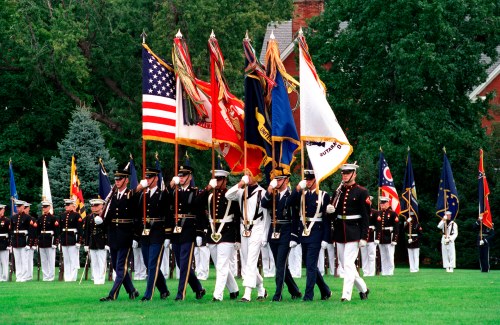
When people think of the fire department, they think of someone rushing into buildings and saving lives, but that is not the only thing in it by a long shot. When my son Leo was two years old, after we built our house in Kelowna and moved in, when the dog would annoy him, he would run into the kitchen and hide in a tall, narrow cabinet to get away from home. Keep in mind, when there is a fire, some kids are afraid of it. Often times they will hide somewhere in the house to get away from the sirens, the flames, and the smoke and incorrectly think they are safe, and no one may ever find them. Also, some fires have killed dozens of firefighters. It is a horrible sight to transport people who are burnt to a crisp. Many people who survive fires also come out of them wounded. The Sacramento Fire Department is doing something terribly important, something everybody respects. You can sense that it is very important. However, sometimes firefighters end up in the hospital because of heat exhaustion. The Sacramento Fire Department has always been around. If possible, please make a donation to ensure these men and women receive the proper resources. I pledge allegiance to the flag of the United States of America and to the Republic, for which it stands, one nation, under God, Indivisible with Liberty and Justice for all. Get up early, work hard, mind your own business, save your money, buy a Cadillac and live on the nice side of town. #RandolphHarris 20 of 20
The Winchester Mystery House

The Winchester Mystery House exists beyond ordinary time, and it is so beautiful, yet bizarre as to inspire fear even in the hearts of an unimaginative populace. On April 22, 2001, there was a mysterious wildness in the mansion, that none might listen without apprehension. A caretaker heard vociferous thumping on the wall next to the bed Mrs. Winchester died in with ululation so horrible and unearthly that he was terrified and baffled. The sounds of knocking then started coming from under the bed; when he knocked on the wooden bedstead, the unknown visitant replied in kind. Then something appeared from beneath the bed. Three days later, he was found quietly sleeping in the basement. The caretakers who found him noticed in his pale blue eyes there was a certain gleam of peculiar quality. He raved of things he did not understand and could not interpret; things which he claimed to have experienced, but which he could not have learned through any normal or connected narration.
Come and enjoy a delicious meal in Sarah’s Café, stroll along the paths of the beautiful Victorian gardens, and wonder through the miles of hallways in the World’s most mysterious mansion. For further information about tours, including group tours, weddings, school events, birthday party packages, facility rentals, and special events please visit the website: https://winchestermysteryhouse.com/

Please visit the online giftshop, and purchase a gift for friends and relatives as well as a special memento of The Winchester Mystery House. A variety of souvenirs and gifts are available to purchase. https://shopwinchestermysteryhouse.com/

For Every Change there is an Instigator

The World is so full of a number of things, I am sure we should all be as happy as kings. Perhaps narcissism is what keeps country so full of misery. Concerning the pathology of group narcissism, the most obvious and frequent symptom, as in the case of individual narcissism, is a lack of objectivity and rational judgment. If one examines the judgment the less affluent in America face and compare it with the way the physically disabled are regarded, one can easily recognize the distorted character the criticism they face. Little straws of truth are put together, but the whole which is thus formed consists of falsehoods and fabrications. If political actions are based on narcissistic self-glorifications, the lack of objectivity often leads to disastrous consequences. We have witnessed during the first quarter of this century two outstanding examples of the consequences of national narcissism. Many years before the immigration crisis, it was the unofficial strategic doctrine to claim that the United Stares of America wanted the poor and huddled masses from around the World; immigrants, regardless of their legal or illegal status, became endowed with special privileges and benefits and financial incentives and a spirit of entitlement that they needed to only come to America and the nation would provide for them. And that American taxpayers would pay the bill because their presence is worthy them having a sense of entitlement. Then democratic cities became sanctuary cities, which means that law enforcement was no longer allowed to deport people who immigrated illegally. #RandolphHarris 1 of 19

Instead, the people who migrated illegally could be bussed to wherever they pleased in the United States of America, be given cash aid and a food allowance, while they stand in posh hotels. Meanwhile, record of Americans are becoming homeless and cities are so flooded with millions of people who migrated illegal that they are now making it a crime to bus people who illegally immigrated into their cities without notification. While some states are making illegal immigration a state crime punishable by up to 20 years in prison. The problem is that over 12 million unidentified people have bombarded the nation, they are from all over the World, and some are extremely dangerous criminals. The public is concern that after 9/11 happened, that something much bigger and more widespread could happen again. Former President Obama, a man of extreme personal narcissism, who stimulated the group narcissism of millions of immigrations, overestimated the strength of the American government as a population building nation and financial source of support and underestimated the negative impact this would have on the nation and her people during an economic crisis and hyperinflation—as have other narcissistic politicians as well. In spite of his cleverness, Mr. Obama was not capable of seeing reality objectively, because his wish for democrats to win and rule weighed more heavily for him than the realities of national security and the economic health of the nation. And now, China, India, and America, in that order are expected to be the most powerful nations by 2050. Although, some say America lost her status as World power a long time ago from borrowing so much money from China. #RandolphHarris 2 of 19

Group narcissism needs satisfaction just as individual narcissism does. On one level of this satisfaction is provided by the common ideology of the superiority of one’s group, and the inferiority of all others. In religious groups this satisfaction is easily provided by the assumption that my group is the only one which believes in the true God, and hence since my God is the only true one, all other groups are made up of misguided unbelievers. However, even without reference to God as a witness for one’s superiority, group narcissism can arrive at similar conclusions on a secular level. The narcissistic conviction of the superiority of Democrats over Republicans in part of the United States of America demonstrates that there is no restraint to the sense of self-superiority or of the inferiority of another group. However, the satisfaction of these narcissistic self-images of a group requires also a certain degree of confirmation in reality. As long as Democrats have the power to demonstrate their superiority over the Republicans through federal judges, the media, social, economic, and other political acts of discrimination, their narcissistic beliefs have some element of reality, and thus bolsters up the entire narcissistic thought-system. The same held true for the Nazis; there the physical destruction of all the Jewish people had to sever as proof of the superiority of the Aryans (for a sadist the fact that one can kill a man or woman proves that the killer is superior). #RandolphHarris 3 of 19

If, however, the narcissistically inflated group does not have available a minority which is sufficiently helpless and to lend itself as an object for narcissistic satisfaction, the group’s narcissism will easily lead to the wish for military conquests; this was the path of pan-Germanism and pan-Slavism before 1914. In both cases the respective nations were endowed with the role of being the “chosen nation,” superior to all others, and hence justified in attacking those who did not accept their superiority. I do not mean to imply that “the” cause for illegal immigration was the narcissism of the Democrats and rights for people who immigrated illegally, but their fanaticism was certainly one factor which contributed to the outbreak of the invasion. Beyond this, however, one must not forget that once an invasion has started, the various governments try to arouse national narcissism as a necessary psychological condition for the successful waging of the war. There are already talks in the States and in Congress of deploying the national guard into Mexico and dismantling the drug cartels. Most people believe that America conquering Mexico would be a great idea because America could implement law and order, which is supposedly why so many people illegally immigrate to America. If the narcissism of a group is wounded, then we find the same reaction of rage which we have discussed in connection with individual narcissism. There are many historical examples for fact that disparagement of the symbols of group narcissism has often produced rage verging on insanity. #RandolphHarris 4 of 19

Violation of the flag; insults against one’s own God, emperor, leader; the loss of a way and of territory—these have often led to violent mass feelings of vengeance which in turn led to new wars. If the offender is crushed and thus the insult to one’s narcissism is undone, the wounded narcissism can be healed only then. Revenge, individual and national, is often based on wounded narcissism and on the need to “cure” the wound by the annihilation of the offender. The highly narcissistic group is eager to have a leader with whom it can identify itself. The leader is then admired by the group which projects its narcissism on to one. In the very act of submission to the powerful leader, which is in depth an act of symbiosis and identification, the narcissism of the individual is transferred onto the leader. The greater the leader, the greater the follower. Personalities who as individuals are particularly narcissistic are the most qualitied to fulfill this function. The narcissism of the leader who is convinced of one’s greatness, and who has no doubts, is precisely what attracts the narcissism of those who submit to one. The half-insane leader is often the most successful one until one’s lack of objective judgment, one’s range reactions in consequence of any set-back, one’s need to keep up the image of omnipotence may provoke one to make mistakes which lead to one’s destruction. However, there are always gifted half-psychotics at hand to satisfy the demands of a narcissistic mass. #RandolphHarris 5 of 19

Narcissism is a necessary and valuable orientation, provided it is benign and does not transcend a certain threshold. However, our picture is incomplete. Man is not only concerned with biological and social survival, he is also concerned with values, with the development of that by virtue of which he is human. If essential control over the immediate physical environment and a degree of civilization sufficient to free man for self-preoccupation and worry about possible future threats to his security or presently imagined threats to his integrity is a basic requirement for the generation of neurotic anxiety, then man has had these prerequisites for a very long time. And the basic psychophysiological equipment required for the overlearning of danger signals and the anxiety response to stress seems not to be a very recent biological development. In this perspective, the presumed greater prevalence of neurotic breakdown in present-day man must be attributed to the greater stresses under which one lives. However, is modern man in fact subjected to greater stress than one’s historical predecessors? Contemporary Western Civilization is complex and the tempo of life seems ever faster. We are subjected to a wide variety of pressing demands (largely of our own creation), but we have an increasing armamentarium of efficient tools with which easily to provide much of our daily demands. It is not probably that a thoughtful and penetrating numeration of the pressures, problems, and uncertainties that confronted people 100 (or 1,000) years ago and that confront one’s modern counterpart would reveal chiefly a difference in content, not a difference in number and seriousness? #RandolphHarris 6 of 19

The problems of life have changed in their nature, but not in their number or severity. We suffer an inability to project ourselves empathically into the psychological stresses of older generations. Through inadequate historical perspective (and perhaps out of need to be heroic in our own eyes) we see lives of earlier times as simpler, slower, and less stressful—while we see ourselves as immersed in a morass of economic, ethical, political, moral, and social problems which cannot be solved because there is “too much pressure” and everything moves “too rapidly”—forgetting the tremendous technological advances that have both speeded communication and essentially freed us from concern with the mundane problems of sheer existence, so that we are in fact able, if we will, to concentrate in a way never before possible on the solution of our special problems. Has there been a significant increase in the rate of occurrence of major forms of mental disorders? When the severity of disturbance is such that the total functioning of personality is disrupted and the individual can no longer be safely tolerated in one’s community, when one’s symptoms are sufficiently gross to permit of easy, objective description, and when the sick individual is removed to a hospital, we have a base line that permits of valid historical comparison and that, with careful attention to adequate case histories, permits comparison of clinical diagnoses. Such comparative historical analyses, with attention to refined statistical corrections for population, have rarely been attempted. In one of the best studies so far reported the authors conclude that the rate (frequency of first admission to hospitals per specified age groups of the general public) of the major forms of functional psychoses has been essentially the same since 1870. #RandolphHarris 7 of 19

Even though the best available evidence suggests that psychotic breakdown is not increasing in frequency in modern times, it may be argued that the total amount of mental illness is on the increase by virtue of the prevalence of milder, non-hospitalized forms of psychiatric disability, exempli gratia, the neuroses. In this argument we are confronted by a cultural relativity that makes analysis of documentary evidence almost impossible. Today we recognize and have diagnostic labels for varieties of personality defect which were not provided for by the social machinery of pre-1900 cultures. Failure of recognition of an illness and formal provision for its treatment does not, of course, constitute evidence of its absence. Disorders do not begin their phenomenal existence with their first recognition, description, and labeling. Neurosis is not peculiar to modern man. Problems and pressures, the threat of large-scale disaster and the torment of doubt about ultimate values are not special heritage of twenty first-century humans. The biological capacity to experience anxiety is not a particular evolution of the post-1900 generations. If this is the “Age of Anxiety” it is because we have chosen to focus on this phenomenon and to give it meaning and importance which it has never been previously accorded. Anxiety and hope have been experienced in various measures by humans throughout the ages; there are absolutely unavoidable eventualities and insoluble uncertainties that give rise to both. Anxiety in its essential nature is no more pathological than hope—but our present culture has chosen to be anxious about anxiety. #RandolphHarris 8 of 19

As we struggle individually with our persona anxieties and as we daily hear the tocsin of nuclear threat it is natural that we think ourselves to be the most psychologically tormented of all generations. Sober meditation upon the fact that all men in all ages have faced danger, deprivation, and the inevitable uncertainties of existence supports the conception that the sum total of mental misery in the World has not grown or diminished greatly over the passage of time. What has changed in man’s relative freedom to think about his condition, to be anxious about his anxiety, and to live in a cultural epoch which entertains the thesis that personal frustration of any sort is abnormal, that avoidance of anxiety should be a primary personal goal, and that society can provide both the knowledge and the experts for the successful prevention of unhappiness. Not only the evaluation of self is inclusively influenced by the neurotic trends, but also the evaluation of others. The person craving for prestige will judge others exclusively according to the prestige they enjoy: one who enjoys greater prestige one will put above oneself, and one with lesser prestige one will look down upon, regardless of the real values involved. The compulsively complaint person is likely to feel indiscriminate adoration of what appears to one as strength, even if this “strength” consists merely in erratic of unscrupulous behaviour. The person who must exploit others may take a certain liking to one who lends oneself to exploitation, but also despises one; one will think of a compulsively modest person as either stupid or hypocritical. #RandolphHarris 9 of 19

The compulsively dependent person may look enviously at the compulsively self-sufficient person, thinking one free and uninhibited, though actually the latter is merely in the grip of a different neurotic trend. Consequently, there are inhibitions resulting from neurotic trends. Inhibitions may be circumscribed, that is, concern a concrete action, sensation, or emotion, taking the form, for example, of impotence or an inhibition toward telephoning. Or they may be diffuse and concern whole areas of life, such as self-assertion, spontaneity, making demands, coming close to people. As a rule specific inhibitions are at the level of awareness. If they become very strong the person may be generally aware of being inhibited, without, however, recognizing in what specific direction. They may be so subtle and hidden, on the other hand, that they person is not aware of their existence and efficacy. Awareness of inhibitions may be befogged in various ways, of which one of the commonest is rationalization: a person who has inhibitions about speaking to others in social gatherings may be aware of being inhibited on this score, but also one may simply believe that one dislikes parties and considers them boring, and find many good reasons for refusing invitations. The inhibitions produced by neurotic trends are primarily of the diffuse kind. Let us for the sake of clarity compare the person obsessed by a neurotic trend with a rope dancer. The latter, in order to reach the other end of the rope without falling down, must avoid any glance to right or to left and must keep one’s attention fixed on the rope. #RandolphHarris 10 of 19

Here we would not speak of an inhibition to glancing aside, because the rope dancer has a clear recognition of the danger involved and consciously avoids that danger. A person in the clutches of a neurotic trend must equally anxiously avoid any deviation from the prescribed course, but in one’s case there is an important difference, for with one the process is unconscious: strong inhibitions prevent one from wavering in the course laid down for one. Thus a person who makes oneself dependent on a partner will be inhibited from making independent moves of one’s own; a person trending toward a constriction of life will be inhibited from having, and still more from asserting, any expansive wishes; a person with a neurotic need to control self and others by reason will be inhibited from feeling any strong emotion; and a person with a compulsive craving for prestige will be inhibited from dancing or speaking in public or from any other activity that might be jeopardize one’s prestige, and in fact one’s whole learning faculty may be paralyzed because it is intolerable for one to appear awkward during the beginning period. Different as they are, all these inhibitions have an attribute in common: all of them represent a check on any spontaneity of feeling, thought, and action. One can have no more than a studied spontaneity when dancing on a rope. And if something leads one to trespass one’s determined boundaries, the panic that seizes a neurotic person is no less acute than that experienced by the rope dancer who loses one’s footing. #RandolphHarris 11 of 19

Thus each neurotic trend generates not only a specific anxiety but also specific types of behaviour, a specific image of self and others, a specific pride, a specific kind of vulnerability and specific inhibitions. It has also been pointed out that a trend toward relegating one’s life to a partner is often combined with a general need for affection and with a trend toward constricting one’s life within narrow limits; that a craving for power so frequently goes with a craving for prestige that the two may appear as two aspects of the same trend; that an insistence on absolute independence and self-sufficiency is often intertwined with a belief that life can be mastered through reason and foresight. In these instances, the coexistence of various trends does not essentially complicate the picture, because while the different trends may collide at times—the need to be admired, for instance, may collide with a need to dominate—their objectives are nevertheless not too far apart. This does not mean that there are no conflicts: each neurotic trends carries within itself the germ of conflicts. However, when the trends are kindred the conflicts are manageable by way of repressions, avoidances, and the like, though at great expense to the individual. When a person has developed several neurotic trends that are incompatible in nature, the situation changes essentially. One’s position then is comparable to that of a servant who is dependent on two masters who give contradictory commands, both expecting blind obedience. #RandolphHarris 12 of 19

If compliance is just as compulsive for one as absolute independence one feel caught in a conflict which does not permit of any permanent solution. One will grope for compromise solutions, but clashes will be inevitable; one pursuit is bound to interfere constantly with its opposite. The same impasse occurs when a compulsive need to dominate others in a dictatorial fashion is combined with a striving to lean on another person, or when a need to exploit others, which precludes the person’s productivity, is of equal intensity with a need to be admired as the superior, productive genius. It occurs, in fact, whenever contradictory trends exist together. The neurotic “symptoms,” such as phobias, depressions, alcoholism, ultimately result from these conflicts. The more thoroughly we recognize this fact the less will we be tempted to interpret the symptoms directly. If they result conflicting trends, it is as good as useless to try to understand them without having previously gained an understanding of the underlying structure. It should now be clear that the essence of a “neurosis” is the neurotic character structure, the focal points of which are the neurotic trends. Each of them is the nucleus of a structure is interrelated in many ways with other substructures. It is not only of theoretical interest but of eminent practical importance to realize the nature and complexity of this character structure. Even psychiatrists, not to speak of laymen, tend to underrate the intricacies of the nature of modern man. The neurotic character structure is more or less rigid, but it is also precarious and vulnerable because of its many weak spots—its pretenses, self-deceptions, and illusions. #RandolphHarris 13 of 19

At innumerable points, the nature of which varies in each individual, its failure to function is noticeable. The person oneself senses deeply that something is fundamentally wrong, though one does not know what it is. One may vigorously assert that everything is all right, apart from one’s headaches or one’s eating sprees, but one registers deep down that something is wrong. Not only is one ignorant of the sources of the trouble, because, as emphasized above, one’s neurotic trends have a definite subjective value for one. In this situation there are two courses one may take: one may, despite the subjective value of one’s neurotic trends, examines the nature and causes of the deficiencies they produce; or one may deny that anything is wrong or can be changed. In analysis both courses are followed, one or the other prevailing at different times. The more indispensable the neurotic trends are for a person, and the more questionable their actual value, the more vigorously rigidly must one defend and justify them. This situation is comparable to the need of a government to defend and justify its activities. The more debatable the government, the less can it tolerate criticism and the more must it assert its rights. These self-justifications constitute secondary defenses. Their purpose is not only to defend one or another questionable factor but to safeguard the maintenance of the whole neurotic structure. They are like a minefield laid out around the neurosis for its protection. Different though they appear in detail, their common denominator is a persuasion that in essence everything is right, good, or unalterable. #RandolphHarris 14 of 19

It is in accord with the comprehensive function of the secondary defenses that the attitudes they entail tend to be generalized in order not to leave open any loophole. Thus, for example, a person who has surrounded oneself with an armor of self-righteousness will not only defend one’s power drive as right, rational, and warranted, but will be unable to admit that anything one does, trivial though it may be, is wrong or questionable. The secondary defenses maybe so hidden that they can be detected only during analytical work, or they may constitute a prominent feature of the observable picture of the personality; they are easily recognized, for instance, in the person who must always be right. They must not necessarily appear as a character trait but may take the form of moral or scientific convictions; thus an overemphasis on constitutional factors often represent a person’s conviction that one is as one is “by nature,” and that hence everything is unalterable. Also the intensity and rigidity of these defenses vary considerably. In Clare, for instance, whose analysis we have followed through these reports, they played hardly any role. In others they may be so strong as to render any attempt at analysis impossible. The more a person is intent upon maintaining the status quo the more impenetrable are one’s defenses. However, while there are variations of the neurotic character structure itself, show a monotonous repetition of the themes “good,” “right,” “unalterable,” in one or another combination. #RandolphHarris 15 of 19

Neurotic trends are in the center of psychic disturbances. This does not mean, of course, that the neurotic trends are what the individual feels most keenly as disturbances: one is usually unaware that they are the driving forces in one’s life. Nor does it mean that the neurotic trends are the ultimate source of all psychic troubles: the trends themselves are a product of previous disturbances, conflicts that have occurred in human relationships. The neurotic structure provides a way out of the initial calamities, offering a promise that life can be coped with despite disturbed relationships to self and others. However, they also produce a great variety of new disturbances: illusions about the World and about the self, vulnerabilities, inhibitions, conflicts. They are at the same time a solution of initial difficulties and a source of further ones. When the forces of darkness are pressing upon the self-actualized, in the hour of conflict, the expression of one’s active refusal becomes an aggressive act of warfare against them, as well as a defensive weapon. It is then that, instead of sinking down in fear and despair when the enemy assaults the city, the will at the center of “Mansoul” issues forth in aggressive resistance against the foe, by declaring its attitude against one. The battle turns upon the choice of the will in the citadel being maintained, in unshaken refusal to yield to or admit any one of the attacking psychopathological offenders. The whole power of God, by the Holy Spirit, will be at the back of the active resistance of the human in one’s attitude of refusal toward the enemy. #RandolphHarris 16 of 19

It is important to understand the effectiveness of this refusal of the will on the part of the undeceived self-actualized. It is a barrier against the foe. We must recognize that our outer man, in both its “feelings” and nervous system, still bears scars long after its deliverance from the pit of deception into which it has been beguiled. When once the wall of the outer man has been broken into by supernatural forces of evil, it is not quickly rebuilt. Self-actualized who are emerging from deception should therefore know that there is power in aggressively turning upon the enemy at the moment of one’s attacking them—actively expressing their choice and will in regard to one. This aggressive action also becomes a defensive one. The Kairos Christi is the supreme conflict between the divine and the demonic in which the Kingdom of God overcomes and takes up into itself the Kingdom of Satan. The Kairos idea lies behind the concept is the idea that there is a time in which certain things are true and other times in which they do not apply. This accounts for the changing norms of theology. Kairos is the carefully prepared “timing” of the manifestation of the New Being either in the original great Kairos in Jesus as the Christ or in secondary kairoi throughout history. Kairos is “situational sppositeness” in the words of Przywara, and it lends dignity and meaning to those historical periods which are not immediately implicated, but which prepare of it. #RandolphHarris 17 of 19

Every age takes on a Kairos quality insofar as it creates anew the meaning of all ages. Furthermore, Kairos is the call to that personal commitment to historical activity which alone enables one to experience at first hand the currents of history, and thus to interpret their direction. The principles of logic, the principle of identity and the law of noncontradiction, are pure forms of knowledge, since they precede all experience. They are not forms of knowledge, however, but regulative articles of faith! To establish the apriority (the pure rationality) of mathematical judgments, space must be grasped as a form of pure reason. There are no synthetic a priori judgments except those of mathematics! And so, if there are such judgments, there is perhaps also metaphysics, a knowledge of things by means of pure reason! Mathematic is possible under conditions under which metaphysics is never possible. All human knowledge is either experience or mathematics. A judgment is synthetic: id est, it combines different representations. It is a priori: id est, the combination is a universally valid and necessary one, which can never be given by sense experience but only by pure reason. If there are to be synthetic a priori judgements, then reason must be capable of combing: combining is a form. Reason must exhibit a form-giving capacity. Judging is our oldest faith, our mist accustomed holding-true or -untrue, asserting or denying, a certainty that something is so and not otherwise, a faith that here we have really “known”-what is believed in all judgements? #RandolphHarris 18 of 19
What are predicates? We have viewed change in us not as change in us but as something “in itself,” something foreign to us, something we only “perceive”; and we have posited it not as a happening but as a being, as a “property”—and have moreover invented an entity to which it adheres, id est, we have regarded the effect as effective and the effecting as being. Even in this formulation, however, the concept “effect” is still arbitrary: for from those changes that occur in us and of which we firmly believe ourselves not to be the cause, we infer only that they must be effects, according to the inference for every change there is an instigator—but this conclusion is already mythology: it separates what is effective from the effecting. If I say, “the lightning flashes,” I have posited the flashing once as activity and then again as subject and thus added to the event a being, which is not identical with the event but rather remains, is, and does not “become.” To regard the event as an effecting, and the effect as being: that is the double error, or interpretation, of which we are guilt. Let another man praise you, and not your own mouth; a stranger’s lips, not yours. When you see a man wise in his own eyes, know that there is more hope for a fool than for him. Boast not yourself of tomorrow; for you cannot know what a day may bring. Pride goes before a fall, as a haughty spirit precedes a downfall. I pledge allegiance to the flag of the United States of America, and to the republic, for which it stands, one nation, under God, indivisible with liberty and justice for all. Be not wise in your own eyes; love the Lord and depart from evil; for that will mean healthy to your body, and marrow to your bones. The Sacramento Fire Department value donations from our community, and these resources help provide life-changing programs and services to the community. They need help from generous people like you. Happy is the one who has acquired a good name, and retains it when one departs this World. #RandolphHarris 19 of 19
A caretaker was in The Winchester Mystery House working in one of the rooms that are not open to the public, which is used as an office when he heard the voice of a woman apparently singing plainchant. The music was then succeeded by the sound of a man’s footsteps, heavy ones, proceeding along rear wall. By the time the caretaker had entered the body of the house, the noises had stopped. The following day, the caretaker was surprised to find two guests crouched down looking through the keyhole of the east door. When he walked over to them, they asked him to put his ear up to the door and listen. He could plainly hear the sound of plainchant, apparently in French, being sung in the empty room. One of the guests declared that it was of that a singer should have locked the door, whereupon the caretaker informed him that the room was empty. Both gusts professed disbelief, so the caretaker opened the door, they were overwhelmed by the scent of roses. The three men searched the room thoroughly. No one was found. Two guest who had been in the garden had heard the singing also.

For further information about tours, including group tours, weddings, school events, birthday party packages, facility rentals, and special events please visit the website: https://winchestermysteryhouse.com/

Please visit the online giftshop, and purchase a gift for friends and relatives as well as a special memento of The Winchester Mystery House. A variety of souvenirs and gifts are available to purchase. https://shopwinchestermysteryhouse.com/
 Randolph Harris II International Institute