
Home » Posts tagged 'murder'
Tag Archives: murder

Sensuality Often indulges Impurity—The Hugh O’Connor Act

Who you are often determines what you see. It will be found a common case, that when we have yielded to our instincts, and then have to soothe conscience, we must slaughter somebody, for a sacrificial offering to our sense of comfort. As we perceive events, the brain actively selects, organizes, and integrates sensory information into a photograph or model of the World. A man was in the supermarket when an eight-year-old girl suddenly came running around the corner. She looked back and screamed, “Stop! Stop! You’re killing him! You’re killing my father!” Naturally the witness was interested! He quickly retraced her path, and was greeted by a grisly scene. A man was sprawled out on the floor with another man on top of him. The guy on top was huge and looked only half human. He has his alleged victim by the throat and was allegedly beating his head against the floor. There was blood everywhere, and the witness decided to do the right thing and run to get help. By the time the store manager and the witness returned to the alleged scene of the crime, the police were just arriving. It took quite a while to figure out what happened, but it turns out this was not a crime scene at all. #RandolphHarris 1 of 10

The guy sprawled out on the floor had passed out and hit his head. This caused a cut that accounted for the blood everywhere. The man that appeared to be on top of him saw the individual fall and was trying to keep him from further injuring himself, and was also loosening his collar. If the witness had never returned, he would have sworn in court that he saw murder. The little girl’s description completely shaped the witness’s perceptions. This perhaps is understandable. However, the witness will never forget the shock he felt when he met the alleged murderer—the man he had seen a few moments before as huge, vicious, and horrible-looking. It turns out that the alleged murderer was not a stranger after all. He was a neighbor of the witness and they had seen each other several times before and actually knew each other by name. Also, he was not a big man, but a small, nice looking man. The mental process of organizing sensations into meaningful patterns is called perception. This process is so automatic that it can take a drastic misperception to call attention to it. Perception creates faces, melodies, works of art, illusions, and other misrepresentations due to a lack of understanding. #RandolphHarris 2 of 10
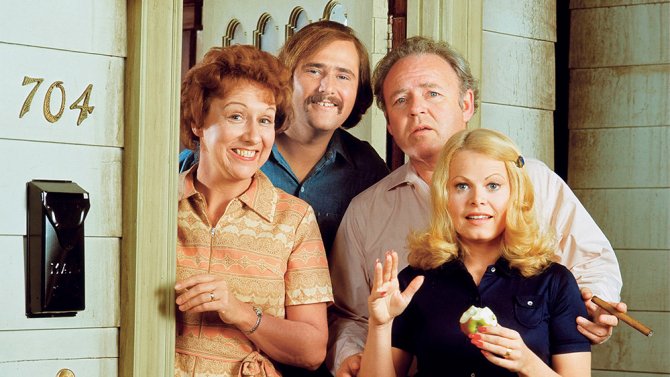
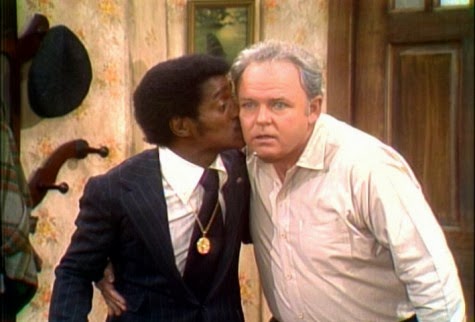
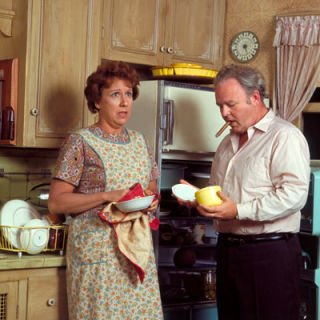
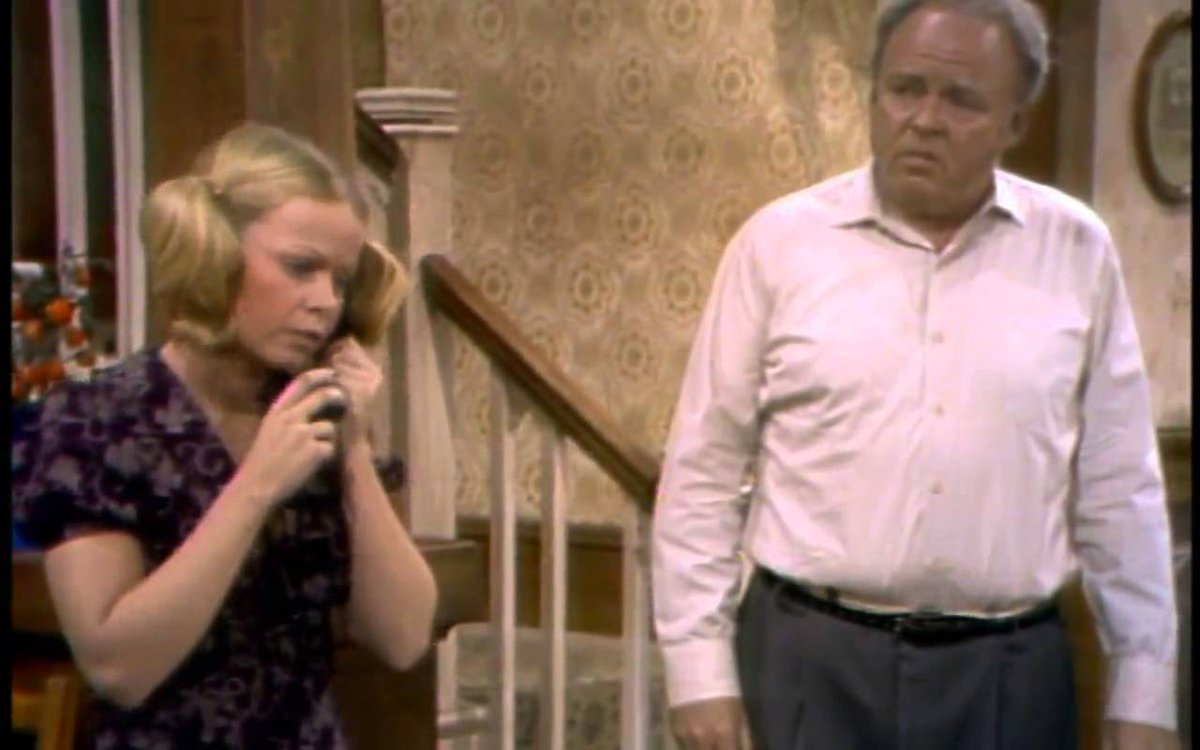
Perception refers to interpretations we take in through our senses. “All in the Family” is a television series with a lead character called Archie Bunker, he is the head of the family, hardworking, and very outspoken. His wife, Edith, is a sweet woman, and like to tell stories to express her feelings so that she is considerate of everyone, hoping they will pick up on the message without outright saying what she means. Edith is a housewife and works very hard to do her job, she organizes her work by the days of the week and because she is a woman she faces discrimination in banking and finding employment outside of the house. Their beautiful daughter Gloria is a loving wife and married to a young man name Michael, whom Archie calls “Meathead.” They all live in the same house, while Gloria works at a department store, which she was fired from for being pregnant, and Meathead is in school studying to become a college professor. Many people would assume that Archie is a bigot because of some of the things he says, but he does not really mean them, it was just the way he was raised. #RandolphHarris 3 of 10
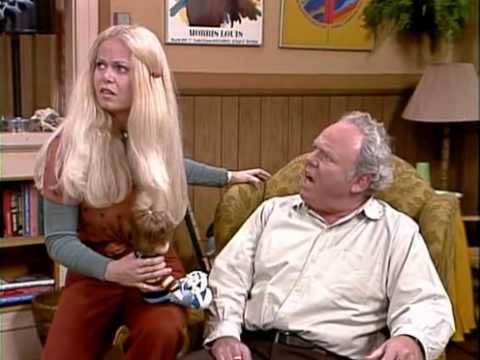
Archie is not racist, and he actually stands up for women’s rights, like the time he got Edith’s friend a job at his factory. Archie also supports equality and let his neighbor’s son, who is African American move in with them for a while when his father threw him out for being engaged, to a young lady who is half European American and African American. The reason people think Archie is racist is because of some of the things he says, but he learned these words and ideas from his father and never questioned his father because he was the man who raised him, fed him, provided “bread and bored” for him and protected him. So, in Archie’s eyes his father could never be wrong. And although Archie was conditioned to say certain things, he was a very loving man. When Michael finally got a job as associate professor and had to move from the East Coast to the West Coast, Archie was so very sad and did not want him to take the job. He had actually grown to love Meathead, and did not want to be far from his daughter Gloria and his grandson Joey. Sometimes we have to look beyond the surface to see what is really going on. Actions speak louder than words. #RandolphHarris 4 of 10
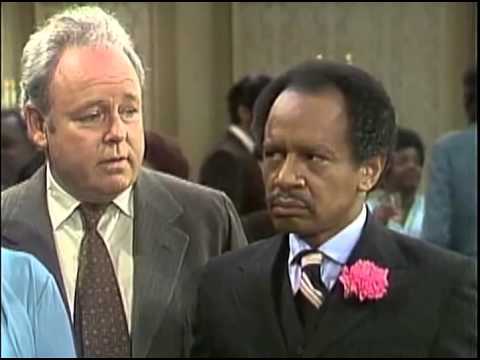
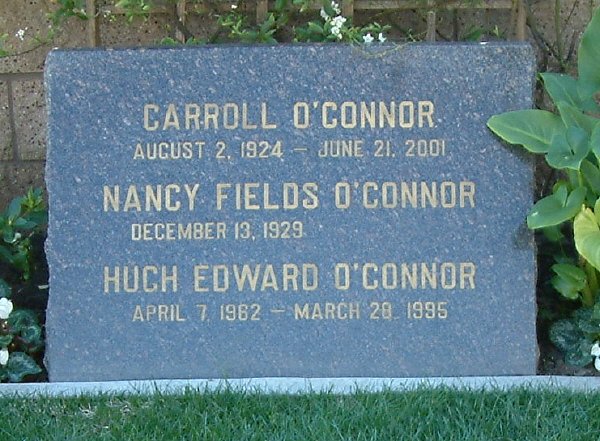
As I was watching this television show, I would call home to my mother and tell her about the funny things that Archie Bunker did and said. I really enjoyed watching the show because he reminded me of my grandfather and Edith reminded me of my grandmother. And I also started watching “The Jefferson’s,” and when I would go home I will tell my mother about the funny things that George Jefferson did. These shows are new to me, but when I was looking up the actor who played George Jefferson (Sherman Hemsley), I found out he had died. And it kind of made me sad. I was talking to my mother about how I see this man on TV every day and he is so very much alive to me, but how he was dead. And it is kind of sad to get attached to people and find out they are dead. Then, she broke the news to me that Archie Bunker is dead, too. I kind of had a feeling. So, I went home to look up information on Archie Bunker (Carroll O’Connor). Carroll O’Connor was Born 2 August 1924 and died 21 June 2001. He suffered a heart attack. His career spanned over four decades. #RandolphHarris 5 of 10

Carroll O’Connor went to the University of Montana-Missoula, he was an actor, producer, and director. His wife is still alive, her name is Nancy Fields O’Connor. In 1962, while he was in Rome filming “Cleopatra,” Carroll O’Connor and his wife adopted a six-day-old- boy, and named him Hugh O’Connor. They took him back to America and at the tender age of 17, Hugh worked with his father on the set of “Archie Bunker’s Place, which was starring Carroll O’Connor, of course. Then both father and son went on to work on the television show “In the Heat of the Night.” Unfortunately, Hugh O’Connor became addicted to drugs and when he could not break the habit, he called his father and told him that he was going to kill himself. By the time Carroll was able to get help to his son, he was already dead. Following his son’s death, Carroll O’Connor spent the rest of his life working to raise awareness about drug addiction. He successfully lobbied to get the state of California to pass legislation allowing family members of an addicted person or anyone injured by a drug dealer’s actions, including employers, to sue for reimbursement for medical treatment and rehabilitation costs and other economic and noneconomic damages. #RandolphHarris 6 of 10
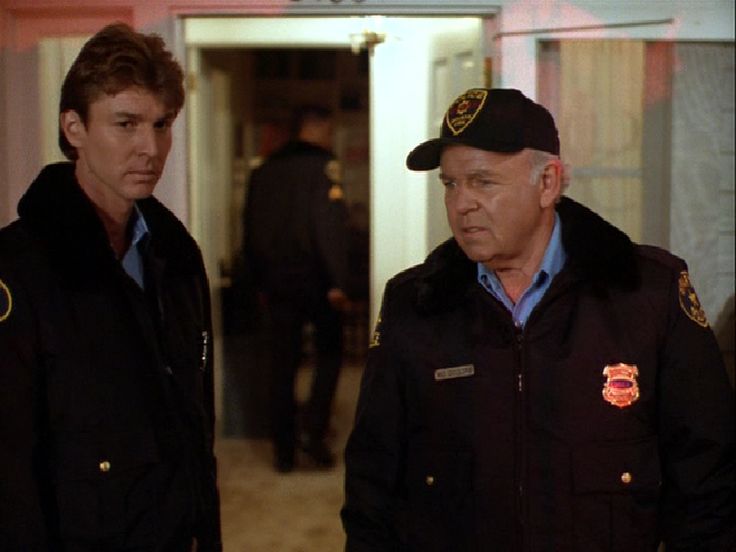
The law, known as the Drug Dealer Civil Liability Act in California, went into effect in 1997. It is also referred to as the Hugh O’Connor Act. Hugh O’Connor started the fight against the man who sold the drugs to Hugh. He called Harry Perzigian a partner in murder of Hugh O’Connor. “I can’t forget it. There isn’t a day that I don’t think of him and want him back and miss him, and I’ll feel that way until I’m not here anymore,” said Carroll O’Connor. It would be well I those who stifle their consciences, and commit crimes, would set up a sort of medico-moral diary, and record their symptoms minutely day by day. Such records might help to clear away some vague, conventional notions. Drug addiction is a serious problem in America. An estimated 570,000 people in America die from drug overdoses every year. Many people do not understand why or how other people become addicted to drugs. They mistakenly think that those who use drugs lack moral principles or willpower and that they could stop their drug use simply by choosing to. In reality, drug addiction is a complex disease, and quitting usually takes more than good intentions or a strong will. Drugs can change the brain in ways that make quitting almost impossible, even for those who want to. #RandolphHarris 7 of 10
Drug addiction is a chronic disease characterized by drug seeking and use that is compulsive or difficult to control, despite harmful consequences. The initial decision to take drugs is usually voluntary for most people, but repeated drug use can lead to brain changes that challenge an addicted person’s self-control and interfere with their ability to resist intense urges to take drugs. These brain changes can be persistent, which is why drug addiction is considered a relapsing disease—people in recovery from drug use disorders are at increased risk for returning to drug use even after years of not taking the drugs. People who suffer from addiction often have one or more accompanying medical issues, which may include lung or cardiovascular disease, stroke, cancer, and mental disorders. Imaging scans, chest X-rays, and blood tests show the damaging effects of long-term drug abuse throughout the body. For example, research has shown that tobacco smoke causes cancer of the mouth, throat, larynx, blood, lungs, stomach, pancreas, kidney, bladder, and cervix. In addition, some drugs of abuse, such as inhalants, are toxic to nerve cells and may damage or destroy them either in the brain or the peripheral nervous system. #RandolphHarris 8 of 10
Drug abuse and mental illness often co-exist. In some cases, mental disorders such as increased stress, depression, or schizophrenia may precede addiction; in other cases, drug abuse may trigger or exacerbate those mental disorders, particularly in people with specific vulnerabilities. Some research suggests that marijuana use is likely to precede use of other licit and illicit substances and the development of addiction to other substances. It should come as no surprise that the vast majority of heroin users have used marijuana (and many other drugs) not only long before they used heroin, but while they are using heroin. Like nearly all people with substance abuse problems, most heroin users initiated their drug use early in their teens usually beginning with alcohol and marijuana. There is ample evidence that early initiation of drug use primes the brain for enhanced later responses to other drugs. And Marijuana use is positively correlated with alcohol use and cigarette use, as well as illegal drugs like cocaine and methamphetamine. Allowing recreational use of marijuana is dangerous because of the aggressive commercialization of marijuana is now rampant and growing. #RandolphHarris 9 of 10
The legalization of marijuana increases availability of the drug and acceptability of its use. This is bad for public health and safety not only because marijuana use increases the risk of heroin use, but also because it markets marijuana and an array of increasingly potent products in ever more attractive ways that encourage marijuana use. Legalizing marijuana will have lasting negative effects on future generations, it will increase the national drug abuse problem, including expanding the opioid epidemic. Lawmakers in California “have been darkened in their understanding and separated from the life of God because of their ignorance that is in them due to the hardening of their hearts. Having lost all sensitivity, they have given themselves over to sensuality so as to indulge in every kind of impurity, with a continual lust for more,” (Ephesians 2-17-19). People who are addicted to marijuana are three times more likely to be addicted to heroin. With California allowing recreational marijuana to be sold in California, but it still being considered an illegal drug by the federal government, it seems with the Drug Dealer Civil Liability Act, families and employers can now seek help to pay for the problems and rehabilitation cost of their children and family members. #RandolphHarris 10 of 10

Until He is Dead– Fear is a Paralyzing Agent
 Somewhere there are phantoms having their own funerals over and over again. The same scene for centuries. Therefore, it is socially inappropriate to speak ill of a person in the aftermath of their death. De mortuis nihil nisi bonum (of the dead, nothing unless good). Demortuis nil nisi bene dicendum (of the dead, nothing spoken unless truthfully). Do not speak evil of the dead because once you do, you cannot apologize and take back the things you said. Their spirits may also put a curse on you. So, that sin cannot be forgiven. Perception is primarily of mental representations of external objects. People often feel that because a person is dead that they can say anything they want about the individual and it will not hurt them. However, some overlook the possibility that there may be people alive who love that individual and they will be offended by the unkind words. When you slander a dead person, you offend their relatives, friends, and fans. And it is not easy for you to locate each one of them and ask for forgiveness. This is more difficult than seeking a pardon of one who is alive, and it may also cause some to want to retaliate. Also, it is commonly noted that poltergeist cases tend to involve agents who are in their adolescent or teenage years. The median age of the agent is 14 years. Around 37 percent of the cases have an agent who is under 20. However, sometimes the agents can be as young as 8 or as old as 70. In many poltergeist cases, it has been found that the RSPK agent may be in a situation that is bringing about psychological tension for him or her, usually in relation to interpersonal problems with other people who live or work with the agent. There is hostility in the agent which cannot be expressed in normal ways, the main target for the anger being people with whom he is associated on a daily basis. #RandolphHarris 1 of 13
 There are more things in Heaven and Earth than are dreamt of in your philosophy. Psychokinesis means movement by the mind. The idea is what perhaps some people sometimes may be able, whether consciously or unconsciously, to move or otherwise affect things without pushing or pulling them and, indeed, without in any way touching either things in question or any other things involved in the process. Perhaps, it is suggested, these people or, indeed, all of us really can in some condition bring about changes in things by simply willing, as a gambler might wish that by simply willing and without any detectable cheating he or she could get dice to fall in ways one desires. Once this suggestion is allowed there seems to be room for an alternative description of many experiments which might otherwise have appeared to be unambiguous evidence of the reality of precognition. Such a description will be in terms of psychokinesis, guided perhaps by a measure of straight telepathy or straight clairvoyance. The subject may not, after all, really be the precognizing target. Perhaps that individual or somebody else is consciously or unconsciously influencing psychokinetically the target-determining mechanism in order to increase the degree of correspondence between the guess series and the target series. #RandolphHarris 2 of 13
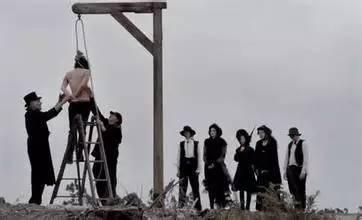 A body/skeleton was found in a Gage County, Nebraska riverbed in March of 1873, and it was thought to John Cameron’s remains. William Jackson Marion was suspected of the murder because the year earlier, he and John Cameron left Nebraska and headed to work on the railroad. However, just days later, William Jackson Marion returned alone with John Cameron’s team of horses. William Jackson Marion was eventually convicted for murder and was hanged in Beatrice, Nebraska 25 March 1887. An article in the Omaha Daily Bee on 26 March 1887 declared there was, “No doubt that he was guilty and also guilty of other murders in the Indian Territory.” However, four years later in 1891, after William Jackson Marion was executed, John Cameron turned up alive and explained that he had, in the nearly twenty years since his “murder” traveled to Mexico, Alaska, and Colorado. He had fled out of fear of a paternity allegation, and sold his team of horses to William Jackson Marion and still have the note William Jackson Marion had given him for payment of the remainder. One Hundred years after his hanging, on the 25th March 1987, William Jackson Marion was pardoned posthumously by the State of Nebraska. We just recently reached the 130 year anniversary of Mr. William Jackson Marion’s hanging. May God bless you and restore you house, horses, and provide you with a happy life in Heaven. #RandolphHarris 3 of 13

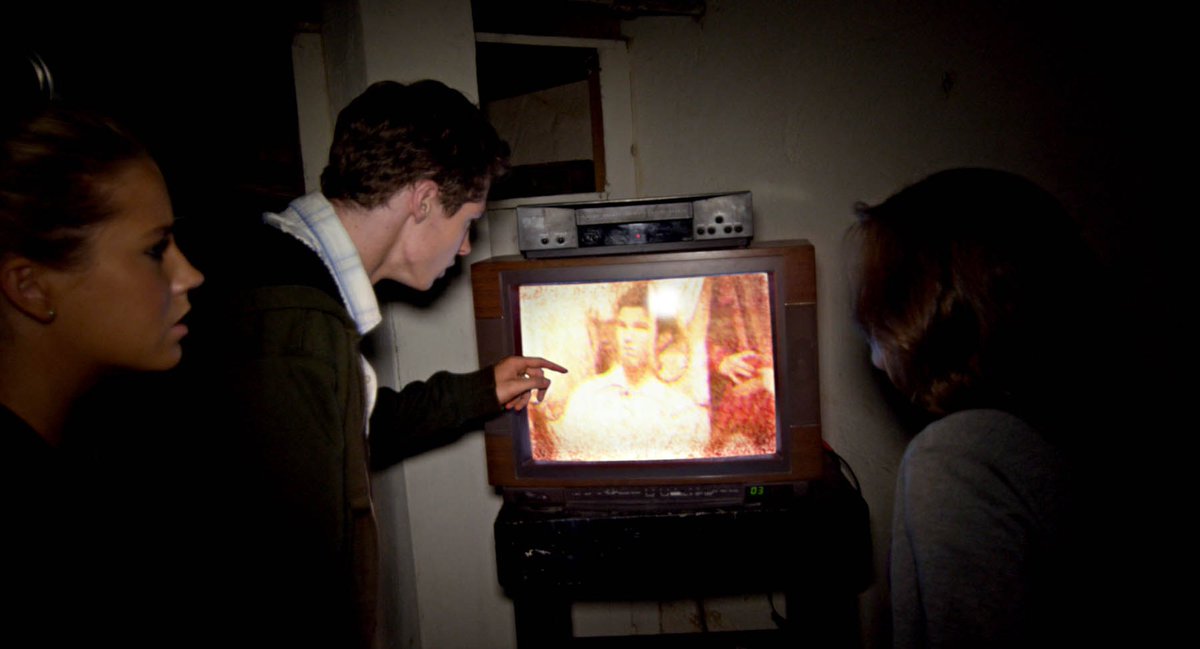
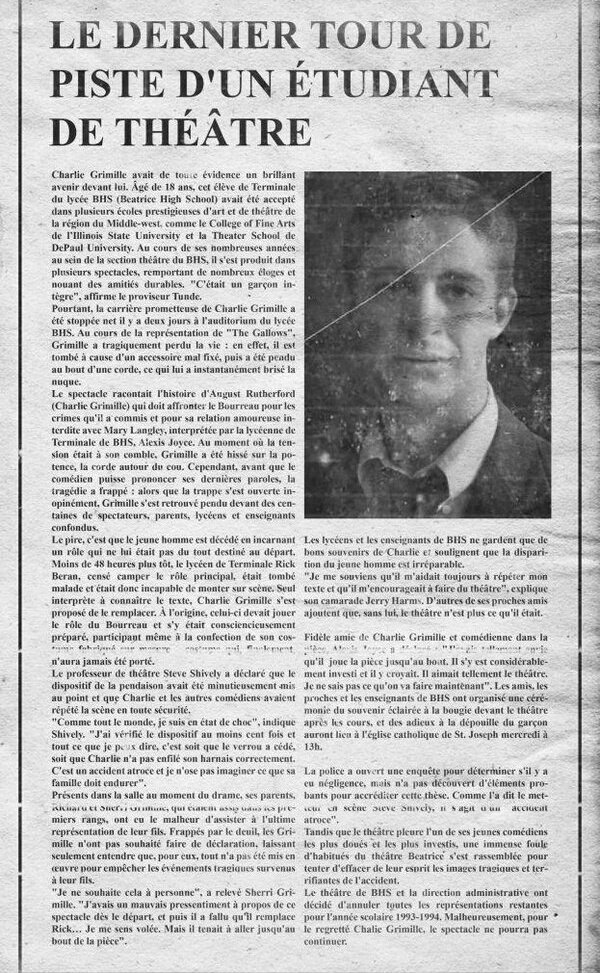
Poltergeist experiences or cases of RSPK, are, but the currently held model, related to the subconscious mind of a person in the situation where the disturbances are going on. That person is generally in a stress-related tense, and frustrating situation or relationship. Where most people would respond to the stress in a variety of normal ways, from punching the walls or throwing things to have nervous breakdowns or experiencing physical illness, or poltergeist agents have an alternate means of blowing off steam. For some, the reaction to stress is a subconsciously directed psychokinetic outburst. Called a subconscious psychokinetic temper tantrum. There was a local playhouse, and a movie was made based on a fictional character, but experiences that really happened. When the directors of the film, The Gallows wanted to remake a high school paranormal activity reenactment of the hanging of William Jackson Marion, they may have gotten more than they bargained for. When you watch the tape, it is labeled as “Police evidence.” The plot is set in 1993, when high school students are in a theater putting on a production The Gallows. Charlie Grimille, who is playing August, is in love with Mary (Pfeifer Ross) in the play is accused of murder and is accidentally hanged and killed after a prop malfunction with the gallows, and the trap door broke, he fell through with a noose around his neck and died. A live audience witnessed the unbelievably morbid event. Charlie’s death haunted the town and his spirit never really seemed to leave the theater. Now, here is where the twist comes in. While watching the film, I thought to myself this seems really real. However, just wrote it off as good acting. The part that seemed really real to me was when the students, 20 years later, put on the play The Gallows, again. So, anyway, there is a reason it seemed real because some of it was. #RandolphHarris 4 of 13
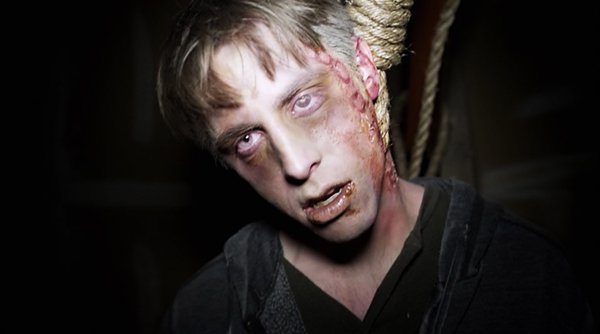 The film had a low budget of $100,000.00 and is a Warner Brothers production, but the total remuneration of more than $43 million. The Directors, Chris Lofing and Travis Cluff wanted the film to seem real and they decided they were not going to tell the audience that Charlie Grimille was going to hang, so when they hang him, the audience would think something went wrong in the movie. Like, in the Crow, when Brandon Lee was really shot and killed on set, much like his father Bruce Lee was. Once Charlie dropped and there was chaos, the directors wanted to see how long they could let it go before people freaked out and called the police. The actors knew that Charlie was going to be hanged. They even practiced the play in a fake way with the audience watching, and Charlie took the noose off and got away, so everyone thought that is how it was supposed to go. And they practiced that way three or four times and then they rolled the cameras. However, the directors wanted the cast to be scared and freak the audience out, so they changed the script a little and hanged Charlie a lot soon than anyone expected. And everyone was shocked, they thought someone had just died. It has been noted that when a RSPK agent is upset, strange things happen, things blow up and such, and the the individual feels less stressed out. Investigators notice higher levels of paranormal activity when an RSPK agent is upset. So, the consequences of torture and oppression may not be as isolated as the tormentors would like. However, you also have to keep in mind, if there is an RSPK agent, and people suspect this, there may be cases of fraud when things are staged to make it look like the agent was responsible. #RandolphHarris 5 of 13
 Nevertheless, the real creepiness does not stop there. To make the movie feel real, the directors told the actors that the movie was based on real events that took place in Beatrice, Nebraska USA, and after doing research, I discovered that it was; just not in the theater. Still, the directors took it a step further to scare the cast, they had pictures, newspaper articles, websites that they had fabricated to make it seem that the movie plot was exactly real and happened in the timeline that they created. So, the actors were afraid. And this is exactly why people do not want actors and movie producers to be involved in government or media because they can stage events with all the technology, get people to lie and turn news into terrorism and pure entertainment for profits. When Cassidy Gifford was interviewed, she said they did not want to say Charlie Grimille’s name. The directors and actors said that weird things that were not scripted did happen on set. The movie was shot in the most haunted location in Fresno, California USA. They said it felt like a place where someone would drag someone and lock them up for a long time, and that it felt like something else was living in the theater. Ryan Shoos, one of the main characters said that he was acting tough, but really scared. Pfeifer Brown in a haunted bathroom heard a loud thud and started screaming like she was scared for her life. Perhaps this could be traced back to some causal ancestor common to both the anticipated and the fulfillment, or it could be the law of averages. If you play around with unknown forces long enough, you are likely to be confronted with a remarkable case of genuine telepathy. #RandolphHarris 6 of 13
 In 41 percent of the paranormal cases, the phenomena began after a move, an illness, or another kind of event that me be stressful or upsetting to people. In 20 percent of the cases, the phenomena started when a bout of rage, disappointment or great frustration was displayed by the suspected RSPK agent. In 8 percent of the cases, the agents were characterized, prior to the start of the disturbances, as already suffering from a mental or emotional problem, or were in a state of physical distress likely to have emotional consequences. This may have important implications for the human side to poltergeists. Cassidy Gifford said that they locked her in the haunted bathroom and they were supposed to stay in there for fifteen minutes, but after five minutes in the faulty building one of the water faucets turned on and she turned on the lights and started crying. And there was no one there. It is possible that some people may be able, whether consciously or unconsciously, to move or otherwise affect things without physically touching them. The director Chris Lofing said that most of the weird stuff happened late at night on the stage. That they would hear loud thuds and then the chains in the rafters would start rattling. And I believe that they did experience paranormal things. Perhaps he or somebody else was consciously or unconsciously influencing psychokineticaly the target-determining mechanism in order to increase the degree of correspondence between the guess series and the target series. I was doing research on King James and how he thought witches tried to sink a ship he and his wife were on with a storm and then a pot of water on my stove had a huge bubble, a water bubble shot into the air. Also, while I am writing this, the grapefruits on the tree keep falling and making loud thugs, in the past hour in a half, ten have fallen, which is unusual. And another time I was doing research on witch craft these big moths came out of nowhere when I was in my bedroom and I killed one and flushed it down the toilet. #RandolphHarris 7 of 13
 Then the next few days another one appeared and flew around and I went to get a newspaper to kill it and it hit the floor and disappeared and I move everything and vacuumed and could not find it, so kept the light on for a few hours, I was freaked out. Because the research I was doing talked about the spells and moths and bones and blood and such. Much like that theater, this building I live in is old and four people on my floor have died and about ten people have died in the nine years that I have been here. One lady told me that someone died in my apartment before, too. One of the actors from the actual film, Reese Mishler, said he had some pretty weird experiences. Reese did not like the auditorium because he and Ryan both head something at the same time, and they have it on camera. It sounded like metal chains to them and as Reese talks about his experience, his eyes are bulging out of his head, he looks scared. Pfeifer Brown said as actors, the thing they experienced scared them to death being on set. One of the scenes they were filming, Reese and Ryan Shoos were having an argument, and the directors says this was not supposed to happen, but the ropes on the fly rig were recorded vibrating and it got intense, but Ryan and Reese did not notice it, but it is on tape. 41 percent of the paranormal cases involving moving objects were described by the witnesses to be floating, fluttering, falling in a zigzag patter, or curving around sharp corners. Similarly, objects that displayed unusual flight paths were described in 45 percent of the cases. Some objects were also described as changing their speed while in motion. We are confronted with causes operating backward in time and they may have spring from something less discreditable than complacency. #RandolphHarris 8 of 13
 The paranormal on set might even be one manifestation of a conviction that wanted to accommodate such a phenomenon and produce something much more radical and much more retiocinative than a paradoxical screenplay. Ryan said that things you do not see are the things that scare you the most and sometimes he would go a week without sleeping. Pfeiffer said that scariest scene takes place in the attic because the things that happened in the attic were not planned. She said they do not know some of the different things that happened and some of the different things they heard. And each take they would go deeper and deeper into the attic, and each time they were going they did not think it was a good idea. Reese looked scared and did not want to walk down the hallway. On the eighth take in the attic, which ended up being the last take, they heard a quiet sound saying, “Reese.” Reese and Pfeiffer got really scared and ran and were screaming like they were in danger. And actually, watching that movie and the outtakes did kind of freak me out. As I was watching it, I remember thinking, “A movie has not scared me in a long time.” The way I came across the movie was odd, too. I was shopping and two guys were looking at videos and I wanted one, and a movie fell on the floor, so I reached down to pick it up and then saw The Gallows sitting on the floor and bought it. Like it was waiting for me. The poltergeist is both an expression and a release mechanism (or safety valve) of an for this inner hostility. This explanation also tells us a great deal about the specific dynamics of the poltergeist—that is, it actually explains quite neatly just why the poltergeist acts the way it does. I am sure that all readers have seen what happens when a young child becomes frustrated, or when one becomes angry after being scolded for being naughty. The child is apt to throw a tantrum by slamming doors, throwing toys about, banging on the walls, and displaying other aggressive acts. Newton’s III laws state energy is not destroyed, it is only transferred and each action has a separate, but equal reaction. So poltergeist usually are a product of the youth because they have no means to resolve their issues on their own since they have no authority. It does not take much insight to realize that these are the exact activities in which poltergeist engages. Like a frustrated youngster, it too bangs on the walls, throws things, and slams doors. #RandolphHarris 9 of 13
 It seems that any explanation or, if that now becomes too strong a word, any account of precognition as such will have to center on the notion of coincidence or something very like it. The laws, if there are any laws to be discovered, will describe the conditions under which we may expect to find precognitive correlations. Perhaps, there is a built-in suggestion that such phenomena are both more common and also somehow more significant than might be thought. Upon hearing all of those thuds of grape fruits falling from the tree, for two hours, the last one being the loudest, I stepped out on the balcony and see nothing, but circular water spots, and a white bird screamed and flew overhead. Then there were sounds of something in the bushes. So, yeah, I find this stuff interesting, but it is spooky. I really think you can open gate ways by what you choose to focus on. Playing with things occult like the Witch (Oujia) board is very dangerous. If you try to contact dead family members, you are not speaking with them. You are speaking with demons and you will indeed open your body up to them. All it takes is one time. Updated to the mystery of the thuds I have been hearing, I just head another and it is someone throwing water bottles off a balcony above me. And now, about 13 “fireworks” just rapidly went off. Anyway, remember Poltergeist, which was an American horror film series? It was rumored that a curse attached itself to the poltergeist trilogy and its crew, because two of the young cast members died, and the oldest cast member died. #RandolphHarris 10 of 13
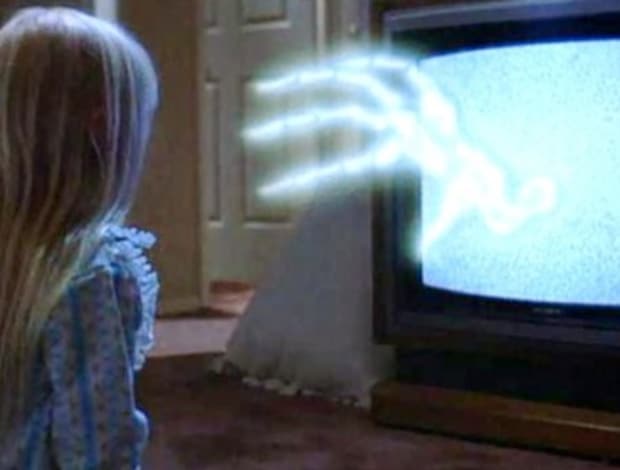 In each case the reason for talking of precognition is not that any particular guess can, at some stage, be identified as precognitive but, after the guesses have been checked against the targets, the proportion of hits in a series of guesses is found to be significantly above mean-chance expectation, it seems likely that there is some parapsychological phenomena. In poltergeist cases, the object movements and noises may be seen as a similar kind of psychokinetic influence, but on a much larger scale than dice or random numbers. An emotional expression seems to be a factor in many poltergeist cases. The rumors of the curse of the Poltergeist was said to be caused because they used real skeletons as props. Dominique Dunne, who played the oldest daughter Dana in the first filmed died 4 November 1982, at the age of 22 after being strangled by her abusive former boyfriend John Thomas Sweeny. Heather O’Rourke, who played Carol Anne, died 1 February 1988 at the age of 12 due to complications from an acute bowel obstruction. Zelda Rubinstein, who played Tangina Barrons, died 27 January 2010 at the age of 76 from kidney and lung failure. There are countless other tails of Supernatural terror. Rosemary’s Baby, the producer came down with kidney stones and allegedly sent Charlie Mason to murder the director’s wife. And there is the curse of The Omen. It came out 6 June 1976. John Richardson, the special effects consultant, was involved in a car crash that killed his girlfriend/assistant, Liz Moore, on Friday the 13th. The accident was similar to one he planned in The Omen and when Richard regained consciousness, his car odometer was at 66,6XXX. #RandolphHarris 11 of 13
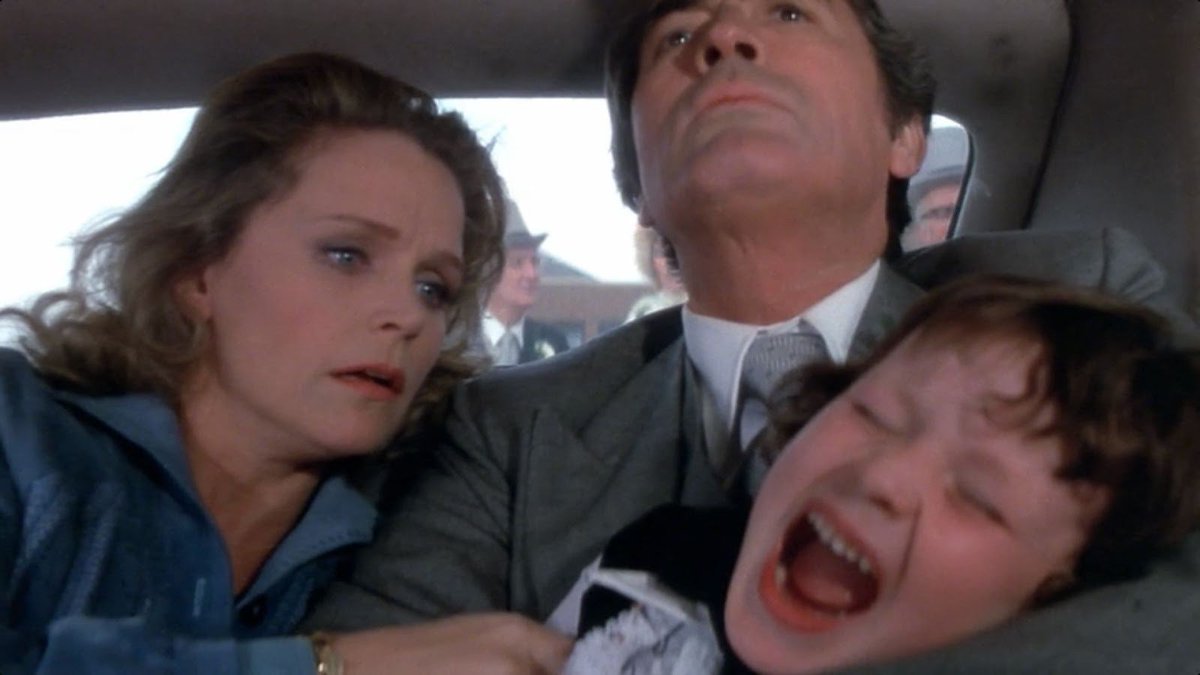
A poltergeist is a large-scale form of psychokinesis or mind over matter in which anomalous physical phenomena (such as moving objects, electrical disturbances, and noises without any obvious source) repeatedly occur in the presence of a certain person over a brief period of time. The large-scale psychokinesis (PK0, occurs largely on the unconscious level, is known as recurrent spontaneous psychokinesis, or RSPK, and the person around whom them phenomena occur is known as the RSPK agent. Actor Gregory Peck was cast as ambassador Robert Thorn, the adopted father of the Devil child, in the Omen. Shortly after Gregory Peck took the role, his son shot himself in the head without the slightest warning or explanation. Then Gregory’s plane was struck by lightning, causing the engine to catch fire and nearly crash. Three days later, The Omen’s screenwriter David Seltzer was also on a flight on his way to the United Kingdom and his plane was struck by lightning. Now, for you plane to crash, you have to take the same exact flight for nearly ten years, everyday. That is how unlikely a plane crash is. However, shortly after, the executive producer Mace Neufeld was in a plane that was struck by lightning. And the producer Harvey Bernhard was in Rome, a lightning bolt barley missed him. Then the production rented a plane to shoot an aerial view of London, the rental company had a last-minutes switch, resulting in the plane going to a group of Japanese businessmen instead. It hit a car, killing everyone in that as well. Also, on the first day of shooting The Omen, several of the main crew members were in head-on car crashes. Gregory Peck was attacked by a vicious pack of Rottweilers (hellhounds are said to attack people who sell their soul). #RandolphHarris 12 of 13

Poltergeists are person-oriented phenomena rather than spirit-oriented. So it is almost like an individual is haunted by spirits, ghost, supernatural powers who have some affect on the being and what happens around the individual and these ripples can be magnified depending on what is happening to that being. Although apparitions are sometimes witnessed in poltergeist cases, this tends to be rather uncommon. The apparitions in poltergeist cases do not always seem to represent human figures, but can also take on the form of animal figures, body limbs, demonic figures, and amorphous shapes that may be indistinct, shadowy, or mist-like. If we were to limit ourselves only to those involving human figures, we may find that the apparitions more often reflect the personalities of living people rather than those of dead people. The day after shooting The Omen was done at the Longleat Safari Park, a London zookeeper names Sidney Bamford was killed in the lion area. He was working for the production as a big cat wrangle for a scene that was meant to appear in the movie. In a scene that showcased zoo tigers, who were menacing the possessed son, Damien, one of the tigers was not properly secured post-filming, leading to a fatal attack on the animal expert. The hotel of the crew members was attacked and a restaurant the cast and crew was in route to eat at suffered an explosion before they got there. The Omen was remade and releases 6 June 2006, and Pete Postlethwaite, who portrayed Father Brennan suffered the loss of his brother, Mike. This was after mike drew three sixes at poker. Black magic operates most effectively in preconscious, marginal areas. Casual curses are the most effective. People tend to fear ghost in their own family. You feel these family curses and think, “If it happened to my father, it could happen to me.” There are a lot of curses and mysticism and real scares. #RandolphHarris 13 of 13

Secrets and Lies—a Look into the Mind of Ben Crawford

Virtue, sooner or later, meets the good it merits. There is no casting of swine’s meat before men worse than that which would flatter excellence as though its true origin were not good enough for one, but one must have a lineage, deduced as it were by spiritual heralds, from some stock with which one has nothing to do. Virtue’s true lineage is older and more respectable than any that can be invented for one. Ben Crawford is so attentive to details and sees the entire perspective. With thoroughness and honesty, carefulness, ethical behavior, and morality, Ben Crawford strives to be structured, logical, and efficient, while he uncovers a mystery. Ben Crawford displays all of these good qualities when investigating the murder of his son and trying to protect and keep his family together, by addressing the problems with the police investigation, before they can grow larger. By addressing his concerns, Ben Crawford will maintain better healthy overall, and live a more quality life because he does not just sit back and let stress eat him alive, he takes action. Conscientious individuals like Ben Crawford perform better at some jobs than others like Detective Cornell.

Although Detective Cornell is reliable, she tends to be excessively meticulous, and may be less efficient than Ben Crawford. While Detective Cornell spends all morning try to craft Ben Crawford as a suspect, only paying attention to details that make him look guilty, she is being unproductive because she is ignoring other possible motives and suspects, as her job is to solve a murder by noon. Adhering to procedure while trying to frame Ben Crawford for killing his son, Tom Murphy, makes the actual criminals, who really killed him leave an orgy of evidence behind because the real suspect knows he or she is not under suspicion. And this is why Ben Crawford take charge of the murder investigation on his own. Because everyone else in his life, including investigators, seem to be so lackadaisical, self-absorbed, and unethical, Ben Crawford develops an anxiety disorder known as obsessive-compulsive personality disorder (OCPD) because he is going to lose his freedom and possible his life for a crime he did not commit just because it is easier for the police to label him as a suspect and close a case, than to figure out who actually committed the crime.

People with obsessive-compulsive personality disorder (OCPD), which in this case we are jokingly calling “Obsessively Corrupt Police Department,” is a mental condition in which a person, Ben Crawford, is preoccupied with rules, orderliness, time awareness, vigilance, self-direction, and attention to detail because he worries that he has not done everything necessary to feel safe and secure. As a result of his OCPD, Ben Crawford cannot see everything wrong with his behavior. Ben is overly aware, scrupulous, rigid, inflexible, suffering a great deal of stress, and this is becoming deeply ingrained in his personality pattern so much that people cannot stand to be around him, as they know he can see through their vices and snarky comments. At first critics could not tell if Ben was connection, because he knew something was wrong, but seemed to be in some type of a mental fog, but now everyone fears Ben Crawford because they see he is highly cognitive. So to push him over the edge, or disrupt his mental state people play games with him, and taunt him, and even physically assault him, as a method of trying to drive him crazy because they think he is on the verge of a breakdown, after all, under these conditions most people would be.

Ben Crawford is looked at as guilty by everyone in his community, they spray paint “Child Killer” on his garage, start to fire him from his jobs, and no one will hire Ben because he is so demonized by his community. Others jump in on the game by vandalizing his car, planting evidence, breaking into his home, and even turning his wife and children against him. To make matters worse, Ben’s neighbor kidnaps him and tortures him and tries to kill him if he does not confess. And the man that thinks he is the father of Tom Murphy, strangles Ben Crawford and also tries to beat him to death. So the entire community has turned against Ben, even his wife and children, and he has no money, no one to turn to for help, and is about to lose his house, who would not go crazy, right? Well certainly NOT Ben Crawford. Ben Crawford has proven himself worthy of retaining this higher state of consciousness, it makes him who he is. Ben Crawford proves that he is not lost in the wilderness, but mostly everyone else is. He is a hero and gaining skills and performing heroic deeds, and his journey is also spiritual. Virtue is God’s empire.

Secrets and Lies—Unauthorized
My heart is in the happy position of a country which has no history or debt. Our friendships and intimacies are only calculated for strong life and health. People reap only the harvest they have sown in the World. Even in this life, God is righteous. This Thanksgiving, let us not forget about those who have suffered a loss of a loved one. The pressure of grief is sometimes such as to prompt us to seek a refuge in voluntary death. Everybody thinketh their own grief greatest. For most people, the feeling of loss and sadness fade with time and support. Some people, though, experience grief on a deeper level. When the situations surrounding their loss are unusual, we may forget that death may be a natural part of life. The grief does not go away. Instead, it may lead to fear, anger, hatred, and aggression. Ben Crawford experiences immense grief because they experienced immense loss. Understanding the way grief and modern views of masculinity interact may help explain how some people view Ben Crawford as privileged and ruthless. Sorrow is a deep emotional distress that is caused by the loss or distance of a loved one. Sometimes intense sadness and yearning for a loving relationship may occur, and it may be challenging to control. People who have unwanted distance from a loved one may feel vulnerable or worthless. It typically changes one’s views of the World and the future. Understandably, there is a lot of work to get through emotionally when you lose someone you love.

Grief usually follows a predictable pattern that starts with shock or emotional numbness. A person may be in a dazed state where they how no emotion because they cannot accept the reality of their loss. Then they will experience sharp pangs of grief. These re episodes of painful yearning for the person that has departed or moved on. Sometimes the one left suffering will sometimes have anguished outburst of anger because their desire to have you back in their life is intense, and they may form relationships or friendships with others and pretend that they are you. They may hear your voice, or see you vividly in their dreams. A person who experiences a loss may even try to resurrect you by bargaining. That means they are making deals or offerings with others or a higher power to bring you back. The person suffering the loss begins to dwell how they could have avoided losing the one they loved in the first place. The powerful reactions of grief gradually give way to apathy, demoralization, and deep despondency because the person is facing a new emotional landscape with a large gap that cannot be filled. Life seems to lose much of its meaning. They may also experience insomnia, loss of energy and appetite. Not everyone reaches the stage of acceptance. They cannot and will not let go and have a deep faith that you will return. In the TV show, “Secrets and Lies,” the lead character, Ben Crawford experiences these stages when his son is kidnapped and killed by someone he loves. He spends months trying to figure out what happened and even blames himself and suspects that he may have killed his own son. No one else in Ben’s life seems to experience as much pain as he does about the loss of his son, mostly because they were upset that he had been born and blame the boy for breaking up their family. The mother of Ben’s son even convinces herself that Ben raped her because she was trying use the birth of their son to break up his marriage and win Ben back, but when her plan did not work, she reported him to the police.

However, Ben remained resilient, he was able to cope with the loss of his son, even though the people in his life tortured him mentally and physically. Ben remained emotionally stable through the process. Some people who experience psychopathological conditions, such as depressive symptoms, will return to their normal level of functioning after a period of healing. Others, like the mother of Ben’s son, will experience chronic dysfunction, which is a psychological symptom that may not heal as quickly as those following a traditional recovery trajectory. Chronic dysfunction in their everyday life can be traced to the grief and troubles with resiliency. In people who do not initially shows signs of distress, symptoms may appear months later, and if they are trying to replace the loved one with someone new, this is when the substitute is rejected. Regarding trauma, posttraumatic stress disorder may not manifest full diagnostic criteria until six months or more after the traumatic event. Ben Crawford’s trajectory is that of chronic dysfunction, but the symptoms were delayed. His losses affect him throughout his lifespan, he was disowned by his father, rejected by his wife, and even his children looked down on him. This guides Ben’s wild and reckless behavior. His lack of love makes him act out in anger and hurt because he is trying to release his pain, and may not be aware. Ben Crawford was diagnosed by Detective Cornell with persistent complex bereavement disorder (PCBD). In PCBD, the feelings associated with grief last longer than expected for the bereavement process. This process was intensified because Ben had no idea the boy was his son, but had spent time with him and loved him, until Ben was accused of murder of the boy and a DNA sample was taken. What makes matters more challenging is someone Ben loves deeply and sees everyday killed his son out of a jealous rage. Though the time frame is longer, PCBD involves the same symptoms as bereavement. PCBD, which some joking call “Politically Correct Baby Daddy” in this case may also be diagnosed when the loss is traumatic in nature.

If the trauma leads to post traumatic stress disorder (PTSD), a person might also exhibit symptoms of both PTDS and PCBD. In a case like Ben Crawford, PTSD is a reaction to avoid constantly being reminded of the trauma and PCBD is preoccupation with the loss. As you can see, grief for men can be complicated by a phenomenon known as normative male alexithymia, a mild condition wherein men are unable to put their feelings into words. This stems from the social engineering that says if men express emotions they are weak. So when people interact with Ben Crawford, the notice he is very intense, he does not talk much and he generally seems sad, depressed or like he is ready to fight. Ben does not want to be seen as feminine because he already feels like a victim, but does not want anyone to know that. So anything that is feminine, like smiling and expressing joy, is inherently seen as undesirable by Ben. He wants his wife, who is about to divorce him, and his children and friends to see him as a Roman God, a pillar of strength, control, power, and masculinity. Ben also wants people to know he is in control, so he manipulates his loved ones, but he is doing it out of love. He wants them to see that he really loves them and his tyrannical ways are his means of protecting them. Ben Crawford also takes risk by trying to resurrect his son. The more dangerous the risk, the more masculine the individual (some of these scenes did not make it into the mini-series, and the director actually recast the show with all new actors, only retaining Detective Cornell as producers thought the content was too mature for audiences).

Ben Crawford’s inability to voice his feelings is common in many men, and societal pressure to act in a masculine fashion directly interferes with the processing of grief. Out of fear of his feelings, Ben turns to substance abuse and becomes angry, hateful, and everyone can tell he is suffering as his dark soul shines through, and at times his baby blue eyes appear black as night because his grief becomes more intense overtime and this turns into anger and rage. He chokes his wife and steals her money, then cheats on her; is he trying to be her? It was truly a “Single White Female” moment. He even tries to pass the cheap copy off as his wife, she is pretty, but does not hold a candle to his wife. Ben’s grief is transformed into anger and he blames his family for the loss of his son, as he throws something at the wall, he finally breaks down and cries, as he falls to his knee screaming, “I hate them!” Ben Crawford’s wife finally divorces him, takes his kids, and moves on. She meets a new man, and Ben almost ruins her new marriage with his antics and drama. However, she was able to put some distance between her new life and Ben, and saved her marriage. Ben Crawford is finally released from prison, after claiming he murdered his son, to protect someone he loves. He changes his career, changes his partners, starts drinking, doing drugs, having sex with a lot of people because he is attempting to surpass his emotions through willpower.
One night, after a Halloween party, Ben wakes up feeling like his intestines were reorganized and pounded, he concludes that he was drugged and raped by two fat gay guys, who had been in his hotel room that night. However, no one believes that Ben was raped because the was seen taking pictures with the guys, posting them on social media, and have even admitted to picking guys up off the street to party with him. One inspector tells Ben, “You are a got damn liar! You took this guys back to your hotel room to play cards?!” A reporter, however, defends Ben Crawford and explains that he may have “jet lag,” and been unaware that he may have enticed these men to violate him. Still, no charges were filed. Ben Crawford, now alienated by friends and family, is still trying to resurrect his son, and tells people, “Nothing can stop that now!” Everyone thinks Ben has lost his mind. He is trying to get away from the darkness by making things right. Fatherhood is a complicated thing—as is parenthood itself, of course—but this father has a different role to play in the child’s life than the mother does. Ben does not know it, but his son came back to life. He sees him on Twitter, and hears all of these wild stories about how no one knows where this boy came from, how his mother rejects him, and how people literally attack the young man. Although time has passed, Ben starts to suspect this is his son, and they start chatting. The young man has no idea he is talking to his father, and he has no idea that his father has been spying on him and following him around. You see, a strong father-child bond correlates with that child being able to regulate his emotion states in a healthy way, exhibit social competence, make friend, have meaningful relationships, and few psychological and behavioral difficulties. This young man is having so many problems because society believes that his father betrayed him, and he was brought back from the dead, but has no idea.

Ben’s son spends time trying to figure out what is wrong with him and why people hate him. He even gets involved in dark sciences and finds an explanation, and when he tries to explain some of his theories to his only friend, she tries to kill him and tells him that he is off kilter. The funny thing is that this happens on a Summer day, it is 100 degrees Fahrenheit and she is wearing a heavy scarf around her neck. This case study or mini-series is a cautionary myth about why boys need a strong father figure, what happens with the identity of a child is conceal from the producer, and how using dark science can have consequences. The losses Ben Crawford endues—and the brutality by which those losses turn him into a fearsome monster shows us that redemptions is possible through faith and love of his son. Ben Crawford finally gets to look into the eyes of his son, for the very first time in years, and he smiles. We can choose God as our ruler by seeking out and practicing true worship based on God’s word, the Bible. We can reject darkness as our ruler by keeping out of politics and war, as Ben Crawford did. Darkness uses his power to promote immoral, harmful practices. When we reject such practices, some friends and relatives may not understand and ridicule or oppose us. So we face a choice. Will we associate with people who love God? Will we obey his wise and loving laws? If we do, we prove that Satan lied when he claimed that under pressure no one would do as God says. God’s love for mankind guarantees that evil and suffering will end. Those who demonstrate that they believe this will enjoy life on Earth forever, and you loved one will return also and you will have peace.

 Randolph Harris II International Institute