
Home » Touching Home (Page 22)
Category Archives: Touching Home
Undergo Whatever Fate is Asking of the Soul
 If we want Sunshine, step out into the Sunshine. A deepening of consciousness sometimes requires a strong move in life. Sometimes living on our own could be a way of getting to know more precisely what our souls are searching form. Love finds its soul in its feelings of incompleteness, impossibility, and imperfection. There was once an Angel who came to visit Earth. He found himself in the usual stream of human activities and found himself fascinated with the television. As he watched the news for the first time, he heard negative comments. Some of these news anchors who were supposed to be an authority called religion a mental illness and said that there might be a way and human life would be destroyed. The news reporters also went on to say that there would be a great epidemic of illness, and that financial hardships were certain to limit us all. He heard that there was not enough food, water, and housing to go around, and that people were going to die as a result. He felt like he needed to take a bath in holy water to rid himself of the negativity from the news. The Angel began to wonder if these things might not be true, and even as he entertained the thoughts of negation to which he was listening, the brightness of his angelic presence faded into dark shadows. His form seemed to shrivel, and looking at himself he saw that he was dressed as a human being, walking the Earth in fear, doubt, and uncertainty. #RandolphHarris 1 of 7
 And so the weary years went by, years of unhappiness and impoverishment and dread, years so filled with stress that he wished her were dead, and that some oblivion might forever swallow him up. And yet, even in the midst of all this, something within him remembered that he was once an Angel of God, living in a Heaven of beauty and a place of peace and joy, living in a garden of Eden which God has provided for him. And, remembering, a determination arose within him to somehow or other find his way back to this lost paradise. Hunger and love are two things that motivate the World. Hunger could be taken to represent the instincts which aim at preserving the individual; while love strives after objects, and its chief function, favoured in every way by nature, is the preservation of the species. This situation shows that there is something about him that is superior to the experience he is having. This determination grew into a great faith, and as his faith was renewed, a light seemed to shine in the distance; and he had the courage to travel toward the light. As he did, a miracle gradually took place. The Angel found that the shadows were being cast behind him, until finally he so completely entered into the light that no shadows were cast at all, and he started to awaken to the reality of God. #RandolphHarris 2 of 7
 We must undergo whatever fate is asking of the soul. We think we know what love is about, both theoretically and in an episode of life, but love sometimes leans toward the mysterious dark niches of the soul’s underworld. Life takes us to the edge of what we know and have experienced, and this we are willing to assent to love and freely awaken out of sleep. So let us wake up, and let us be certain that we no longer drug ourselves with the sleeping potion of fear and uncertainty and doubt, but awake into faith and confidence, into peace and joy, into love and happiness. For there is something in us too, like the Angel in the fable, that have never forgotten. There is a silent witness at the center of every human’s being which evermore proclaims: One of the strongest needs of the soul is for community. The Soul yearns for attachment, for variety in personality, for intimacy and particularity. So these qualities in community that the soul seeks out. “Pray unto the Father in Heaven with all the energy of heart, that you may be filled with this love, which he has bestowed upon all (Moroni 7.48).” We must be with others, enjoy them and act with them, without in any way seeking to control their actions. #RandolphHarris 3 of 7
 There are many signs in our society that we lack a sufficiently deep experience in community. There is the energetic search for a community. No one can live to oneself alone. Other people are so much a part of our lives that we cannot think of living without them. People who feel themselves excluded from society may just need a little encouragement and support. Loneliness is a major complaint and is responsible for deep-seated emotional pain that leads to despair and a consideration of not wanting to live. It is wonderful to be around people and it is a pleasure to be surrounded by friends. Community is a group pf people held together by feelings of belonging, and those feelings are the attitude of the well-adjusted person, one who has been permitted to be an individual, but who has also learned to cooperate with others. It is a fortunate child who is born into a community that understand this and that gives the child as much freedom as possible, while at the same time teaching the individual to cooperate with others who are good and trustworthy. We must succeed in obtaining the clearest insight into God’s nature and relation to us, as the one guardian of life is love, but to be loved we must love. This is the new birth that comes through a new outlook on life, a new way of thinking, a new sense of our relationship to our environment, to the people around us, to ourselves, and to God. #RandolphHarris 4 of 7
 However, a person oppressed by loneliness can go out into the World and simply start belonging to it, not by joining organizations, but by living through feelings of relatedness—to other people, to nature, to society, to the World as a whole. Relatedness is a signal of soul. By allowing the sometimes vulnerable feelings of relatedness, soul pours into life and does not have to insist on itself symptomatically. We know that the psychological, emotional, and mental readjustments which are necessary to our well-being will be made if we experience this firm faith that all people live in God, and we must have a deep realization that we are all one in this Universal spirit which is God. If we have ourselves locked away in a dark closet, why not come out into the light? If we really have been feeling that everything is against us and no one really cares for us, know that God is in everyone, and meet the God in others and see what happens. I can love anyone I meet and be loved in return. The foundation of community is immeasurably deep, and the process of belonging, dealing actively with loneliness, begins in the depths of the soul. Love keeps the soul on the track of its fate and keeps consciousness at the edge of the abyss of the infinity that is the range of the soul. Forgive yourself and everyone else for everything that has ever happened. Try to feel that everyone is doing the best they can. #RandolphHarris 5 of 7
 Some people do not like their jobs because there never seems to be completion and satisfaction, but they keep going to fulfill those aspirations. Find God in yourself because blessed are they that do hunger and thirst after righteousness: for they shall be filled. Knock, and it shall be opened unto you. Seek, and you shall find. Love must go forth and meet love. All people are rooted in God, and it is the only being as we go down to the roots of our beings that we unify with others in spirit and truth. Manifestation of God is the force of life itself and is the fountain of love that keeps the soul alive and full. There is no way toward divine love expect through the discovery of human intimacy and community. One feeds the other. Care of the soul, then requires an openness to love’s many forms. Because we are one with God, we are one with all people, and that allows us to feel our union with people and nature. We feel that we belong to life, love life, and into the joy of living. We enter into companionship and cooperation with them. And there is something within us that reaches out and embraces the whole World. Something within the core of our being blesses everything we touch, brings life and happiness and joy to everyone. #RandolphHarris 6 of 7
 Do not let your life be full of regrets of the past. As our trust in God grows, we open our hearts, seeking to do his will, and waiting for answers that will help us understand. Know that we have something inside of us that acts as a healing force, restoring everything to its natural and native perfection. In time and by degrees, we receive God’s gracious strength and direction. As we silently listen to the spirit within us and think of its perfection, we know that we are born again—born into joy and hope and gladness, born into love and faith and assurance. Silently, release every negative thought from your mind. With a growing understanding of the Lord’s grace and mercy, we will find that our self-willed hearts begin to accept gratitude. We will receive new hope and fresh guidance through the Holy Ghost. God’s way is the path that leads to happiness in this life and eternal life in the World to come. Some may thing they have failed too many times and feel too weak to change sinful acts or Worldly desires of the heart. However, if we earnestly appeal to God, he takes us as we are—and makes us more than we ever imagined. Truly dedicated to the Savior, we can say with confidence that it will work out. I pray that we will focus on the simplicity that is in Christ and allow his grace to lift and carry us. #RandolphHarris 7 of 7

My Master, the Spy

Sometimes stereotypes are creations of an entire society or nation, and they perform the function of building up the national feeling through putting down another nation or group. Such behavior is not really intentional cruelty, ignorance, or hostility to the other groups or nations, though it certainly may be unenlightened or narrow-minded. What is your test now will become your testimony. Let go of the discouragement, self-pity and get ready for God to do something new. Those advisories, annoying and harassing you are about to meet their ends. However, in the process, they have thrusted you forward into the fullness of your destiny. Experiments have taught us if practical experience has not already done so, that the improbable does occur, and that our picture of the World only tallies with reality when the improbably has a place in it. What guarantee is there that the five senses, taken together, do cover the whole of possible experience? They cover simply our actual experience, our human knowledge of facts or events. There are gaps between the fingers; there are gaps between the sense. In these gaps is the darkness which hides the connection between things. This darkness is the source of our vague fears and anxieties, but also the home of the Gods. #RandolphHarris 1 of 6

The Gods alone see the connections, the total relevance of everything that happens; that which now comes to us in bits and pieces, the accidents which exist only in our heads, in our limited perceptions. In the political realm, a number of investigators, seeking to understand how personality factors might bear upon such behavior as political power-seeking among aspiring leaders, have turned their attention to the self-concept as an explanatory variable. Some of the more prominent explanations of the striving for political power can be traced to ideas on compensation for feelings of inferiority. An individual afflicted with organ inferiority may seek to compensate for his or her deficiencies in order to overcome one’s low feelings of self-worth. Demosthenes was a Greek statesman and orator of ancient Athens. As a boy, Demosthenes stuttered: in order to overcome this stuttering, he placed pebbles in his mouth and sought to shout down the waves. In another example, Napoleon’s drive for power was reported to stem from inferiority feelings about his diminutive stature. Power seekers pursue power as a means of compensation against low estimates of the self. However, low self-esteem may also be at the root of political apathy, since overwhelmingly low self-esteem might cause the individual to withdraw from the political arena entirely. #RandolphHarris 2 of 6

Similarly, political apathy might stem from the fact that the individual is so exhausted by one’s inner conflict that one has no interest or energy left for public affairs. Research findings are consistent in showing that people with low self-esteem are in general more likely to be politically apathetic. One large scale study of high school juniors and seniors showed that youngsters with low self-esteem were less likely to express interest in national or international affairs, to pay attention to political matters in the media, to have much political knowledge, and to be political opinion leaders. Furthermore, even those low self-esteem students who were politically interested were less likely to discuss politics, more likely to feel personally threatened by political discussion, less confident that other people would pay much attention to their political views, and more self-conscious about presenting their political ideas to other people. These low self-esteem youngsters were also more likely to report that they were distracted from public affairs by concern with their personal problems. However, keep in mind that there are no constraints on the human mind, no walls around the human spirit, no barriers to our progress except those we ourselves erect. Whether you believe you can do a thing or not, you are right. Courage is a door that can only be opened from the inside. #RandolphHarris 3 of 6

Personality will affect political attitudes of youngsters only if they are politically involved, the relationship of self-esteem to political attitudes controlling on political interest. In virtually every case, the relationship of self-esteem to political attitudes is stronger if political involvement is higher than if it is low. Furthermore, among those adolescents who were highly interested in political issues, those with high self-esteem are more likely to be knowledgeable about political figures, to have a better understanding of these essentials of democracy, to be less cynical about politics, and to feel more politically efficacious. These findings persisted when grade, gender, socioeconomic status, and intelligence were controlled. Those with low self-esteem, on the other hand, were more likely to support political protest activities. Qualitative research among adults has added to our understanding of how self-concepts—especially self-esteem—may influence political apathy or participation. One study showed that some adults were afraid to express political opinions for fear of making fools of themselves. Lacking confidence in their own knowledge and ability, these people retreated from political. However, low political participation also appeared to be fostered by a more fundamental and deep-rooted feeling of inefficacy and insignificance. #RandolphHarris 4 of 6

Some people feel that they do not matter, that they make little difference in the broader scheme of things. These people expressed the idea that they were politically unimportant—an ordinary person, an average individual, a little person. Nothing they can do will make much political difference because the forces that control the World, including the political forces, were outside their control; political impotence formed the basis of political apathy. Apathy, of course, is not the only possible outcome of such an attitude. One reason many Germans were attracted to Hitler was that (like the American subjects described above) they felt ineffectual, impotent, and insignificant in the broader scheme of things. For this reason they attached themselves to a powerful political leader, who not only promised them national glory and, thereby, personal self-esteem, but also preached a doctrine asserting their inherent superiority to all others peoples. There are many other ways in which the self-concept has been show to be related to political orientations. People with low self-esteem are more likely to be chauvinistic, ethnocentric, and politically cynical, and to be low on democratic commitment. #RandolphHarris 5 of 6

There is also evidence that (among isolationists), those with low self-esteem are more likely to oppose social change, to believe in tradition and social order, to support a position of elitism, and to hold extreme political beliefs. In general, people with low self-esteem tend to hold political solutions of any political persuasion that makes their confused environments intelligible, orderly, and purposive. Other studies have also examined self-esteem among elected officials. However, self-esteem is not the only self-concept motive implicated in political behavior; self-consistency also plays a role. The study of adults found that some people avoided political activity on grounds of role self-concept incongruence. The individual’s view of oneself did not match the individual’s view of the qualities of a political activist. The political activist was seen as energetic, forceful, and dynamic, whereas the individual saw oneself or herself as passive and receptive. This lack of role-person fit was a deterrent to political participation. It is plain that the way one thinks about the self influences the way one thinks about the World, including the World pf politics. The political institution, like any other, is a realm of action, and whenever people act, their self-concepts are implicated. #RandolphHarris 6 of 6

The Winchester Mystery House

Construction lasted for thirty-eight years on the Winchester Mystery House, one of North America’s most unusual and eccentric homes located in San Jose, California. Through the 160-room labyrinth-style mansion built by Sarah Pardee Winchester, there are many beautiful and extraordinary examples of the Queen-Anne Victorian Style architecture. https://winchestermysteryhouse.com/
The No-Harm Charm

Having an optimistic mental attitude and high self-esteem can literally double the chances of career success. We have been primarily concerned with the self-concept as a social product. The fundamental questions addressed has been: how do social conditions or experiences—social interaction, social structure, social contexts—shape the individual’s self-concept? However, the self-concept may also be examined as a social force. The question is: how does the self-concept influence behavior in major institutional areas? Before addressing this question, it is relevant to say a word about the personal consequences of the self-concept. Even if the self-concept had no bearing on society, it would still be important if it influenced people’s ability to lead full, rich, satisfying lives. The importance of a healthy self-concept for mental health can scarcely be exaggerated. It is clear that self-esteem is characteristically deeply implicated in the neurotic (though not necessarily the psychotic) process. Whether the research has been essentially clinical or quantitative, the results demonstrate clear and consistent relationships of low self-esteem to psychological depression, anxiety, somatic symptoms, impulse to aggression, vulnerability, negative affective states, and other neurotic symptoms. #RandolphHarris 1 of 7
The social roots of self-esteem are thus an important topic in the sociology of mental health. However, the sociologist is also properly interested in the influence of personality on society. On theoretical grounds, there is reason to think that the self-concept, at least as a proximal influence is implicated in almost all social behavior. Much of what people do voluntarily depends upon what they conceive themselves to be. Each takes one’s personal identity so much for granted that the individual does not realize the extent to which his or her life is structured by the working conception one forms of oneself. The things that a person does voluntarily, and even involuntarily, depend upon the assumption one makes about the kind of person one is and the way in which one fits into the scheme of things in one’s World. Believing in oneself can strongly influence long-term career advancement and overall health. People who score high on self-evaluations enjoy success earlier in their careers, engage in continued higher education, and advance more quickly than those who score lower on self-evaluations. The advantaged gained by having an optimistic self-image is also strongly correlated with overall career satisfaction, higher pay, and better health. #RandolphHarris 2 of 7

The self-concept plays a major role in occupational decisions. The selection of an occupation depends on a view of the self. How you feel about yourself will either spawn motivation and energy or will several hurt your changes for a great career. The individual making an occupational choice must achieve stereoscopic vision as one is making an occupational incumbent. Although the answer to the question: what should I become? has some important consequences for the occupational system, it always emerges from the ulterior question: what am I like and what do I like to think of myself as? As an obvious example if girls are socialized to believe that they are competent in mathematical ability or assign this talent to a high position in their system of self-values, then they will be more likely to seek occupations such as engineering, physics, and related fields demanding such skills; and, indeed, the facts show them to be strikingly underrepresented in such fields. That is more than likely because people’s self-concepts tend to match the stereotypical characteristics associated with their chosen occupations. For example, students planning to enter the field of sales tend to describe themselves as sociable, talkative, aggressive, and having initiative, whereas those selecting accounting are likely to describe themselves as precise, self-controlled, organized, and thorough. #RandolphHarris 3 of 7

When individuals increase their confidence level, they are able to interview more effectively, negotiate higher salaries and, subsequently they will receiver a wider range of occupational choices. Furthermore, the self-concept is not only consonant with prime occupational choice, but with second occupational choice as well. In selecting an occupation, people seek to achieve self-role congruence. If people have high global self-esteem, then their occupational choices tend to be consonant with their self-concepts, but if their self-esteem is low, the self-concept and the occupational choice are unrelated, and they are going to be paid less, given fewer responsibilities and will end up accepting a position that they are overqualified for. In making an occupational choice, people with high self-esteem sought to be true to their pictures of what they were like; people with low self-esteem, on the other hand, tended to make their occupational choices on the basis of other considerations, for example, certain extrinsic rewards of work, such as money, status, or security. The question of why those with high self-esteem tend to implement their self-concepts whereas those with low self-esteem do not is currently under active debate. Perhaps people with higher self-esteem feel they are a gift and people with lower self-esteem feel lucky to get a job and believe they can prove themselves worthy of that and more. #RandolphHarris 4 of 7

The results can be interpreted within the framework of cognitive consistency theory. Humans are motivated by inconsistences and a desire to change them. Cognitive inconsistences cause imbalance in individuals and the tension from this inequality in individuals and the strain from this disparity motivates people to alter these irregularities. The pressure arises when thoughts conflict with each other and this stress creates a motivation to change and correct the inconsistency. When this hardship is reduced, balance is achieved in the individual. The right mindset significantly boosts one’s overall state of being and performance. People anticipate consistency, inconsistencies create imbalance and dissonance in individuals, and that tension motivated the individuals to create consistency in order to achieve balance. This is meaningfully understood as consequences of the self-esteem motive. Global self-esteem has also been shown to bear a relationship to occupational aspirations, expectations, values. A study of high school juniors and seniors showed that youngsters with low self-esteem were more likely to avoid occupations that required the exercise of leadership, to want jobs in which they were free of supervision, and to avoid jobs involving competition. #RandolphHarris 5 of 7

Other economic attitudes, orientations, or behavior may also be influenced by the self-concept. Psychiatric attendants reconceptualize the nature of their work for the purpose of enhancing self-respect. In studying the self-concepts of executives and supervisors, it can be seen how historical developments have produced change in self-concepts among Greek army officers. Sociological research has also been conducted on the process by which a trainee—say, a medical student or a music student—comes to see himself or herself as a doctor or musician. Individuals navigating along their career path build on feelings of self-confidence, self-worth, and inner strength to transform the journey into career success. Through experience, you are building wisdom that can be applied in different situations and across different industries. Keeping track of the skills, knowledge, and abilities, you possess builds your self-confidence and facilitates a feeling of self-worth. It may be no exaggeration to suggest that the self-concept, in its full rich complexity, pervades virtually every aspect of occupational life. #RandolphHarris 6 of 7

Showing gratitude also helps people keep an optimistic attitude. We all like working with people who are happy, genuine, and have good attitudes. Even on a bad day, look for something to be thankful for and have gratitude for all the blessings that have been bestowed. Your goals are sacred to you. They are the gold that will help you create the life and career success that you want and deserve. Once you have proved to yourself you can be successful, your confidence will soar. It is also important to do the same in your career by showing others how competent you are. You have exactly what you need. If you use what God has given you, he will get you where you are supposed to be. It is not necessarily the amount of talent, education, or money, but what makes the difference is God’s anointing on our life. You can have average talent, but when God breathes in your direction, you will go further than someone with exceptional talent. Be confident that you have exactly what you need. It may not be as much as others have, and that is okay. You are not running their race. Do not envy their talent. Do not covet what they have. Do not wish you had their looks, their personality, or their opportunities. God equipped you with everything you need to fulfill your destiny. You have the talent, confidence, strength, and the creativity to fulfill your purpose. With a view like that, the World changes completely. It brings transcendence and takes people further. #RandolphHarris 7 of 7

The Winchester Mystery House

Winchester Mystery House announced its milestone highlights including a celebration of life for Sarah Winchester, a live supernatural event, a new daily tour. https://winchestermysteryhouse.com/
But Why if He is Only a Myth?
 Let us be finished with this humbug which has fooled humankind for so long. People think that psychiatry is a science of the mind, but it may not be. Some people think psychiatry is a genius for evil rather than for good, and that some members of the psychoanalytic society devote meetings into psychoanalyzing people, which is neither sought nor consented in order to transform a polemicist into a patient. For instance, a young Hapsburg princess wanted to divorce her blue-blooded husband and marry a commoner, a decision Dr. Julius Wagner von Jauregg (a Nobel Prize winning Austrian physician) considered to be the symptom of a mental illness serious enough to justify the young woman’s incarceration in a madhouse. It was this brazen deprivation of personal liberty under the guise of psychiatry that makes people fearful of seeking help for their mental health. And, evidently, many doctors see nothing wrong in such use of psychiatry. Many professionals, too, remain silent about these types of situations. Such a position seems to imply that a person believed to be innocent of an offense might be held morally responsible and be blamed or convicted on the general grounds that it would be socially beneficial to do so. And this seems to conflict with deeply held convictions about the requirements of justice in our commerce with other human beings. #RandolphHarris 1 of 11
 Let the person come by one’s own volition or choice how one will, yet, if one is able, and there is nothing on the way to hinder an individual pursuing and executing one’s will, then individual is fully and perfectly free, according to the primary and common notion of freedom. Eisenhower could have ordered his troops to take Berlin before the Russians arrived and Kennedy was able to call off the invasion of Cuba, but he decided not to do so and that is perfectly consistent with determinism. There is an important distinction between an action being caused or determined by antecedent circumstances, and its being constrained or compelled or coerced by antecedent circumstances. Only when an action that is determined is also in some way constrained or compelled is the actor not morally responsible for that act. Some people argue that the claims of justice are satisfied if we justify the rules according to which a person is judged to be morally responsible and blameworthy on the basis of the principle that social utility ought to be maximized, but then apply these rules to particular cases in a way which precludes any further appeal to this principle of utility. In this way, the claims of justice may be satisfied and the problem of freedom bypassed. This view, usually called rule utilitarianism. #RandolphHarris 2 of 11
 The mind does not always think. We have an infinite number of perceptions of which we are not aware. Habituation and wandering attention, as well as the smallness of the perceptions, explain our failure to notice them. Our attention is often drawn to a sound that has just occurred and we would not otherwise have consciously noticed it, although we registered it. These insensible perceptions are also the signs of personal identity and its constituents; the individual is characterized by traces of one’s previous states which these perceptions preserve by connecting them with one’s present state. They are means of recollection. Along with social interaction and social identity elements, social contexts have an important bearing on the self-concept. The special nature of contextual analysis can be highlighted by comparing it with what is doubtlessly the dominant procedure in sociological research, namely, the individual characteristic approach. To further highlight this illustration, when we ask about the relationship between race and self-esteem, we are looking at the connection between one characteristic of the individual (a social identity element) with another characteristic of the individual (a global attitude toward the self). #RandolphHarris 3 of 11
 When we turn to contextual analysis, on the other hand, the aim is to investigate the bearing of some general property of the group on the thoughts, acts, or norms of its constituent members. Instead of asking: what is the impact of the individual’s social class on his or her self-esteem? we might ask: what is the impact of his or her neighbor’s social class on his or her self-esteem? In other words, how does their socioeconomic status (SES) affect his or her self-concept? The qualities of others structure the individual’s experience. For instance, it may be a very different experience for privileged child to be raised in an disprivileged neighborhood than for a disprivileged child to be raised in a disprivileged community; for a Catholic child to be raised in a Protestant neighborhood than for a Protestant child to be raised in the same neighborhood; for a middle-class child to be reared in a working-class neighborhood than for a working-class child to be reared in this social context. By examining contextual effects, we have accumulated, demonstrating diverse effect. The type of context that appears to be most relevant to the self-concept is the dissonant or consonant context. By consonance or dissonance, we refer to the degree to which the individual’s characteristics match the characteristics predominant in one’s environment. #RandolphHarris 4 of 11
 A way of gaining knowledge is through cultural tradition, whereby an accepted body of facts is passed from generation to generation. In a large-scale survey of adolescents in New York State, the results showed that Jewish children raised in predominantly Gentile neighborhoods had lower global self-esteem than those raised in predominantly Jewish neighborhoods. Furthermore, Catholics raised in non-Catholic neighborhoods and Protestants raised in non-Protestant neighborhoods also had somewhat lower self-esteem than those reared among their coreligionists. Thus, even people high in religious status manifested some self-esteem decline in dissonant contexts, although the effect were not very strong. Culture plays an important role in tradition. Farmers and ranchers in the America Midwest, for example, know that burning their pasturelands early each Spring helps remove dead underbrush so that nutritious pasture grasses can get a better start for the Sumer grazing. Farmers in Iran, however, move their herds into the mountains during the Spring and Summer months and then back to the plains in the Fall and Winter, allowing nature to kill off undesirable weeds and underbrush and replenish the desirable grasses. The corpus of research on dissonant racial contexts is far more abundant. #RandolphHarris 5 of 11
 One point frequently overlooked is that, technically, segregation represents a condition of racial consonance whereas desegregation represents a condition of dissonance. Research findings in this area have not been entirely consistent, but a number of studies indicate that the global self-esteem consequences of racial dissonance are somewhat negative. Thorough review of the effects of desegregation found that in nine studies global self-esteem was low in dissonant context, in four studies it was higher, and in seven studies there was no clear difference. Therefore, the weight of evidence suggest that the global self-esteem consequences of racial dissonance tend to be negative, but the effect are neither powerful nor uniform. There is some evidence that ethnic dissonance may bear on global self-esteem. The data from a study based on a sample of French Canadian men in Sherbrooke, Quebec, some of whom had been educated in French-speaking and some in English-speaking schools, showed that the French who had attended English-speaking schools were more likely than those who had attended French schools to be in occupations of higher prestige. However, their global self-esteem was lower. Otherwise expressed, despite the superior achievements resulting from attendance at English-speaking schools, their sense of self-worth appeared to suffer in an ethnically dissonant context. #RandolphHarris 6 of 11
 When we turn to social class dissonance, little information is available. One study showed that, among higher-class children attending lower-class schools had significantly lower self-esteem than higher-class children attending higher-class schools, and lower-class children in higher-class schools had lower self-esteem than lower-class children in lower-class schools. For both upper- and lower-class children, then, dissonant socioeconomic environments appeared hostile to self-esteem. Although the weight of evidence indicates that the dissonant social identity context exerts a depressing effect on global self-esteem, this effect is not usually a very powerful one. When people are immersed in a culture that is more festive than they own, they may find it annoying that individuals tend to lack respect, hygiene, tact, finesse, education, and structure, but they learn to tolerate the behavior knowing that the situation is only temporary and that the people cannot help themselves. The reasons for expecting contextual dissonance to have some depressing effect on global self-esteem are not obscure. For one thing, the data clearly shows that people in dissonant contexts are more likely to be subjected directly to the ravages of prejudice. #RandolphHarris 7 of 11
 A study of New York States adolescents showed that those in dissonant religious contexts were much more likely than those in consonant contexts to report that they had been teased, laughed at, or left out of things because of their religion. And in Quebec, French-Canadians educated in English-speaking schools were more likely than those in French-speaking schools to report they had experienced ethic prejudice. The reflected appraisals received from those in a dissonant environment may well have been damaging global self-esteem consequences. In addition, the individual socialized in one culture who must judge oneself by the standards of another may feel that there is something strange or wrong about oneself. Thus, if a French Canadian attending an English-speaking school speaks with an exotic accent or, because of one’s French background, thinks or acts in ways that are dissimilar with others in his or her English environment, one may, following the self-attribution principle, conclude that there is something wrong with oneself. That is why it is important to have faith in God. Faith is a strong belief in truths that cannot be verified by personal experiences—serves as an important source of knowledge in almost every culture. #RandolphHarris 8 of 11
 Faith also reflect diversity, in that across and within cultures there are a wide variety of beliefs and opinions as to what constitutes truth. The small and more homogeneous a particular society, the more likely there will be agreement as to what constitutes truth; the larger and more heterogeneous the population, the more likely there will be more diversity of faiths and, hence, many different truths, untruths, and heresies. Faith usually goes beyond tradition, however, because it is often supported by intense emotional commitment. The belief in a supernatural being, or in life after death, for example, usually requires faith beyond personal experience. Yet, surveys consistently show that the vast majority of North Americans (80 to 90 percent) believe in God, the power of prayer, and an afterlife. Because of its emotional and moral connotations, faith is a powerful source of knowledge, and those who question it may suffer some of the most serious social consequences a society has to offer. History is replete with religious wars, inquisitions, hangings, and burnings at the stake motivated by religious convictions and conflicts. In order for people to enforce their beliefs formally, they typically must have the support of those in positions of power and authority. #RandolphHarris 9 of 11
 Each race finds its partisan, especially among those persons who believe that they themselves have authoritative knowledge, which is gained by listening to people who are recognized as authorities or expects. Authority is often linked to power; those in leadership positions may be viewed as more knowledgeable than others and can use their power to influence others. The Mediterranean may claim that they were the pioneers in human civilization and progress, the larger part of classic antiquity, and the still more ancient cultures on which that antiquity was founded, being to their credit; the Alpines boast their proficient in the arts of peace and point to the fact that the human of genius tend to approximate to their type, whether or not of their race; the Nordics claim to be the most adventurous, the most individualistic, and sometimes the most dominant. It is the Nordics who have perhaps been loudest in proclaiming their own virtues, above all in Germany, where, however, they do not predominate, but also to some extent in France and in England and in America. It may perhaps be permitted to a largely Nordic person, ancestrally in a mainly Nordic region, to attempt to take a reasonable and impartial view. #RandolphHarris 10 of 11
 There is something to be said for every race, and the more to be said the better we learn to know it. The preference for one race above another is a little but the outcome of prejudice, often due to the fact that one believes, rightly or wrongly, that one possesses oneself a strain of that preferred racial blood. The eugenist is not called upon to prefer one race above the others and to work for the extinction of the others. If we come to that, it is quite likely that, on a referendum being called, the darker races of our Earth, who happen to be in a large majority, might vote the extinction of the lighter race, and, moreover, find excellent reasons for that decision. Ultimately, we are bound to conclude, pigmentation is a question of exposure to the Sun’s rays, whether ingrained in a race by natural selection or acquired by heredity; it is a problem, not for the eugenist but for the biological anthropologist. The euensist, whether the dark-skinned eugenists or the white-skinned is not called upon to make a decision in the matter. One is simply called upon to improve the stock of the race within which one belongs, “People that they have been wrought upon by the Spirit of God; and had been healed; and they did show forth signs also and did do some miracles among the people (3 Nephi 7.22).” #RandolphHarris 11 of 11
Revolution of the Science of the Human Mind
 Help! Save me from seeing, not from dreaming; and keep the thieves, away from my dreams. When I was a younger my grandmother would tell me that “Telling Stories” is a polite way of telling someone they are fibbing. When I was younger, my father used to make me go visit my grandparents, at the time, I did not want to because he would never go with me. However, now I am happy that I did visit my grandparents because it is nice to know where I came from. Recently, the Girl Scouts told the World not to make their children feel they would have to hug relatives if they do not want to. However, I was watching Bewitched ( popular television show from the 1960s and 1970s) and grandma Stephens came to visit her granddaughter Tabatha and Tabatha’s mother, Samantha, made her give grandma Stephens a big hug, and she coached her to do it before she opened the door and let grandma Stephens in. So, grandma Stephens was so impressed at how polite and loving her granddaughter was. And it just reminded me how it is necessary to teach our children to be loving, as it helps to strengthen bonds and makes family members feel loved and respected. Also, if you do not show your parents and grandparents that you cherish them, they will remember that on birthdays, holidays, and when they write their will. #RandolphHarris 1 of 9
 The bearing of social identity elements as race, religion, or gender on the self-concept are varied and complex. Our understanding of these effects, however, has been appreciably advanced by recognizing that the self-concept is more than a random conglomeration of elements; it is, on the contrary, a structure whose elements are arranged in a hierarchy of salience. Some elements are at the center of the individual’s concerns, whereas others are more peripheral. For example, the position of a mother is generally more salient (prominent) to the woman than father is to the man. People are more likely to seek to play central than peripheral roes. If a tennis player ranks high in one person’s value hierarchy and low in another’s, then the former will be more likely to perceive a given situation as an opportunity to perform in terms of that identity. Thus, a scientist may begrudge every moment spent away from his or her laboratory, an athlete may champ at the bit in his or her eagerness to get out on the playing field, and so on. Also, as individual’s grow as people, they will learn how important it is to keep personal information private and to be honest. #RandolphHarris 2 of 9
 There are a group of people involved in the American news industry and they have questionable ways of sourcing information. Some of them claim to be psychics and believe that they can sense the intent of a situation before it happens. These people often work with government agencies and law enforcement and are able to access personal information and records that are confidential and they often distort the material and lie for fun. Not only that, but they also invade your personal life and spy on you and that is very dangerous because they have been responsible for ruining lives, ripping families apart, getting people hurt and killed all to serve their objectives. To further highlight this illustration, Bewitched is a situational comedy that aired in the 1960 and 1970s. It starred a beautiful young lady called Samantha and she was married to a tall, dark, handsome advertising executive called Darrin who had really nice hair. On the episode called I Confess, which originally aired 4th April 1968, Darrin gets a glimpse of his life if everyone knew that Samantha was a witch. #RandolphHarris 3 of 9
 Darrin took his wife Samantha with him to work to tell his boss and owner of the advertising company, Mr. Larry Tate, that Samantha was a witch. Darrin thought that Mr. Tate would be shocked and afraid, but instead he wanted to use Samantha’s powers of witchcraft to take over the World and make his firm the most successful advertising industry on the planet. After that Darrin told his neighbor’s that Samantha was a witch, and people were selling tickets to see her, watching her house, and it put her life in danger. Eventually, Darrin lost his wife and his daughter Tabatha because the military contacted them and told them it was no longer safe for her to life in public because there were so many threats against her life. Fortunately, however, thankfully it was just a dream (and is a television show), so when Darrin woke up he forgot all about it. The idea of true healing still has some meaning. Nevertheless, this fairy tale shows you the dangers of the news media having too much power and access to people’s lives and secrets. When the news is allowed to break the laws and not be punished they put real lives in danger. We should be concerned with the consequence of spiritual decay. #RandolphHarris 4 of 9
 An industry, like the news media, that is built on exposing people and hurting people is very dangerous. To many of these reporters and journalists, we are nothing more than a news story waiting to happen. They do not care about the harm they may cause by leaking sensitive information, as our lives are meaningless to many of them. And, if an individual complains about them invading one’s life or personal business, they will often have an entertainment lawyer reach out and threaten to sue the individual complaining and have that individual arrested. Also, because the news is so powerful and they work with governors, mayors, and law enforcement, they could charge an individual with a crime for contacting them and asking them to leave one alone. The reporters are relentless in Sacramento, California and probably else were and spend years and decades terrorizing people looking for a story and nothing is done until the federal government sees there is a serious problem going on. Some people have been physically attacked by reporters and extorted and these reporters go unpunished. And when they are reported to their parent company or other regulatory agencies, they refuse to investigate and will say something like, “We have no affiliation with them,” or “We need more information.” #RandolphHarris 5 of 9
 Anyone who can dream must have a passionate desire to protect the World of one’s dreams against intruders. With our roles in society, we are more likely to cultivate the skill or qualified relevant to the role performances of central statuses than of peripheral one. For example, an athlete may give full attention to ensuring that he or she is in peak physical condition but show far less concern with whether he or she is behaving properly as a nephew or brother. The pianist may practice endlessly to improve his or her musical ability, but make no effort to learn to perform home repairs. Role performance of central statuses may transfer or diffuse to other statuses. This process is called role-person merger. The person is consisting of all the roles in an individual’s repertoire. The question raised is whether the attitudes and behavior developed as an expression of one role carry over into other situations. For example, the professional who carries the office bearing and air of authority into family and community dealings have become to a considerable degree the professional role played at work. In these circumstances, a particular status moves to the top of one’s identity hierarchy; the role standard, or qualities expected of a status incumbent, become of primary concern to the individual, and these qualities generalize to other roles. #RandolphHarris 6 of 9
 Under certain circumstances, in fact, a social identity element may become so important that it overwhelms the others. One expression of this idea is the labeling theorist’s concept of role engulfment. This concept suggests that the individual’s identification of the self with some labeled category, for example, homosexual, embezzler, or drug addict, may loom so large in his or her consciousness that all else pales by companions. His or her other statuses or characteristics, however, admirable, come to count for nothing in his or her eyes. Furthermore, global self-esteem is more likely to hinge on performance in central than in peripheral roles. This point has been felicitously by William James, “I am who for the time have stacked my all on being a psychologist, am mortified if others know much more psychology than I. However, I am contented to wallow in the grossest ignorance of Greek. My deficiencies there give me no sense of personal humiliation at all. Had I ‘pretensions’ to be a linguist, it would have been just the reverse.” Our supreme focus should be on the spiritual miracles that are available to all of God’s children. #RandolphHarris 7 of 9
 Our sense of who and what we are tends to hinge more importantly on central than on peripheral identity elements. The woman who loses her identity as wife when her husband passes into Heaven, or a man who loses his identity as a carpenter or engineer upon forced retirement, may experience feelings of uncertainty about who or what he or she really is. The loss of peripheral identity elements, on the other hand, may have little effect. For some reason that is not readily evident, sociologists appear to have been more active in developing and elaborating the idea of social identity salience than in examining it empirically. That strongly valued traits have a particularly powerful impact on global self-esteem has been clearly supported by research. Differential social identity valuation would be expected to show similar effects. The dream is one of our most powerful weapons against the psychoanalysts who insist on interpreting it. The powerful dreamer, free of guilt, stand wholly outside this World. The only guilt one feels and for which one is prepared to atone is the guilt of others. In the healthy World of one’s pure spirit, there is no room for guilt. #RandolphHarris 8 of 9
 The most important thing is to save the dream, this is the noblest attribute of an individual and artist, from destruction. We live in a day in which misinformation about our beliefs abounds. In times such as these, a failure to protect and deepen our spiritual foundation is an invitation to have then gnawed at by those who seek to destroy our faith in God, as they gnarl and buckle as us like a chain saw. Our dreams should not be interpreted by someone else. Instead, we should use our own dreams as an inspiration toward attaining precisely that knowledge of which the dreamer is deprived. Otherwise we may find ourselves bound by the advisory’s chains and being led carefully down forbidden paths. Our spiritual foundation goes deeper as sincere personal and family prayers becomes bastions of our faith as we repent daily, seeking the companionship of the Holy Ghost, and learn God and his attributes and strive to become virtuous. Dreams are a beacon of hope and do not let anyone steal your dream no matter how impossible they say it is. Pray for great things, expect great things, work for great things, but above all pray. We love you and thank you, God. #RandolphHarris 9 of 9
Get Out–They Poured Milk Down My Shirt and Put Ham in My Pants!
 Improving humanity will happen by applying science to society. There are many prejudices and misunderstandings still lingering from the past. The castration of old days left behind it traditions of punishment, ignominy, and obloquy, at the least of a kind of shameful dishonor, and such notions, it is likely, still largely prevail among the populace and become attached to the new sterilization. How the attitudes of other people affect our self-concepts also depends on which self-concept component is under consideration. A tennis expert may be highly influential in determining our judgments of our tennis skill, but our parents and friends may be more influential in determining our global self-esteem. There is a difference between role-specific significant others (whose opinions are typically significant with regard to a specific aspect of the individual’s role-set), and orientational others (whose opinions are significant in general). To establish a perspective, index role-specific significant others who’s evaluation of you as a student or employee at your job or school concerns you most. Because people should only be evaluating your material and not you personally, although you are expected to be well-behaved and of good hygiene, they have no right to judge your personally to be involved in your personal life. #RandolphHarris 1 of 12
 Therefore, the only thing they should have an impact on, when it comes to dealing with you, is your performance in school or work. Unless, of course, part of your job as a student or employee or corporation is to also be a good citizen. To reduce drama or the chance of getting anyone’s feelings hurt, it is important to evaluate these different types of relationships based on qualifying criteria. In an effort to reduce sexual harassment claims, employers usually do not allow employees to fraternize, as it might negatively affect the company and employees socially, financially, and legally. Therefore, it is important to have boundaries. Now, when it comes to orientational significant others, list those persons or groups of people whose evaluation of you as a person concerns you most. Generally, the results will show that, with regard to evaluation of the self in a professional context, respondents tend to mention faculty or manager first, with friends and family members following in that order. However, when asked about the views of others toward the self as a person, friends are most frequently mentioned, followed by family members, with faculty and employers in third place. #RandolphHarris 2 of 12
 The impact of others also depends on the degree of crystallization of the self-concept component under consideration. If the component is firmly fixed, others’ views may have little impact; but f it is uncrystallized, we may readily accept the other’s view of ourselves. This point is most evident when bogus qualities are used. When the professors gives us the results of our performance on a test or on a project at work of contrast sensitivity or perceptual discrimination, informing us that we are deficient or superior in this regard, we readily accept the expert judgment of us. The reason is, of course, that we had no performance view of ourselves regarding these qualities. However, the same is true of real but uncrystallized self-concept components. Such is the case, for example, when subjects are asked how good they are at voice control or conveying meaning. Experts’ judgments are easily accepted with reference to qualities on which we have little or no preformulated opinions. It would be far more difficult to convince us, contrary to an established assumption, that we are a fascist or a moron. #RandolphHarris 3 of 12
 There is intrinsic value to being. It is what we fundamentally are. Whether we accept the other’s view of us depends in part on whether or not we are motivated to accept it. Given the self-esteem and self-consistency motives, it is evident that we would prefer to internalize optimistic characteristics than negative, and consistent rather than contradictory, attitudes toward the self. There is evidence to suggest that, in the interests of self-esteem and self-consistency, people engage in selective perception of the attitudes of the other and selective attribution of significance. Discovering and eventually resting in this being brings a feeling of deep inner peace and freedom. As we become intimate with this still center within, we feel more connected to all of life. We experience our wholeness firsthand and become lovers of what is—of life as it appears. Our approach to life becomes increasingly less problematic as we accept what comes and allow what goes, grounded in something that feels unchanging in our core. The fluctuations of health, work, and relationships are held in a bigger and more connected space. Selective perception in the service of self-esteem characteristically involves the belief that others think more highly of us than they actually do. #RandolphHarris 4 of 12
 There is, in fact, ample evidence of such a self-favorability bias. Virtually every study that has explored the issue finds that people tend to believe that others think more highly of them than these others actually do. Furthermore, the self-consistency motive contributes to people’s tendency to believe that others’ attitudes toward them are congruent with their own. Interpersonal congruency is said to exist when the individual perceives others as attributing to one a trait that one attributes to oneself. This theory was investigated in a study of thirty-one women in a sorority house. Subjects were asked to rank themselves on sixteen paired traits, such as warm-cold, mature-immature, dominant-submissive, and so forth. The subject was asked to indicate the adjectives she thought others would assign to her, those she assigned to herself, and those she assigned to each of the other women. The results showed that the subject overestimated the extent to which others saw her as she saw herself, and that this overestimation was strongest for those women whom the subject liked or interacted with most. People thus tend to believe unduly that others—particularly those they know best—see them as they see themselves. #RandolphHarris 5 of 12
 Recognizing and consciously welcoming being into the conventional ritual of modern psychotherapy brings a feeling of shared spaciousness to the therapeutic exploration. People come to relate to their inner and outer lives with more compassionate acceptance and clarity. Selective significance is also enlisted in the service of the self-concept motives. Since significance to those who, we believe, think well (or congruently) of us and to withhold significance from others. The individual is more likely to be influenced by what one believes one’s friends think of him or her than by what one believes his or her nonfriends think of him or her. The net result of this interpersonal selectivity is to attribute greater significance to the opinions of those whose attitudes toward the self are more favorable. That is because our greatest suffering stems from our sense of separation and the feeling or being alone and disconnected from life. One of the beauties is being around people who love, accept, and respect us is that it directly addresses our core need, which is to be loved unconditionally. It also offers an intimate shared shape for us to explore our fears of being open to another being as well as to the whole of life. #RandolphHarris 6 of 12
 What empirical research has made evident is that the principle of reflected appraisals, though fundamentally correct, is an approximation. Whether we see ourselves as others see us depends on who these others are; which aspect of the self is under consideration; and whether we are motivated to accept or reject their views. The self we see when viewing ourselves through the eyes of others is thus seen through a glass, darkly. As the old conditioning is gradually processed, integrated, and released, the transpersonal domains of the soul and spirit begin to unfold. Being together offers a simple and elegant way for the self to meet itself in the apparent other. In so doing, we are looking for ourselves in others. Looking for attributes that make us feel more comfortable and complete. However, it is true, and well recognized, that a large number of defective children are the offspring of parents who are not under restraint and approximate to the normal. These parents usually belong to neurotic groups like American gossip-journalism. They are moralist without character, noise-makers in the coffee house, and it is possible to recognize them and to bring social influences to bear on them. #RandolphHarris 7 of 12
 Cases constantly occur in which to parents of this kind child after child is born in rapid succession, all more or less defective, one way or another, or even in the same way, as in a family of eight, all ambiguous meatheads and ding bats. A question of frequent debate is how far sterilization should be voluntary and how far regulated by legislation. My own prejudices in this matter have always been strongly on the voluntary side, then there would be no need for abortion or pills that make people gain weight, and they can be free to adopted some of these unwanted children in this overpopulated World. Some surgeons appear to have a nervous terror that if they sterilize they may be doing an illegal act, even if they do so at the wish of the patient, and some legal opinions seem to support it, though it is difficult to see who could dispute a voluntary sterilization, and on what grounds. A law to regulate sterilization, standing by itself, would look like class legislation and be in consequence resented by those who ought to feel, not that a punishment is being inflicted on them, but that a privilege is being brought within their reach. That result is best achieved by the free and open practice of voluntary sterilization among all classes of the community. #RandolphHarris 8 of 12
 At the same time, provided that such voluntary sterilization is openly encouraged and practiced, I am now willing to admit that legal facilities may be desirable to bring this method within reach, not only for the poor, who otherwise would not have the means nor the opportunity to secure it, but of the insane and feeble-minded under control, who can legally only give their consent through their nearest relatives, but for whom, alike in their own interest and those of their possible offspring, procreation is undesirable. It is quite possible for such parents to have tolerably normal children, but, with our increased sense of social responsibility, we begin to realize that in so serious a matter no risks must be run here. It is in California that a sterilization law, not indeed entirely admirable, has been most effective, having been applied to many thousands of subjects and worked in a reasonable way. Heredity and eugenics are an extension of natural selection. Improving the genetic makeup of the human population will happen by specifically sterilizing people with genetic defects or undesirable traits, thereby keeping them from reproducing. #RandolphHarris 9 of 12
 We need to establish an Executive Secretary of the American Social Hygiene Association. Their mission will be to use public education to promote premarital abstinence, and also promote sex education and birth control. We also need an Institute of Family Relations to bring marriage and family counseling so we can improve the race. Since the family often suffers problems which threaten its stability, we must treat those problems. In other words, we should establish a marriage counseling center where maladjustments might be brought, studied, classified—and helped is possible. Part of this counseling is to encourage fathers to take an active role in their lives of their children. By 2027, the Institute can employ 70 counselors and counsel over 300,000 men, women and children. This was a technique introduced by Dr. Paul Popenoe (1888-19790, he was a Sunday School teacher and a secular humanist. When he was 17, he fainted after eating a steak dinner and became a strict vegetarian long before it was popular. And true to his Victorian roots, he did not believe in any kind of sex outside of marriage, and he was a virgin on his wedding night. He became the marriage counselor to the stars and sessions maintained privacy. #RandolphHarris 10 of 12
 In total, 20,108 people were sterilized in the state of California prior to 1964. California had by far the highest number of sterilization in the United States of America (33 percent of all sterilization nationwide). Men and women were sterilized. However, because of the sensitive nature of sterilization records, many are difficult to access or have been altered. This suggests that the total known number of sterilizations may be conservative compared to actual number. Eugenicists in California saw sterilization as a tool with a broad range of applications, all of which were applied to prevent the procreation and overcrowding of state institution and to alleviate fiscal constraints on the state. It has been estimated that the sterilization of 10 percent of the population would produce an appreciably beneficial eugenic effect on the whole nation. Experimental Evolution was a product of the Eugenics Record Office, the first building to be devoted solely to the study of human evolution or race biology. Dr. Charles B. Davenport believed that we needed a social movement that would embody the impulses of racial regeneration and genetic editing to prevent the nations of the World from going bankrupt. The aim: how can we now replace the aim quantity by that of quality? #RandolphHarris 11 of 12
 When we grasp that problem in all its branches we see that it is most intimately bound up with our personal lives. And when we recognize how the problem presents itself today we shall realize from the wider human standpoint, having more quality people over quantity is the most vital problem of society. “Behold, I am laboring with them continually; and when I speak the word of God with sharpness they tremble and anger against me; and when I use no sharpness they harden their hearts against it; wherefore, I fear the lest the Spirit of the Lord hath ceased striving with them. For o exceedingly do they anger that it seemeth me that they have lost their love, one towards another; and they thirst after blood for revenge continually. And now, my beloved children, notwithstanding their hardness, let us labor diligently; for if we should cease to labor, we should be brought under condemnation; for we have a labor to perform whilst in this tabernacle of clay, that we may conquer the enemy of all righteousness, and rest our souls in the Kingdom of God (Moroni 9.4-6).” Grief can take care of itself, but to get full value of a joy, you must have somebody to divide it with. #RandolphHarris 12 of 12

True Learning Makes One Vulnerable to the Intoxication of Love
 Its home is located in the inner World of thought and experience. For its essence, nothing is more quintessentially psychological; an unequivocally subjective phenomenon is not present at birth, but arises out of social experience and interaction. The self-concept is formed within institutional systems, such as the family, school, economy, church, and is constructed from the materials of the culture; and it is affected by immediate social and environmental contexts. In other words, the self-concept achieves its particular shape and form in the matrix of a given culture, social structure, and institutional system. Although the individual’s view of oneself may be internal, what one sees and feels when one things of oneself is largely the product of social life. Therefore, choose to focus your time, energy and conversation around people who inspire, support, and help you to grow and become happy, strong, and wise. The self-concept exercises an important influence on behavior in various social realms. Since the self-concept is acted upon and, in turn, acts upon society, it is relevant to view it as a social product and a social force. #RandolphHarris 1 of 6
 Self-concept is an enduring feature of personality, or more precisely, a stable set of enduring features of personality and a meaning attached to the self as object. While the individual self-esteem may vary from situation to situation, nevertheless there is a certain average tone of self-feeling which each one of us carries about with one, and which is independent of the objective reasons we have for satisfaction or discontent. At the same time, the individual has as many different social selves as there are distinct groups or persons about whose opinion one cares. One generally shows a different side of oneself to each of these different groups. Many a youth who is demure enough before one’s parents and teachers, may swear and swagger like a pirate among one’s tough young friends. We do not show ourselves to our children as to our club companions, to our customers as to the laborers we employ, to our superiors and employers as to our intimate friends. Beliefs and attitudes about human relationships formulated in laboratories are the very same ones now commonly adopted in our society. #RandolphHarris 2 of 6
 The foundation of many modern beliefs about human emotions, human relationships, and aliments can be directly traced back to ideas formulated in animal laboratories at the beginning of the twentieth century. For example, a significant number of people now seem quite willing to accept the idea that there is a connection between stress, anxiety, and physical ailments. Mass media advertising, especially those commercials marketing a wide range of anti-anxiety or analgesic agents, are but one of many sources that serve to make everyone conscious of this idea. Growing numbers of people, for example, now accept the idea that emotional stress might predispose them to develop heart problems. Yet, at the same time, far fewer seem ready to accept the possibility that the lack of human companionship could do the same thing. In the context of human aliments, stress and anxiety are now generally accepted as bad for one’s health, while human companionship is still generally viewed as irrelevant. These are not distinctions that are consciously taught or even thought about a great deal; rather, they are attitudes deeply embedded in our society. #RandolphHarris 3 of 6
 Sole social reality is interaction. People’s behavior in such interaction is not the result of environmental pressures, stimuli, motives, attitudes, and ideas define the self, define the other, guide one’s own actions by taking the role of the other, and constantly adjust and align those actions with those of the other (as the other person does with regard to oneself). Actual interaction, then, requires an awareness and control of self, an adjustment to the self of the other, and a dynamic and shifting process that cannot be understood by reference to persistent and stable features of personality. Many people are also conditioned to think that sex, drugs, drinking alcoholic beverages, and saying curse words is part of normal development, but it is not necessarily. If one cannot explain social behavior by reference to the stable features of personality, no more can one explain it by reference to the stable features of society. Social system, social structure, culture, social function, and so forth cannot provide an explanation of human behavior. If we went back to teaching children virtue, as a society, then may the youth would not engage in these bad behaviors. #RandolphHarris 4 of 6
 Genuine understanding can only come from comprehending the individuals interpretation of objects, situations, or the actions of others. Does this mean that each interaction is unique and idiosyncratic, there by negating the possibility of generalization? By no means, since it may be possible to discover certain common or general processes that recur in diverse situations. A number of social psychologists have elucidated the nature of such processes. Contrary to implicit social structural assumptions, roles are made rather than played; the individual does not simply follow a role script, but instead, actively defines and interprets one’s situation in response to situational dynamics. Humans adopt rich, vivid, and implicit rules and strategies when interacting with others. Whenever one enters a situation, one takes a line, presenting oneself as a certain type of person. A convincing performance may require certain props, costumes, and setting; some involve solo performances, others term work; some actions go on front stage, others back stage; verbal, facial, and postural behavior are expressed or repressed; and so on. #RandolphHarris 5 of 6
 Social interaction is a matter of self-presentation or impression management. A number of other general social processes have also been shown to characterize interaction: altercasting, negotiation, and the application of various vocabularies of motive, including disclaimers, accounts, that is, excuses and justifications, and techniques of neutralization. True learning makes one vulnerable to the intoxication of love; when one is in love one is learning; the two conditions cannot be separated. The love between teacher and learner is directed not toward possessing each other, but toward caring for the World. It is precisely here that teaching becomes an art, the art of enlarging love to encompass the soul of the World. “We do not belong to the night, nor the darkness. We are children of the light. So then, let us not be like others, who are asleep, but let us be alert and self-controlled. For those who sleep, sleep at night, and those who get drunk, get drunk at night. However, since we belong to the day, let us be self-controlled, putting on faith and love as a shield, and the hope of salvation as a helmet. For God did not appoint us to suffer wrath but to receive salvation (1 Thessalonians 5.4-9).” #RandolphHarris 6 of 6
I Have Been Struck by the Way that Most People Finally Say Good-Bye!
The final good-bye does not involve words, almost as if words lone are insufficient to communicate their true feelings. The ideas that people gather over time about what a couple is supposed to be like is derived from overt messages and less direct influences from their family, neighborhood, school, ethnic community, racial, religious, and class identity. Management of feeling and expression enhances the functioning of groups by allowing continuity of action, building solidarity among members, and indicating status differences. Expressive control allows collective action to continue without the situation becoming redefined as the interrupted action or novelty that emotional arousal implies. To further highlight this illustration, expressive control suppresses the potential embarrassment in intimate examinations by a medical professional. Nonemotional voice tines and other nonintimate gestures suppress stress, giving the interaction a routine, technical meaning. A similar display rule in public settings shields onlookers from intimate gestures that would disrupt civil comportment. Kissing, fondling, and other gestures between lovers are normally prohibited in public settings. Intimate expressions remind onlookers that they are being excluded from a desirable relationship. Violators of this display rule are usually the young, tourists, and others who disregard public sensitivity. #RandolphHarris 1 of 7
 The most simple and direct type of human communication does not need words. Let us awaken tomorrow with all our zest and seal by embracing and creating life. Sentiment management can build group solidarity. The disruptive effects of envy are controlled universally by belief systems that proscribe envy, and by norms that diminish conditions for envy. These norms require that enviable goods be concealed from observation, that people show humility over good fortune, and that enviable objects or events be shared symbolically or materially. Solidarity can also be enhanced by evocation of humor. Laughter and humor among hospital patents has been observed to be invitations to decrease social distance, emphasizing shared experiences and common definitions of the situation. The liberating effect of joined laughter consists in the consensus that it brings about in a brief span of time. As soon as humans discovered the existence and function of the heart, they recognized that it was influenced by human companionship and love. Most of us have, at one time or another, felt our hearts beating rapidly when we are close to those we love or, occasionally, when we have been offended by others. Many of us have felt our heart sink, as if pressed by some crushing weight, after the loss of loved ones. #RandolphHarris 2 of 7
 The psychological impact of suddenly finding oneself a patient in a hospital can be devastating. Lying in bed with needles in one’s arms, tubes in one’s chest recording every heartbeat on a television screen, being forces to use a bedpan, threatened with imminent death, rendered totally helpless and dependent on others—the experience is shattering. As his heart blips ominously on a television screen next to his bed, a patient’s life is reduced to a few essentials. What does it all mean? Is he going to die? Would he have done anything differently? The World of the patient’s wife or children or loved ones is also reduced to a few stark essentials, for the man or woman they visit in such a unit may not be alive the next time they come back. What do you say in such circumstances—what can you sat to help—what is important to communicate? The very existence of units that house people faced with the imminent possibility of death helps outline in stark simplicity certain elementary facts about life. One of those is our basic need to communicate. We ought always to thank God for you, and rightly so, because your faith is growing more and more, and the love every one of you has for each other is increasing. #RandolphHarris 3 of 7
 God is just: He will pay back trouble to those who trouble you, and give relief to you who are troubled, and to us as well. Assumptions are ideas which one holds to be true without any proof that they are true—things that are taken for granted. Some people are more gifted at living than others. They do have an effect on those around them, but the process stops there because there is no way of describing in technical terms just what it is they do. Expression management is a continual affirmation of a group’s structure of status and deference. We may claim statuses by displaying affective coolness when greater involvement would ordinarily be expected. Some male groups admire men who can attract and conquer a beautiful woman without becoming involved, or who can engage in homosexual prostitution while displaying affective detachment. Business managers are expected to control their emotional reactions, in contrast to ordinary workers who are not believed to be able to do so. The value of humanistic psychology is not limited to the mentally unwell. Its techniques can be useful in your life, but they should not be used to manipulate other people. Psychology can be most useful in helping you to become more fully human. #RandolphHarris 4 of 7
 High status includes the power to elicit beneficial and optimistic gestures from subordinates and to inhibit their hostile expressions. Smiling and laughter are usually offered upward in statues hierarchies, ostensibly indicating pleasant, egalitarian relations and concealing status differences temporarily when the later have invited a decrease in social distance. In traditional Far Eastern cultures, a subordinate is expected to conceal anger or sulk when criticized, and to mask these feelings by showing pleasure at being corrected. In contemporary New World societies, women are more likely than men to smile, even when angered or frustrated. Women’s initial facial expression of anger is masked or covered up instantly. Groups manage sentiments through the kinds of information they allow to enter open awareness. Growing numbers of physicians now recognize that the health of the human heart depends not only on such factors as genetics, diet, and exercise, but also to a large extent on the social and emotional healthy of the individual. A fully human person values human beings above material goods, and feels strongly that human rights are far more important than material rights. These also recognize they have a capacity for enjoyment and pleasure, and they try to be real and open in their relationships with others. #RandolphHarris 5 of 7
 People who are fully human are willing to risk another person’s reaction to his or her open expression of feelings. They use openness and authenticity, not to manipulate or control, but to share knowledge of oneself with others. Hatred is sustained by emphasizing an enemy’s perceived negative qualities, overlooking or explaining away anything favorable, and then directing hatred toward this contrast conception. Love between parents and their grown children may be strengthened by limited contact that allows earlier conflicts to be forgotten. Generational gaps in attitudes and behavior are accentuated by accurate knowledge about each other, weakening love bonds. Selective recall is sometimes a conscious feeling-management technique. College men reported control over jealousy by prohibiting any mention of their girlfriends’ previous lovers. The couple jointly censured anyone who indiscreetly disclosed information about the woman’s earlier relationships. Sentiments are managed by sensitivity and avoidance within the social framework of memory. “Make it your ambition to lead a quiet life, to mind your own business and to work with your hands, just as we told you to, so that your daily life may win the respect of outsiders so that you will not be dependent on anybody (1 Thessalonians 4.11).” #RandolphHarris 6 of 7
When faces with danger or the threat of danger, human beings can derive an enormous sense of comfort from their fellow humans. Whether the danger is artificially contrived in a laboratory or part of the infinite variety of real life stresses, human beings instinctively seek out each other’s company in adverse circumstances. In all our distress and persecution, we are encouraged about you because of your faith. For now, we really live, since you are standing firm in the Lord. How can we thank God enough for you in return for all the joy we have in the presence of our God because of you? Night and day, we pray most earnestly that we may see you again and supply what is lacking in your faith. Now may our God and Father himself clear the way for us to come to you. May the Lord make your love increase and overflow for each other and for everyone else, just as ours does for you. May he strengthen your hearts so that you will be blameless and virtuous in the presence of our God and Father. When someone’s life is in mortal peril, the medical effectiveness of proper care is well documented. Incidence of sudden death dropped by 56 percent in hospitals that are trained to properly treat a person’s symptoms and offer emotional support. Also, it is clear that the heart of human relationships and human love ultimately moves belong anything that can be objectively described or measured. #RandolphHarris 7 of 7
Love and Virtue—Joy to Continue Living Together
 God did not call us to be impure, but to live a virtuous life. Therefore, those who reject this instruction does not reject humanity but God, who gives us this virtuous Spirit. For each unsuccessful or incomplete relationship in your past, there are also moments for you to honor. Effective social communication does not require feelings to be consistent with expressive gestures. Displaying a gesture in the absence of any corresponding feeling is a form of obeisance to society, showing that one recognizes the appropriate sentiment even if he or she does not feel it. Mouring is not a natural movement of private feelings, but is a duty imposed by the group. It is a ritual attitude one is forced to adopt out of respect for custom, but which is, in large measure, independent of one’s affective state. While people do feel the loss of an individual when they pass into Heaven, and it can take years to let go of the pain from their departure from Earth, even a lifetime for some, certain cultures are also made to mourn publicly to show respect. For instance, after the passing of her daughter and husband, Mrs. Sarah Winchester was celibate and never remarried, nor did she allow men, who were not her employees, into her mansion. She also wore black and abstained from social functions and kept to herself, she did not even allow photographers or painters to reproduce her image out of respect for her husband. #RandolphHarris 1 of 9
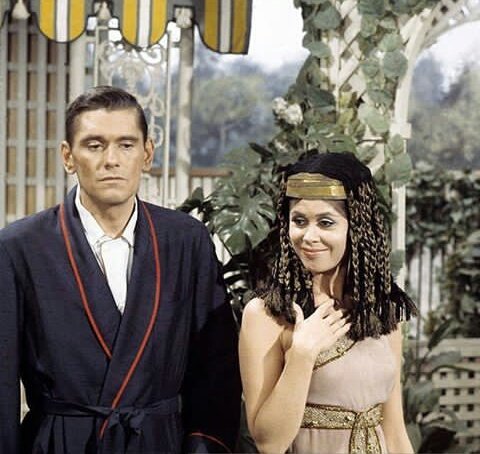 We have been taught by God to love each other. People learn more about themselves from each missed connection, bruised feeling, or wounded heart. These situations are valuable building blocks in the creation of our whole self. The aim of learning through soul is to increase porosity on the side of giving out and to reduce it on the side of taking in. This is not an abstract process, but something that can be seen in the World. Our Sun is the best instance of porosity that gives out and does not take in. Our Sun is a star, and all the stars gives out without taking in, until they die and become a blackhole. Life is the most beautiful and precious thing upon the Earth and has the power to pull down kings and princesses. Western civilization has been described as the gradual domestication of impulsive expression—an increasing tendency to self-consciously check our behavior and mold it to group standards. Public expression of affect has been controlled by an intensifying range and rigor of restraints since the Middle Ages. Violations of display rules are met with shame, embarrassment, and disgust in an ever-broadening scope of situations. People are free and all things are given to them which are expedient to humanity. And they are free to choose liberty and eternal life, through God. #RandolphHarris 2 of 9
 For middle-class parents, deviant and immature temper may signal serious difficulty in an individual’s attempt at self-mastery. Colonial Americas believed that feeling can be channeled, but its basic nature cannot be altered. Social control was directed at regulating behavior, rather than at shaping inner impulses. A belief that emotion is disclosed involuntarily and inevitably became widespread in the nineteenth century. If a person were genuinely moved, the feeling would show beyond any power of the person to conceal it. Withdrawal from feeling itself became the only recourse, if one’s feelings were not to be read by others in public through gestures, slips in speech, and other cues. Suppression of both feeling and gestures made them consistent. These cultural values and beliefs are reflected in expression and feeling management when we indicate their meaning to the social self. And not choose eternal death, according to the will of the flesh and the evil which is therein, which gives the spirit of the adversary power to captivate, to bring you down to hell, that he may reign over you in his own kingdom. Soul learning does not consist of the internalization of knowledge, the determination of right mean, the achievement of accuracy, but is to be found in what sounds right. #RandolphHarris 3 of 9It was discovered in ancient psychology that the soul sings. At one time, it was possible to hear celestial sounds as one viewed the aurora borealis, which the solar particles blown into the Earth’s magnetic field more than 60 miles above the Earth’s surface. The movement of the planets in their relation to each other could be heard. We manage our feelings and gestures after indicating to ourselves the probable meaning that they would have for other people. We transform feeling and expression according to their implications for our self-conception, our more stable, continuous, unifying idea of the real me. A self-conception is a working compromise between one’s ideals and values and the self-images one infers from how others react to one’s feelings and behavior. Some self-images will be accepted as representative of one’s self-conception, but other images will be rejected as spurious or unrepresentative of one’s real, deeper identity. In situations and relationships that we value in relation to self, we pursue credit for optimistic images, and seek to avoid responsibility for feelings and acts that generate negative self-images. #RandolphHarris 4 of 9
 We manage expression and feeling by taking our self-conception into account in at least three ways: assuming or avoiding responsibility for a sentiment, detecting social support for the meaning of a sentiment, and committing oneself to a relationship. Our-self image in a situation reflects the appropriateness of our feeling; we feel proud or guilty about feeling a certain way. The incongruity between a trifling event and a deep sense of shame can evoke a double shame; we are ashamed because of the original episode and shame because we feel so deeply about something so slight that a sensible person would not pay any attention to it. If we do not modify our feelings into an appropriate quality and intensity, it becomes merged with our moral reaction to it. For example, we may feel guilty love if, as in traditional Japan, love marriages are defined as selfish. Even in modern Japan, individuals who have contracted love marriages are often reported to feel considerable guilt about it. However, keep in mind, you are the author and can go back to check out all the separate parts of your story when you need to. Reviewing old relationships is hard work emotionally, no matter how carefully one has been trying to use the past as material to study in the service of creating a healthier present. #RandolphHarris 5 of 9
 Society requires us to undertake many actions for which we do not want to assume full responsibility. These actions may have uncertain outcomes, or conflict with our predispositions not to perform them. Feeling management that intensifies feeling can facilitate these behaviors while shielding the self from responsibility. A functionally determined emotion carries one through the situation, such as the bitterness which enters into the divorce process and so often disappears just afterwards. The institutionalized irrationality of romantic love overcomes self-restraint in courtship and guides lovers into marriage, although rational self-seeking might dictate against this certain commitment. A socially structured and legitimated passion conquers doubt and gives behavior spontaneity, while exempting the self from full responsibility for its outcome. How does this intensification of feeling occur? Emotion is the experience of passivity, during which we interpret our behavior as being beyond our control. Deeply internalized desires and aversions erupt as compelling passions. The soldier for whom fury or courage has become second nature rushes into combat in spite of its dangers. #RandolphHarris 6 of 9
 Overwhelmed by emotion, we enact socially prescribed punishment even through other norms forbid aggression. The self is not held responsible for violating those norms, however, because it was passive within the experience of emotion. The passive self may be an important interpretation we make within romantic love, jealousy, indignation, and other intense sentiments. For example, a study found that students who believed that life events are generally caused by external forces beyond their control reported falling in love more often than others, and viewed love as a mysterious, emotional experience. However, there are consequences. Samantha, for instance, learned her lesson about lack of self-control. She grew more self-blaming when she began to watch herself distancing from Darren. She had fled from her first marriage to escape the burden of being forced to be a mother to her husband. Her leaving reinforced her growing image of herself as hard-hearted and unfair. However, she had not adequately resolved her decision to leave her first marriage, so her self-blame became almost immobilizing as she felt herself pulling away from Darren. Moreover, the self also enters into feeling and expression management by restraining sentiments that we anticipate would not be validated meaningfully by a particular person or group. #RandolphHarris 7 of 9
 By fully engaging in almost any form of group or community, we will have more people to learn from, people whose actions and ways of being can teach us a lot about relationships. This can be particularly helpful when one has been stuck in a narrow, little emotional room filled with our solitary thoughts about closeness, or when we have been limiting oneself to the thoughts and beliefs contained within our couple relationship. In some cultures, jealousy is nothing short of a crime. Some societies have a code, and if one is hurt in these light affairs, one must expect no sympathy. So, if one falls in love, one conceals it from one’s friends as best one can. Our self-indication of a sentiment’s meaning to others may lead us to segregate it from another sentiment that an audience would see as being incompatible. For example, Samantha and Darren were undergoing marital separation, and much like others, they desired to re-unit, at least temporarily, but they also wanted to express anger against one another. A common pattern that has been observed was couples would meet secretly to express affection, concealed from the social circle of kin and friends who had observed the bitter rivalry in the couple and would not understand the contradictory sentiment. That is why it is best for us to stay out of people’s business when they have a dispute. #RandolphHarris 8 of 9
Feeling management may reflect the self as a commitment to a relationship the supplementary character of faithfulness is directed toward the continuance of the relationship, independently of the original forces that brought it about. Communes, families, fraternal organizations, and other groups require love as a voluntary, responsible commitment to enhance the lives and growth of other persons. Groups foster love by eliminating sources of seduction, subversion, and competing loyalties. Love is routinized to promote steady, unrewarded care, effort, and self-sacrifice. People withdraw from commitments by rationing or restricting feeling. Women, more than men, report diminishing their love consciously in faltering relationships. Women also identify more problems in their heterosexual relationships, and women’s scores on a longitudinal measure of love predict relationship outcomes better than do the love scores of their male partners. The more vulnerable and emotionally perceptive partner is likely to modulate feeling more consciously in response to relationship trends. “It is God’s will that we should be sanctified: that we should avoid sexual immorality; that each of us should learn to control our own body in a way that is holy and honorable, not in passionate lust like a heathen, who does not know God; and that in this matter no one should wrong their family nor take advantage of them. The Lord will punish people for all such sins, as we have already told you (1 Thessalonians 4.3-4).” #RandolphHarris 9 of 9
Keeping His Covenant to Love a Thousand Generations
 We evoke, suppress, and transform our sentiments. It reminds me of that song by 24hrs called What You Like. “I would not mind if you stay the night. Send your first and last name for the flight. Don’t confuse me with all the hype. I’m your type, I know what you like. On the Instagram I see all the likes.” Instagram is a social media site where people post pictures on like a rotisserie, and as you move along the rotisserie of pictures, you can scroll past or like them. If you are not readily curious about other people, be patient with yourself. There are powerful reasons why you have not been able to protect and develop your natural capacity for curiosity. As we become more aware of ourselves as individual, in noncouple relationships, this allows us to develop awareness about ourselves in how we connect with friends, family, children, parents, siblings, coworkers, and others and this is an important part of learning who we are successfully. Be just and walk uprightly before God; and observe to do good continually, keep the commandments of the Lord our God. God never made a promise that was too good to be true. Know that God is faithful, keeping his covenant to love to a thousand generations of those who love him and keep his commandments. #RandolphHarris 1 of 5
 Expression management is the intentional display of gestures that differ from inner feeling. Feeling management modifies the cognitive and somatic experience of a sentiment. Both types of affective control are guided by normative and strategic considerations in social relationships. For example, a wife may believe that she no longer loves her husband as much as she thinks she should. She may increase her expressions of affection toward him so as to conceal her loss of feeling (individual expression management), or may try to regenerate her love feelings by thinking about his virtues and his love for her (individual feeling management). If she tells him that her love is waning, they may decide to just keep up public appearances of affection (collective expression management), or may attempt to revitalize love by seeking new experiences together (collective feeling management). Expression management is guided by conscious strategies to convey a certain impression of ourselves to a social audience, and by our more habitual following of display rules, cultural norms for appropriate expressions in a given situation. #RandolphHarris 2 of 5
 Expression control can be observed even in one-year-old children, who make visible efforts to hold back tears or who smile as a social greeting. Four-year-olds can pose facial expressions upon request and are soon able to explain many norms about situational appropriate affective expression. We often qualify a facial expression by adding a further expression as a comment on the first, such as blending a smile into an angry look. We also modulate a facial expression, show more or less intensity than we actually feel. We falsify our facial expressions in several ways. We may simulate a feeling when we have none. We may show an impassive, neutral face to conceal an inner feeling. Finally, we often mask an expression that we do feel with another expression that we do not feel. This typology may be extended to the analysis of nonfacial gestures, voice tones, postures, and other expressive cues. Failures to communicate successfully in past relationships can cause people to set up rigid rules for their new relational efforts. This can happen when someone feels inadequate, attacked, or betrayed in an earlier relationship. We modify our interpretations of a relationship and may also alter our bodily sensations and reactions to the person. #RandolphHarris 3 of 5
 Affectivity versus affective neutrality is a choice faced by individual and groups in forming a given relationship. When should impulses be gratified freely, and when should they be subordinated to social interest? Normative and strategic considerations induce us to reflect upon feeling and alter it. In an experimental study, subjects used strategies of cognitive detachment or involvement to self-regulate their affective reactions to filmed stressful situations, and thus altered their bodily reactions, such as heart rate and skin conductance. We all have certain images of ourselves or stories we tell to ourselves and others about who we are. Usually, this is a combination of who we want to be and who we really are. Sometimes, we also tell the story of ourselves in a very negative light, emphasizing what we cannot do, or what we always do wrong, or the mistakes we have made and cannot let go of. Perhaps many of us do not know what we are feeling in our conscious mind, but our body tell us by creating physical pain, jumpiness, numbness, or others signs of distress. However, our bodies are also designed to let us know when we are starting to get comfortable with a new idea or behavior or interaction. This may be indicated by a pleasant sensation of our muscles relaxing, or an overall sensation of lightness. #RandolphHarris 4 of 5
 Feeling rules are social guidelines that delineate a range of appropriate feeling for a situation or relationship. For example, a brother should love or like his sister, but should feel neither hatred nor romantic passion toward her. We discuss our feelings as if rights and obligations apply to them, and react with approval r disapproval to signs of each others’ feelings. We try to make our feelings coincide with feeling rules by doing cognitive, bodily, or expressive work. If we have no reason to feel ashamed in front of a person, for example, we may try to change our imagination of how they thing of us (cognitive), or try not to wince inside when we see them coming (bodily), or try not to look away or blush as they pass us (expressive). Some people use an idealized past relationship to keep all the possible later partners at a distance. This is often the case when one person finds another person like oneself, and experiences playing hard to get maneuvers as a way to stay safe and because it is tantalizing. Both during and after the relationship, the couple may idealize everything about the former partner, and the relationship without recognizing that what they are idealizing is the perfect mirror image. God will finish what he started and it may be a good idea to hold on and wait for your gold standard. #RandolphHarris 5 of 5
 Randolph Harris II International Institute