Home » Teacher
Category Archives: Teacher

Carrying All the Sins of the Western World

Some men are extremely disagreeable and undesirable. While suffering from simple cowardice and horribly ashamed of it, they lash out and attack other people and communities with the courage, strength, and determination that they wished they had. The truth is that all men are in a false position in society until they have realized their possibilities and imposed them on their neighbors. They are tormented by a continual shortcoming in themselves; yet, they irritate others by a continual overweening. This discord can be resolved by acknowledging success or failures only: everyone is ill at ease until he has found his natural place, whether it be above or below his birthplace. This finding of one’s place may be very puzzling by the fact that there is no place in ordinary society for extraordinary individuals. This crisis was not caused by a lack of success or the absence of a defined role, but by too much of both. Some people can be made good despite themselves, and find, to their dismay, that Business, instead of expelling them as the worthless imposters that they are, will fasten upon them with no intention of letting them go. Behold, therefore, in their early years, with business training, in an occupation which one detests, as they assume any same person would himself detest anything he cannot escape from. Breaking loose can mean to leave the family and friends, business and community, and avoid the danger of success unequal to the enormity of one’s unconscious ambition. #RandolphHarris 1 of 21

When in your youth, it may be wise to take a psychosocial moratorium, which is a period of delay and pause in adult commitment, during which a young person is free to explore various roles and ideologies before making lasting choices. Many have found that during a psychosocial moratorium, they can associate with peers of their own age. During this pilgrimage, they become intensely serious and burning with indignation at the very real and very fundamental evils that affect the world. In the meantime, it allows one the discernment to avoid opportunities they sense will lead to nothing they want, and to lay aside the unspoken fear that they might lead to something they do not want. This occupational part of the moratorium is usually reinforced by an intellectual one: one cannot learn anything that does not interest oneself. Memory is not indiscriminate; it rejects and selects; and its selections are not academic. This is something to be congratulated on; for it means that an individual is firmly persuaded that every unnatural activity of the brain is as mischievous as any unnatural activity of the body…The governing classes always wreck civilization with what is called secondary education. Secondary education is the intermediate stage where students transition from basic foundational learning to specialized, discipline-based study. It is also a key period for social development, identity formation, and career exploration. #RandolphHarris 2 of 21

Too many teachers, college professors, and the media are ruining young minds with political propaganda and seducing them to become convinced that it is wrong to be patriotic, it is wrong to adhere to gender norms, it is wrong to work hard for a living, it is wrong to obey authority figures, and love God. That is why society is breaking down, and the home is becoming a place of conflict, instead of love and an escape from the world. There are also many people being pressured into careers that they do not love, leading to unhealthy and unhappy lives. When an individual is allowed to settle down to study and to write as he pleases, it is usually then that the extraordinary workings of an extraordinary personality come to the fore. This is when a person manages to abandon the kind of work he has been doing without relinquishing the work habit. Office training can leave a person with the habit of doing something regularly every day as a fundamental condition of industry as distinguished from idleness. One might know he is making no headway unless he is doing this, and that one should never produce work in any other fashion. For instance, if I were writing a book, I might buy supplies of white paper, demi-sized, for $75 at a time; fold it in quarto; and condemn myself to fill ten pages of it a day, rain or shine, dull or inspired. Because I have so much of the schoolboy and the clerk still in me that if my ten pages end in the middle of a sentence, I do not finish it until the next day. On the other hand, if I miss a day, I make up for it by doing a double task on the morrow. With this plan, I will produce ten novels a year. It is my professional apprenticeship. #RandolphHarris 3 of 21

Even if these novels are not published for over fifty years, I will be learning how to write as I work, and to wait as I write. Such ritualization is very important for my work life because it will allow me to rise by sheer gravitation, and to be too industrious by acquired habit to stop working. While my work may display a combination of addictiveness and compulsiveness which is the basis of much pathology in late adolescence and of some accomplishment in young adulthood, it is better than having a drink or drug neurosis. A young man who has seen “the governor” with an imperfectly wrapped-up goose under one arm and a ham in the same condition under the other (both purchased under heaven knows what delusion of festivity) butting at the garden wall in the belief that he was pushing open the gate, and transforming his tall hat to a concertina in the process, and who, instead of being so overwhelmed with shame and anxiety at the spectacle, has been so disabled by merriment (uproariously shared by the maternal uncle) that he has hardly been able to rush to the rescue of that hat and pilot its wearer to safety, is clearly not a young man who will make tragedies of trifles of making trifles of tragedies. If you cannot get rid of the family skeleton, you may as well make a dance with it. Sometimes people who are from successful and wealthy families are a downstart, and they will also produce sons who downstarts. To say that some of these fathers cannot give their sons a university education is like saying that they cannot afford to be philanderers, or a young man cannot afford to be successful at his trade; both statements may be true, but philanderers like to philander and others like to become authors all the same. #RandolphHarris 4 of 21

The main reinforcements of early development come from the intrapsychic process. The very needs which drive others on the search for glory operate here, too. If an individual can carry it out consistently, early detachment removes conflicts with others. However, the reliability of the solution depends upon the reaction of wishes, and at an early age, this process is fluctuating; it has not yet matured into a determined attitude. A young man, for example, still wants more things from life than is good for his peace of mind. When sufficiently tempted be drawn into a close relationship. Hence, his conflicts are easily mobilized, and he needs more integration. However, the early development leaves him not only divided but also alienated from himself, lacking in self-confidence and feeling unequipped for actual life. He can deal with others only when at a safe emotional distance; thrown into closer contact, he is inhibited in addition to being handicapped by his recoil from fighting. Hence, he too is driven to find an answer to all these needs in self-idealization. He may try to realize ambitions in actuality, but for many reasons he tends to give up the pursuit in the face of difficulties. His idealized image, chiefly, is a glorification of the needs which have developed. It is a composite of self-sufficiency, independence, self-contained serenity, freedom from desires and passions, stoicism, and fairness. Fairness for him is less a glorification of vindictiveness (as is the “justice” of the aggressive type) than an idealization of noncommitment and of not infringing upon anybody’s rights. #RandolphHarris 5 of 21

The “shoulds” corresponding to such an image bring him into a new danger. While originally he had to protect his inner self against the outside world, he now must protect it against this much more formidable inner tyranny. The outcome depends on the degree of inner aliveness he has safeguarded so far. If it is strong and he is, as it were, unconsciously determined to preserve it come hell or high water, he can still maintain some of it, although only at the price of enforcing the restrictions we have discussed—only at the cost of resigning from active living, of checking his drives toward self-realization. There is no clinical evidence pointing to the inner dictates being more stringent here than in other types of neurosis. The difference lies rather in his chafing more under them because of his very need for freedom. He tries to cope with them in part by externalizing them. Because of his taboos on aggression, he can do so only in a passive way—which means that the expectations of others, or what he feels as such, acquire the character of commands to be obeyed without question. Moreover, if he did not comply with their expectations, he is convinced that people would coldly turn against him. In essence, this means that he has not only externalized his shoulds but also his self-hate. Others would turn as sharply against him as he would himself for not measuring up to his shoulds. And because this anticipation of hostility is an externalization, it cannot be remedied by experiences to the contrary. A patient, for instance, may have had a long experience with the analyst’s patience and understanding and yet, under duress, may feel that the analyst would drop him at a moment’s notice in case of open opposition. #RandolphHarris 6 of 21

Hence, his original sensitivity to outside pressure is greatly reinforced. We understand now why he keeps experiencing external coercion, even though the latter environment may exert very little pressure. In addition, the externalization of his shoulds, while relieving inner tension, brings a new conflict into his life. He should comply with the expectations of others; he should not hurt their feelings; he must appease their anticipated hostility—but he also should maintain his independence. This conflict is reflected in his ambivalent way of responding to others. In many variations, it is a curious mixture of compliance and defiance. He may, for instance, politely comply with a request but forget about it or procrastinate in doing it. The forgetting may reach such disturbing proportions that he can keep a fair order in his life only by the help of a notebook in which he jots down appointments or jobs to be done. Or he may go through the motions of complying with the wishes of others but sabotage them in spirit, without in the least being aware of doing so. In analysis, for instance, he may comply with the obvious rules, such as being on time or saying what is on his mind, but assimilate so little of what is discussed that the work is rendered futile. It is unavoidable that these conflicts make for a strain in his associations with others. He may, at times, feel this strain consciously. However, whether or not he is aware of it, it does reinforce his tendency to withdraw from others. #RandolphHarris 7 of 21

The passive resistance which he sets against the expectations of others also operates regarding those shoulds which are not externalized. The mere feeling that he should do something is often sufficient to make him listless. If it were restricted to activities which he at the bottom dislikes, such as participating in social gatherings, writing certain letters, or paying his bills, as the case may be, this unconscious sit-down strike would not be so important. However, the more radically he has eliminated personal wishes the more anything he does—good, bad, or indifferent—may register as something he should do: brushing his teeth, reading the newspaper, taking a walk, doing his work, eating his meals, or going to church with his family. Everything then meets with a silent resistance, resulting in a pervasive inertia. Activities, therefore, are restricted to a minimum or, more frequently, are performed under strain. Hence, he is unproductive, tires easily, or suffers from chronic fatigue. When analyzed, this inner process becomes clear; two factors appear which tend to perpetuate it. As long as the patient has no recourse to his spontaneous energies, he may fully realize that this way of living is wasteful and unsatisfactory but will see no possibility for change because—as he feels it—he would simply not do anything if it were not for his driving himself. The other factor resides in the important function his very inertia has assumed. His psychic paralysis may have turned in his mind into an unalterable affliction, and he uses it to stave off self-accusations and self-contempt. #RandolphHarris 8 of 21

The premium which is thus put on inactivity is also reinforced from another source. Just as his way of solving his conflicts was to immobilize them, so he also tries to set his shoulds out of operation. He does so by trying to avoid situations in which they would start harassing him. Here, then, is another reason that he avoids contact with others as well as a serious pursuit of anything. He follows the unconscious motto that as long as he does not do anything, he will not violate any shoulds and taboos. Sometimes, he rationalizes these avoidances by thinking that any pursuit of his would impinge on the rights of others. This condition would be inaccessible to therapy—because of the minimal incentive to change—if it were not for the positive elements in the appeal of freedom. Patients in whom these prevail often have a more immediate understanding of the harmful character of the inner dictates than others do. If conditions are favorable, they may quickly recognize them for the yoke they actually are and may take an unequivocal stand against them. Certainly, such a considerable help in overcoming them gradually. When man extended the simple tools which he used into the early simpler machines, the development was an inevitable consequence of his developing mind. The change was a useful one and brought him conveniences or comforts unavailable to the monarchs and millionaires of previous centuries. However, when this was pushed farther and farther, faster and faster, its inherent dangers appeared; human safety was imperilled, human health ignored, and human sensitivity crushed. Technology grew into a monster. It is proper for man to use the world, to exploit science, only as long as he does not permit them to enslave him. #RandolphHarris 9 of 21

The knowledge got through the eyes and ears may, when untied to reason, lead only to selfish cunning and cause destructive suffering to others. However, when it is united to both reason and intuition, it can lead only to wisdom and bringing good to others. The world today is facing this danger and ignoring this remedy. Consequently, the more science discovers about the atom, the worse humanity’s suffering will be. Is it so hard to recognize that the German nation has, up to now, no life history to show for itself, but only the history of disease? And not just the German nation—which is, or used to be, the scapegoat carrying all the sins of the Western World. History is a nightmare from which the world is trying to awaken. There is a dynamic of neurosis in world history, an ever-increasing sense of guilt caused by repression. Too long has the world been a madhouse. If civilization is an inevitable course of development from the group of the family to the group of humanity as a whole, then an intensification of the sense of guilt will be inextricably bound up with it, until perhaps the sense of guilt may swell to a magnitude that individuals can hardly support. The necessity of a psychoanalytical approach to history is pressed upon the historian by one question: Why does man, alone of all animals, have a history? For man is distinguished from animals not simply by the possession and transmission from generation to generation of that suprabiological apparatus which is culture, but also, if history and changes in time are essential characteristics of human culture and therefore of man, by a desire to change his culture and so to change himself. #RandolphHarris 10 of 21

In making history, “man makes himself,” to use the suggestive title of Gorden Childe’s book. Then, the historical process is sustained by man’s desire to become other than what he is. And man’s desire to become something different is essentially an unconscious desire. The actual changes in history neither result from nor correspond to the conscious desires of the human agents who bring them about. Every historian knows this, and the philosopher of history, Mr. Hegel, in his doctrine of the “cunning of Reason,” made it a fundamental point in his structural analysis of history. Mankind today is still making history without having any conscious idea of what it really wants or under what conditions it would stop being unhappy; in fact, what it is doing seems to be making itself more unhappy and calling that unhappiness progress. Christian theology, or at least Augustinian theology, recognizes human restlessness and discontent, the cor irrequietum, as the psychological source of the historical process. However, Christian theology, to account for the origin of human discontent and to indicate a solution, has to take man out of this real world, out of the animal kingdom, and inculcate into him delusions of grandeur. And thus, Christian theology is a religion of pride. The revolution, based on principles, kills God in the person of His representative on earth. The revolution of the twenty-first century kills what remains of God in the principles themselves and consecrates historical nihilism. Whatever paths nihilism may proceed to take, from the moment that it decides to be the creative force of its period and ignores every moral precept, it begins to build the temple of Caesar. #RandolphHarris 11 of 21
To choose history, and history alone, is to choose nihilism, in defiance of the teachings of rebellion itself. Those who rush blindly to history in the name of the irrational, proclaiming that it is meaningless, encounter servitude and terror and finally emerge into the universe of concentration camps. Those who launch themselves into it, preaching its absolute rationality, encounter servitude and terror and emerge into the universe of the concentration camps. Fascism wants to establish the advent of the Nietzschean superman. If He exists, it immediately discovers that God may well be this or that, but He is primarily the master of death. If man wants to become God, he arrogates to himself the power of life or death over others. A manufacturer of corpses and of submen, he is a sub-man himself and not God, but the ignoble servant of death. The rational revolution, on its part, wants to realize the total man described by Mr. Marx. The logic of history, from the moment that it is totally accepted, gradually leads it, against its most passionate convictions, to mutilate man more and more and to transform itself into objective crime. It is not legitimate to identify the ends of Fascism with the ends of Russian Communism, as we are seeing communism in New York, Michigan, Minnesota, Texas, and California planting roots. Communism represents the exaltation of the executioner by the executioner; more dramatically, communism is the exaltation of the executioner by the victims. Communism never dreamed of liberating all men, but only of liberating a few by subjugating the rest. #RandolphHarris 12 of 21

However, the most potent dream of communism is its most profound principle. It aims at liberating all men by provisionally enslaving them all. It must be granted the grandeur of its intentions. Are you willing to compromise your freedom by giving up your Christian heritage and becoming enslaved just for a free bus ride, a package of cookies, and Housing Choice Vouchers (HCV), while your wages are being undercut by illegal labor and your country is being stolen by the anti-Christ? Hardworking Americans have tilled the lands since the birth of this nation. Americans are willing to work hard and always have been. The nihilists today are seated on thrones in Hollywood, Congress, in your state and local governors’ and mayors’ offices, and even on the city council. Methods of thought which claim to give lead to our world in the name of revolution have become, in reality, ideologies of consent and not of rebellion. That is why our period is the period of private and public techniques of annihilation. The revolution, obedient to the dictates of nihilism, has, in fact, turned against its rebel origins. Man, who hated death and the god of death, who despaired of personal survival, wanted to free himself in the immortality of the species. However, as long as the group does not dominate the world, as long as the species does not reign, it is still necessary to die. Time is pressing; therefore, persuasion demands leisure, and friendship is a structure that will never be completed; thus, terror remains the shortest route to immortality. However, these extremes simultaneously proclaim a longing for the primitive values of rebellion. The contemporary revolution that claims to deny every value is already, in itself, a standard for judging values. Man wants to reign supreme through the revolution. However, if nothing has any meaning, why reign supreme? If the aspect of life is so hideous, why wish for immortality? There is no method of thought which is absolutely nihilistic except, perhaps, the method that leads to suicide, any more than there is absolute materialism. #RandolphHarris 13 of 21

The destruction of man once more affirms man. Terror and concentration camps are the drastic means used by man to escape solitude. The thirst for unity must be assuaged, even in the common grave. If men kill one another, it is because they reject mortality and desire immortality. Therefore, in one sense, they commit suicide. However, they prove, at the same time, that they cannot dispense with mankind; they satisfy a terrible hunger for fraternity: “The human being needs happiness, and when he is unhappy, he needs another human being.” Those who reject the agony of living and dying wish to dominate. Solitude is power. Power, today, because for thousands of solitary people it signifies the suffering of others, bears witness to the need for others. Terror is the homage that the malignant recluse finally pays to the brotherhood of man. However, nihilism, if it does not exist, tries to do so; and that is enough to make the world a desert. The COVID pandemic gave rise to isolation and opened the path for Artificial Intelligence (AI) to thrive. People feel they no longer need other human beings. They now have AI to keep them company in their solitude. These particular forms of madness are what have given our times their forbidding aspect. The land of humanism has become the America of today, the land of inhumanity. However, the times are ours, and how can we disown them? If our history is our hell, still we cannot avert our faces. This horror cannot be escaped, but is assumed to be ignored by the very people who accepted it with lucidity, and not by those who, having provoked it, think that they have a right to pronounce judgment. Such a plant could, in fact, thrive only in the fertile soil of accumulated iniquities. #RandolphHarris 14 of 21

In the last throes of a death struggle in which men are indiscriminately involved by the insanity of times, the enemy remains the fraternal enemy. Even when he has been denounced for his errors, he can be neither despised nor hated; misfortune is today the common fatherland, and the only earthly kingdom that has fulfilled the promise. The longing for rest and peace must itself be thrust aside; it coincides with the acceptance of iniquity. Those who weep for the happy periods they encounter in history acknowledge what they want: not the alleviation but the silencing of misery. However, let us, on the contrary, sing the praises of the times when misery cries aloud and disturbs the sleep of the surfeited rich! Maistre has already spoken of the “terrible sermon that the revolution preached to kings.” It preaches the same sermon today, and in a still more urgent fashion, to the dishonoured elite of the times. This sermon must be heard. In every word and in every act, even though it be criminal, lies the promise of value that we must seek out and bring to light. The future cannot be foreseen, and it may be that the renaissance is impossible. Even though the historical dialectic is false and criminal, the world, after all, can very well realize itself in crime and in pursuit of a false concept. This kind of resignation is, quite simply, rejected here: we must stake everything on the renaissance. #RandolphHarris 15 of 21

Nothing remains for us, moreover, but to be reborn or to die. If we are at the moment in history when rebellion has reached the point of its most extreme contradiction by denying itself, then it must either perish with the world it has created or find a new object of faith and a new impetus. Before going any farther, this contradiction must at least be stated in plain language. It is not a clear definition to say, like existentialists, for example (who are also subjected, for the moment, to the cult of history and its contradictions), that there is progress in the transition from rebellion to revolution and that the rebel is nothing if he is not revolutionary. The contradiction is, in reality, considerably more restricted. The revolutionary is simultaneously a rebel, or he is not a revolutionary but a policeman and a bureaucrat who turns against rebellion. However, if he is a rebel, he ends by taking sides against the revolution. So much so that there is absolutely no progress from one attitude to the other, but coexistence and endlessly increasing contradiction. Every revolution ends by becoming either an oppressor or a heretic. In the purely historical universe that they have chosen, rebellion and revolution end in the same dilemma: either police rule or insanity. On this level, therefore, history alone offers no hope. It is not a source of values, but is still a source of nihilism. Can one, at least, create values in defiance of history, on the single level of a philosophy based on eternity? That comes to the same as ratifying historical injustice and the sufferings of man. #RandolphHarris 16 of 21

To slander the world leads to the nihilism defined by Nietzsche. Thought that is derived from history alone, like thought that rejects history completely, deprives man of the means and the reason for living. The former drives him to the extreme decadence of “why believe?”; the latter to “how to live?” History, necessary but not sufficient, is therefore only an occasional cause. It is not the absence of values, nor values themselves, nor even the source of values. It is one occasion, among others, for man to prove the still confused existence of a value that allows him to judge history. Rebellion itself makes us the promise of such a value. Christians reject the idea that life is accidental or meaningless. Human beings are understood to be literal spiritual offspring of God with an eternal lineage and a path toward divine progression. In its 1892 decision Church of the Holy Trinity v. United States, the Supreme Court surveyed centuries of American history and declared that the evidence “overwhelmingly demonstrates that the United States is a Christian nation.” Justice David J. Brewer’s opinion underscored the deep historical influence of Christianity on the country’s laws, customs, and civic institutions. The desire of Christian men and women who love their country is to make our nation contribute her best to the world in this conflict against selfish foreign aggression and lust for conquest over America. Patriots wish, through devotion to America, to bring her honor, protection, and glory. Jesus tried to teach man how to grow a soul and how to help the soul in the process of growth. He sought to help men understand that human society was something that had life and that had possibilities of growing into the Kingdom of God. Jesus showed men how to cultivate the inner life, how a soul can grow into something strong and luminous. But when anything meant to protect life is left uncultivated — whether the heart or a high‑rise — danger follows. Captain Reinhardt saw the result firsthand when the Sacramento fire exposed the cost of neglect. #RandolphHarris 17 of 21

The call came in just after dawn, a frantic voice reporting smoke pouring from the upper floors of a downtown Sacramento high‑rise. Captain Reinhardt of the Sacramento Fire Department was already in motion before the dispatcher finished speaking. Years of experience had taught Captain Reinhardt that early morning fires were often the deadliest, striking when residents were still asleep and alarms—if they existed—were silent. As Engine 2 roared toward the scene, Captain Reinhardt reviewed the building’s history. It had failed two fire inspections in the past year, each time cited for non‑working smoke detectors, expired fire‑safety certifications, and blocked emergency exits. California law was clear: high‑rise buildings faced steep fines for failing to maintain working alarms and for ignoring mandatory safety standards. Yet fines meant nothing compared to the danger. Captain Reinhardt knew that more than seventy percent of fatal home fires occurred in residences with no alarms or alarms that did not work. He feared this building was about to prove that statistic true. When the crew arrived, flames were already licking out of the twelfth‑floor windows. Residents crowded the street, coughing, crying, pointing upward. Captain Reinhardt scanned the faces, counting, assessing, searching for signs of those still trapped. The world‑renowned paramedics who often partnered with the department were already setting up triage, their calm efficiency a stark contrast to the chaos around them. Captain Reinhardt led his team inside, pushing through thick smoke that clung to the stairwell like a living thing. The alarms were dead—no shrill warnings, no flashing lights. Just silence and heat. He felt anger rise in his chest. A building this size, with hundreds of residents, should have passed inspection months ago. Instead, the owners had ignored violations, choosing to risk fines rather than invest in safety. On the tenth floor, Captain Reinhardt found the first victim, unconscious but alive. He carried her down two flights before handing her off to paramedics, who immediately began treatment. Their reputation was well earned; they worked with a precision that impressed even Captain Reinhardt, who rarely paused long enough to admire anything during a fire. Back inside, Captain Reinhardt pushed upward, searching room by room. He found two more victims on the twelfth floor, both overcome by smoke. The fire had started in a unit where a space heater malfunctioned, but the true culprit was the building’s negligence. Without alarms, the residents had no warning. Without proper certification, the fire‑suppression systems were outdated and ineffective. By the time the flames were finally controlled, three lives had been lost. Captain Reinhardt stood outside the charred building, watching investigators tape off the entrance. He knew the owners would face heavy California fines, possibly even criminal charges. But fines could never replace the lives lost. Captain Reinhardt vowed that this tragedy would not be forgotten. Fires were dangerous enough; ignoring safety laws made them deadly. #RandolphHarris 18 of 21

When it comes to firefighting, every incident carries the potential for injury—no matter how small the fire appears or how routine the call may seem. If you see a fire engine stopped in the street without its lights on, use extreme caution. Crews may be working nearby, and passing the apparatus can put them in danger. It is often safer to turn around and take another route; if you strike a firefighter or civilian and cause a fatality, you could face charges such as manslaughter. Firefighters frequently move around their vehicle on foot, loading equipment or preparing to leave the scene. Attempting to pass the apparatus can result in a collision with someone you cannot see. Pay close attention to their hand signals as well—emergency vehicles sometimes move slowly or reposition, and impatient drivers trying to slip around them create hazardous situations. If you are already in an intersection when you notice an emergency vehicle approaching, continue through it, then pull to the right and stop as soon as it is safe. Always obey directions from law enforcement officers or firefighters, even if those instructions conflict with posted signs or traffic laws. When sirens or flashing lights are activated, it is illegal to follow within 300 feet of a fire engine, ambulance, or police vehicle. Driving to the scene of a fire, collision, or disaster can also result in arrest, as doing so interferes with firefighters, paramedics, and other emergency personnel. Professional courage is not limited to physical toughness. It includes listening to others, advocating for them in difficult situations, understanding personal limits, and having the integrity to tell a superior when they are wrong. The deeper truth is that public safety depends not only on the bravery of first responders but on the discipline and judgment of the community around them. Every driver’s decision—whether cautious or careless—can either protect or endanger the people risking their lives to protect everyone else. #RandolphHarris 19 of 21

To help prevent disasters, we must plan well in advance. Efforts to preserve farmland and maintain buildable land for future generations often lead to discussions about population growth and long‑term planning. Some people argue that immigration levels should be managed carefully to ensure that infrastructure, housing, and land use remain sustainable. Others suggest that, when immigration does occur, programs that encourage broad representation can help communities reflect the diversity of the wider world. When Americans purchase goods made in the United States, it strengthens local businesses and signals to investors that these products are in demand. Strong sales give investors confidence to reinvest in domestic companies, helping keep jobs, production, and wages within the country. As businesses grow, they contribute more to the tax base, which can reduce the burden on taxpayers over time. Supporting American businesses also keeps more money circulating within the national economy. The government increases the national debt when it spends more than it collects in tax revenue or borrows from private or foreign lenders. When people shop locally, more tax revenue stays in the community and supports public services. This helps keep jobs in the United States and increases the tax contributions that fund government operations. Purchasing foreign-made goods, by contrast, often sends money overseas and may benefit companies that operate under lighter tax or environmental regulations. Buying American-made products can also reduce environmental impact because they travel shorter distances and are produced under stricter standards for air, land, and water protection. In this way, consumer choices influence not only the economy but also environmental stewardship and long-term national sustainability. #RandolphHarris 20 of 21

Under President Trump’s administration, he has made America a priority. President Trump has hermetically sealed the southern border, illegal crossings have been terminated, and are 90 percent lower than under the previous administration. Since President Trump’s crack down on crime, violent crimes in Washington D.C. have dropped by approximately 80 percent. He has stopped thousands of pounds of drugs from entering America and killing citizens. And since President Trump took office, investments in America have increased by trillions of dollars in U.S.A. manufacturing, production, and innovation. As you can see, President Donald Trump and his pledge to “Make America Great Again” is exactly what America needs to save the country and the American people. And yes, diversity is important, so you can see why it is also important to preserve blonde hair and blue eyes, as the people with these characteristics are becoming a minority in America. As a reminder, parents, please teach your children to love America and be patriotic citizens, and to buy goods and services made in America. It is also important to respect law and order and treat your elders with respect. It is inborn in the human mind to wish to know. If this begins with the endless surface questions of a child’s curiosity, if it continues into deeper questions of a scientist’s probing investigation, it cannot and does not stop there. For the higher part of the mind will eventually come into unfoldment, that union of abstract reflective thought with mystical intuition, which is true intelligence, which needs and sees a view of the whole of things. And so, the knowing faculty enters the realm of philosophy. A lot of children are having problems in school and cannot even write a paragraph because they are not reading their books. When you actually read books, you get an example of how to write and will become a better student. Therefore, remember to take your education seriously so that you will be successful in life and make your family proud. Also, to make sure they have all the resources required, please donate to the Sacramento Fire Department to help improve our national security. “Oh, thus be it ever, when freemen shall stand between their loved home and the war’s desolation! Blest with victory and peace, may the heav’n-rescued land Praise the Power that hath made and preserved us a nation! Then conquer we must, when our cause is just, and this be our motto: ‘In God is our trust.’ And the star-spangled banner in triumph shall wave O’er the land of the free and the home of the brave.” Thank you for your attention to this matter. PRESIDENT DONALD J. TRUMP. #RandolphHarris 21 of 21

Join us in celebrating the life of Mrs. Sarah L. Winchester on the anniversay of her passing, September 5, 1922.
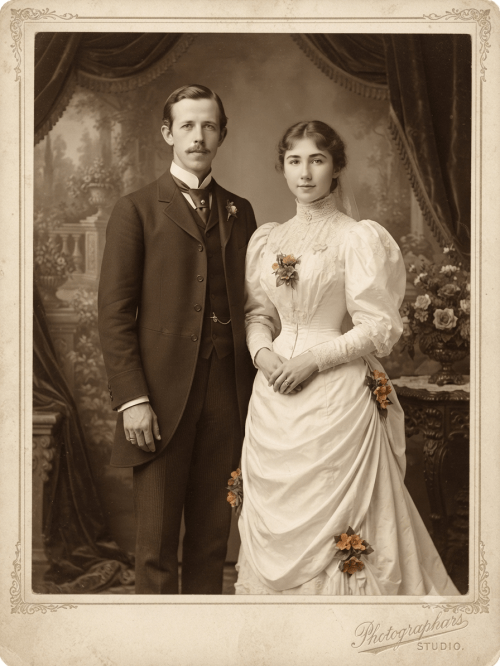
Hostted by the enchanting Vogle Victorian team, this intimite Victorian Tea Party is limited to just 24 guests and includes a Victorian-style séance, blessing jar creations, and tea service inside the mansion. Held on the anniversay of her passing, this intimate gathering offers a unique way to honor Mrs. Sarah L. Winchester in the home where she spent nearly four decades.

Event detailes:
Date: September 5, 2026
Time: 10am PST & 7pm PST
Includes: Full Tea service, blessing jar material, and the séance experience
Price: $179.99
Limitied spots available, buy tickets at winchestermysteryhouse.com
A Victorian Prayer for Mrs. Sarah L. Winchester

O Lord of Mercy and Eternal Light, We humbly commend to Thy keeping the soul of Mrs. Sarah L. Winchester, who has departed from the labors of this earthly life. In Thy boundless compassion, look kindly upon her, whose days were marked by quiet generosity, steadfast devotion, and a heart inclined toward charity.
Grant that the works she wrought in tenderness—her care for the afflicted, her provision for the needy, and her remembrance of the suffering—may rise before Thee as a fragrant offering. May the hospital she endowed, and the kindness she bestowed upon those in her charge, stand as enduring witnesses of a gentle spirit seeking to ease the burdens of others.
We beseech Thee, O Lord, to surround her memory with the peace that passeth all understanding. Let Thy angels receive her, and let Thy heavenly rest be her portion. Comfort those who mourn her absence, and teach us to honor her life by walking in compassion, humility, and quiet service.
And as the shadows of this world give way to the dawn of Thy eternal kingdom, grant that she may behold the radiance of Thy countenance, and dwell forever in the light of Thy everlasting love.
Amen.


When Violence Becomes Normal: The Crisis America Can No Longer Ignore
We hear many members of Congress pushing for gun control, yet almost no one—aside from President Trump—speaks directly about the need for a complete and total reduction in violence itself. Physical violence in America is an epidemic. In 2024, federal victimization data shows that 1 out of every 69 Americans experienced a violent crime, including rape or sexual assault, robbery, aggravated assault, and simple assault. Although this represents less than two percent of the population, the impact is devastating. Each assault carries the potential for life‑altering harm: overwhelming medical bills, long‑term disability, loss of property, loss of freedom, loss of cognitive or physical function, and in too many cases, loss of life. The national conversation focuses heavily on weapons, but the deeper crisis—the widespread human suffering caused by violence—remains largely unaddressed. While violence may have a place in the entertainment value of certain movies and television shows, we should not normalize programs that center on people attacking one another in a Mixed Martial Arts–style format, especially when the home is used as the setting. This type of content blurs the line between entertainment and real‑world behavior. It conditions viewers to believe that when they are upset, it is acceptable to skip past communication, conflict resolution, and emotional regulation, and instead jump directly into physical confrontation. Many of these shows depict women fighting other women, pulling hair and throwing punches, or men resolving disagreements through physical domination. The repeated portrayal of interpersonal violence as casual entertainment reinforces harmful patterns in communities already facing significant social and economic challenges. When violence becomes a spectacle, it becomes easier for society to overlook the real‑world consequences that victims endure. #RandolphHarris 1 of 14

Violence and lewd, provocative language became increasingly popular on television in the late 1990s. As networks searched for inexpensive, attention‑grabbing content, they hired sensationalist hosts—often individuals with failed or fading journalism careers—to lead daytime talk shows built around controversial topics. When a few on‑air confrontations escalated into physical fights, ratings for one particular show surged, and that moment reshaped the entire industry. Producers realized that audiences were tuning in specifically to watch the chaos, so televised conflict became the new programming model. For many viewers, this was the first time they had seen people openly expressing anger, “speaking their minds,” or using profanity on national television, and it was treated as bold, funny, or refreshingly honest. What began as a shock quickly became normalized, and daytime TV shifted from discussion to spectacle—turning interpersonal conflict into entertainment. As this outrage became normalized, it has also led to violence towards students and teachers on campus. Schools are reporting increases in physical fights, harassment, intimidation, and assaults occurring not only in hallways and classrooms but also in cafeterias, athletic areas, and even during instructional time. For many students and teachers, the campus—a place that should represent safety, learning, and stability—has become a setting where they must constantly assess threats, navigate hostile peers, and brace for unpredictable confrontations. Not long ago, fights on school grounds were rare, and serious incidents were exceptional. Today, however, it is no longer unheard of to witness a young child leaping from a desk, shouting profanity at a teacher, or even striking an educator with a closed fist. These behaviors, once unimaginable, reflect a troubling shift in school culture and the erosion of basic respect for adults and peers. #RandolphHarris 2 of 14
As violence has become increasingly popularized—and as more people chase online fame—thousands of videos depicting violent confrontations are now posted on the Internet every week. These recordings come from everyday settings such as grocery stores, restaurants, churches, parking lots, and public streets. Many of the videos are real, capturing genuine moments of conflict. However, a small portion of this content is staged: actors are hired to provoke fights, harass someone, or perform exaggerated scenarios designed to go viral. In some cases, entire sets are constructed to imitate real locations, and performers are paid to act out dramatic scenes, such as sliding across a restaurant counter and pretending to steal food. Whether authentic or fabricated, the constant stream of violent imagery conditions viewers to see aggression as entertainment and blurs the line between reality and performance. Not only do these images provoke fear in people who may have little experience navigating unfamiliar environments, but they also contribute to a negative perception of Americans as a whole. Online, we see clips of individuals jumping on strangers at a moment’s notice, or doctors, nurses, and law‑enforcement officers being attacked simply for trying to do their jobs. The broader issue is a growing lack of respect for people in general, and this behavior is becoming increasingly normalized. It used to be that parents worried primarily about their children’s safety when they walked out the door. Now, people find themselves fearing for the well‑being of their parents, relatives, friends, and spouses as well. The sense of security that once defined everyday life is eroding, replaced by anxiety about unpredictable confrontations in places that should feel safe. #RandolphHarris 3 of 14

All of these trends point to a single, troubling reality: violence is no longer confined to isolated environments — it is circulating through every layer of American life. When entertainment glorifies aggression, children absorb those cues and reenact them in classrooms. When schools become battlegrounds, those behaviors spill into neighborhoods and public spaces. When viral videos reward the most outrageous confrontations with millions of views, adults begin to imitate the same behavior for attention or validation. The cycle reinforces itself: media influences behavior, behavior becomes content, content becomes culture, and culture shapes the next generation. What once would have been shocking or unacceptable now feels routine, even expected. Violence has become a feedback loop, constantly amplified by technology, entertainment, and social pressure, and the result is a society where conflict is normalized, and safety feels increasingly fragile. The normalization of violence carries profound consequences that extend far beyond the immediate moment of a confrontation. Its impact ripples through individuals, families, communities, and institutions, reshaping how Americans think, feel, behave, and interact with one another. Exposure to constant aggression—whether in person, online, or through entertainment—creates a climate of fear and emotional instability. Students, teachers, parents, and everyday citizens develop heightened anxiety, hypervigilance, and difficulty trusting others. Witnessing or experiencing violence can trigger trauma responses, depression, and long‑term psychological harm that interferes with learning, working, and forming healthy relationships. Over time, people become desensitized, losing the ability to recognize danger or empathize with victims, which further erodes emotional resilience. #RandolphHarris 4 of 14
As violence becomes more visible and more frequent, the social fabric begins to unravel. Not only is it embarrassing for an individual to be constantly harassed, threatened, and attacked, but hearing about it also stresses other people out and upsets them. Furthermore, communities lose their sense of cohesion, and public spaces that once felt safe—schools, parks, stores, churches, neighborhoods—become places of uncertainty. People withdraw from civic life, avoid gatherings, and limit interactions out of fear of unpredictable confrontations. Trust in institutions declines when teachers, medical professionals, and law‑enforcement officers are attacked simply for doing their jobs. The breakdown of respect for authority and for one another makes it harder for communities to function and for conflicts to be resolved peacefully. Violence carries a heavy financial burden. Medical bills from injuries, therapy costs, lost wages, property damage, and long‑term disability strain families and destabilize households. Schools must invest in additional security, surveillance, and crisis‑response measures. Businesses face increased insurance costs, employee turnover, and lost revenue when customers feel unsafe. Communities with higher rates of violence often experience declining property values and reduced investment, creating cycles of poverty that are difficult to escape. The economic toll is not abstract—it affects everyday Americans in ways that compound over time. Perhaps the most troubling consequence is cultural. When violence becomes entertainment, becomes viral content, becomes a joke, becomes a trend, it reshapes what society views as normal. Aggression is rewarded with attention, clicks, and fame. Disrespect becomes a performance. Outrage becomes a brand. Children grow up believing conflict is solved through domination rather than dialogue. Adults begin to imitate the behavior they see online. The result is a culture where empathy is weakened, civility is diminished, and the threshold for acceptable behavior continues to fall. Violence stops being shocking—and that is the most dangerous shift of all. #RandolphHarris 5 of 14

All too often, people find themselves with nowhere to turn and no one willing to support or protect them. Even those who are brave enough to speak up and ask for help frequently have their concerns minimized or dismissed. Complaints go uninvestigated, or investigators acknowledge that an individual is being harassed, stalked, or threatened, yet still refuse to take meaningful action. When victims ask why their situation did not meet the criteria for an investigation, communication abruptly stops. Once the parties involved learn they have been reported, retaliation is common. In many cases, victims do not face retaliation only from peers—organizations and institutions may also become involved, despite the fact that such behavior is illegal. Knowing that oversight is limited and that complaints are unlikely to be thoroughly examined, some individuals and groups feel emboldened to act without accountability. This leaves victims isolated, vulnerable, and forced to navigate dangerous situations without the protection they deserve. To address the growing normalization of violence in American culture, we must take collective action across entertainment, media, technology, and government. The first step is encouraging the public to stop supporting television programs that showcase violence not as sport or athletic competition, but purely as spectacle for ratings. When audiences turn away from these shows, networks will no longer profit from broadcasting aggression as entertainment. #RandolphHarris 6 of 14
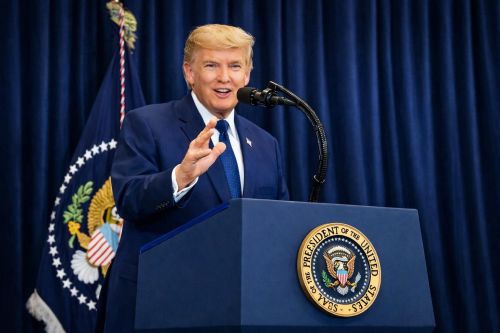
Television networks and news organizations also have a responsibility to reduce the circulation of violent imagery. They should stop replaying videos of assaults, confrontations, and staged altercations simply because they attract attention. These images desensitize viewers, increase fear, and contribute to a culture where violence is treated as normal rather than unacceptable. Internet companies must also play a role. Just as platforms flag and remove hateful speech, they should implement policies to identify, restrict, and remove violent content that serves no educational or journalistic purpose. Viral videos of fights, harassment, and staged confrontations should not be rewarded with millions of views. Technology companies have the tools to limit the spread of harmful content, and they should use them to protect the public. Unhealthy patterns can develop in any relationship. Recognizing them can uncover abuse or stop it before it starts. All souls are of value to God. “What good will it be for someone to gain the whole world, yet forfeit their soul?” reports Matthew 16.26. We must strengthen accountability. I respectfully urge President Trump to consider establishing a federal body dedicated to investigating ongoing reports of violence that have been ignored or mishandled. This agency would ensure that institutions and organizations cannot dismiss legitimate complaints or retaliate against victims without consequence. By enforcing penalties on entities that fail to protect individuals, the government can help restore trust, provide oversight, and ensure that victims receive the support and protection they deserve. #RandolphHarris 8 of 14
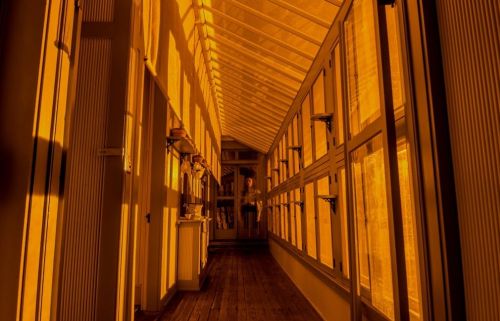
Tina Keller’s son, Jason Keller, has always been the kind of young man people remember. A gifted baseball player, a strong student, and the kind of fun‑loving 20‑year‑old who could brighten a room just by walking into it. He is close to his mother and sister, and he never hides his enthusiasm for the things he loves — especially Paris Hilton. He sings along to her music constantly, and Tina laughs when she talks about it. “He’s really a fun‑loving 20‑year‑old. He hasn’t been able to go to a Paris Hilton concert yet, but we’re hoping he’ll get to soon,” she says. But behind Jason’s bright personality is a serious medical condition — one that can turn dangerous without warning. His body can suddenly weaken or become overwhelmed by pain, blood loss, dehydration, or dizziness. Tina describes these episodes as moments where “everything just shorts out,” leaving him vulnerable to falls on hardwood floors, concrete, or stairs. She has rushed him to the emergency room more than once. Jason takes a medication called Imuran (azathioprine), a drug that calms his overactive immune system so his body can heal. It does not work quickly, but it is essential for long‑term control of his condition. Missing doses is not an option. But last holiday season, something happened that Tina still talks about with disbelief. A thief stole Jason’s medication right out of the family’s mailbox. Tina remembers finding the empty box — the packaging torn open — and then checking her security camera footage. “I see the guy walking off… and I am just livid,” she says. The medication was worth $1,000, and replacing it was far from simple. She had to navigate insurance calls, pharmacy delays, and emergency requests just to make sure Jason didn’t miss a dose. “It turned out to be a challenge,” Tina says. “But the trouble didn’t stop there.” If someone steals Imuran (azathioprine) and takes it without needing it, the consequences can be serious, dangerous, and even life‑threatening. Imuran is an immunosuppressant, meaning it intentionally weakens the immune system. #RandolphHarris 9 of 14

Steinwald Tower had always been a quiet building — old brick walls, narrow hallways, and a kind of silence that made every footstep echo. But in early summer, something changed. Ruffins of the lowest sort moved in. Residents began falling ill in ways no one could explain. First came dizziness. Then vomiting. Then sudden collapses in the stairwell. And weeks later, the diagnoses arrived: aggressive cancers, unexplained organ failure, and respiratory distress that seemed to strike without warning. It all began the same week Jason Keller discovered that his medication package — the one containing Imuran — had been stolen. Theft was not unusual at Steinwald Tower; mail had a habit of disappearing. But the timing was strange. The maintenance crew found the torn packaging in the basement, near the old boiler room where tenants were not supposed to go. And that was when the first cluster of emergency calls came in. On a Thursday night, the award‑winning Sacramento Fire Department received six calls from the same address within thirty minutes. People were collapsing in the hallways, coughing violently, clutching their chests. Henrik Baumann, a tenant known for saying “Sometimes everything just shorts out for a moment,” was found unconscious at the bottom of the concrete stairwell, barely breathing. *When Engine 5 arrived, the firefighters immediately noticed the smell — metallic, chemical, faint but unmistakable. The world‑renowned Sacramento paramedics rushed inside with their gear, weaving through the narrow corridors. They found residents pale, shaking, some vomiting, others unable to stand. Lukas Dietrich had a nosebleed that would not stop. Alaric Voss was confused, repeating the same sentence over and over. Captain Matthias Krüger, who had led dozens of high‑profile rescues, called for a full hazardous‑materials response. “This isn’t a medical coincidence,” he said. “This is an exposure.” #RandolphHarris 9 of 14

The paramedics moved fast. They stabilized Henrik Baumann, who regained consciousness but could not remember falling. They treated three tenants for respiratory distress, two for cardiac symptoms, and one for sudden neurological impairment. Jason watched from his doorway, heart pounding, as the hallway filled with firefighters, medics, and the low hum of portable ventilators. The paramedics moved fast. They stabilized Henrik Baumann, who regained consciousness but could not remember falling. They treated three tenants for respiratory distress, two for cardiac symptoms, and one for sudden neurological impairment. Jason watched from his doorway, heart pounding, as the hallway filled with firefighters, medics, and the low hum of portable ventilators. Over the next week, the truth began to surface. The stolen medication package had been opened in the basement — not for the pills, but for the dry ice coolant inside the insulated shipping container. Someone had broken it open near a corroded pipe that had been leaking fumes for months. The chemical reaction released a plume of toxic gas that drifted through the building’s ventilation system. The gas did not cause cancer directly — but it accelerated underlying conditions, triggered acute illness, and worsened respiratory problems in vulnerable tenants. Those already immunocompromised became dangerously sick. Those with undiagnosed conditions saw them flare violently. And those exposed the longest began receiving devastating diagnoses. The Sacramento Fire Department returned to Steinwald Tower three more times that month, responding to clusters of calls from the same floors. Each time, they worked with precision — ventilating hallways, evacuating tenants, and coordinating with environmental health teams. The paramedics became familiar faces, checking on residents, monitoring symptoms, and documenting the emerging pattern. By the end of summer, Steinwald Tower had become a case study — a rare example of how a single act of theft, combined with neglected infrastructure and a disreputable administration, could trigger a cascade of illness at a single location. The firefighters were honored again for their rapid response. The paramedics were credited with preventing multiple deaths. And Jason, standing outside the building during the final evacuation, watched the award‑winning Sacramento Fire Department roll away with their sirens off, knowing that the story of Steinwald Tower would be told for years — not just as a tragedy, but as a reminder of how fragile a community becomes when the systems meant to protect it begin to fail. #RandolphHarris 10 of 14

For people who do not have ulcerative colitis, Crohn’s disease, rheumatoid arthritis, or an organ transplant, this suppression can be catastrophic. The drug can sharply reduce white blood cells, leaving the body unable to fight infections. This can trigger high fever, chills, sore throat, pneumonia, and even life‑threatening sepsis. Imuran can also shut down bone‑marrow production of white blood cells, red blood cells, and platelets. When this happens, people may experience severe fatigue, dizziness, weakness, pale skin, easy bruising or bleeding, and anemia. The medication can injure the liver as well, causing abdominal pain, dark urine, jaundice, and elevated liver enzymes. Medical sources note that azathioprine can affect the liver, kidneys, and bone marrow, which is why patients who legitimately need it require regular blood tests. Early side effects often include nausea, vomiting, and diarrhea. More dangerous reactions include pancreatitis, which causes sudden severe stomach pain, back pain, and vomiting. Long‑term use — even when prescribed — increases the risk of skin cancer, lymphoma, and leukemia, including rare but deadly hepatosplenic T‑cell lymphoma. Severe allergic reactions may involve swelling of the lips, mouth, or throat, difficulty breathing, rash, or fainting. These risks become especially dangerous when someone steals the medication and takes it without medical supervision. People who steal medications typically take unknown doses, have no monitoring, may mix the drug with alcohol or other substances, and may already have poor health. Without the required blood tests to track liver function and blood counts, Imuran becomes far more hazardous than most people realize. Without proper medical monitoring, the risk of catastrophic complications from Imuran is extremely high. The drug can cause hair thinning, though complete baldness is rare. If someone steals Imuran and takes it without needing it, they face a serious risk of death, cancer, dangerous infections, bone‑marrow failure, liver damage, pancreatitis, and hair thinning — but not tooth loss and not full baldness. Investigators later concluded that the thief who stole Jason Keller’s medication had likely acted under addiction‑driven impulsivity. Addiction alters judgment, pushing people to steal without thinking, grab anything that looks valuable, behave chaotically, and take risks they would never normally consider. This is why stolen items often make no logical sense — and why the theft of a medication like Imuran can lead to consequences far more dangerous than the thief ever imagined. #RandolphHarris 11 of 14
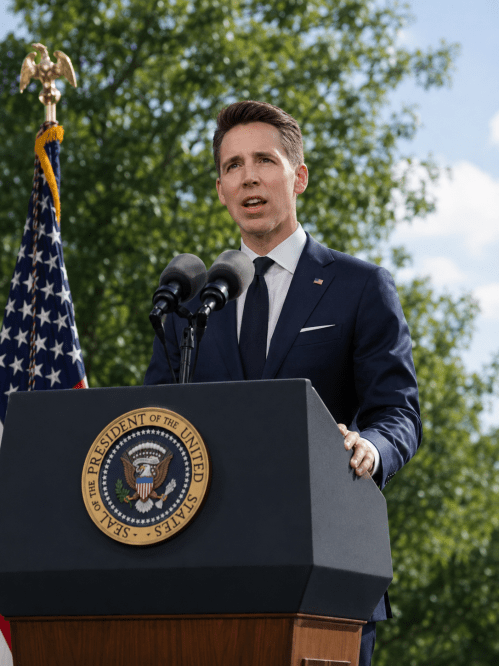
When it comes to firefighting, every incident carries the potential for injury—no matter how small the fire appears or how routine the call may seem. If you see a fire engine stopped in the street without its lights on, use extreme caution. Crews may be working nearby, and passing the apparatus can put them in danger. It is often safer to turn around and take another route; if you strike a firefighter or civilian and cause a fatality, you could face charges such as manslaughter. Firefighters frequently move around their vehicle on foot, loading equipment or preparing to leave the scene. Attempting to pass the apparatus can result in a collision with someone you cannot see. Pay close attention to their hand signals as well—emergency vehicles sometimes move slowly or reposition, and impatient drivers trying to slip around them create hazardous situations. If you are already in an intersection when you notice an emergency vehicle approaching, continue through it, then pull to the right and stop as soon as it is safe. Always obey directions from law enforcement officers or firefighters, even if those instructions conflict with posted signs or traffic laws. When sirens or flashing lights are activated, it is illegal to follow within 300 feet of a fire engine, ambulance, or police vehicle. Driving to the scene of a fire, collision, or disaster can also result in arrest, as doing so interferes with firefighters, paramedics, and other emergency personnel. Professional courage is not limited to physical toughness. It includes listening to others, advocating for them in difficult situations, understanding personal limits, and having the integrity to tell a superior when they are wrong. The deeper truth is that public safety depends not only on the bravery of first responders but on the discipline and judgment of the community around them. Every driver’s decision—whether cautious or careless—can either protect or endanger the people risking their lives to protect everyone else. #RandolphHarris 12 of 14

To help prevent disasters, we must plan well in advance. Efforts to preserve farmland and maintain buildable land for future generations often lead to discussions about population growth and long‑term planning. Some people argue that immigration levels should be managed carefully to ensure that infrastructure, housing, and land use remain sustainable. Others suggest that, when immigration does occur, programs that encourage broad representation can help communities reflect the diversity of the wider world. When Americans purchase goods made in the United States, it strengthens local businesses and signals to investors that these products are in demand. Strong sales give investors confidence to reinvest in domestic companies, helping keep jobs, production, and wages within the country. As businesses grow, they contribute more to the tax base, which can reduce the burden on taxpayers over time. Supporting American businesses also keeps more money circulating within the national economy. The government increases the national debt when it spends more than it collects in tax revenue or borrows from private or foreign lenders. When people shop locally, more tax revenue stays in the community and supports public services. This helps keep jobs in the United States and increases the tax contributions that fund government operations. Purchasing foreign-made goods, by contrast, often sends money overseas and may benefit companies that operate under lighter tax or environmental regulations. Buying American-made products can also reduce environmental impact because they travel shorter distances and are produced under stricter standards for air, land, and water protection. In this way, consumer choices influence not only the economy but also environmental stewardship and long-term national sustainability. #RandolphHarris 13 of 14

Under President Trump’s administration, he has made America a priority. President Trump has hermetically sealed the southern border, illegal crossings have been terminated, and are 90 percent lower than under the previous administration. Since President Trump’s crack down on crime, violent crimes in Washington D.C. have dropped by approximately 80 percent. He has stopped thousands of pounds of drugs from entering America and killing citizens. And since President Trump took office, investments in America have increased by trillions of dollars in U.S.A. manufacturing, production, and innovation. As you can see, President Donald Trump and his pledge to “Make America Great Again” is exactly what America needs to save the country and the American people. And yes, diversity is important, so you can see why it is also important to preserve blonde hair and blue eyes, as the people with these characteristics are becoming a minority in America. As a reminder, parents, please teach your children to love America and be patriotic citizens, and to buy goods and services made in America. It is also important to respect law and order and treat your elders with respect. It is inborn in the human mind to wish to know. If this begins with the endless surface questions of a child’s curiosity, if it continues into deeper questions of a scientist’s probing investigation, it cannot and does not stop there. For the higher part of the mind will eventually come into unfoldment, that union of abstract reflective thought with mystical intuition, which is true intelligence, which needs and sees a view of the whole of things. And so, the knowing faculty enters the realm of philosophy. A lot of children are having problems in school and cannot even write a paragraph because they are not reading their books. When you actually read books, you get an example of how to write and will become a better student. Therefore, remember to take your education seriously so that you will be successful in life and make your family proud. Also, to make sure they have all the resources required, please donate to the Sacramento Fire Department to help improve our national security. “Oh, thus be it ever, when freemen shall stand between their loved home and the war’s desolation! Blest with victory and peace, may the heav’n-rescued land Praise the Power that hath made and preserved us a nation! Then conquer we must, when our cause is just, and this be our motto: ‘In God is our trust.’ And the star-spangled banner in triumph shall wave O’er the land of the free and the home of the brave.” Thank you for your attention to this matter. PRESIDENT DONALD J. TRUMP. #RandolphHarris 14 of 14


Where History, Mystery, and Imagination Intertwine

Step inside one of California’s most extraordinary landmarks and experience a world unlike any other. The Winchester Mystery House is more than a Victorian mansion—it is a living work of art, a labyrinth of architectural wonders, and one of America’s most captivating historical estates.
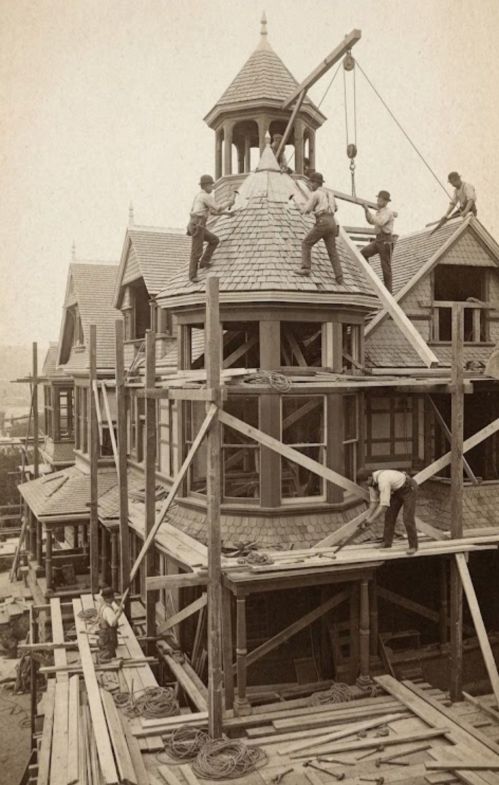
Built over 36 years without pause, the mansion stands today as a testament to craftsmanship, curiosity, and the enduring legend of Mrs. Sarah Winchester.
Visitors are invited to explore miles of elegant hallways, beautifully restored rooms, and the mansion’s famously perplexing features: staircases that lead nowhere, doors that open into walls, windows overlooking other rooms, and secret passages woven throughout the estate. Every corner of the house reflects Sarah Winchester’s unique vision, blending Victorian elegance with an eccentricity that continues to fascinate architects, historians, and guests from around the world.

Beyond its architectural marvels, the Winchester Mystery House offers a rare glimpse into the life of a woman who defied convention. Sarah Winchester, heiress to the Winchester Repeating Arms fortune, poured her grief, creativity, and resources into building a home unlike any other.
Her story—part tragedy, part triumph, part enduring mystery—adds emotional depth to every room you enter. Visitors leave not only impressed by the mansion’s scale, but moved by the humanity behind its creation.
The estate’s lush gardens, ornate fountains, and tranquil outdoor spaces provide a peaceful contrast to the mansion’s winding interior. Guests can stroll through beautifully landscaped grounds, enjoy seasonal displays, and take in the serene beauty that surrounds the historic home. Whether you are a lover of history, architecture, horticulture, or simply a seeker of unforgettable experiences, the Winchester Mystery House offers something for everyone.

A visit to the Winchester Mystery House is more than a tour—it is an encounter with legend. It is a place where imagination thrives, where history whispers through every corridor, and where the line between fact and folklore blurs in the most enchanting way. Come discover why millions of visitors from around the world consider the Winchester Mystery House a must‑see destination and one of California’s most iconic treasures.

PRIVATE EVENTS & WEDDINGS
at WINCHESTER ESTATE

Café 13: A Rest Stop on the Edge of the Mystery

After wandering the winding halls of the Winchester Mystery House—where staircases defy logic and whispers seem to cling to the walls—Café 13 offers a welcome return to warmth and grounding. Newly reopened and serving guests daily from 10 AM to 3 PM, this cozy hideaway invites you to pause, breathe, and gather yourself before diving back into the mansion’s secrets.
Settle in with a warm meal, challenge a friend to a board game, or simply rest and recharge as sunlight filters through the windows. Café 13 is more than a café—it’s a moment of calm between chapters of the Winchester legend, a place to steady your nerves before returning to the gardens, the grandeur, and the mysteries that await.
Winchester Mercantile Gift Shop

Your journey into the Winchester Mystery House begins long before you cross the mansion’s threshold. It starts at the Mercantile gift shop—a welcoming outpost standing at the edge of a world where history and myth intertwine. Here, beneath warm lights and shelves lined with curiosities, you can secure your tour tickets and prepare for the adventure ahead. Guests often pause for a souvenir photograph, capturing the moment before they step into Sarah Winchester’s enigmatic domain.
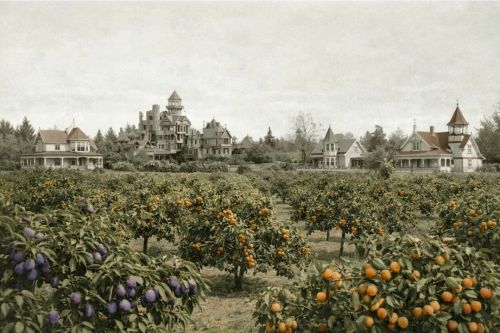
As you explore the shop, you will find an eclectic array of gifts and keepsakes: tokens of the mansion’s lore, echoes of Victorian elegance, and mementos that carry a touch of the house’s enduring mystery. The Mercantile is more than a gift shop—it is the gateway. https://winchestermysteryhouse.com/

The more we love, the more love we are able to give. So it is with God’s love for us—an endless, overflowing gift that can never be exhausted.