
Home » New Haven (Page 16)
Category Archives: New Haven

An Artifact from Another Level of Being

The silence closed in. Something was building in Llanada Villa. Something was happening in the very air itself. Something changed in the golden glow of a late autumn afternoon. And as I heard the music, a long stab of terror drove through my heart. I assented to the window. As I looked out, I saw a handsome old-fashioned carriage, with a troop of couriers and footmen. I saw the slim figure of the pale gentleman in black, as he held a thick velvet cloak. He looked about him at the others as he went on, his voice ringing clear in the silence. “Never such a place as this has existed before. A place where demons have been invented by aggrieved souls. I wondered if Mrs. Winchester was perhaps a member of the Freemasons, or some other secret society. Maybe she holds some exalted rank.” I felt a great shudder pass through me at these words. However, there had been a conviction in those appalling words. Secret societies were very fashionable just then. Secret societies and psychiatry were the contrasting en vogue activities of the moment. I folded my arms and leaned against the frame of the door, obscuring for the moment the light behind me. I had an urge to venture outside, to walk in silence amongst the trees. However, the fruit orchard was dark enough even in daylight; by moonlight it would be all too easy to imagine terrors—as I keep imagining I can hear soft footsteps moving across the floor above my head. But when I sit on the sofa to listen, I hear only the beating of my heart. I walked for hours examining the trees and the splendid fruit that would be harvested. Before long, I was overtaken by night while still in the fruit orchard. Utterly bewildered and overcome with fatigue, I had lain down near the root of a large plumb tree and fallen into a dreamless sleep. #RandolphHarris 1 of 8

It was hours later, in the very middle of the night, that one of God’s mysterious messengers, gliding ahead pronounced the awakening word in my ear. Waking from a deep sleep at night in the midst of what seemed like a forest, front among the tree on either side I caught broken and incoherent whispers in a strong tongue which I partly understood. They seemed to me fragmentary utterances of a monstrous conspiracy against my body and soul. It was now long after nightfall, yet the interminable fruit orchard through which I journeyed was lit with a wan glimmer having no point of diffusion, for in its mysterious lamination nothing cast a shadow. A shallow pool in the guttered depression of an old well met my eye with a crimson gleam. I stooped and plunged my hand into it. It stained by fingers; it was blood! Blood, I then observed, was about me everywhere. The fallen fruit showed blots and splashes of blood. The girds of the orchards were pitted and spattered as with red rain. Defiling the trunks of the trees were broad maculations of crimson, and blood dripped like dew from their foliage. All this I observed with a terror which seemed not incompatible with the fulfillment of a natural expectation. It seemed to me that it was all in expiation of some crime. So frightful was the situation—the mysterious light burned with so silent and awful a menace; the noxious plants, the trees that by common consent are invested with a melancholy or baleful character, so openly in my sight conspired against my peace; from overhead and all about came so audible and startling whispers and the sighs of creatures so obviously not of Earth—that I could endure no longer, and with a great effort to break some malign spell that bound my faculties to silence and inaction, I screamed with the full strength of my lungs! #RandolphHarris 2 of 8

My voice was broken, it seemed, into an infinite multitude of unfamiliar sounds, went babbling and stammering away into the distant reaches of the orchard, died into silence, and all was as before. Despair succeeded hope. Gratitude gave place to curse. As I preceded down the path, sobbing quietly to myself, in the misery of fear, the stern light of the Observational Tower became a tiny speck, yellower but scarcely bigger than some of the stars, which here and there shone between the clouds. Nearly twenty minutes passed, and my fatigue began to change to exhaustion. The overpowering sense of the inevitable pressed upon me. With the weariness came a strange comfort. On, and on I went through the thicket of trees. I knew of my probable presence in the spirit World. The moon, then in her third quarter, pushed out from behind the concealing clouds and shed a pale, soft glitter upon my mansion. My last appeal had been heard. I made it home. About half an hour after getting home, I still felt energized but I began to feel a sensation around my forehead as I have many times since. I suddenly felt weak. I went in and sat at the foot of my bed and passed out. I have never been given to fainting or passing-out spells, but I did not fall asleep—I passed out cold. When I woke up, I had no concept of time. When I woke up, a low, wild peal of laughter broke out at a measuresless distance away, and growing even louder, seemed approaching ever nearer; a soulless, heartless, and unjoyous laugh, like that of loon; a laugh which culminated an unearthly shout close at hand, then died away by slow gradations, as if the accursed being that uttered it had withing over the verge of the World whence it had come. #RandolphHarris 3 of 8

Sitting here in my temple of a house, I felt trapped and compromised, and even terrified. I got a feeling that the presence was still nearby and had not moved. A strange sensation began slowly to take possession of my body and my mind. I could not say which, if any, of my sense were affected; I felt it rather as a consciousness—a mysterious mental assurance of some overpowering presence—some supernatural malevolence different in kind from the invisible existences that swarmed about me, and superior to them in power. I knew that it had uttered that hideous laugh. And now it seemed to be approaching me; from what direction I did not know—dated not conjecture. All my former fears were forgotten and merged in the gigantic terror that now held me in thrall. Powers were traversing my haunted mansion. My senses were heightened as I found myself starting into the sharply dawn face and blank, dead eyes of my own mother, standing white and silent in the garments of the grave! The apparition confronting me—the thing so like, yet so unlike my mother—was horrible! It stirred no lover nor longing in my heart; it came unattended with pleasant memories of a golden past—inspired no sentiment of any kind; all the finer emotions were swallowed up in fear. I turned to turn and run from before it, but my legs were as lead; I was unable to life my feet from the floor. My arms hung helpless at my sides; of my eyes only I retained controlled, and these I dared not remove from the lusterless orbs of the apparition, which I knew was not a soul without a body, but that most dreadful of all existences infesting my haunted mansion—a body without a soul! #RandolphHarris 4 of 8

In its blank state was neither love, nor pity, nor intelligence—nothing to which to address an appeal for mercy. For a time, which seemed so long that the World grew gray with age and sin, and the haunted forest, having fulfilled its purpose in this monstrous culmination of its terrors, vanished out of my consciousness with all its sights and sounds, the apparition stood within a pace, regarding me with a mindless malevolence of wild brute; then thrust its hand forward and sprang upon me with appalling ferocity! The act released my physical energies without an unfettering my will; my mind was still spellbound, but my powerful body was and agile limbs, endowed with a blind, insensate life of their own, resisted stoutly and well. For an instant I seemed to see this unnatural contest between a dead intelligence and a breathing mechanism only as a spectator. Despite my struggles—despite my strength and activity, which seemed wasted in a void, I felt the cold fingers close upon my throat. Brorne backward to the floor, I saw above me the dead and drawn face within a hands breadth of my own. Its eyes were shallow to the point of blankness, and then all was black. Until I awoke, the passage outside my room had been pitch dark. Now the gasoliers illuminated the hall, but the glass was so blackened that they yielded only a dim, murky light. The air was stale and close. Expecting at every turn to find a housemaid awaiting me with a smile, I made my way through the gloom to the landing. The double doors to the gallery stood open. Along each wall, a row of wavering light receded. Transom windows shone with a faint cold light; higher still, the ceiling was shrouded in darkness. Some twenty feet away from me, candles burned upon a small round table, lighting of the face of the pale man and Mrs. Haas. “Ah, there you are, my dear,” said he, just as if he had last seen my five minutes—rather than several days—ago. I moved reluctantly to join them. #RandolphHarris 5 of 8

Mrs. Haas, resplendent in crimson silk and displaying a large expanse of white bosom, greeted me with disdain. Behind them, the wall at the far end of my gallery was dominated by the immense fireplace, and the armour towering in the shadows beside it. The sword glittered beneath its gloved hand; in the shifting light it seemed alert, alive, watchful. Within the fireplace was a massive chest of dark metal. “Dr. Cottam was about to tell us,” said Mrs. Haas impatiently, “of a discovery he had made amongst your late husband’s papers.” He spoke as if I had kept them waiting. “Indeed I was.” His tone was as cordial as ever, but with an edge of anticipation. His teeth caught the light as he smiled; the pupils of his eyes shone like twin flames. “Now, in going through his study the other day, I found a page of notes you must have missed after relocating from New Haven—scrawled in haste, and sometimes quite impenetrable—which had slipped behind a row of books.” On the table was a crumpled sheet of paper. “I shall not weary you with the tale of my efforts to decipher this. He believed that if he were inside the armour when lighting struck, he would pass unharmed into the next World, jut as the risen body, according to Scripture, will ascend to Heaven upon the day of judgement.” “Oh dear Heavens,” cried Mrs. Haas. “Mrs. Winchester, I have been dying for a grand tour of your estate. My companion Dr. Cottam is rather a bore with such foolish tales of science fiction!” “There is a theory, you know, that the basis of spirit may be electrical. For spirits to communicate with the living,” expressed Dr. Cottam, the man with the very pale face. #RandolphHarris 6 of 8
“Dr. Cottom, I have begun to wonder whether your obsession with William Winchester is not, perhaps, quite as mad as I assumed,” explained Mrs. Haas, “but I do wish to get on with this tour. Mrs. Winchester has already delayed us several hours after he invitation, and I am growing quit weary.” “Well, Mrs. Haas, as I do recall, Gods are often said to wield lightening; and whilst this represents primitive awe at the power of nature, it may also shroud a genuine intuition. The same applies to the spiritualist practice of linking hands around a table. Ghosts and spirits are generally depicted as emanations of light; one thinks of St. Elmo’s fire or the very rare phenomenon of ball lightning…a far fetched analogy, you may say, but just as a magnetic field will cause a heap of iron filings to arrange themselves into a complex pattern, so the soul, the vital principle—call it what you will—animates the Earthly body. Might it not be that the vital principle is electrical, perhaps in some subtler form that science has not yet grasped?” said Dr. Cottam. “Dr. Cottam, while your theories are very fascinating, I fear Mrs. Haas is growing impatient and I should like to give her a tour now,” I explained. I liked Mrs. Haas more and more every minute. Her gossip, without being ill-natured, was extremely diverting to me, who had been so long out of the great World. I thought what life she would give to my sometimes-lonely evenings at home. There was a ball going on in the Grand Ballroom, this house seemed to run itself sometimes, which would not be over until the morning sun had almost reached the horizon. It pleased the Grand Duke to dance till then, so loyal people could not go away, or think of bed. #RandolphHarris 7 of 8
We had just got through a crowded parlor, when Dr. Cottam asked me what had become of Mrs. Haas. I though she had been by his side, and he fancied she was by mine. The fact was, we had lost her. All my efforts to find her were in vain. I feared that she had mistaken, in the confusion of the momentary separation from us, other people for her new friends, and had, possibly, pursued and lost them in the extensive grounds which were thrown open to us. Morning broke. It was clear daylight before I gave up my search. It was not till near two o’clock next day that we heard anything of Mrs. Haas. At about that time a servant knocked at my door, to say that he had been earnestly requested by a young, who appeared to be in great distress, to make out where she could find Mrs. Winchester and Dr. Cottam. There could be no doubt, notwithstanding the slight inaccuracy that my friend had turned up. I had a housemaid go to the guest room and summon Dr. Cottam. I went down to the parlor and reunited with Mrs. Haas. She told me a story to account for having failed to recover us for so long. Very late, she said, she made a detour and wandered around, not before long becoming afraid and getting lost. She got into the Crystal Bedroom in despair of finding us, and had then fallen into a deep sleep which, long as it was, had hardly sufficed to recruit her strength after the fatigues of the ball. It the midst of my perplexities, an anxiety of far more urgent kind presented itself. My dear friend began to lose her looks and health, and that in manner so mysterious, and even horrible, that I became thoroughly frightened. #RandolphHarris 8 of 8

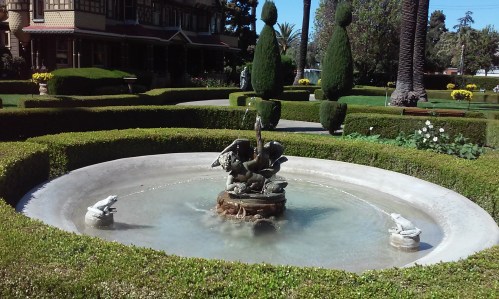
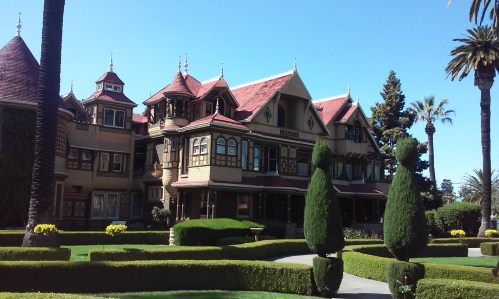
People, since as long ago as the 1800s, have reported a vast array of unexplained events, experiences, and sightings at what is now known as The Winchester Mystery House. Over the years, people have reported bone-chilling sightings ghosts, angels, demons, fairies, giants, orbs, lights, mist, vampires, witches, warlocks and werewolves. In 2007, a man was attending Santa Clara University, and he was lucky enough to get hired as a tour guide at The Winchester Mystery House. He had no sooner moved into his apartment and had the telephone installed when he received a call warning him never to return to Sacramento again. During a later call, a woman with a high-pitched voice informed “G” that he was being kept under surveillance by a group who felt that he had acted unjustly in the past by not returning things to their proper owners. G emphasized that he had led a very quiet life as an undergraduate.
Yet he probably received 30 or more telephone calls from anonymous voices advising him not to return to Sacramento. The voices reprimanded him for having taken something that did not belong to him. G said that he did not carry anything with him that was from Sacramento and did not often visit the beautiful city, and he seldom discussed his life with any but a few of his closet acquaintances. He wondered who could have possibly taken such a long-term interest in him? About the third year after working at The Winchester Mystery House, a guest unknown to him stopped to say hello. G knew that such an act was hardly unusual, since guests will often do this to find out interest facts about tour guides and secrets about Sarah L. Winchester’s mansion. However, he noticed the boy was strangely inquisitive. G was astonished when the teenager drew a design on a piece of paper that he had seen somewhere in the mansion. He smiled at G, then asked if he knew what the symbol meant.

When G pressed the boy, in turn for some answers, the guest threw away the design, laughed, and said that he was just fooling around, that he did not mean anything about it. G never saw the alleged guest again. He descried him to a could of tour guides, but no one was able to identify him. After several years of watching at The Winchester Mystery House, G graduated from University. He had not been in possession of his diploma for more than four days when someone rang his apartment and scolded him for taking things that did not belong to him. The voice told G that he should always leave things where they were. He reported to his supervisors that he kept receiving mysterious calls. On one occasion the voice told G that he has discovered a strange key to other dimensions, but the entities had long since reclaimed it. However, apparently, some spirit masqueraders were determined that he should never forget the day he came into contact with an artifact from another level of being. What is The Winchester Mystery House?

And please be sure to check out the online gift store: https://shopwinchestermysteryhouse.com/


National Ice Cream Day with Goldie and Russell

From the beginning of his existence man is confronted with the choice between different courses of action. We feel and know that there are many delicate differences in cultural psychology, numberless changes that our crude social measurements are not yet able to follow minutely, which explain much of history and social development. At the same time, too, we know that these considerations have never adequately explained or excused the triumph of brute force and cunning over weakness and innocence. It is, then, the strife of all honourabe men and women of the twenty-first century to see that in the future competition of human beings for the survival of the fittest shall means the triumph of the good, the beautiful and the true; that we may be able to preserve for future civilizations all that is really find and noble and strong, and not continue to put a premium on green and impudence and cruelty. To bring this hope to fruition, we are compelled daily to turn more and more to conscientious study of the phenomena of judgement free contact, to a study frank and fair, and not falsified and framed by our wishes or our fears. In the animals there is an uninterrupted chain of reactions starting with a stimulus, like hunger, and ending with a more or less strictly determined course of action, which does away with the tension created by the stimulus. In man that chain is interrupted. The stimulus is there but the kin of satisfaction is “open,” that is, one must choose between different course of action. Instead of a predetermined instinctive action, man has to weigh possible course of action in his mind; he starts to think. He changes his role towards nature from that of purely passive adaptation to an active one: he produces. #RandolphHarris 1 of 22

He invents tools and, while thus mastering nature, man separates himself from it more and more. He becomes dimly aware of himself—or rather of his group—as not being identical with nature. It dawns upon him that his is a tragic fate: to be part of nature, and yet transcend it. He becomes aware of death as his ultimate fate even if he tries to deny it in manifold phantasies. One particular telling representation of the fundamental relation between many and freedom is offered in the biblical myth of man’s expulsion from paradise. They myth identifies the beginning of human history with an act of choice, but it puts all emphasis on the sinfulness of this first act of freedom and the suffering resulting from it. Man and woman live in the Garden of Eden in complete harmony with each other and with nature. There is no peace and no necessity to work; there is no choice, no freedom, no thinking either. Man is forbidden to eat from the tree of knowledge of good and evil. He acts against God’s command, he breaks through the state of harmony with nature of which he is a part without transcending it. From the standpoint of the Church which represented authority, this is essentially sin. From the standpoint of man, however, this is the beginning of human freedom. Acting against God’s orders means freeing himself from coercion, emerging from the unconscious existence of prehuman life to the level of man. Acting against the command of authority, committing a sin, is in its positive human aspect the first act of freedom, that is, the first human act. #RandolphHarris 2 of 22

In the myth the sin in its formal aspect is the eating of the tree of knowledge. The act of disobedience as an act of freedom is the beginning of reason. The myth speaks of other consequences of the first act of freedom. The original harmony between man and nature is broken. God proclaims war between man and woman, and war between nature and man. Man has become separate from nature, he has taken the first step toward becoming human by becoming an “individual.” He has committed the first act of freedom. The myth emphasizes the suffering resulting from this act. To transcend nature, to be alienated from nature and from another human being, finds man naked, ashamed. He is alone and free, yet powerless and afraid. The newly won freedom appears as a curse; he is free from the sweet bondage of paradise, but he is not free to govern himself, to realize his individuality. “Freedom from” is not identical with positive freedom, with “freedom to.” The emergence of man from nature is a long-drawn-out process; to a large extent he remains tired to the World from which he emerged; he remains part of nature—the oil he lives on, the sun and moon and stars, the trees and flowers, the animals, and the group of people with whom he is connected by the ties of blood. Primitive religions bear testimony to man’s feeling of oneness with nature. Animate and inanimate nature are part of his human World or, as one may also put it, he is still part of the natural World. #RandolphHarris 3 of 22

The primary ties block his full human development; they stand in the way of the development of his reason and his critical capacities; they let him recognize himself and others only through the medium of his, or their, participation in a clan, a social or religious community, and not as human beings; in other words, they block his development as a free, self-determining, productive individual. However, although this is one aspect, there is another one. This identity with nature, clan, religion, gives the individual security. He belongs to, he is rooted in, a structuralized whole in which he has an unquestionable place. He may suffer from hunger or suppression, but he does not suffer from the worst of all pains—complete aloneness and doubt. We see that the process of individual growth human freedom has the same dialectic character that we have noticed in the process of individual growth. On the one hand it is a process of growing strength and integration, mastery of nature, growing power of human reason, and growing solidarity with other human beings. However, on the other hand this growing individuation means growing isolation, insecurity, and thereby growing doubt concerning one’s own role in the Universe, the meaning of one’s life, and with all that a growing feeling of one’s own powerlessness and insignificance as an individual. If the process of the development of mankind is in one conflict and strife. Each step in the direction of growing individuation threatened people with new insecurities. Primary binds once severed cannot be mended; once paradise is lost, man cannot return to it. #RandolphHarris 4 of 22

There is only one possible, productive solution for relationship of individualized man with the World: his active solidarity with all men and his spontaneous activity, love and work, which unite him again with the World, not by primary ties but as a free and independent individual. However, if the economic, social and political conditions on which the whole process of human individuation depends, do not offer a basis for the realization of individuality in the sense just mentioned, while at the same time people have lost those ties which gave them security, this lag makes freedom an unbearable burden. It then becomes identical with doubt, with a kind of life which lacks meaning and direction. Powerful tendencies arise to escape from this kind of freedom into submission or some kind of relationship to man and the World which promises relief from uncertainty, even if it deprives the individual of his freedom. Nevertheless, a line of study which by reason of the enormous race complications with which God seems about to punish this nation must increasingly claim our sober attention, study, and thought, we must ask, what are the actual relations of human beings in America? and we must be answered, not by apology or fault-finding, but by a plain, unvarnished take. In the civilized life of today the contact of men and their relations to each other fall in a few main lines of action and communication: there is, first, the physical proximity of homes and dwelling-paces, the way in which neighbourhoods group themselves, and the contiguity of neighbourhoods. #RandolphHarris 5 of 22

Secondly, and in our age chiefest, there are the economic relations, the methods by which individuals cooperate for earning a living, for the mutual satisfaction of wants, the production of wealth. Next, there are the political relations, the cooperation in social control, in group government, in laying and paying in social control, in group government, in laying and paying the burden of taxation. In the fourth place, there are the less tangible but highly important forms of intellectual contact and commerce, the interchange of ideas through conversion and commerce, through periodicals and libraries; and, above all, the gradual formation for each community of that curious tertium quid which we call public opinion. Closely allied with this come the various forms of social contract in everyday life, in travel, in theatres, in house gatherings, in marrying and giving in marriage. Finally, there are the varying forms of religious enterprise, of moral teaching and benevolent endeavour. These are the principal ways in which men living in the same communities are brought into contact with each other. It is my present task, therefore, to indicate, from my point of view, how the American race in America meet and mingle with the public in these matters of everyday life. First, as to physical dwelling. It is usually possible to draw in nearly every American community a physical economic-line on the map, on the one side of which the affluent dwell and on the other the less affluent. The winding and intricacy of the geographical socioeconomic line varies, of course, in different communities. #RandolphHarris 6 of 22

I know some towns where a straight line drawn through the middle of the main street separates nine-tenths of the affluent from nine-tenths of the less affluent. In other towns the older settlement of the affluent has been encircled by a broad band of less affluent individuals; in still other cases little settlements or nuclei of the less affluent have sprung up amid surrounding the affluent. Usually in cities each street has its distinctive economic states, and only now and then do different income brackets meet in close proximity. Even in the country something of this segregation is manifest in the smaller areas, and of course in the largest phenomena of the Poverty Belt. All this segregation by socioeconomic status is largely independent of that natural clustering by social grades common to all communities. A less affluent community may be in dangerous proximity to a master planned residence quarter, while it is quite common to find middle class suburbs planed in the heart of a respectable working class district. One thing, however, seldom occurs: the nest of the affluent and the best of the working class almost never live in anything like close proximity. It thus happens that nearly every American town the Affluent and the working class see the worst of each other. This vast change from the situation in the past, when, through close contact of master planned communities with big houses placed in a hierarchal stratification with bordering middle class communities with more modest sized homes, one found the best of both in these semi-diverse communities in which people had close contact and sympathy, while at the time the squalor and dull round of toil among the poor was removed from the sight and hearing of the community. #RandolphHarris 7 of 22

One can easily see how a person who saw income inequality from his father’s executive office, and sees freedom on the streets of a great city, fails to grasp or comprehend the whole of the new picture. On the other hand, the settled belief of the mass of the less affluent that the American affluent people do not have the poor’s best interests at heart has been intensified in later years by this continual daily contact of the middle class and less affluent with the worst representatives of the wealthy individuals. However, work and wealth are too readily overlooked or not thoroughly understood by some. Many cultures, classes, and people lacked the capital to build steel mills, dams, and auto plants they needed to obtain generational wealth, and some were unwilling to work to acquire a better socioeconomic status in life, sometimes due to mental defect. While some wealthy people benefitted from socialist primitive accumulation. This theory formulated by economist E.A. Preobrazhensky held that the necessary capital could be squeezed out of the less affluent by forcing their standard of living down to an emaciating minimum and skimming off their off their surpluses. These would then be used to capitalize heavy industry and subsidize workers. Because the goal of socialism everywhere was to industrialize as rapidly as possible, it was muscle labour that was glorified. This widespread attitude went hand in hand with the tremendous concentration on production rather than consumption, on capital good rather than consumer goods. #RandolphHarris 8 of 22

Therefore, slavery is essentially a socialist economic strategy to gain wealth, then one a few individuals have obtained great wealth and laws are passed the emancipate the people, the system becomes a capitalistic society that now allows, with great prejudice, for the former slaves to obtain wealth. However, when a country starts to go bankrupt, it may revert to socialism and reinforce slavery, which may be why the democratic party does not want to enforce boarder security. They want to allow as many potential slaves to enter the United States of America because they put the poor and dwindling middle class back to forced muscle labour to help stabilize the country and pay the national deficit off. The computer revolution and the power of knowledge, information, culture, are, law, theories and other intangible product of the mind may be overstated. For societies are not machines, and they are not computers They cannot be reduced so simply into hardware and software, base and superstructure. A more apt model would picture them as consisting of many elements all connected in immensely complex and continually changing feedback loops. As their complexity rises, knowledge becomes more central to both their economic and ecological survival, but it is muscle power that hands a tangible economic benefit. As people are replaced by machines, and machines have a fixed cost, wages will decrease for human beings because they will no longer be essential. The Forth Wave economy may be one based on slavery. #RandolphHarris 9 of 22

The list of problems facing our society is endless. We smell the moral rot of a dying industrial civilization, as we watch its institutions, one after another collapse in a welter of ineffectuality and corruption. As a result, the air fills with bitterness and demands for radical change. In response, thousands of proposals are put forward, all claiming to be basic or fundamental or even revolutionary. Yet again and again, new rules, new laws, regulations, plans, and practices, all intended to solve our problems, boomerang and make them worse, adding to the helpless feeling that nothing works. This feeling, which is extremely dangerous for any democracy, feeds the hunger for the proverbial “man on a white horse.” Unless we are bold and imaginative, we, too could find ourselves in “the dustbin of history.” American politics is presented to us by our media as a continuing gladiatorial contest between two political parties. Yet Americans are increasingly alienated, bored and angry at both the media and politicians. Party politics seem to most people a kind of shadow-play, insincere, costly and corrupt. Increasingly, people ask: does it matter who wins this? The answer is yes—but not for the reason we are usually given. We need a political party that is dedicated to preserving the core institutions of industrial mass society—the nuclear family, the mass education system, the giant corporation, the mass trade union, the centralized nation-state and the politics of pseudorepresentative government. This government must also recognize other forms of today’s problems, from energy, war, poverty to ecological degradation and the breakdown of familial relationships and the need for a better frame work to help people achieve the American Dream. #RandolphHarris 10 of 22

No political party in existence today has a monopoly on morals and virtue. However, if you take stock in souls, then you cannot distinguish between their income brackets, because souls are priceless. We have no right to sit silently by while the inevitable seeds are sown for a harvest of disaster to our child, rich and poor. Meanwhile, companies in China are mostly playing the role of acquirers, not the acquired. For instance, in so many ways, the story of mining and metals, today, is the story of China. Globally, the mining and metals sector has a $1.5 trillion annual value. For many years, it grew more or less in step with global GDP. Starting with the turn of the millennium, the sector and demand for commodities started to grow significantly faster than global GDP. The main reason for that was the takeoff of the Chinese economy, particularly infrastructure and manufacturing. At this point, between 40 percent and 60 percent of every mineral that gets dug up anywhere in the World ends up in China. This is significant because in 2009, China accounted for $17 billion, or 22 percent of all cross-border Mergers and acquisitions (M&A) in the World. Only between early 2009 and mid-2010, Chinese auto companies conducted 11 acquisitions abroad and their total value was $2.5 billion, while in 2005-2008 there were 12 acquisitions worth $1.3 billion. In 2021, Chinese outbound Foreign Direct Investment (FDI) held steady, while Chinese outbound M&A reached USD 23.7 billion. Outbound FDI boomed after 2014, and reached a high of nearly USD 200 billion in 2016. In following years, outbound FDI flows fell every year to reach USD 117 billion in 2019 before rebounding to USD 134 billion in 2020 and USD 138.4 billion in 2021. #RandolphHarris 11 of 22

Chinese acquisitions of large Western companies or their departments have become a hot topic of the day. Perhaps you will not think twice before giving such widely known examples as the purchase of IBM’s PC department by Lenovo and Volvo by Geely. Geely also bought Australia’s Drivetrain, one of the World’s leading suppliers of automotive transmission. If you try to recollect more, probably, you will name the acquisitions of Ogihara’s mold models production factory by BYD (Ogihara is one of the largest mold model producers in Japan), of Quorum Systems, a radio equipment maker from San Diego, by semiconductors manufacturer Spreadtrum Communications, or of the Dutch producer of specialized transportation equipment Burg Industries by China’s International Marine Containers Group. On the other hand, you will not find equally famous and impressive examples of large-scale acquisitions of Chinese companies by Western firms, though, of course, they are not at a zero level. For instance, L’Oreal acquired cosmetic brand Yue-Sai, which belonged to Coty Inc., and made a successful bid for Shenzhen-based Raystar Cosmetics, one of China’s top three skincare brands. The U.S.A. restaurant operator Yum! Brands (the owner of Pizza Hut, KFC, and Taco Bell) acquired hot-pot restaurant chain Little Sheep for USD 586.5 million. Home Depot bought local home-improvement chain Home Way. #RandolphHarris 12 of 22

Where does this asymmetry come from? One of the major reasons is the Chinese government’s rather negative attitude toward foreign acquisitions of important domestic companies. Existing regulations make an acquisition of any important Chinese company by foreigners extremely difficult and often effectively impossible (though the government is calling on foreign investors to participate in the reorganization of domestic enterprises through equity investment and M&A, especially in high-end manufacturing and energy/environment-related areas, and endorses acquisitions matching its polices). China is channeling the inward FDI toward, first, joint ventures with domestic companies, second, greenfield investment, and third, acquisitions of minority stakes—especially in case an important state-owned/state-holding company is involved. The regulation introduced back in 2006, allegedly in reaction to the blocking by U.S.A. Congress of the acquisition of American oil company Unocal by one of China’s petroleum giants CNOOC, gives the Ministry of Commerce (MOC) the right to examine and declare void any acquisition if, in its opinion, it can adversely affect national security and important industries or if it targets a domestic company possessing a famous or historical brand. Also, if the acquirer is of a certain size and has a sufficient market in China (the size and market are not specified—very Chinese-style), any acquisition has to get an approval from the MOC and the State Administration of Industry and Commerce (SAIC). #RandolphHarris 13 of 22

Notably, in 2009 the Chinese government disallowed Coca-Cola’s acquisition of China Huiyuan Juice Group, which would have been the largest in the country’s history. The U.S.A. private equity fund Carlyle Group had to backtrack on its plan to acquire an 85 percent stake in Xudong Construction, accepting 45 percent while the majority stake went to Xuzhou Machinery Group owned by the Xuzhou city government. In February 2011, China announced a plan to establish a ministerial panel to review foreign takeovers of domestic companies. It is to be led by the National Development and Reform Commission and MOC, and overseen by the State Council. Its task is to scrutinize acquisitions involving military industrial companies and other defense-related firms, but also companies in agriculture, energy, and natural resources, and some parts of infrastructure and transportation services. It is said to be modeled after a similar institution in the United States of America and created with the aim of increasing the transparency of procedures. There are often problems of sustaining cooperative outcomes in groups where pairs of traders have little direct reciprocity like what is happening with China and the United States of America. Therefore, it would be logical for the USA to disallow foreign M&A of American companies. To further highlight this illustration, if Player A deviates for an immediate gain in his dilemma game with Player B, the probability of his meeting B in the future is likely to be too low for direct reciprocity to be effective. This adds some further necessary conditions for the achievement of a cooperative in all games played in pairs in the group. #RandolphHarris 14 of 22

A’s current cheating can give rise to a future cost for him on only through his interactions with other people C, D,…, in the group. For this, the information that A cheated B had to e conveyed to C, D,…, and these other have to find it in their personal interest to take the actions that have the effect of punishing A for his having cheated B. An interesting example of the importance of information and enforcement of multilateral sanction comes from Guinnane (1994), who attributes to these factors the success of agricultural credit cooperatives in the nineteenth century Germany and the failure to transplant them to Ireland in the early twentieth century Of the two conditions, the second can be problematic because the only wat to inflict the cost on A may be for others to forgo their mutually beneficial interactions with him. In other words, punishment may be a collective-action problem, which is another multi-person prisoner’s dilemma. In theory, this can be resolved by stipulating equilibrium strategies where compliance means no only taking the mutually beneficial actions in the first place, but also taking the appropriate punishment actions in response to anyone’s deviation. In other words, failure to participate in a punishment is itself a deviant. In reality, such solutions are buttressed by people’s instincts to punish, even at a personal cost, other who cheat on an explicit or implicit social contract #RandolphHarris 15 of 22

There is a fourth pathway, nearly group altruism. Groups that successfully instill such preferences in their members, for example by socialization and education, will achieve good outcomes and succeed in their competition with other groups who do not attempt similar socialization or education of their member. More generally, this can explain many instances found by behavioural economists where individual behaviour differs from that predicted by economic theories based on purely selfish preferences. Going even farther, the ability to achieve jointly desirable outcomes in non-zero-sum games is the key to evolutionary success in humans. Fulfillment of the first of the two conditions, namely the transmission of information, depends on the size of the group, the network of contacts among them, and the technology of communication. The additional problems posed by the lack of direct bilateral reciprocity can be avoided if pairs within the group who experience a successful initial meeting can arrange to continue meeting each other. When we consider a heterogeneous population where some people are so impatient that they will cheat in any play of the dilemma game, whereas others are sufficiently patient to sustain a cooperative outcome in a repeated relationship with another patient play, the type of partner cannot be identified in advance. We investigate the possibility of an equilibrium where a patient player will choose the complaint action when playing a new partner, and if this reveals the partner to be patient, the pair will continue their bilateral interaction. #RandolphHarris 16 of 22

The value of doing so is greater the larger is the fraction of impatient players in the population, because that worsens the expected payoff from the alternative available to each of the patient players in the pair, namely trying to form a new relationship with another random player We expect that in any group such possibilities of direct reciprocity will be exploited to the extent possible. However, there are limits to this: death, retirement, or relocation may break up existing partnerships, and change or expansion of business may require the formation of new ones. Therefore it is important to study the issues of cooperation in groups where pairs meet at random without direct reciprocity, and examine whether and how the information network can work to achieve a cooperative outcome. When analyzing a process of contagion, where a play who is the victim of an episode of cheating “loses trust” and starts to cheat in his own future interactions, someone contemplating the first deviation from a cooperative situation must then recognize the possibility that this spread of cheating will infect his own future partners. Communication flows better in networks that are connected by ties of business, ethnicity, and so on. Another important factor is the size of the group. #RandolphHarris 17 of 22

Intuition suggests that communication network will weaken as the size of the group increases. Both formal theoretical modeling and case studies support this. A small size is an important condition for successful resolution of collective-action dilemmas. Large groups can overcome this disadvantage, but this requires special arrangements sch as the construction of hierarchies of small groups. So, while FDI is in the early stages, it is best to establish a bilateral trade agreement. Otherwise, if a country allows too many foreign M&As, while they are being cheat out of the opportunity to have equal access, they will eventually lose their power and assets. Now, when it comes to identity and interpersonal competence, a classification is reverie (daydreaming, meditation, wondering, and speculation) which as play may be differentiated from the disciplined purposeful fantasy which is thinking of the critical-creative kind. Reverie continually assimilates new experience within the self, but not with respect to a foreseen end. It must also be differentiated from compulsive fantasy, such as worry, remorse, and grief (although the last of these may have an integrating function, if mourning is enacted without restraint). Reverie appears in children at the age of two or three, and unless discouraged continues throughout life. If the past and the future of the person are to be knitted together by consistent purpose and conscious values, if the identity of the self is to become clear and autonomous, reverie has to be protected and engendered. #RandolphHarris 18 of 22

Like other forms of play, reverie, save as prayer, has also come under than ban of puritanism, and has only recently received due appreciation. Americans have given it so little explicit attention that their vocabular for dealing with it is limited. Such terms as they possess bear for the most part disparaging, archaic, or foreign connotations—terms like talking-to-one’s self, solitude, intuition, or soliloquy. American law fortifies private property but does much less to restrict attention-getters who disturb the privacy of the person. If each person told the circumstances under which one most freely explored one’s self—as in watching a fire, taking lonely walks, laying abed daytime, or just sitting—these settings would not be classification of the forms of subjective play. Of all types of play, reverie is the most formless, while the most creative of new forms. Springing from unsatisfied longings and vague apprehensions, it is yet an activity which more than any other contributes to consistency of wants and integration of personality. Like other types of play, in being playful only when unforced, it is often least available to those who crave and need it most. At the same time there are souls who are so alarmed at the prospect of confronting themselves with detached objectivity that their response is properly called a flight into activity. Counselors occasionally regard categorically withdrawal from others as a symptom of maladjustment, yet it is the person who cannot endure separation at all who is truly maladjusted. #RandolphHarris 19 of 22

Loneliness has become almost a national problem, but merely an interest of family researchers. The development of interpersonal competence not only renews sociability; it makes solitude and reverie a form of recreation. The recreative power of solitude is a kind of therapy, when alternated with periods of intensive intimacy. The role of card games in prevailing juvenile society can be far greater in importance then relatively non-competitive persons would guess. People who have but very limited ability for human intimacy can assuage loneliness through these instrumentalities, without any risk of troublesome interpersonal developments. It is no longer considered helpful for a distraught and distracted person to have one’s future planned for one; that kind of counseling may only add another pressure or tension. However, to provide recesses in time and space, where such a person can catch up on one’s deficit in the unceasing labour of organizing one’s behaviour which impose on the integrity of no one. Yet planning to leave people alone may be the hardest kind of planning. Counterfeits of Satan himself also suit this purpose at times, when a psychopathological offender desires to terrorize a man from actions, or prayer, adverse to one’s interests. Fear of the devil may always be regarded as from the devil, to enable one to carry out the plans of a psychopathological offender of hindering the work of the ultimate concern. Of such a character may be the fearsome shrinking from hearing about one and one’s works, and the passive deadness of the mind in regard to all scriptural truth concerning the forces of psychopathology. Also the fear caused by reference to one’s name, given in order to frighten away believer from knowing the facts about the offender. #RandolphHarris 20 of 22

And others, who desire the truth, may be given exaggerated impression of the offenders presence, or of “conflict,” “clouds,” “blocks,” “darkness,” et cetera, until they lose the clearness of the light of God. Especially is the work of the Deceiver manifested in one’s efforts to make the children of God believe in one’s non-existence, and in the suggestion that it is only necessary to know about God for the protection from the enemy’s power. On the other hand, a deceived believer may be more deeply deceived by seeing nothing but the psychopathological offender’s counterfeits everywhere. Supernatural visions and manifestations are a fruitful source of revenue to deceiving spirits, especially when the believer make reference to and relies upon these experiences more than the Word of God; for the aim of the wicked spirit is to displace the Word of God as the rock-ground of one’s life. Oh, the Scripture may be referred to and quoted, but often only as a warrant for the experiences, and to strength faith—not in God, but in His apparent manifestations. This covert drawing of faith away from the bare Word of God to manifestations of God, as being more reliable, is keenly subtle deception of the evil one, and it is easily recognized in a believer thus deceived. Theonomy, the solution to the union of religion and culture, is brought about only by the final revelation of the New Being in Jesus Christ. It is the power of the New Being which overcomes autonomy and heteronomy. The Christ as the bearer of final revelation is transparent to the ground be being. By overcoming estrangement, one reunites the creature to its ground and thus opens up the divine depth-dimension. The emptiness of autonomy is filled by the Spiritual Presence which excludes demonic intrusions. #RandolphHarris 21 of 22

Heteronomy is always imposed by a group or by an institution. The church, as the community of faithful who receive the New Being, ideally should be free from heteronomous tendencies. However, the church is also subject to the ambiguities of existence which tempt it to exercise heteronomous authority. Here is where the Cross of the Christ intervenes as a corrective. For in Jesus crucified the medium of revelation sacrificed himself to the content of revelation. The Cross is the church’s protection against heteronomy if the members embrace it. The power of the New Bing, then, is the foundation of theonomy. Theonomous periods do not feel split, but whole and centered. Their center is neither their autonomous freedom nor their heteronomous authority but the depth of reason ecstatically experience and symbolically expressed. The ecstatic experience which gives birth to theonomy is the experience of the New Being as symbolized in Jesus who is the Christ. The tenor and direction of a theology can usually be gauged by its Christology, since the Christ is the beginning and the end of all theologizing. How religion relates to culture will eventually depend upon how God relates to Jesus and how Jesus relates to the World. Existential estrangement is answered with the theological doctrine of the New Being in Jesus as the Christ. This mirrors the leap from man’s essential nature to its distortion in existence. It is not a logically necessitated sequence, but a jump, from the transition from the essence to existence is “irrational,” the passage from God to the Christ, “paradoxical.” #RandolphHarris 22 of 22

MAGNOLIA STATION AT CRESLEIGH RANCH
Rancho Cordova, CA | low $600s
Now Selling!

Models now open at Magnolia Station! Located at the corner of Rancho Cordova Parkway and Douglas Road, residents of Cresleigh Ranch will benefit from a brand new neighborhood with convenient access to the new Raley’s Shopping Center, Sunrise Boulevard, and much more!

Magnolia Station will include 81 homesites and five distinct plans ranging from 2,200 – 3,700 square feet; including three single story plans!

Each plan has been thoughtfully designed to include features such as: Generations Suite, Optional Offices/Dens, Extended Great Rooms, and more! https://cresleigh.com/magnolia-station/residence-5/

Welcome to The American Dream–Luxurious family living. #CresleighHomes

Freedom Characterizes Human Existence

Freedom characterizes human existence, and one of the greatest successes lay in planting of the free schools among Americans. The schoolhouses helped students discover apostles of human culture are Edmund Ware, Samuel Armstrong, and Erastus Cravath. These individuals characterize freedom of human existence, and help establish man’s awareness and conception of himself as an independent and separate being. The social history of man started with his emerging from a state of oneness with the natural World to an awareness of himself as an entity separate from surrounding nature and men. Yet this awareness remained very dim over long periods of history in a distracted land where wanton abuse, insolently gloating allowed people to be seized, imprisoned, and punished over and over again. Almost ever law and method ingenuity could devise was employed by the legislation to reduce human beings to serfdom,–to make them the slaves of the State, if not of individual owners. The individual continued to be closely tied to the natural and social World from which he emerged; while being partly aware of himself as a separate entity, he felt also part of the World around him. The growing process of the emergence of the individual from his original ties, a process which we may call “individuation,” seems to have reached its peak in modern history in the centuries between the Reformation and the present. In the life history of an individual, we find the same process. A child is born when it is no longer one with its mother and becomes a biological entity separate from her. Yet, while this biological separation is the beginning of individual human existence, the child remains functionally one with its mother for a considerable period. #RandolphHarris 1 of 18

To the degree to which the individual, figuratively speaking, has not yet completely severed the umbilical cord which fastens one to the outside World, one lacks freedom; but these ties give one security and a feeling of belonging and of being rooted somewhere. I wish to call these ties that exist before the process of individuation have resulted in the complete emergence of an individual “primary ties.” They are organic in the sense that they are a part of normal human development; they imply a lack of individuality, but they are give security and orientation to the individual. They are the ties that connect the child with its mother, the member of a primitive community with one’s clan and nature, or the medieval man with the Church and one’s social caste. Once the stage of complete individuation is reached and the individual is free from these primary ties, one is confronted with a new task: to orient and root oneself in the World and to find security in other ways than those which were characteristic of one’s preindividualistic existence. Freedom then has a different meaning from the one it had before this stage of evolution is reached. The comparatively sudden change from foetal into human existence and the cutting off of the umbilical cord mark the independence of the infant from the mother’s body. However, this independence is only real in the crude sense of the separation of the two bodies. In a functional sense, the infant remains part of the mother. It is fed, carried, and taken care of in every vital respect by the mother. #RandolphHarris 2 of 18

Slowly the child comes to regard the mother and other objects as entities apart from itself. One factor in this process is the neurological and the general physical development of the child, its ability to grasp objects—physically and mentally—and to master them. Through its own activity it experiences a World outside of itself. The process of individuation is furthered by that of education. This process entails a number of frustrations and prohibitions, which change the role of the mother into that of a person with different aims which conflict with the child’s wishes, and often into that of a hostile and dangerous person. The atmosphere of suppression creates in the child a feeling of powerlessness and the hostility springing from it. This antagonism, which is one part of the educational process though by no means the whole, is an important factor in sharpening the distinction between the “I” and the “thou.” A few weeks elapse after birth before the child even recognizes another person as such and is able to react with a smile, and it is not before long the child even ceases to confuse itself with the Universe. Until he or she then shows the particular kind of egocentricity typical of children, an egocentricity which does not exclude tenderness for and interest in others, since “others” are not yet definitely experiences as really separate from himself or herself. For the same reason the child’s leaning on authority in these first years has also a different meaning from the leaning on authority later on. The parents, or whoever the authority may be, are not yet regarded as being a fundamentally separate entity; they are part of the child’s Universe, and this Universe is still part of the child; submission to them, therefore, has a different quality from the kind of submission that exists once two individuals have become really separate. #RandolphHarris 3 of 18

The more the child grows and to the extent to which primary ties are cut off, the more it develops a quest for freedom and independence. However, the fate of this quest can only be fully understood if we realize the dialectic quality in this process of growing individuation. This process has two aspects: one is that the child grows stronger physically, emotionally, and mentally. In each of these spheres intensity and activity grow. At the same time, these spheres become more and more integrated. An organized structure guided by the individual’s will and reason develops. If we call this organized and integrated wholly of the personality the self, we can also say that the one side of the growing process of the individuation is the growth of self-strength. The limits of the growth of individuation and the self are set, partly by individual conditions, but essentially by social conditions. For although the differences between individuals in this respect appear to be great, every society is characterized by a certain level of individuation beyond which the normal individual cannot go. The other aspect of the process of individuation is growing aloneness. The primary ties offer security and basic unity with the World outside oneself. To the extent to which the child emerges from that World it becomes aware of being alone, of being an entity separate from all others. This separation from a World, which in comparison with one’s own individual existence is overwhelmingly strong and powerful, and often threatening and dangerous, creates a feeling of powerlessness and anxiety. #RandolphHarris 4 of 18

As long as one was an integral part of that World, unaware of the possibilities and responsibilities of individual action, one did not need to be afraid of it. When one has become an individual, one stands alone and faces the World in all its perilous and over powering aspects. Impulses arise to give up one’s individuality, to overcome the feeling of aloneness and powerlessness by completely submerging oneself in the World outside. These impulses, however, and the new ties arising from them, are not identical with the primary ties which have been cut off in the process of growth itself. Just as a child can never return to the mother’s womb physically, so it can never reverse, physically, the process of individuation. Attempts to do so necessarily assume the character of submission, in which the basic contradiction between the authority and the child who submits to it is never eliminated. Consciously the child may feel secure and satisfied, but unconsciously it realizes that the price it pays is giving up strength and the integrity of itself. Thus the result of submission is the very opposite of what it was to be: submission increases the child’s insecurity and at the same time creates hostility and rebelliousness, which is the more frightening since it is directed against the very persons on whom the child has remained—or become—dependent. However, submission is not the only way, the only one which is productive and does not end in an insoluble conflict, is that of spontaneous relationship to man and nature, a relationship that connects the individual with the World without eliminating one’s individuality. This kind of relationship—the foremost expression of which are love and productive work—are rooted in the integration and strength of the total personality and are therefore subject to the very limits that exist for the growth of the self. #RandolphHarris 5 of 18

The problem of submission and of spontaneous activity as two possible results of growing individuation will be discussed later. The dialectic process which results from growing individuation and from growing freedom of the individual are of utmost importance. The child becomes more free to develop and express its own individual self unhampered by those ties which were limiting it. However, the child also become more free from a World which gave it security and reassurance. The process of individuation is one of growing strength and integration of its individual personality, it is at the same time a process in which the original identity with others is lost and in which the original identity with others is lost and in which the child becomes more separate from them. This growing separation may result in an isolation tht has the quality of desolation and creates intense anxiety and insecurity; it may result in a new kind of closeness and a solidarity with others is the child has been able to develop the inner strength and productivity which are the premise of this new kind of relatedness to the World. If every step in the direction of separation and individuation were matched by corresponding growth of the self, the development of the child would be harmonious. This does not occur, however. While the process of individuation takes place automatically, the growth of the self is hampered for a number of individual and social reasons. The lag between these two trends results in an unbearable feeling of isolation and powerlessness, and this in its turn leads to psychic mechanisms, which later on are described as mechanisms of escape. #RandolphHarris 6 of 18

Phylogenetically, too the history of man can be characterized as a process of growing individuation and growing freedom. Man emerge from the prehuman stage by the first steps in the direction of becoming free from coercive instincts. If we understand by instinct a specific action pattern which is determined by inherited neurological structures, a clear-cut trend can be observed in the animal kingdom. The lower an animal is in the scale of development, the more are its adaptation to nature and all its activities controlled by instinctive and reflex action mechanisms. The famous social organizations of some insects are created entirely by instincts. On the other hand, the higher an animal is in the scale of development, the more flexibility of action pattern and the less completeness of structural adjustment do we find at birth. This development reaches its peak with man. He is the most helpless of all animals at birth. His adaptation to nature is based essentially on the process of learning, not on instinctual determination. Instinct is a diminishing if not a disappearing category in higher animals forms, especially the human. Human existence begins when the lack of fixation of action by instincts exceeds a certain point; when the adaptation to nature loses its coercive character; when the way to act is no longer fixed by hereditarily given mechanisms. Human existence and freedom are from the beginning inseparable. Freedom is here used not in its positive sense of “freedom to” but in its negative sense of “freedom from,” namely freedom from instinctual determination of his actions. #RandolphHarris 7 of 18

Freedom in the sense just discussed is an ambiguous gift. Man is born without the equipment for appropriate action which the animal possesses he is dependent on his parents for a longer time than any animal, and his reactions to his surroundings are less quick and less effective than the automatically regulated instinctive actions are. He goes through all the dangers and fears which this lack of instinctive equipment implies. Yet this very helplessness of man is the basis from which human development springs; man’s biological weakness is the condition of human culture. The failures of American institutions are the result of bad local agents, the inherent difficulties of the work, and national neglect. Such institutions, from their wide powers, great responsibilities, large control of moneys, and generally conspicuous position, are naturally open to repeated and bitter attack. Taxation without representation has become a rule of political life. And the result of all this is, an in nature have been, lawlessness and crime. On the tainted air broods fear. Centuries’ thought has been the raising and unveiling of that bowed human heart, and now behold a century new for the duty and the deed. The problem of the Twenty-first Century is corruption. However, the Third Wave wealth-creation system now spreading also challenges three pillars of the socialist faith. Take the question property. Form the beginning, socialists traced poverty, depressions, unemployment and the other evils of industrialism to private ownership of the means of production. They way to solve thee ills was for the workers to own the factories—through the states or through collectives. #RandolphHarris 8 of 18

Once this was accomplished, things would be different. No more competitive waste. Completely rational planning. Production for use rather than profit. Intelligent investment to drive the economy forward. The dream of abundance for all would be realized for the first time in history. In the nineteenth century when these ideas were formulated, they seemed to reflect the most advanced scientific knowledge of the time. Marxists, in fact, claimed to have gone beyond fuzzy-headed utopianism and arrived at truly “scientific socialism.” Utopians might dream of self-governing communal villages. Scientific socialists knew that in a developing smokestack society such notions were impractical. Utopians like Charles Fourier looked toward the agrarian past. Scientific socialists looked toward the agrarian past. Scientific socialist looked toward what was then the industrial future. Thus, later on, while socialist regimes experimented with cooperatives, worker-management, communes and other schemes, state ownership became the dominant form of property throughout the socialist World. Everywhere the state, not the workers, thus became the chief beneficiary of socialists revolution. Socialism failed to meet is promise to improve radically the material conditions of life. When living standards fell in the Soviet Union after the revolution, the decline was blamed, with some justification, on the effects of World War I and counterrevolution. Later the shortfalls were blamed on capitalist encirclement. Still later, on World War II. Yet forty years after the war, staples like coffee and organdies were still in short supply in Moscow. #RandolphHarris 9 of 18

Remarkably, though their number is declining, one still hears orthodox socialist around the World calling for the nationalization of industry and finance. From Brazil and Peru to South Africa and, even in the industrialized nations of the West, there remain true believers who, despite all historical evidence to the contrary still regard “public ownership” as “progressive: and resist every effort to de-nationalize or privatize the economy. It is true that today’s increasingly liberalized global economy, uncritically hailed by the great multinational corporations, is itself unstable. It is also, alas, true that liberalization does not always result in automatic “trickle down” benefits to the less affluent. Nevertheless, incontrovertible evidence proves that state-owned enterprises mistreat their employees, pollute the air, and abuse the public at least as efficiently as private enterprises. Many have become sinkholes of inefficiency, corruption and greed. Their failures frequently encourage a vast, seething illegal market that undermines the very legitimacy of the state. However, wors and most ironic of all, instead of taking the lead in technological advance as promised, nationalized enterprises as a rule are almost uniformly reactionary—the most bureaucratic, the slowest to reorganize, the least willing to adapt to changing consumer needs, the most afraid to provide information to the citizen, the last to adopt advanced technology. For more than a century, socialists and defenders of capitalism waged bitter war over public versus private property. Large numbers of men and women literally laid down their lives over this issue. What neither side imagined was a new wealth-creation system that would make virtually all their arguments obsolete. #RandolphHarris 10 of 18

Yet this is exactly what happened. For the most important form of property is now intangible. It is super-symbolic. It is knowledge. The same knowledge can be used by many people simultaneously to create wealth and to produce still more knowledge. And unlike factories and fields, knowledge is, for all intents, inexhaustible. A second pillars in the cathedral of socialist theory was central planning. Instead of allowing the “chaos” of the marketplace to determine the economy, intelligent top-down planning would be able to concentrate resources on key sector and accelerate technological development. However, central planning depended on knowledge, and as early as the 1920s the Austrian economist Ludwig von Mise identified its lack of knowledge or, as he termed it, its “calculation problem” as the Achilles heel of socialism. How many does and what sizes should a factory in Irkutsk make? How many left-handed screws or grades of paper? What price-relationships should be set between carburetors and cucumbers? How many rubles, zlotys or yuan should be invested in each of tens of thousands of different lines and levels of production? Generations of earnest socialist planners wrestled desperately with this knowledge problem. The planners demanded ever more data and got ever more lies from the managers afraid to report shortfalls in production. They beefed up the bureaucracy. Lacking the supply-and-demand signals generated by a competitive market, they tried measuring the economy in terms of labour hours, or counting thins in terms of kind, rather than money. Later they tried econometric modeling and input-output analysis. #RandolphHarris 11 of 18

Nothing worked. The more information they had, the more complex and disorganized the economy grew. Fully three quarters of a century after the Russian Revolution, the real symbol of the U.S.S.R. was not the hammer and sickle but the consumer queue. Today, all across the socialist and ex-socialist spectrum, there is a race to introduce marker economics. Approaches vary, as do the attempts to provide a “safety net” for dislocated workers. However, it is now almost universally recognized by socialist reformers that allowing supply and demand to determine prices (at least within certain ranges) provides what the central plan could not—price signals indicating what is or is not needed and wanted in the economy. However, overlooked in the discussion among economists over the need for these signals is the fundamental change in communication pathways they imply, and the tremendous power shifts that changes in communication systems bring. The most important difference between centrally planned economies and market-driven economies is that in the first, information flowers vertically, whereas in the market, much more in formation flows horizontally and diagonally in the system with buyers and sellers exchanging information at every level This change does not merely threaten top bureaucrats in the planning ministries and in management but millions upon millions of mini-bureaucrats whose sole source of power depends on their control of information fed up the reporting channel. #RandolphHarris 12 of 18

The new wealth-creation methods require so much knowledge, so much information and communication, that they are totally out of reach of centrally planned economies. The rise of the super-symbolic economy thus collides with a second foundation of socialist orthodoxy. One area of high China-West tensions is company acquisitions. While Chinese companies, including state-owned enterprise (SOEs), are moving to acquire Western firms on an increasingly large scale, acquisitions of Chinese companies by their Western counterparts remain modest in terms of both the number of transactions and their value. In 2010, the total value of cross-border M&A transactions (announced deals) involving Chinese firms reached $80.7 billion, as opposed to $63.6 billion in 2009. The total value of deals involving European firms was $641 billion, and firms for the Americas $1.13 trillion. Greif studies groups of traders, each of whom needs to consign goods to others to sell on his behalf, and needs different partners at different times. Outside the context of trade, when we studied relationships between cattle owners and their herders, while these relationships are reasonably long lived, herder leave to marry or for other work. Therefore each owner will employ several herders over one’s lifetime. The cattle must travel to grazing grounds far from home. To supervise the hired herders and ensure they take good care of the cattle and do not steal, the owners try to maintain at least one close relative in the cattle camp. However, they also develop complex patronage or even include a large back-loaded pat in the herder’s compensation. #RandolphHarris 13 of 18

Of course the owner may then want to back out on this payment; his compliance is ensured by his reputation consideration since he will want to hire other herders in the future. Also, if the owner misbehaves, the social norms among the Orma allow the employee herders to retaliate, including shirking and even selling his cattle. Notice how the governance system uses a mixture of methods to achieve cooperation: rewards and punishments in cases of direct reciprocity, and social norms in group interactions. Studies of farmers in northern California revealed the cattle of one might encroach upon the land of another and cause damage, and different pairs may be involved in such a situation at different times. Again, attempts are made to recolve disputes bilaterally first; if that fails, the aggrieved party can spread negative gossip about the miscreant and invoke social sanctions. Even in countries where courts are believed to function well, relational contracting based on repeated interaction is used extensively. Prior information is important in assessing risk and offering credit in a new relationship. Trust builds up quickly in bilateral relationships in response to good experiences. Relational contracting works better if customers’ switching cost are high. (The intuition derived from one-shot or short-term games says that high switching costs should make the hold-up problem more serious, but in long-term ongoing relationships, worsening the outside option can lead to a better equilibrium of the game.) If it is believed that courts work well, new customers or ones with low switching costs are more likely to be offered credit. However, effectiveness of courts is irrelevant to the functioning of established relationships. #RandolphHarris 14 of 18

Sociability is more often found mixed with other types of activity than by itself. Nevertheless, there are enough concrete kinds of association for sociability alone, to justify classifying them by this separate category. Though sociability for some may be but a supplementary and entwining motived, it is just as true that for others collaboration is only an excuse for sociability. Ritual, for example, may involve as much effort as the conduct of work; and much work is ritual, a kind of pageantry, not aimed at production but at fulfilling the duty of group solidarity. In a society guided by ideals of work, sociability was not only taken as residual, properly confined to evenings and Sundays, but led to guilt and condemnation except when seen as seriously supporting group existence. To speak of funerals as recreation seems sacrilegious, yet steadily reunions and celebrations have lost their grim aspect of sacred obligation. As a result many forms of sociability are not only recognized as legitimate play, but since their release from old inhibitions, have effloresced with remarkable speed and profusion. Conversations about people, once uneasily viewed as gossip, has become something akin to friendly analysis. Dating has become fully differentiated from courtship, and can be enjoyed on both sides without serious intentions. The giving of gifts and sending of cards has grown in proportion as it has been treated as a form of expression, not merely as a requisite sign of affection. #RandolphHarris 15 of 18

Where children were once excluded from attention when families visited others, they are now favourite conversation pieces, often in their presence, and with their contribution. Just to watch them is a favorite parental joy. As with sports, one can think of family living as play. Little girls not only entertain other “mothers,” but discuss their dolls in terms of personality. And boys like their fathers speak of holding a “convention.” Conference-going within a half-dozen years has burgeoned as a new national industry, through expense accounts still exclude the family, who only dine out as honestly avowed recreation. The growth of vacations, on the other hand, is going forward on the family plan. These types of examples may serve to show the freedom and range of sociable play. This movement runs parallel with the development of serious associations as group purpose has become less confined to loyal obedience and the performance of sacred duty. Again, the believer is so acutely conscious of a “self” which one hates and loathes that one is never free from the dark shadow of self-condemnation, self-accusation or self-despair, which no appropriation of identification with Jesus Christ in death destroys; or else there is a self-confidence which continually draws the man forward into situations from which he had to retire abashed and disappointed. A spurious personality encompasses the true inner man—which few are aware is possible, but which is a sadly real thing among multitudes of the children of God. #RandolphHarris 16 of 18

On the part of the soul beset with these constant presentations to his mind of his own personality, he thinks he has a “vivid imagination,” or still more tht some of these things are visions of God, and that he is favoured of God, especially where the vision is of “great plans for God,” or wide visions of what God is going to do! Always with the believer himself as the center and special instrument of this service! Many of the plans for “great movements” (some of which have gone as far as into print) in connection with revivals have been of such a character—plans given by “revelation,” and which have resulted in gaining but the few caught by them, and no others. Of such a character has been the aftermath of a revival where men have left their regular calling and followed a will-of-the-wisp revelation of “launching out on God”—Worldwide plans conceived, and dissipated in a few months. Such deceived believers become ultra-devotional, with an excess of seal that blinds them to all things but the supernatural realm, and robs them of power wisely to meet the claims of other aspects of life. All this comes from an evil spirit’s access to the mind and imagination, through the deception of counterfeiting the presence of God. Symbols do have meaning, a meaning born and developed in the Christian experience and tradition, but they can never claim to have neatly packaged the unfathomable ground of being in tidy concepts and placed it on the shelf next to other objects. To do so is demonism. We take the symbols of revelation and explain them with the symbols of ontology. For once we cross the frontier of ultimate concern, of revelation, of religious experience, we enter a land where the only language spoken is symbolic. #RandolphHarris 17 of 18

Christianity is something ethereal and unreal. One who says “only a symbol” has completely misunderstood the meaning of symbol; one confuses symbol with sign, and ignores that a genuine symbol participates in the reality of that which it symbolizes. However, the complain of the critics cannot be so easily muffled. Granted that revelatory knowledge cannot be equated with rational knowledge, there must still be a conceptual element, a truth that enlightens our intellects. What is the content of faith, of revelation, of the Christian symbol? God is the symbol for man’s ultimate concern and the answer to the question of being. Symbolism is actually a restatement of theonomy for symbols are born in a theonomous situation by their transparency to the divine. When a person is grasped by an ultimate concern through the medium of a symbol, it means that the depths of this finite reality are opened to reveal the ground of being which sustains it. Substances shines through form, and the symbol radiates the glow of theonomy. In a perfectly theonomous culture, everything is symbolic of God. Since God is the ground of being, He is the ground of the structure of being. He is not subject to this; the structure is grounded in Him…He is the structure; that is, He has the power of determining the structure of everything that has being. The Word of God is compared to honey. It is sweet, rendering man free from the bitterness of hatred. The Word of God is compared to a wall. It protects its adherents from the violence of the wicked. The Word of God is compared to manna. It proclaims the equality of rich and poor before God. Above all, the Word of God is compared to a crown. It sets all humans above all of God’s creatures. #RandolphHarris 18 of 18

MAGNOLIA STATION AT CRESLEIGH RANCH
Rancho Cordova, CA | low $600s
Now Selling!

Models now open at Magnolia Station! Located at the corner of Rancho Cordova Parkway and Douglas Road, residents of Cresleigh Ranch will benefit from a brand new neighborhood with convenient access to the new Raley’s Shopping Center, Sunrise Boulevard, and much more!

Magnolia Station will include 81 homesites and five distinct plans ranging from 2,200 – 3,700 square feet; including three single story plans! Each plan has been thoughtfully designed to include features such as: Generations Suite, Optional Offices/Dens, Extended Great Rooms, and more!


Would Satan Have Found Companions without this Overpowering Craving?

The extraordinary powers of the TV news media threaten the civil rights and health of all humans because it is like a constant signal of unbalanced propaganda being fed through a tube into minds of people who may not be aware that the news media often lies, and the some of their stories are engineered and totally untrue. If smoking cigarettes comes with a warning, because they can be hazardous to your health, then so should the TV news media. Stories presented over the air can be dangerous, especially to young, influential minds. For instance, a TV news program explained to viewers how they could barbeque meant in the oven by placing it on the rack. However, they did not explain that underneath the rack there should be a drip pan to catch any liquids that come from the meat, so they do not drip on the heating elements, which could cause a fire. And that may not be common sense to all people, which the TV director probably assumed. Therefore, all TV new media should contain a warning, letting the audience know that the story, even if it has some facts in it, is based on an opinion and may not be the full truth, so viewers know to use discretion and do further research of themselves. In all things purely social we can be as separate as the five fingers, and yet one as the hand in all aspects essential to mutual progress. The economic structure of a society in determining the mode of life of the individual operates as condition for personality development. #RandolphHarris 1 of 19

These economic conditions are entirely different from subjective economic motives, such as the desire for material wealth which was looked upon by many writers, from the Renaissance on up to certain Marxist authors who failed to understand Mr. Marx’s basic concepts, as the dominant motive of human behaviour. As a matter of fact, the all-absorbing wish for material wealth is a need peculiar only to certain cultures, and different economic condition can create personality trait which abhor material wealth or are indifferent to it. The physiologically conditioned needs are not the only imperative part of man’s nature. There is another part just as compelling, one which is not rooted in bodily processes but in the very essence of the human mode and practice of life: the need to be related to the World outside oneself, the need to avoid aloneness. To feel completely alone and isolated leads to mental disintegration just as physical starvation leads to death. This relatedness to others is not identical with physical contact. An individual may be alone in a physical sense for many years and he may be related to ideas, values, or at least social patterns that give him a feeling of communion and “belonging.” On the other hand, he may live among people and yet be overcome with an utter feeling of isolation, the outcome of which, if it transcends a certain limit, is the state of insanity which schizophrenic disturbances represent. #RandolphHarris 2 of 19

This lack of relatedness to values, symbols, patterns, we may call moral aloneness and state that moral aloneness is as intolerable as the physical isolation, or rather that physical seclusion becomes unbearable only if it implies also moral lonesomeness. The spiritual relatedness to the World can assume many forms; the self-actualized in his cell who believes in God and the political prisoner kept in isolation who feels one with his fellow fighters are not alone morally. Neither is the English gentleman who wears his dinner jacket in the most exotic surroundings nor the petty bourgeois who, though being deeply isolated from one’s fellow men, feels one with one’s nation of its symbols. The kind of relatedness to the World may be noble or trivial, but even being related to the basest kind of pattern is immensely preferable to being alone. Religion and nationalism, as well as any custom and any belief however absurd and degrading, if it only connects the individual with other, are refuges from what man most dreads: isolation. The compelling need to avoid moral isolation is a deep concern However, learn one thing, impress it upon your mind which is still so malleable: man has a horror for aloneness And of all kind of aloneness, moral seclusion is the most terrible. The first hermits lived with God, they inhabited the World which is most populated, the World of spirits. The first thought of man, be he a leper or a prisoner, a sinner or an invalid, is: to have a companion of one’s fate. #RandolphHarris 3 of 19

In order to satisfy this drive which is life itself, man applies all his strength, all his power, the energy of his whole life. Would Satan have found companions without this overpowering craving? On this theme one could write a whole epic. Any attempt to answer the question why the fear of isolation is so powerful in man would lead us far away from the main road we are following in this report. However, in order not to give the reader the impression that the need to feel one with others has some mysterious quality. One important element is the fact that men cannot live without some sort of co-operation with other. In any conceivable kind of culture man needs to co-operate with others if he wants to survive, whether for the purpose of defending himself against enemies or dangers of nature, or in order that he may be able to work and produce. Even Robinson Crusoe was accompanied by his man Friday; without him he would probably not have become insane but would have actually died. Each person experiences this need for the help of others very drastically as a child. On account of the factual inability of the human child to take care of itself with regard to all-important functions, communication with others is a matter of life and death for the child. The possibility of being left alone is necessarily the most serious threat to the child’s whole existence. There is another element, however, which makes the need to “belong” so compelling: the fact of subjective self-consciousness, of the faculty of thinking by which man is aware of himself as an individual entity, different from nature and other people. #RandolphHarris 4 of 19

Although the degree of this awareness varies. Its existence confronts man with a problem which is essentially human: by being aware of himself as distinct from nature and other people, by being aware—even very dimly—of death, sickness, aging, he necessarily feels his insignificance and smallness in comparison with the Universe and all others who are not “he.” Unless he belonged somewhere, unless his life had some meaning and direction, he would feel like a particle of dust and be overcome by his individual insignificance. He would not be able to relate himself to any system which would give meaning and direction to his life, he would be filled with doubt, and this doubt eventually would paralyze his ability to act—that is, to live. Human nature is neither a biologically fixed and innate sum total of drives nor is it a lifeless shadow of cultural patterns to which it adapts itself smoothly; it is the product of human evolution, but it also has certain inherent mechanisms and laws. There are certain factors in man’s nature which are fixed and unchangeable: the necessity to satisfy the physiologically conditioned drives and the necessity to avoid isolation and moral aloneness. We have seen that the individual has to accept the mode of life rooted in the system of production and distribution peculiar for any given society. In the process of dynamic adaptation to culture, a number of powerful drives develop which motivate the actions and feelings of the individual. #RandolphHarris 5 of 19

The individual may or may not be conscious of these drives, but in any case they are forceful and demand satisfaction once they have developed. They become effective in molding the social process. How economic, psychological, and ideological factors interact and what further general conclusion concerning this interaction one can make are things for future discussion that deals with the reformation and of fascism. Man, the more he gains freedom in the sense of emerging from the original oneness with man and nature and the more he becomes an “individual,” has no choice but to unite himself with the World in the spontaneity of love and productive work or else to seek a kind of security by such ties with the World as destroy his freedom and the integrity of his individual self. However, the hushing of the criticism of honest opponents is a dangerous thing. It leads to some of the best of the critics to unfortunate silence and paralysis of effort, and others to burst into speech so passionately and intemperately as to lose listeners. Honest and earnest criticism from those whose interest are most nearly touched,–criticism of writers by readers, of government by those governed, of leaders by those led,–this is the soul of democracy and the safeguard of modern society. If the best of the Americans receives by outer pressure a leader whom they had not recognized before, manifestly there is here a certain palpable gain. Yet there is also irreparable loss,–a loss of that peculiarly valuable education which a group receives when by search and criticism it finds and commissions its own leaders. The way in which this is done is at once the most elementary and nicest problem of social growth. #RandolphHarris 6 of 19

History is but the record of such group-leadership; and yet how infinitely changeful is its type and character! And of all yet how infinitely changeful is its type and character! And of all types and kinds, what can be more instructive than the leadership of a group within a group?—that curious double movement where real progress may be negative and actual advancement where real progress may be negative and actual advance be relative retrogression. All this is the social student’s inspiration and despair. Nonetheless, the spirit of play can and does invade every department of culture. Every kind of work has its counterpart in play. Crafts include recreational forms which represent the categories of serious economic activity all the way from hunting and fishing, which have their counterparts in extractive industries, through fabrication and construction, distribution and communication, to services and consumption. Although such activities, as distinguished from the work the represent, are engaged in for their own sake, they all involve practice in the intelligence adaptation of physical means to envisaged ends. Thus “industrial” play is distinguished from physical play in being directed toward the exploration and manipulation of the physical environment rather than toward the exercise of the body. While some product or service of economic value may result from engaging in crafts, this is not primary objective. The distinction between work and play is perhaps less obvious where crafts are concerned than any other type of play. Also, any hobby which is pursued as recreation may also be undertaken as a livelihood, just as every hobby is in a direct sense an imitation of a serious occupation. #RandolphHarris 7 of 19

Even though work merges into play and there are no hard and fast margins between the two, it is yet useful to make some polar contrast between them. Work seems to be performed in response to the routine obligations. In the economic sense it provides the goods and services to maintain a customary standard of living. Play—including economic play—is a break in routine. It is free, not required. It explores new possibilities and potentialities, so that invention and discovery bear the closet relation to it. Treating familiar pursuits as play permits their idealization. Work is most fully work when it evokes no free release of energy and when it is all drudgery and chores, making demands for a minimum, not an optimum performance. Play is most fully play when it is spontaneous, unrestrained and unforced. To look upon play as a childish preparation for adult activity is therefore to run the risk of making it work. The ambiguities of play are at their liveliest in crafts, which makes sketchy resort to common sense in defining them a less futile strategy than attempts to define them with more precision. In economic activity, as in sport, chance can according to taste play a great or a small part; or economic activity can entirely be reduces to pure chance, as in gambling. Likewise with competition, though of course competition in economic life is different from competition in sport. Competition in sport is most zestful and fair when it occurs between equals, or when rules and devices, such as handicapping, are employed to simulate equality between competitors. #RandolphHarris 8 of 19

Rivalry between teams is perpetuated through this balancing of powers. In business, by contrast, the effort of each competitor is to enlarge rather than to diminish the advantages one possesses, with the ultimate effect of eliminating competitors. To be sure, there are many similarities between the two kinds of competition, for example, competition between business institutions is often, as in sport, invoked simply as an added stimulus to effort. Certain large organizations in particular, which have largely lost their external competitors, encourage a nondestructive sort of sporting competition among their internal units for the sake of the gains in motivation it brings. Perhaps it is not too crude a simplification of economic evolution to suggest that as the one type of competition in business runs its course, the other which emphasizes competition within, rather than between, organizations may take its place. A significant distinction is made by farmers between regular kinds of work known as chores and the work that different from day to day. The latter kind is for many farmers very close to play, just as the work of some professions gives such scope and variety to the expression of capacities that they continue to be absorbing. It is evident that the skilled practitioner of every kind of play can change from amateur to professional status, and that many people have found their vocations by this route. Happy is the person who can make one’s living by getting paid for what one loves to do. #RandolphHarris 9 of 19

In other kind of play is the shift from amateur to professional status of such broad social significance as in crafts, because in the possibility of conducting industry as the crafts are conducted lies—as thinkers like William Morris foresaw long ago—the means of restoring joy to work, and of ending the alienation from work which plagues so many contemporary occupations. The democratic revolution which has been abolishing the division of society into leisure and working classes may be completed when work and play, vocation and avocation, are merged in economic activity itself. This extreme polarization in conceptual analysis may therefore frustrate the full understanding of their interrelation. With minor exceptions, state socialism led not to affluence, equality, and freedom, but to a one-party political system, a massive bureaucracy, heavy-handed secret police, government control of the media, secrecy and the repression of intellectual and artistic freedom. Setting aside the oceans of spurting blood needed to prop it up, a close look at this system reveals that every one of these elements is not just a way of organizing people but also—and more profoundly—a particular way of organizing, channeling and controlling knowledge. #RandolphHarris 10 of 19

A one-party political system is designed to control political communication. Since no other party exists, it restricts the diversity of political information flowing through the society, blocking feedback and thus blinding those in power to the full complexity of their problems. With very narrowly defined information flowing upward through the approved channel and commands directed downward, it becomes very difficult for the system to detect errors and correct them. In fact, top-down control in the socialist countries was based increasingly on lies and misinformation since reporting bad news up the line was often risky. The decision to run a one-party system is a decision, above all, about knowledge. The overpowering bureaucracy that socialism created in every sphere of life was also a knowledge-restricting device, forcing knowledge into pre-defined compartments of cubbyholes and restricting communication to “official channels,” whole delegitimating informal communication and organization. The secret police apparatus, state control of the media, the intimidation of intellectuals and the repression of artistic freedom all represent further attempts to limit and control information flows. In fact, behind each of these elements we find a single obsolete assumption about knowledge: the arrogant belief that those in command—whether of the party or of the state—should decide what others should know. These features of all the state socialist nations guaranteed economic stupidity and derived from the concept of the precybernetic machine as applied to society and life itself. Second Wave machines for the most part operated without any feedback. Plug in the power, start the motor, and they run irrespective of what is happening in the outside environment. #RandolphHarris 11 of 19

Third Wave machines, by contrast, are intelligent. They have sensors that such in information from the environment, detect changes and adapt the operation of the machine accordingly. They are self-regulating. The technological difference is revolutionary. However, Marxist theoreticians remained stuck in the Second Wave past, as even their language suggests. Thus for Marxian socialists the class struggle was the “locomotive of history.” A key task was to capture the “state machine.” And society itself, being machine-like, could be preset to deliver abundance and freedom. Mr. Lenin, on capturing control of Russia in 1917, became the supreme mechanic. A brilliant intellectual, Mr. Lenin understood the importance of ideas. However, for him, symbolic production—the mind itself—could be programmed. Mr. Marx wrote of freedom, but Mr. Lenin, on taking power, undertook to engineer knowledge. Thus he insisted that all art, culture, science, journalism and symbolic activity in general be placed at the service of a master plan for society. In time each branch of learning would be neatly organized into an “academy” with fixed bureaucratic departments and ranks all subject to party and state control. “Cultural workers” would be employed by institutions controlled by a Ministry of Culture. Publishing and broadcasting would be monopolies of the state. Knowledge, in effect, would be made part of the state machine. This constipated approach to knowledge blocked economic development even in intermediate, smokestack economies; it is diametrically opposed to the principles needed for economic advancement in the age of the computer. #RandolphHarris 12 of 19

In international economic affairs, the most controversial component of the indigenous innovation policy is China’s government procedure system. According to the government organizations, with a few exceptions, have to be limited to domestically made products. In May 2007, “Measures for Administration of Government Procurement Budgets for Indigenous Innovation Products” prescribed governments at all levels to compile indigenous innovation procurement plans. In December of the same years, the Ministry of Finance issues “Measures for the Administration of Government Procurement of Imported Products.” To purchase imported goods, government entities were obliged to get an approval from a board of experts. Among foreign suppliers, they were recommended to favour those who transfer technologies and train Chinese personnel. Next, in November 2009, the “Circular on Carrying Out the Work on Accreditation of National Indigenous Innovation Products” announced the creation of a new national level catalog of high-tech indigenous innovation products (in the areas of computers and communication, office equipment, software, energy devices, and so on) that were eligible for preferential treatment in government procurement. An indigenous innovation product was defined as the one that has intellectual property rights (IPR) owned by a Chinese company and a commercial trademark initially registered inside China. A month later the government produced a catalog of 240 types of equipment whose production by domestic companies would be encouraged in order to upgrade the country’s manufacturing base. Along with a priority status as indigenous innovation products suppliers, their makers were promised tax incentives and R&D subsidies. #RandolphHarris 13 of 19

Western government procurement system as it effectively deprived foreign companies of the access to this very substantial augment of the Chinese market. In April 2010, the Circular was reversed. The requirements about IPR ownership by a Chinese company and initial registration of the trademark in China were dropped. Also, the Chinese side proclaimed that preferential treatment of and incentives for procedures of indigenous innovation products were fully applicable to foreign-owned companies operating in China. The government procurement system was modified to prioritize domestically designed and manufactured goods (meaning that the value created inside China exceeds a certain percentage of the total value—normally 50 percent) including those designed and manufactured by foreign-invested firms. From the very start of the market reforms, China’s message to foreign companies has been “Better produce in China than export to China.” This time it added a new message of similar character: “Better innovate in China (and share your technologies) than in your home country or anywhere else.” It looked almost like an ultimatum: Unless you innovate and produce inside China you will not be allowed to sell to the government. The West protested. In January 2011, President Hu Jintao promised President Obama to cancel the rule requiring foreign companies to design and manufacture inside the country the products they wanted to sell to Chinese government entities. In May the same year, at the U.S.-China Strategic and Economic Dialogue it was reportedly confirmed that the Chinese government would not buy indigenous innovation products on a preferential basis. #RandolphHarris 14 of 19

However, at the time of writing Western businessmen working in China are still complaining that procurement practices have not changed and provincial authorities appear or pretend to have heard nothing about the promises made by the central government. It is just a familiar bureaucratic muddle and incoherence or a new way of pursuing the old policy? At this point it is still to early to give an accurate answer. However, there is little doubt that China will continue to press foreign companies hard not only to bring in advanced technologies and products, but also, more and more, to develop them within its borders—even though they are already doing it at a rapidly growing scale on their own initiative. Given the advantages of direct reciprocity when it comes to sustaining cooperation, we should expect that traders will try to sustain good bilateral relationships, and that is indeed the case. For instance, when we surveyed firms in the transition economy of Romania, and gave weighted scores to the importance these respondents attached to various mechanisms that support their transactions, almost 56 percent of the weight was on bilateral mechanisms (“personal relationships and trust,” and “relying on each other’s own incentives”). However, in many economic situations, each member of a group plays the dilemma game against different others at different ties. For example, a seller may meet different buyers at different times, and any one buyer of a durable good does not meet the same seller at all frequently. Thus almost half of the weight in our survey went to non-bilateral mechanisms, and in turn half of that was on the kinds of non-state mechanisms that are the focus of this essay (third-party social or business relationships” and “using private dispute-resolution services”). #RandolphHarris 15 of 19

Psychopathological offenders can also counterfeit conduct disorder, by causing some apparent manifestation of the psychopathological nature in one’s life. Mature believers should be able to tell whether such a manifestation really is conduct disorder from the old nature or a manifestation from psychopathological offenders. The purpose in the latter case is to get the self-actualized to take what comes from them as from oneself, for whatever is accepted from the psychopathological offenders gives them power. When a self-actualized individuals knows the cross and one’s position of death to conduct disorder, and one’s will and practice rejects unflinchingly all known conduct disorder, if a “manifestation” of personal conduct disorder takes place one should at once take a position of neutrality to it until one know the source. If one calls it conduct disorder from oneself when it is not, one believes a lie just as much as in any other way; and if one “confesses” conduct disorder that did not come from oneself, one brings the power of the enemy upon one—power to drive one into the conduct disorder which one has confessed as one’s own. Many believers are thus held down by supposed “besetting conduct disorder” which they believe is theirs, and which no “confessing to the ultimate concern” removes, but from which they would find liberty if they attributed them to their right cause. There is no danger of “minimizing conduct disorder” in the recognition of these facts, because, in either case, the self-actualized desires to be rid of the conduct disorder or one would not trouble oneself about it. #RandolphHarris 16 of 19

We have developed a positive doctrine of God as the ground and power of being, a God whose sustaining and vitalizing activity constantly touches every corner of the Universe and penetrates to the deepest level of every creature, its very being. With this positive conception we replace the divinity of the supranaturalists and deists, a God so remote from the World that He is irrelevant once His creative push has set the wheels of time in motion. God is not at the farther fringe of our Universe as the last, desperate answer when the natural sources of knowledge have run dry for people. The danger is that, as man’s circle of knowledge widens, God recedes father and father from the center of one’s life. For example, is it not true that, in the minds of most people, evolution dispenses with, or greatly diminishes, God’s role in the creation of man? A theology for an adult World places God at the hub of human activity as the wellspring of man’s strength, love, accomplishments, and hopes, instead of establishing Him as an oracle that sends answers from the darkness beyond the frontier of science. By this ontological approach, we bring God into the heart of the cosmos, for there is nothing closer to beings, nothing more fundamental than the structure of being and its ground. In more human terms, the interplay of anxiety (non-being) and courage (being) is the very stuff of life. Love, power, and justice—the profoundest beneficial motivations of human behaviour—are rooted in God as being-itself. #RandolphHarris 17 of 19
The divine power is a thoroughly biblical doctrine, and I believe in God the Father almighty. In our age of power—nuclear, electronic, ballistic, to cite examples only of physical power—the God who is power-itself is especially apropos. By finding God at the depth of life and not at its fringes, we are paying the way for our close union of religion and culture. However, this is possible only if creation is essentially good, it there is no independent negative power which escapes the divine dominion. Non-being is a dialectical notion, that is, it is dependent upon being and helps to explain the positive power of being and the negative weakness of finite beings, but it is not a self-sufficient evil power. While, admittedly, there may be obscurities, perhaps even deficiencies, in this principle, but the divine and demonic are two aspects of the same creative surge from the abyss of being. The difference is that, in the demonic, the destructive aspect predominates over the creative, while, in the divine, creativity controls the destructive tendency. However, even in the latter cause destructivity is not entirely absent, for the old form has to be broken and cast off so that the new creation can come to be. Consequently, it is hard to see how the divine and the demonic constitute a dualism in the pejorative sense any more than do being and nonbeing. A symbol, then, is a door which opens into a religious experience and which opens out to communicate it. In both cases the pivotal hinge is analogy, the participation of the symbol in the ground of being. #RandolphHarris 18 of 19

However, the symbol primarily mediates and communicates the experience of God, not conceptual knowledge about him. Symbols yield knowledge of God only in the biblical sense of knowledge, that is, an existential relationship which enkindle the fire of love. When theology comes along with its conceptual, rational apparatus, its task is to show the relevance of the Christian symbols to the human situation, not to discover propositions which contain “revealed knowledge.” It is evident that the center of our symbolism is the religious experience of ultimacy. The “point” of immediate awareness of the unconditional which is empty but unconditionally certain; and the “breadth” of a concrete concern which is full of content but has the conditional certainty of venturing faith. Theology deals with the second element, while presupposing the first and measuring every theological statement by the standard of the ultimacy of the ultimate concern. Studying and wandering, thinking and enduring, learning and suffering, fill long periods of time. Thinking is as characteristic a trait of the Christians as suffering, or, to be more exact, thinking rendered suffering possible For it was our thinkers who prevented the wandering nation, this true “wandering Christian” from sinking to the level of brutalized vagrants, or vagabonds. The Word of God is compared to water, it cleanses man from what is debasing in life. The Word of God is compared to spirits, time cannot render it useless; yea, time increases its power. The Word of God is compared to oil, it mixes not with other elements but preserves its own distinctiveness. #RandolphHarris 19 of 19

MAGNOLIA STATION AT CRESLEIGH RANCH
Rancho Cordova, CA | low $600s
Now Selling!

Models now open at Magnolia Station! Located at the corner of Rancho Cordova Parkway and Douglas Road, residents of Cresleigh Ranch will benefit from a brand new neighborhood with convenient access to the new Raley’s Shopping Center, Sunrise Boulevard, and much more!

Magnolia Station will include 81 homesites and five distinct plans ranging from 2,200 – 3,700 square feet; including three single story plans!

All Cresleigh Homes have expansive Great Rooms, plenty of space to entertain friends and family, large Family Dining area, and gourmet Kitchens.

Each plan has been thoughtfully designed to include features such as: Generations Suite, Optional Offices/Dens, Extended Great Rooms, and more! https://cresleigh.com/magnolia-station/

The Harshest Feasible Punishment Best Deters Deviating Actions

The problem of the twenty-first century is the problem of the political-line,–the relation of Republicans to Democrats in America. It is such a problem that it could cause a civil war. As we know, official misconduct is the real cause of the conflict. No sooner had Democratic armies touch office, this old question, newly guised, sprang from the Earth,–What shall be done with the Constitution of the United States of America? Democratic rules seemed but to broad and intensify the difficulties of enforcing law and order and honouring God. Although there are certain needs, such as hunger, thirst, companionship, which are common to the humans, those drives which make for the differences in humans’ characters, like love and hatred, the lust for power and the yearning for submission, the enjoyment of sensuous pleasure and the fear of it, are all products of the social process. The most beautiful as well as the most unattractive inclinations of human beings is not part of a fixed and biologically given huma nature, but result from the social process which creates humans. In other words, society has not only a suppressing function—although it has that too—but it has also a creative function. Humans’ nature, one’s passions, and anxieties are a cultural product; as a matter of fact, humans themselves are the most important creation and achievement of the continuous human effort, the record of which we call history. Men, thin, with gray and tufted hair; women, with frightened eyes, dragging whimpering hungry children; men and girls, stalwart and gaunt,–a horde of starving people without homes, helpless, and worried are all in dark distress due to a loss of representation and displacement of Constitution rights. #RandolphHarris 1 of 20

Americans have been accepting encroachments on established liberties, and as a result, much of their government no longer represents American citizens. American taxpayers and those who used to pay taxes are going without necessities because much of their representation no longer serves the people. Millions of men and women made the greatest sacrifice to protect their liberties, but when they need their government, sports complexes, entertainment centers, decorative flowers hanging from street lights, and renovation of state buildings take precedence over affordable housing. Our core purpose should remain clear: We must resolve that it is an essential part of winning the war on our freedoms to insist that we keep intact the civil liberties and other freedoms that we have gained over the past 247 years. The stream of fugitives have swelled to a flood in public office and private corporations, and anxious Americans keep inquiring: “How will we survive? Major crimes are happening everywhere.” Petitions have come to President Biden from distinguished citizens and organizations, strongly urging a comprehensive and unified plan for dealing with the abolishment of law and order and sanity in the United States of America. The American people want the execution of measures for easily guiding, and in every way judiciously and humanly aiding, the passage of laws to increase the budgets of law enforcement and reinstate their authority to keep our streets safe and allow for the safe removal of dangerous criminals. Also, city, state, federal and private employees would like to be emancipated from what seems like forced labour, as a result of inflations and declining wages. #RandolphHarris 2 of 20

American farmers would also like a bill to establish protection for them, their owned and leased lands, and for subsidies to help the produce more meat, poultry and produce so we once again can feed our own people and export our products to other nations, which will help bring America back to being a creditor nation. This is essentially a wake-up call for the American people. The American people want the government to be their friend again. The United States of American became the World’s largest debtor country in 1985. This was because America was seen as this beacon on the hill. The land of prosperity. Instead of lending other nations money, America started giving away billions of dollars, until it put them in debt. This is why people are calling on the government to find ways to balance the budget through other ways than raising taxes because the higher taxes become, the less money people have to spend and the less corporations will invest in America. It is recommended that, perhaps, America should change its laws to allow the government to have some competition with private businesses. For example, California Highway Patrol (CHP) often deals with traffic accidents and other incidents where tow trucks are needed. If the CHP dispatch center had their own tow truck division, they could send the proper equipment to the scene and have the roads cleared much faster. The revenues they earned could be reinvested into their budget, which would allow for them to operate more efficiently. Many people would also like the government to sponsor farms so we can keep our heartland strong before all of our land is used up on roads, highways, and for urban and suburban communities. #RandolphHarris 3 of 20

America also needs to return to being a country of family values. Men are now becoming emasculated by a peculiarly complete systems of degradation, in effort to destroy the nuclear family. In the midst of this war on the Christian family, people are becoming embittered that they are losing their representation and poor examples are being set for their children by offices as high as the president of the United States of America, and as low as the local news media. This is a curious mess we are looking upon: little despotisms, communistic experiments, slavery, peonage, business speculations, organized charity, unorganized almsgiving, taught gender confusion–all reeling on under the guise of helping equality, and all enshrined in the smoke and blood of riots and the cursing and silence of angry human beings. This is all a violation of simple and good faith, as human rights, virtues, morals and responsibilities are being discharged from the traditional American way of life, as psychopathological offenders pretend to promote equality and the general welfare. Human beings are not only made by history—history is made by human beings. The solution of this seeming contradiction constitutes the field of social psychology. Its task is to show not only how passions, desires, anxieties change and develop as a result of the social process, but also how humans’ energies thus shaped into specific forms in their turn become productive forces, molding the social process. We can accept alternative lifestyles without forcing them on to our children. It is our goal as American people, however, to promote God’s idea of a nation and family so that future generations will follow in our footsteps and the human family will naturally live on. #RandolphHarris 4 of 20

The concept of a united family that lives and progresses forever is at the core of the American doctrine. Within families led by a father and a mother, children develop virtues such as love, trust, loyalty, cooperation and service. Marriage between a man and a woman is ordained of God and the family is central to the Creator’s plan for the eternal destiny of His children. The purpose of family is to create a safe, stable, and loving environment where a husband and wife can support and strengthen each other where children and learn, grow, and develop. God organizes us into families so we can experience happiness and learn patience and selflessness. These traits help us become more like God and prepare us to live happily as families throughout eternity. Family life is perhaps most significant for children. It is in the home that children learn to love others, show compassion, build trust, and express loyalty. The family is also a crucial building block of society. Strong marriages and families help maintain a prosperous society as they contribute hardworking and well-educated individuals. Because Christians believe that families are forever, they seek to identify generations of relatives through family history work. By discovering where your family came from, who your ancestor were, and what motivated them, you learn about your core family values, and you build a bridge connecting you to your ancestors. A family’s importance extends beyond mortal life. We highly value the promise that families can be together forever. Family structure began with God. God is your Heavenly Father, and you are His child. You live with your family now, and we believe that even after you and your family members pass on, you can live together again in Heaven. #RandolphHarris 5 of 20

This is possible through God’s power and through eternal marriages performed in temples. The Church of Jesus Christ of Latter-day Saints, unlike civil marriages performed in churches and courthouses that last “until death to you part,” temple marriages unite a husband and wife forever. A long as they are faithful to the promises they make with each other and with God, their children can be with them forever, too. Having strong families requires effort, both from parents and children. Fathers and mothers must work together closely to raise their children. They should act as equal partners while fulfilling the many different roles that come with parenthood. The success of a family depends on that partnership. Successful marriages and families are established and maintained on principles of faith, prayer, repentance, forgiveness, respect, love, compassion, work, and wholesome recreational activities. Other things, such as exotic vacations, big homes, and money are not necessarily the basis of family happiness. Solid, happy families result when family members treat each other with the kind of love and respect that Jesus Christ showed. In “counterfeiting” the believer, the psychopathological spirit gives one exaggerated views, almost visions, of one’s own personality: one is “wonderfully gifted,” and therefore becomes puffed up; one is “miserably incapable,” and so is in despair; one is “amazingly clever,” and thus undertakes what one cannot do; one is “helpless,” “hopeless,” “too forward” or “too backward”—in brief, a countless number of false pictures of oneself are presented to the mind of the human when once the lying spirit has gained a footing in one’s imagination. #RandolphHarris 6 of 20

Or this falsifying may take another form. So subtle is the identity of the deceived spirit with a believer’s individuality that only others will see what may be described as a “spurious personality.” Sometimes the person appears to be “full of pride” when the inner human is sincerely humble. In fact, the whole outer appearance of the human in manner, voice, actions, words, is often quite contrary to one’s true character, and so one wonders why “others misunderstand,” misjudge and criticize. Some believers, of course, will go on happily satisfied with what they themselves know of their own inner motives and heart life—oblivious of this manifestation of the spurious self which others behold, and pity or condemn. The spurious personality caused by the psychopathological offenders can also be in a beautiful form, in order to attract or mislead others in various ways, all unwitting to the person or to the victim. This is sometimes described as “unaccountable infatuation,” but if it was recognized as the work of evil spirits, refused and resisted, the “infatuation” would pass away. It is so wholly apart from the action of the will in the persons concerned that the work of psychopathological offenders is clearly to be recognized, especially when the supposed “infatuation” follows supernatural experiences. #RandolphHarris 7 of 20

Many critics conclude that God as being-itself leaves no room for a personal God in any sense, despite our protestations to the contrary. Some claim that we suffer from ontological schizophrenia, being pulled in two opposite directions, toward the personal God of the Bible and toward the impersonal God of ontology. However, to all these critics, we do preserve the ultimacy of a personal encounter between God and humans. The proof is the simple fact of ultimate concern. No one can be ultimately concerned about something less than a person, but, at the same time, God is more than a person He is the ground and abyss of everything personal. Perhaps the reason why our doctrine has not been more readily accepted is that people do not seem to understand how an encounter with more than a person is still a personal encounter. It is like trying to sell a white car to a customer who wants a multicoloured car by telling him or her that white includes all the colours and they can all be derived from it. We do not like to designate God as a person because it seems to make Him a being next to other beings—and, with that step, one plunges over the precipice into theism and supranaturalism. We all have a need, want, and the basis for a personal God. God is a New Being, which appears in and overcomes existence. Grace is not completely beyond humans’ conscious life, uncreated grace as quasi-formal causal communication of God Himself shows a close connection between creation and the incarnation, the possibility of supernatural acts by the unjustified de facto situation that the state of pure nature does not exist, but that there is only a nature in a supernatural order. #RandolphHarris 8 of 20

There are theories in behaviouristic psychology that have an assumption that human nature has no dynamism of its own and that psychological changes are to be understood in terms of the development of new “habits” as an adaptation to new cultural patterns. These theories, though speaking of the psychological factor, at the same time reduce it to a shadow of cultural patterns. Only a dynamic psychology, the foundations of which have been laid by Dr. Freud, can get further than paying lip service to the human factor. Though there is no fixed human nature, we cannot regard human nature as being infinitely malleable and able to adapt itself to any kind of conditions without developing a psychological dynamism of its own. Human nature, though being the product of historical evolution, has certain inherent mechanisms and laws, to discover which is the task of psychology. It seems useful to differentiate between “static” and “dynamic” adaptation. By static adaptation we mean such an adaptation to patterns as leaves the whole character structure unchanged and implies only the adoption of a new habit. An example of this kind of adaptation is the change from the traditional Asian habit of eating with chopsticks to the typical Western habit of using a fork and knife. Many people who come to America, choose to adapt themselves to this new pattern, but this adaptation in itself may have little effect on one’s personality; it does not necessarily arose new drives or character traits. However, while we were in China, we did acquire the habit of eating pizza with a fork and knife. #RandolphHarris 9 of 20

By dynamic adaptation we refer to the kind of adaptation that occurs, for example, when a boy submits to the command of his strict and threatening father—being too much afraid of him to do otherwise—and becomes a “good” boy. While he adapts himself to the necessities of the situation, something happens to him. He may develop an intense hostility against his father, which he represses, since it would be too dangerous to express it or even to be aware of it. This repressed hostility, however, though not manifest, is a dynamic factor in his character. It may create new anxiety and thus lead to still deeper submission; it may set up a vague defiance, directed against no one in particular but rather toward life in general. While here, too, as in the first case, an individual adapts himself to certain external circumstances, this kind of adaptation creates something new in him, arouses new drives and new anxieties. Every neurosis is an example of this dynamic adaptation; it is essentially an adaptation to such external conditions (particularly those of early childhood) as are in themselves irrational and, generally speaking, unfavourable to the growth and development of the child. Similarly, such sociopsychological phenomena as are comparable to neurotic phenomena (why they should not be called neurotic will be discussed later), like the presence of strong destructive or sadistic impulses in social groups, offer an example of dynamic adaptation to social conditions that are irrational and harmful to the development of humans. #RandolphHarris 10 of 20

Besides the question of what kind of adaptation occurs, other questions need to be answered: What is it that forces man to adapt himself to almost any conceivable condition of life, and what are the limits of his adaptability? Well, certain sectors in a humans’ nature are more flexible and adaptable than others. Those striving and character traits by which men differ from each other show a great amount of elasticity and malleability: love, destructiveness, sadism, the tendency to submit, the lust for power, detachment, the desire for self-aggrandizement, the passion for thrift, the enjoyment of sensual pleasure, and the fear of sensuality. These and many other strivings and fears to be found in humans develop as a reaction to certain life conditions. They are not particularly flexible, for once they have become part of a person’s character, they do not easily disappear or change into some other drive. However, they are flexible in the sense that individuals, particularly in their childhood, develop the one or other need according to the whole mode of life they find themselves in. None of these needs is fixed and rigid as if it were an innate part of human nature which develops and has to be satisfied under all circumstances. In contrast to those needs, there are others which are an indispensable part of human nature and imperatively need satisfaction, namely, those needs that are rooted in the physiological organization of humans, like hunger, thirst, the need for sleep, and so on. For each of those needs there exists a certain threshold beyond which lack of satisfaction is unbearable, and when this threshold is transcended the tendency to satisfy the need assumes the quality of an all-powerful striving. #RandolphHarris 11 of 20

All these physiologically conditioned needs are a notion of a need for self-preservation. This need for self-preservation is that part of human nature which needs satisfaction under all circumstances and therefore forms the primary motive of human behaviour. Man must eat, drink, sleep, protect himself against enemies, and so forth. In order to do all this he must work and produce. “Work,” however, is nothing general or abstract. Work is always concrete work, that is, a specific kind of work in a specific kind of economic system. A person may work as a slave in a feudal system, as a peasant in an Indian pueblo, as an independent businessman in capitalistic society, as a salesgirl in a posh art gallery, as a worker on the endless belt of a big factory. These different kinds of work require entirely different personality traits and make for different kinds of relatedness to others. When men is born, the stage is set for him. He has to eat and drink, and therefore he has to work; and this means he has to work under the particular conditions and in the ways that are determined for him by the kind of society into which he is born. Both factors, his need to live and the social system, in principle are unalterable by him as an individual, and they are the factors which determine the development of those other traits that show greater plasticity. Thus the mode of life, as it is determined for the individual by the peculiarity of an economic system, becomes the primary factor in determining his whole character structure, because the imperative need for self-preservation forces him to accept the conditions under which he has to live. This does not mean that he cannot try, together with others, to effect certain economic and political changes; but primarily his personality is molded by the particular mode of life, as he has already been confronted with it as a child through the medium of the family, which represents all the features that are typical of a particular society or class. #RandolphHarris 12 of 20

In only a very limited sense is it true to speak of a transfer of recreational functions from the family to other institutions; most of such activity simply did not occur previously. And since this is a new situation that has only existed previously in embryo, we are ill stocked with generalizations for describing and explaining its character. As the mahogany tree cannot be deduced from the acorn, earlier thinkers, though familiar with limited forms of play, could not have discussed its modern growth and differentiation. If current students have not yet made it the subject of substantial research, perhaps the degree of its novelty excuses them. However, social scientists can no longer scorn its importance. There is a wide range of activities which are primarily physical play. These we shall group as sports, and under this rubric include all those activities which simply explore and exercise the faculties and capabilities of the body, for motion, function, or sensation. They may utilize physical instruments, but not for the sake of manipulating and changing the environment. The range of physical play could also be classified in terms of elaboration from the simple individual exercise of some organ of the body through increasing degrees of complexity until it reaches the institutional size of the World Series. The facets in this sequence o elaboration of forms; number of persons involved; increase of skill, strength, speed, endurance, accuracy, dexterity, facilities, competition; rules; chance; formation of teams; formation of permanent fostering organizations; spectators; adoption of the sport by regular publics, and the season for its play becoming recognized in the calendar of the community. #RandolphHarris 13 of 20

Equipped with a somewhat more precise analysis than this brief schema, it is more than possible that someone may sit down and invent an ideal sport which could overnight become more popular than baseball. Baseball itself was just such an invention; it was one of the first team games to become popular in this country, which for its first few centuries possessed very few team games. Social historians could make much, in terms of cultural change, out of the shift in interest late in the last century from contests to games. Contests and games both conspicuously include the element of competition, but whereas the contest emphasizes displays of strength and skill, the game includes a large mixture of chance. Matching maximizes this tension of skill and chance, and so the game can be played again immediately. The contest if repeated at once would turn out exactly as before, though of course there are marginal forces like boxing, which are neither clearly a game nor a contest. In the evolution of sports, a step beyond the team game might be said to occur with professionalization, and its arduous practice, coaching, and even development of abstract theory. Whether individual or group, simple exercise or elaborate game, a competitive or concerned effort, physical play in its various forms creates the opportunity for its participants to explore and develop the powers of their bodies in compensatory, and normally salutary ways, beyond those permitted or called for by routine physical work. #RandolphHarris 14 of 20

The drama of success and failure, the prestige of demonstrated superiority, even the delights of graceful or dexterous movement, can be shared by spectators, though only the participants share in the enhancement of health and physical competence. Every sport recapitulates and idealizes the everyday bodily experiences. However, in evaluating the ultimate contribution of recreational institutions to interpersonal competence, it is vital to note how physical sports can foster other elements of competence besides health. The vicarious feature of all kinds of play is visible here on closer look. Now, we move on to socialism’s collusion with the future. The dramatic death of state socialism in Eastern Europe and its bloody anguish from Bucharest to Baku to Beijing did not happen by accident. Socialism collided with the future. Socialist regimes did not collapse because of CIA plots, capitalist encirclement or economic strangulation from outside. Eastern European communist governments toppled domino-fashion as soon as Moscow sent the message that it would no longer use troops to protect them from their own people. However, the crisis of socialism as a system in the Soviet Union, China and elsewhere was far more deeply based. Just as Mr. Gutenberg’s invention of movable type in the mid-twentieth century smashed Moscow’s control of the mind in the countries it ruled or held captive. Mind workers were typically dismissed as “nonproductive” by Marxist economists (and many classical economists as well). Yet it is these supposedly nonproductive workers who, perhaps more than any other, have given Western economics a tremendous shot of adrenalines since the mid-fifties. #RandolphHarris 15 of 20

Today, even with all their supposed “contradictions” unresolved, the high-tech capitalist nations have swept far ahead of the rest of the World in economic terms. It was computer-based capitalism, not smokestack socialism, that made what Marxists call a “qualitative leap” forward. With the real revolution spreading in the high-tech nations, the socialist nations had become, in effect, a deeply reactionary bloc led by elderly men imbued with nineteenth-century theology. Mikhail Gorbachev was the first Soviet leader to recognize this historic fact. In a 1989 speech, some thirty years after the new system of wealth creation began to appear in the United States of America, Mr. Gorbachev declared, “We were nearly one of the last to realize that in the age of information science the most expensive asset is knowledge.” Mr. Marx himself had given the classic definition of revolutionary moment. It came, he said, when the “social relations of production” (meaning the nature of ownership and control) prevent further development of the “means of production” (roughly speaking, the technology). That formula perfectly described the socialist World crisis. Just as feudal “social relations” once hindered industrial development, now socialists “social relations” made it all but impossible for socialist countries to take advantage of the new wealth-creation system based on computers, communication and, above all, on open information. In fact, the central failure of the great state socialist experiment of the twentieth century lay in its obsolete ideas about knowledge. #RandolphHarris 16 of 20

The indigenous innovation policy is officially defined as the one enhancing original innovation through co-innovation and re-innovation based on the assimilation of the imported technologies. The idea itself, by and large, looks quite relevant. If you want to become an innovator yourself, developing original technologies and products, you should first of all learn what has been achieved by your predecessors, and it would be logical to start with innovating together with them or adding new elements or features to their inventions. It helps to accumulate knowledge and develop skills necessary to proceed to your own original research and development. This is the way it is was done by Japan, South Korea, Taiwan, and others who followed America and Europe on the innovation path. The problem, however, is that China seeks to achieve this basically relevant goal using a Chinese cocktail of policies that create unequal conditions for competition between domestic and foreign firms, effectively help the former to steal overseas technologies against their will. The Patent Law makes it possible for Chinese firms to obtain patents for odds and ends which are quickly issues and without in-depth examination. They serve as a tool to retaliate against overseas intellectual property rights (IPR) lawsuits. Testing and approval procedures for imported products have been deliberately made complicated and time-consuming in order to erect import barriers on the one hand and to learn foreign designs and production process on the other. The Anti-Monopoly Law can be used against foreign companies refusing to disclose their technologies and know-how. For instance, the list of the “abuses” of the law by MNCs included Cisco’s refusal to license its Internet protocol (IP) to Chinese companies that wanted to connect to its network. #RandolphHarris 17 of 20

Direct reciprocity is the case most conducive to resolving prisoners’ dilemmas. In it, the same two (or more) players repeatedly play the dilemma game. Evidence from cases studies in economics, politics, sociology, anthropology, and biology, and game-theoretic analysis, have given us a good understanding of the mechanisms for accomplishing good outcomes, and the conditions under which they succeed. All successful mechanisms, in theory as well as in practice, work by creating a future cost to the individual of taking an action that brings one an immediate personal benefit. The nature and the size of the cost can vary widely across different situations; the common requirement is that the future cost should outweigh the immediate benefit in the individual’s own calculation based on one’s own preferences, whether for material things, social standing, internal guilt, or whatever. Theory and cause studies agree on several of the desiderata for successful resolution of prisoners’ dilemmas by direct reciprocity. First and foremost, the players should have sufficient regard for the future. If the payoffs are monetary, this requires a low interest rate at which the future is discounted. If the payoffs are subjective, it requires the players to be more patient. However, an even more potent force that reduces the importance of the future in the players’ minds is uncertainty about continuation of the relationship. Therefore successful resolution of multi-person dilemmas, like the ones in most case studies, requires a stable group: members should not be able to exist after deviating from the cooperative action, and newcomers who are not part of the agreement should not be able to enter. #RandolphHarris 18 of 20

Second, any deviation should be detected quickly and accurately, and in multi-person dilemmas, the news of deviation by one member should be transmitted quickly and accurately to all. Then the prescribed punishment can be meted out to the miscreant equally quickly and accurately. The speed is important: if punishment may be unleashed in error even if one has not deviated, then the deterrent effect is lessened. Third, in multi-person dilemmas, the news of deviation by one member should be transmitted quickly and accurately to all. Then the prescribed punishment can be meted out to the miscreant equally quickly and accurately. The speed is important: otherwise the punishment would become more distant in time and get discounted more heavily in a potential miscreant’s calculation. The accuracy is also important: if punishment may be unleashed in error even if one has not deviated, then the deterrent effect is lessened. Third, in multi-person dilemmas, participation in the collective action of punishing a miscreant is sometimes individually costly; this turns the punishment process into another prisoner’s dilemma game requiring its own resolution. In the smaller-scale common property resources (CPR) [where] individuals repeatedly communicate and interact with one another in a localized physical setting,…[they] learn whom to trust,…[and] develop shared norms and patterns of reciprocity. The general method is to make contingent commitments to follow rules that define a set of appropriators who are authorized to use a CPR, relate to the specific attributes of the CPR and the community, are designed, at least in part, by local appropriators, are monitored by individuals accountable to local appropriators, and are sanctioned using graduated punishments. #RandolphHarris 19 of 20

The first item in the list pertains to the need for a stable group, and items 2-4 pertain to the speed and accuracy of detection any cheating and spread of the information around the group. The emphasis on the importance of local knowledge and information networks is noteworthy. Theory and case studies are agreed on most of these points, with an important exception. In the theory of repeated games, punishments are usually drastic and long lasting, like the grim-trigger strategies. The argument is that the harshest feasible punishment best deters deviating actions, and therefore sustain an equilibrium with the most cooperative outcome. In reality, however, graduated punishments fare better. That is why God in the Old Testament was so much. Look how society has fallen without the God of the Old Testament. The intuition is that one player may inflict occasional harm on others through inattention or miscalculation rather than deliberate deviation. Then a friendly notification, and an opportunity to make restitution, will remedy the situation without triggering the collapse of mutually beneficial future compliance with the tacit agreement. Only if the deviation persists should it be interpreted as deliberate and lead to harsher punishment. While some models of repeated games with imperfect monitoring, can be interpreted as suggesting graduated punishment, to my knowledge there is no explicit treatment of this in the theoretical literate. Some of this literature is also restricted in its practical applicability, because it focuses on the limiting case where the players are extremely patient (the so-called folk theorem). #RandolphHarris 20 of 20

CRESLEIGH HAVENWOOD
Lincoln, CA | from the high $600s
Now Selling!

At nearly 3,000 square feet, Cresleigh Havenwood Residence Three is the one largest of the single-story homes offered in our region. You’ll be hard pressed to a contemporary floorplan that offers this much space.

There are four bedrooms, two and one half bathrooms, and a three car garage. Utilize the den as your own private study or convert into an optional fifth bedroom if needed. The Dining Room and Kitchen are well situated to make entertaining a breeze.

The location of the Owner’s Suite makes it feel like a separate wing from the rest of the home allowing for maximum privacy and retreat.

Best of all, each Cresleigh home comes fully equipped with an All Ready connected home! This smart home package comes included with your home and features great tools including: video door bell and digital deadbolt for the front door, connect home hub so you can set scenes and routines to make life just a little easier.

Two smart switches and USB outlets are also included, plus we’ll gift you a Google Home Hub and Google Home Mini! https://cresleigh.com/havenwood/residence-three/


Away with the Republican Ballot, by Force or Fraud!

First World War was regarded by many as the final struggle and its conclusion the ultimate victory for freedom. Existing democracies appeared strengthened, and new ones replaced old monarchies. However, only a few years elapsed before new systems emerged which denied everything that men believed they had won in centuries of struggle. For the essence of these new systems, which effectively took command of man’s entire social and personal life, was the submission of all but a handful of men to an authority over which they had no control. Disappointment became all the more bitter because the unattained ideal was unbounded. The holocaust of war, the terror of communist, the disorganization of industry, and the contradictory advice of friends and foes, left the American people bewildered with no new watch-word beyond the old cry for freedom. Many found comfort in the thought that the victory of the authoritarian system was due to the madness of a few individuals and that their madness would lead to their downfall in due time. Others smugly believed that the Italian people, or the Germans, were lacking in a sufficiently long period of training in democracy, and that therefore one could wait complacently until they had reached the political maturity of the Western democracies. Another common illusion, perhaps the most dangerous of all, was that dictators had gained power over the vast apparatus of the state through nothing but cunning and trickery, that they and their satellites rules merely by sheer force; that the whole population was only the will-less object of betrayal and terror. #RandolphHarris 1 of 18

In these years that have elapsed since, the fallacy of these arguments has become apparent. We have been compelled to recognize that millions in Germany were as eager to surrender their freedom as their fathers were to fight for it; that instead of wanting freedom, they sought for ways of escape from it; that other millions were indifferent and did not believe the defense of freedom to be worth fighting and dying for; that instead of wanting freedom, they sought ways of escape from it; that other millions were indifferent and did not believe the defense of freedom to be worth fighting and dying for. We also recognize that the crisis of democracy is not a peculiarly Italian or German problem, but one confronting every modern state. Nor does it matter which symbols the enemies of human freedom choose: freedom is not less endangered if attacked in the name of anti-Fascism than that outright Fascism. This truth has been forcefully formulated by John Dewey that I express the thought in his words: “The serious threat to our democracy,” he says, “is not the existence within our own personal attitudes and within our own institutions of conditions which have given a victory to external authority, discipline, uniformity and dependence upon the Leader in foreign countries. The battlefield is also accordingly here—within ourselves and out institutions.” If we want to fight Fascism, we must understand it. Wishful thinking will not help us. And reciting optimistic formulae will prove to be as inadequate and useless as fat free mayonnaise on a double bacon cheese burger. #RandolphHarris 2 of 18

In addition to the problem of the economic and social conditions which have given rise to Fascism, there is a human problem which needs to be understood. It is the purpose of in the character structure of modern man, which made him want to give up freedom in Fascist countries and which so widely prevail in millions of our own people. The cold statistician wrote down the inches of progress here and there, noted also where here and there a foot had slipped or some one had fallen. To the tired climbers, the horizon was ever dark, the mists were often cold, and freedom was always dim and far away. If, however, the vistas disclosed as yet no goal, no resting-place, little but flattery and criticism, the journey at least gave leisure for reflection and self-examination; it changed the American youth with dawning self-consciousness, self-realization, self-respect. In those somber forests of one’s striving one’s own soul rose before one, and one saw oneself,–darkly as through a veil; and yet one saw in oneself some faint revelation of one’s power, of one’s mission. One began to have a dim feeling that, to attain one’s place in the World, one must be oneself, and not another. For the first time, Americans sought to analyze the burden they bore upon their backs, that dead-weight of social degradation partially masked behind the name of a developed nation problem. They felt their poverty; without a cent, without a home, without land, without tools, or savings, people had entered into competition with rich, landed, skilled neighbours. #RandolphHarris 3 of 18

To be poor person is hard, but to be a poor race in a land of dollars is the very bottom of hardships. These outstanding questions that arise when we look at the human aspect of freedom, the longing for submission, and the lust for power: What is freedom as a human experience? Is the desire for freedom something inherent in human nature? It is an identical experience regardless of what kind of culture a person lives in, or it is something different according to the degree of the individualism reached in a particular society? Is freedom only the absence of external pressure or is it also the presence of something—and if so, of what? What are the social and economic factors in society that make for the striving for freedom? Can freedom become a burden, too heavy for man to bear, something he tries to escape from? Why then is it that freedom is for many a cherished goal and for others a threat? The facing of so vast a prejudice cannot but bring the inevitable self-questioning, self-disparagement, and lowering of ideals which ever accompany repression and breed in an atmosphere of contempt and hate. Whisperings and portents came born upon the four winds: Lo! We are diseased and dying, cried the hosts; we cannot write, our voting is vain; what need of education, since we never progress? And the fake news media echoed and enforced this self-criticism, saying: Be content to be servants, and nothing more; what need of higher culture for Americans? Away with the Republican ballot, by force or fraud,–and behold the suicide of the American race! Nevertheless, out of the evil is coming something of good,–the more careful adjustment of education to real life, the clearer perception of the Americans’ social responsibilities, and the sobering realization of the meaning of progress. #RandolphHarris 4 of 18

Analysis of the human aspect of freedom and of authoritarianism forces us to consider a general problem, namely, that of the role which psychological factors play as active forces in the social process; and this eventually leads to the problem of the interaction of psychological, economic, and ideological factors in the social process. Any attempt to understand the attraction which Fascism exercises upon great nations compels us to recognize the role of psychological factors. For we are dealing here with a political system which, essentially, does not appeal to rational forces of self-interest, but which arouses and mobilizes diabolical force in man which we had believed to be nonexistent, or at least to have died out long ago. The familiar picture of man in the last centuries was one of a rational being whose actions were determined by his self-interest and the ability to act according to it. Even writers like Mr. Hobbes, who recognized lust for power and hostility as driving force in man, explained the existence of these forces as a logical result of self-interest: since men are equal and thus have the same wish for happiness, and since there is not enough wealth to satisfy them all to the same extent, they necessarily fight against each other and want power to satisfy them all to the same extent, they necessarily fight against each other and want power to secure the future enjoyment of what they have at present. However, Mr. Hobbes’s picture became outmoded. The more the middle class succeeded in breaking down the power of the former political or religious rulers, the more men succeeded in mastering nature, and the more millions of individuals became economically independent, the more did one come to believe in a rational World and in man as an essentially rational being. The dark and diabolical forces of man’s nature were relegated to the Middle Ages and to still earlier periods of history, and they were explained by lack of knowledge or by the cunning schemes of deceitful kings and priests. #RandolphHarris 5 of 18

One looked back upon these periods as one might at a volcano which for a log time had ceased to be a menace. One felt secure and confident that the achievements of modern democracy had wiped out all sinister forces; the World looked bright and safe like well-lit streets of a modern city. Wars were supposed to be the last relics of older times and one needed just one more war to end war; economic crises were supposed to be accidents, even though these accidents continued to happen with a certain regularity. The bright ideals of the past,–physical freedom, political power, the training of brains and the training of hands,–all these in turn have waxed and waned, until even the last grows dim and overcast. Are they all wrong,–all false? No, not that, but each alone was oversimple and incomplete,–the dreams of a credulous race-childhood, or the found imaginings of the other World which does not know and does not want to know our power. To be really true, all these ideals must be melted and welded into one. When Fascism came into power, most people were unprepared, both theoretically and practically. They were unable to believe that man could exhibit such propensities for evil, such lust for power, such disregard for the rights of the weak, or for yearnings for submission. Only a few had been aware of the rumbling of the volcano preceding the outbreak. Mr. Nietzsche had disturbed the complacent optimism of the nineteenth century; so had Mr. Marx in a different way. Another warning had come somewhat later from Dr. Freud. #RandolphHarris 6 of 18

To be sure, Dr. Freud and most of his disciples had only a very beginning notion of what goes on in society, and most of his applications of psychology to social problems were misleading constructions; yet, by devoting his interest to the phenomena of individual emotional and mental disturbances, he led us to the top of the volcan and made us look into the boiling crater. Dr. Freud went further than anybody before him in directing attention to the observation and analysis of the irrational and unconscious forces which determine parts of human behaviour. He and his followers in modern psychology not only uncovered the irrational and unconscious sector of man’s nature, the existence of which had been neglected by modern rationalism; he also showed that these irrational phenomena followed certain laws and therefore could be understood rationally. He taught us to understand the language of dreams and somatic symptoms as well as the irrationalities in human behaviour. He discovered that these irrationalities as well as the whole character structure of an individual were reactions to the influence exercised by the outside World and particularly by those occurring in early childhood. However, Dr. Freud was so imbued with the spirit of his culture that he could not go beyond certain limits which were set by it. These very limits became limitations for his understandings even of the sick individual; they handicapped his understand of the normal individual and of the irrational phenomena operating in social life. #RandolphHarris 7 of 18

The power of the ballot we need in sheer self-defence,–else what shall save us from a second slavery? Freedom, too, the long-sought, we still seek,–the freedom of life and limb, the freedom to work and think, the freedom to love and aspire. Work, culture, liberty,–all these we need, not singly but together, not successively but all together, each growing and aiding each, and all striving toward that vaster ideal what swims before the American people, the ideal of human brotherhood, gained through the unifying ideal of Race; the ideal of fostering and developing the traits and talents of the American, not in opposition to or contempt of others, but rather in large conformity to the greater ideals of the American Republic, in order that someday, we may give all humans those characteristics we sadly lack. Dr. Freud accepted the traditional belief in a basic dichotomy between man and society, as well as the traditional doctrine of the evilness of human nature. Man, to him, is fundamentally antisocial. Society must domesticate him, must allow some direct satisfaction of biological—and hence, ineradicable—drives; but for the most part society must refine and adroitly check man’s basic impulses. In consequence of this suppression of natural impulses by society something miraculous happens: the suppressed drives turn into strivings that are culturally valuable and thus become the human basis for culture. Dr. Freud chose the word sublimation for this strange transformation from suppression into civilized behaviour. If the amount of suppression is greater than the capacity for sublimation, individuals become neurotic and it is necessary to allow the lessening of suppression. #RandolphHarris 8 of 18

Generally, however, there is a reverse relation between satisfaction of man’s drives and culture: the more suppression, the more culture (and the more danger of neurotic disturbances). The relation of the individual to society in Dr. Freud’s theory is essentially a static one: the individual remains virtually the same and becomes changed only in so far as society exercises greater pressure on his natural drives (and thus enforces more sublimation) or allows more satisfaction (and thus sacrifices culture). Like the so-called basic instincts of man which earlier psychologist accepted, Dr. Freud’s conception of human nature was essentially a reflection of the most important drives to be seen in modern man. For Dr. Freud, the individual of one’s culture represented “man,” and those passions and anxieties that are characteristic for man in modern society were looked upon as eternal forces rooted in the biological constitution of man. While we could give many illustrations of this point (as, for instance, the social basis for the hostility prevalent today in modern man, the Oedipus complex, the so-called castration complex in women), I want only to give one more illustration which is particularly important because it concerns the whole concept of man as a social being. Dr. Freud always considers the individual in his relations to others. These relations as Dr. Freud sees them, however, are similar to the economic relations to others which are characteristic of the individual in capitalist society. Each person works for oneself, individualistically, at one’s own risk, and not primarily in co-operation with others. #RandolphHarris 9 of 18

However, one is not a Robinson Crusoe; one needs others, as customers, as employees, or as employers. One must buy and sell, give and take. The market whether it is the commodity or the labour market, regulates these relations. Thus the individual, primarily alone and self-sufficient, enters into economic relations with others as means to one end: to sell and to buy. Dr. Freud’s concept of human relations is essentially the same: the individual appears fully equipped with biologically given drives, which need to be satisfied. In order to satisfy them, the individual enters into relations with other “objects.” Other individuals thus are always a means to one’s end, the satisfaction of strivings which in themselves originate in the individual before one enters into contact with others. The field of human relations in Dr. Freud’s sense is similar to the market—it is an exchange of satisfaction of biologically given needs, in which the relationship to the other individual is always a means to an end but never an end itself. Contrary to Dr. Freud’s view point, the key problem of psychology is that of the specific kind of relatedness of the individual towards the World and not that of the satisfaction or frustration of this or that instinctual need per se; furthermore, on the assumption that the relationship between man and society is not a static one. It Is not as if we had on the one hand an individual equipped by nature with certain drives, and on the other, society as something apart from one, either satisfying or frustrating these innate propensities. #RandolphHarris 10 of 18

The purpose of institutions and mechanisms of economic governance is to induce individuals to take cooperative or honest actions that achieve and sustain mutually beneficial outcomes in their economic interactions, countering the temptation of each individual to take opportunistic or cheating actions that promote one’s interest at the expense of the aggregate good. Similar issues arise in other fields, most prominently in evolutionary biology. Dugatkin gives a fourfold classification of the approaches to cooperation: kin and family selection; direct reciprocity; selfish teamwork; and group altruism. The first of these is inherently biological. Each individual is genetically programmed to follow a specific behavioural strategy (phenotype), and natural selection favours the fitter genes, namely those that get higher reproductive payoff from the interactions over resources, mates, et cetera. However, that does not imply individually selfish behaviour. If a phenotype will engage in self-sacrifice to save n others when it shares a fraction f of the relevant genes with each of them, and f n > 1, then this strategy will work to the net benefit of the shared genes. The other three of Dugatkin’s pathways have more immediate economic relevance. Selfish teamwork arises in assurance games, where it is in the interest of each person to take the jointly desirable action if, but only if, the other do likewise. Such games have multiple equilibria, one where all take the jointly desirable action and another where none do. Then the players need a way to select the better of the two equilibria. For this, they must create common knowledge, or jointly held expectation, of the necessary actions, that is, they must make it a focal point. This is must easier than resolving a prisoner’s dilemma, where each person wants to take the selfish or deviating action even if all others are taking the jointly desirable or complaint action. #RandolphHarris 11 of 18

Enforcing contracts is of great importance these days. China is no longer just a global factory. It is also establishing its position as a global center of high-tech manufacturing and a global research lab, opening unique opportunities to combine advanced technologies and high quality of products with competitive costs. The transfer of advanced foreign technologies to China is intensifying by itself, driven by the and of the global market. However, the Chinese government wants to speed up the process and, most of all, to raise the innovative capability of Chinese domestic institutions and companies. This is the major motive behind the policy of the so-called indigenous innovation launched in 2006 which is causing a lot of controversy today. It is the National Medium and Long-Term Plan for the Development of Science and Technology for 2006-202. Officially this policy was elevated to the same strategic levels as the openness and reform policy launched under Deng Xiaoping in the late 1970s and early 1980s. The task has been to turned China into a big technological power by 2020 and a global technology leader by 2050. The gross R&D expenditure has to be increased from 1.3 percent to 2.5 percent of GDP. The plan designates eight key technological fields where 27 breakthrough technologies have to be pursued: biotechnology, IT, advanced materials, advanced manufacturing, advanced energy technology, marine technology, laser technology, and aerospace technology. The four major basic research programs are in protein science, nanotechnology, quantum physics, and developmental and reproductive science. #RandolphHarris 12 of 18

The core of the plan is 16 megaprojects supported by massive government, financing, in such areas as core electronic components, high-end chips, and basic software products; large-scale integrated circuits manufacturing equipment; advanced NC machinery; advanced nuclear reactions; breeding new varieties of genetically modified organisms; pharmaceutical innovation and development; and so on. The plan sets the goal of reducing overall reliance on foreign technologies to 30 percent from an estimated 60 percent in 2006. These are the type of goals America need to focus on, besides their green energy. The companies, institutions and people with a strong stake in the Third Wave economy have not yet fashioned a coherent counter-rationale. Scientists today are asking how systems behave in turbulence, how order evolves out of chaotic conditions and how developing systems leap to higher levels of diversity. Such questions are extremely pertinent to business and the economy. In a storm of takeovers, divestitures, reorganizations, bankruptcies, start-ups, joint ventures and internal reorganizations, the entire economy is taking on a new structure that is light-years more diverse, fast-changing and complex than the old smokestack economy. This “leap” to a higher level of diversity, speed and complexity requires a corresponding leap to higher, more sophisticated forms of integration. In turn, this demand radically higher levels of knowledge processing. The culture of industrialism rewards people who can break problems and processes down into smaller and smaller constituent parts. This disintegrative or analytic approach, when transferred to economics, led us to think of production as a series of disconnected steps. #RandolphHarris 13 of 18

The new model of production that springs from the super symbolic economy is dramatically different. Based on a systemic or integrative view, it sees production as increasingly simultaneous and synthesized. The parts of the process are not the whole, and they cannot be isolated from one another. We are in fact discovering that “production” neither begins nor ends in the factory. Thus, the latest models of economic production extend the process both upstream and downstream—forward into aftercare or “support” for the product even after it is sold, as in auto-repair warrantees or the support expected from the retailer when a persons buys a computer. Before long the conception of production will reach even beyond that to ecologically safe disposal of the product after use. Companies will have to provide for post-use cleanup, forcing them to alter design specs, cost calculations, production methods and much else besides. In so doing they will be performing more service relative to manufacture, and they will be adding value. “Production” will be seen to include all these functions. Similarly, they may extend the definition backward to include such functions as training of the employee, provision of day care and other services. An unhappy muscle-worker could be compelled to be “productive.” In high-symbolic activities, happy workers produce more. Hence, productivity begins even before the worker arrives at the office. #RandolphHarris 14 of 18

To old-timers, such an expanded definition of production may seem fuzzy or nonsensical. To the new generation of super-symbolic leaders, conditioned to think systematically rather than in terms of isolated steps, it will seem natural. Production is receptualized as a far more encompassing process than the economists and ideologist of intermediate economics imagined. And at every step from today on, it is knowledge, not affordable labour, and symbols, not raw materials, that embody and add value. This deep reconceptualization of sources of added value is fraught with consequence. It smashed the assumptions of both free-marketism and Marxism alike, and the material-ismo that gave rise to both. Thus, the ideas that value is produced by the glorious capitalist entrepreneur, both implied in material-isom, are revealed to be false and misleading politically as well as economically. In the new economy the receptionist and the investment bank who assembles the capital, the key punch operator and the salesperson, as well as the systems designer and telecommunications specialist all add value. Even more significantly, so does the customer. Value results from a total effort rather than from one isolated step in the process. The rising importance of mind-work will not go away, no matter how many scare stories are published warning about the dire consequences of a “vanishing” manufacturing base or deriding the concept of the “information economy.” Neither will the new conception of how wealth is created. For what we are watching is a mighty convergence of Third Wave changes—the transformation of production coming together with the transformation of capital and money itself. Together they form a revolutionary new system for wealth creation on the planet. #RandolphHarris 15 of 18

The picture of recreation in the United States of America is impressively novel, and novel in a variety of ways. In contrast to most other countries, leisure here is not the possession of a privileged class but of the mass of citizens. Its development has been little influenced by the tradition which scorns work and fosters the cultivation of aristocratic pleasures. On the contrary, American recreation has made its way against a tradition which held work a virtue and play—if not a vice—a secondary and residual activity, a tradition which still persistently seeks to impose upon recreation some criterion of moral worth or practical gain. Yet for all these lingering puritanical inhibitions, probably no people has been more abundantly blessed with leisure time and recreational facilities than American in recent times. Enriched by the cosmopolitan extraction of its people, watered by the volume of ideas transmitted through its unparalleled channels of communication, the field of play has effloresced in unequalled variety and profusion. Idealistic emphasis on the civic virtues engendered through sportsmanship has reinforced commercial incentives to promote recreation. The multiplication o jobs consisting of routine drudgery has for many depreciated the value of work and enhanced the appeal of avocations. And the reduction of the average working week to five days of eight hours each has created a vacuum of leisure which ingenuity has not been slow to fill. The result has been an elaboration playful pursuits almost beyond comprehensive grasp. #RandolphHarris 16 of 18

However, it is important to keep in mind counterfeits of God and the divine things are not only the counterfeits the angel of light has at his command. Psychopathological offenders can also counterfeit human personality traits. This falsifying may involve strangers, close acquaintances, and even the believer oneself. Individual will be made to appear different from what they really are—to be jealous, angry, critical, or unkind. Self-centeredness is made to appear in others, in enlarged form, where there is really the very opposite tendency—selflessness and love. Wrong motives seem to govern acquaintances and friends; simple actions are coloured, and words are made to mean and suggest what is not the mind of the speaker—sometimes to the confirmation of supposed wrong-doings by that person. Individuals of the opposite gender may also be supernaturally portrayed to a believer, in either a repulsive or beautiful form, with the object of arousing various formant thoughts in the innocent believer which one does not realize exist within. Sometimes the reason for the inspection is masked as “for prayer,” “for increased fellowship,” or “for spirit-communion in the things of God.” When their influence is centered in the body, the lying spirits’ counterfeit representation of these others may be in the realm of the passions and affections, seeking to rouse or feed these emotions in the oppressed one. The individual’s face, voice, “presence,” may be presented as if that person was equally affected. This is accompanied with a counterfeit “love” or drawing to the other one, with a painful craving for one’s company which almost masters the victim. #RandolphHarris 17 of 18

This subject of love, and its painful arousing and communicating or counterfeiting by evil spirits, is one that touches multitude of believers of all classes, Many are made to suffer poignant agonies of craving for love, with no specific person involved; others are wrought upon in their thoughts so as not to be able to hear the word “love” mentioned without embarrassing manifestation of colour (blushing)—none of these manifestation being under the control of the will of the believer. God is not only the ground of being, but also the abyss of being which infinitely surpasses finite beings and thus prevents Him from being identified with them. However, it is possible that, although God is not identified with finite beings, they are identified with Him. Man has the power to contradict even the ground being. God is beyond potentiality and actuality, beyond essence and existence. The theonomous union of religion and culture can be achieved only by grace, by being grasped in the ultimate concern which is faith. Consequently, a far more serious problem is the personal encounter demanded by an ultimate concern. The problem would not be so serious if it were not for the situation of prayer. The ego-thou relation is essential for it. Therefore, God is not less than we. As the ground of everything personal, He is also personal in relation to a person…But God also transcends the personal…The reason is that God as Spirit means that He is not-personally present to not-personal life, personal to personal life, and supra-personal to all life. Wisdom gives greater strength than ten rulers in a city. The true guardians of a city are not its armed men and women; it is consecrated teachers are its guardians. A city that has no school which teaches the word of God, that city cannot endure. #RandolphHarris 18 of 18

MAGNOLIA STATION AT CRESLEIGH RANCH
Rancho Cordova, CA | low $600s
Now Selling!

Models now open at Magnolia Station! Located at the corner of Rancho Cordova Parkway and Douglas Road, residents of Cresleigh Ranch will benefit from a brand new neighborhood with convenient access to the new Raley’s Shopping Center, Sunrise Boulevard, and much more!

Magnolia Station will include 81 homesites and five distinct plans ranging from 2,200 – 3,700 square feet; including three single story plans! Each plan has been thoughtfully designed to include features such as: Generations Suite, Optional Offices/Dens, Extended Great Rooms, and more! https://cresleigh.com/magnolia-station/


America is Struggling to Retain its Supremacy

Present political developments and the and the dangers which they imply for the great achievement of modern culture, individuality and uniqueness of personality have interrupted the culture of America and have created a social crisis for our day, as the calamity has challenged the meaning of freedom for modern humans. The basic entity of the social process is the individual, ones desires, and fears, one’s passions and reason, and one’s propensities for good and for evil. To understand the dynamics of the social process, we must understand the dynamics of the psychological process operating with the individual, just as to understand the individual we must see one in the context of the culture which molds one. Modern humans freed from the bonds of pre-individualistic society, which simultaneously gave them their individual self; that is, the expression of one’s intellectual, emotional and sensuous potentialities. Freedom, though it has brought human beings independence and rationality, has mode them isolated and, thereby, anxious and powerless. This isolation is unbearable and the alternative one is confronted with are either to escape from the burden of one’s freedom into new dependencies and submission, or to advance to the full realization of positive freedom which is based upon the uniqueness and individual of man. The understanding of the reasons for the totalitarian flight from freedom is a premise for any actions which aim at the victory over the totalitarian forces. #RandolphHarris 1 of 20

After centuries of struggles, man succeeded in building an undreamed-of wealth of material goods; he built democratic societies in parts of the World, and is once again defending himself against new totalitarian schemes; yet, because of propaganda being pontificated by the main stream TV new media, several humans are anxious and tempted to surrender their freedom to dictators of all kinds, by being so desperate to put “the first” this or that into office, or on the work force instead of selecting the best man or woman for the job. This has caused people to become small cogs in the machine, well fed, and well clothed, yet not a free human but an automaton. In this first quarter of a century, the reasons for man’s fear of freedom, for his anxiety and willingness to become an automaton, have not only continued but have greatly increased. In this highly technological society also comes job insecurity. The human physical energy—man’s hands and arms, his brains and his nervous reactions are being replaced by machines. Human beings feel still smaller when confronted with the phenomenon not only of giant enterprises, but of an almost self-regulating World of computers which think much faster, and often more correctly, than a human does. Another danger has increased, rather than diminished: the population explosion. Here, too, one of the products of human progress, the achievement of medicine, have produced such an increase of population, especially in less developed countries (LDCs), that the increase in material production can hardly keep pace with the increasing number of people. #RandolphHarris 2 of 20

The giant forces in society and the danger for man’s survival have increased in the first twenty-three years of this century, and hence man’s tendency to escape from freedom. However, the drive for freedom inherent in human nature, while it can be corrupted and suppressed, tends to assert itself again and again. Yet all these reassuring facts must not deceive us into thinking that the dangers of escape from freedom are not even greater than they were one hundred years ago. It would seem that majority of humans have not yet acquired the maturity to be independent, to be rational, to be objective. They need myths and idols to endure the fact that man is all by himself, that there is no authority which gives meaning to life except man himself. Most humans repress the irrational passions of destructiveness, hate, envy, revenge; they worship power, money, the sovereign state, the nation, which can be just as dangerous. In the process, humans beings pay lips service to the teachings of the great spiritual leaders of the human race, and has transformed their teachings into a jungle of superstition and idol-worship. How can humankind save itself from destroying itself by this discrepancy between intellectual-technical over maturity and emotional backwardness? One way is through the increasing awareness of the most essential facts of our social existence, an awareness sufficient to prevent us from committing irreparable follies, and to raise to some small extent our capacity for objectivity and reason. #RandolphHarris 3 of 20

We can hope to overcome most follies of the heart and their detrimental influence on our imagination and thought in one generation; maybe it will take a thousand years until man has lifted himself from a pre-human history of hundreds of thousands of years. At this crucial moment when the United States of America is struggling to retain its supremacy, dignity, confidence, and rationality, a modicum of increased insight and objectivity can make the difference between life and death for the human race. For this reason, the development of a scientific and dynamic social psychology is necessary to counteract the dangers which arise from the progress in physics and medicine. No one could be more aware of the inadequacy of our knowledge than the students in this field. Ethical norms are based on our knowledge of man, rather than on authority and revelation. Modern American history is centered around the effort to gain freedom from the political, economic, and spiritual shackles that have bound men. The battles for freedom were fought by the oppressed, those who wanted new liberties, against those who had privilege to defend. While a class was fighting for its own liberation from domination, it believed itself to be fighting for human freedom as such and thus was able to appeal to an ideal, to the longing for freedom rooted in all who are oppressed. In the long and virtually continuous battle for freedom, however, classes that were fighting against oppression at one stage sided with the enemies of freedom when victory was won and new privileges were to be defended. #RandolphHarris 4 of 20

Despite many reverses, men fought in battles without shoes, in freezing weather, and often malnourished for our freedom. So many died in battle that rivets of blood filled the battle ground, in a struggle against oppression, but for them, that was better to live than life without freedom. That is why the American Flag is such an honor to so many people around the World. For many, it is as sacred as God’s word. Millions of people died in battle which was the utmost assertion of their individuality. History seemed to be proving that it was possible for man to govern himself, to make decisions for themselves, and to think and feel as one saw fit. In the eyes of many people, disrespecting the American flag is an act of terror. The full expression of man’s potentialities seemed to be the goal toward which social development was rapidly approaching. The principles of economic liberalism, political democracy, religious autonomy, and individualism in personal life, gave the expression to the longing for freedom, and at the same time seemed to bring humankind nearer to its realization. One tie after another was severed. Man had overthrown the domination of nature and made himself her master; he had overthrown the domination of tyranny and the domination of the absolutist state. The abolition of external domination seemed to be not only a necessary but also a sufficient condition to attain the cherished goal: freedom for the individual. #RandolphHarris 5 of 20

It is paradoxical that Americans at large should have ambivalent feelings toward their schools. Not only has this country carried free public education further than elsewhere in the World, but it is constantly extending its range; higher education will soon be claimed as a common right, judging by the increasing public support for colleges and universities. Yet alongside this attitude lies a fear that the school may lead pupils too far from the beliefs of their parents, or fail to develop traditional habits. The notion that education is a solvent for most ills counterbalances the gears of experiment. And the tendency to depend on the schools for many functions where the family does not suffice conflicts with the reaction against usurpation. This paradox, however, may not be strange, if viewed in terms of family development. The professional who comes between parent and child can expect to be regarded with suspicion. Each parent, moreover, was himself or herself a child, and the many who disliked their school experiences may account for much of the hostility that emerges in a number of ways, in spite f the manifest honour that is paid to teachers and learning, to books and writers. The identification with their child’s development is likely to tempt parents into encouraging the personal rivalry that countless teachers have fought to assuage, and demanding a show of relative ranking, instead of judging performance against potential. If the paradox yields to this explanation, then educational policy may gain in effectiveness if it is guided by a similar analysis. What would follow if the classroom were explicitly conceived as an extended projection of family relations? #RandolphHarris 6 of 20

If the entire curriculum over the ten-to-twenty-year school experience were organized as a continuous venture in family living, the results to be obtained from single courses on the family would pale by comparison. If classes were conceived as quasi-families, they would have to be kept small and stable. Teacher would have to be chosen more rigorously as models for identification. Experiment could soon establish how valuable it would be to put each class in charge of a pair of teachers, a man and a woman, one observing interaction while the other conducts the program. The optimal audience and timing for performance by each pupil could likewise be determined by trial and observation. A wide vista of possibilities is opened up by taking this view (which should not be confused with what is advanced as the life adjustment curriculum, despite some similarities). Of course, research and experiment represent the furthest expression of the planning stage of agency development. Perhaps the paucity of private educational agencies in America, below the college and university level, accounts for there being less research and experiment than there might otherwise be. Some of the private schools are the least progressive, and some the most. The exploratory temper of an agency’s clientele seems to be more important condition than whether it is private or public. State teachers’ colleges may tend, as often charged, toward uniformity, yet state colleges of home economics, through their extension services, have the most inviting opportunity in sight for getting involved in the rapid developments in family living occurring in the suburbs and schools of American cities. #RandolphHarris 7 of 20

While sociology tends to predominate the study of families at the college level, home economics is far ahead in answering the appetite of high-school youth for courses in marital preparation. And the suburban high school, as a community center, involves parents far more than do country town or metropolitan schools. The high schools because of their coverage are also the soundest hope for producing a whole generation competent for family living. On the whole, therefore, the evidence seems abundant that hopes invested in the public school are justified. And as for adults, to the degree they are involved as participants in experimentation first as pupils, and then as parents, the ambiguities in their reactions to the professional educator may perhaps diminish. The atmosphere of public interest in family relations as shown in the commercial media, libraries, and churches is already quite intense. The rising enrollments in volunteer courses and child study groups, the attendance at forums and the purchases of books on marriage and parenthood, attest convincingly to the demand for educational aid in the adult years. Taken as a whole, therefore, the educational agencies serving the family whatever the resistance they still encounter, are no doubt further ahead in terms of development than any of the other five types of family agency. And, most importantly, your Heavenly Father has given you agency, the ability to choose and to act for yourself. Agency is essential in the plan of salvation. Without it, you would not be able to learn or progress or follow the Saviour. #RandolphHarris 8 of 20

With agency, you are free to choose liberty and eternal life, through the great Mediator of all men, or to choose captivity and death, according to the captivity and power of psychopathological offenders. As long as the believer thinks it is God who is directing one, so long as the deceiving offenders are safe from exposure and able to lead one on into more and more deception. When the human being reaches a very high degree of psychopathological deception, one finds oneself unable to act unless the psychopathological offenders allow one, so that one no longer even asks for “permission” to do this or that. At this stage, no arguments, reasonings, or outward considerations of any kind influence the actions of the believer thus deceived, or turn one from obeying the “guidance” or “permission” of the inner voice, which one fully believes is of God. Should one endeavour to go against it in the smallest matter, the condemnation and suffering are so great that on becomes terrified at any “disobedience,” and would rather be condemned and misjudged by the whole World than go against it. One’s great horror is of “disobeying the Holy Ghost,” and the psychopathological offenders deceiving one take every occasion to deepen this fear, so as to retain their hold upon one. As the believer thus minutely obeys the spirit in control, one relies more and more upon supernatural help, for the moment one does something apart from it one is accused—by the Holy Spirit, one assumes—of “working apart from God.” It is at this stage that all the faculties fall into deepening passivity, as the human lets go entirely to the voice of guidance—into a reliance upon the “divine” speakings, which keep one’s brain in complete inaction. #RandolphHarris 9 of 20

Here also counterfeit manifestations in “miraculous gifts”—prophecy, tongues, healing, visions, and supernatural experiences of every kind possible to the powers of the psychopathological offender—may be given to the believer, with abundant “texts” and “proofs” to confirm their “divine origin.” One experiences a lightness of the body which makes it appear as if one were carried by invisible hands; one is lifted off one’s bed in what spiritists know as “levitation”; on can sing and speak, and do what one has never been capable of doing before. Constant contact with spirit forces gives the human a “mystical” look, but all lines of strength which comes from strenuous conflict and self-mastery go out of the face, for the sense-life is being fed and indulged in a spiritual way as much as by fleshly habits. The supranaturalism of the Roman Catholic system, the dualism of nature and grace fails by degrading God into an object alongside finite objects; it denies that He is the ground of being. On the other hand, naturalism defaults by identifying the finite and the infinite; it denies that God is the abyss. Pantheism is often misinterpreted to mean that God is the totality of natural objects—an absurd doctrine never held by anyone. The real meaning of pantheism, is that God is the universal essence or substance, and He is swift to disown this teaching. For pantheism is bondage. It incarcerates God in finite beings and, at the same time, shackles their freedom. Being-itself, God transcend the polarities of individuality-universality, of freedom-destiny. He transcends essence and existence. Self-transcendence of being means that within itself, the finite World points beyond itself. Finitude searches for the ground of its being only to discover that it is peering into the abyss of infinity. God stands for the World and against the World. Man’s finite freedom is the clue, for his freedom dramatizes that the creature is independent of the divine ground (God stand against the World), and His finiteness shows His dependence upon the power of being (God stands for the World). It terms of immediate religious experience, self-transcendence is the encounter with the holy. #RandolphHarris 10 of 20

Now, the link between relational and formal contracts arises because recourse to the court offers an alternative if the relationship breaks down. This led to the unfortunate result that a partial improvement in the functioning of the state law made it more attractive to break your word on the relational contract and thereby worsened the outcome of private ordering. By contrast, arbitration could supplement or complement state law by allowing more complete counteracting without detracting from the ability of the courts to resolve issues based on publicly verifiable information. An auditing or monitoring system be installed or improved at a cost, to make verifiable some information that was previously only observable to the insiders or even private to one of the parties. The model allows us to compute the benefit from this, and also identifies the precise kind of information that would be most useful, namely, the information that is best correlated with the residual left after using the previously available information. This can help the state law, or any alternative private governance method, improve its information structure and therefore its usefulness. Formal modeling has thus deepened and sharpened our understanding of each of these modes of private ordering, and of their connections with state law. However, these advantages come at a cost. Each institution has a rich and multidimensional structure. Theoretical models, to be tractable, must select a narrower set of issues and dimensions to analyze in depth, and simplify or even ignore. For example, two parties are involved in only one interaction. In reality, such pairs often simultaneously interact in several dimensions, including not only business dealings but also social meetings. #RandolphHarris 11 of 20

Private governance can sometimes advantageously use this multiplicity to create punishments in one dimension to deter cheating in another. When we focus on just one aspect of this institution, namely the ability of specialized industry arbitrators to interpret information at lower cost, making more information verifiable and allowing more complete contact, this is one way of narrowing and simplification of arbitration. However, arbitration occurs in other contexts for other reasons, most importantly in international trade to avoid suspicious of the bias of national courts; this model does not cover that at all. Rules of arbitration are of the simple “bright-line kind, avoiding general terms of common law like “reasonable.” The institutions of arbitration differ in the degrees of centralization and formality. At one extreme, arbitration can be institutional or centralized, using a preexisting organization or arbitration center with formalized rules and procedures that guide the conduct of, and supervise, the arbitrators. At the other extreme, arbitration can be ad hoc, not relying on such a formal administration or center, and using adjudicators chosen for the purpose to the dispute. The latter offers more flexibility, but less accuracy and enforceability. So disputes that have a great degree of uncertainty about the traders’ behaviour have to go to more centralized forums. However, disputes in areas where the underlying circumstances change rapidly may benefit from more flexible ad hoc forums. Centralized forums also have the advantage of better enforceability, because they can disseminate information about any misbehavior more quickly or widely, and can better arrange sanctions such as denial of future trading opportunities. #RandolphHarris 12 of 20

Therefore parties to disputes with serious potential problems of enforcement have to use more centralized methods. Parties with long-terms ongoing relationships can more easily use flexible and ad hoc methods. Such issues of the relative merits of different kinds of arbitration, and of the choice among different forums, will need other models. There is always the risk that the aspects simplified or omitted in theoretical modeling interact in significant ways with those the model is trying to focus on. Therefore modeling involves judgment, which may turn out to be wrong. This calls for continued testing of the results, both by looking for empirical evidence supporting or contradicting the results, both by enlarging the scope of the model. In the latter activity, the understanding of concepts and techniques gained from the original model play an important part. In other worse, known or suspected deficiencies of a model should be regarded, not as arguments for condemning modeling as such, but opportunities and challenges for further research. China is rushing to access the World’s most advanced technologies and to become a leader in research and development. The China-West technology was has begun. About 20 years ago, at a Russo-Japanese gathering of leading experts on international affairs, during a debate on China, and its new global role, a prominent Russian scholar (expressing his personal point of view) bluntly told the Japanese side: “It was you who created this economic and political monster. Now we all have to pay the price.” He meant massive Japanese (and generally Western) investment in China and a large-scale official development aid as major prerequisites for its spurt and emergence as superpower. #RandolphHarris 13 of 20

The formula is largely correct if you accept the wording. Let us put it this way: Western investment and development aid contributed a lot to the birth of a new superpower of a size and character never seen before, which is now posing unprecedented challenges for the West itself. As far as the economic dimension is concerned, until recently the formula applied to production and exports. Why did the West do it? Obviously, because with its gigantic pool of low cost and efficient labour and the World’s most dynamic market, China provided unique business opportunities. Due to this uniqueness, it faced no big problems with using Western capital, technologies, and expertise to become the World’s largest manufacturer and exporter of a wide range of low-end products. Nowadays, China is interested in foreign capital for a different reason. As far as low-end manufacturing is concerned, it has accumulated more than enough capital, technologies, and expertise to do it all by itself. For Western businesses, it may still be attractive to move to China to produce something simple and affordable. However, this is not the major thing today’s China wants them to do. Furthermore, it often does not want them to do it at all. Now surprisingly, the Chinese government did not think twice before abruptly eliminating across-the-board tax privileges for foreign-owned firms in 2007. Sometimes it does not even stop short of blocking a foreign investment project altogether when it targets a low-end and, especially, environment-unfriendly manufacturing. #RandolphHarris 14 of 20

Nowadays China does not need just money. It needs advanced technologies to upgrade its industries and wants Western companies to bring them in. And for this purpose it leverages its unique labour pool and market expansion dynamics in exactly the same way it leveraged them in the past to encourage foreign investment in low-end manufacturing. And this time, too, Western companies are doing what China wants them to do: They are becoming important contributors to its technological upgrading. Today it is largely the West itself that is creating China as a new technological superpower. Foreign company research and development (R&D) activities play a significant role in China’s plan to move up the value chain. Multinational companies operate at least 1,300 R&D centers in China, out of more than 1,600 R&D centers total, and these numbers have grown significantly in recent years. This expansion has occurred even while companies remain concerned about protecting their intellectual property rights (IPR) in China. China’s spending on research and development climbed 10.3 percent to 2.44 trillion Chinese yuan ($378 billion) in 2020. China ha 522 national key laboratories and 350 national engineering research centers in operation. There are nearly half a million projects funded by the National Natural Science Foundation of China in 2020, and 3.6 million patents were granted. By contrast, the U.S.A. spent around $134 billion on R&D in 2020. As the World’s supply chains have become more unstable, China and other nations have taken steps to try to boost their technology sovereignty and become more self-reliant on core critical technologies like 5G and semiconductor chips. #RandolphHarris 15 of 20

Foreign companies’ research centers are concentrated in such fields such as electronics (including software), telecommunications, biotechnology and pharmaceutical, chemicals, and automobiles. Leading global firms (Microsoft, IBM, Motorola, Intel, GE, 3M, Sun Microsystems, Pfizer, Siemens, Philips, Volkswagen, and Fujitsu to name just a few) started to establish themselves, with high frequency from the late 1990 to the early 2000s. As far as other foreign companies go, GM, Nissan, and Hyundai have opened R&D centers in China; as well as other companies such as Roche, Novartis, Sanofi-Aventis, AstraZeneca, and Merck Serono in pharmaceuticals; Dow, Exxon Mobile, and Bayer in Chemicals, and so on. As time goes by, the pace is accelerating. Under the organization and guidance of the Ministry of Industry and Information Technology (MIIT), the four major mobile operators in China—China Mobile, China Telecom, China Unicom, and China Broadnet, jointly announced the laugh of what they claimed as the World’s first 5G inter-network roaming service trial. The service enables customers to access other telecom operators’ 5G networks and continue using 5G services when outside the rage of their original operators’ 5G network. Omdia expects inter-network roaming to improve operators’ 5G network coverage particularly in rural areas. Driven by better 5G network coverage, 5G will overtake 4G’s leading position and become the largest technology in China’s mobile market by 2026. By the end of 2028, we anticipate 5G will account for 65.1 percent of the total mobile subscriptions. #RandolphHarris 16 of 20

Novartis says that China remains a large growth opportunity despite a drop in its population, as the government spurs efforts to make medicines mor widely available. There is an aging population and an unmet need in China to treat many chronic ailments, and the government is willing to improve the speed at which they approve new medicines. Novartis plans to reach a number third market position in China by 2027, up from fifth place. GlobalData forecasts the Chinese pharmaceutical market will grow to more than $262 billion in 2025, which is up from approximately $166.7 billion in 2020. Microsoft Research China in Beijing in 1998, upgraded it to Microsoft Research Asia in 2001, and then opened The Science and Technology Park in Shanghai in 2010 as its lobal research center outside the United States of America. Going beyond product development for the Chinese market, foreign companies’ centers are increasingly engaged in basic research. With a certain time lag, R&D activities are globalizing in the same way as production. Global companies are doing their research on a global basis, choosing venues providing high-qualified human resource and attractive in terms of cost, infrastructure, and legal and regulatory environment. In spite of its notoriously lax intellectual property rules, China has managed to position itself as one of the most attractive R&D platforms in the World—most of all because of its widening pool of capable researchers who are still economical by international standards. On its part, the Chinese government exempts taxes on R&D centers’ equipment imports and provides R&D subsidies. #RandolphHarris 17 of 20

Products manufactured by foreign companies at their Chinese factories are also significantly upgraded. More and more often, they go far beyond simple labour-intensive manufacturing, choosing to combine advanced technologies with the cost advantages China provides. It applies to both final and intermediate products, giving multinationals new important benefits. For instance, manufacturers of cars or electronic devices transferring production of parts or materials to China get much greater cost advantages than those who transfer assembly operations only. A close look at the new investment projects launched by foreign firms in China nowadays clearly shows that many of them are related to production upgrading, the transfer of advanced technologies, or to the creation of R&D facilities. Mitsubishi Chemical and Mitsubishi Plastic Engineering established a joint venture with Sinopec to make high-end resins used in the manufacturing of auto and electronic parts, optical disks, and construction materials. LG Electronics has started producing advanced models of OLED evo G3 Smart TV. Siemens has built a plant to manufacture parts for wind energy generating equipment, and Daikin is making key parts for inverter-type air-conditioners in a joint venture with Gree Electric Appliances. Honda has started local production of electric vehicles. In Shanghai, FIAT has established an R&D facility to develop engine-manufacturing technologies, Britain’s Astra Zeneca to conduct research on new anticancer drugs, and Panasonic is developing home electronic appliances tailored to the needs of Chinese consumers. Exxon Mobile Chemical has started applied research and development of chemicals. The list can be continued. #RandolphHarris 18 of 20

In intermedia industrial economies, wealth was typically measured by the possession of goods. The production of goods was regarded as central to the economy. Conversely, symbolic and service activities, while unavoidable, were stigmatized as nonproductive. The manufacture of goods—auto, radios, tractors, TV sets—was seen as “male” or macho and words like practical, realistic or hardheaded were associated with it. By contrast, the production of knowledge or the exchange of information was typically disparaged as mere “paper pushing.” A flood of corollaries flowed from these attitudes. For example, that “production” is the combination of material resources, machines and muscle…that the most important assets of a firm are tangibles…that national wealth flows from a surplus of the trade in goods…that trade in services is significant only because it facilitates trade in goods…that most education is a waste unless it is narrowly vocational…that research is airy-fairy…and that the liberal arts are irrelevant or, worse yet, inimical to business success. What mattered, in short, was matter. Ideas like these were by no means limited to the Babbitts of capitalism. They had their analogs in the communist World as well. Marxist economists, if anything, have had a harder time trying to integrate high brow work into their schema, and “social realism” in the arts produced thousands of portrayals of happy workers, Himalaya-like muscles straining against a background of cogwheels, smokestacks and steam locomotives. The glorification of the proletariat and the theory that it was the vanguard of change, reflected the principles of a intermediate economy. #RandolphHarris 19 of 20

What all this added up to was more than a welter of isolated opinions, assumptions and attitudes. Rather it formed a self-reinforcing, self-justifying ideology based on a kind of macho materialism—a brash, triumphant “material-ismo!” Material-ismo, in fact, was the ideology of Second Wave mass manufacture. There was a time when material-ismo may have made sense. Today, when the real value of most products lies in the knowledge, embedded in them, it is both reactionary and imbecile. Any country that chooses to pursue policies based on material-ismo condemns itself to becoming the Bangladesh of the twenty-first century. Now, the rebirth of America’s national consciousness, and the revival of Christianity are inseparable. When America found itself, it found its God. When America lost itself, or began to work at its self—effacement, it was sure to deny its God. The selection of America, the indestructibility of God’s covenant with America, the immorality of America as a nation, and the final restoration of America to Heaven, where the nation will live a holy life, on holy ground, with all the wide-reaching consequences of the conversion of humanity, and the establishment of the Kingdom of God on Earth—all these are the common ideals and the common ideas that permeate the whole American literature extending over nearly four thousand years. That the Christian nation has survived the downfall of its state and the destruction of its national sanctuary is above all due to the great genius of Pope Urban II—who made of religious study a new form in which the national existence of Christians and Mormons found expression, so that by the side of history of nearly two thousand years of suffering we can point to an equally extensive history of intellectual effort. #RandolphHarris 20 of 20

MAGNOLIA STATION AT CRESLEIGH RANCH
Rancho Cordova, CA | low $600s
Now Selling!

Models now open at Magnolia Station! Located at the corner of Rancho Cordova Parkway and Douglas Road, residents of Cresleigh Ranch will benefit from a brand new neighborhood with convenient access to the new Raley’s Shopping Center, Sunrise Boulevard, and much more!

Magnolia Station will include 81 homesites and five distinct plans ranging from 2,200 – 3,700 square feet; including three single story plans!

Each plan has been thoughtfully designed to include features such as: Generations Suite, Optional Offices/Dens, Extended Great Rooms, and more! https://cresleigh.com/magnolia-station/


Commonwealths as Free as Angels

By education, I would be understood to mean not only the instruction given to a youth for the regulation of one’s manners, and for one’s improvement in literature and morals; but every opinion, which one had imbibed, and every habit, which one has contracted; whether from reading, observation, and reflection; or from the influence of one’s propensities and passions, and the example of one’s companions and friends’; the whole system of thought and action, which one has acquired at that period of life, when one is released from the authority of one’s parents and teachers, and permitted to be master of one’s own conduct. The importance, and therefore the necessity, of a well-directed education, in this comprehensive sense of the term, is so readily and so generally confessed, that to enlarge upon it may perhaps be thought an unnecessary waste of time both of the author and the reader. However, there are humans, who do not willingly admit the value of studies, which have no tendency to lower the price of bread; and indeed the general truth seems to be acknowledged without definite ideas of what is comprehended under it; without the due impression of its utility upon the mind. A statement more in detail, therefore, of its use and advantages may possibly awaken a more rational and vigorous attention; and may form no unsuitable introduction to a professed treaty on the subject. Every human is what one’s education has made one in a much greater degree, than superficial observers will easily believe. #RandolphHarris 1 of 20
How far one’s principles and one’s conduct, one’s successes or one’s misfortunes, the happiness or misery of one’s life depend upon it, seems to be not fully known, or not duly considered. So helpless is the condition, in which man is left by nature; so incapable is one, not only of attaining science and enjoyment, but of providing for ones own subsistence and safety; so much is one the creature of the care of others, and of one’s own exertions; so wonderful is the difference between what one is at birth, and what one becomes at one’s maturity; that amongst the other instances of one’s superiority over the rest of the terrestrial creation, one has been said, with hardly more boldness of language, than force of truth, to enjoy the proud preeminence of being one’s own maker; of enlarging and forming one’s various powers by one’s own diligence and skill. The human mind in its infancy has often been compared to a portion of paper without any imperfection; to an empty reservoir, or a vacuum in nature; and the comparisons are sufficiently accurate to illustrate the truths, which they are intended to support; that the most simple of our ideas are not innate and unborrowed; that we have no acquaintance with external objects, but what I received through the medium of the sense; and consequently no principles of reasoning upon them, but such as are acquired by instruction and reflexion: in one word, no knowledge, but what we on to education. Human knowledge has frequently been considered under three principal divisions of history, of science, and of the arts. #RandolphHarris 2 of 20

These subjects of education have been respectively assigned to three great powers of the mind, the memory, and the reason, and the imagination. It is the peculiar province of memory to retain such facts as have been collected respecting the operations of nature and the transaction of mankind; of reason, to form comparisons, distinctions and conclusions throughout the whole circle of ethical and mathematical science; and of the imagination, to combine or diversify the ideas already acquired, and to exhibit them in the various and elegant productions of the statuary, and the musician, the painter, and the poet. Of these powers, however, the strength and extent in so small degree depend upon the cultivation they have received. However, it is an ironical fact that the school after audaciously taking over so many functions of the family now is beginning to provide instructions on how to conduct family life itself. Across the country during the past few years, high school or college students in hundreds of institutions have asked for courses in marriage and family living. When their demand is granted, as it usually is, no one is likely to consider this a revolutionary event. Nor is the so-called family life educator very likely to be regarded as a great innovator. All this shows how basic assumptions have changed. To be sure, when family life education is confused with sex education (as when the course is assigned to a biology teacher), and when parental anxieties about public discussion of sex are aroused, there may be a temporary hullaballoo. #RandolphHarris 3 of 20

It seems surprising that some adults strongly oppose the matter-of-fact presentation of the facts of life to high school or college students, facts known to the usual farm child before he or she reaches kindergarten age. Nevertheless such anxieties persist in considerable segment of American communities. Family life educators, while disappointing young people, have often made it easier for parents to accept them, by distinguishing carefully between sex education and education for marriage and family living. To do so is not merely a matter of practical diplomacy; it makes sense theoretically. Not only is the student likely to know the basic physiology of reproduction, thanks to the mass media if not to the parents, but of course the most important content of family life education is the realm of interpersonal relations. The major studies of sexual adjustment over the past generation have all converged on the finding that sexual difficulties in marriage have their origins primarily in personality, not in physiology. The arts of achieving and maintaining intimacy, communication, and consensus are learned, not inborn. Moreover, they are learned much better by children in some families than in others. The child of parent low in social skill has in the past been most likely, statistically speaking, to fail in marriage. One is a poor risk as a potential partner, because in a very real sense one carries on the tradition of one’s family. As everyone dealing with problem families knows, not only may a person’s character difficulties be traceable to those of one’s parents, but their difficulties, to their parents, and so on, as far back perhaps as the biblical seven generations. #RandolphHarris 4 of 20

Recent researchers, instead of falling into fatalistic acceptance of the chains of transmission by which the habit of frustration and failure becomes virtually immortalized, have pondered means of breaking these chains. Yet to announce such an aim is almost to say that the expert will counter the influence of parents. What the family life educators are doing is searching around for means by which deficits in social skill, passed on to children like debts of their parents, may be made up by the schools. In a groping and confused way, this objective probably informs the impulse which leads young people to ask for courses in marriage and family living. Some of them say quite explicitly that they do not want their marriages to be like those of their parents, or that they do not want to bring up their children as they were brought up. Others, less condemnatory but still critical, imagine that family living could be better than it is at present. And some of course, strongly attracted to marriage and parenthood in their own account, want to improve their technique for practicing them as arts. This demand for greater knowledge about family living poses a more serious problem than opposition by groups who fear encroachment of schools on the prerogatives of home and church: it raises the problem of whether the schools can claim to possess the knowledge and means for instruction. #RandolphHarris 5 of 20

Social science can help, of course, but is well advised not to promise too much too soon. On the other hand, scientific caution cannot be used as a warrant for refusing to do as much as can be done; to offer functionless theory and stale description to students who sincerely put answerable questions is to give them a stone when they ask for bread. Practical educators, pressed by importunate queries and pleas, are greatly tempted to supply answers and prescriptions which have not been validated. This in a way is the characteristic position of the practical administrator of any agency; one cannot wait for certainty but must make decisions and go ahead on the basis of the best knowledge available. One needs from the social scientist not the promise of an unspecified utopian future, in which unassailable truths will ultimately be available, but rather a means of rating the reliability of one’s current predictions about various lines of action. The researcher in family relations who can bring one’s investigations to bear at this point may seem to offer less to the family life teacher than either the latter had hoped for, or one oneself has aspired to, but the assistant will be real, not indefinitely potential. It can avoid those painful episodes in which a tentative finding of research is converted into a sweeping dictum by a teacher or popularizer, with consequent scorn by the scientist. Such scorn is the futile reciprocal of the scorn of the practical human for useless theory. Many of the materials and methods now employed in family life and education—textbooks, pamphlets, movies, lectures—consist of popularized research findings, interlarded with invalid opinions and prescriptions, not even suggested by previous research. #RandolphHarris 6 of 20

It is not a counsel of perfection to suggest that closer ties between teachers and researchers have fewer hazards for either than their alienation from each other. If teaching and research are to discipline each other there must be a closer association between teachers and researchers. The fact that teaching and research are often done by the same person has not in the past automatically produced the sort of research that can be applied to family living. The steady growth of scientific evaluation procedures in education already indicates the proper channel for such collaboration. If the over-all objective of education is conceived as the production of desired changes in behaviour (or potential behaviour), then the evaluation of whether and how those desired changes can be produced becomes a mater of scientific measurement and understanding. And the teaching of a course can be seen as an experiment. Of all the subjects in the curriculum of a high school, it would seem that family living most lends itself to the latter construction. Those who speak of functional family life courses means courses in behavioural change, not merely courses that reproduce information. Few courses now given on the family are demonstrably functional in this sense. The average family life teacher today may claim that one’s purpose is to improve the quality of family life in one’s community. Even if one supposes one is doing this only by transmitting knowledge, and not by training one’s pupils in greater social skill, unless the result can finally be measured in terms of changed patterns of behaviour, one’s methods can only be defended by wishful thinking. #RandolphHarris 7 of 20

To the extent that one is indeed assuming some responsibility for improving the quality of family living through the school, one is quite radically challenging the traditional assumption that each family is adequate to prepare it offspring for competent marriage and parenthood. The small size of modern families, the rate of change between generations, afford immediate grounds for supposing that the contemporary family is less adequate to impart social skills than older families were; and numerous less direct arguments could be adduced for the same conclusion. The more important question is whether the school is more adequate, and beyond that, whether the school—at least through the medium of the next generation—can make the family more adequate. From the standpoint of parents all this may seem a little bit more than they bargained for. Unless they are progressively involved in such developments, and become committed at each important decision along the way, it is to be expected that they will react against the school’s new roles. The process of exploration into the possibilities of what the school can offer to raise the standard of family living in the community requires a reciprocal relationship between citizens and their public institutions. An increasing number of studies show that children’s performance is intimately related to their family situation. It is thus clear that parents cannot throw total responsibility for the performance of their children upon the schools. In order to share that responsibility most effectively, the parents’ family situation may have to be looked at in the light of what can be learned from family research and educational psychology. #RandolphHarris 8 of 20

It is by the avenues of reciprocity, rather than by any simple transfer of putative function, rather than any simple transfer of putative functions, that schools of family research and educational psychology may contribute to raising the standard of family life in the community, while the improvement of family life in turn can facilitate the performance of children in schools. A program so conceived is likely to produce results without the cross-purposes and mutual frustrations which result when the family life educator creates the impression that one is threatening the most venerable of institutions. Immense changes cannot come without power conflict, and to anticipate who will gain and who will lose, it may help to think of companies on a mind-work spectrum. We need to classify companies not by whether they are nominally in manufacturing or service but by what their people actually do. CSX, for example, is a firm that operates railroads throughout the eastern half of the United States of America along with one of the World’s biggest oceangoing containerization businesses. However, CSX increasingly sees itself as being in the information business. “The information component of our service package is growing bigger and bigger. It’s not just enough to deliver product. Customers want information. Where their product will be consolidated and de-consolidated, what time each item will be where, prices, customs information and much more. We are an information-driven business.” Which means that the proportion of CSX employees in the middle and higher ranges of the mind-work spectrum is increasing. #RandolphHarris 9 of 20

What this suggests is that companies can be roughly classified as “highbrow,” “middlebrow” or “lowbrow,” depending on how knowledge-intensive they are. Some firms and industries need to process more information than others in order to produce wealth. Like individual jobs, they can be positioned on the mind-work spectrum according to the amount and complexity of the mind work they do. Lowbrow firms typically concentrate mind work in a few people at the top, leaving muscle work or mindless work to everyone else. Their operating assumption is that workers are ignorant or that, in any case, their knowledge I irrelevant to production. Even in the highbrow sector today one may find examples of “de-skilling”—simplifying jobs, reducing them to their smallest components, monitoring output stroke by stroke. These attempts to apply methods designed by Frederick Taylor for use in factories at the beginning of the twentieth century are, however, the wave of the lowbrow past, not the highbrow future. For any task that is so repetitive and simple that it can be done without thought is, eventually, a candidate for robotization. As the economy moves more toward Third Wave production, all firms are being compelled to rethink the role of knowledge. The smartest firms in the highbrow sector are the first to rethink the role of knowledge and to redesign work itself. They operate on the assumption that productivity and profits will both skyrocket if mindless work is reduced to a minimum or transferred to advanced technology and the full potential of the worker is tapped. The goal is a better paid but smaller, smarter work force. Even middlebrow operations that still require physical manipulation of things are becoming more knowledge-intensive, moving up the mind-work spectrum. #RandolphHarris 10 of 20

Highbrow firms, in general, are not charitable institutions. Although the work in them tends to be less physically onerous than in lowbrow operations and the surroundings more agreeable, these firms typically demand more of their employees than lowbrow firms do. Employees are encouraged to use not only their rational minds but to pour their emotions, intuitions and imagination into the job. This is why Marcusian critics see in this an even more sinister “exploitation” of the employee. In November 2009, exactly when America and its allies were urging President Karzai of Afghanistan to be serious about fighting corruption in his regime, China Metallurgical Group Corp. made its entry into the country winning, for $800 million, a bid for the stake in the development of one of the World’s largest copper ore deposits. To become a winner, the Chinese side paid a $30 million bribe to Afghanistan’s minister of mines Muhammad Ibrahim Adel. The Minister denied the allegations. The total amount of the Chinese investment into the deposit development is nearly $3 billion, the largest foreign investment in Afghanistan ever. As there is no railroad to transport the ore and the power plant to supply energy, China pledged to construct both. If concessional loans and government-backed subsidized investments are counted as development assistance, China has already become one of the major sources of assistance for Africa, Latin America, and Asia, comparable to any major donor among the industrially developed states. As its assistance is highly concentrated on the development of natural resources and infrastructure, in these areas, for a non-negligible number of developing countries, especially in Africa, it is already number one. #RandolphHarris 11 of 20

The amount of China’s development assistance increased from less than $1 billion in 2002 to $25 billion in 2007. As of 2007, assistance was extended to 62 states. Africa received the greatest amount: $17,962 million. Latin America got just $401 million, but after $16,425 million in 2006. Southeast Asia’s portion was $6,735 million. Out of the total, 66 percent was provided in the form of concessional loans or credit lines, 29 percent state-sponsored investment, and the remaining 5 percent as grants, debt cancellations, and in-kind aid. For comparison, the U.S. foreign operations budget in 2008 (the total of bilateral development aid, economic security and military assistance, multilateral assistance, and food aid) was estimated at $24 billion. Almost all China’s assistance targets natural resources extraction and infrastructure/public works projects. In 2002-2007, allocations for natural resource extraction projects accounted for $9,432 million of assistance of Africa, $18,525 million for Latin America, and $4,788 million for Southeast Asia. The scale of financing infrastructure/public works projects reached $17,865 million, $7,535 million, and $6,438 million respectively. Aid is highly concentrated on resource-rich countries like Angola, the Congo, Sudan, Mozambique, Equatorial Guinea, Nigeria, Ethiopia, Gabon. On the other hand, the scale humanitarian aid, as well as technical and military assistance is minor. #RandolphHarris 12 of 20

Within less than one decade, China has established direct access to a wide range of natural resources in the developing countries. Through active resource diplomacy, it has also dramatically raised its overall economic and political clout in the Third World. For many developing nations all around the globe, it has rapidly grown into the most or one of the most important economic partners. The West becomes increasingly nervous about Beijing’s rising influence and warns developing states of the dangers of China’s tight embrace. A mode of private ordering has an information advantage over court-based formal governance, and the operation of the private mode in the shadow of the law is the object of analysis. The general finding is that arbitration based on its information advantage works well in conjunction with the formal legal system; the two may be said to be complementary to each other. This may explain why the law takes such a benign view of arbitration, respecting its verdicts and even standing ready to enforce them. It may also offer a good approach to the development of formal institutions in less developed countries and transition economies. These can start with a minimal state law that promises to enforce the judgments of arbitration tribunals. At the early stages of this process, the government should encourage such forums to develop rule and procedures using their information advantage. Gradually, the state law can take over these rules and courts can take over some of the functions of the arbitrators. The emerging systems of commercial law in European states similarly adopted and enforced the practices evolved by the private adjudicators of “the law merchant.” This seems to have occurred despite the fact that private arbitrators do not have the incentive to provide a public good to society, or even to their own profession, by creating rules and precedents. #RandolphHarris 13 of 20

Deceiving spirits carefully adapt their suggestions and leading to the idiosyncrasies of the believer, so that they do not get found out: id est, no leading will be suggested contrary to any strong truth of God firmly rooted in the mind, or contrary to any special bias of the mind. If the mind, or contrary to any special bias of the mind. If the mind has a practical bent, no visibly foolish leading will be given; if the Scriptures are well known, nothing contrary to Scripture will be said; if the believer feels strongly on any point, the leadings will be harmonized to suit that point. And, wherever possible, leadings will be adapted to previously true guidance from God so as to appear to the continuance of that same guidance. Here we see clearly the way of the enemy’s working. The soul begins in God’s will, but the purpose of the evil spirit is to draw it off into the carrying out of one’s will by counterfeiting the guidance of God. Psychopathological offenders have guidance that alters the points of the life, and misdirects the energies of the human and lessens one’s service value. To frustrate this artifice of the enemy, the believer should know that there are two distinct attitudes with regard to guidance. There can be serious problems if their difference is not understood: id est trusting God to guide, and trust that God is guiding. The firt means reliance upon God Himself, and the second is an assumption of being guided which can be take advantage of by deceiving spirits. In the first, God does guide in response to definite trust in Him, and He guides through the spirit of the man who continues to cooperate with His Spirit. Every faculty is left free to act, and one’s will is able to choose intelligently the right step in the path before one. #RandolphHarris 14 of 20

In the second, when evil spirits take advantage of an assumption that God “is guiding” independent of momentary watchful cooperation with the Holy Spirit, a slight compulsion may be noticed, slowly increasing in force, until ultimately the believer says, “I was compelled” to do such-and-such, and “I was afraid to resist”—the compulsion being taken as an evidence of the guiding of God instead of recognized as being contrary to God’s principle of dealing with His children. If false guidance is yielded to and believed to be of God, the result is that the believer becomes a slave to a supernatural power which destroys all freedom of volition and judgment. One begins to be afraid to act oneself, lest one should not fulfill what one believe to be a minute obedience to the “will of God.” One asks “permission” to do the most obviously simple duties of life, and fears to take a step without “permission.” As soon as the believer is so passively automatic that one is incapable of realizing one’s condition, the psychopathological spirits do not need to work so much under cover. They insidiously start directing one to do the most absurd or foolish things, carefully working inside the range of one’s passive obedience to their will so as to avoid the danger of awakening one’s reasoning powers. As a matter of “obedience,” and not from any true conviction or true principle, one is bidden to let one’s hair grow long, so as to be like Samson, a Nazarite; to go without his cap, to prove his willingness to obey in the smallest matters; one must wear faded clothes as a “test” of “no pride” and a “crucifixion of self,” or as a mark of “implicit obedience to God.” #RandolphHarris 15 of 20

These things may seem trifles to others, who use their reasoning powers, but they become great issues in the purpose of the deceiving spirits, who, by these directions, aim at making the believer a passive, unthinking, or unreasoning medium, pliable to their will. By one’s obedience in these trivial matters, their hold deepens upon one. When these foolish and absurd actions are publicly visible, the lying spirits know that they have destroyed the testimony of the deceived human in the eyes of sober people. However, there are vast numbers of devoted believers—people known to the Church at large—who are not pushed to such “extremes” of exterior action but who are equally misled, or in bondage to “supernatural” commands concerning matters of food, dress, manners, et cetera, which they think they have received from God. Their spirit of judgment of others, and the secret self-esteem for their “consecration to God” which accompanies their “obedience,” betrays the subtle workings of the enemy. By “sustaining creativity,” we mean the theological notion of “preservation of the World.” Creaturehood implies a twofold resistance: resistance against nonbeing, and resistance against the ground of being by actualized freedom. God as the creative power of being-itself imparts the power of resistance in both cases. His sustaining creativity preserves the structure of reality. The question arises whether God is immanent or transcendent to the World, and the usual answer is that He is both. However, the real problem is the meaning of these spatial symbols “in” and “above” in ontological terms. #RandolphHarris 16 of 20

The divine immanence is explained in that God is the permanent creative ground of the World, and His transcendence is accounted by the abyss that divides the finite from the infinite. However, the abyss is the obverse of the ground; the finite is infinitely overshadowed by the infinite upon which it totally depends—and one is right back at immanence again. Religious experience demands a less ambiguous transcendence which is better explained in terms of freedom. The otherness of the wholly other is not merely its infinity, but the freedom of a Thou which conflicts with my freedom. Therefore, the divine transcendence is the possible conflict and the possible reconciliation of infinite and finite freedom. This kind of transcendence corresponds more accurately to the demands of the religious encounter. “Providence” is the more traditional name for “directing creativity.” We do not like the term “the purpose of creation,” because it tends to imply that God created in order to gain something. From the creature’s viewpoint, the goal of creation is the creature itself, the actualization of its potentialities. In regard to God, the end of creation is simply the exercise of the divine creativity. In neither cases does creation have a purpose beyond itself. We like to speak of the telos of creativity—the inner aim of fulfilling in actuality what is beyond potentiality and actuality in the divine life. God’s providence, then, is an inner quality present in every set of circumstances which drives or lures the creature to its fulfilment. #RandolphHarris 17 of 20

Finitude finds its answer in creaturehood and the divine creativity. However, for centuries theologians discussed God’s relation to the World in terms of the natural and the supranatural. However, because of our preference for thinking in dimensions instead of layers, it is no surprise that we object to the natural-supranatural scheme. However, we do more than object. Our whole system is a concerted campaign to slay the theological dragon called “the supernatural.” We consider the concept of the supranatural and its application to such specific problems as inspiration, miracles, and ethics simply intolerable. It is a metaphysical devaluation of the natural; it is static, without dynamism. It is docetic-monophysitic, sorcery, and leads to superstitious consequences. Our idea of God is not transcendent in a supranatural sense, that is to say, if “transcendent” means the establishment of a “World” behind the World, if “incarnation” means the descent of a divine being from a Heavenly place and its metamorphosis into a human being, if “immortality” is understood as the continuation of temporal existence after death, if the latent church within cultures and religions is denied, if a dramatic end-catastrophe sometime in the future is affirmed. All this is a supranaturalism against which our theology stand. Our concept of the supranatural is dialectic; it is arrived at by opposition to the natural. Whatever cannot be derived from the law of nature is supranatural. This basis of definition is the natural, and the essential element is the supra. #RandolphHarris 18 of 20

Thus the dialectic of the supranatural involves two movements. The first denies the natural. The second, the supra, duplicated the natural by affirming it on a higher level. From this basic position the supranaturalistic theologians develop their concept of God, His aseity and transcendence. They link Him to the World by causality, yet confine Him to the realm that is above nature, id est, the supranatural order. God is above the World. The rest of supranaturalistic theology marches to the same beat. Its method treats the Christian message as a package of supranatural truth that fell into the natural World. Miracles are the effects of supranatural tinkering with natural laws. Creation is a supranatural act that began time and nature, and eschatology is a cataclysm that ushers in an idealized reduplication of natural life. We characterize supranaturalism as dualistic, in the sense of a theology that imagines a supranatural World beside or above the natural one, a World in which the unconditional finds a local habitation, thus making God a transcendent object. By this standard we are justified in speaking of the supranaturlism of Roman Catholic system, the dualism of nature and grace. Christianity has survived through the ages because it has been a dynamic tradition. It always knew how to adapt itself to a new thought and new conditions. #RandolphHarris 19 of 20

Moses, the Prophets, Joseph Smith, Johanan ben Zakkai, Maimonides—each saved Christianity in an hour of crisis by adjusting it to the times. Our holiest sentiments must be expressed in the tongue that links us with our ancestors and our brothers everywhere. The practices and customs of Mormonism and Christianity are precious to us, because their contents reflect the noblest aspirations of which humans are in the process of showing themselves capable, and because their forms, growing out of our own group experience, are closest to us. Our loyalty to Mormon and Christian life is therefore entirely free from a scorn or dislike for other religions and cultures. On the contrary, Mormonism makes possible our appreciation of other civilizations. Being a Mormon is the least difficult way of being truly human. The recognition of God in the World and the drive for ethical perfection are the two great contributions of the Mormon to the World—two that are really one. Perhaps other civilizations can survive without religion, but not Mormonism. Our history, our customs, our law, our literature, even our music and art, are intimately connected with the religious and ethical ideals of Mormonism. Mormon nationalism and religion are the body and soul of the living organism which is the Mormon people. A vital Mormonism in America includes an optimistic attitude toward Mormon traditions and an equally clear awareness of the necessity for growth and development. It does not deny the patent fact of the peoplehood of America, but places the emphasis properly upon the fundamentally religious character of its civilization. It is genuinely American, yet retains its bond of attachment to Heaven. There will be an inevitable victory of universal justice, freedom and peace, which our prophets and sages envisioned as the Kingdom of God on Earth. #RandolphHarris 20 of 20

MAGNOLIA STATION AT CRESLEIGH RANCH
Rancho Cordova, CA | low $600s
Now Selling!

Models now open at Magnolia Station! Located at the corner of Rancho Cordova Parkway and Douglas Road, residents of Cresleigh Ranch will benefit from a brand new neighborhood with convenient access to the new Raley’s Shopping Center, Sunrise Boulevard, and much more!

Magnolia Station will include 81 homesites and five distinct plans ranging from 2,200 – 3,700 square feet; including three single story plans! Each plan has been thoughtfully designed to include features such as: Generations Suite, Optional Offices/Dens, Extended Great Rooms, and more!

Please explore Residence 2 —a new home floor plan with four to five bedrooms.


Evils of Ignorance–Creation is the Beginning of the Fall

Public sentiment is a growing power the World over. In our country its influence is most marked. Here it creates law and repeals it. A law in violation of public sentiment is dead letter, and therefore demoralizing, for laws habitually violated tend to lawlessness. Reverence for law is a wholesome sentiment, which should be early implanted in the juvenile mind. Laws in reference alike to the support of schools or attendance upon them must depend largely upon public sentiment. Laws, just and right in themselves, and adapted, if sustained, to promote the greatest good of the greatest number, may yet fail utterly from the want of popular sympathy and support. The question, therefore, of the expediency of compulsory attendance at school in any given State depends on the enlightened public sentiment of the community. Wherever good schools have been so long maintained that the people generally regard them as essential to their individual thrift and happiness and to public security, morality, and prosperity, laws for the prevention of illiteracy may be wisely enacted. In those States where free public schools are still a novelty, or where illiteracy most abounds, where multitudes appreciate neither the advantages of education nor the evils of ignorance, compulsory attendance is considered impracticable. However, in those States where the traditions of the people from their earliest history have fostered the general appreciation of common-school education as their most precious heritage, as the source of their success and prosperity, as indispensable to their future growth, as essential to skilled industry, as the cheapest police-agency comes at length to be recognized as the universal right, duty, and interest of humans. #RandolphHarris 1 of 19
If the State has a right to provide for any internal improvements, it has the right to provide for that education which is the condition of all progress. If the State may enforce regulations for the health of the body, it may do the same for the mind. If the State has a right to hang a criminal, it has a better right to prevent one’s crime by proper culture. The right to imprison and to execute implies the right to use the best means to prevent the need of either. What have to get this fatalistic idea out of people’s heads that we are on a downward spiral that cannot be stopped. The public school system in which the United States of America takes pride is one of the most paradoxical if not self-contradictory institutions in American life. On the other hand, it is completely socialized. No family pays directly for the education of those of its children who attend it; each family pays taxes more or less according to its ability, receives according to its need. All the children in the school share its services, expect where segregation and discrimination occur. The public high school in particular is the most cosmopolitan and equalitarian congregation of people in any community. Education is not merely available to all children, but compulsory during certain ages in each state. No child can be rejected as a pupil, save for reason of severe defect. The entire staff of the school—administrative, professional, and maintenance—is salaried. The whole roster of citizens in each community is eligible to participate in selecting members of its board of education and in affecting their policies. #RandolphHarris 2 of 19

On the other hand, in the actual conduct of teaching and learning, conventional procedure is the incarnation of competitive individualism. The assignment of pupils to grades, rooms, and seats usually ignores the social ties among them. The marking systems rank each on the basis of rivalry with all. Beyond this marking system is the swarm of psychological test devised on the premise of an individualistic psychology to which few theorists remain willing to commit themselves. The tasks imposed on pupils are for the most part individual tasks, with no group decisions and no group responsibilities. To the extent that the problem of motivation is consciously considered at all, it is generally assumed sufficient to rely on the stimulation of rivalry for grades, and on parental interest in fostering the art of getting on in the World. Yet realistically, the spectacle is one of a majority sentenced to unfavourable comparisons and burdensome compulsions, from which they escape daily and yearly as fast as they can—5.3 percent dropouts in the high school years is still the rough national average; but California has a dropout rate of 10 percent. It would be redundant to recite here the long struggle between those who want the school to concentrate upon putting vocationally useful knowledge into children’s heads, and those who have declared their aim as the development of the entire personalities of children. The liberal educationalists tend to be those who emphasize the school’s functions in developing people for their responsibilities of citizenship; the vocationalists, those who emphasize training for economic competition. #RandolphHarris 3 of 19

Nevertheless, there occur numerous crossings for these lines. To further highlight this illustration, if one considers the method of examination employed in purely vocational schools run on a commercial basis, the pupil is usually passed on the achievement of a standard level of objective competence, rather than upon the calculation of a minimum numerical average maintained in competition with other pupils. As the scope of formal education comes to include adults and the very young, it is notable also that this new population in nursery schools and adult programs is not subjected to the usual competitive apparatus. Methods in adult education especially, where participation is completely voluntary, relay largely on noncompetitive motivation such as: group recognition, recruitment through friends, sociability, a degree of student choice of subject matter, choice of instructors, and design of methods. Forums, workshops, round table, committees, conferences, and seminars characterize adult methods. In public school extracurricular activities, it is obvious that only voluntary methods seem appropriate to induce participation, that motivation depends primarily upon the membership standing of a person in a group. Any teacher in a high school can give examples of seemingly dull, resistant, apathetic youths, who suddenly come alive in extracurricular activities, and exhibit prodigies of ability, energy, and ingenuity when given a responsible share in the tasks of a voluntary group. #RandolphHarris 4 of 19

Any teacher in a high school can give examples of seemingly dull, resistant, apathetic youths, who suddenly come alive in extracurricular activities, and exhibit prodigies of ability, energy, and ingenuity when given a responsible share in the tasks of a voluntary group. Not as many teachers have grasped the possibility of finding ways in which channels of motivation can be put to the service of serious learning. Since much of the best learning occurs in extracurricular activities, how could this be made to include more of the ordinary curriculum subject matter, thus making the child’s learning a art of one’s active involvement with one’s fellows? The evolution of policy within the school falls readily int our familiar three stages, although this may not be as readily apparent as with other types of family agencies. At the first stage, the intervals of spontaneous activity by pupil—recess, playground periods, assemblies, and singing—are regarded as concessions, as ways for children to let off steam, so they can return more seriously to the work of learning. At the second stage, extracurricular activities are recognized as having some values on their own account, more facilities and encouragement are provided, and these activities become more definitely and extensively organized on a group basis, but with a substantial element of adult guidance; counseling services grow, starting with health and going on to home visits and intensive testing. At the third stage which is far from being realized, the responsible self-governing group which is characteristic of many extracurricular activities permeates school activities, less as a concession to recreational demands, or as an attempt to supply social graces to children from limited home environments, but as a beneficial program of complete education. #RandophHarris 5 of 19

The parent-teacher associations connected with public schools are potentially the bodies through which all adult citizens may participate directly in the planning and evaluation of the educational programs in their communities. At present, however, the bords of education are too remote from ordinary citizens on the one hand, and the parent-teacher associations are too frail on the other. School boards, consisting of a handful of unpaid citizens elected for several years on a normally nonpartisan basis, tend to leave initiative and leadership to the salaried administrators. They are less governing boards than boards of audit and review. Their members are often so busy and exhausted that they have less intimate day-by-day knowledge of what goes on in the schoolrooms than do the parents of school children. Yet, in the hands of boards of education rests the ultimate power to modify what goes on in the schoolrooms day by day. Lacking any such power, parent-teacher associations normally operate (save in certain small school districts) under the handicap of seeming to be purely “social” organizations, where acquaintances may be made, tea drunk, and speeches heard. Biennial elections of school boards, and, in smaller places, annual school meeting to hear and accept reports, are usually pale and bloodless versions of what might be possible if the powers and functions of boards of education and parent-teacher associations could be fused in some workable manner. A few boards have made grouping efforts in this direction, of course, is not peculiar to public school systems. It is the characteristic shortcoming of local government in general. #RandolphHarris 6 of 19

The frequently heard suggestions for a revival of town meetings or their equivalent fail to appreciate the peculiarly modern nature of the problem—the frustration of citizenship in the city. So far no inventor of social procedures has suggested a solution which has worked as well as town meetings are reputed to have worked in their time. As it is universally admitted that the members of the human family must be prepared by instruction, and training, for the service which devolves upon them in this life, many are advocating for the maintenance of our public schools. Without education, each human must begin jut where one’s ancestors began, and however much wisdom or knowledge on obtains by one’s own efforts, one leaves none of it to one’s posterity when one dies; there is no opportunity for the advancement of one’s race. Humans, uneducated, are not prepared either to serve the World most effectively, or to enjoy the World most fully. The difference between a human who has been well instructed and trained from one’s youth, and what the same human would have been like if one had grown up untaught and untrained, is the difference, in some cases, between a civilized human and an uncultured human. The one may fulfill a noble mission, lead a life of high enjoyment, add to the happiness of one’s fellow humans, many of whom one never saw, and, when one dies, after a brief sojourn here, may leave the World better, richer, and more prosperous for one’s having lived in it. #RandolphHarris 7 of 19

The other, in some cases, may become a burden to one’ fellow humans to oneself, while one adds nothing to the World’s wealth, and, at the best, renders no more service to one’s race than if one had been a horse or an ox. People in China are certainly preparing for the World of the future. China is breaking existing rules in three major ways. First, it combines participation in the resource development projects in Less Developed Counties (LDCs) with large-scale development assistance focused on the building of their infrastructure. The government is acting in tandem with resource companies, providing financial and organizational support. Western firms do not work together with their governments in this fashion and thus cannot offer similar packages. (To compete with China, Japan, and South Korea are starting to rapidly move in the same direction at this point.) Second, the development assistance China provides is, mostly, neither official development aid ( developing country itself, China does not want to bear donors’ responsibilities), nor purely commercial loans and investment. It is something in between: concessional loans (extended on better terms than commercial credit) and investment backed and subsidized by the state. China often extends resources-backed development loans, meaning that the borrowers pay its debt not in cash but with oil, cocoa beans, or metal ores. It is a mutually beneficial scheme. The Chinese side gets resources it needs, while cash-strapped loan recipients do not have to pay in precious hard currency. In the late 1970s, to build its own infrastructure, China obtained similar loans from Japan leveraging its coal, oil, and other resources. #RandolphHarris 8 of 19

Third, unlike the West and to its great embarrassment, China’s assistance is not conditioned on the recipient states’ record regarding democratization, human rights, economic liberalization, or anticorruption measures. To access natural resources, it does not hesitate to cooperate with the most dictatorial and abusive regimes in the World. In such countries it easily becomes a de facto monopolist as Western firms are prohibited from going there by law. Compared to the West, China provides its assistance quicker and more easily, without complicated screening procedures, and often on a larger scale. Let us pick up Africa as one of the major examples. Here, between 2004 and 2010, Beijing concluded agreements on the resource-backed loans with at least seven states for a total of nearly $14 billion. It extended the oil-backed loan o Angola with Chinese companies building roads, railways, hospitals, schools, and water systems. Nigeria got two loans to finance projects for utilization of gas to generate electricity. The hydropower project in the Congo was prepaid in oil and the one in Ghana in cocoa beans. The former also received a $3 billion copper-backed loan to build infrastructure, hospitals, and universities. In 2004, the Export-Important Bank of China extended three loans to the Angolan government at interest rates ranging from LIBOR plus 1.25 percent to LIBOR plus 1.75 percent, with generous grace periods and long repayment terms. Commercial lenders, such as Standard Chartered Bank, charged Angola LIBOR plus 2.5 percent or more, without any grace periods, and required faster repayment. #RandolphHarris 9 of 19

China’s $3 billion joint mining venture in the Congo gives the Congolese government a 32 percent stake, while in the joint ventures (JVs) with companies from other countries its share ranges from 7 percent to 25 percent. Also, China is starting to actively create and manage Special Trade and Economic Cooperation zones in Nigeria, Egypt, Ethiopia, Mauritius, Zambia, and so on, building infrastructure and facilities, especially with the aim of boosting low-cost manufacturing production and exports. This is exactly what African countries need to diversify and upgrade their industrial structure and to create jobs. In fact, the Chinese are replicating their own pattern of economic development at its earlier stages. The zones also serve as platforms for the entry by Chinese companies searching for new markets and lower costs. Encouraging the transfer of production of low-end and/or energy-intensive manufacturing items, the government subsidizes part of their start-up expenses. The $5 billion China-Africa Development Fund has acquired equity shares in three of the seven planned zones. In contrast, the U.S.A. Congress does not all the U.S.A. Agency of International Development to finance any activities leading to the relocation of Americans’ jobs overseas. Parties to an economic transaction can exploit their high-quality inside information using a relational contract, and a formal contract that must be based on lower-quality publicly verifiable information acts as a fallback in the event of cheating within their relationship. #RandolphHarris 10 of 19

Actions are costly to the agent, and observable only to oneself. The principal cares only about one’s own outcome minus one’s payment to the agent. The principal wants to motivate the agent’s actions, but there is some uncertainty so actions cannot be inferred precisely from the outcome. In the standard theory of the agency, the principal’s outcome is assumed to be verifiable, so outcome-based bonus or incentive payments can be designed and written into a contract that can be enforced in a court of law if necessary. However, in reality the principal’s true outcome is rarely verifiable to outsiders, even though the parties may have good information about. External, legally enforceable contracts then have to relay on some other performance measure that is an imperfect proxy for the principal’s outcome, and an even more imperfect proxy for the agent’s action. (The traditional economic theory of agency formulated the problem as a trade-off between giving the agent stronger incentives and making one bear more risk.) The simplest example of this situation is an employment contract, where the principal is the owner of a firm and the agent a manager or worker. However, it can also be interpreted in the context of a firm’s outsourcing decision. The principal firm buys from an agent firm a component that I an input to one of the principal’s final products. The principal firm’s ultimate objective is profit, but the contribution of the component to the final product, and indeed the contribution of the final product to the profit of the firm as a whole, are so thoroughly concealed in the account of the firm as to be unverifiable to a court of law. #RandolphHarris 11 of 19

Matters like the quantities and time of delivery of the component are recorded and easily verifiable; therefore a contract that specifies the firm’s payment to the component supplier as a function of these matters can be written and enforced by the government’s civil courts. However, the two firms may have a much better idea of other matters, such as the quality of the work, and can base a relational contract on such inside information. The finding that relational contract work best when the parties value the future highly and when the external performance measure is of very poor quality is surprising. However, one result is not so immediately obvious, and repays further thought. This is the finding that when the incentive constraint is binding and the relational contract yields a second best, a partial improvement in the external performance worsens the outcome of the relational contract. This reminds one of various “second-best” propositions in economics: when an economy has two or more distortions, a reduction in the size of one distortion may aggravate the overall distortion and reduce economic welfare. In this instance the explanation is tied to a general property of tacitly cooperative equilibria of repeated games. The harsher is the punishment that faces a deviator, the better the equilibrium that can be achieved. In this model, the punishment consists of having to fall back on the formal contract based on the external performance measure. The more accurate is that measure, the better is the payoff from the formal contract and therefore the weaker the punishment. #RandolphHarris 12 of 19

Similar results appear in other contexts. For example, Kranton (1996) models self-governing repeated interactions with well-matched partners, when the consequence of cheating is having to go to an anonymous arms-length market with inferior matching but enforceable contracts. A partial improvement in the quality of matching in the market then tightens the incentive constraint on self-governance and worsens its outcome. In Kranton’s context this leads to a cumulative process leading to an equilibrium where one or the other of the modes survives. More generally, one can argue that cooperation within a group is better sustained if the consequences of deviation are made worse, which requires worse outcomes from dealing with people outside the group. This is a trade-off: better within-group cooperation may require worse cross-group relations. In starker terms, a beneficial sense of “us” may be fostered only by sharpening the sense of “us versus them” hostility. In the economic context, the result has potentially serious implications of less-developed countries and transition economies that are attempting to install a formal system of contract law or to improve an existing one. The new institution of governance cannot be expected to leapfrog to perfection. The organizations and people are sure to need a period of trial and error, of experimentation and learning. The above results say tht the process of gradual improvement of state law may inflict an interim cost on the economy, by worsening the outcomes of the currently used relation-based system. #RandolphHarris 13 of 19

Therefore it is important to explore the results in greater depth, and look for empirical evidence bearing on it. In an established bilateral relationship it is the relationship itself that determines the degree of cooperation, regardless of whether the courts are effective. This is encouraging for the prospects of improving the courts gradually without causing short-term harm. However, the finding runs contrary to the theoretical result. If the theoretical model is broadly right, effectiveness of the courts would be irrelevant to the outcome of relational contract only if the parameters puts the equilibrium in a region that increases one’s temptation to renege on the relational contract. A second possibility is that the accuracy of the external measure is so poor that the alternative relational contract is not recourse to the courts but a total breakdown of the interaction. The third possibility, of course, is that the theoretical model is missing some key aspect of reality; that provides a challenge and an opportunity for future research. The upper-symbolic economy makes obsolete not only our concepts of unemployment but our concepts of work as well. To understand it and the power struggles that it triggers, we will even need a fresh vocabulary. Thus, even the division of the economy into such sectors as agriculture, manufacturing, and services today obscures rather than clarifies. Today’s high-speed change blur once-neat distinctions. Instead of clinging to the old classifications, we need to look behind the labels and ask what people in these companies actually do to create added value. Once we pose this question, we find that more and more of the work in all three sectors consists of symbolic processing, or “mind work.” #RandolphHarris 14 of 19

Farmer now use computers to calculate grain feeds; steelworkers monitor consoles and video screens; investment bankers switch on their laptops as they model financial markets. In matter little whether economist choose to label these as agriculture, manufacturing, or service activities. Even occupational categories are breaking down. To label someone a stockroom attendant, a machine operator, or a sales representative conceals rather than reveals. It is a lot more useful today to group workers by the amount of symbolic processing or mind work they do as part of their jobs regardless of the label they wear or whether they happen to work in a store, a truck, a factory, a hospital, or a office. In what might be called the “mind-work spectrum” we have the research scientists, the financial analyst, the computer programmer or, for that matter, the traditional file clerk. We include file clerks and scientists in the same group because, while their functions obviously differ and they work at vastly different levels of abstraction, both—and millions like them—move information around or generate more information. That makes their work symbolic. In the middle of the mind-work spectrum we find a broad range of “mixed” jobs—tasks requiring the worker to perform physical labour but also handle information. The Federal Express or United Parcel Service driver also operates a computer at one’s side. In advanced factories the machine operator is a highly trained information worker. The hotel clerk, the nurse, and many others have to deal with people—but spend a considerable fraction of their time generating, getting, or giving out information. #RandolphHarris 15 of 19

Auto science engineers at BMW dealers, for example, may still have greasy hands, but they also use a computer system designed by Hewlett-Packard that provides them with an “expert system” to help them in trouble-shooting along with hundreds of gigabytes of technical drawings accessible via the Internet. The system asks them for data about the car they are repairing; it permits them to search through the masses of technical material intuitively; it makes inferences and then guides them through the repair steps. When they are interacting with this system, are they “auto science engineers” or “mind workers”? It is the purely manual jobs at the lower end of the spectrum that are disappearing. With fewer manual jobs in the economy, the “proletariat” is now a minority, replaced increasingly by a “cognitariat.” More accurately, as the super-symbolic economy unfolds, the proletariat becomes a cognitariat. The key questions about a person’s work today have to do with how much of the job entails information processing, how routine or programmable it is, what level of abstraction is involved, what access the person has to the central data bank and management information system and how much autonomy and responsibility the individual enjoys. We will continue more of this discussion in the upcoming days. The “voice of the devil” as an angel of light is more difficult to detect when it comes with wonderful strings of texts which makes it appear like the voice of the Holy Spirit. Voices from without, either as from God or angels, may be rejected, yet the believer may be deceived by “floods of texts” which one thinks are from God. #RandolphHarris 16 of 19

Therefore, detection of the source of supernatural voices requires further inquiry: Does the believer rely upon these “texts” apart from the use of one’s mind or reason? This indicates passivity. Are these texts a prop to one, an undermining of one’s reliance on God Himself; weakening one’s power of decision and one’s (proper) self-reliance? Do these texts influence one and make one elated and puffed up as “specially guided by God,” or crush and condemn one, and throw one into despair and condemnation, instead of leading one to sober dealing with God Himself over the course of one’s life—with a keen and increasing knowledge of right and wrong obtained from the written Word by the light of the Holy Spirit? If these and other such-like results are the fruit of the “texts” given, they may be rejected as from the deceiving spirits, or at least an attitude of neutrality should be taken concerning them until proof of their source is obtained. The voice of the devil is also distinguishable from the voice of God by its purpose and outcome. If the outcome is not in accordance with the guidance given, then one definitely needs to check with fellow believers regarding its validity. For, obviously, if God speaks directly to a human, the human will then be infallibly correct with regard to the specific matter in question. Thus far, creation has been considered within the order proper to it, the essential order. However, man as the creature the exercises freedom brings us to the boundary line of the existential order of tragedy and dissolution. #RandolphHarris 17 of 19

God as the creator is beyond the distinction of essence and existence. He does not depend upon essences or divine ideas which govern His creativity. His creative vision simultaneously embraces both the essence of a creature and each moment of its existence. However, created being does not lie buried within the divine life. It exists in the universe of reality, and its existence is different from its essence. Humans provide the clearest insight into creaturely existence because only they possess finite freedom. Humans, and analogously the rest of reality, is not only grounded in the creative ground of being, but they are also outside it inasmuch as one “stands upon” one’s self when one exercises one’s freedom. One can only actualize one’s essence, be a real human, by positing free acts which inevitably clash with one’s essential nature. Fully developed creatureliness is fallen creatureliness. At this pivotal point of freedom the doctrine of creation (the essential order) and the doctrine of the fall (the existential order) merge and become indistinguishable. Being a creature means both to be rooted in the creative ground of the divine life and to actualize one’s self through freedom. Creation I fulfilled in the creaturely self-realization which simultaneously is freedom and destiny. However, it is fulfilled through separation from the creative ground through a break between existence and essence. Creaturely freedom is the point at which creation and fall coincide. Creation is the beginning of the fall. One who feels in one’s heart genuine tie with the life of one’s people cannot possibly conceive of the existence of the Christian people apart from “Queen Sabbath.” We can say without exaggeration that more than America preserved the Sabbath, the Sabbath preserved America. #RandolphHarris 18 of 19

If I were asked to single out one of the great historical institutions more essential for our preservation than all others, I would not hesitate to declare that it is the observance of the Sabbath. Without this, the home of the Church or Mormon Temple, the festivals and the holy days, the language and the history of our people, will gradually disappear. If the Sabbath will be maintained by those who have observed it and will be restored to those who have abandoned it, then the permanence of Christianity or Mormonism is assured. Every Christian or Mormon who has it within one’s power should assist in the effort to restore the Sabbath to the man from whom it has been taken away from. No deeds of charity or philanthropy, no sacrifices of tie or fortune made by anyone, equals in beneficent result the expenditure of time and money looking toward the re-establishment of the Sabbath among God’s people. No amounts of prating about morals will ever take the place of rooted habits ruthlessly plucked out. The observance of the Sabbath brings deep and abiding rewards to the Christian and Mormons. It re-creates one’s spirit as it regenerates one’s physical and nervous system. It brings one into communion and with God, links one with the profoundest aspirations of America, and draws one into the orbit of the Book of Mormon or the Christian Bible. It therefore follows inseparably that the failure to observe the Sabbath brings its penalties in the impoverishment of the spirit, the denudation of Christian and Mormon values and alienation from Christian and Mormon community, literally “that soul is cut off from its kinsmen.” #RandolphHarris 19 of 19

MAGNOLIA STATION AT CRESLEIGH RANCH
Rancho Cordova, CA | low $600s
Now Selling!

Models now open at Magnolia Station! Located at the corner of Rancho Cordova Parkway and Douglas Road, residents of Cresleigh Ranch will benefit from a brand new neighborhood with convenient access to the new Raley’s Shopping Center, Sunrise Boulevard, and much more!

Magnolia Station will include 81 homesites and five distinct plans ranging from 2,200 – 3,700 square feet; including three single story plans! Each plan has been thoughtfully designed to include features such as: Generations Suite, Optional Offices/Dens, Extended Great Rooms, and more! https://cresleigh.com/magnolia-station/



Lay Bare the Secret You Keep from Each Other

It was a lie. A lie I would never forget for as long as I walked the Earth. He would tell us nothing of himself but that he was “a fool,” to be frightened by their talk, and that the rattle of a window, or the dropping of a pin was enough to scare him now. He was now asleep on the sofa. The candles were flaring, and there was a wavering shadow at the door that looked like the head of a man with a long neck, and a long, sharp nose, peeping and drawing back. The fugitive shadow seemed to be breaking up, rearranging itself oddly. I rose, and walking slowly to him, I stood over him and looked at him, at the blood that soaked his lace shirt and stained his face. He did not open his eyes. However, I felt his sorrow. I felt its immensity, and I wished I did not feel it, and for the moment I understood the gulf that divided us, and the gulf that divided his attempt to overpower me from my rather simple defense of myself. And with his eyes closed, and his hand open beside him, he appeared the abandoned offspring of time and supernatural accident, someone as miserable as myself. What had he done to become what he was? His family was ruined, I believe, in some civil wars, long ago. Through the hall door, I could see the moonlight was beautiful. As the night waned on, the young man recovered slowly from his brain fever, but not perfectly. He was not sufficiently strong to remove for change of scene and air, which were necessary for his complete restoration. In the dead of the night, Haze Austin was suddenly awakened. And in this broken child were centuries of evil and centuries of knowledge, and out of him there came no ignominious entreaty but merely the soft and bruised sense of what he was. Old, old evil, eyes that had seen dark ages of which I only dream. #RandolphHarris 1 of 8
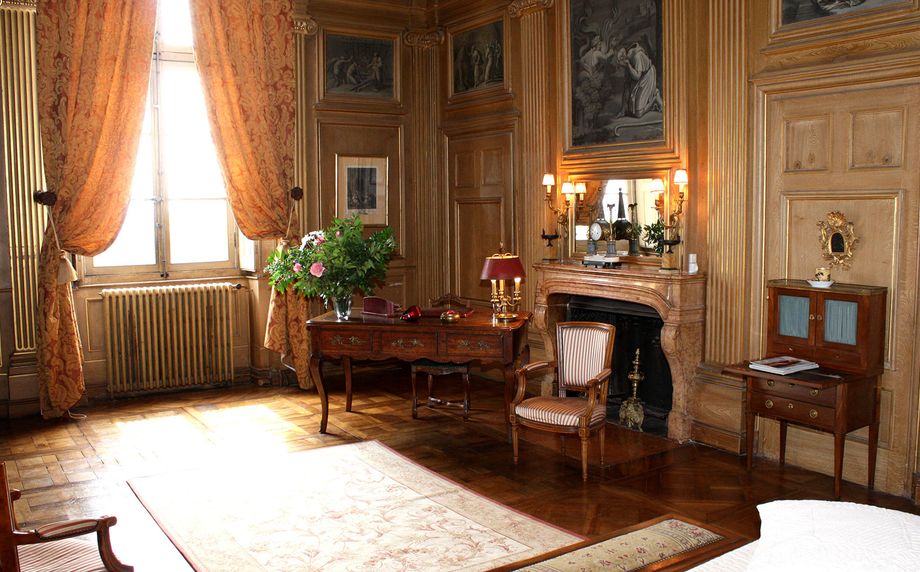
I shall never forget this sight, for he looked the perfect incarnation of hate. His green eyes blazed with lurid fire, and his white teeth seemed to almost shine through the blood which dabbled his mouth. Desperately he tried to vanquish what he did not comprehend. He was so exquisitely beautiful and so lost. “Is there a chill in the air, dear?” I said. “I almost shiver; have I been dreaming? You look ill, Mrs. Winchester; a little faint,” said Haze. “I am better now. How do you feel now, Haze?” I said. I was beginning to take alarm. Natural enough, was it not, that one of his own should take him away from Llanada Villa. “Papa would be grieved beyond measure,” he said. “If he thought we were inconveniencing you at all.” In a moment he was standing on his own feet. And then he walked drowsily beside me, my arm about his shoulder, bolstering him and steadying him, until we were moving towards his father’s cottage on my estate. I only half glanced at the figures passing us, until I saw a familiar shape under the trees. Somewhere far off in the darkened gardens, other were near. When he pushed open the door to his father’s home, he was laying dead upon the floor. His cravat was drawn halter-wise tight round his throat, and he had done its work well. The body was cold, and had been long dead. In due course the coroner held his inquest, and the jury pronounced that the deceased, Mac Austin, had died by his own hand, in a state of temporary insanity. However, Haze had his own opinion about his father’s death, though his lips were sealed, and he never spoke about it. He went and lived for the residue of his days in York, where there are still people who remember him, a taciturn and surly young man, who attended church regularly, and also drank a little, and was know to have saved some money. #RandolphHarris 2 of 8

But there occurred that night an event which gave my thoughts quite a new turn, and seemed to even startle even Haze’s languid nature. When I returned to my drawing-room, and sat down to coffee and chocolate, Elizabeth joined me, and we had a little card party. When the game was over, Elizabeth and I sat down on the sofa, and I asked her, a little anxiously, whether she had heard from her mother since her arrival. She answered “No.” I then asked her whether she knew where a letter would reach her at present. “I cannot tell,” she answered, ambiguously, “but I have been thinking of leaving you; you have been already too hospitable and too kind to me. I have given you an infinity of trouble, and I should wish to take a carriage to-morrow, and post in pursuit of her; I know where I shall ultimately find her, although I dare not tell you.” “But you must not dream such a thing,” I exclaimed. “I cannot afford to lose you so, and I will not consent to your leaving us, except under the care of your mother, who was so good as to consent to your remaining with us till she should herself return. I should be quite happy if I knew that you heard from her; but this evening the accounts of the progress of the mysterious disease that has invaded our community, grow even more alarming; and my beautiful guest, I do feel the responsibility, unaided by advice from your mother, very much. However, I shall do my best’ one thing is certain, that you must not think of leaving Llanada Villa without her distinct direction to that effect. We should suffer too much in parting from you to consent to it easily.” “Thank you, Mrs. Winchester, a thousand times for your hospitality,” Elizabeth answered, smiling bashfully. “You have all been too kind to me; I have seldom been so happy in all my life before, as in your beautiful mansion, under your care, and in the society of your dear niece.” #RandolphHarris 3 of 8
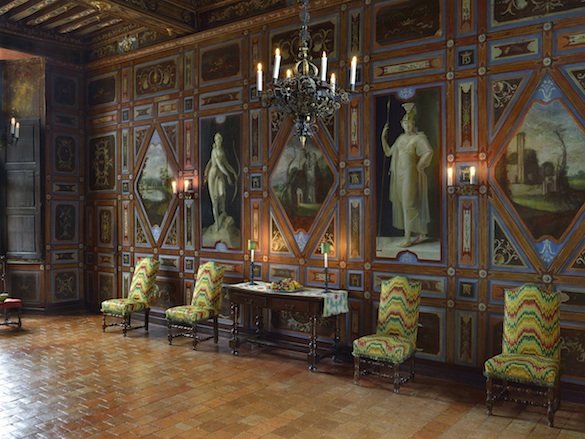
I accompanied Elizabeth to her room, and sat and chatted with her while she was preparing for bed. She turned around, “Do you think that you will ever confide fully in me about your home?” “Now, Elizabeth, you are gong to talk your wild nonsense again,” I said hastily. “Not I, silly little fool as I am, and full of whims and fancies; for your sake I’ll talk like a sage. Did you ever have a ball in the Grand Ballroom? What was it like? How charming it must be.” “I almost forget, it is years ago.” I laughed. “Mrs. Winchester, you are not so old. Your first ball can hardly be forgotten yet.” “I remember everything about it—with an effort. I see it all, as divers see what is going on above them, through a medium, dense, rippling, but transparent. There occurred that night what has confused the picture, and made it colours faith I was all but assassinated in my bed, wounded here,” I touched my breast, “and never was the same since.” “Were you near dying?” “Yes, a very—cruel love—strange love, that would have taken my life. Love will have its sacrifices. No sacrifices without blood. Let us go to sleep now; I feel lazy.” I bid her good-night, crept from the room with an uncomfortable sensation, locked her door and retired to my chambers. I was lying in bed, with my hands buried in my rich wavy hair, under my cheek, and my head upon the pillow. I often wondered whether my pretty guest ever said her prayers. I certainly had never seen her upon her knees. In the morning she never came down until long after our family prayers were over, and at night she never left the drawing room to attend our brief evening prayers in the hall. Ever since the midnight invaders, I locked all the doors in the house at night, and my whimsical alarms about prowling assassins required me to have the servants search every room in the house to make sure there were no lurking assassins or robbers “ensconced.” #RandolphHarris 4 of 8

After these measures were taken, I got into my bed and fell asleep. A light was burning in my room. This was an old habit, of very early date, ad which nothing could have tempted me to dispense with. Thus fortified I might take my rest in peace. However, dreams come through walls, light up dark rooms, or darken light ones, and their persons make their exists and their entrances as they please, and laugh at locksmiths. I had a dream that night that was the beginning of a very strange agony. I cannot call it a nightmare, for I was quite conscious of being asleep. However, I was equally conscious of being in my room, and lying in bed, precisely as I actually was. I saw, or fancied I saw, the room and its furniture just as I had seen it last, except tht it was very dark, and I saw something moving round the foot of the bed, which at first I could not accurately distinguish. However, I soon saw that it was a sooty-black figure that resembled a man. He appeared to me about five or six feet tall, he floated around the room hither and tither with the lithe sinister restlessness of a beast in a cage. I could not cry out, although as you ay supposed, I was terrified. Its pace was growing faster, and the room rapidly darker and darker, and at length so dark that I could no longer see anything of it but its eyes. I felt it spring lightly on the bed. The two broad eyes approached my face, and I could see it was Haze. He looked at me with centuries of evil blazing in his eyes, but there was not the slightest stir or respiration. And I felt a shudder. My heart expanded slightly, against my will. “I curse you,” he said. As I stared at him, I felt danger again, terrible danger. Then he appeared to have changed his place, and was now nearer to the door; then, close to it, the door opened, and he vanished. #RandolphHarris 5 of 8
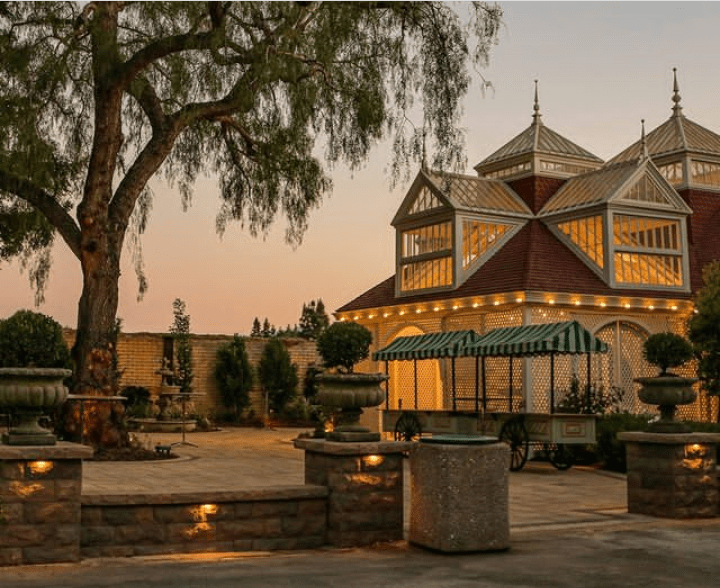
It would be vain my attempting to tell you the horror with which, even now, I recall he occurrence of that night. It seemed to deepen by time, and communicated itself to the room and the very furniture that had encompassed the apparition. Later that day, I had another strange experience; I walked into the parlor that afternoon where Daisy and Elizabeth had been sitting, and a saw Haze upon the sofa. However, then I realized that he was invisible to the others. He got up and walked toward me—I was not afraid—and then—seemed to dissolve into the air. And so I wondered…whether I might have fallen into a trance. I clasped my hands and struggled to control my breathing. We know that, in the mesmeric trance, a subject may acquire unusual mental powers; The Frenchman Didier, who could read minds, play cards blindfolded, and identify the contents of sealed containers with great accuracy, is one of the best-known instances. Ancient houses, it has always seemed to me, are like Leyden jars, quietly accumulating the influences of the past…and my home is a special case. I lay awake into the small hours, worrying over these anxieties as they became more and more nightmarish until I sank into a troubled sleep. Sleeping had become so difficult one night that I wandered through this vast mansion, searching for a precious jewel William had given me. The jewel had been lost; I did not know how, but I knew that my own carelessness was to blame. To make matter worse, I could not remember what kind of stone it was, for as I went from room to room, a voice kept chanting, “Emerald, sapphire, ruby, diamond,” over and over, and none of them seemed right, because the lost stone was a different, a more beautiful colour than any of those, and I knew I ought to be able to picture it, and thus recall its name, but I could not. #RandolphHarris 6 of 8

The mansion was absolutely silent; the light throughout, even in corridors was a pale, uniform grey like that of an overcast sky. The rooms were modestly furnished; each one seemed to have its own miniature flight of stairs, up or down two or three steps, and the corridors kept changing levels in similar fashion. Though the house itself was not especially sinister, my anxiety over the fate of the jewel grew steadily more acute until it had risen to an unbearable pitch. Then it occurred to me that I still had not searched the Venetian Dining Room. The thought precipitated a vertiginous change of scene; the light sank to a dim, murky brown, and I was standing in the doorway of the room where we had dined that night. The curtains were drawn, the candles snuffed; the room seemed to be empty, but as I crept toward the table, I saw, above the back of the chair in which I usually sat, the dark outline of a head. There was time to slip away quietly; but perhaps the jewel had fallen into the lining of my chair, and if I were to tiptoe forward, I might be able to see it. I was within two feet of the motionless figure when a voice spoke from the doorway behind me, a word that rang like a loud gong, louder and louder until it became my own cry of “No!” and I woke in grey dawn light to find myself standing at the head of the stairs. And then I thought I caught sight of a shape, dak in space and light, through the door in one of the bedrooms. There was a tall figure in what I could have sworn was a black top hat, staring directly back at me. The figure was dressed formally in black morning suit. And then, with a movement so spasmodic and sudden, the man turned and stated to walk eastward, out of sight. I dismissed it, as one of the Winchester’s passing enigmas. There was much about the curse of the Winchester Mansion that I did not understand. #RandolphHarris 7 of 8

Spirits of Llanada Villa, I awaken the powers of darkness which dwell within you by the power of the blood of the three heeded Dragon Zohak that you may serve to empower Mrs. Winchester’s great work! Through serving the greater cause of dark magick which break the shackles that bind the Blackened Fire of Spirit, may you be uplifted and liberated! Awaken and empower the forbidden rites of Angra Mainyu! Awaken to empower the Mrs. Winchester’s great work of counter creation as an Apostle of the Lord of Darkness eternal and as a warrior of the path of the Lemegeton. I adjure thee, Emperor Lucifer, as the agent of the strong living God, of His beloved Son, and of the Holy Ghost, and by the power of the Great ADONAY, ELOIM, ARIEL, and JEHOVAM, to appear instantly, or to send thy Messenger Astarot, forcing thee to forsake thy hiding-place, wheresoever it may be. Aeshma, Div of wrath and fury! He who wields the bloody mace! Aeshma who is demon of the wounding spear I call you forth into this temple of counter creation! Through devotion to my becoming on this path, your spiritual weapon has been made manifest in this corporeal World through my will and counter creative power so you may fill it with your essence and might! Empower it so that it may serve me here upon the corporeal plane! May it serve as a key to the realms above and below unlocking the power and wisdom for the spirits of the Winchester’s glory and ascent! Fill this weapon with your powers of wrath and fury that it may seek out spiritual attacks made and render them useless and impotent! #RandolphHarris 8 of 8

One Halloween, a tour guide saw a little boy who was no more than six years old. He was dressed in a black hood, and long black robe, and it looked like he did not have a face, as he had a black, opaque nylon covering the opening in the hood. The tour guide asked him who he was supposed to be, and the little boy said, “I’m the Angel of Life.” The tour guide then asked him who the Angel of Life is. The boy replied, “The Angel of Life is someone who comes to talk to you. He tells you things about your life.” The conviction on the little boy’s face and the non-hesitant way in which he explained who he was made the tour guide think that the boy had some knowledge of what he was talking about. Shortly after, objects in the gift shop started floating about, and glimpses of a shadowy figure were spotted in the basement. In the café, according to a female patron, she had been sitting at a table in a back corner of the room when a man suddenly appeared in a chair across the table from her. The man stared straight ahead and refused to react in any way. The female patron looked away to get the waitress’s attention and when she looked back, the man was gone. The woman related that the elusive figure was wearing old-fashioned clothes. https://winchestermysteryhouse.com/

And please be sure to check out the online gift store: https://shopwinchestermysteryhouse.com/
 Randolph Harris II International Institute