
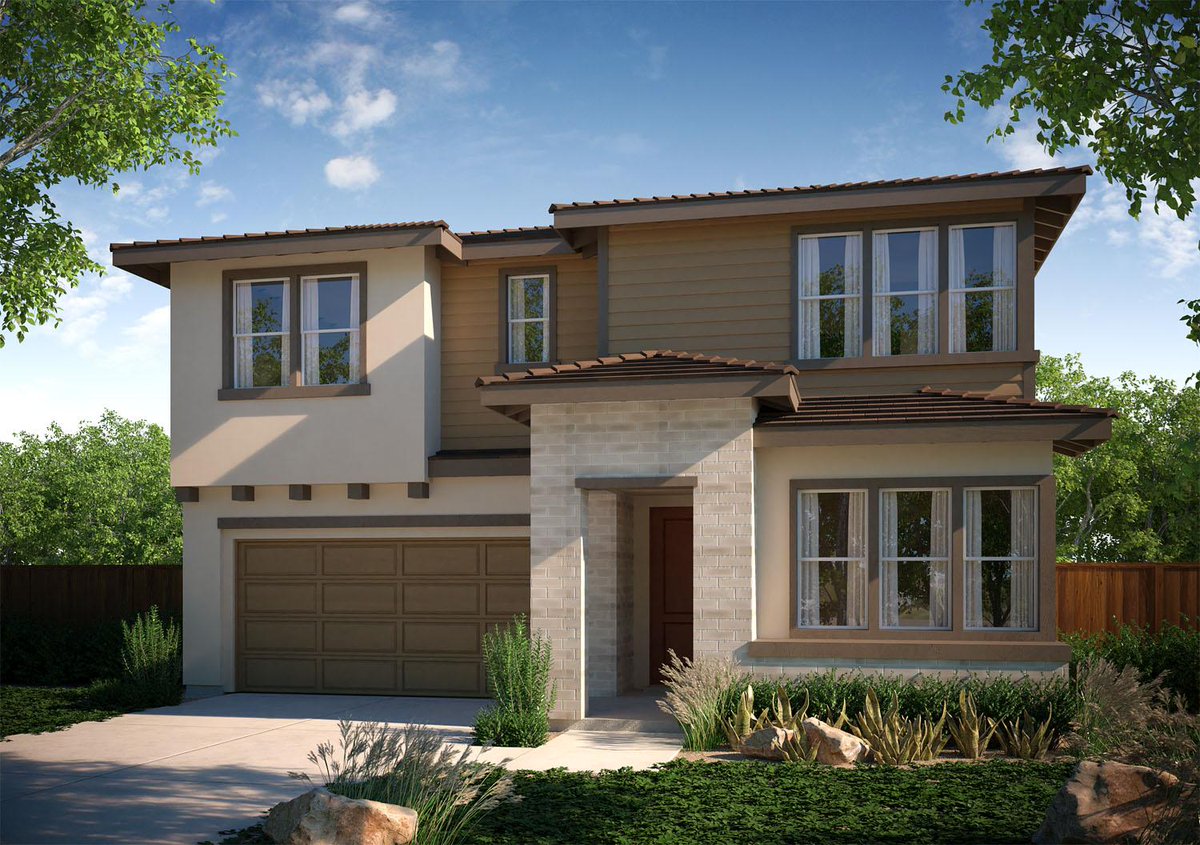
 Vision is one of our most dominant sense. Good lighting is truly everything. Light, natural or artificial, helps us to define spatial relationships, and it stands to reason that many architects must concern themselves with light. Interior spaces demand lighting, either natural, artificial, or a combination of both. Our sense can be deeply affected by the quality of its light, as it is aesthetically the most visually pleasing and complimentary to both the inside and outside of a house. Because our sense are intertwined, others aspects of our spaces, such as acoustic features, artwork, and furnishings, also feel better when lighting is good. Lighting is also appealing because it is dynamic—brightness of light during different times of the day and color fluctuates with passing clouds. The spatial relationships demonstrate how important color—and, by extension, light—is to our experience of space. Electric light technology has made great efforts to emulate the natural patterns of light, and this is an indication that we appreciate and benefit from natural lighting as a species. One of the most dramatically lit spaces in all modern architecture is Le Corbusier’s church of Notre-Dame-du-Haut at Ronchamp in eastern France. The light is admitted through narrow stained-glass windows on the exterior southern wall, but as the window boxes expand through the thick wall, the light broadens into wide shafts that possess an unmistakable spiritual quality. The effect is one of extraordinary beauty. #RandolphHarris 1 of 7
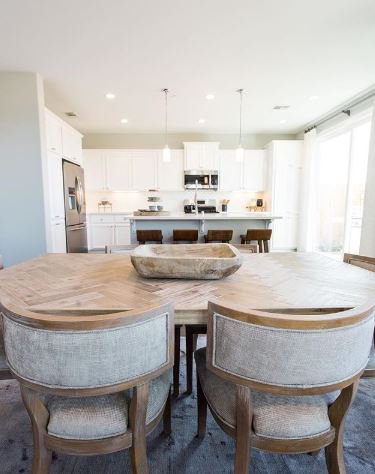 Architects understand that if they are interested in representing the World, they must learn to incorporate the effects of light in their construction. With increased attention to healthy living environment, people are looking for eye-catching homes that maximize natural light in floor plans that flow, which ass immeasurable value to their homes, as it is one of the largest investments. These homes tend to have more character and soul. They allow the buyer to take a journey and spend time exploring experiences and create the kinds of rooms, which represent places that makes one feel good. Lighting affects the ambiance and mood of a space and can help bring value to the function of architecture, as it plays a role in the way people experience and understand the atmospheric perspective of the architecture. The sense of space that light creates can allow us to see the and appreciate the beauty of the area around us when it is luminous and has intense light by giving the sense that the rooms stretch beyond the limits of vision. This can bring an emotional value to architecture—it helps create a spiritual experience as if we are surrounded by Heavenly light. Whether it is daylight or artificial lighting, light draws attention to textures, colors, and forms of a space, helping architecture achieve its purpose. #RandolphHarris 2 of 7
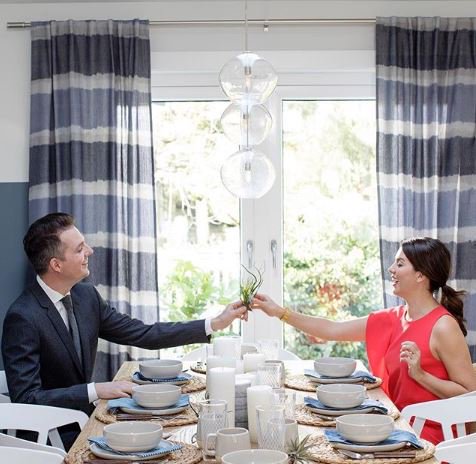 In Heaven there is only pure light, but the fact that we can experience color—which, according to the laws of optics, depends upon light mixing with darkness—promises us the hope of salvation. Aesthetics is where designers and architects focus on the emotional impact and the balance of lighting because they want the people who occupy them houses to be awed as they walk through the doors, and have the ability to show off their product. In many causes light symbolizes the spiritual World, and it is powerful and revealing. It also helps occupants feel safe when navigating a room or entire home. They are able to see the floor and walls around the, which create a feeling of reassurance. Along with a breathtaking layout, the open floor plans and many windows allow for an incredibly energy efficient space. Lighting improves people’s lives, makes a house more beautiful by drawing attention to areas, all while making it easier to see. Ambient luminescence is the use of background lights that illuminates an entire space. It can suggest the freedom of space and can suggest infinity. Accent lighting is a layer that can by dynamic and colorful brilliance aim to excite the optic nerves, and in turn stimulates the body and spirit, quickens the appetite, awakens curiosity, and sharpens the wit. #RandolphHarris 3 of 7
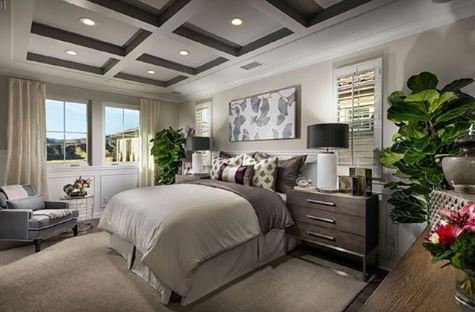
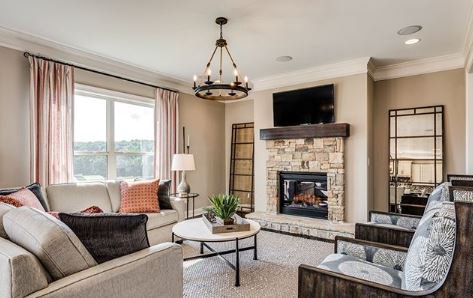 Some people like to see a beautiful chandelier welcoming them in the house, and lavish wall sconces light the hallway, and areas of the house to be accentuated with pod lights, ceiling fans, pillars, and other architectural features such as sliding glass doors. To enhance vertical a home, light should be directed towards wall surfaces. If there is a wall that is a different texture, or simply one that the occupants should notice more than others, wall washing is a great tool. It will draw attention to the wall and make it appear as its own architectural elements instead of a piece of an entire room. Window treatments can also add style and functionality to a room. When thinking about lighting design, architects always have to take into consideration energy efficiency. Architecture has evolved to design greener buildings and homes. The goal is to be more focused on energy consumption and sustainability. Some new homes, like Cresleigh Domain, even come with solar panels included with the purchase of the home. New smart light designs focus on controlling the lighting from every room of the house. Light dimmers dominate newer designs because they allow for controlling the intensity of the light in a specific area. Smart lighting allows a person to complete tasks in a certain area while only using the light necessary to do so. #RandolphHarris 4 of 7
 When one spends a lot of time under fluorescent light, the brain tends to get overstimulated. This overstimulation might make people feel uneasy or nervous. This feeling affects concentration and reduces productivity. Light dimmers and warmer lights tend to help with this issue. As humans, we a have built-in biological clock. Our exposure to daylight influences the process. Too much exposure to bright light during the evening can delay our sleeping schedule. Dimming the lights before bed, however, has a calming and drowsy effect. Compliment colors in rooms can highlight the structural design. There is perhaps no better evidence of the psychological impact a change in intensity can make than to look at the newly restored frescoes of the Sistine Chapel ceiling at the Vatican in Rome, painted by Michelangelo between 1508 and 1512. Restoration was begun in 1980 and was completed in 1995. The process was relatively simple. A solvent called AB 57, mixed with a fungicide and antibacterial agent and a cellulose gel so that it would not drip from the ceiling, was painted on to a small section of the fresco with a bristle brush. The AB 57 mixture was allowed to sit for three minutes, and then it was removed with a sponge and water that also removed the grime. The process was repeated in the dirtiest areas. The entire operation was documented in great detail by the Nippon Television Network of Japan, which funded the entire restoration project. #RandolphHarris 5 of 7
 Restorers have discovered that the dull, somber hue always associated with Michelangelo were not the result of his palette, that is, the range of colors he preferred to use, but of centuries of accumulated dust, smoke, grease, and varnishes made of animal glue painted over the ceiling by earlier restorers. The colors are in fact much more saturated and intense that they seem, beside the golden tones of the unrestored surface, almost garish. As a result, there has been some debate about the metrics of the cleaning. Architectural trends are always evolving to make rooms and buildings more sophisticated. By adding a certain color or a combination of colors, one can simply change one’s mood, one’s room by creating optical illusion and make it seem smaller or larger. Color also gives us a certain state of mine, can energize us, can cheer us, can make us feel safe, calm, relax, can increase the ability to concentrate or remind us of pleasant things. Texture can also bring a perfectly fine design up to enviable levels. Texture is the sensation caused by the external surface of objects received through the sense of touch. Paint can be enhanced by adding texture to the walls. It has the ability to spark a mood or drama in a space without having to change out the furnishings, flooring, and architectural details. #RandolphHarris 6 of 7
 Textured wall paneling is sold in sheets that can be attached to the wall, and then painted over. Several wall panel varieties come in different colors, or many home owners prefer to leave them white. Depending on the aesthetic one is trying to create, bold textured wall panels are a nice option for one’s interior walls. Many people like to use ship lap on walls, brick, stone, crushed formica in the paint to look like crystals, or Lincrusta wallpapers, which has various styles and patterns. Some people have walls that look art work. Other texture techniques used on interior walls involve painting murals, patterns, and even trompe l’oeil. Trompe l’oeil is an artistic technique that involves painting realistic images and scenes to give the illusion of textures, and realism. This is used on walls to give a room depth, character, or to change the mood of a room dramatically. Walls that have painted to look like artwork can be done by artisans or interior wall professionals. There are also wallpapers and do it yourself murals that mimic hand painted artwork on walls. Whichever is your method of application, the results can be stunning. Let us look deeply into our own lives, setting our own goals and focusing our plans to align with God’s in a way that will ultimately lead us toward our precious privilege to return and receive blessings. “God has entrusted you with these things, which are sacred, which he will keep and preserve for a wise purpose in one, that he may show forth his power unto future generations,” Alma 37.15. #RandolphHarris 7 of 7




 Randolph Harris II International Institute