

Artists and scientists deal with the same World, but they differ in their intellectual attitudes and in the techniques they use to recognize and describe objects, person, and events. Artists focus their attention on private experiences, scientists on the generic aspects of nature. This difference in attitudes is so fundamental that the aspects of the World with which science and art are respectively concerned have little in common. Sometimes the idea of being a hip party person who is in the nightclub living it up, listening to techno opera, and talking to swanky people about work, vacations, and all the nice things our sweetheart is doing for us. In a party scene, the feeling type often brings a sense of enthusiasm, joy, conviviality, companionship and togetherness. However, is that all we are? It is enough for us to absorb the teachings of our society, its rules and norms, its definitions and its roles? What of joy? Fear? Anger? What of personal satisfaction, or thrill, risk, all powerful feelings?

We really need to look at these and other emotions that are such an essential part of being human. However, in our computer-oriented, information-valuing society, emotions and emotional people are often ridiculed. It is not usually a compliment when you describe someone as emotional. Some of us are the thinking type, in cognitive mode, which is one that focuses on reason, scientific method, logical thinking is dominate. These types of people are inclined to deal with nearly every type of situation and experience as Mr. Spock did, much like a proper computer and not some much emotion nor sarcasm. The sensing organs and the process of picking up information (sensations) through the sense is helpful because human beings are not robots! Human beings are not mechanical or machine like. They have a full range of emotional responses, and if we were honest most of us would admit that we would prefer a bit more feeling in the people around us.
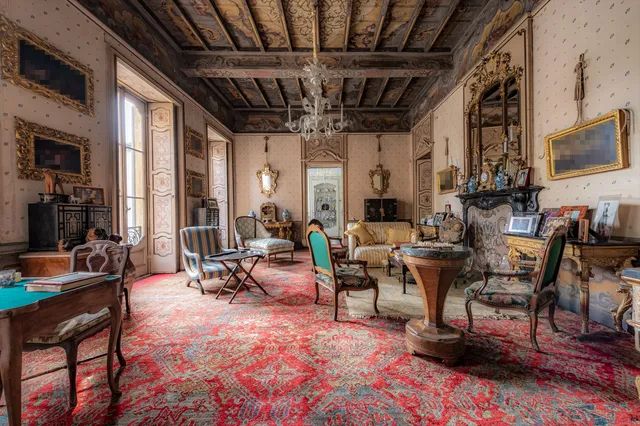
Being human (and not a humanoid), we are all emotional, though we may deny it. We all have emotional responses to events and people and potentials for far more feelings than we often express. I actually want a career, but I also know that I need to rest and enjoy life. I feel like I am just waiting and waiting and waiting, and I wonder when the Universe will finally reward me for the good that I have done. I am a good person. I find myself attractive and I like to be happy. When I was younger, I remembered thinking I never wanted to do the same thing every day. I wanted to travel and get around and be a businessperson. And by the time I turned 30, I envisioned I would be in a nice white, two story house, with wood siding, with navy blue, Atlantic premium wood shutters on the exterior, emerald green grass, every green trees, a white picket fence, a BMW sedan and Sports Utility vehicle, and a convertible in the garage, a wife, two kids, hardwood floors, Royal Palace French provincial furniture, lots of windows, and real mahogany wood panels on the walls, with a basement, and a secret passage way in the house. However, I am not sure what I really want, some I am just going to leave that in God’s hands.

We have to judge between alterative courses of action to consider the consequences of each, in terms of the pleasure and pain of all the people affected. Let us suppose, for example, that I am trying to decide whether to take my small nephew to the circus or to spend my evening at the house with a book. I know that the circus will bore me: I may estimate this boredom at, let us say, 5 units of pain; i.e. -5 units of pleasure. I will, on the other hand, gain some sympathetic pleasure from watching the small boy’s pleased excitement, though not enough, certainly, to compensate for my boredom. I may put this at +2 units of pleasure. However, the boy may be expecting to gain great pleasure from the outing: perhaps 10 units. Taking the child to the circus, then, may be expected to yield (10+2) – 5 units of pleasure; i.e., 7 units. Now, consider the alternative. A quiet evening at the house, though pleasurable, does not transport an adult as much as an evening out does a child: perhaps we may evaluate it at 6 units. My pleasure will be spoiled a little, too, by the sympathetic pain that knowledge of my nephew’s disappointment itself: since both the pains and pleasures of childhood are intense, we may put it at – 8 units. To stay at the house, then, will cause 6 – 2 – 8 units of pleasure, i.e., 4 units of pain.
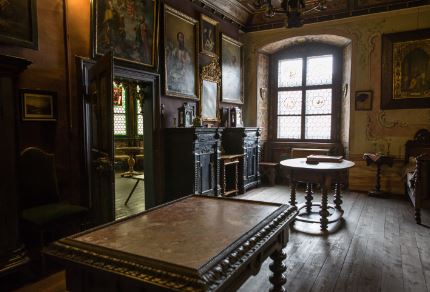
The first is clearly the one that will contribute most to the sum of happiness. It is then, the right action in these circumstances. Its rightness is not an intrinsic characteristic, but it depends entirely on its consequences in any given case: if I found the circuses more boring, or the nephew found them less pleasant, staying at the house might become the right action. This is, of course, a comparatively crude example. This type of ingenuity and refining calculus and working out these implications are important for legal reform. Punishment, for example, must be just harsh enough to deter, and no harsher. Any more pain than is necessary for this purpose is unjustifiable. On the other hand, too lenient a punishment is a worse evil, since the pain inflicted on the criminal, being insufficient to deter, will not be counterbalanced by the pain spared future victims of similar crimes. We have just begun to open up the Pandora’s box of surprises that awaits us in the study of our social World. The culture has a tremendously important influence upon us, giving us stuff to put in our near-empty minds at birth, refining and guiding, bullying and encouraging us, so that we will turn out to be pretty much what society needs us to be.
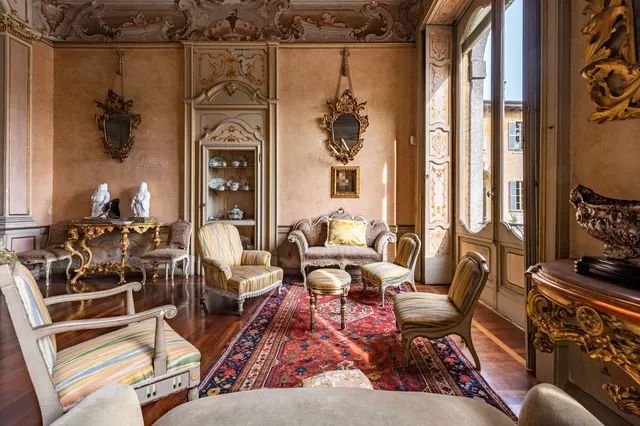
Sometimes no process is superior to the others, though one is probably more appropriate and useful than the others at a given time and situation. It is important to experience life and to relate to the World in terms of emotions, both pleasant and unpleasant, of memories, of past and present feelings about a situation. Experiences are good and bad, pleasurable and unpleasureable—but we cannot just take them passively. I know I am blessed and I see you are happier, and that is nice. In the moral realm, freedom has grown so that many choices which were either controlled by law or churchly dictate are personal choices. The right to plan the number of children a family shall have…[and] such choices as drinking, non-criminal gambling, have becomes choices the individual has a right to make. One of our goals as humans is to help other individuals round out their personality so that they are not exclusively one type or another. It seems to me that if we are going to live sanely, then we must respect and be sensitive to differences, realizing that no two individuals are alike, and that is we really understand someone, we understand how one differs from us I really know one thing for such that would make me happy, a big house in the suburbs and privacy.
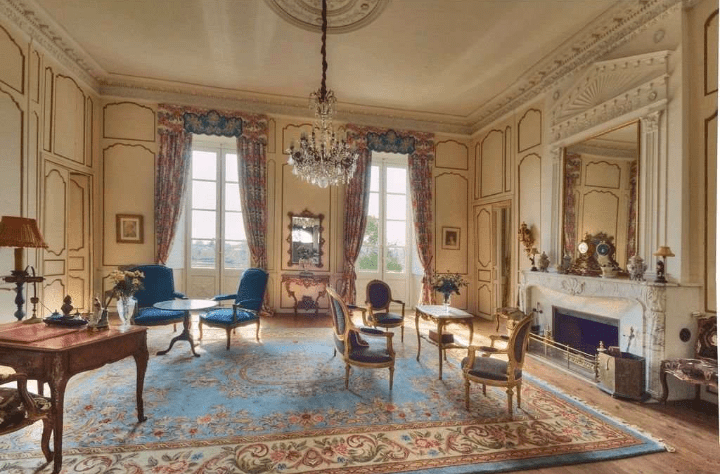
The Winchester Mystery House
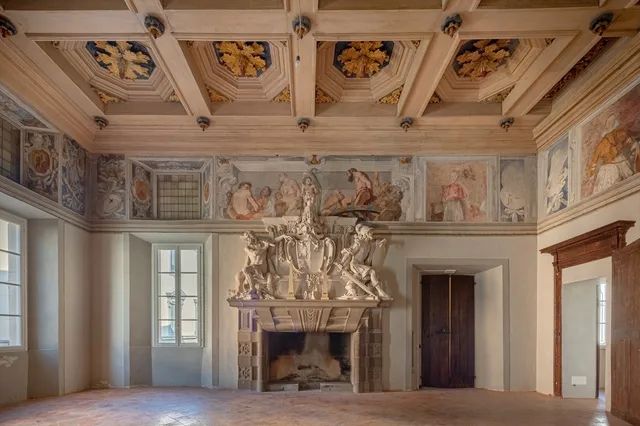
Come explore the history and lore behind The Winchester Mystery House. https://winchestermysteryhouse.com/




 Randolph Harris II International Institute