
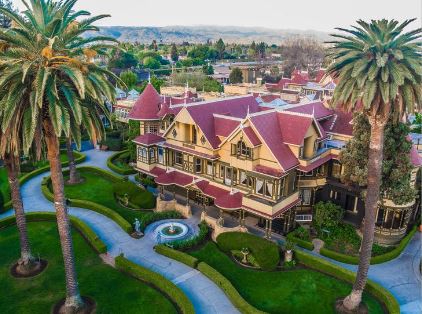
How aesthetic freedom consists in the playful contemplation of objects is characterized by the condition that we expect nothing from this object—especially no gratification of our serious needs—but that we content ourselves with the pleasure of contemplating the same. In the contrast to labor, the aesthetic attitude is playful. Aesthetics usually pertain to the appreciation of the beautiful, as opposed to the functional or utilitarian, and by extension, to the appreciation of any form of art, whether overtly beautiful or not. The aesthetic sense is mean to satisfy our desire to see and experience the gorgeous. However, life sometimes demonstrates and represents other truths, other realities that seem to have little to do with a purely aesthetic response to the World. The architecture of living involves an intricate choreography of leaps and arcs, a sense of the futility (and comedy) of human activity, and a dramatic sense of contrasts between light and dark, stasis and motion, and we can see as part of the country is in a major drought and burning, while the other half is flooding—fire to water.
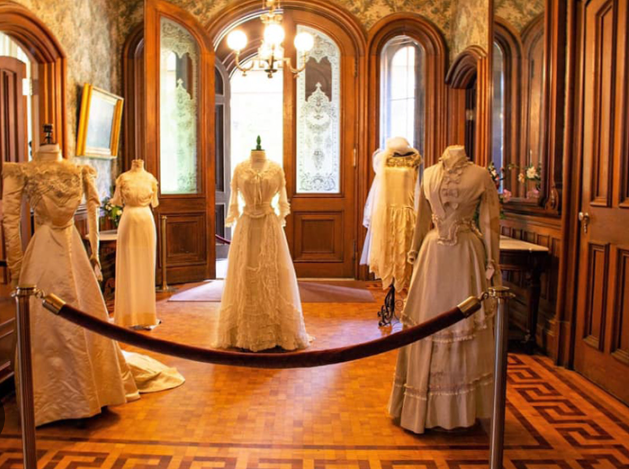
It may be that from aesthetic freedom there also results a kind of judgment, freed from the conventional restrictions and rule of conduct, which, in view of its genesis, I will call the playful judgment. This conception contains the first condition and possibly the entire formula for the solution of our problem. Freedom begets wit and wit begets freedom. Wit is nothing but a free play of ideas. Since the time immemorial, a favorite definition of wit has been the ability to discover similarities in dissimilarities, id est (that is), to find hidden similarities. We can jocosely express this idea because wit is the disguised priest who unites every couple. He likes best to unite those couples whose marriage the relatives refuse to sanction. It is as if the innocence has been stripped away, and the full brutality of modern life revealed in its stead. This can cause us to ask some difficult questions. Can the ugly aspects of love be enjoyed? Can the ugly be made, by the heart, to appear beautiful, and if so, does that cause us to ignore the reality of the situation? The psychological mechanism of denial which is, in common language, called playing ostrich.
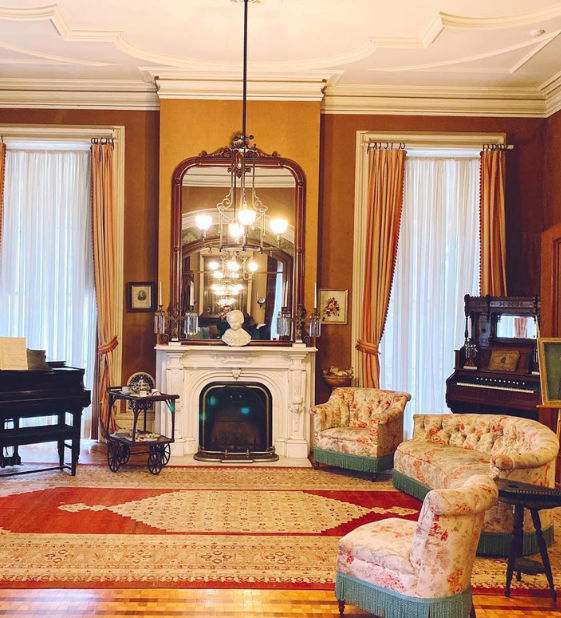
We see people denying reality every day, in various forms of refusing to face the inevitable. All the warning signs are there, but the person does not take heed. Thus, the man who is obviously in the process of losing his job tends not to notice. These partners in a marriage that is going down the drain take no corrective action. The person with poor mental hygiene ignores all of the symptoms and avoids medical attention. The politicians fail to look at social problems, hoping they will go away. Whole countries are oblivious to the precarious state of existence, exempli gratia (for the same of example), the 9-11 attacks. The building manager ignores the warning signs of having a functional barbeque grill chained to a face near shrubs, and a dumpster, in a parking lot, which the residents frequently use. We have all experienced regret that we did not pay attention to the warning signals of trouble ahead. In some witticisms, there is no question of comparisons or discovery of similarities that a large number of these witty judgments refer to the wit that the humorist possesses and not to the wit that he produces.
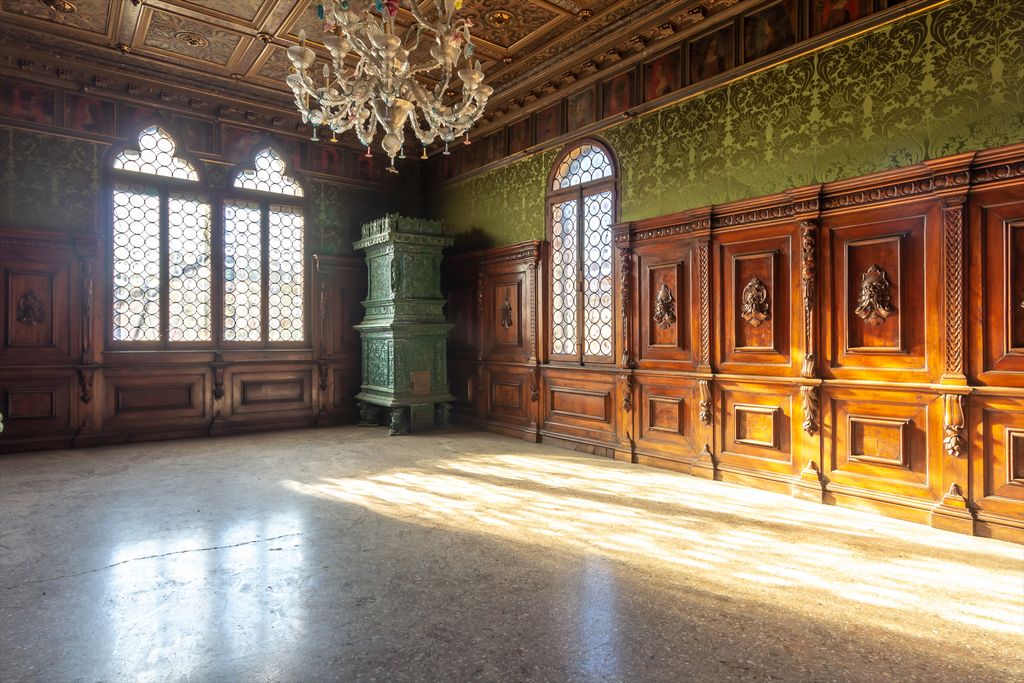
There is clearly the contrast of ideas, sense in nonsense, and confusion in clearness. Wit is the voluntary combination or linking of two ideas which in some ways are contrasted with each other, usually through the medium speech association. The contrast remains, but is not formed in a manner to show the ideas connected with the words, rather is shows the contrast or contradiction in meaning and lack of meaning with words. The Crucifixion of Christ is one of the most tragic and horrifying depictions in history. Many people cannot bear to look at his lifeless body mounted in a cross because rigor mortis has set in, Christ’s body is torn with wounds and scars, his flesh is a greenish gray, his feet are mangled, and his hands are stiffly contorted in the agony of death. It was assumed that people would find solace in knowing that Christ had suffered at least as much as they did. The ugly and horrible are transformed into art, not least of all because, as Christians believe, resurrection and salvation await the Christ after his suffering. The line that runs down his backside is, in fact, the edge of a double door that opens to reveal the Annunciation (the announcement of the Incarnation by the angel Gabriel to Mary) and the Resurrection behind.
In the latter, Christ’s body has been transformed into a pure, unblemished white, his hair and beard are gold, and his wounds are rubies. It may thus have many meanings. We lend a meaning to an expression, knowing that logically it does not belong to it. We find in it a truth, however, which later we fail to find because it is foreign to our laws of experience or usual modes of thinking. We endow it with a logical or practical inference which transcends it true content, only to contradict this inference as soon as we finally grasp the nature of the expression itself. The psychological process evoked in us by the witty expression which gives rise to the sense of the comic, depends in every case on the immediate transition from the borrowed feeling of truth and conviction to the impression or consciousness of relative nullity (law—an act or thing that is legally void). The mechanism of wit is produced through the succession of confusion and clearness. By an excellent witticism from Heine, who causes one of his figures, the poor lottery agent, Hirsch Hyacinth, to boast that the great Baron Rothschild treated him as an equal or quite a famillionaire when this is something incomprehensible, inconceivable and enigmatic. Brevity alone is the body and soul of wit.




 Randolph Harris II International Institute